Trip and Tales

¤ 10+ minutes Read

Chopta

A complete tourist and cultural guide

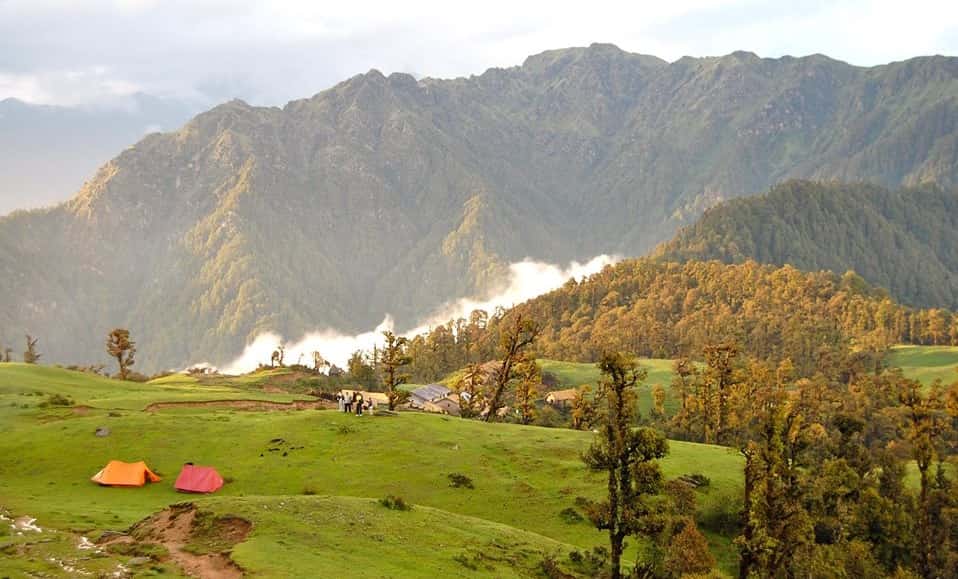
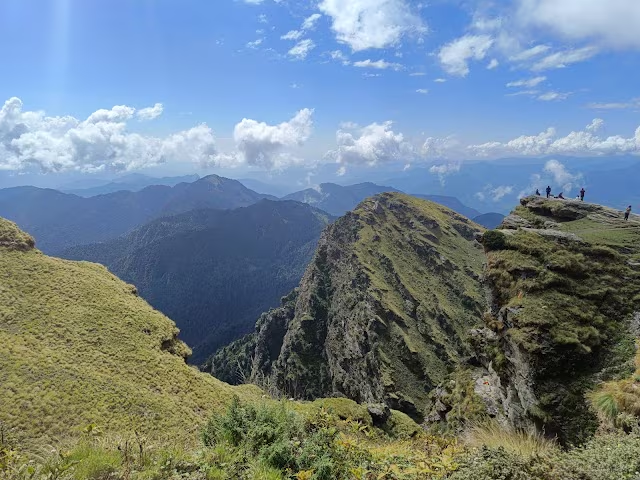
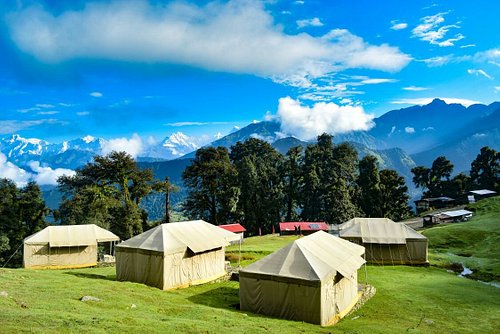
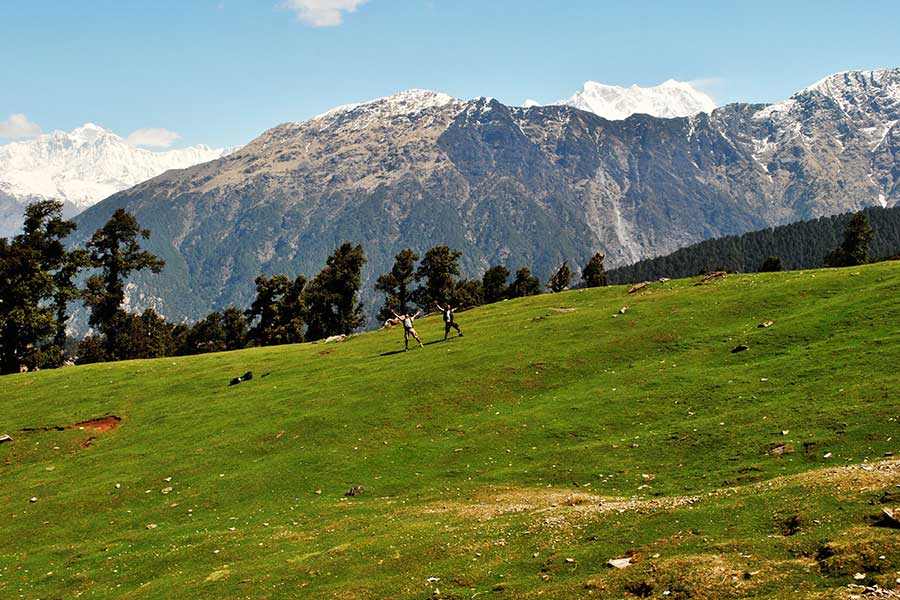
The majestic Garhwal Himalayas rising behind lush green meadows in the Chopta region.

Nestled in the Uttarakhand Himalayas, Chopta is a picturesque hill station and base camp for treks to Tungnath and Chandrashila. Part of the Kedarnath Wildlife Sanctuary, this stunning destination is renowned for its lush meadows, dense forests of rhododendron and oak, and breathtaking views of snow-capped Himalayan peaks like Nanda Devi, Trishul, and Chaukhamba. Often called the “Mini Switzerland of India,” Chopta is a paradise for nature lovers, trekkers, and those seeking tranquility away from bustling tourist crowds.

Wiki Link: Chopta wiki page

Must-Visit Attractions in Chopta

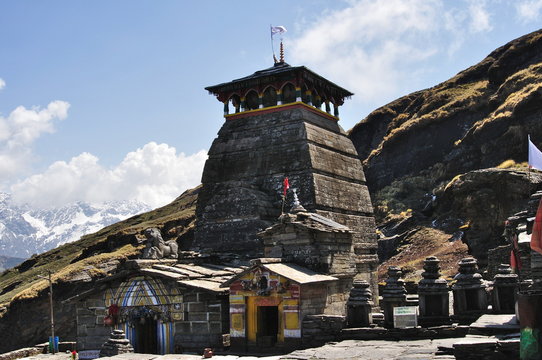
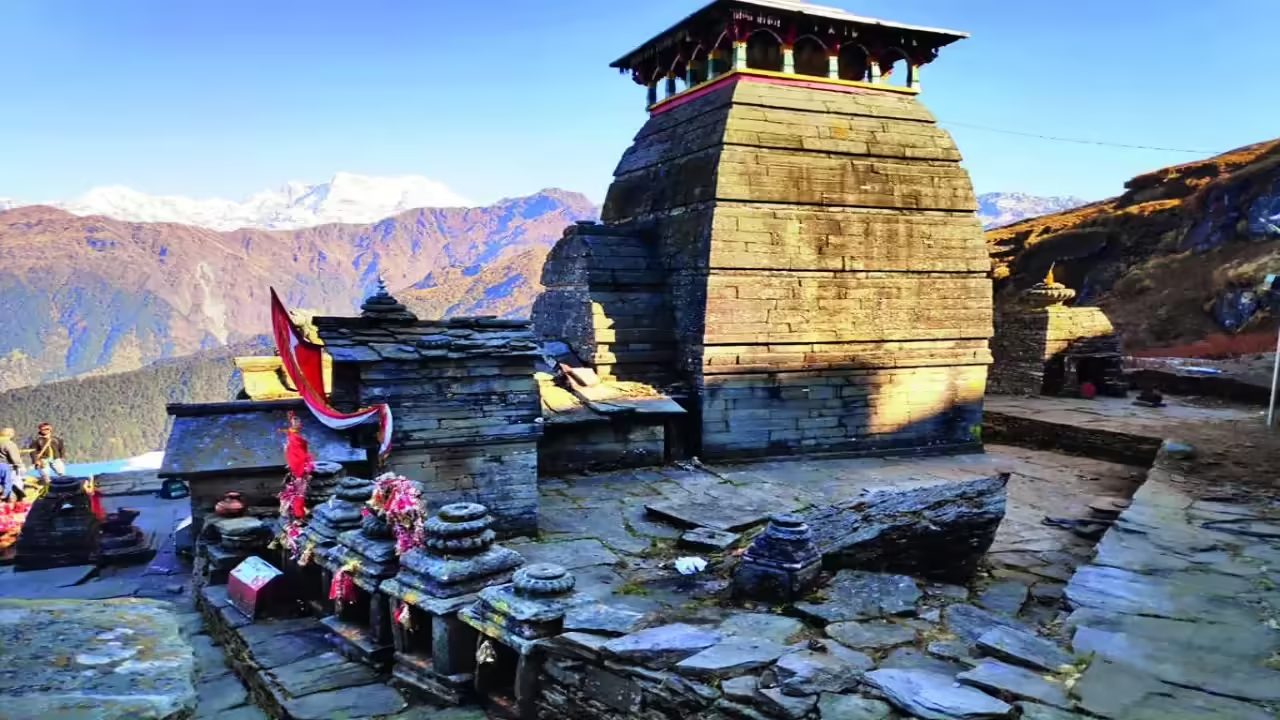
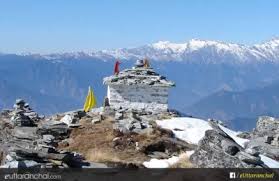
The ancient Tungnath Temple, highest Shiva shrine in world, nestled above Chopta.

Tungnath Temple

Perched at 3,680 meters, it’s the world’s highest Shiva temple and one of the sacred Panch Kedar shrines.

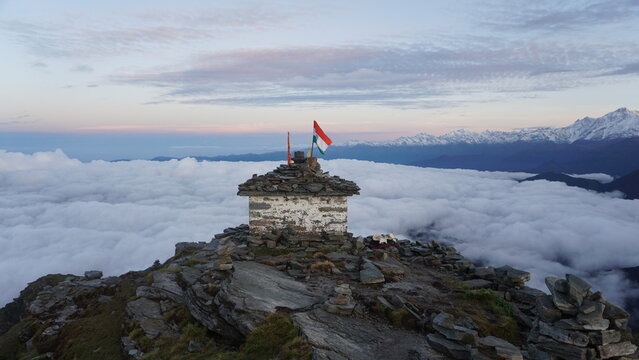
Trekkers celebrating at Chandrashila Summit with stunning Himalayan peaks visible from Chopta.

Chandrashila Summit

At 4,000 meters, this “Moon Rock” summit offers stunning 360-degree Himalayan views and legendary meditation site.

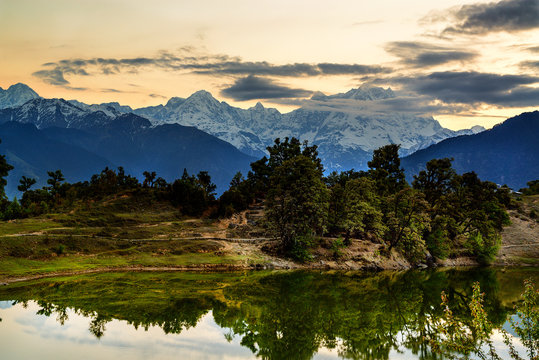
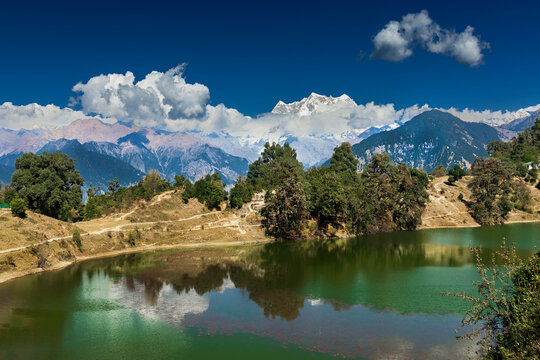
The mirror-like Deoria Tal reflecting Chaukhamba peaks, a serene lake near Chopta.

Deoria Tal

This serene high-altitude lake perfectly mirrors the Chaukhamba peaks, ideal for camping and photography.

The dense forests of Kedarnath Wildlife Sanctuary surrounding the pristine landscapes of Chopta.

Kedarnath Wildlife Sanctuary

One of the largest Western Himalayan protected areas, home to musk deer and colorful monal pheasants.

Major Attractions Nearby Chopta

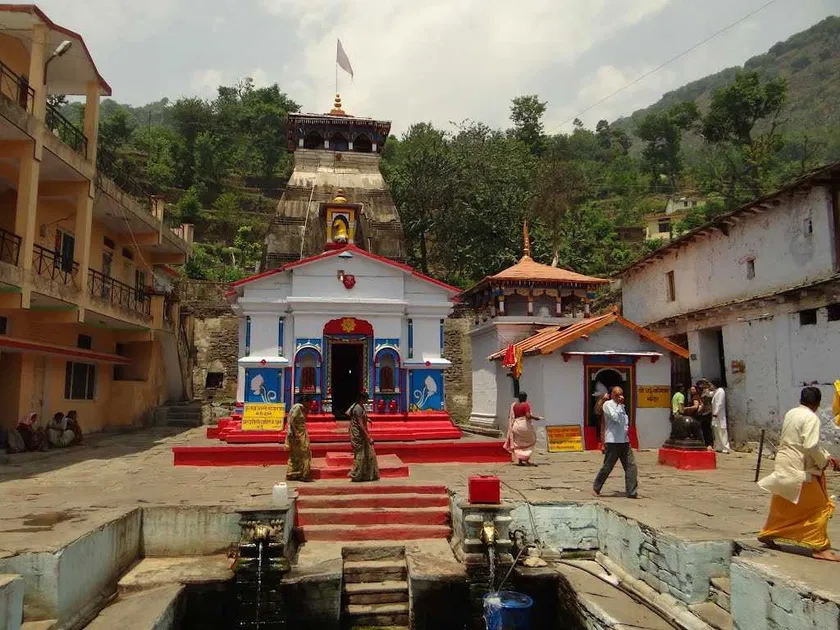
The temple town of Ukhimath, winter seat of Kedarnath and gateway to Chopta.

Ukhimath

Important religious town where Kedarnath and Tungnath idols are worshipped during winter months.

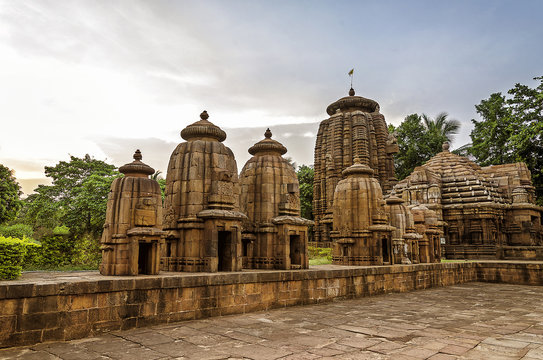
The scenic hill station Mukteshwar with its ancient temple, accessible from Chopta.

Mukteshwar

Ancient Shiva temple offering breathtaking sunset views, orchards, and adventure activities like rappelling.

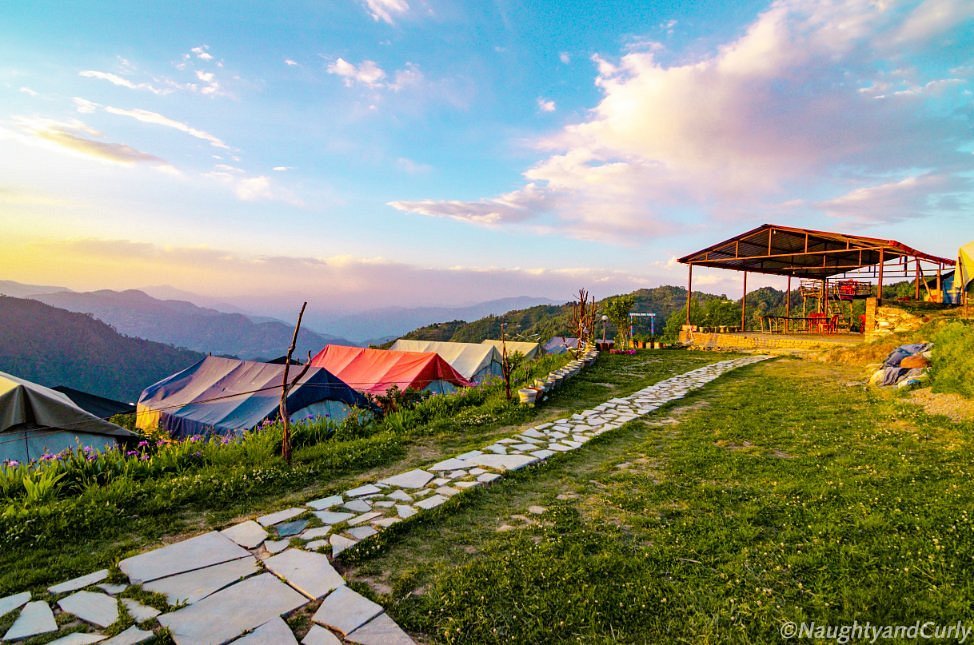
The tranquil hill station Kanatal with lush forests, a peaceful retreat near Chopta.

Kanatal

Tranquil hill station offering Himalayan views, camping, trekking, and zip-lining amidst dense forests.

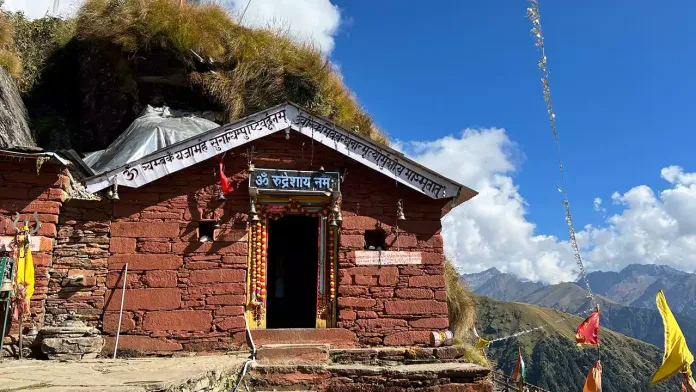
The sacred Panch Kedar temples including Tungnath, revered pilgrimage sites near Chopta.

Panch Kedar

Explore Kedarnath, Madhyamaheshwar, Rudranath, and Kalpeshwar, each with unique legends and settings.

Things to do in Chopta

Chopta is an adventurer’s playground and a spiritual retreat rolled into one. From challenging treks to serene nature walks, the region offers experiences that stay with you forever.

Adventurous trekkers ascending through rhododendron forests towards Tungnath from Chopta.

Trek to Tungnath & Chandrashila

Popular moderate trek through forests to highest Shiva temple and breathtaking Chandrashila summit.

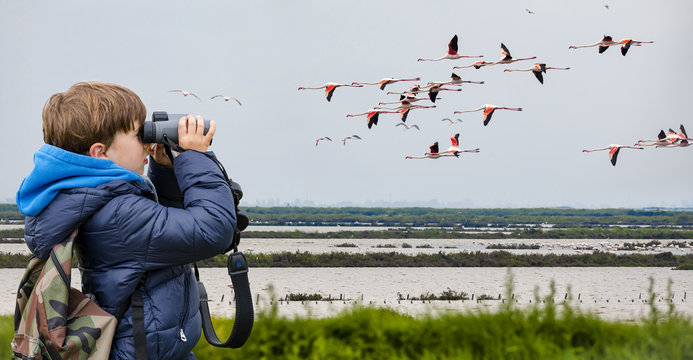
A birdwatcher spotting the colorful Himalayan Monal in the forests around Chopta.

Bird Watching

Birding paradise home to Himalayan Monal, koklass pheasant, and numerous Himalayan bird species.

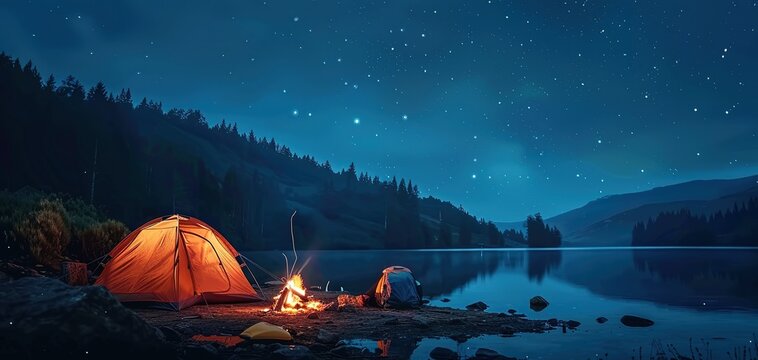
Colorful tents pitched under a starry night sky in the meadows of Chopta.

Camping under the Stars

Camp amidst towering pines with crystal-clear starry skies, bonfires, and local meals.

A photographer capturing the perfect reflection of Himalayas in Deoria Tal near Chopta.

Photography at Deoria Tal

Capture stunning Chaukhamba peak reflections in pristine waters during magical sunrise and sunset.

The Performing Art of Chopta

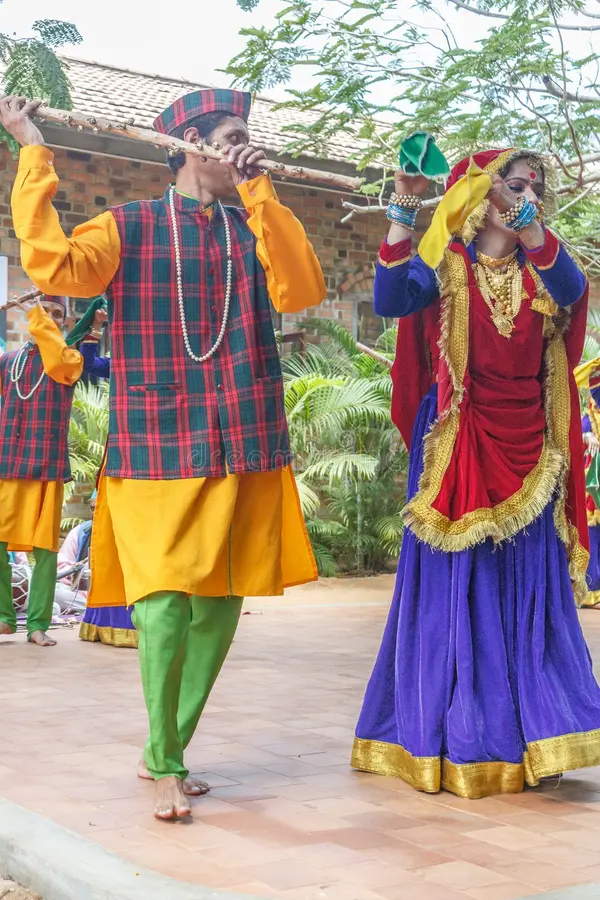
Chopta is situated in the heart of the Garhwal region of Uttarakhand, an area rich in folk culture, music, and dance that celebrates nature, mythology, and the simple mountain life.

Music Forms

Local musicians playing traditional instruments, their folk music echoing through Chopta.

Garhwali Folk Music

Women singing auspicious Mangal Geet during a wedding celebration in Chopta villages.

Mangal Geet

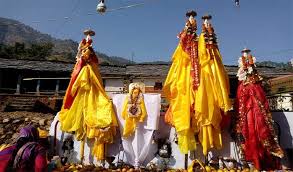
A spiritual Jagar ceremony being performed to invoke local Garhwali deities.

Jagar

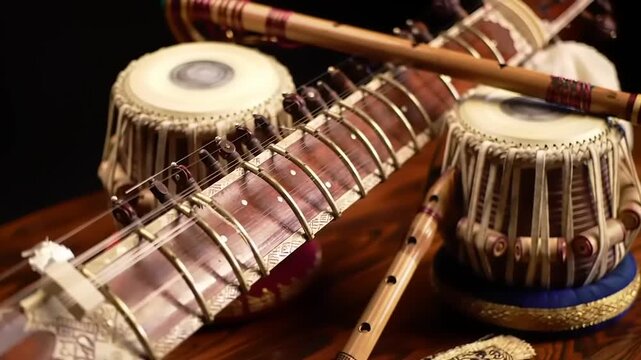
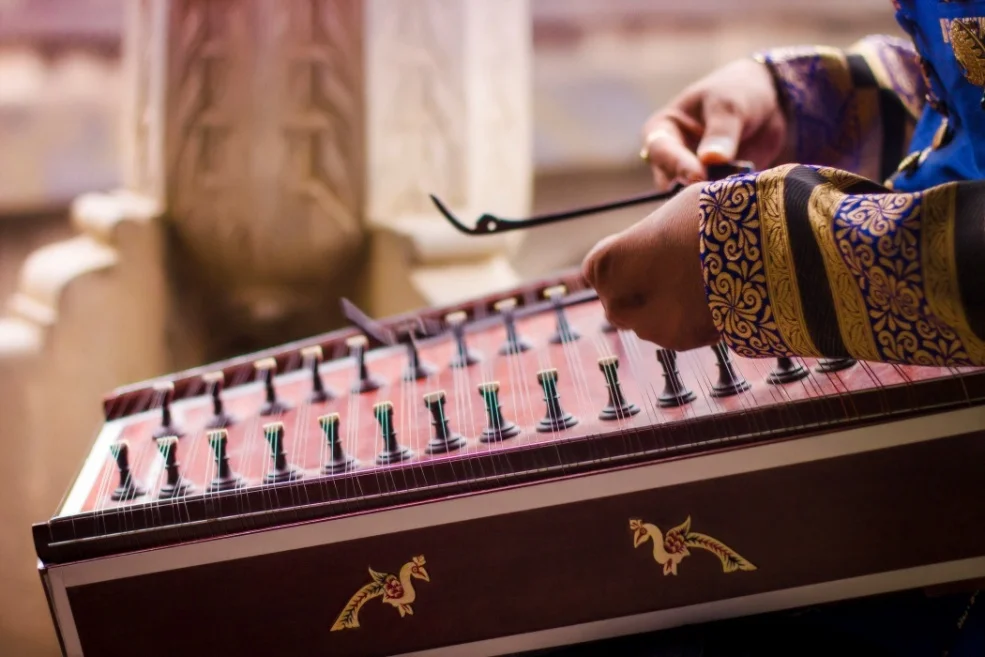
The Garhwal region, where Chopta is nestled, has a rich tradition of folk music that echoes through its valleys. Soulful melodies like Mangal Geet are sung during weddings and festivals, while Jagar is a unique form of spirit worship through music, believed to invoke local deities. Traditional instruments like the DholDamau, and Hurka accompany these folk songs, which tell tales of love, nature, and the simple mountain life.


Dance Forms

An acrobat performing the daring Langvir Nritya balancing on a bamboo pole.

Langvir Nritya

Dancers performing the traditional Barada Nati folk dance during harvest festival.

Barada Nati

Artists enacting scenes from Mahabharata through the ritualistic Pandav Nritya.

Pandav Nritya

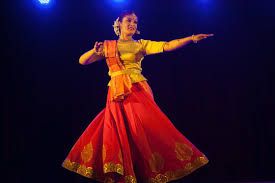
The traditional dance forms of the Garhwal region are vibrant expressions of its culture and mythology. Barada Nati is one of the most famous folk dances, performed during harvest festivals to celebrate Lord Shiva with graceful movements. Pandav Nritya is a ritualistic dance-drama that reenacts scenes from the Mahabharata, while Chholiya is a martial sword dance performed with energy during wedding processions.


The lush green meadows of Chopta earning it the name "Mini Switzerland of India."

City Vibes - Himalayan Tranquility & Alpine Bliss

Chopta is the antithesis of city life. Its vibe is one of pure, unadulterated nature—fresh mountain air, the rustle of oak and rhododendron leaves, the distant call of the monal, and the majestic silence of the Himalayas. There are no crowded markets or traffic jams, only the gentle rhythm of trekking trails and the serene beauty of high-altitude meadows. It’s a place to disconnect from the digital world and reconnect with yourself and the natural world.

Heritage of Chopta

While Chopta itself is a natural destination, its heritage is deeply spiritual, centered around the ancient Tungnath Temple. This temple, believed to be 1000+ years old, is part of the sacred Panch Kedar circuit and is intrinsically linked to the Pandavas from the Mahabharata. The region’s heritage is a blend of mythological significance, ancient temple architecture, and the traditional mountain lifestyle of the Garhwali people.

Devotees offering prayers at the ancient Tungnath Temple surrounded by snowy peaks.
Tungnath Temple

Cuisine of Chopta

The food in and around Chopta is simple, hearty, and designed to provide energy in the cold mountain climate. It often features local grains, lentils, and seasonal greens.

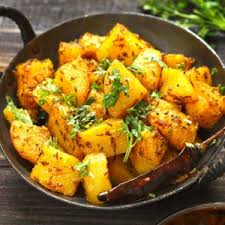
Spicy stir-fried potatoes with mustard seeds, a traditional Garhwali staple dish.

Aloo Ke Gutke

A simple yet flavorful dish of boiled potatoes stir-fried with mustard oil and Himalayan spices, a Garhwali staple.

A nutritious green gravy made from spinach and fenugreek leaves, a local specialty.

Kafuli

A nutritious thick gravy made from spinach and fenugreek leaves, often served with steamed rice.

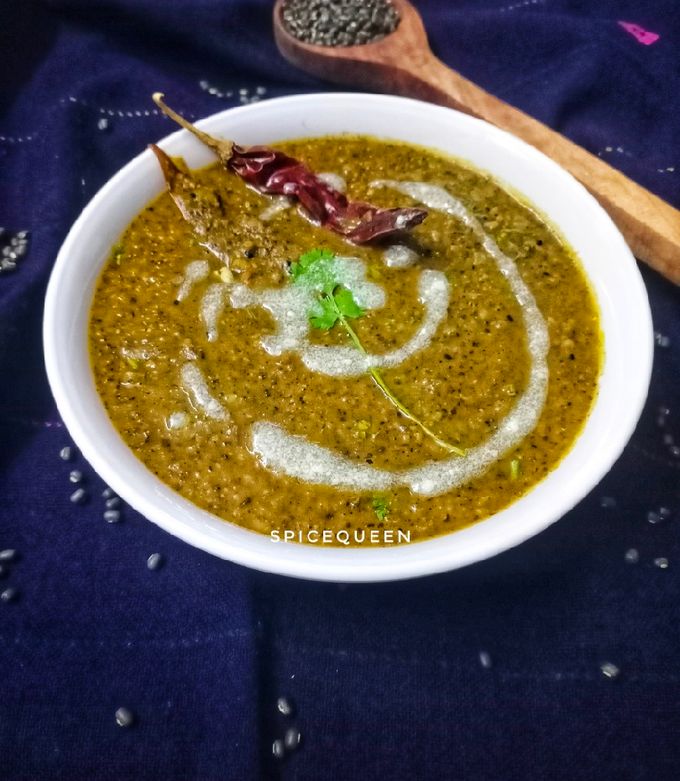
A protein-rich black gram dal dish cooked with minimal earthy spices.

Chainsoo

A protein-rich dish made from coarsely ground black gram, cooked with minimal earthy spices.

Healthy finger millet flatbread served with local vegetables and chutney.

Mandua Ki Roti

A healthy dense flatbread made from finger millet flour, staple of the Garhwal region.

Shopping in Chopta

Chopta is not a commercial hub, so shopping is limited. The focus here is on gathering memories and authentic local products from small shops or nearby towns.

Organic rajma, gahat, and mandua flour sold in small village shops.

Local Produce & Spices

Look for organic apples, Rajma, Gahat, and Mandua flour from small village shops.

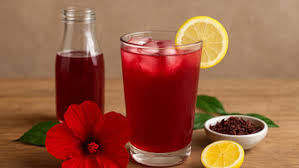
Refreshing crimson-colored juice made from rhododendron flowers blooming in spring.

Buransh Juice

A refreshing juice made from vibrant red rhododendron flowers blooming across the hills.


Colorful hand-knitted woolen socks, gloves, and caps made by local artisans.

Hand-knitted Woolens

Locals sell hand-knitted woolen socks, gloves, and caps perfect for cold weather.

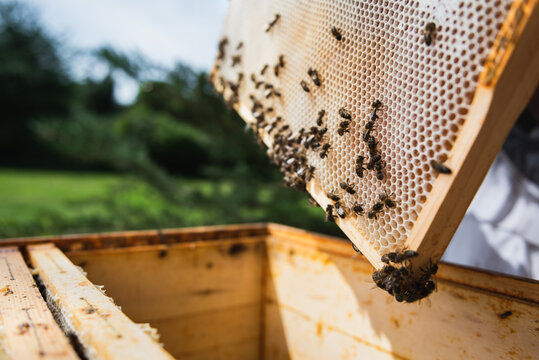
Pure wild forest honey collected by local communities from Himalayan bee hives.

Himalayan Honey

Pure wild forest honey collected by local communities, prized for its medicinal properties.

Tourist's Handbook

The best time to visit Chopta is from April to June and September to November. Spring (Apr-Jun) offers pleasant weather, blooming rhododendrons, and clear skies perfect for trekking. Autumn (Sep-Nov) provides stunning views of the Himalayas with crisp, clear air. Winters (Dec-Mar) are extremely cold with heavy snowfall, attracting snow trekkers but requiring high-altitude experience and proper gear. The monsoon season (July-Aug) is best avoided due to landslides and leeches.

  • Acclimatization: If you're not used to high altitudes, spend a day acclimatizing in Ukhimath or Sari before attempting the Chandrashila trek.

  • Proper Gear: Invest in good trekking shoes, warm layers, rain gear, and a first-aid kit. Weather in the mountains can change rapidly.

  • Physical Preparedness: The trek to Tungnath is steep. Ensure you are reasonably fit and take breaks as needed. Carry high-energy snacks.

  • Wildlife Awareness: You are in a wildlife sanctuary. Avoid trekking alone at dusk or dawn. Do not feed or approach wild animals.

  • Stay on Marked Trails: Always stick to the main trekking path to avoid getting lost or venturing into unsafe terrain.

  • Carry Essentials: Always carry sufficient water, ORS packets, a power bank (charging points are limited), and a torch/flashlight.

Chopta is a small settlement, so getting around primarily means walking or trekking. For reaching Chopta, you'll need to hire a private taxi from major towns like Rishikesh, Haridwar, or Rudraprayag. Shared jeeps or local buses are available but infrequent. Once in Chopta, trekking is the main mode of transport. For nearby attractions like Deoria Tal or Ukhimath, hiring a local jeep or taxi is necessary as public transport is very limited.

Taxi Overcharging: Taxi drivers from Rishikesh or Haridwar may quote inflated prices. Negotiate firmly or book through a reliable travel agency.

Accommodation Bookings: In peak season, some hotel owners may cancel your booking for a higher price. Book through reputable platforms and confirm a day before arrival.

Uncertified Guides: For treks, ensure your guide is local and knowledgeable. Some may claim experience but lack proper knowledge of the terrain or first aid.

Pony Wallahs: If you hire a pony for the trek, agree on the fare and the exact service (e.g., whether it includes a return trip) beforehand.

Fake "Eco-Tax" or "Entry Fees": At certain viewpoints, touts may try to collect unofficial "taxes." Always ask for a proper government receipt if any fee is charged.

Overpriced Food: In remote areas, food can be more expensive. Check the menu and prices before ordering, especially at small roadside dhabas.

Explore Uttarakhand

Chopta Blogs

  • Uttarakhand Trekking Guide

  • Places to Visit in Chopta

  • Places to Visit Nearby Chopta

  • India’s Most Scenic Treks

  • India’s Himalayan Pilgrimages

Recommended articles

  • Uttarakhand Cultural Guide

  • The Complete Trekking Guide to Tungnath & Chandrashila

  • Camping in the Himalayas: A Beginner’s Guide

  • Flora and Fauna of the Kedarnath Wildlife Sanctuary