¤ 10+ minutes Read
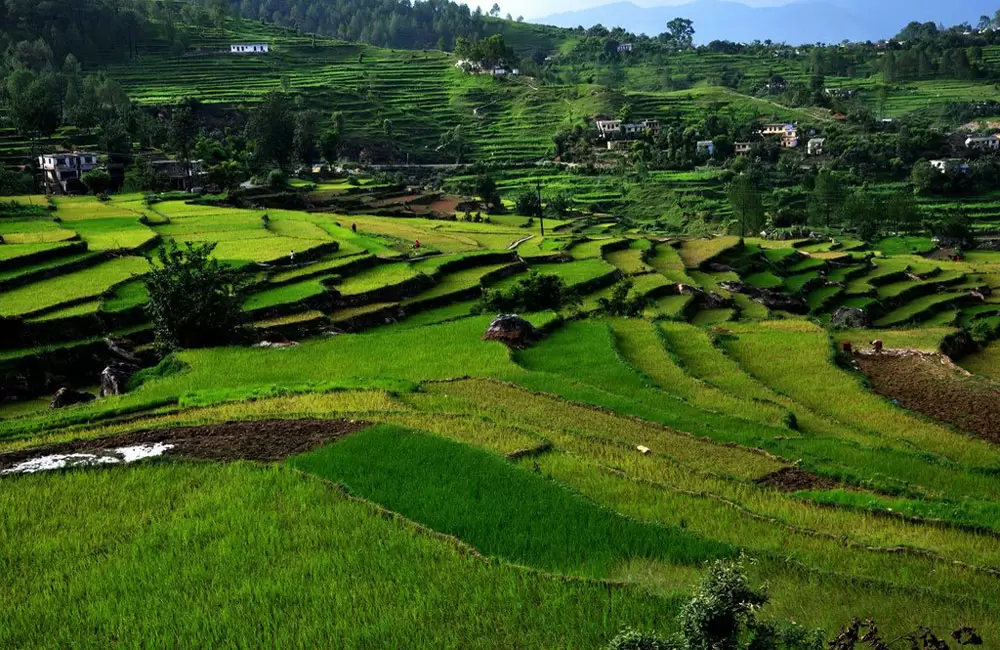
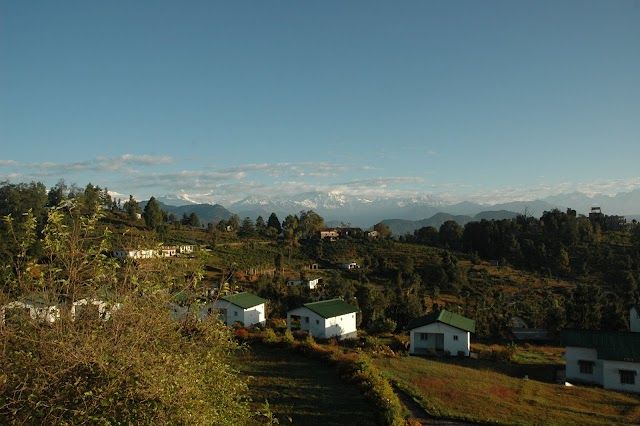
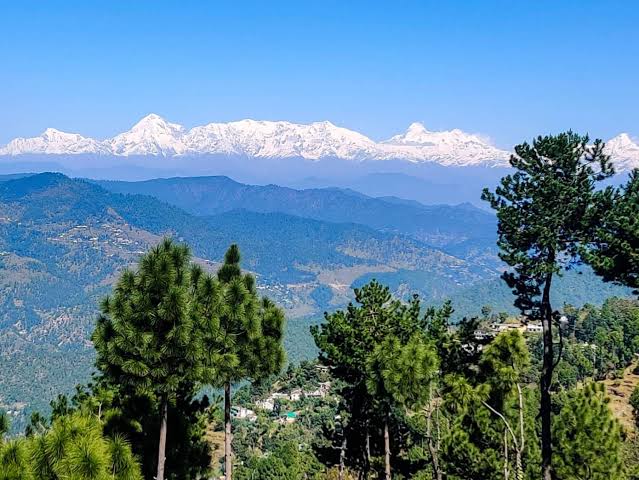
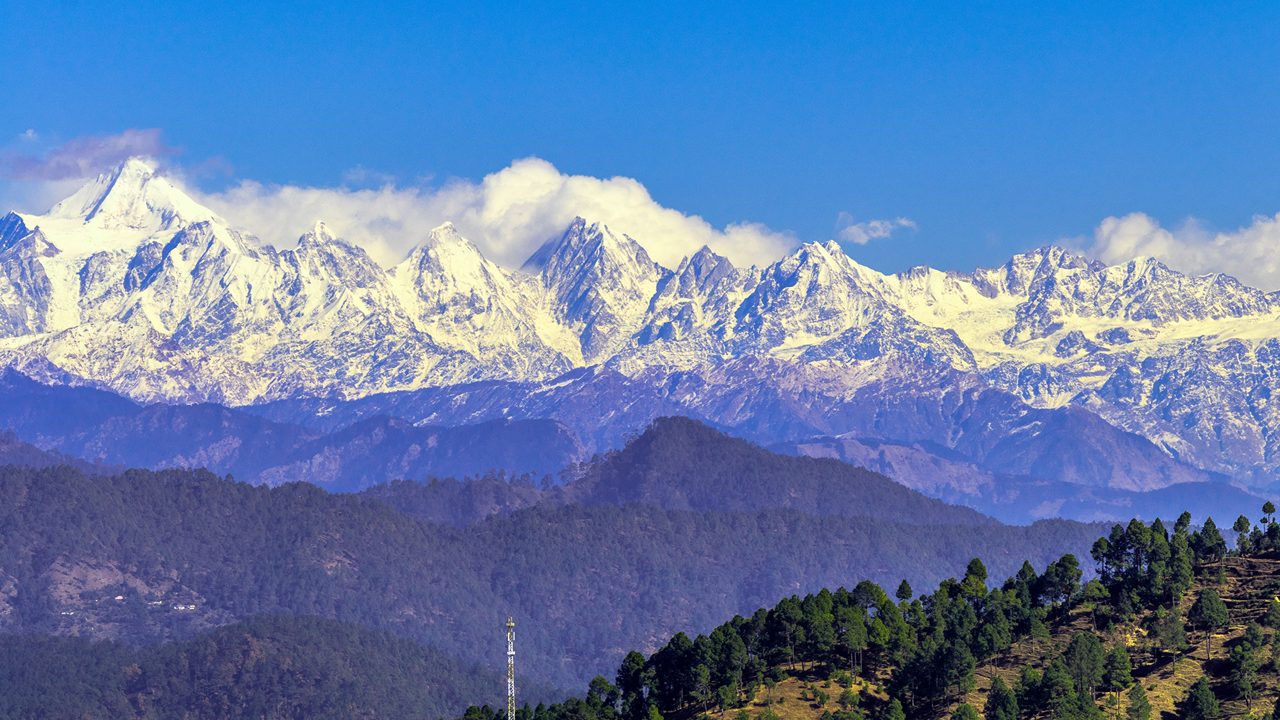
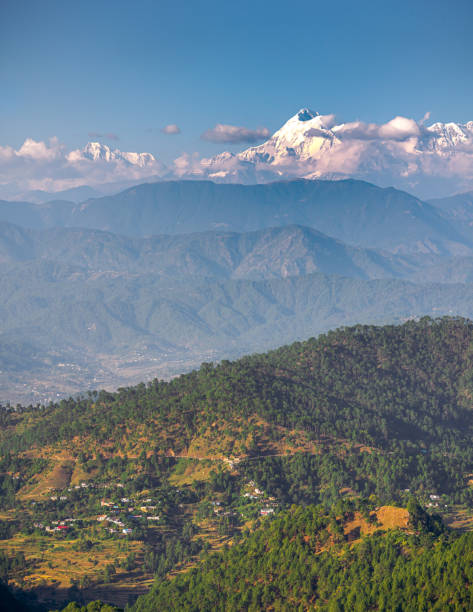
Kausani, often called the “Switzerland of India,” is a serene hill station in Uttarakhand’s Bageshwar district. Nestled at an altitude of 1,890 meters, this picturesque destination offers breathtaking 300-kilometer-wide views of the Himalayan peaks, including Nanda Devi, Trishul, and Panchachuli. Known as Mahatma Gandhi’s favorite retreat, where he wrote his commentary on the Anasakti Yoga, Kausani captivates visitors with its tranquil tea gardens, pine forests, and unspoiled natural beauty, making it a perfect escape for nature lovers and peace seekers.
Wiki Link: Kausani wiki page
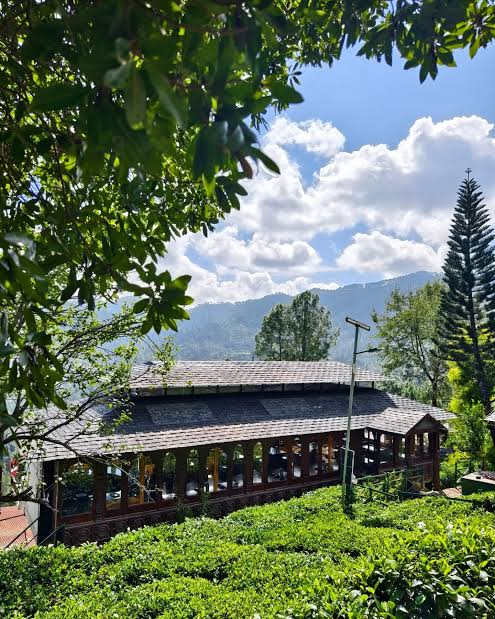
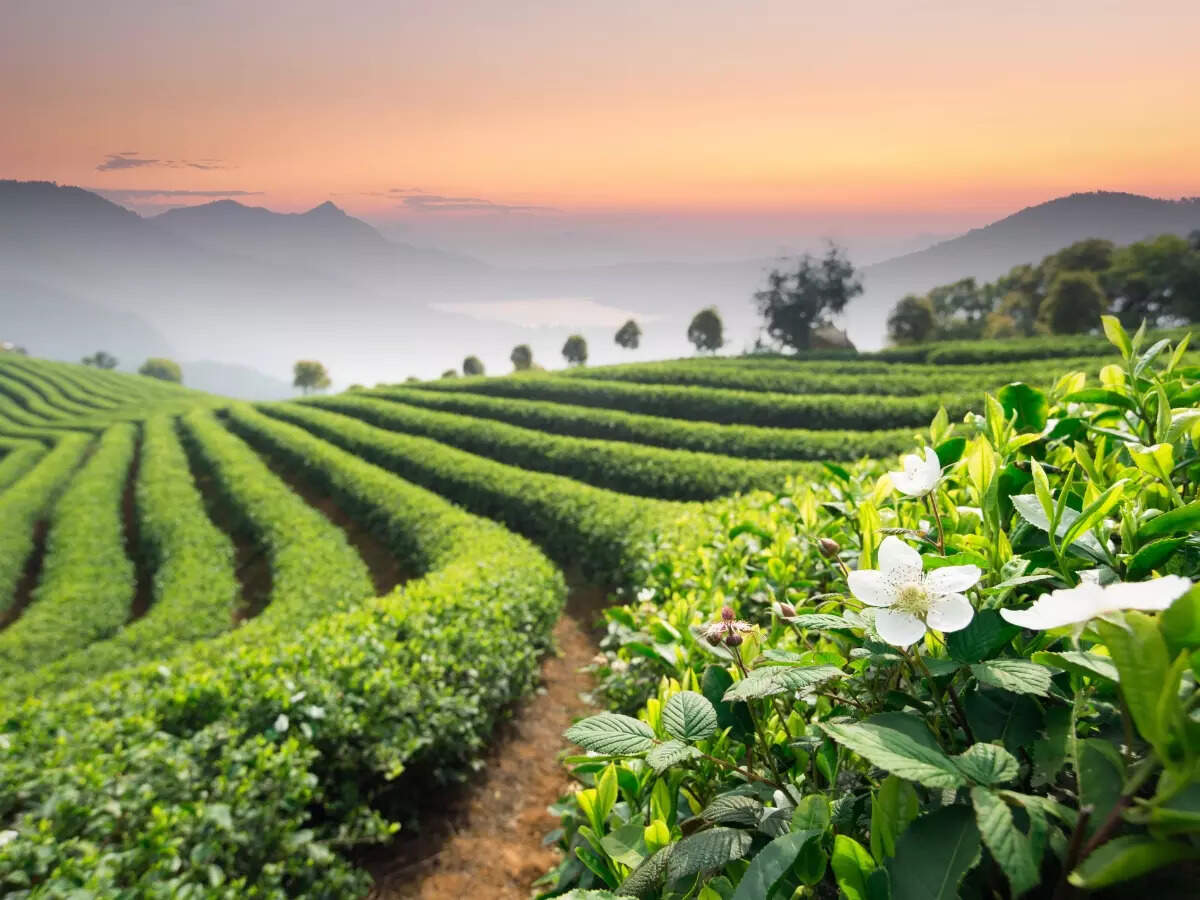
A sprawling tea plantation offering guided tours, fresh tea tasting, and stunning views of the surrounding Himalayan foothills.
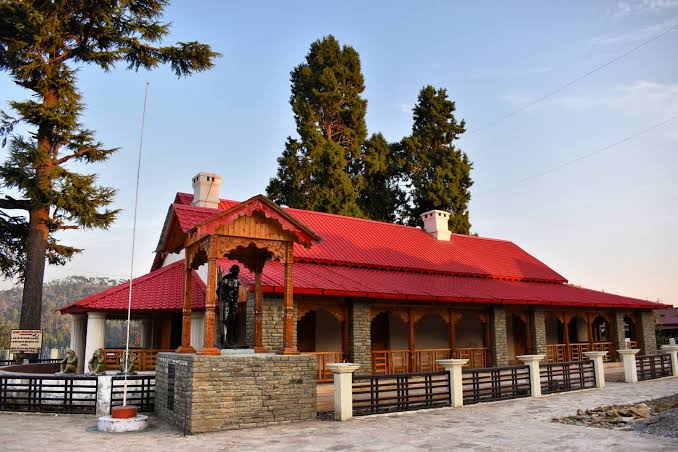
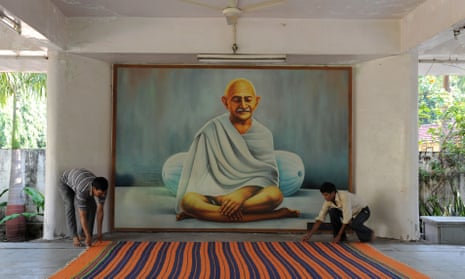
The peaceful ashram where Mahatma Gandhi stayed in 1929, featuring a museum and the spot where he contemplated the Gita.a
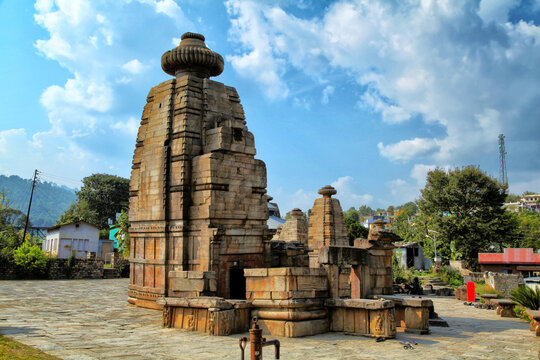
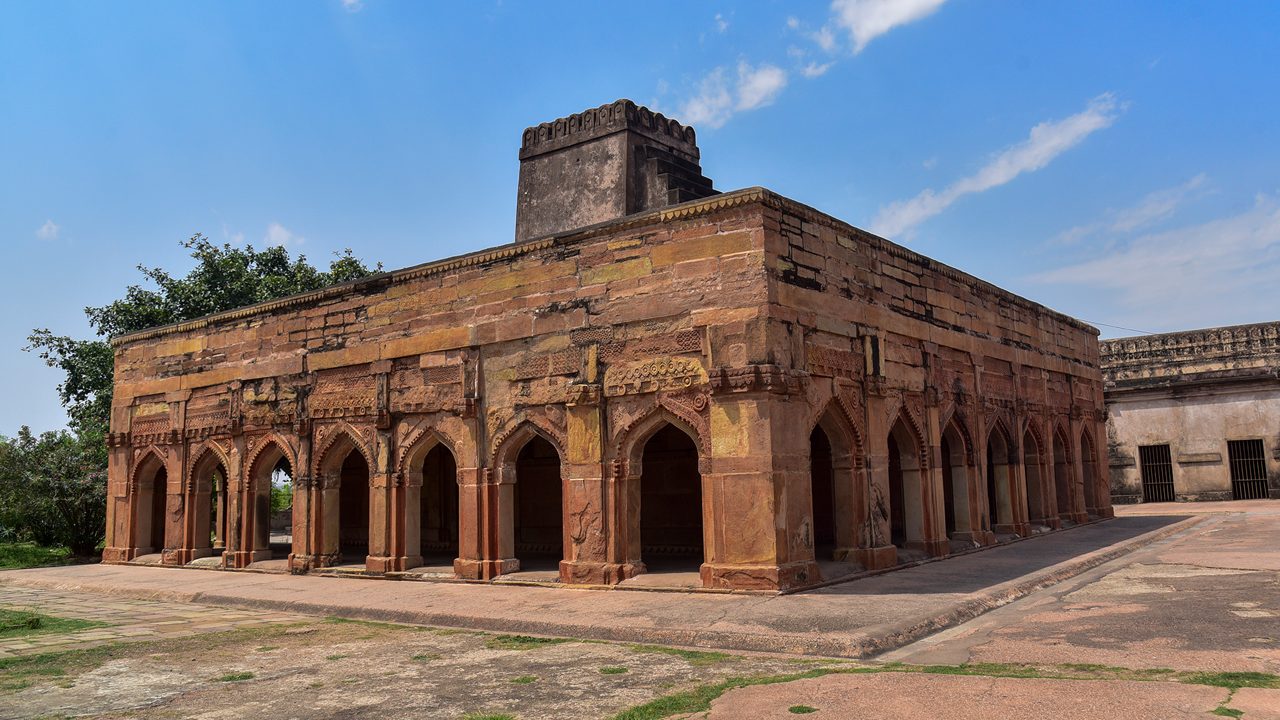
An ancient stone temple complex dedicated to Lord Shiva, dating back to the 12th-13th century Katyuri dynasty, located 16 km away.
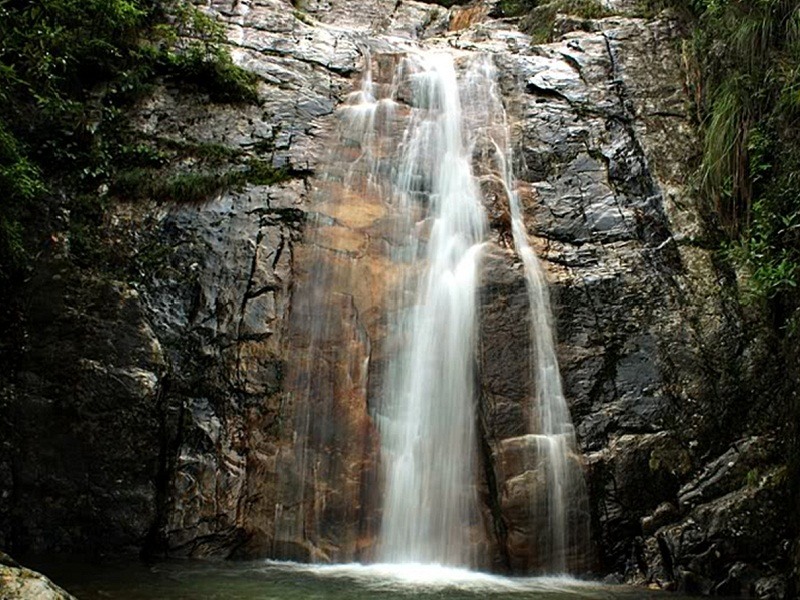
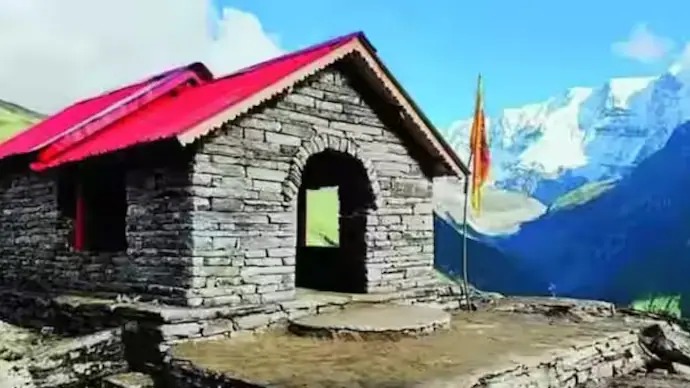
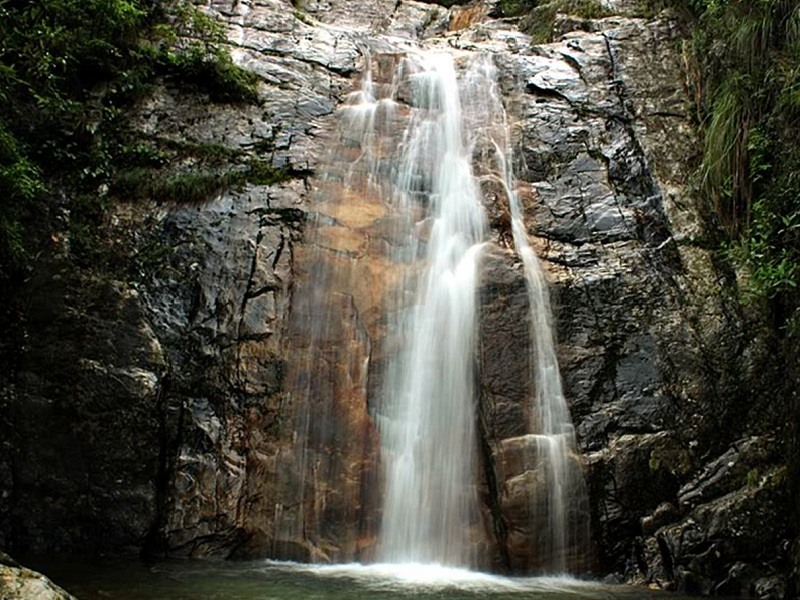
A hidden gem featuring a cascading waterfall, ancient meditation caves, and a Shiva temple amidst dense forest, about 12 km away.
A sacred town at the confluence of the Saryu and Gomati rivers, home to the famous Bagnath Temple and ancient cave shrines, 45 km away.
A scenic forested area known for its ancient Someshwar Temple, natural springs, and beautiful views of the Kosi River valley, 25 km away.
A quiet hill station offering magnificent views of Nanda Devi peak, famous for its tea gardens and starry night skies, 60 km away.
A charming town offering a heritage walk through ancient temples, traditional Kumaoni architecture, and the famous Kasar Devi Temple, 70 km away.
Experience the tranquil beauty and cultural richness of this Himalayan retreat. From witnessing spectacular sunrises to exploring ancient temples, Kausani offers a soulful journey into the heart of Kumaon.
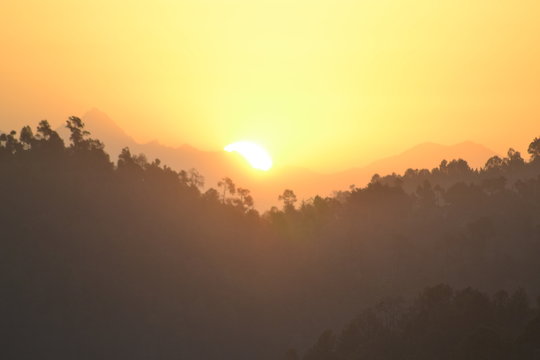
Wake before dawn to watch the sunrise paint snow-capped peaks of Nanda Devi, Trishul, and Panchachuli in shades of gold and pink.
Take a leisurely stroll through the lush tea estate, learn about tea processing, and sample freshly brewed Kumaoni tea overlooking the hills.
Visit Anasakti Ashram to experience the peaceful atmosphere that inspired Gandhi and read his commentary on the Bhagavad Gita.
Embark on a short, scenic trek through pine and oak forests to reach the hidden waterfall and ancient meditation caves.
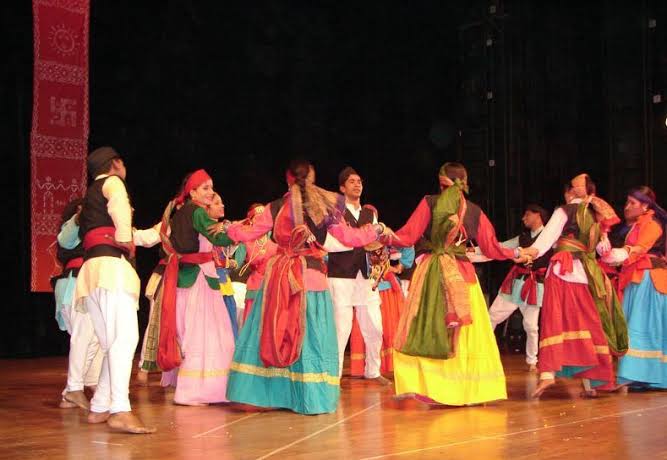
A vibrant hub for folk performing arts. The Kumaon region has a rich tradition in folk music, dance, and storytelling, with local artists and performers drawing inspiration from the majestic Himalayan landscape and deep spiritual roots. Folk music forms like Jagar, a haunting ritualistic ballad that invokes local deities and ancestors, are deeply embedded in the region’s cultural identity. Chholiya and Jhora dance forms also flourish here, often performed during weddings and harvest festivals, embodying the joyous and martial spirit of Kumaon. The region’s connection with music and dance continues to inspire generations, preserving its artistic legacy against the backdrop of the snow-capped Himalayas.
Jagar
Chanchari
Mangal
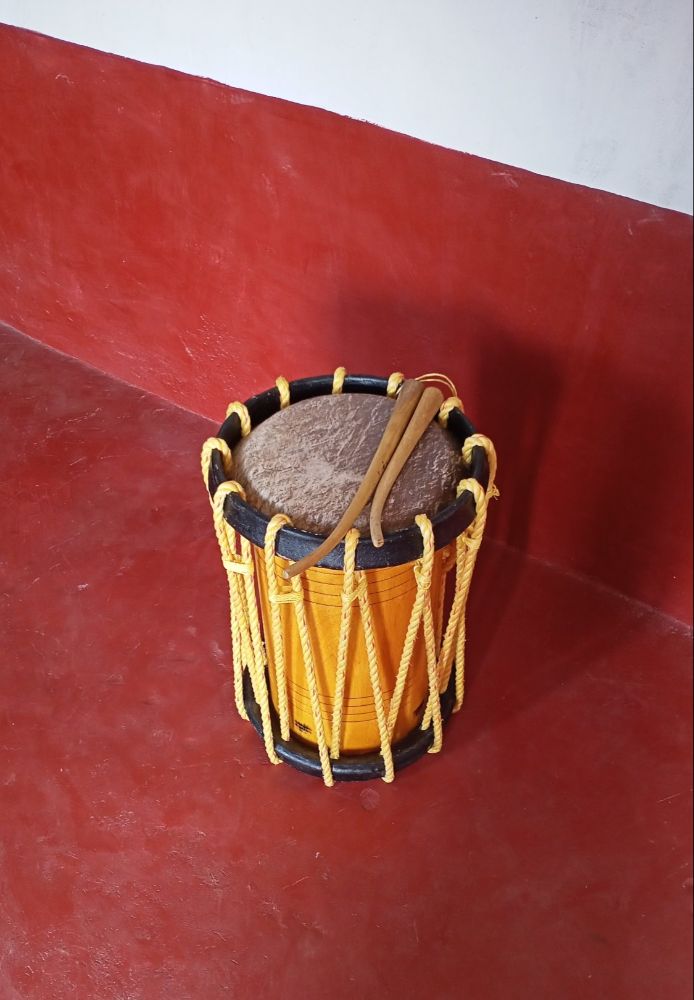
The music of the Kausani region is deeply rooted in the Jagar tradition, a haunting form of ritualistic folk music where singers, known as Jagariyas, invoke local deities, ancestors, and mythical heroes through epic ballads accompanied by the rhythmic beats of the dhol and damau drums. Performed during religious ceremonies, harvest festivals, and nights of spiritual significance, this ancient musical style blends chanting, storytelling, and hypnotic percussion to create a trance-like atmosphere believed to summon divine presence. Unlike classical music, Jagar is passed down orally through generations, preserving the myths, legends, and spiritual beliefs of the Kumaon Himalayas in its raw, powerful verses.
Chholiya Dance
Jhora Dance
Chhapeli Dance
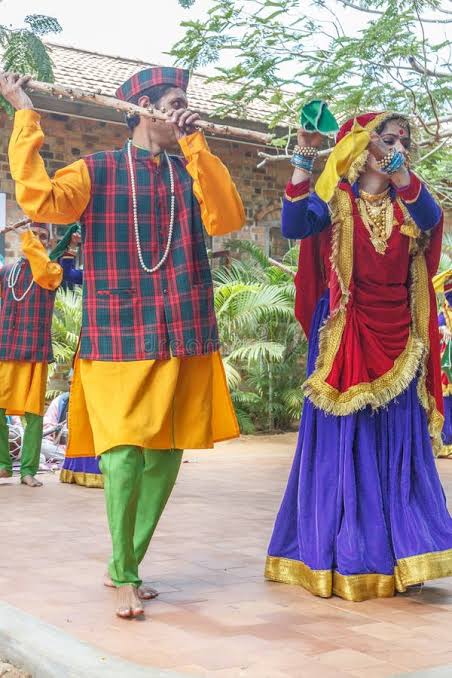
The dance form most strongly associated with the Kausani region is Chholiya, a traditional Kumaoni martial dance performed with swords and shields during weddings and festive processions, accompanied by the energetic beats of the dhol and the piercing melody of the shehnai. This ancient dance originated as a martial training exercise for Kumaoni warriors and gradually evolved into a celebratory art form, featuring swift, graceful movements, mock combat sequences, and synchronized footwork that embodies courage and joy. Performed predominantly by groups of men in colorful traditional attire, Chholiya serves both as a blessing for the couple and as a vibrant preservation of the region’s heroic Rajput and Gorkha heritage.
Kausani exudes an unmatched sense of peace and natural grandeur. Unlike the bustling hill stations of Shimla or Nainital, Kausani offers quiet lanes, pine-scented air, and the constant company of the Himalayas. Days begin with the golden spectacle of sunrise over Nanda Devi and end with star-filled skies and the distant twinkling lights of villages across the valley. The pace is slow, the locals are warm, and the atmosphere is deeply restorative, making it a haven for writers, poets, and anyone seeking to disconnect from urban chaos.
Kausani’s heritage is deeply connected to its literary and spiritual legacy. The town gained prominence when Mahatma Gandhi stayed at the Anasakti Ashram in 1929, where he translated the Bhagavad Gita into simple language. Before Gandhi, the region was part of the Katyuri kingdom (7th-13th centuries), with the Baijnath Temple standing as a magnificent reminder of their architectural prowess. The area also gave birth to the famous Hindi poet Sumitranandan Pant, whose works celebrate the beauty of the Kumaon Himalayas. Today, Kausani preserves this legacy through its ashram, galleries, and ancient temples.
The cuisine of Kausani is traditional Kumaoni food, characterized by simple preparation, locally sourced ingredients, and bold, earthy flavors using minimal oil and spices.
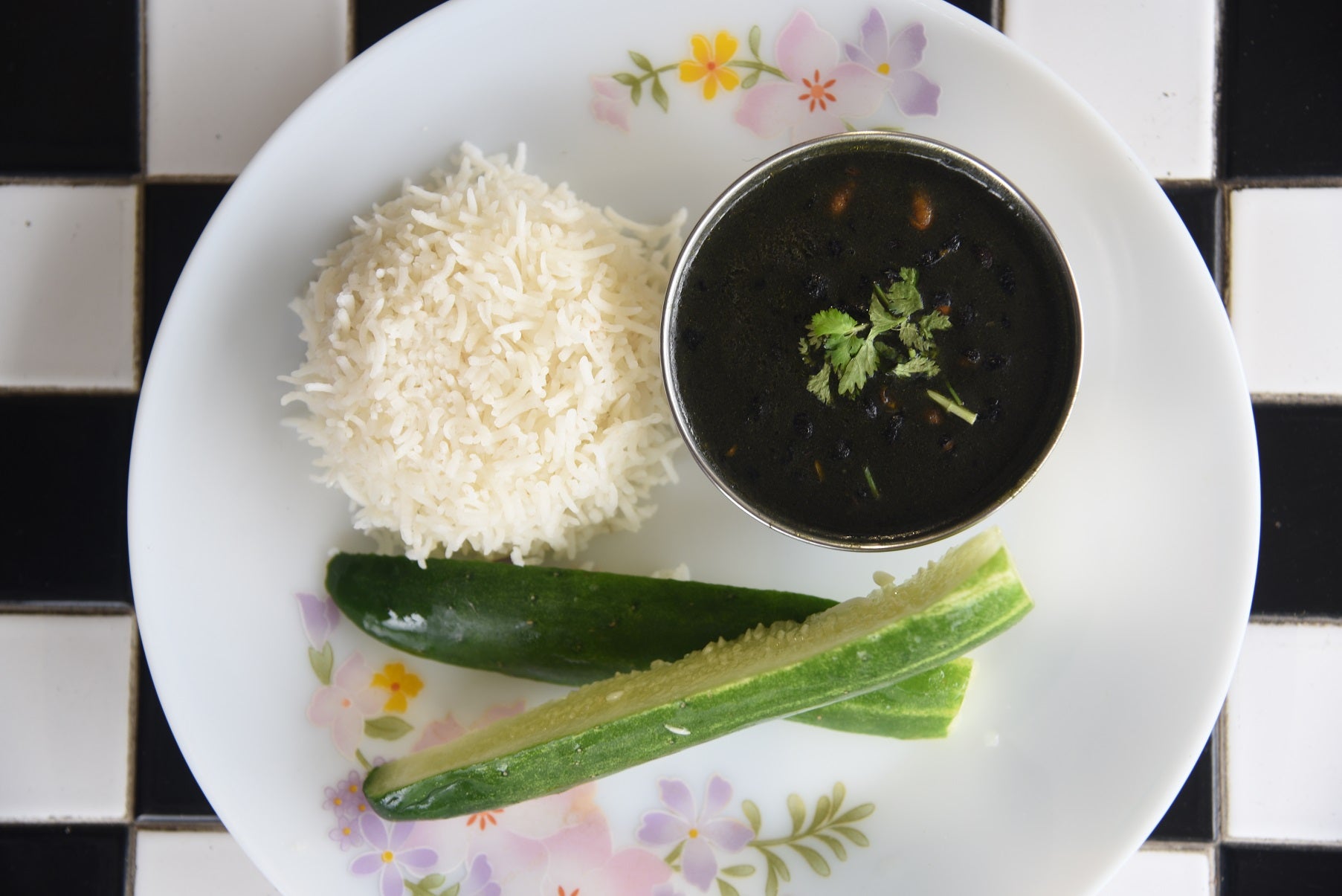
A hearty, slow-cooked curry made from black soybeans (bhatt) and local greens, served with steamed rice or bhakri for a protein-rich meal.
A dry, spicy potato dish tempered with cumin, coriander, red chilies, and local spices, garnished with fresh coriander and served with roti or puri.
A thick, nutritious green curry made from spinach and fenugreek leaves, cooked with a paste of rice and ginger, offering a comforting, mildly spiced flavor.
A nutritious, dark brown flatbread made from finger millet (mandua) flour, rich in calcium and iron, typically eaten with ghee, chutney, or vegetable curry.
The cuisine of Kausani is traditional Kumaoni food, characterized by simple preparation, locally sourced ingredients, and bold, earthy flavors using minimal oil and spices.
Freshly packed tea from the local Kausani Tea Estate, available in black, green, and orthodox varieties, known for its distinct aroma and flavor.
Pure, forest-sourced honey collected from local beekeepers, known for its rich taste and medicinal properties.
Warm, hand-knitted sweaters, scarves, caps, and gloves made by local women, using pure wool in traditional Kumaoni patterns.
Traditional Kumaoni utensils, decorative pieces, and water pitchers made from copper and brass, crafted by local artisans.
The best time to visit Kausani is from March to June and September to November. Spring and summer (March-June) offer pleasant temperatures between 15°C and 25°C, clear skies, and stunning Himalayan views, making it ideal for sightseeing and walks. Autumn (September-November) brings crisp, clear air and the most spectacular mountain visibility, though evenings can be chilly. Winter (December-February) is cold with temperatures dropping below freezing and occasional snowfall, attracting those who enjoy snow, but some roads may close. The monsoon (July-August) brings heavy rainfall, landslides, and cloud cover that blocks mountain views, making it the least recommended time to visit.
Kausani is a small hill town best explored on foot, as most attractions, viewpoints, and shops are within walking distance along hilly lanes. For short distances like the bus stand to hotels, local taxis and shared jeeps are available at fixed or negotiable rates. For visiting nearby attractions like Baijnath Temple (16 km), Rudradhari Falls (12 km), or Bageshwar (45 km), hiring a private taxi for a half-day or full-day trip is the most convenient option. Local buses run to nearby towns but are infrequent and can be crowded; check timings in advance at the bus stand.
Negotiate Taxi Fares Before Departure – Always agree on the total fare for local or outstation trips before starting; ask your hotel for estimated rates to avoid overcharging.
Beware of "Special Sunrise View" Guides – Some locals may offer to take you to a hidden sunrise point for a fee; most good views are accessible for free from known spots like Gandhi Ashram.
Confirm Tea Prices Before Buying – At the tea estate or local shops, check the price per pack and compare at a couple of shops before purchasing, as tourist pricing varies.
Avoid Unsolicited Homestay Offers – Politely decline touts at the bus stand offering cheap homestay deals; book accommodation in advance or through verified platforms.
Check Hotel Amenities Before Booking – Some budget hotels may promise hot water or heating but provide only limited hours; confirm in writing before paying.
Don't Pay for Basic Trail Access – Walking trails to viewpoints, the tea garden, or Gandhi Ashram are free; refuse anyone asking for an entry fee or donation for access.