Trip and Tales

¤ 10+ minutes Read

Mussoorie

A complete tourist and cultural guide

Mussoorie is a well known hill station in Uttarakhand

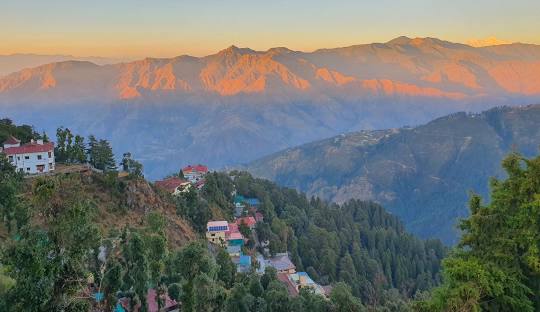
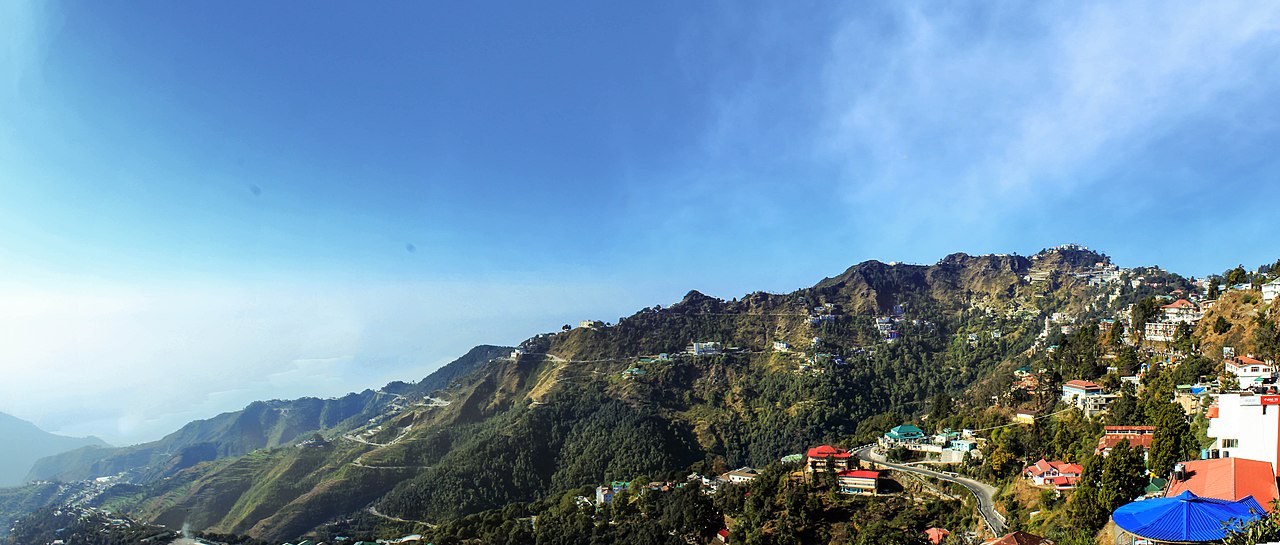
Mussoorie, often called the Queen of the Hills, blends colonial charm with breezy mountain energy. Perched at 6,000+ ft, the town offers sweeping views of the Doon Valley, pine-scented air, and lively streets lined with cafés, bookshops, and old-world architecture. Mussoorie a dreamy, romantic feel—perfect for travellers seeking both serenity and scenic buzz in one place.

Must-Visit Attractions in Mussoorie

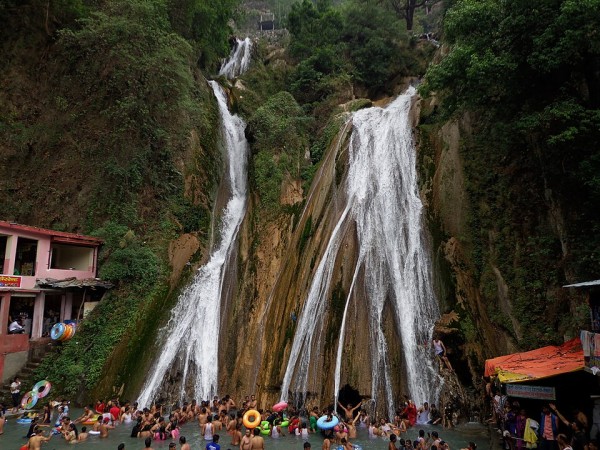
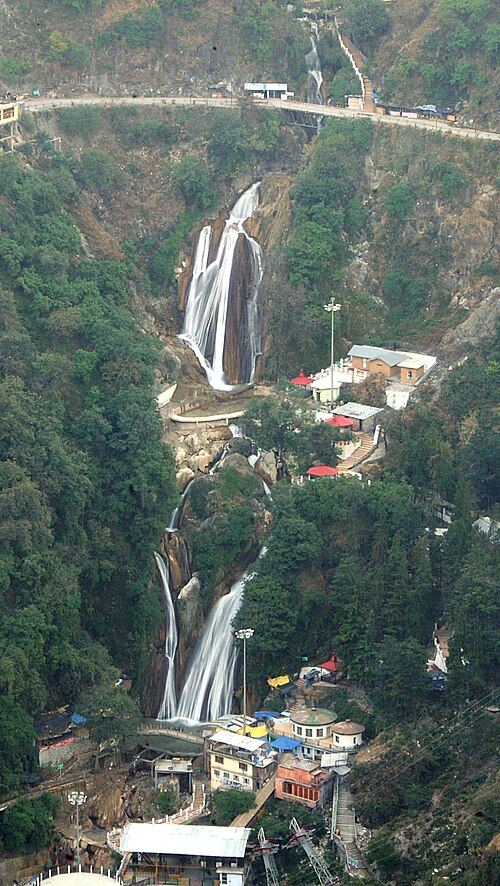
This is a beautiful waterfall in Mussoorie

Kempty Falls

I create content that strengthens your presence, sharpens your narrative, and supports your growth.

Second highest hill in Mussoorie

Gun Hill

Gun Hill, the second-highest point in Mussoorie, gives you panoramic views of the Doon Valley. Ideal for sunset views.

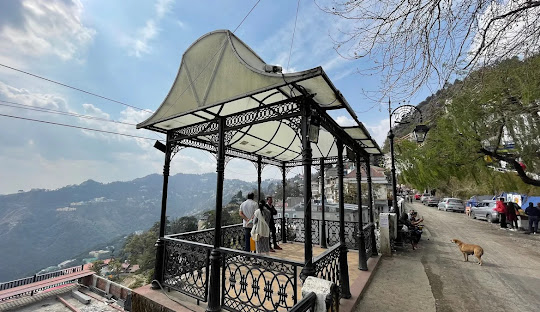
Mall road is the heart of Mussoorie

Mall Road

The heart of Mussoorie’s buzz, Mall Road is lined with cafés, vintage shops, bakeries, and colonial-era buildings

Highest point and is known for its prettiest views

Lal Tibba

Located in the serene area of Landour, Lal Tibba is the highest point in Mussoorie and is known for its crystal-clear views of the peaks

Major Attractions Nearby Mussoorie

A area in Mussoorie filled with beauty

Dhanaulti

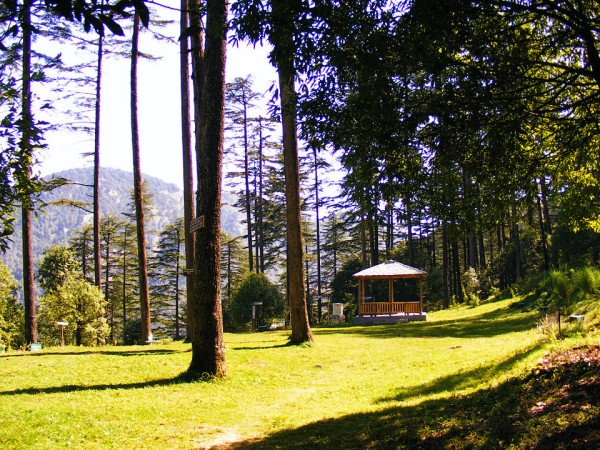
Just about 30 km from Mussoorie, Dhanaulti is a quiet, misty hill retreat known for its dense forests, eco-parks, and serene walking trails.

Known for its pine trees and surrounding

Kanatal

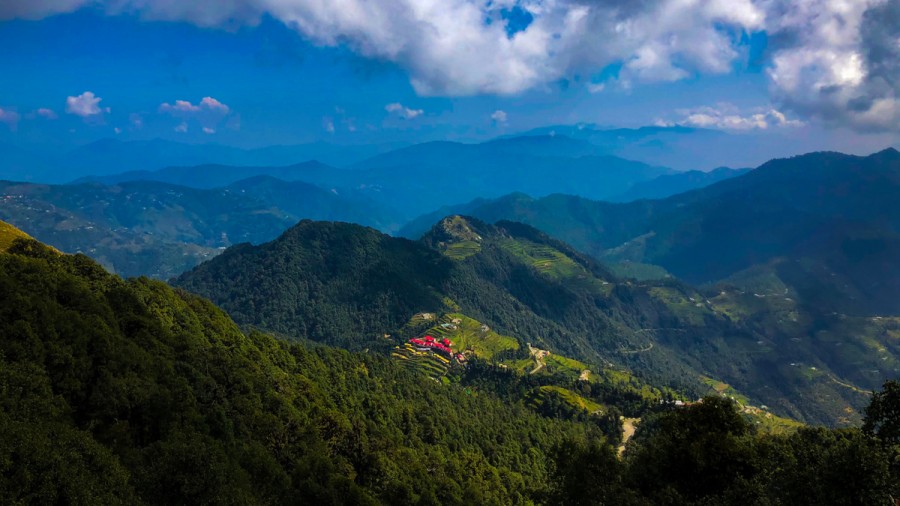
Located around 45 km away, Kanatal is a scenic hamlet surrounded by pine forests, apple orchards, and dramatic mountain landscapes.

This is a very much vibrant city near Mussoorie

Dehradun

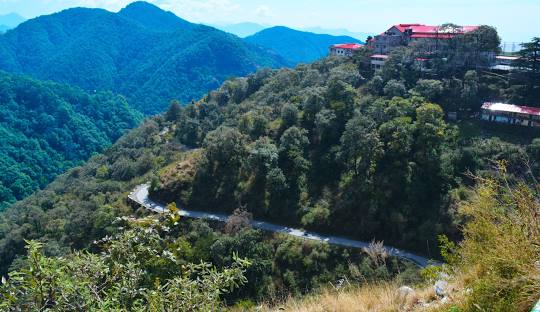
Roughly 35 km from Mussoorie, Dehradun is a vibrant valley city. It blends urban comforts with natural beauty.

This place near Mussoorie attracts major people

 Rishikesh

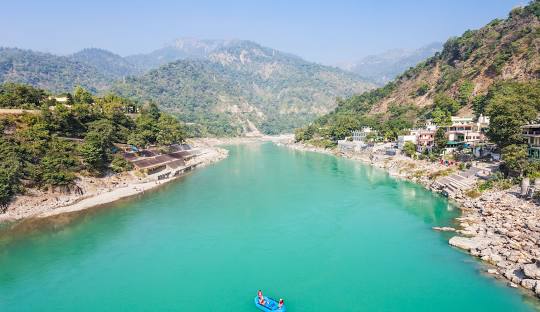
About 75–80 km away, Rishikesh is a global hub for yoga, river rafting, and spiritual retreats. It offers a mix of adventure and tranquillity

Things to do in Mussoorie

Experience the spiritual, cultural, and historical essence of the city. 

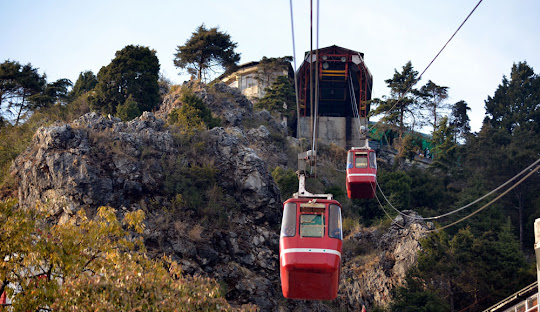
Second highest hill in Mussoorie

Take the Ropeway to Gun Hill

A classic Mussoorie experience, the ropeway ride to Gun Hill offers sweeping views of the Doon Valley and the distant Himalayan peaks

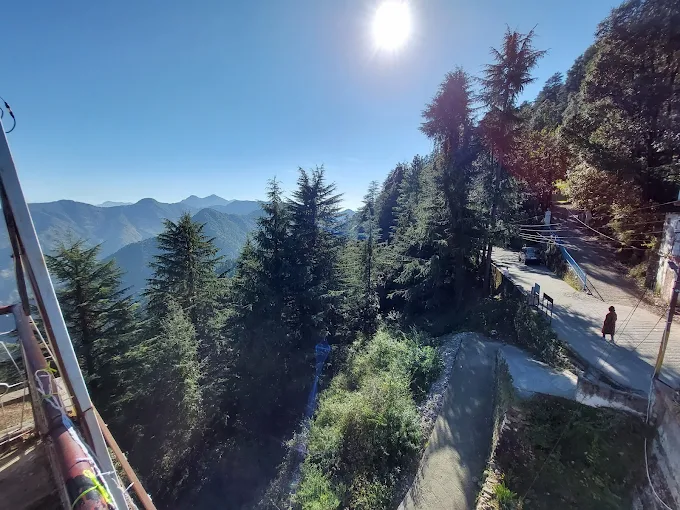
Peaceful walk along the road is peaceful

Stroll along Camel's Back road

Walking along Camel’s Back Road is one of the most peaceful activities you can do in Mussoorie.

A beautiful waterfall in Mussoorie

Visit Kempty falls

A trip to Mussoorie isn’t complete without a visit to Kempty Falls. The area offers a mix of adventure and relaxation

Perfect for light activity

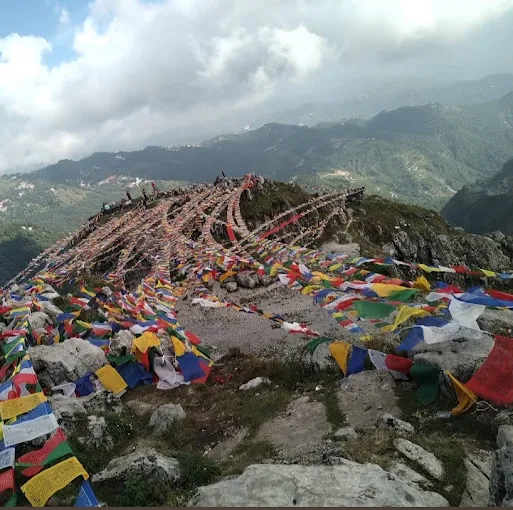
Hike to George Everest Peak

For those who love light adventure, the hike to George Everest Peak is a rewarding experience

The Performing Arts of Mussoorie

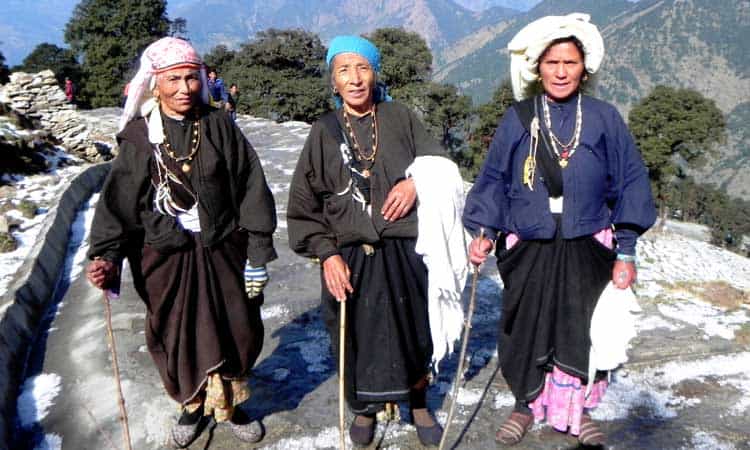
The performing arts of Mussoorie reflect the gentle rhythm and cultural warmth of the hills, blending music, movement, and storytelling into everyday life. Local traditions often revolve around community gatherings, where people come together to celebrate festivals, seasons, and shared heritage through expressive dance and soulful melodies. These performances create a sense of unity and belonging, keeping age-old customs alive while offering visitors a glimpse into the region’s artistic spirit.

Music Forms

Garhwali Folk Songs

Himalayan Folk Songs

Bhajans 

Garhwali Folk Songs, often sung during festivals and local celebrations, capturing stories of nature, love, and daily life. Himalayan Folk Music, eaturing instruments like the dhol and damau, adds rhythm and energy to local festivities. Bhajan, is another prominent form, performed in temples and during devotional gatherings.

Dance Forms

Garhwali Folk Dance

Thadi Dance

Himalayan Devotional Dance

Garhwali Folk Dance, are performed during festivals and seasonal celebrations, often accompanied by lively music and traditional songs. Thadi Dance, is another popular form, showcasing coordinated group movements and storytelling. Himalayan Devotional Dances, are performed in temples and religious gatherings, combining graceful gestures with rhythmic beats

Mussoorie offers peaceful city vibes and is very pretty hill stations

City Vibes

Mussoorie’s city vibes blend hill-station charm with a lively, youthful buzz. The main stretches fill with the sound of footsteps, café chatter, and the cool breeze rushing through pine-lined roads. Street vendors, cosy bakeries, and boutique stores add colour to the town’s everyday rhythm, while viewpoints open up to sweeping valley scenes that make even busy corners feel scenic.

Heritage of Mussoorie

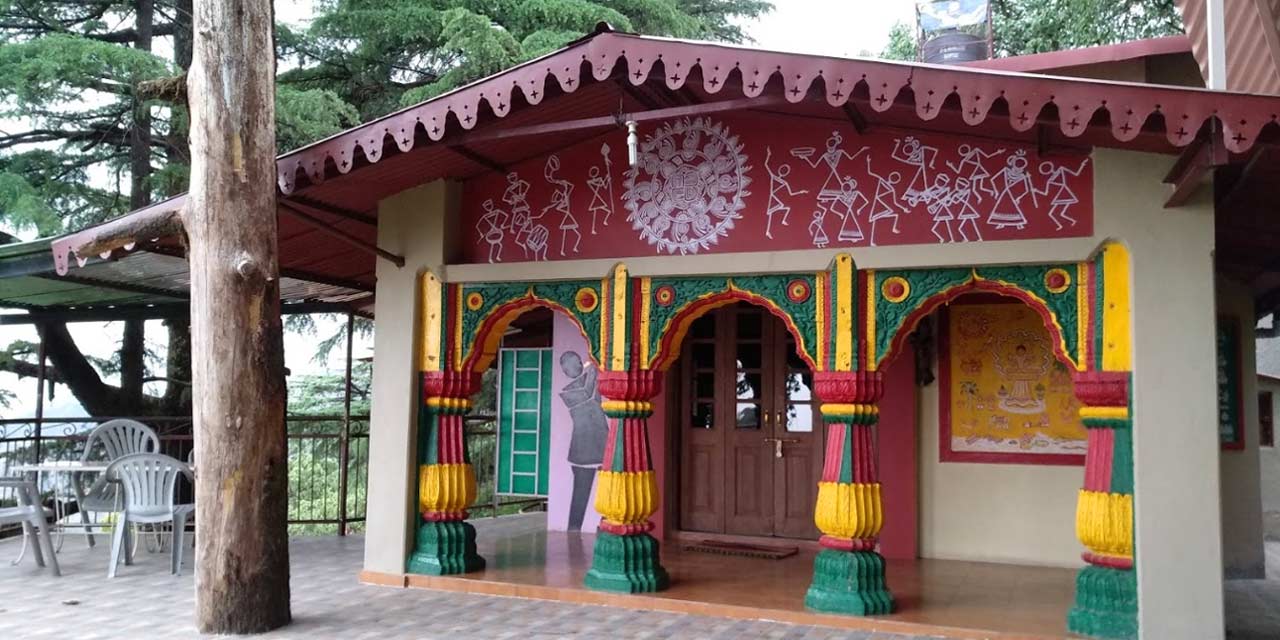
Mussoorie’s heritage is rooted in its colonial past, reflected in the elegant old churches, British-era cottages, and winding lanes that still hold echoes of the town’s early days. The architecture, with its stone walls, sloping roofs, and vintage lamps, gives the hill station a timeless charm.

You will get every details in this place in Mussoorie

Cuisine of Mussoorie

Mussoorie is a paradise for food lovers, offering a variety of traditional delights.

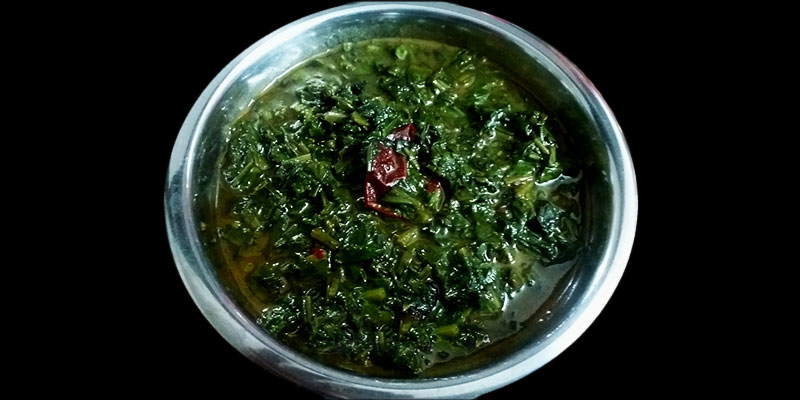
A thick gravy type dish made from green vegetables

Kafuli

A wholesome Garhwali favourite, Kafuli is a thick green curry made from leafy vegetables like spinach or fenugreek

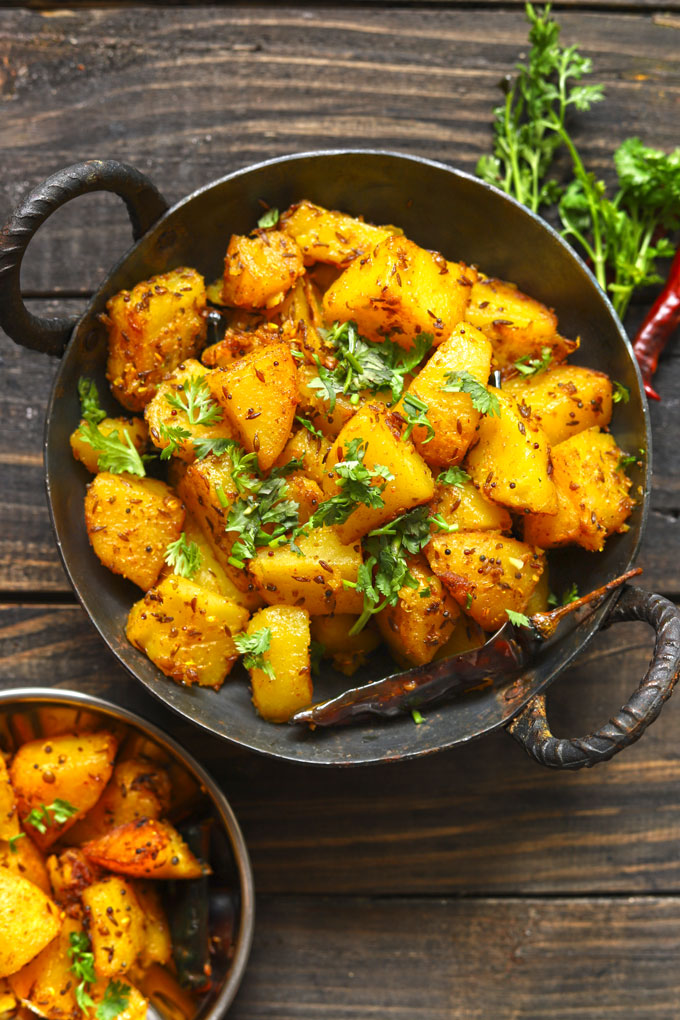
In a way this is alu fry with re chilli and jeera

Aloo ke Gutke

This popular mountain dish features stir-fried potatoes seasoned with red chillies, cumin, and local herbs.

Very much nutritional and healthy to eat

Gahat Dal

Gahat dal is known for its rich, rustic taste and high nutritional value. Cooked with local spices and served hot with rice

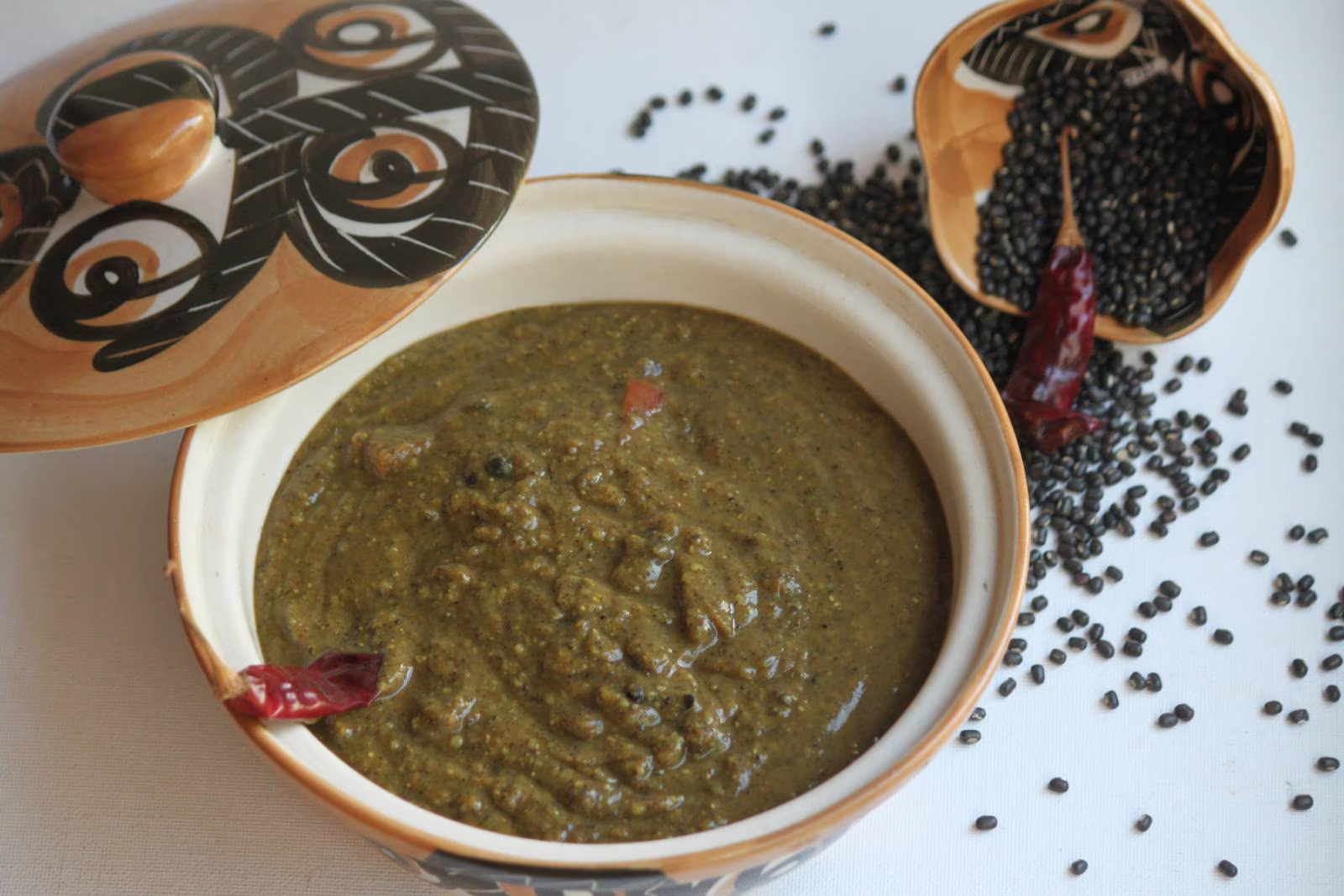
This is paired with Rice and is famous in Mussoorie

Chainsoo

Chainsoo is a deeply flavoured curry made by roasting and grinding black lentils. Paired with steamed rice.

Shopping in Mussoorie

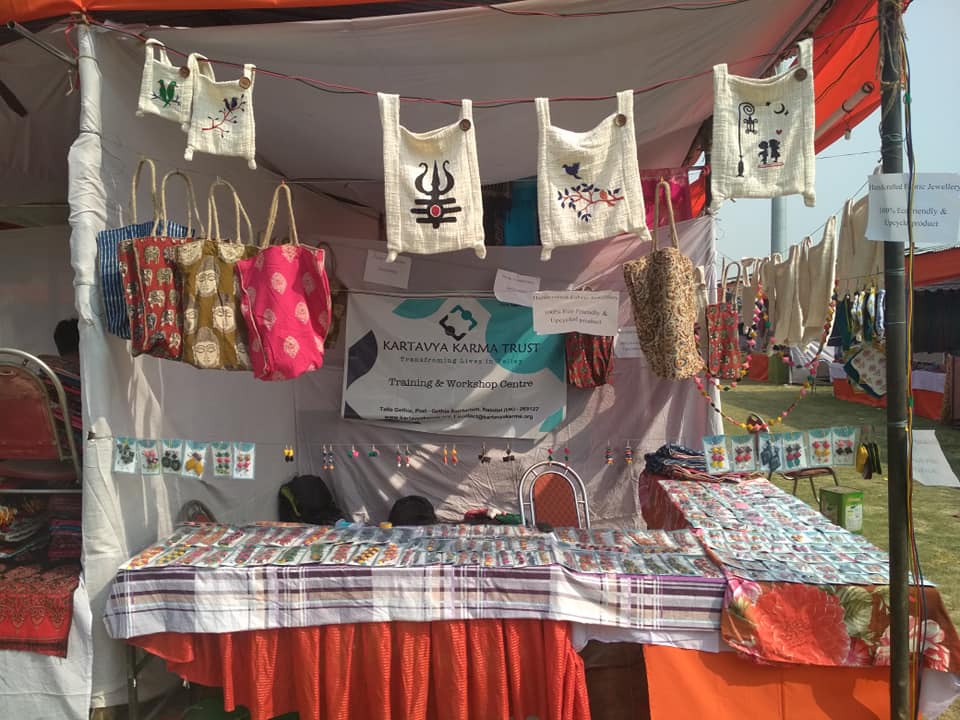
Shopping in Mussoorie offers a vibrant mix of tradition and craftsmanship. 

The dress is very much famous in Mussoorie

Wollen Clothes

Mussoorie’s cold climate makes woollens a must, and the local markets are filled with hand-knitted sweaters, gloves, and cap

Aromatic Spices

These products capture the essence of the region’s flavours and are perfect for food enthusiasts

The people there do magic with handmade stuffs

Handmade Products

Small boutiques and local shops offer a range of handmade soaps, essential oils, and herbal skincare products.

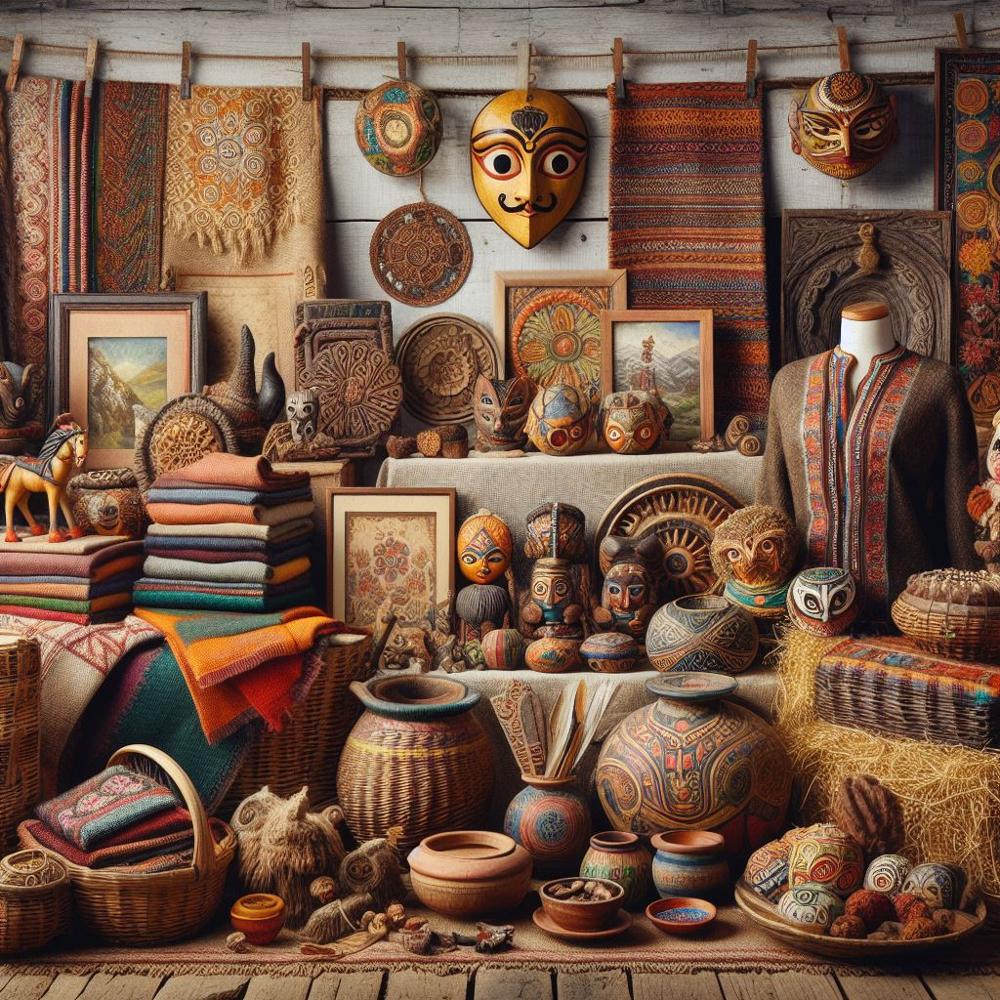
They create best handicraft products famous among tourist

Traditional Handicraft

From carved wooden items to decorative showpieces, Mussoorie’s handicrafts showcase local artistry.

Tourist's Handbook

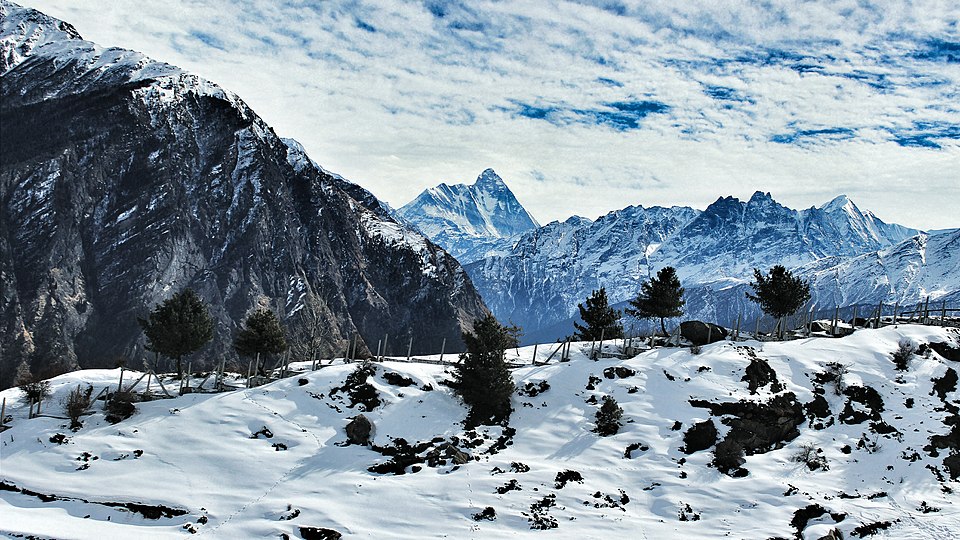
The best time to visit Mussoorie is during the spring and early summer months, from March to June, when the weather is pleasantly cool and the skies are clear, offering stunning views of the surrounding valleys and Himalayan peaks. Monsoons, from July to September, bring heavy rainfall, landslides, and misty roads, which can make travel challenging. The winter months, December to February, are cold with occasional snowfall, creating a magical, snow-covered landscape for those who enjoy chilly, festive mountain vibes

. Watch Your Step on Slopes and Roads

The hilly terrain can be slippery, especially during rains or early mornings. Wear comfortable shoes and stay alert while walking on steep paths or narrow roads.

2. Avoid Late-Night Travel in Remote Areas

Some areas can be poorly lit and isolated at night. Stick to well-populated streets and avoid travelling alone after dark.

3. Keep Valuables Secure

While Mussoorie is generally safe, petty theft can happen in crowded markets or tourist spots. Keep your belongings close and avoid displaying expensive items.

4. Stay Updated on Weather Conditions

Landslides and heavy rainfall are common during monsoons. Check weather updates before heading out for trekking or long drives to ensure safety.


Getting around Mussoorie is a mix of scenic walks, local transport, and short drives. The town’s compact layout makes it ideal for exploring on foot, especially along popular stretches like Mall Road and Camel’s Back Road, where strolling allows you to soak in the views and local vibe. For longer distances or hilly climbs, taxis, shared cabs, and auto-rickshaws are commonly used, while some visitors prefer rented bikes or scooters for flexibility. Though traffic can get busy in peak season, the combination of walking and local transport makes it relatively easy to navigate the town and nearby attractions.

1. Overpriced Taxis and Cabs

Some taxi drivers may quote inflated fares to tourists. Always agree on a price before starting your journey or use registered taxis.

2. Street Vendor Overcharging

Souvenir or snack vendors may sometimes charge higher rates to tourists. Check prices in advance or compare with nearby shops.

3. Fake Guides or Trek Offers

Unlicensed guides may offer treks or sightseeing tours at high rates and provide substandard services. Always hire guides through reputable agencies.

4. Photography or Service Scams

Some photographers or service providers may demand extra fees after providing a service. Clarify costs beforehand and avoid unofficial arrangements.

Explore Uttarakhand

Varanasi Blogs

  • Uttar Pradesh Cultural guide 
  • Places to visit in Varanasi
  • Places to visit nearby Varanasi
  • India’s most popular destination
  • India’s archaeological marvels

Recommended articles

  • Uttar Pradesh Cultural guide 
  • Places to visit in Varanasi
  • Places to visit nearby Varanasi
  • India’s most popular destination