¤ 10+ minutes Read
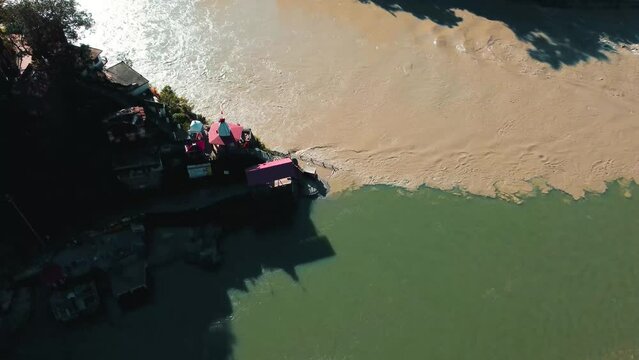
Rudraprayag, one of the Panch Prayag (five sacred confluences) of Uttarakhand, is a spiritually charged town nestled in the Garhwal Himalayas. It marks the divine confluence of the Alaknanda and Mandakini rivers, where Lord Shiva is believed to have appeared in his Rudra form to bless Sage Narada. More than just a pilgrimage halting point, Rudraprayag serves as the gateway to the sacred shrines of Kedarnath and Badrinath, offering breathtaking Himalayan vistas, ancient temples, and a profound sense of spiritual tranquility.
Wiki Link: Rudraprayag wiki page
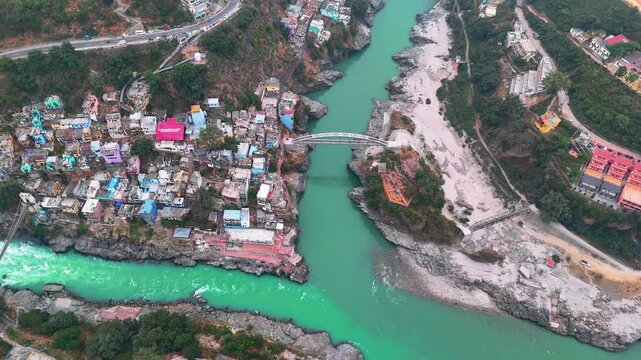
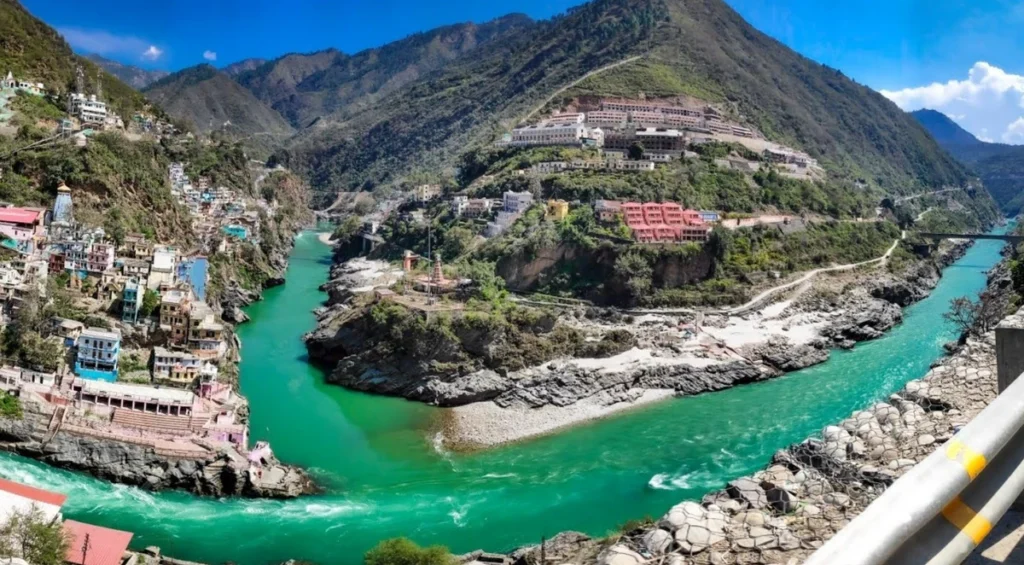
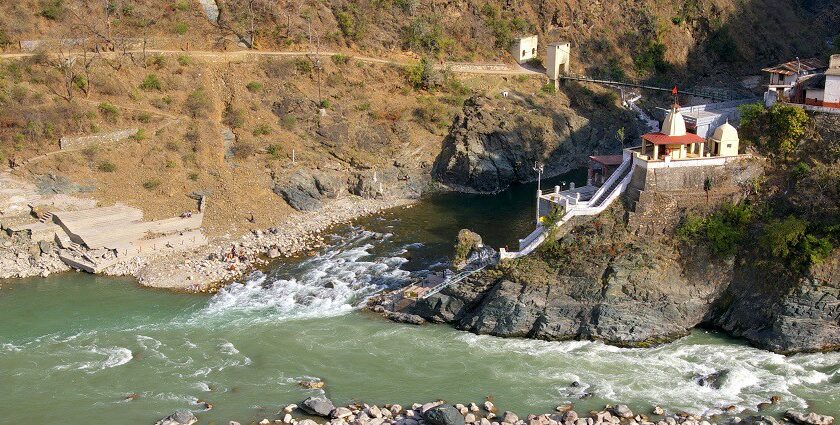
Where the Alaknanda meets the Mandakini, offering a divine spectacle of merging river colors and spiritual significance.
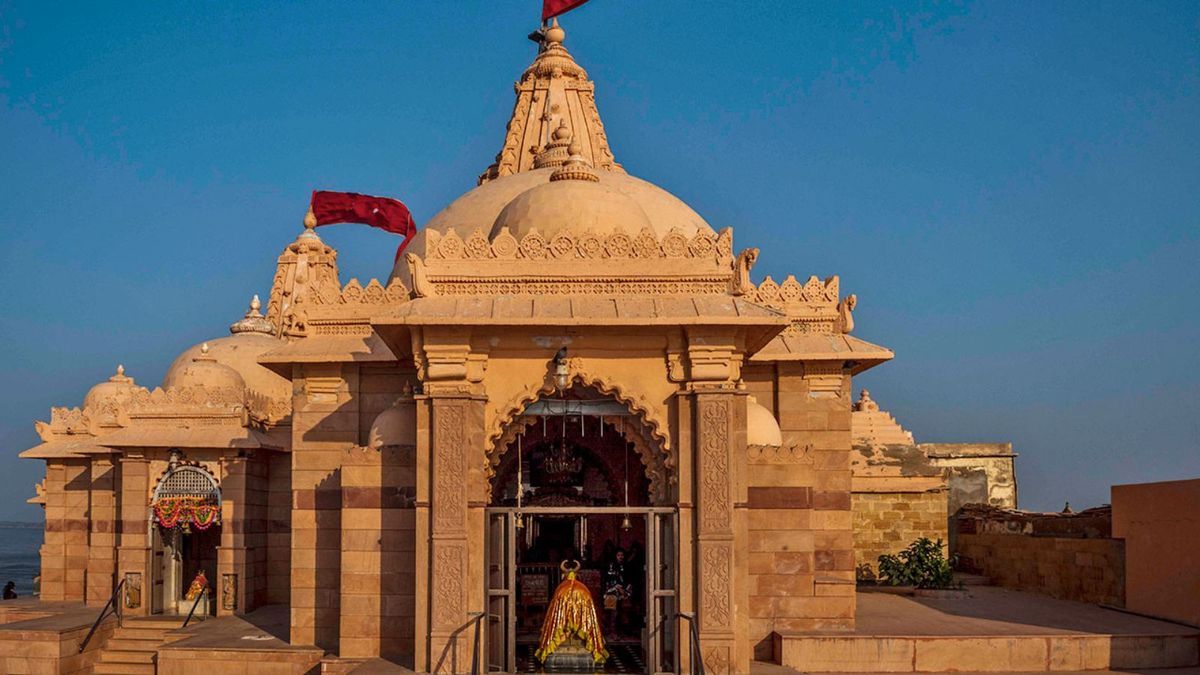
A sacred cave temple on the Alaknanda banks where Lord Shiva meditated, featuring a naturally formed Shiva Lingam.
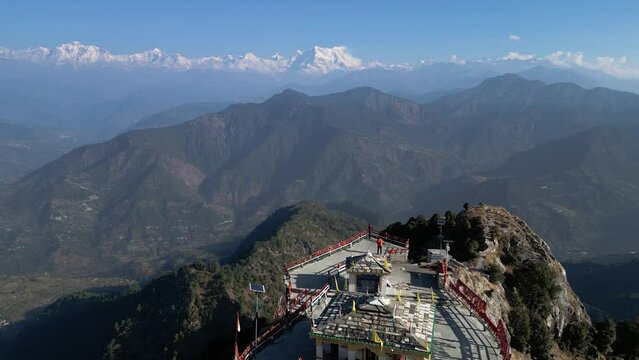
Perched atop a hill overlooking the confluence, this temple offers stunning Himalayan views and divine blessings.
Serene riverbanks offering peaceful spots for meditation amidst the breathtaking beauty of the Garhwal Himalayas.
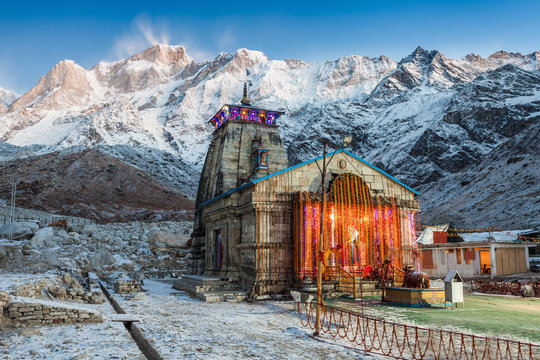
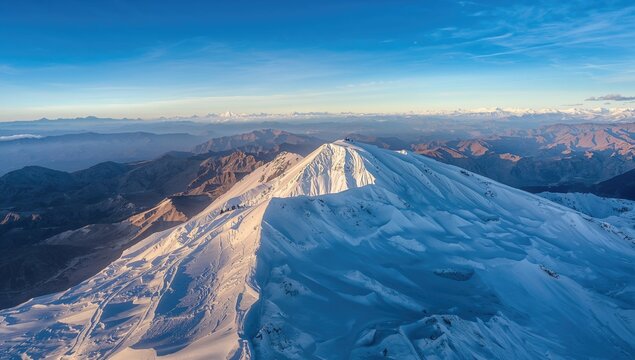
One of the holiest Jyotirlingas nestled amidst snow-capped peaks, accessible via trek from Gaurikund near Rudraprayag.
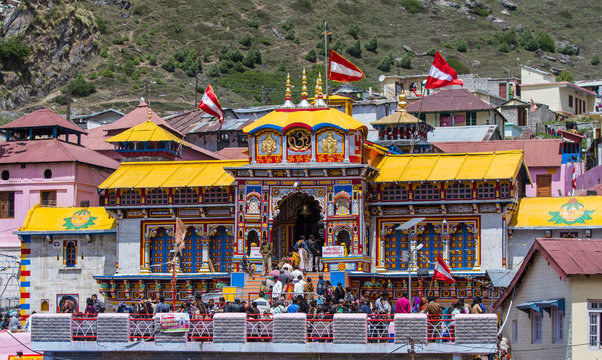
A sacred Char Dham shrine dedicated to Lord Vishnu, lying on the route from Rudraprayag to the Himalayas.
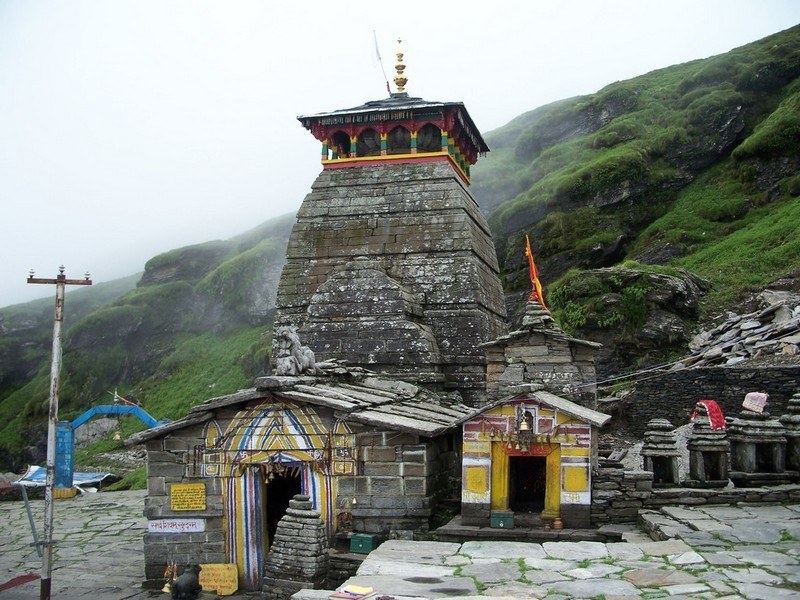
The world’s highest Shiva temple and one of the Panch Kedar, offering breathtaking Himalayan views on a scenic trek.
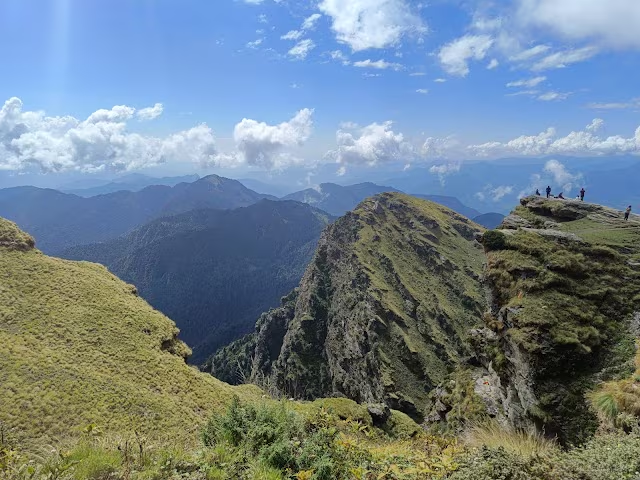
A stunning summit above Tungnath offering 360-degree panoramic views of Nanda Devi, Trishul, and Chaukhamba peaks.
Experience the divine confluence of nature and spirituality. From attending sacred rituals by the riverside to embarking on Himalayan treks, Rudraprayag offers a soulful and adventurous journey.
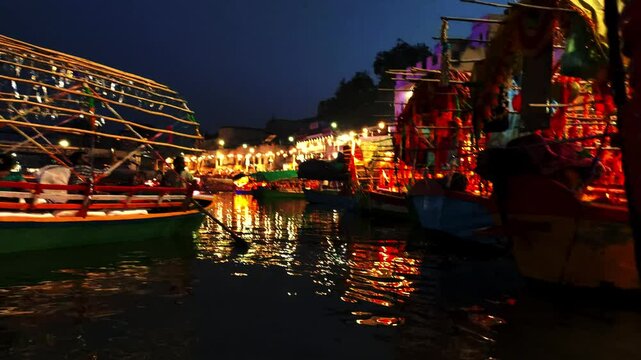
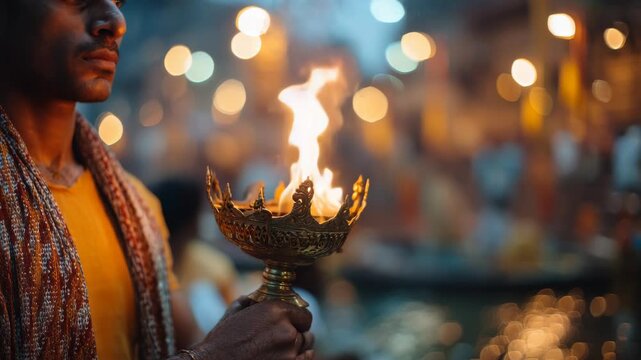
Experience divine energy as lamps, chants, and river bells create a spiritual atmosphere during evening aarti.
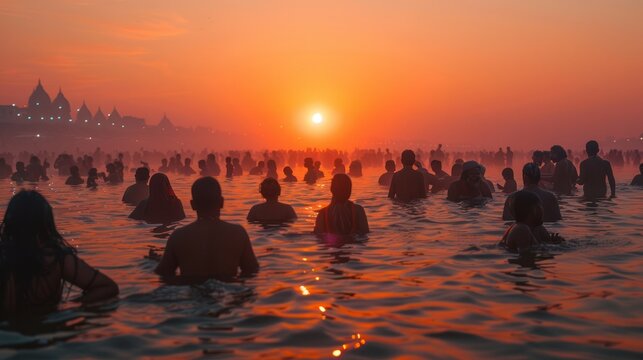
Participate in the sacred ritual of bathing at the Sangam, believed to wash away sins and pave path to salvation.
Embark on a scenic trek from Chopta offering unparalleled Himalayan views and a sense of spiritual accomplishment.
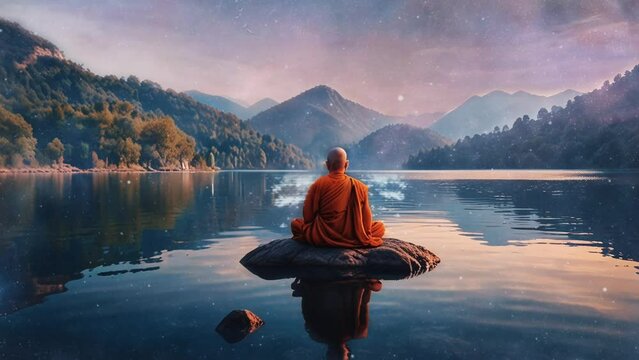
Find inner peace with meditation sessions on serene riverbanks surrounded by soothing sounds of flowing water.
Rudraprayag’s identity is deeply rooted in mythology and spirituality. It is not just a geographical location but a profound spiritual experience. The town’s culture revolves around devotion, with daily rituals, temple festivities, and the constant flow of pilgrims heading to the Char Dham. The local Garhwali culture adds a vibrant layer with its folk songs, dances, and simple mountain lifestyle, creating a unique blend of pan-Indian pilgrimage culture and local Himalayan traditions.
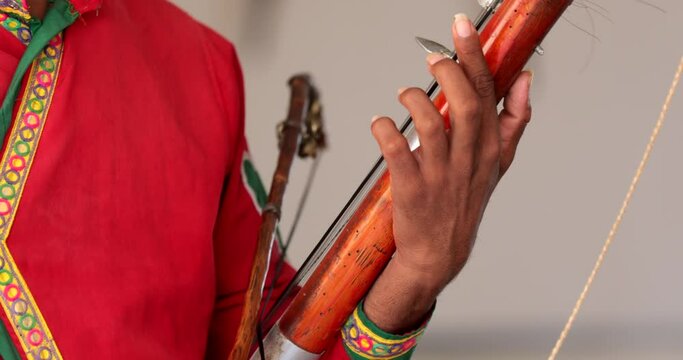
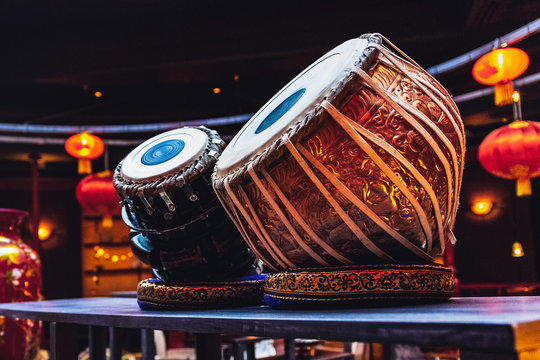
Garhwali Folk Music
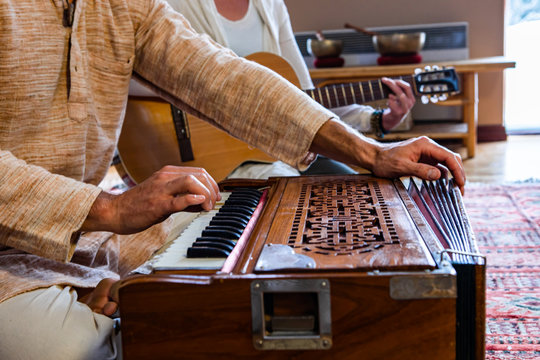
Bhajans & Kirtans
Jagar
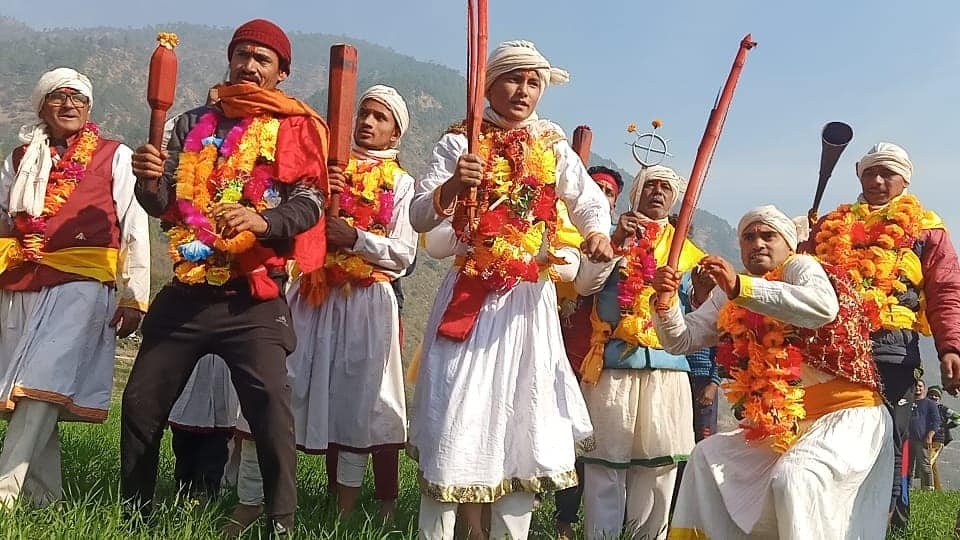
The musical landscape of Rudraprayag is deeply spiritual, dominated by devotional bhajans and kirtans that echo through its temples and riverbanks during daily aartis. The region’s Garhwali folk music, featuring songs like Mangal and Thadya accompanied by traditional drums (Dhol, Damau), celebrates local life, harvests, and festivals. The ritualistic Jagar singing, performed overnight to invoke deities, represents a unique and powerful form of Himalayan musical tradition that blends storytelling with spiritual trance.
Barada Nati
Pandav Nritya
Chholiya
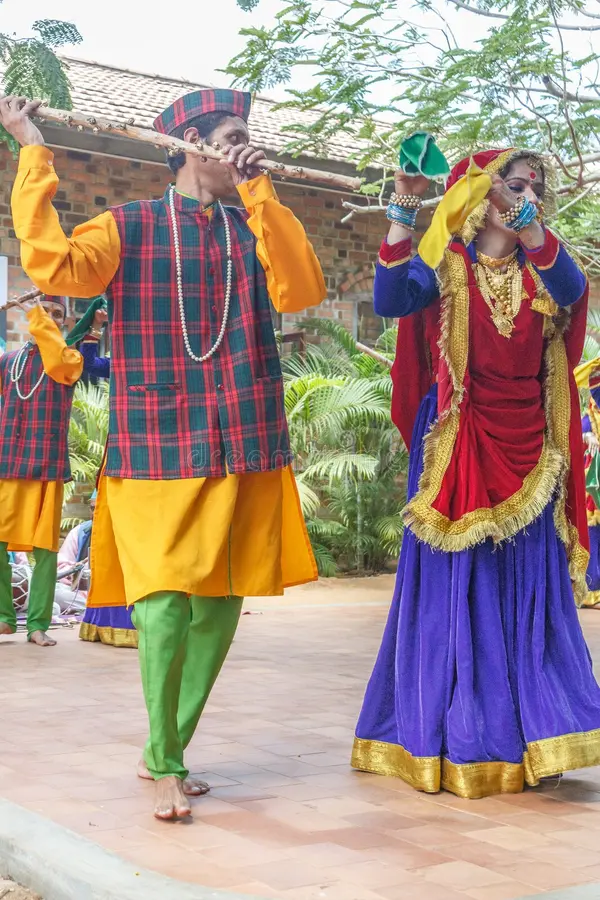
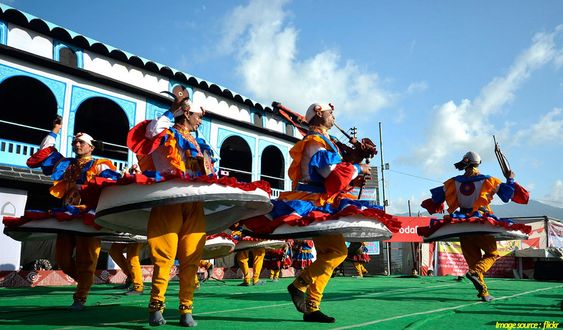
Barada Nati is the most popular folk dance of the region, performed during festivals like Ramman and Diwali, where dancers in colorful traditional attire enact mythological stories with graceful movements. The ritualistic Pandav Nritya reenacts episodes from the Mahabharata, particularly the life of the Pandavas, accompanied by dramatic storytelling and traditional music. Chholiya, a martial sword dance with roots in the Kumaon and Garhwal regions, is performed at weddings and fairs, featuring vigorous movements, clashing swords, and shields to the beat of folk instruments.
Rudraprayag’s heritage is primarily mythological and religious. Named after Lord Shiva’s Rudra avatar, it has been a site of pilgrimage for millennia. The ancient temples like Koteshwar Mahadev and the tradition of the Panch Prayag are central to its identity. The town also carries echoes of the British era, famously chronicled by Jim Corbett in his narrative about the man-eating leopard of Rudraprayag, adding a layer of modern historical intrigue.
The cuisine of Rudraprayag is simple, hearty, and designed to sustain pilgrims and locals in the mountain climate. It relies on locally grown ingredients and offers a taste of authentic Garhwali flavors.
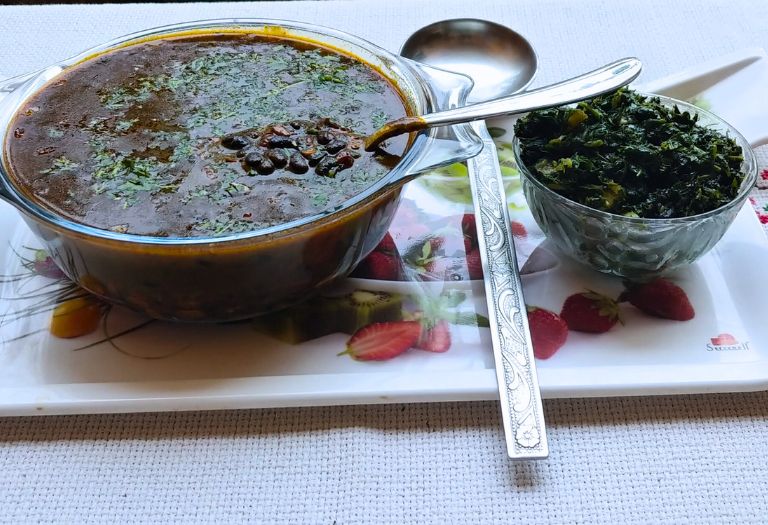
A protein-rich Garhwali staple made from roasted black gram dal, known for its unique earthy flavor.
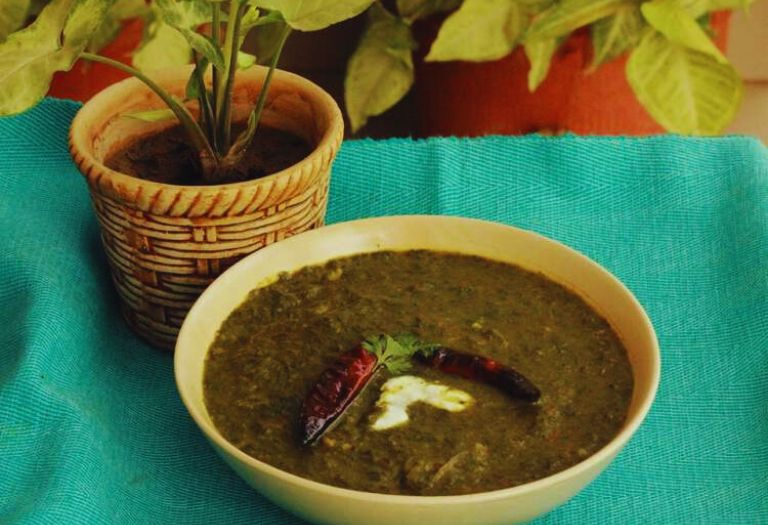
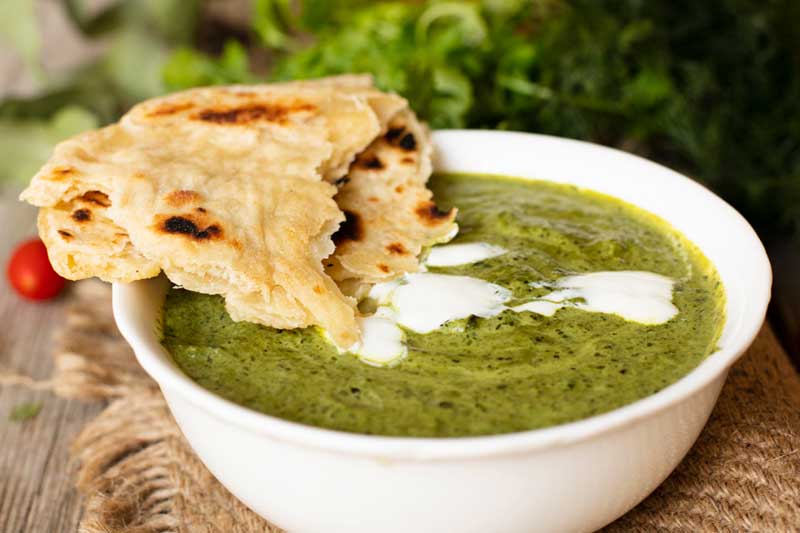
A nutritious green curry made from spinach and fenugreek leaves, often served with steamed rice or roti.
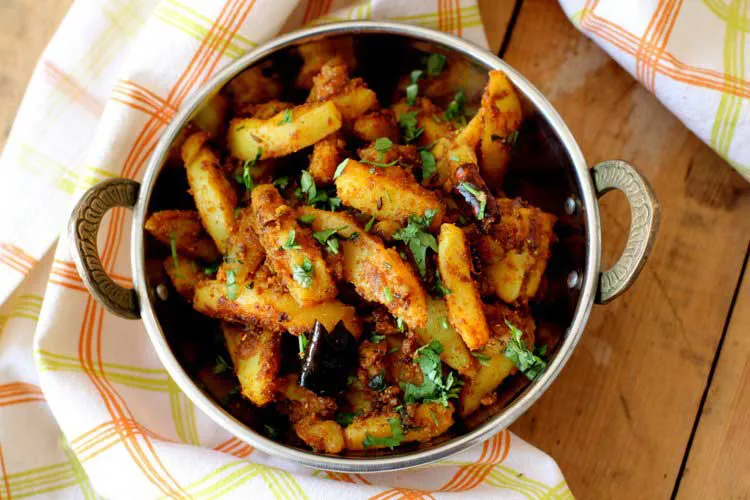
A flavorful stir-fried potato dish tempered with cumin, red chili, and local Himalayan herbs.
A delicious curry made from black soybeans, cooked with traditional spices and enjoyed with rice.
Shopping in Rudraprayag is modest, focusing on pilgrimage essentials, local herbs, and traditional Garhwali items. The small markets cater primarily to the needs of travelers and devotees.
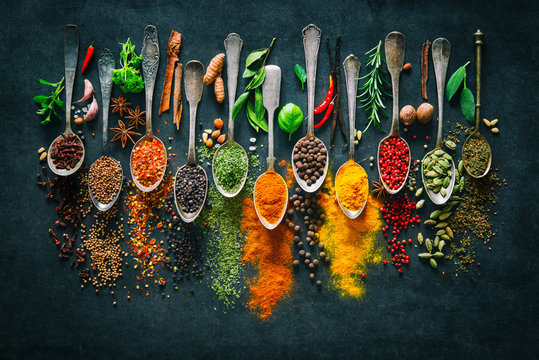
Locally sourced organic spices, herbs, and medicinal plants like Gandhraini and Timur (Himalayan pepper).
Handwoven woollen shawls, caps, and blankets perfect for the cold mountain climate and as souvenirs.
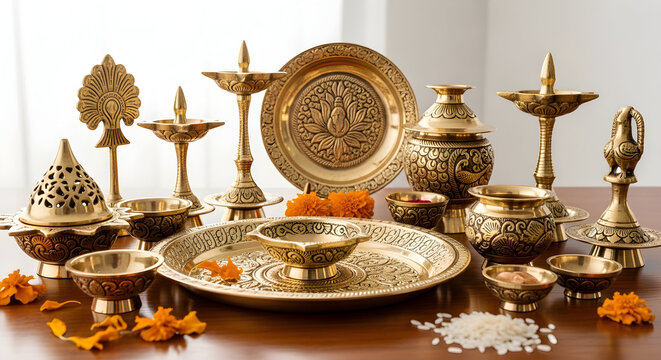
Shops near temples offer puja samagri, incense sticks, and prasad like dried fruits and sweets.
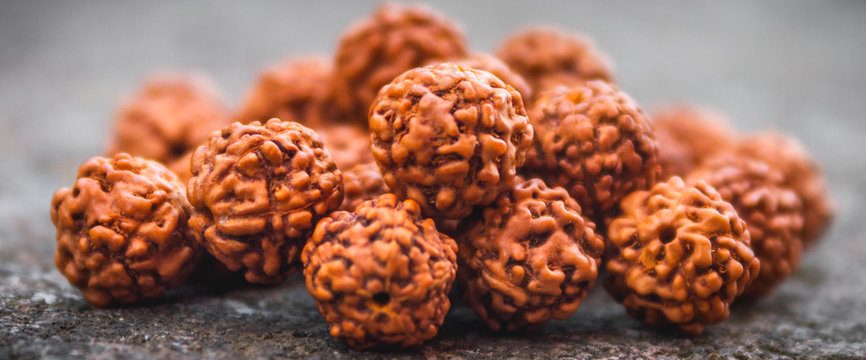
Sacred bead necklaces worn by devotees, believed to bring spiritual benefits and protection.
The ideal time to visit Rudraprayag is from April to June and September to November. The summer months (April-June) offer pleasant weather with temperatures ranging from 15°C to 30°C, making it perfect for pilgrimage and trekking to nearby shrines like Kedarnath and Tungnath. The post-monsoon season (September-November) brings clear skies, crisp mountain air, and stunning views of the snow-capped Himalayas. The monsoon months (July-August) should be avoided due to landslides and road blockages, while winters (December-February) are extremely cold with heavy snowfall, often cutting off higher altitude destinations.
Altitude Preparedness: If trekking to Tungnath (12,000 ft) or beyond, acclimatize properly and carry necessary medications for altitude sickness. Ascend slowly and stay hydrated.
Road Travel Caution: The roads in the region are narrow, winding, and prone to landslides during monsoon. Always hire experienced local drivers and avoid night travel in hilly areas.
Weather Awareness: Check weather forecasts before starting any trek or long journey. Sudden weather changes, including snowfall and rain, can occur even in pleasant seasons.
River Safety: Never venture into the strong currents of the Alaknanda or Mandakini rivers for bathing or photography. Always use designated safe areas near the Sangam.
Trekking Essentials: For treks like Tungnath-Chandrashila, carry warm clothing, rain gear, energy bars, a first-aid kit, and trekking poles. Always trek with a companion or guide.
Emergency Contacts: Save local emergency numbers: Police (100), Ambulance (102), District Disaster Management (01364-233211) , and the nearest hospital contact.
Local taxis and shared jeeps are the most reliable mode of transport in and around Rudraprayag, connecting to nearby towns and trek starting points like Chopta and Gaurikund. State-run buses and private Volvo coaches operate regularly on the Rishikesh-Badrinath route, stopping at Rudraprayag. For short distances within the town, walking is often the best option due to the compact layout and hilly terrain. Pre-paid taxis can be hired from the main taxi stand for day trips to nearby attractions like Tungnath, Chopta, and Ukhimath. During the Char Dham season, special helicopter services are available from Phata and Guptkashi for Kedarnath, accessible via road from Rudraprayag.
Taxi Fare Overcharging: Always confirm and ideally write down the fare before hiring a taxi for local sightseeing or long journeys. Use the pre-paid taxi counter at the main stand where available.
Fake Pilgrimage Packages: Be wary of touts offering "special" Char Dham packages at unbelievably low prices. Book through registered travel agents or verified online platforms.
Accommodation Bait-and-Switch: At the taxi/bus stand, touts may claim your booked hotel is "closed" or "substandard" and offer alternative expensive stays. Contact your hotel directly to verify before accepting such claims.
Overpriced Puja Items: Shopkeepers near the Sangam may overcharge pilgrims for puja samagri. Compare prices at a few shops or buy from temple-authorized counters.
Fake Rudraksha/Crystals: Rudraprayag is famous for Rudraksha and Himalayan crystals. Be cautious of fake or synthetic beads sold as authentic. Purchase only from reputable, government-certified emporiums.
Photography Fees: At some ghats or local markets, individuals may demand money for photographing them or their stalls. Always ask for permission and clarify any charges beforehand.
Unauthorized Guides: For treks like Chandrashila, hire only registered guides from recognized trekking agencies. Avoid individuals offering guiding services without proper identification.
Uttarakhand Cultural Guide
Places to Visit in Rudraprayag
Places to Visit Nearby Rudraprayag
India’s Most Sacred Pilgrimage Destinations
India’s Himalayan Trekking Trails
Uttarakhand: The Land of the Gods – A Complete Cultural Guide
Char Dham Yatra: A Pilgrim’s Handbook
Tungnath & Chandrashila Trek: A Complete Travel Guide
Panch Prayag: The Five Sacred Confluences of Uttarakhand