¤ 10+ minutes Read
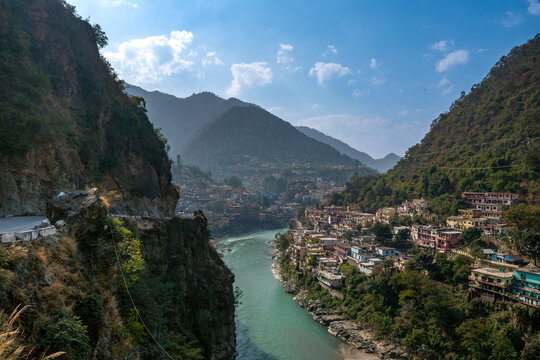
Nestled in the Himalayas where rivers Alaknanda and Mandakini meet, Rudraprayag offers divine experiences for every pilgrim and traveler. Discover ancient temples, sacred confluences, and breathtaking mountain vistas among the top places to visit in Rudraprayag.
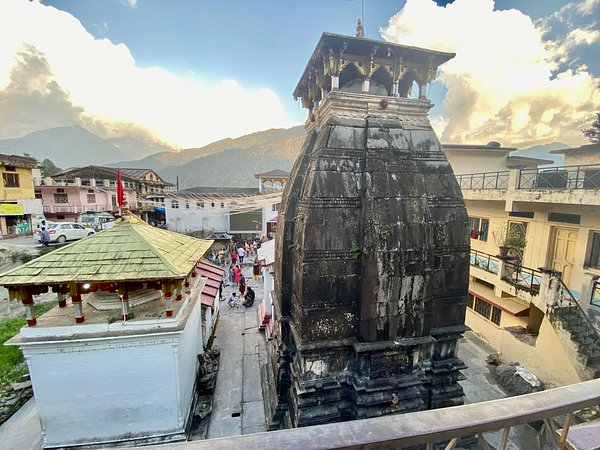
The Rudranath Temple stands as the primary shrine in Rudraprayag town, dedicated to Lord Shiva as the guardian deity of the sacred confluence. Devotees believe that worshipping here before proceeding to the Panch Kedar temples ensures a blessed and successful pilgrimage journey.
The temple’s serene location near the river confluence creates a spiritually uplifting atmosphere for visitors seeking divine blessings.
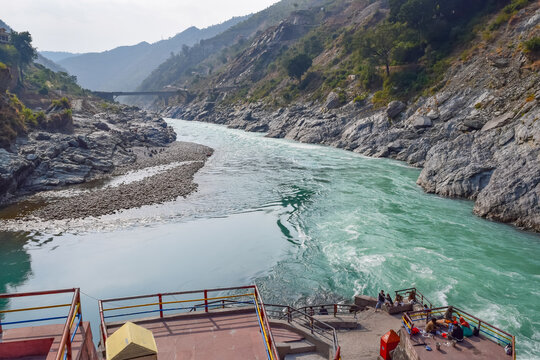
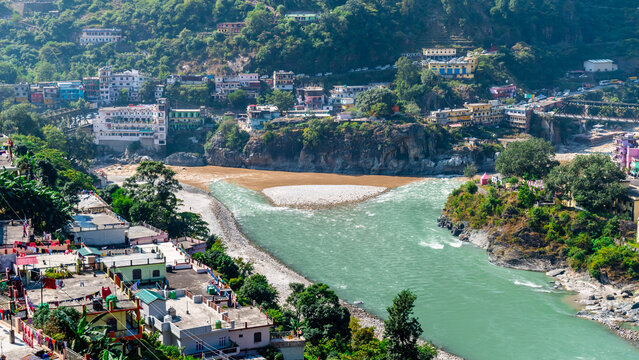
The mighty river flowing through town, offering mesmerizing views and the sound of rushing waters.
The sacred river that meets the Alaknanda at Rudraprayag, creating the holy confluence.
The sacred meeting point of Alaknanda and Mandakini rivers, considered highly auspicious for holy dips.
An ancient shrine dedicated to Bhairav, the fierce form of Lord Shiva, protecting the region.
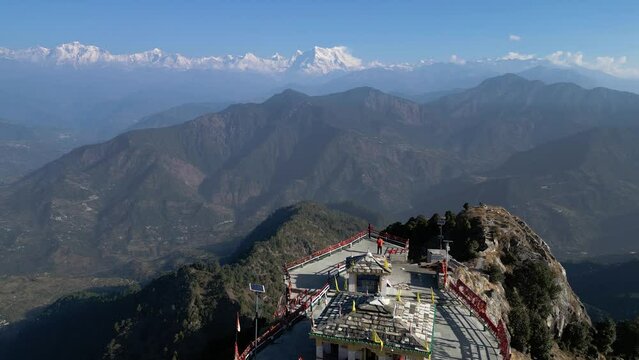
Perched atop a scenic hill overlooking the Alaknanda River, the Chamunda Devi Temple offers panoramic views of the surrounding valleys and snow-capped peaks. This powerful shrine dedicated to Goddess Chamunda attracts devotees seeking protection from negative energies and fulfillment of heartfelt wishes.
The temple becomes especially vibrant during the Navratri festivals when special ceremonies and offerings fill the air with devotion.
Situated in a natural cave on the banks of the Alaknanda River, the Koteshwar Mahadev Temple is an ancient shrine where Lord Shiva is believed to have meditated for cosmic well-being.
The cave’s dimly lit interior with its naturally formed Shiva lingam creates an atmosphere of profound mystery and spiritual intensity. Pilgrims often sit in silent meditation here, absorbing the cave’s powerful energy before continuing their Char Dham or Panch Kedar journeys.
Another revered Shiva shrine in a cave setting, attracting devotees seeking blessings.
A small bustling market town with shops selling pilgrimage essentials and local handicrafts.
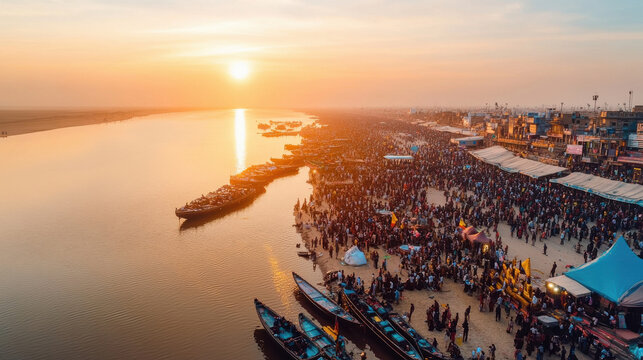
A peaceful riverside bathing ghat where pilgrims perform rituals before proceeding to Kedarnath.
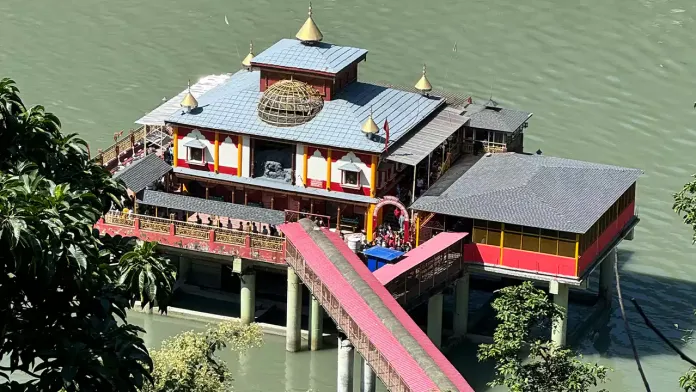
The Dhari Devi Temple houses a unique idol of Goddess Durga that remains partially submerged in the Alaknanda River for most of the year, appearing fully only during specific months. Legend says the idol was being transported when it got stuck at this spot, establishing the goddess’s eternal presence here.
The temple’s location on a river island creates a dramatic setting, though the original shrine was relocated due to dam construction while retaining its spiritual significance.
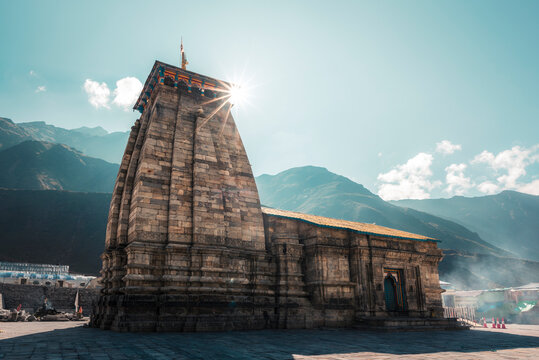
One of the twelve sacred Jyotirlingas and the most prominent temple in the Panch Kedar circuit, Kedarnath Temple stands amidst breathtaking snow-clad peaks at an altitude of 3,583 meters. The ancient stone structure has withstood harsh Himalayan weather for over a thousand years, housing a conical rock formation worshipped as Lord Shiva’s cosmic form.
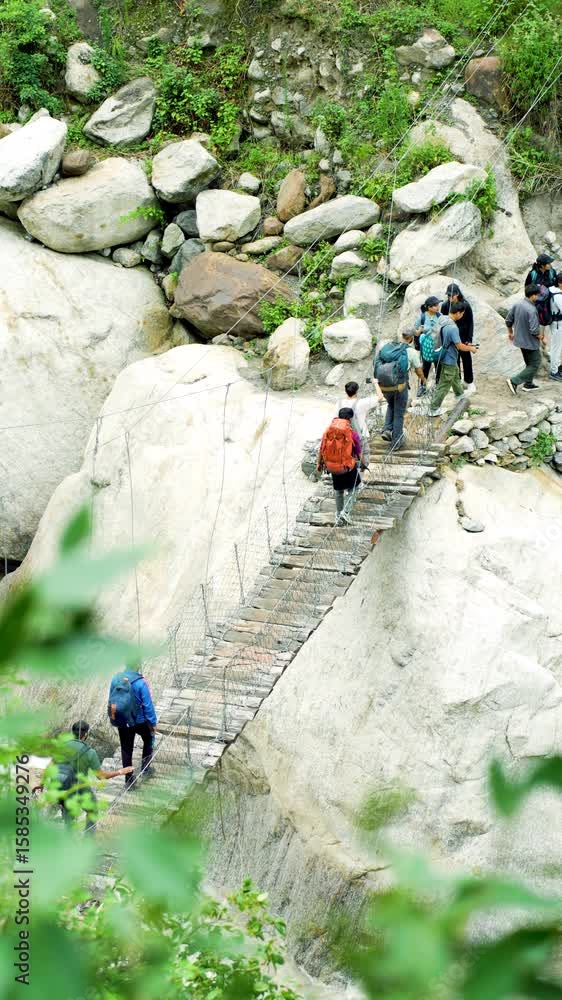
Pilgrims undertake a challenging 16-kilometer trek to reach this sacred site, believing that a visit here brings salvation and liberation from the cycle of birth and death.
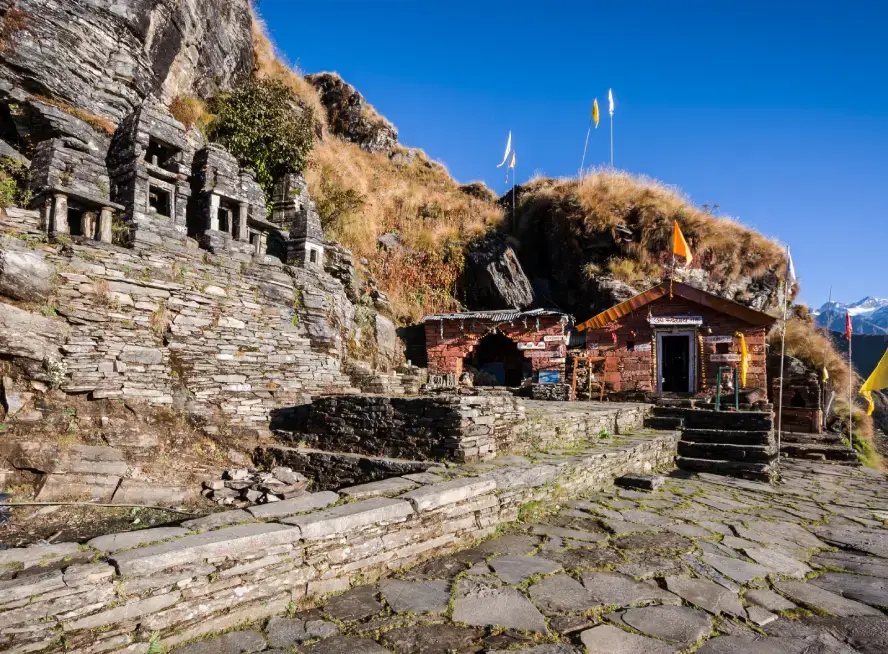
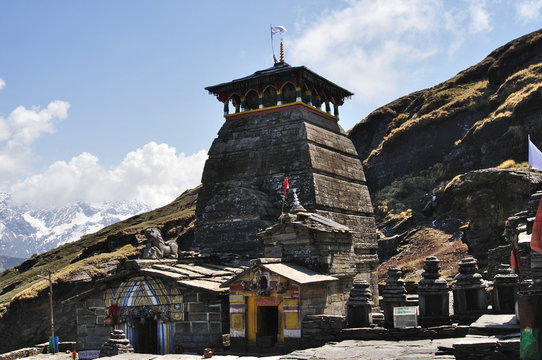
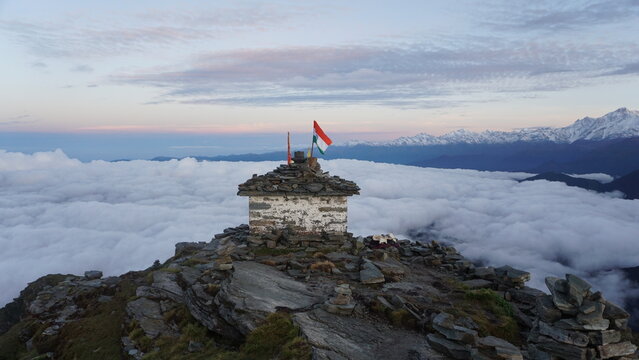
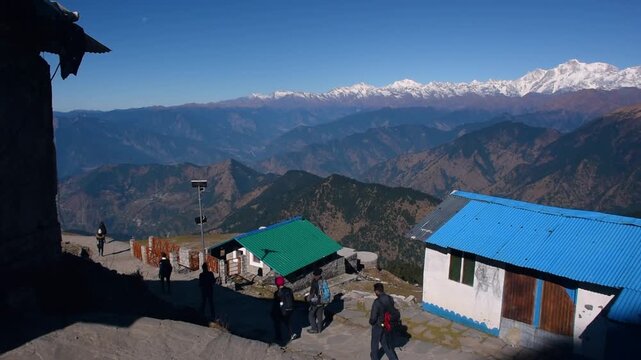
The highest Shiva temple in the world, offering breathtaking views and a trek to Chandrashila peak.
A magnificent summit above Tungnath, providing panoramic 360-degree views of the Himalayan range.
The fifth temple in the Panch Kedar circuit, nestled in a scenic valley with stunning mountain views.
The confluence of Alaknanda and Pindar rivers, associated with Karna from the Mahabharata epic.
This historic town derives its name from the legend that Lord Shiva hid (gupt) here from the Pandavas, hence the name Guptkashi meaning “hidden Kashi.” The town features the ancient Vishwanath Temple and the Ardhanarishwar Temple, both showcasing remarkable stone architecture and spiritual significance.
Guptkashi serves as an important halting point for pilgrims heading to Kedarnath and offers stunning views of the Chaukhamba peaks.
The confluence of Son Ganga and Mandakini rivers, serving as the starting point for Kedarnath trek.
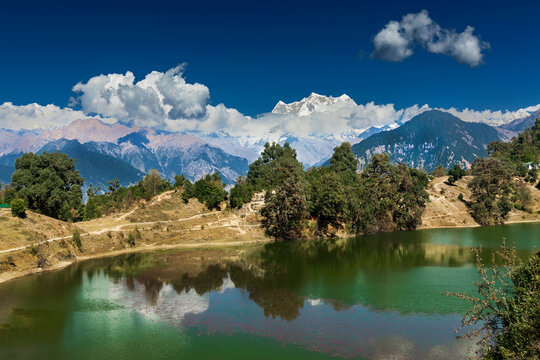
A pristine lake reflecting the Chaukhamba peaks, offering stunning sunrise views and camping opportunities.
Known as the “Mini Switzerland of India,” a picturesque meadow surrounded by dense forests and snow peaks.
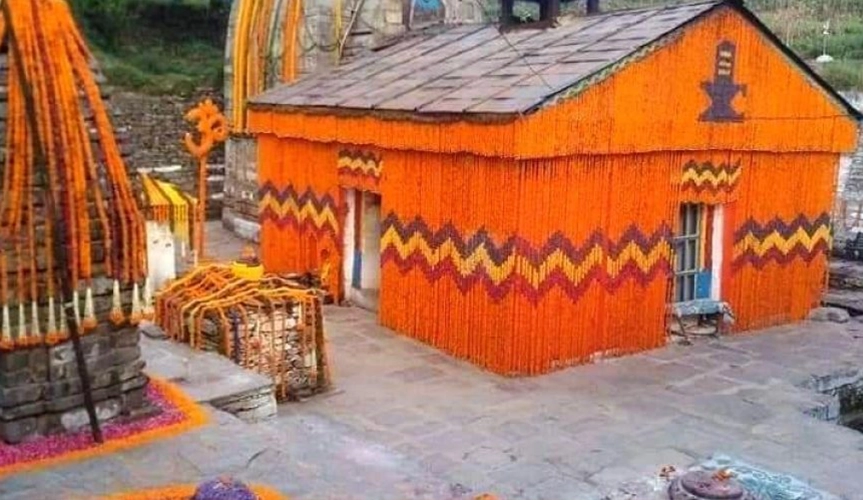
This ancient temple is famously believed to be the sacred venue where Lord Shiva and Goddess Parvati were married, with an eternal flame (Akhand Jyoti) burning continuously in front of the shrine. The temple complex features four sacred kunds (ponds) where the divine wedding rituals were performed, according to Hindu mythology.
Surrounded by stunning Himalayan scenery, the temple attracts both devotees and history enthusiasts marveling at its timeless spiritual legacy.
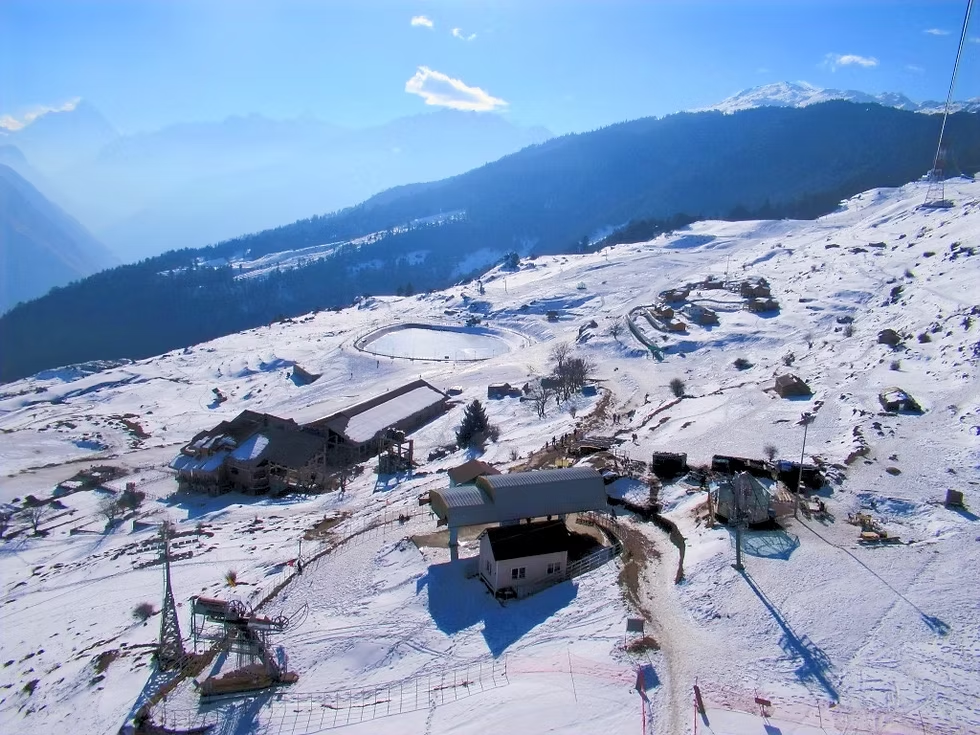
Auli is a pristine Himalayan ski resort nestled amidst dense oak and coniferous forests, offering breathtaking panoramic views of Nanda Devi, Kamet, and other snow-covered peaks. The slopes here provide some of the best skiing opportunities in India, with a modern cable car system (Asia’s longest) connecting the town to the ski slopes.
During summer, the meadows transform into carpet of wildflowers, making it equally enchanting for trekkers and nature lovers seeking mountain serenity.