¤ 10+ minutes Read
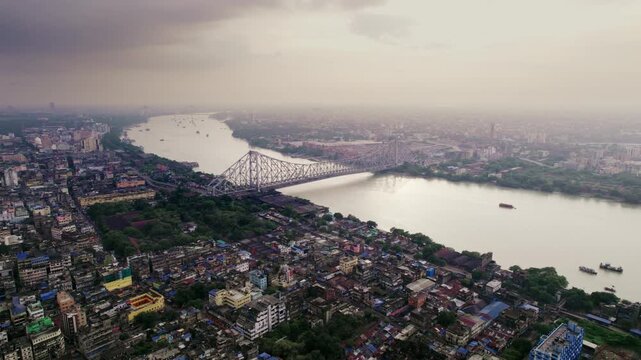
Howrah, officially a separate city but intrinsically linked to Kolkata, is the gateway to West Bengal’s capital. Known primarily for its monumental Howrah Bridge (Rabindra Setu) and the bustling Howrah Junction railway station—one of the busiest in India—it offers a raw, energetic glimpse into the life and logistics of the Kolkata Metropolitan Area. Its vibrant markets, historic temples, and riverside ghats present a unique blend of colonial heritage, spiritual fervor, and everyday bustle.
Wiki Link: Howrah wiki page
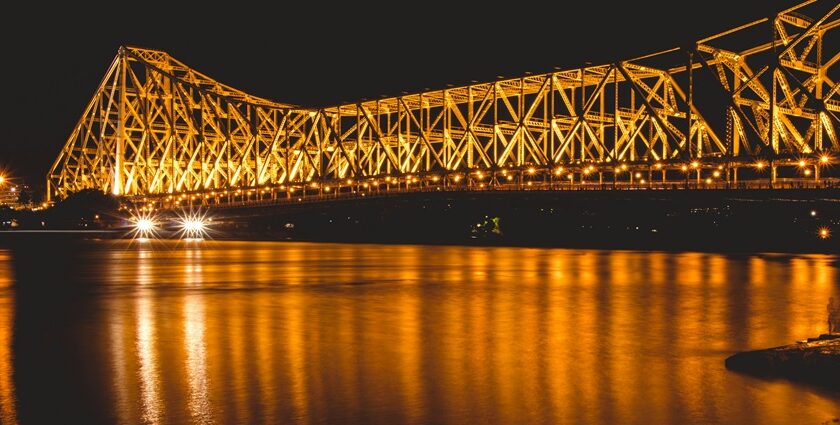
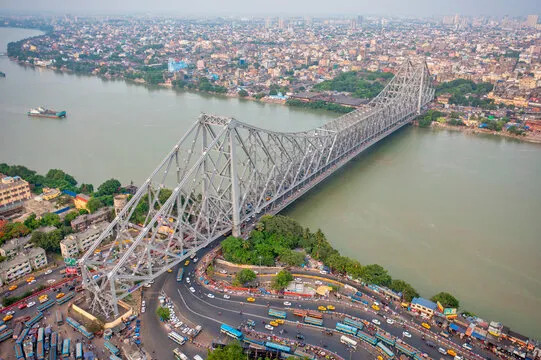
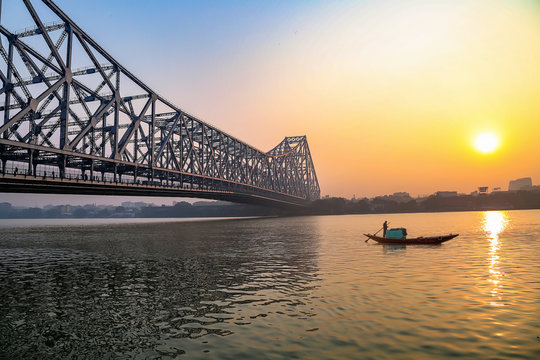
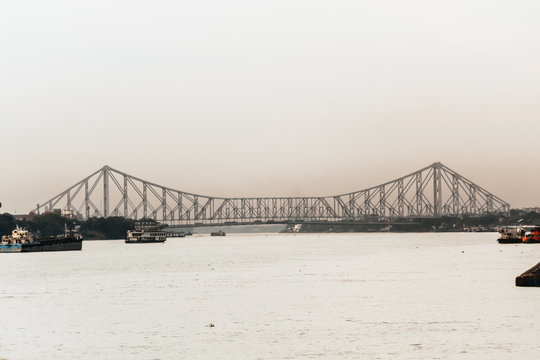
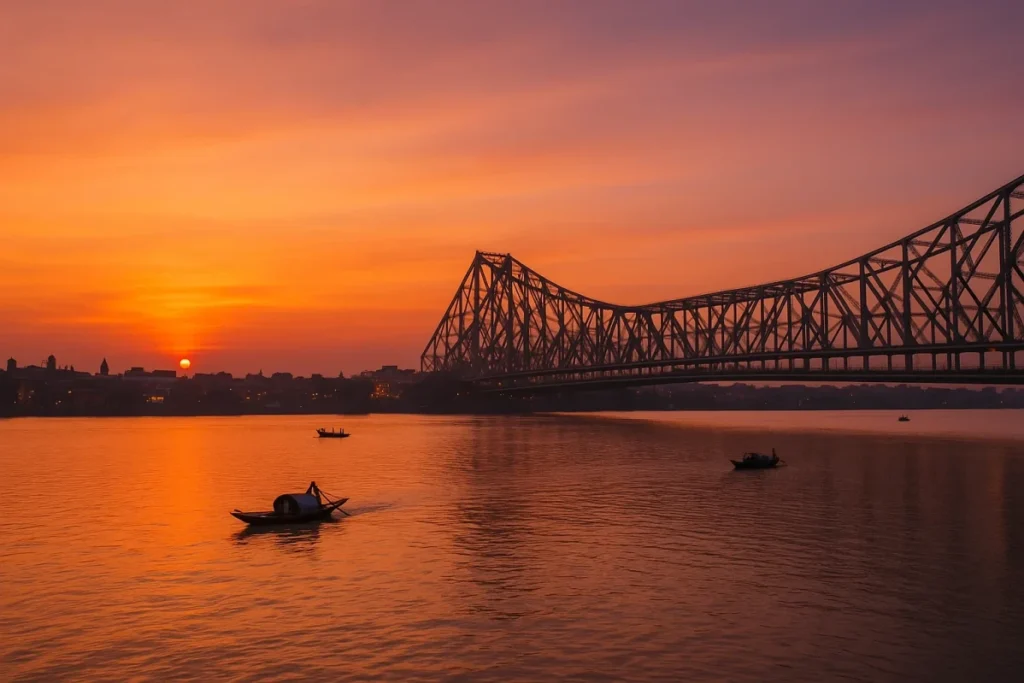
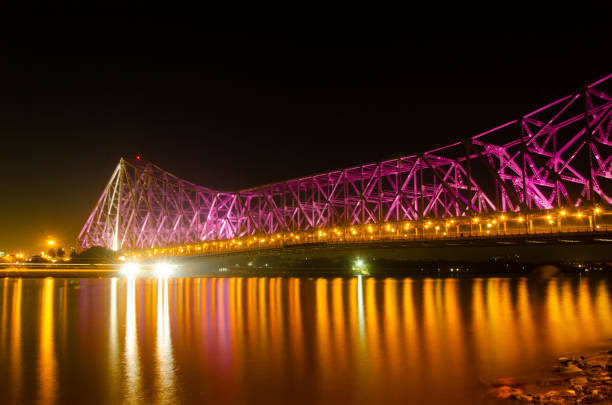
An iconic Kolkata landmark, this bustling cantilever bridge offers stunning night views or serene dawn perspectives from the Hooghly River.
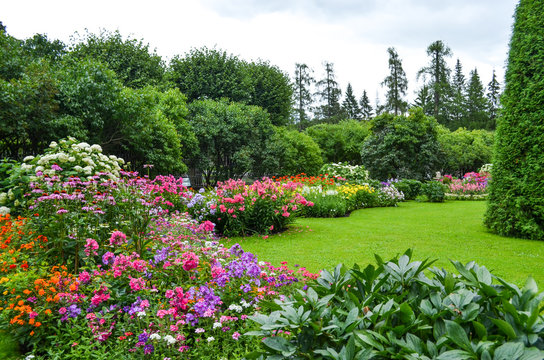
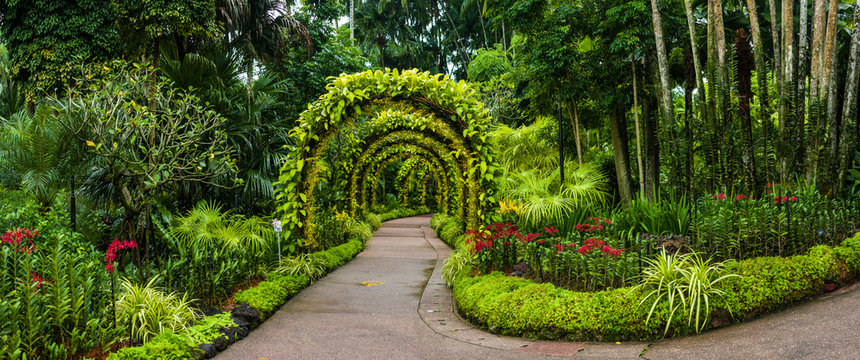
Home to the ancient Great Banyan Tree, this expansive garden provides a peaceful retreat amid thousands of diverse plant species.
A serene pilgrimage site on the Hooghly River, blending Hindu, Christian, and Islamic architecture into a harmonious spiritual complex.
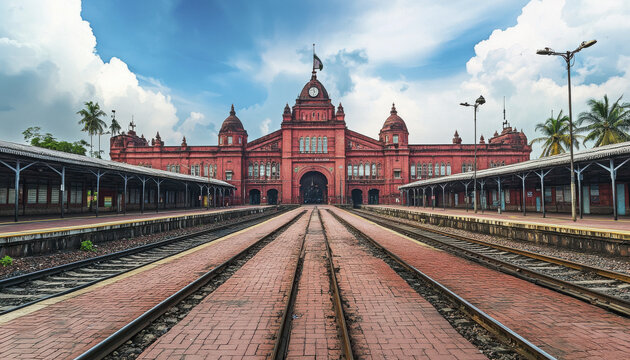
One of India’s busiest and oldest stations, its grand colonial facade hums with the endless energy of countless travelers.
The vibrant “City of Joy” across the river boasts iconic sites like Victoria Memorial, the Indian Museum, and bustling markets such as New Market and College Street.
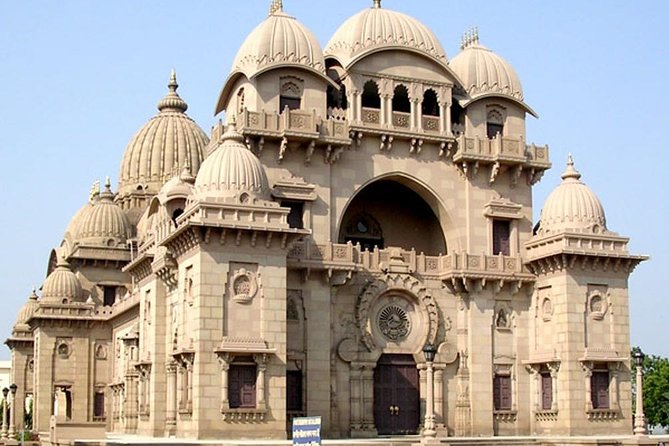
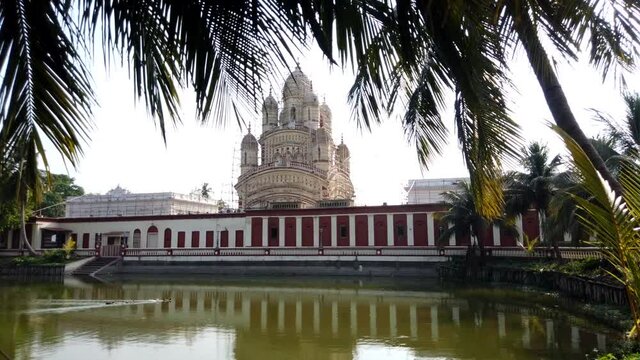
A major pilgrimage destination on the Hooghly’s east bank, famous as the spiritual home of Sri Ramakrishna and noted for its unique temple architecture.
A tranquil lake that transforms into a winter sanctuary for thousands of migratory birds, including pintails and common teals, ideal for birdwatching.
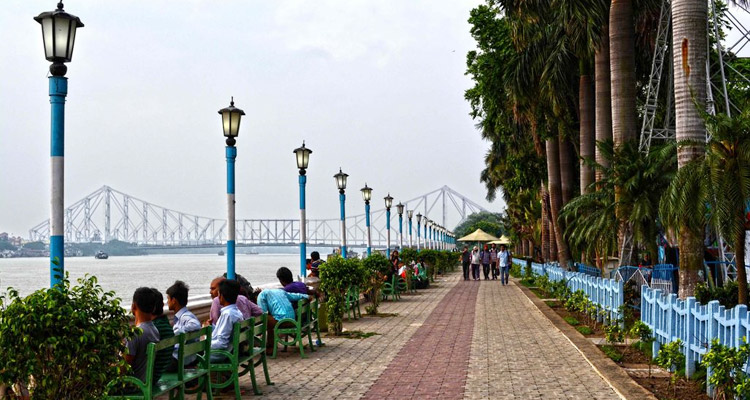
A popular riverside promenade in Kolkata offering scenic views of the Howrah Bridge, leisurely strolls, and vibrant cultural events along the Hooghly.
Experience the dynamic pulse of this transportation hub and its cultural pockets. From marveling at colonial infrastructure to exploring spiritual retreats, Howrah offers a distinct urban adventure.
Feel Kolkata’s heartbeat on this iconic bridge, absorbing the hum of traffic and the timeless flow of the Hooghly River beneath your feet.
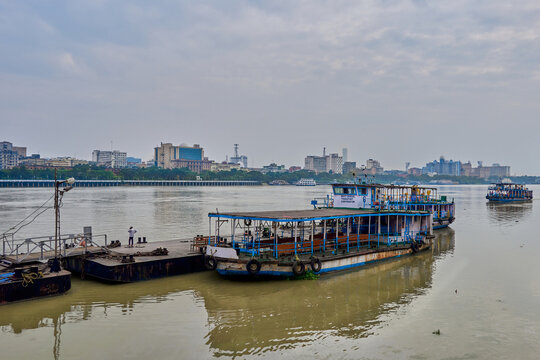
Glide across the river on a public ferry for an affordable, scenic commute featuring panoramic views of Howrah Bridge and the Kolkata skyline.
Dive into bustling lanes near Howrah Station to savor iconic local bites like moglai paratha, tangy phuchka, and sweet rosogollas and mishti doi.
Find profound peace at Belur Math by attending the evening aarati or meditating in its serene, architecturally harmonious riverside courtyards.
While Howrah is famously defined by its bridge and railway, its cultural fabric is deeply woven with Kolkata’s rich artistic and intellectual heritage. It acts as a gateway to the city’s performing arts scene, drawing its energy and identity from the vibrant cultural landscape just across the Hooghly. The area around Belur Math, in particular, resonates with a unique spiritual and musical tradition inspired by the teachings of Ramakrishna and Vivekananda, influencing a culture of devotional music and reflective arts.
Rabindra Sangeet
Bengali Folk Music
Kirtan & Bhajans
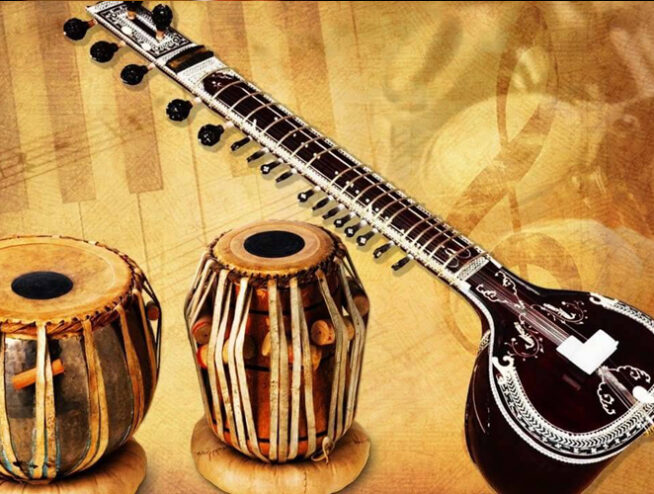
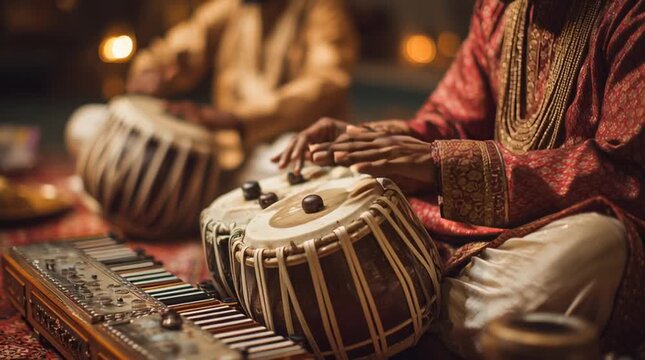
The region is a vital gateway to Bengal’s rich musical heritage, where the classical compositions of Rabindra Sangeet and Nazrul Geeti resonate deeply in cultural gatherings. The mystic, soul-stirring melodies of Baul folk music echo a search for the divine, often heard near spiritual sites and local festivals. Devotional call-and-response traditions like Kirtan and Bhajan thrive during rituals, especially at places such as Belur Math, creating an atmosphere of collective spiritual devotion.
Kathak
Gaudiya Nritya
Chhau
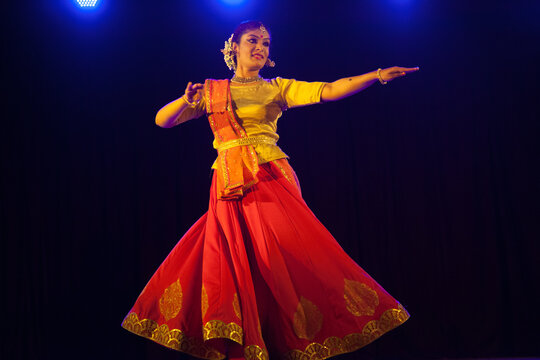
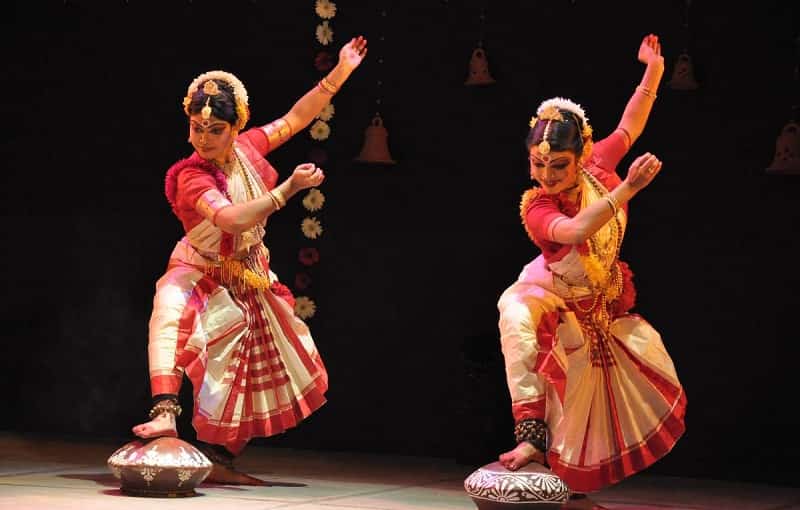
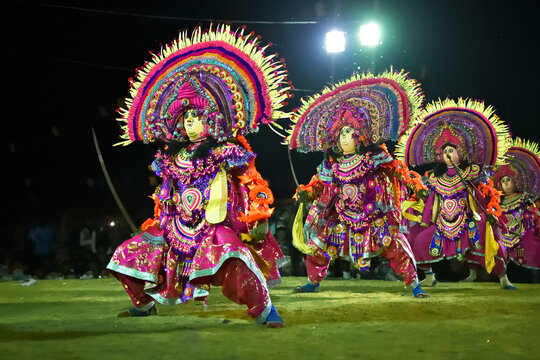
The region draws from Bengal’s vibrant dance traditions, where the lyrical grace and expressive storytelling of Gaudiya Nritya revive ancient devotional themes of Radha and Krishna. Energetic folk performances like Chhau, with its martial movements and striking masks, bring festive vigor during celebrations and regional fairs. The classical elegance of Kathak and the joyous community spirit of Dhunuchi Naach during Durga Puja further showcase Howrah’s connection to Kolkata’s rich and varied dance heritage.
Howrah thrives on relentless energy and motion. It’s the first impression for millions arriving by train, a city that never sleeps, defined by the constant rumble of trains, the honking of vehicles on the bridge, and the cries of porters. Beneath this chaotic exterior lies a resilient spirit, pockets of deep spirituality at Belur Math, and the tranquil, ancient shade of the Botanical Gardens. It’s a city of stark, captivating contrasts.
Howrah’s heritage is rooted in its colonial-era infrastructure and industrial past. The Howrah Bridge (1943) and the Railway Station (1854) are monuments to British engineering. The Botanical Garden (1787) is a heritage of natural history. Belur Math (1938) represents the neo-Vedantic spiritual heritage of Swami Vivekananda. This blend of industrial, botanical, and spiritual history makes its heritage unique.
As a major transit point, Howrah offers culinary delights ranging from quick street eats to traditional Bengali sweets.
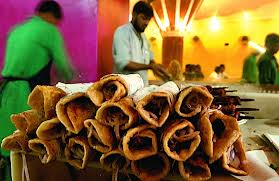
A savory, stuffed flatbread filled with spiced keema or egg, beloved as a hearty street-side meal.
Kolkata’s signature version of pani puri, featuring crispy puris filled with spicy potato and tangy tamarind water.
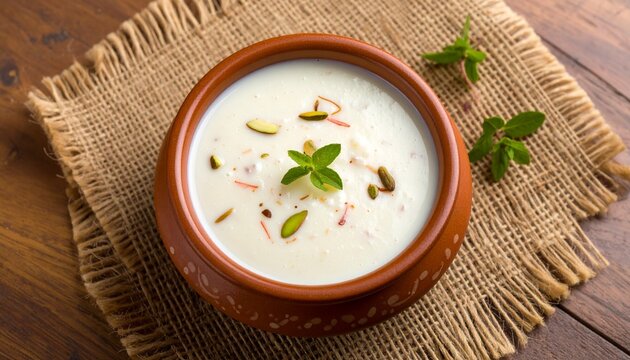
Iconic Bengali sweets of creamy, clay-pot-set yogurt and soft, syrupy cottage cheese balls, essential for any visit.
A classic breakfast pairing of deep-fried, puffy luchi bread with a rich and spicy potato curry.
Shopping in Howrah revolves around its massive markets catering to daily needs, electronics, and local specialties, often at wholesale prices.
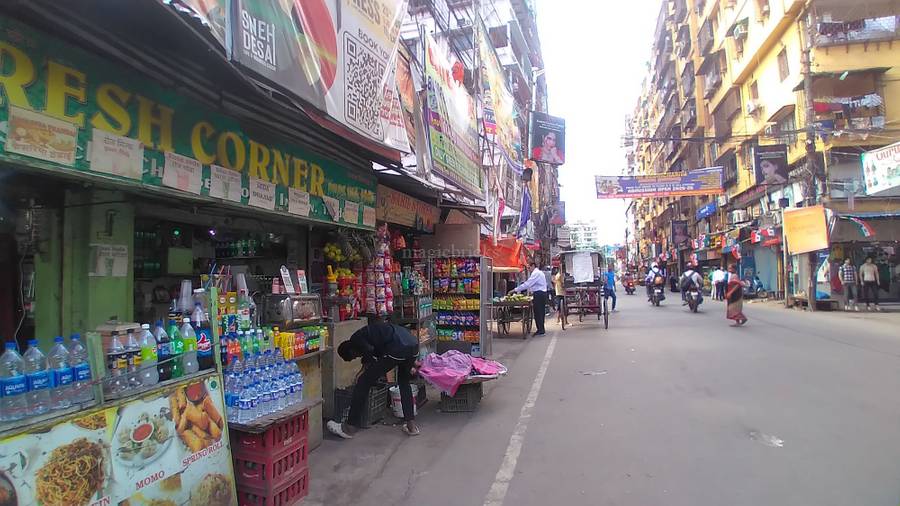
A vast, bustling market near the station, renowned for its wide array of electronics, hardware, tools, and countless everyday goods.
Find unique seeds and saplings of rare plants sold by vendors near the garden entrance, perfect for gardening enthusiasts.
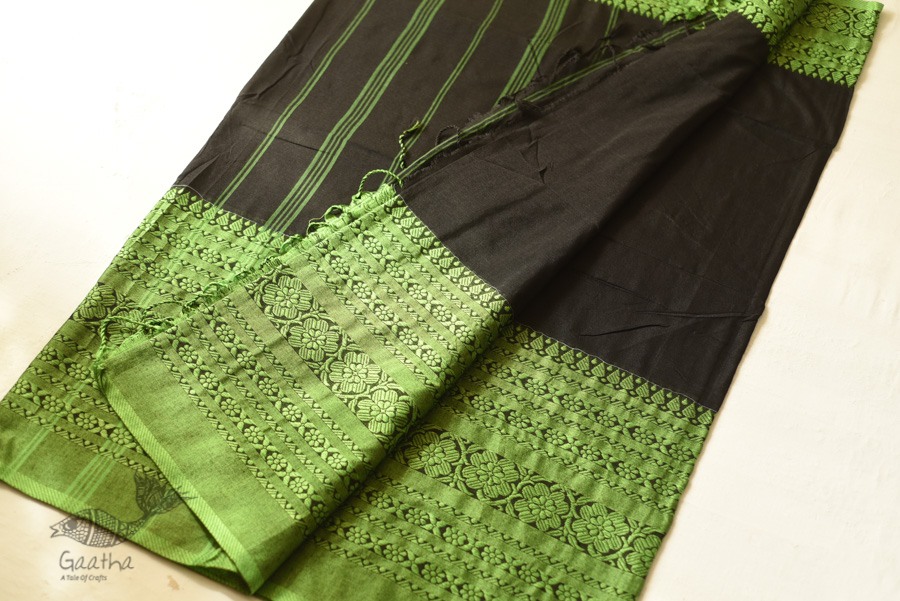
Pick up affordable, lightweight cotton kurtas and sarees ideal for the region’s warm and humid weather.
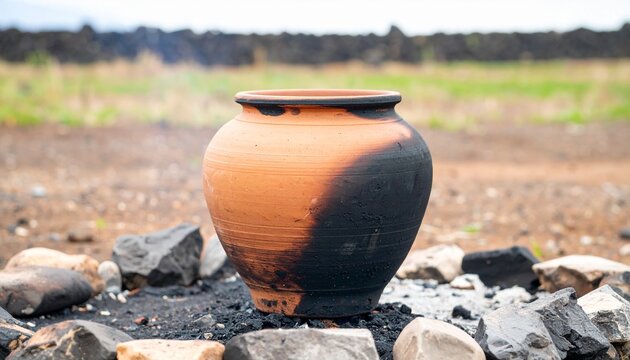
Take home traditional clay pots (bhar), the authentic vessel used for making and setting the beloved sweet yogurt, mishti doi.
The ideal time to visit Howrah is during the winter months, from October to February, when the weather is cool, dry, and pleasant. This period is perfect for exploring outdoor attractions like the Howrah Bridge and Botanical Garden, enjoying Hooghly River ferry rides, and attending festive celebrations such as Durga Puja and Diwali. Avoid the intense heat and humidity of April to June, as well as the heavy monsoon rains from July to September, which can disrupt travel and sightseeing.
Navigating Howrah centers on its busy transportation hubs. Auto-rickshaws and app-based cabs (Ola/Uber) are convenient for point-to-point travel within the city. For crossing the river, public ferries from Howrah Jetty to Kolkata offer an affordable and scenic commute. The Kolkata Metro (from Howrah Maidan station) provides a fast, efficient link into central Kolkata. While walking is practical around Howrah Market and the station area, longer distances are best covered using the city's well-connected local buses and pre-paid transport options.
Fake Tourist Offices / Touts at Station – Beware of individuals posing as official tourist agents offering “special” hotel or tour deals; always use prepaid counters or trusted online booking platforms.
Overcharged Taxi/Auto Rides – Always insist on using the meter or agree on the fare clearly before starting your journey; use app-based cabs or prepaid booths at the station for transparency.
Counterfeit Electronics at Howrah Market – When shopping for electronics or gadgets, verify product authenticity and warranty details carefully; insist on sealed boxes and official bills.
Unauthorized Guides at Historical Sites – At Belur Math or other attractions, decline unsolicited guiding offers; opt for authorized guides from the site’s information desk if needed.
Fake Donation Collectors – Be cautious of individuals requesting money in the name of temple donations or charity, especially near crowded religious sites; donate only at official counters.