¤ 10+ minutes Read
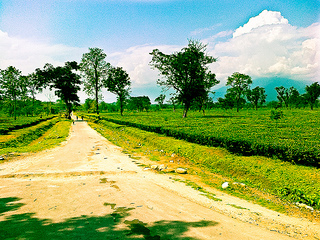
Nestled in the northern plains of West Bengal, Jalpaiguri is a bustling gateway to the enchanting Dooars region—the lush foothills bridging the plains with the Eastern Himalayas. Renowned for its sprawling tea gardens, dense forests, and vital river systems like the Teesta and Jaldhaka, it serves as the perfect launchpad for wildlife safaris, river adventures, and journeys to hill stations like Darjeeling and Sikkim.
Wiki Link: Jalpaiguri wiki page
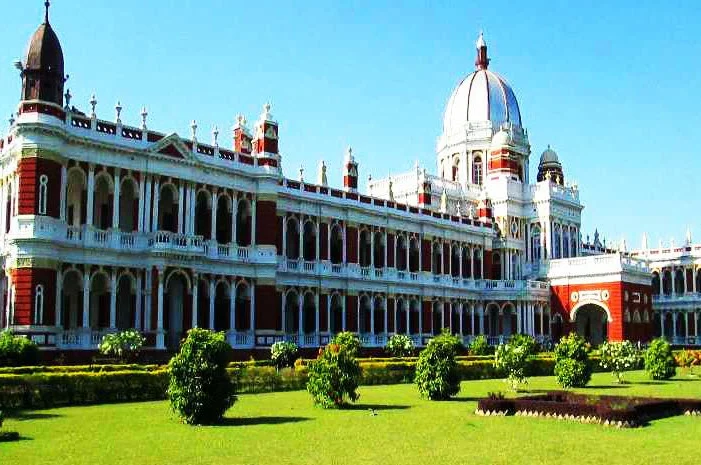
A 20th-century royal palace blending Mughal and European architecture in serene grounds.
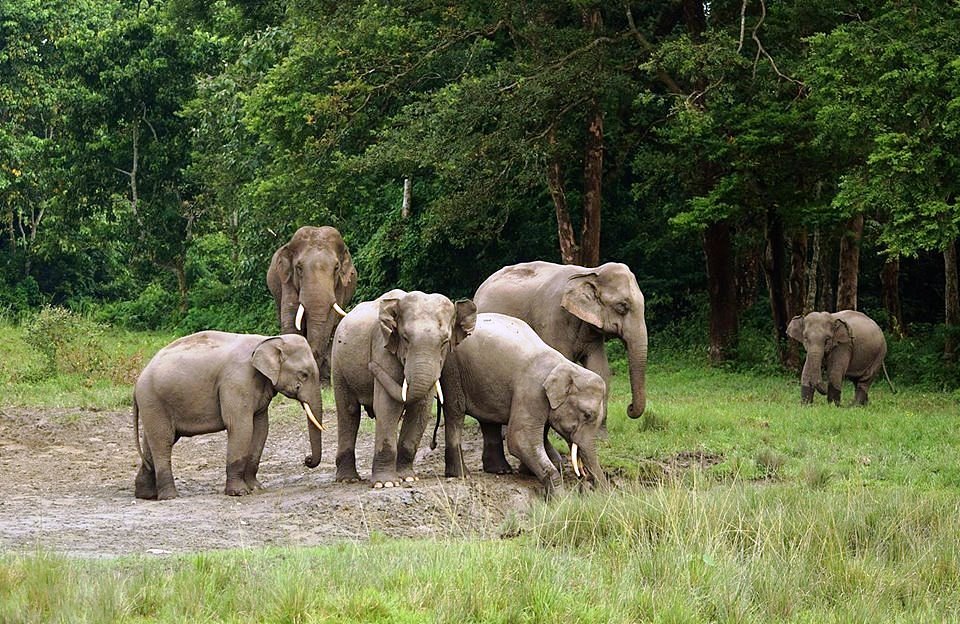
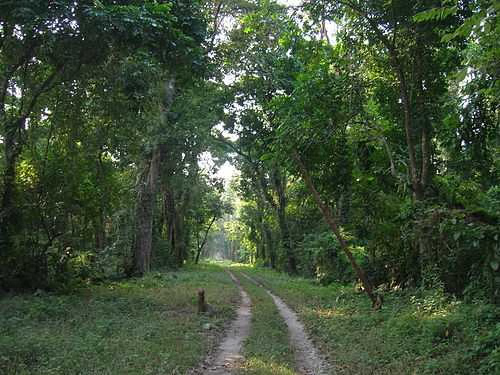
A biodiverse Dooars jungle famed for tigers, elephants, and historic Buxa Fort, ideal for safaris.
Renowned for its population of the Great Indian One-Horned Rhinoceros and thrilling jeep safaris.
A premier grassland sanctuary for rhino conservation, offering unique elephant safaris.
The primary tourist gateway to Gorumara National Park, dotted with resorts and safari access.
Serene mountain hamlets with tea gardens, orange orchards, and treks to Neora Valley.
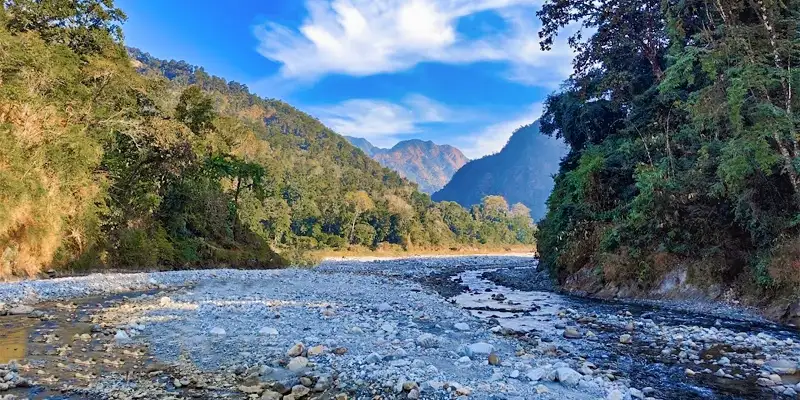
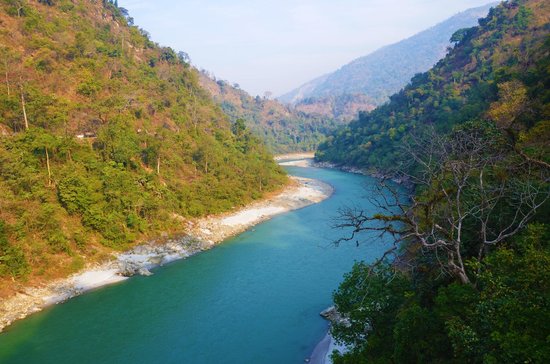
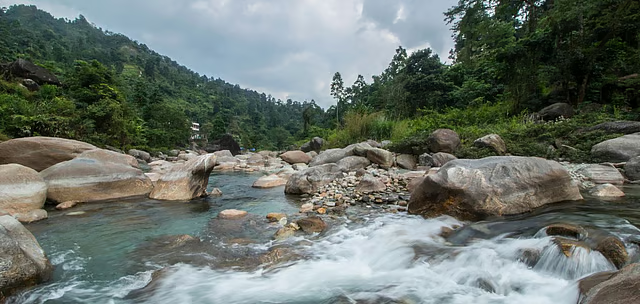
A scenic river valley featuring the Jaldhaka Hydel Project and picturesque riverside views.
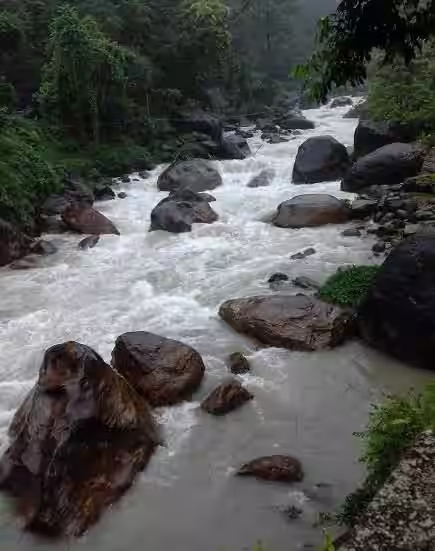
A stunning natural rock formation on the Jaldhaka riverbed, perfect for photography and picnics.
Experience the call of the wild, the tranquility of rivers, and the heritage of the region. From thrilling jungle safaris to exploring colonial history and relaxing by rivers, Jalpaiguri offers a diverse and engaging retreat.
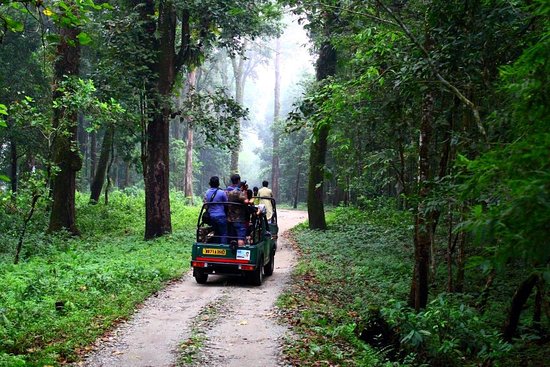
Thrilling jeep or elephant safaris in Gorumara and Jaldapara to spot rhinos, elephants, and exotic birds.
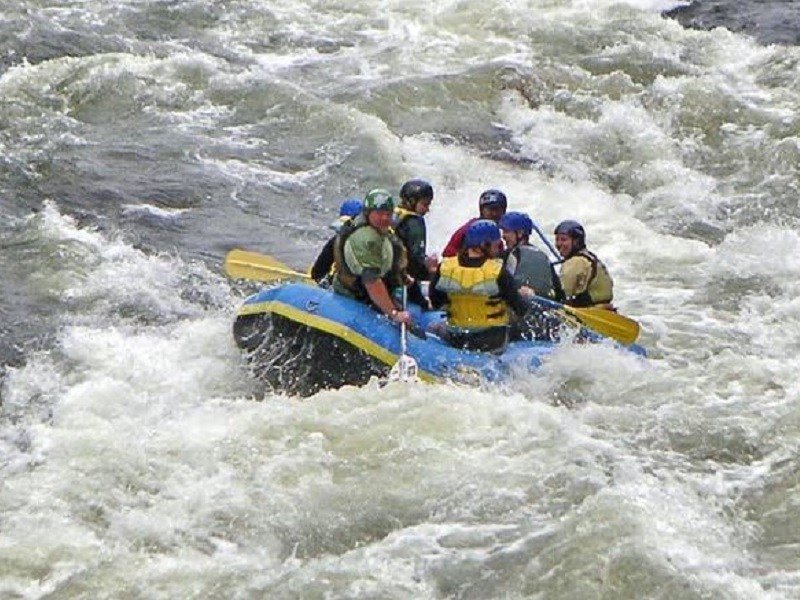
White-water rafting adventures on the upper reaches of the Teesta River near Kalimpong.
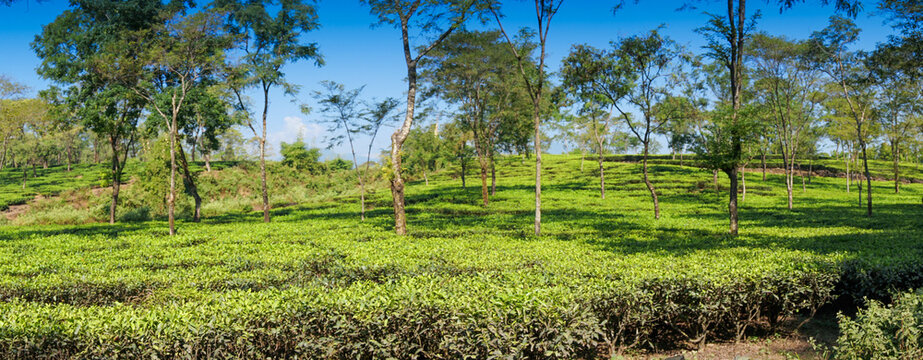
Guided tours of historic Dooars tea estates showcasing tea processing and scenic plantation walks.
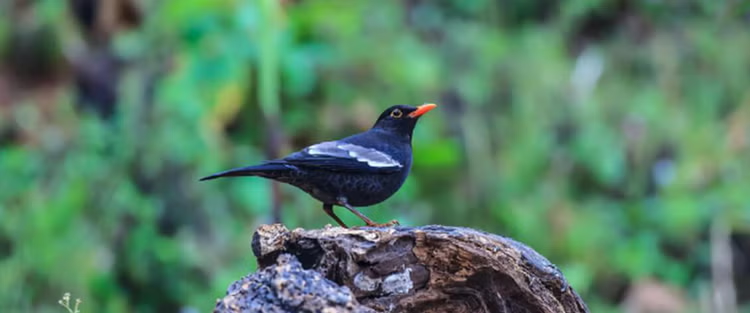
A paradise for birders with Hornbills, Kingfishers, and migratory species across forests and riverbanks.
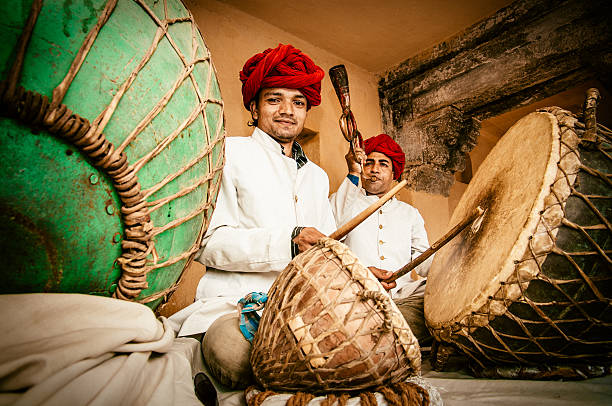
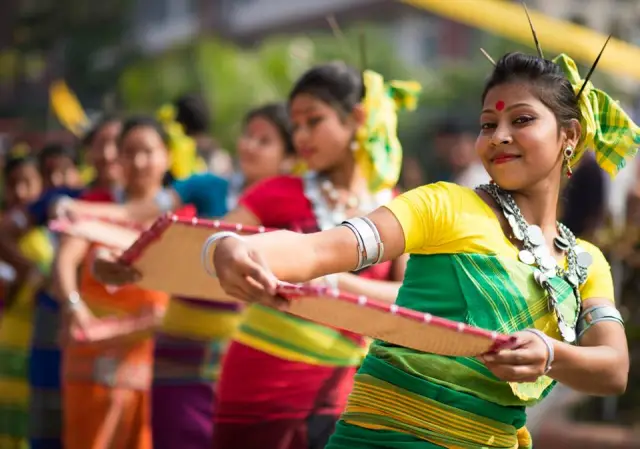
Jalpaiguri’s cultural landscape is a vibrant fusion of indigenous communities like the Rajbanshis, Totos, and Mech, along with Bengali, Nepali, and tribal influences, reflected in its folk music and dance.
Rajbanshi Folk Music
Tribal Music
Bhawaiya Lokgeet
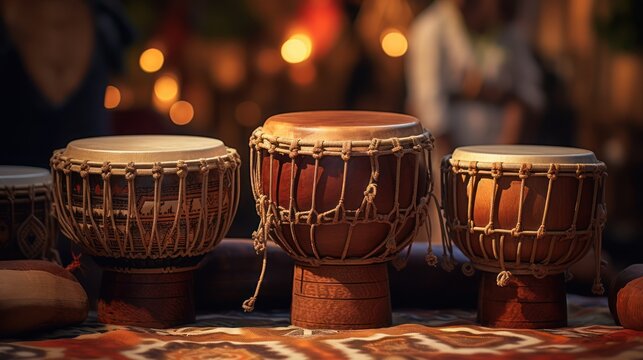
Jalpaiguri is a vibrant hub for Rajbanshi folk music, with the soulful Bhawaiya and Chatka genres shaping its cultural identity. These melancholic melodies, accompanied by the dotara and flute, tell poignant tales of love, separation, and the rhythms of rural life in the Dooars. Indigenous communities like the Toto and Mech preserve unique tribal musical traditions using bamboo instruments and drums. The tea gardens echo with the workers’ folk songs, blending Bengali, Nepali, and tribal influences into a rich, diverse musical heritage.
Rajbanshi Folk Dances
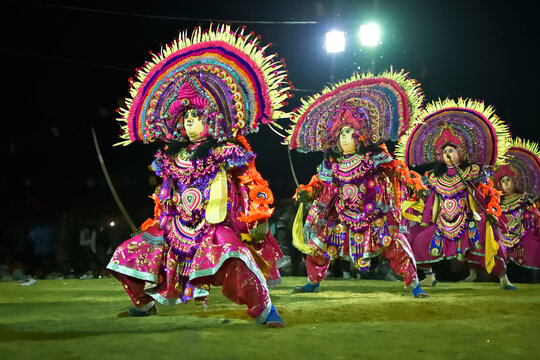
Chhau Dance
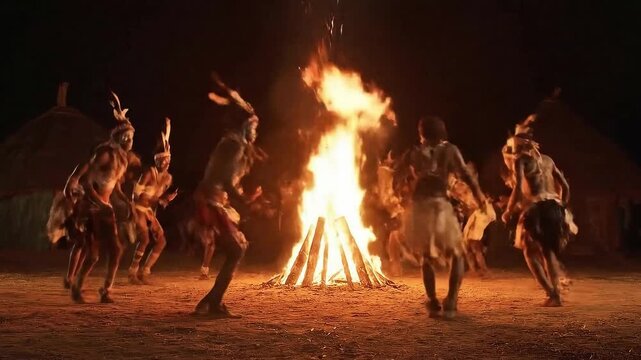
Tribal Dances
Jalpaiguri is renowned for its energetic Rajbanshi folk dances, performed during harvest festivals and weddings with rhythmic, circular movements. Indigenous tribal communities like the Toto and Mech preserve ritualistic dances depicting hunting, nature, and mythological stories. The Chhau dance, with its vibrant masks and martial acrobatics, has a strong presence in the region’s cultural festivals. Tea garden communities contribute lively, synchronized group dances that celebrate their unique blend of Bengali, Nepali, and tribal heritage.
Jalpaiguri buzzes with the energy of a vital transit town, yet it’s enveloped by the serene call of the nearby wilderness. The air carries a hint of tea leaves from surrounding estates and the earthy scent of dense forests. It’s a place where the urban hustle quickly gives way to the tranquil flow of the Teesta River and the distant roars from national parks, embodying the spirit of adventure and nature.
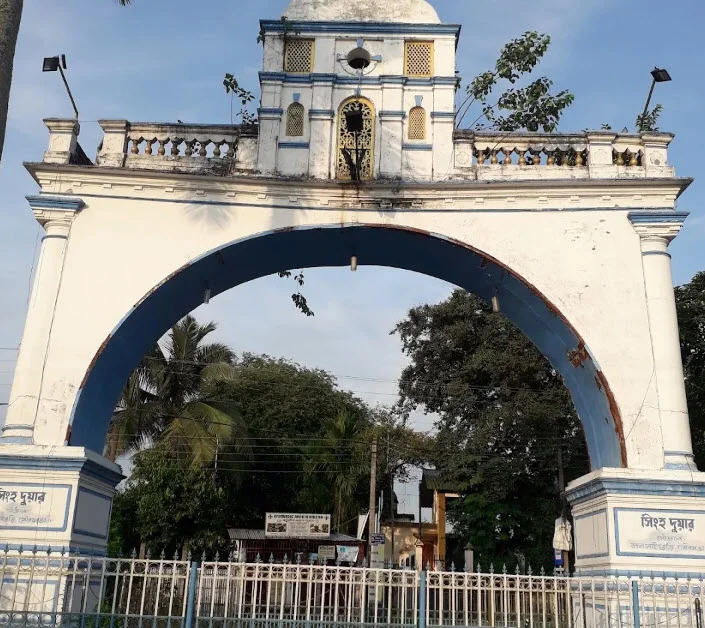
Jalpaiguri’s heritage is rooted in its history as part of the Koch Kingdom and later, the Rajbanshi dynasty. The Jalpaiguri Rajbari stands as a testament to its royal past. The region’s true heritage, however, lies in its colonial-era tea plantations and its role as the gateway to the Dooars, which has been a historical corridor for trade and travel between the plains and the hills.
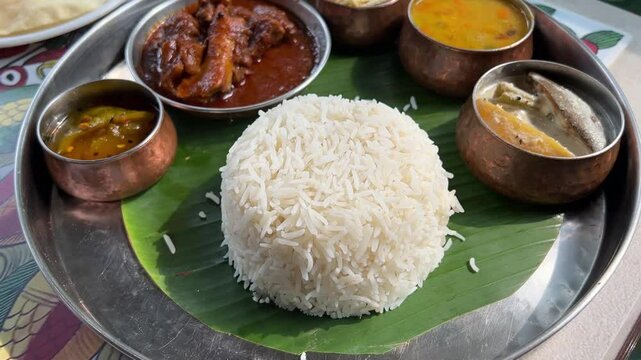
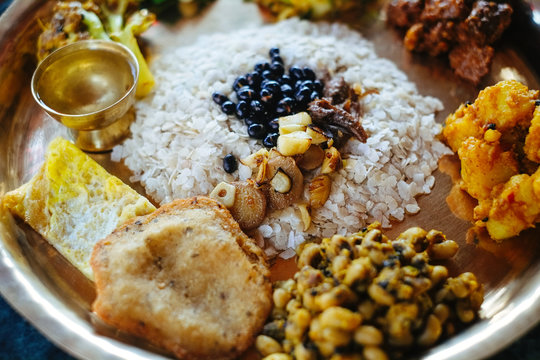
The cuisine is a hearty mix of Bengali staples, local Rajbanshi flavors, and Nepali influences, featuring rice, fish, and freshwater produce.
Classic Bengali fare featuring Macher Jhol, Shorshe Ilish, and Cholar Dal.
Local delicacies like Aloo Dum, Moori, and freshwater fish preparations.
Himalayan favorites including Momos, Thukpa, and Sel Roti from the region’s Nepali community.
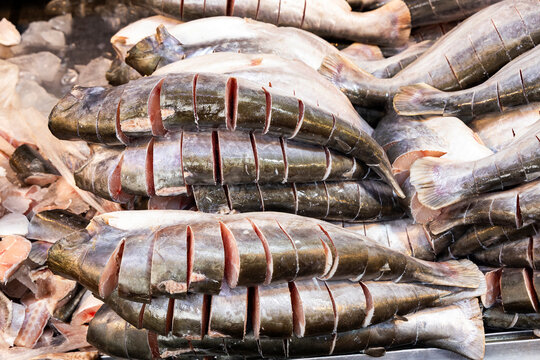
Freshwater delights like Pabda, Rohu, and Bhetki sourced from the Teesta and Jaldhaka rivers.
Shopping in Jalpaiguri focuses on local tea, forest honey, and traditional handicrafts from the indigenous communities of the Dooars.
Fresh, aromatic tea from local estates and Kanchenjunga Tea Estate outlets.
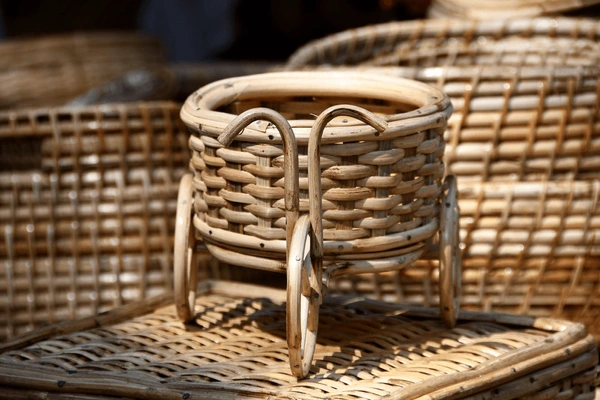
Intricately woven baskets, furniture, and decor by local tribal artisans.
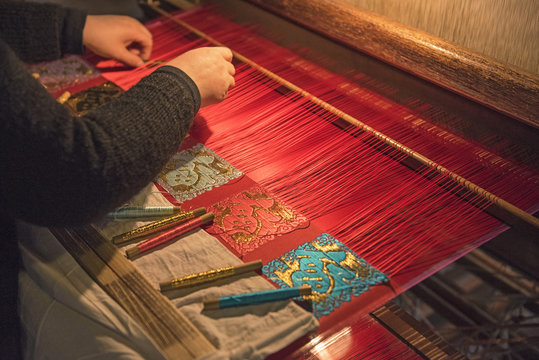
Traditional handwoven cotton scarves, shawls, and gamchas with Rajbanshi patterns.
Seasonal fresh oranges from Samsing orchards and local cardamom, ginger, and spices.
The best time to visit Jalpaiguri and the Dooars is from October to April during the winter and post-monsoon months. The weather is pleasant (10°C to 25°C), ideal for wildlife safaris and outdoor activities. Avoid the heavy monsoon (June-September) when landslides can occur and parks may close. Summers (April-May) can be hot and humid.
Wildlife Safety: On safaris, always follow the guide’s instructions. Do not get out of the vehicle, and maintain silence to avoid disturbing animals.
Monsoon Travel: Check road conditions and park closures if traveling during or just after the monsoon. River areas can be hazardous.
Forest Permits: Ensure all necessary permits for national parks and reserve forests are obtained through authorized channels.
River Caution: Be cautious near rivers like Teesta and Jaldhaka, especially during the monsoon when water levels rise suddenly.
Health: Carry mosquito repellent and consider anti-malarial precautions in forested areas. Drink only bottled or purified water.
Local Guides: Use registered guides for treks in areas like Neora Valley or Buxa for safety and accurate information
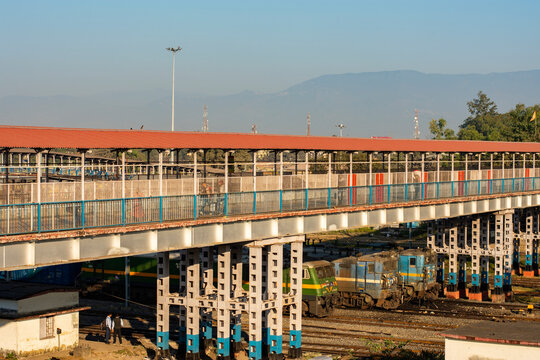
Auto-rickshaws and cycle-rickshaws are common for local travel within Jalpaiguri town. Shared jeeps and buses are the primary modes of transport to forest villages like Lataguri, Chalsa, and Malbazar. For national park visits and sightseeing, private taxis or tourist vehicles booked through resorts are most convenient. The New Jalpaiguri (NJP) railway station is the major regional transit hub.
Unauthorized Safari Operators: Book jungle safaris only through government-approved counters at the national parks or through reputable resorts.
Fake Wildlife Tours: Be wary of touts at NJP station or bus stands offering cheap, unofficial "guaranteed tiger sighting" tours.
Overcharging for Taxis: Negotiate and fix the fare for taxis and jeeps before starting your journey, especially from NJP station.
Accommodation Bait-and-Switch: When booking budget hotels, insist on seeing the room first. Online photos may be misleading.
Fake Handicrafts & Tea: Purchase tea and handicrafts from established government emporiums or reputable shops to avoid counterfeit products.
Currency Exchange: Avoid exchanging money with unauthorized individuals. Use banks or authorized forex counters.
West Bengal Cultural Guide
Places to Visit in Jalpaiguri
Places to Visit Nearby Jalpaiguri
India’s Top Wildlife Destinations
India’s Riverine Landscapes
West Bengal Cultural Guide
Complete Safari Guide to the Dooars National Parks
A Tea Lover’s Trail in the Dooars
Adventure on the Teesta: Rafting & Riverside Stays