¤ 10+ minutes Read
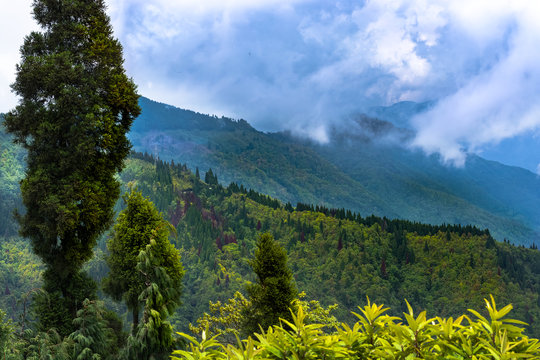
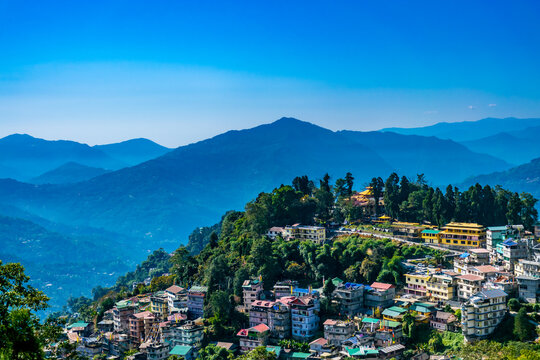
Kalimpong, a picturesque hill station nestled in the Darjeeling Himalayas of West Bengal, is a serene escape known for its breathtaking views of the Kanchenjunga range, ancient Buddhist monasteries, vibrant orchid nurseries, and a rich cultural tapestry woven by Lepcha, Bhutia, Nepali, and Tibetan communities. Once a crucial hub for the trans-Himalayan trade with Tibet, today it offers visitors a tranquil blend of natural beauty, spiritual depth, and colonial charm.
Wiki Link: Kalimpong wiki page
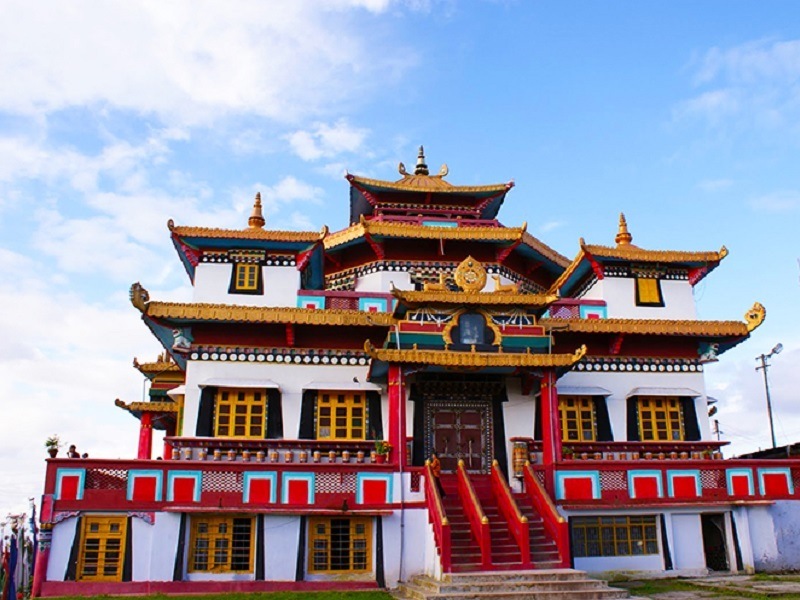
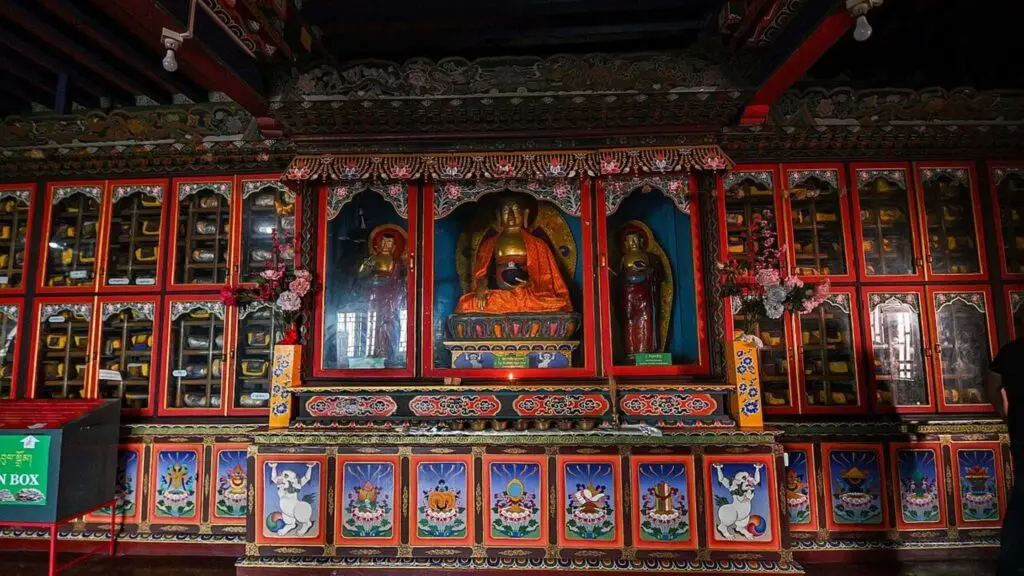
A sacred hilltop monastery housing ancient Tibetan scriptures with stunning Teesta River views.
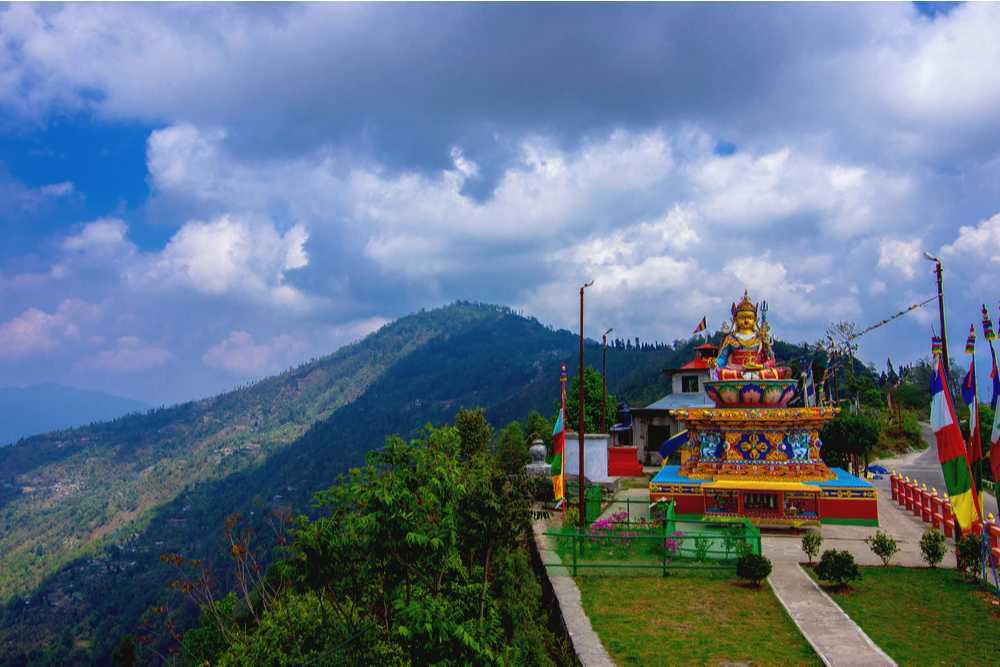
A serene Buddhist monastery on Durpin Hill offering spectacular sunrise views over Kanchenjunga.
The highest point in Kalimpong offering panoramic 360-degree Himalayan views and a scenic park.
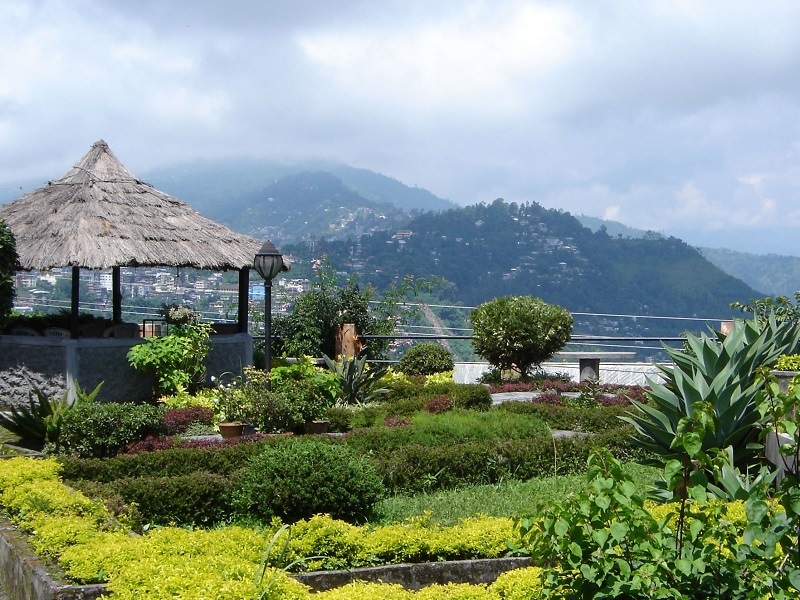
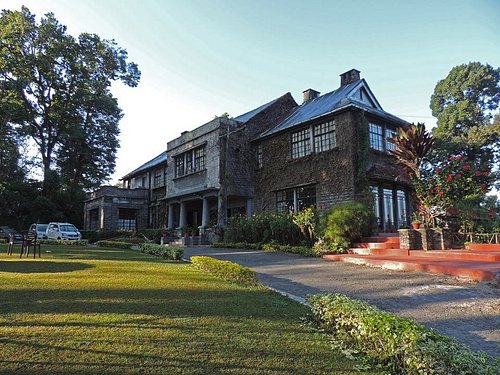
A charming colonial-era bungalow with manicured gardens offering a glimpse into Kalimpong’s past.
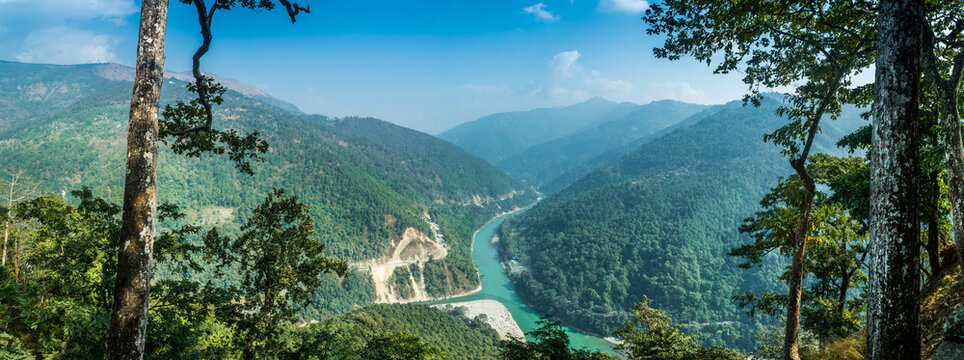
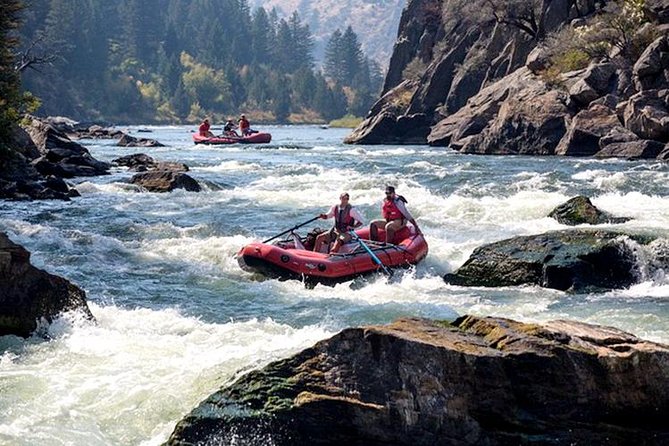
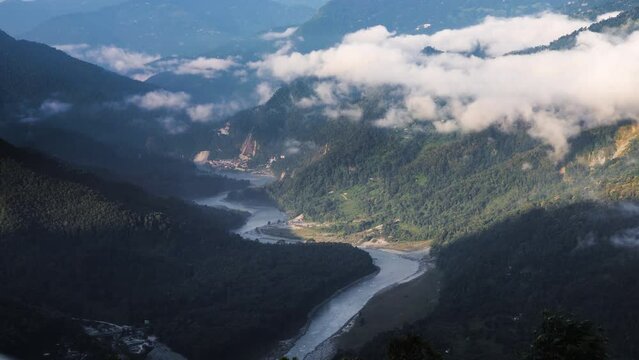
A majestic river offering thrilling white-water rafting, kayaking, and scenic riverside picnics.
The vibrant capital of Sikkim known for its monasteries, clean streets, and stunning Kanchenjunga views.
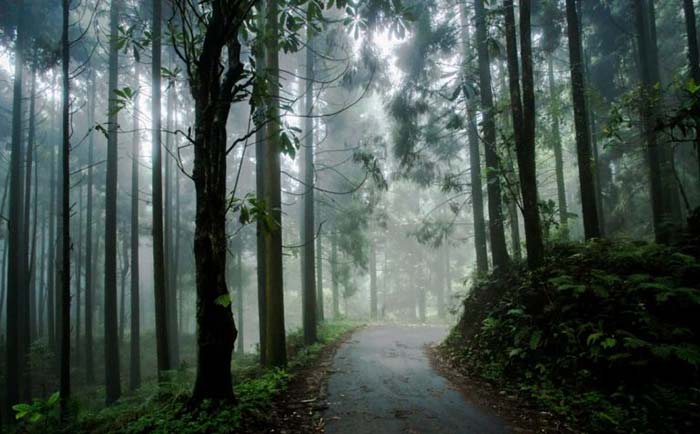
Serene hamlets nestled in dense forests perfect for nature walks, birdwatching, and Buddhist monasteries.
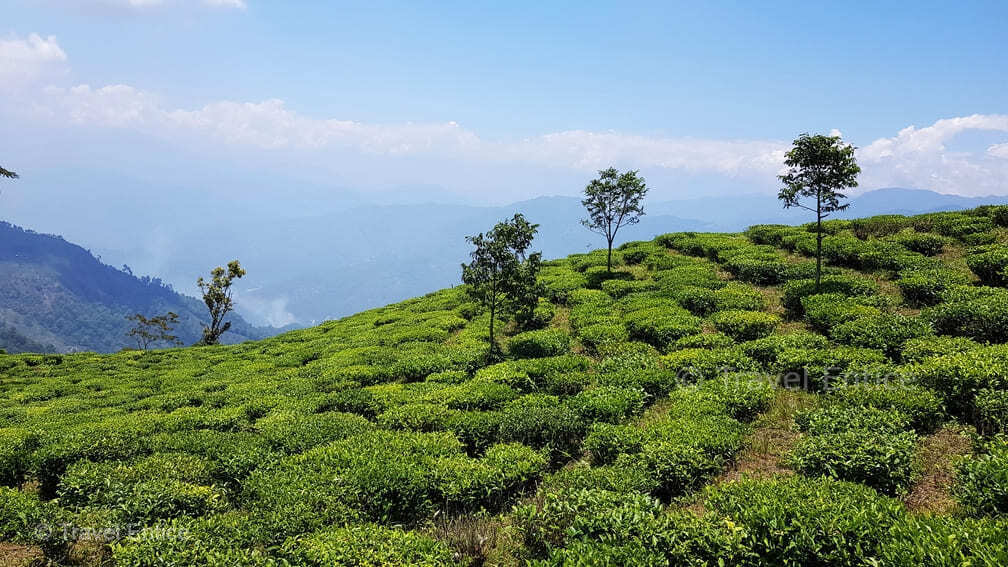
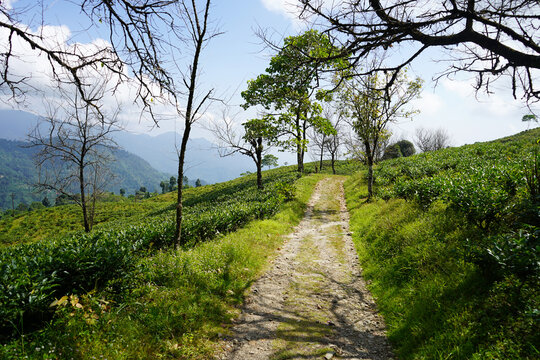
One of the region’s oldest tea estates offering sprawling green slopes and tea production experiences.
Immerse yourself in the spiritual, natural, and cultural essence of Kalimpong. From monastery visits to orchid walks, the town offers a soulful and serene journey.
Wake up early to see the sun paint the majestic Kanchenjunga peak in gold and orange hues.
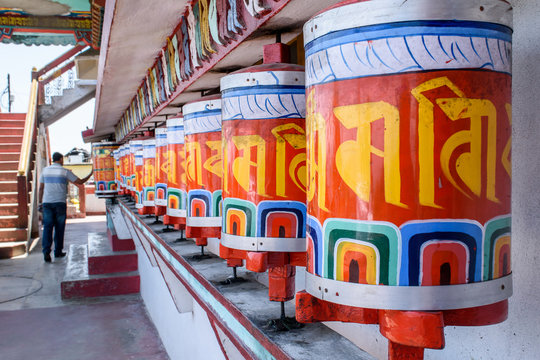
Spend quiet mornings exploring ancient monasteries, spinning prayer wheels, and absorbing Buddhist peace.
Visit world-famous nurseries to witness exotic orchids, cacti, and succulents in full bloom.
Experience thrilling white-water rafting adventures amidst the dramatic Himalayan mountain scenery.
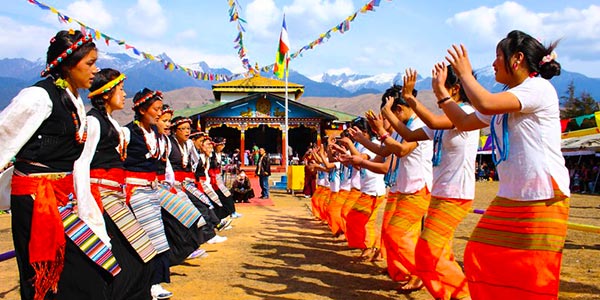
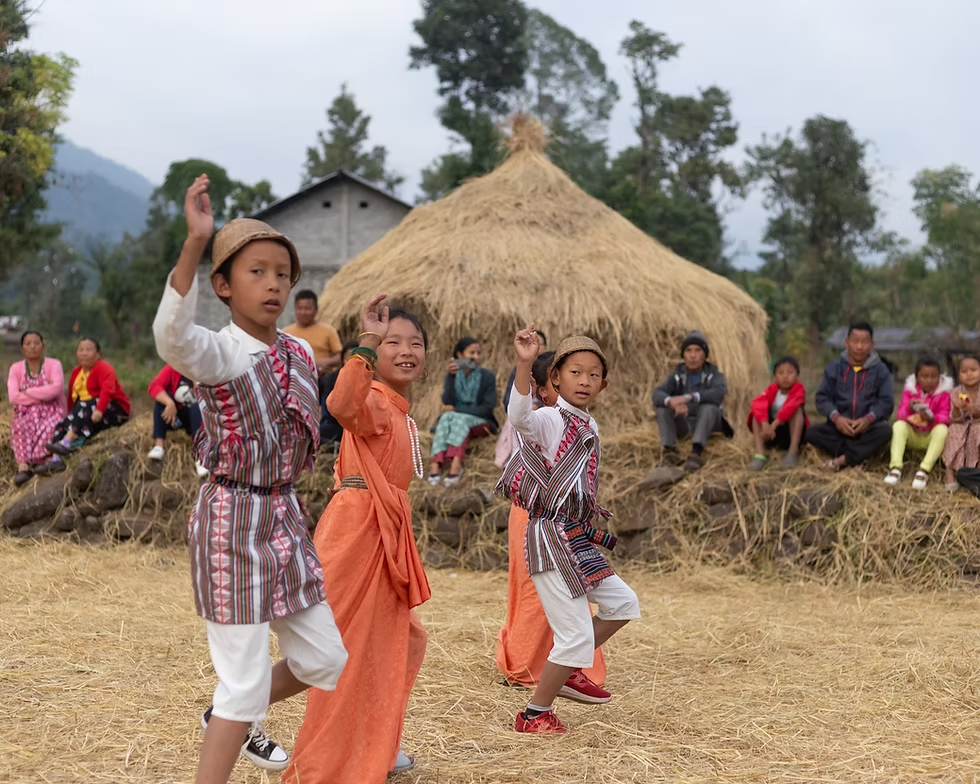
Kalimpong’s cultural landscape is a vibrant mosaic of Himalayan traditions. The performing arts reflect the deep spiritual roots and festive spirit of its diverse communities, including Lepcha, Bhutia, Nepali, and Tibetan influences.
Tibetan Buddhist Chants
Nepali Folk Music
Lepcha Music
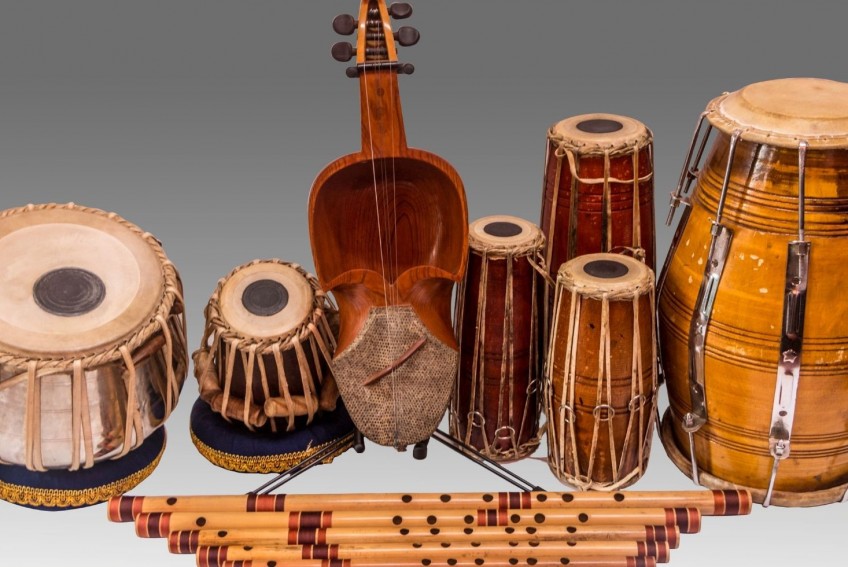
Kalimpong’s musical landscape is shaped by its diverse Himalayan communities, including Nepali, Tibetan, Bhutia, and Lepcha traditions. Soulful Tibetan Buddhist chants resonate from monasteries, accompanied by instruments like the dungchen and gyaling. Folk music forms like Tamang Selo and Dohori narrate tales of love, nature, and daily life, played on traditional instruments such as the madal, sarangi, and tungna.
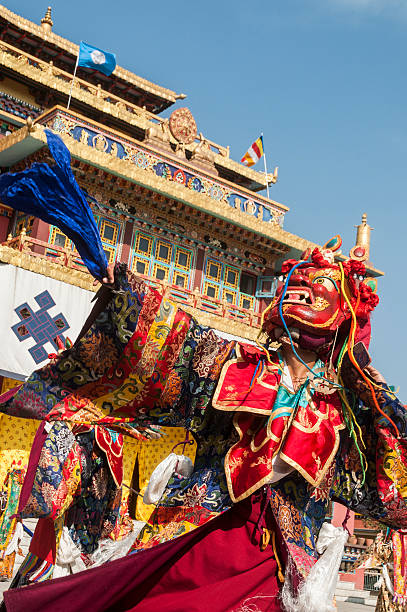
Cham Dance
Maruni Dance
Lepcha Folk Dances
The sacred Cham dance, performed by masked Buddhist monks during festivals like Losar, depicts spiritual narratives and wards off evil spirits. Graceful Nepali folk dances like Maruni and the energetic Lepcha dances (Zo-Mal-Lok) celebrate harvest, nature, and community joy. Traditional Bhutia folk dances showcase the community’s warrior traditions and festive spirit through vibrant costumes and rhythmic movements.
Kalimpong exudes a peaceful, unhurried charm that sets it apart from its bustling neighbour, Darjeeling. The air is filled with the gentle flutter of prayer flags, the distant chants from monasteries, and the fragrance of pine and orchids. It is a town where colonial bungalows sit harmoniously alongside traditional Himalayan homes, and where the grandeur of the Kanchenjunga is a constant, majestic presence.
Kalimpong’s heritage is deeply intertwined with its history as a major trading post between Tibet and British India. The town’s architecture reflects this past, with colonial-era structures like Morgan House standing alongside ancient Buddhist monasteries. The indigenous Lepcha culture, the influence of Buddhist spiritualism, and the legacy of Scottish missionaries like Dr. Graham have all contributed to Kalimpong’s unique and diverse heritage.
The cuisine of Kalimpong is a delightful reflection of its diverse communities, offering hearty Tibetan, Nepali, and local flavours that are perfect for the cool mountain climate.
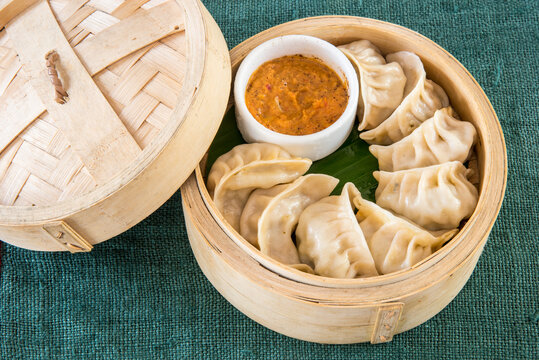
Steamed or fried Himalayan dumplings filled with pork, chicken, or vegetables served with spicy chutney.
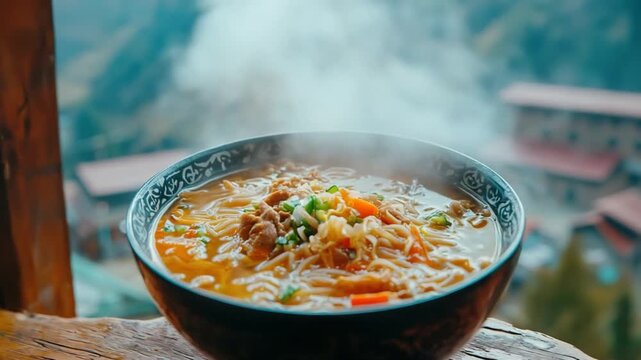
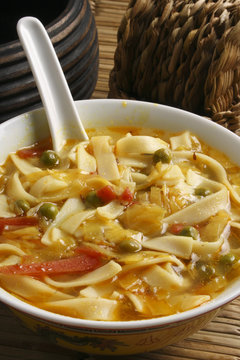
A hearty Tibetan noodle soup in clear broth with vegetables and meat, perfect for cool evenings.
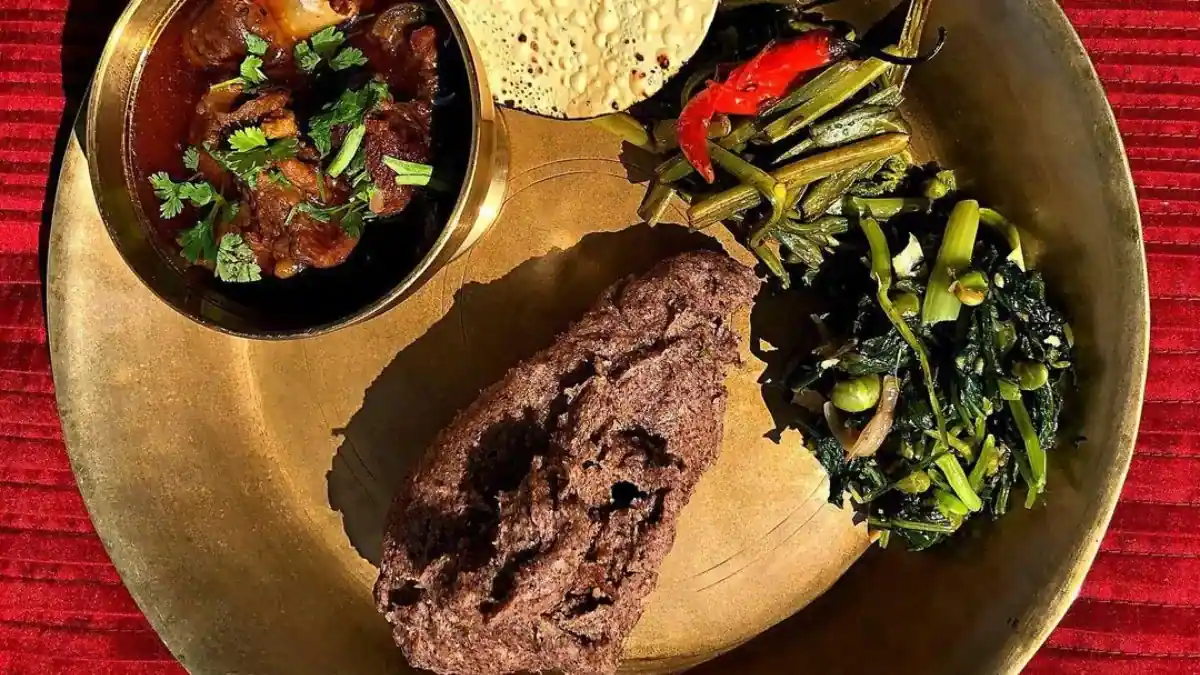
A traditional Nepali meal of millet porridge served with fermented and dried leafy green soup.
A unique local dish featuring soft yak cheese cooked with noodles and vegetables in flavourful sauce.
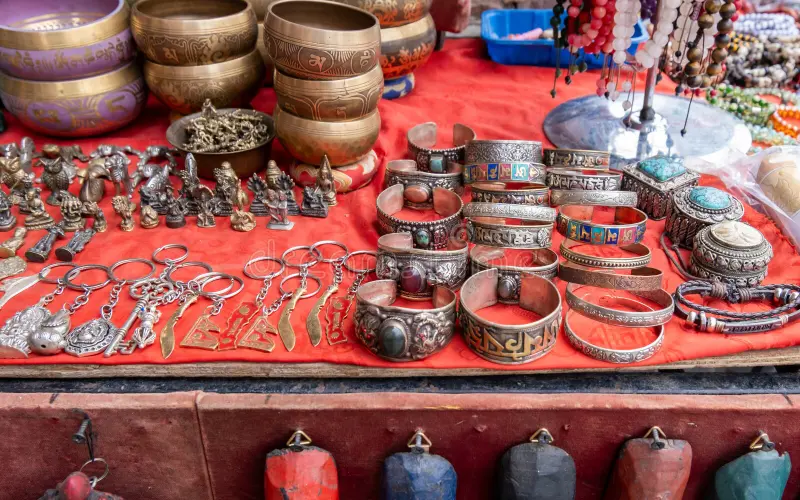
Shopping in Kalimpong is a treasure hunt for Himalayan handicrafts, Buddhist artefacts, and unique local products. The main market area is a vibrant hub of shops and street vendors.
Exquisite prayer wheels, singing bowls, thangkas, and ritual masks reflecting deep Buddhist heritage.
Traditional Lokta paper journals, gift bags, and lampshades crafted from Daphne plant bark.
Warm and intricately designed Tibetan carpets and blankets perfect as cosy Himalayan souvenirs.
Freshly plucked organic cardamom, cinnamon, cloves, and fine Darjeeling tea from local farms.
The best time to visit Kalimpong is from March to May (spring) and September to December (autumn). Spring brings pleasant temperatures and blooming rhododendrons and orchids. Autumn offers clear, crisp skies and the most spectacular, unobstructed views of the Kanchenjunga range. Winters (Dec-Feb) are cold but clear, while the monsoon (June-Sept) brings heavy rains and should be avoided.
Altitude Awareness: While Kalimpong is at a moderate altitude (around 4,100 ft), those with respiratory issues should take it easy on the first day.
Road Conditions: The roads leading to and around Kalimpong can be winding and narrow. If prone to motion sickness, carry necessary medication.
Monastery Etiquette: Always remove your shoes before entering a monastery, dress modestly, and seek permission before photographing monks or idols.
Weather Preparedness: The weather can change quickly. Carry a light jacket or sweater even in summer, and waterproofs during the expected seasons.
Landslide Awareness: During the monsoon season, be aware of the potential for landslides on hilly roads. Stay updated on weather and road conditions.
Walking Safely: The streets can be steep and uneven in places. Wear comfortable walking shoes with a good grip.
Kalimpong is a compact town, and the best way to explore its core areas is on foot. For longer distances within the town and to reach attractions like Deolo Hill or Durpin Monastery, shared jeeps are the most common and economical mode of transport. Private taxis can be hired for sightseeing or for day trips to nearby places like Lava, Loleygaon, or the Teesta River. Walking through the main market area is a delightful experience in itself.
Taxi Overcharging: Always agree on a fare before hiring a private taxi or ensure shared jeep operators are charging the standard rate. Inquire at your hotel about approximate fares.
Orchid/Nursery Sales: When buying rare plants or orchids, ensure they are from a licensed nursery and that you are aware of any transport restrictions for plants back home.
Fake "Tibetan" Antiques: Be cautious when buying items sold as "ancient antiques." Many are modern reproductions. Buy for their artistic value, not as investments.
Unsolicited Guides: Individuals offering "special" guiding services at viewpoints or monasteries may not be necessary. The sites are usually self-explanatory.
Tour Packages: If booking a local tour package, use a reputed and registered travel agency rather than accepting offers from unverified touts on the street.
Currency: While card payments are accepted in larger hotels and shops, carry sufficient cash for smaller purchases, local transport, and eateries.
West Bengal Cultural Guide
Places to Visit in Kalimpong
Places to Visit Nearby Kalimpong
India’s Most Scenic Hill Stations
India’s Buddhist Heritage Sites
West Bengal’s Himalayan Treasures: Darjeeling & Kalimpong
A Spiritual Journey Through the Monasteries of Kalimpong
The Orchid Paradise: A Guide to Kalimpong’s Nurseries
Flavours of the Hills: A Taste of Nepali & Tibetan Cuisine