
Rituals of West Bengal
The Rituals of West Bengal reflect a deep connection between spirituality, culture, and daily life. From life-cycle ceremonies and temple worship to folk traditions and seasonal rituals, these practices actively express Bengal’s artistic spirit, devotion, and strong community values.
Life Event Rituals

Annaprashan (Rice Ceremony)
Annaprashan marks a child’s first intake of solid food and welcomes the baby into the community. Families actively celebrate this ritual with blessings and joy.
How is it done?
- First Rice Feeding – Elders feed the child cooked rice using silver or gold utensils.
- Auspicious Muhurat – The ceremony takes place on a carefully chosen auspicious date.
- Family Blessings – Relatives bless the child with gifts and prayers.

Upanayan (Sacred Thread Ceremony)
A sacred Vedic ritual where marriage is seen as a lifelong spiritual and social commitment between two individuals, symbolizing the union of souls.
How is it done?
- Sacred Thread Wearing – The boy wears the yajñopavita across his shoulder.
- Vedic Chanting – Priests recite mantras to invoke blessings.
- Guru Guidance – Elders advise the child on discipline and learning.

Aiburobhat (Pre-Wedding Feast)
Aiburobhat celebrates the bride or groom’s last ceremonial meal before marriage. Families actively express love and emotional bonding.
How is it done?
- Traditional Feast – Relatives prepare fish, rice, and sweets.
- Blessings by Elders – Elders bless the bride or groom for a happy married life.
- Family Gathering – Close family members celebrate together.

Gaye Holud
Gaye Holud purifies and prepares the bride and groom for marriage. Both families actively participate in this joyful ritual.
How is it done?
- Turmeric Application – Family members apply turmeric paste on the couple.
- Folk Songs – Women sing traditional wedding songs.
- Symbolic Purification – Turmeric represents purity and positivity.

Bengali Wedding Rituals (Saat Paak & Sindoor Daan)
Bengali wedding rituals symbolize sacred commitment and lifelong partnership. Families actively uphold cultural and spiritual values.
How is it done?
- Saat Paak – The bride circles the groom seven times.
- Sacred Vows – The couple exchanges vows before the holy fire.
- Sindoor Daan – The groom applies vermillion to mark marriage.

Shraddha Ceremony
Shraddha honors ancestors and maintains spiritual continuity. Families actively express gratitude and remembrance.
How is it done?
- Pinda Daan – Food offerings are made for ancestors.
- Mantra Recitation – Priests chant prayers for peace of souls.
- Charity – Families donate food and clothes as respect.
Spirit Worship ritual
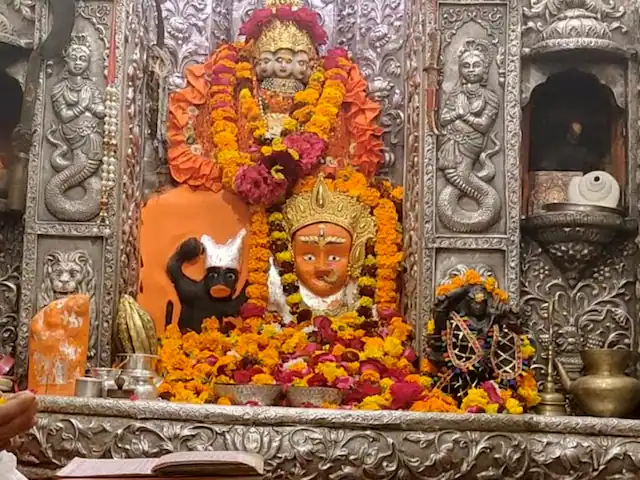
Manasa Puja
Manasa Puja honors Goddess Manasa, the protector from snake bites and guardian of fertility and prosperity. Communities actively perform this ritual to seek safety and well-being.
How is it done?
- Clay Idol Worship – Devotees install and worship Manasa idols at homes and village shrines.
- Offering of Milk and Flowers – Milk, fruits, and flowers are offered to please the goddess.
- Manasa Mangal Recitation – Folk verses narrate the goddess’s legends and powers.
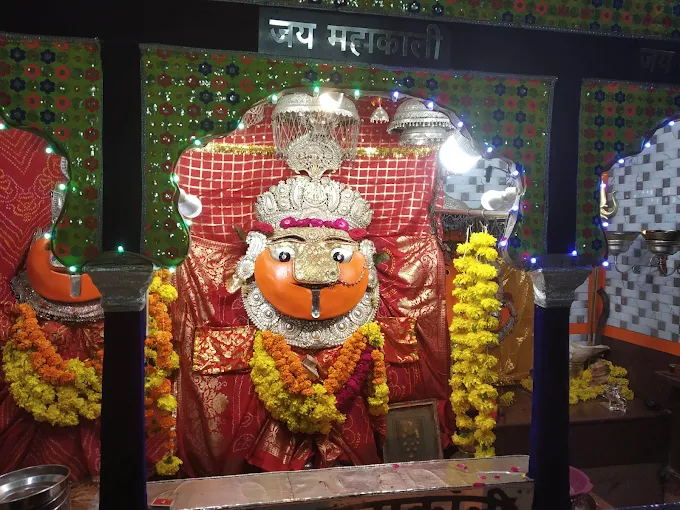
Shitala Mata Puja
Shitala Mata Puja worships the goddess associated with health and disease prevention. Families actively perform this ritual to protect against illnesses.
How is it done?
- Cold Food Offerings – Devotees offer cooked food prepared the previous night.
- Silent Worship – Rituals take place without cooking fires.
- Health Prayers – Families pray for protection from ailments.
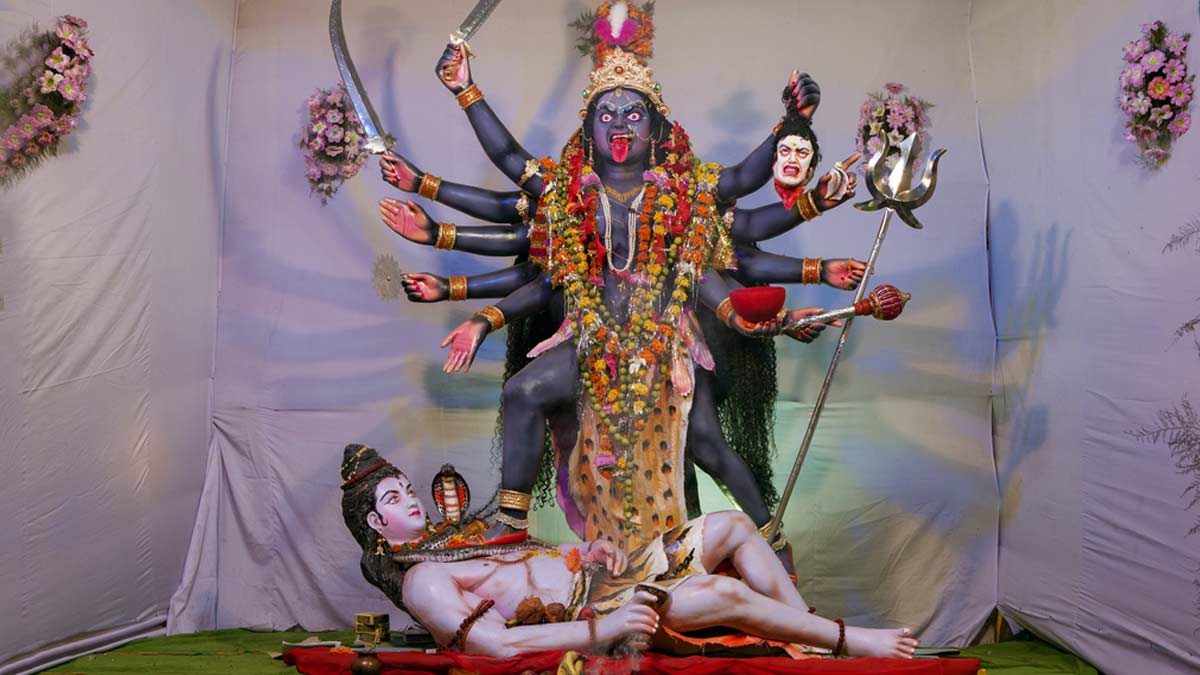
Kali Spirit Worship
Kali worship emphasizes protection, power, and transformation. Devotees actively invoke the goddess for courage and relief from fear.
How is it done?
- Midnight Prayers – Worship often occurs at night.
- Mantra Chanting – Devotees chant Kali mantras.
- Symbolic Offerings – Flowers and lamps signify devotion.
Folk Festivals

Durga Puja
Durga Puja celebrates Goddess Durga’s victory over evil and reflects Bengal’s artistic and devotional spirit. Communities actively unite through worship, art, and cultural expression.
How is it done?
- Pandals and Idols – Artisans create elaborate pandals and clay idols.
- Anjali and Aarti – Devotees offer flowers and prayers daily.
- Cultural Performances – Music, dance, and drama fill the festivities.
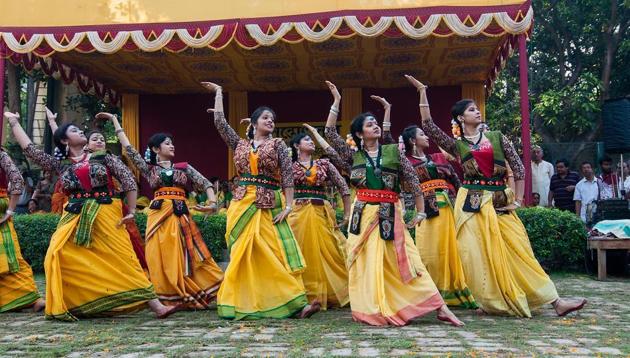
Poila Boishakh (Bengali New Year)
Poila Boishakh marks new beginnings and prosperity. Families actively welcome the year with rituals and celebrations.
How is it done?
- Haal Khata Ceremony – Traders open new account books with prayers.
- Temple Visits – Families seek blessings for success.
- Festive Meals – Traditional dishes mark the occasion.
Temple Rituals
Kali Puja
Kali Puja honors Goddess Kali as the protector and destroyer of evil. Devotees actively worship her to seek strength, courage, and protection.
How is it done?
- Midnight Worship – Priests conduct rituals during late hours.
- Mantra Chanting – Devotees chant powerful Kali mantras.
- Lamp and Flower Offerings – Lamps and red flowers symbolize devotion.

Durga Temple Daily Worship
Daily worship in Durga temples reflects devotion and discipline. Devotees actively participate in structured prayer rituals.
How is it done?
- Morning Aarti – Priests begin the day with prayers.
- Bhog Offering – Food is offered to the goddess.
- Evening Aarti – Lamps and chants conclude the day.
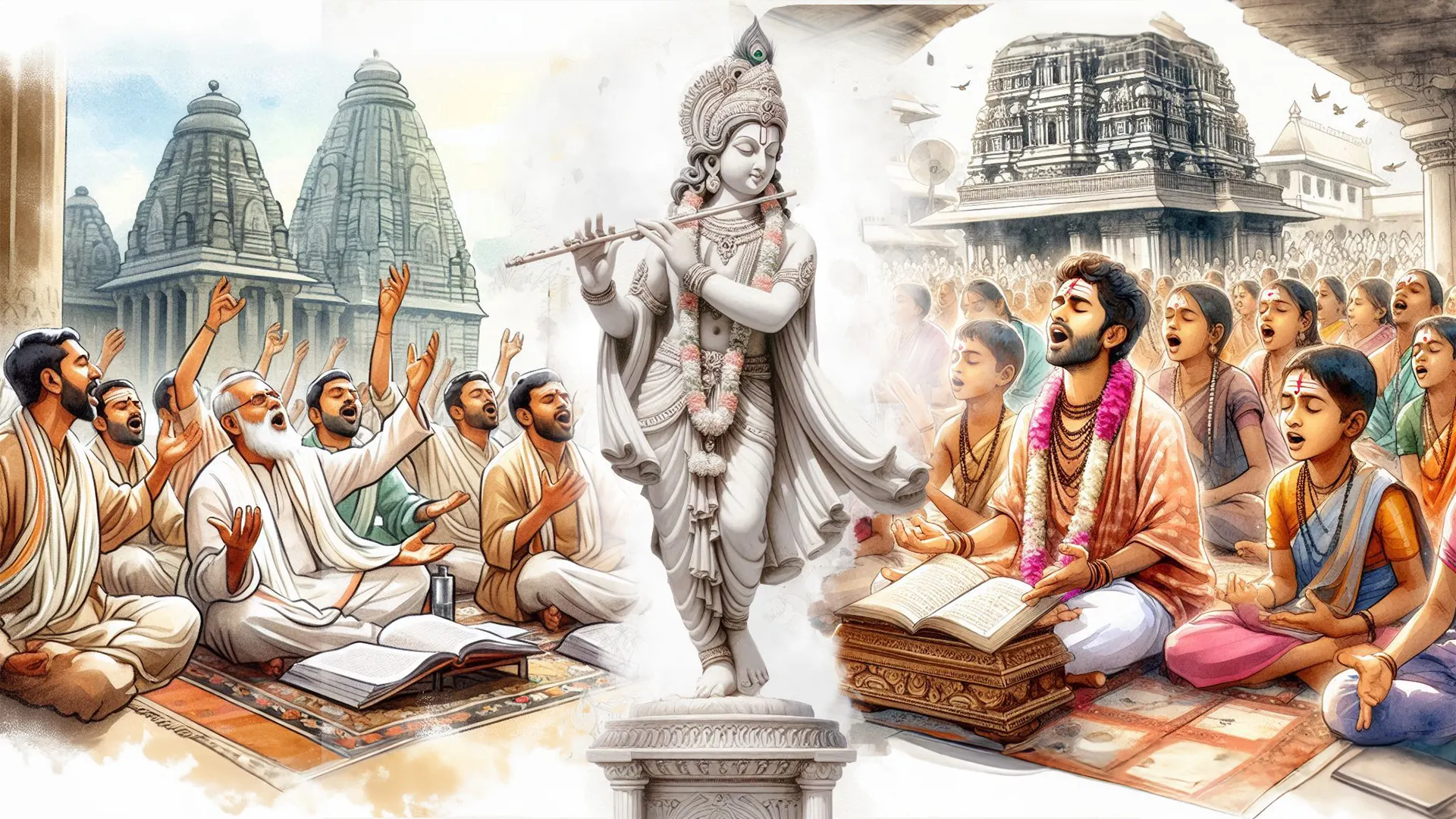
Krishna Temple Kirtan
Kirtan rituals express devotion through music and collective chanting. Devotees actively engage in singing and prayer.
How is it done?
- Group Singing – Devotees sing bhajans together.
- Cymbals and Mridanga – Traditional instruments accompany chants.
- Meditative Rhythm – Music creates spiritual focus.
Ayurveda and Yoga

Ayurvedic Healing Traditions
Ayurveda in West Bengal focuses on balance between body, mind, and nature. Practitioners actively use herbs, diet, and lifestyle practices to promote long-term health.
How is it done?
- Herbal Medicine Preparation – Healers prepare remedies using neem, turmeric, and amla.
- Dietary Regulation – Personalized diets support digestion and immunity.
- Oil Therapies – Massage therapies improve circulation and relaxation.
Scientific Reasoning
- Neem shows antibacterial and antifungal properties.
- Turmeric contains curcumin, which reduces inflammation.
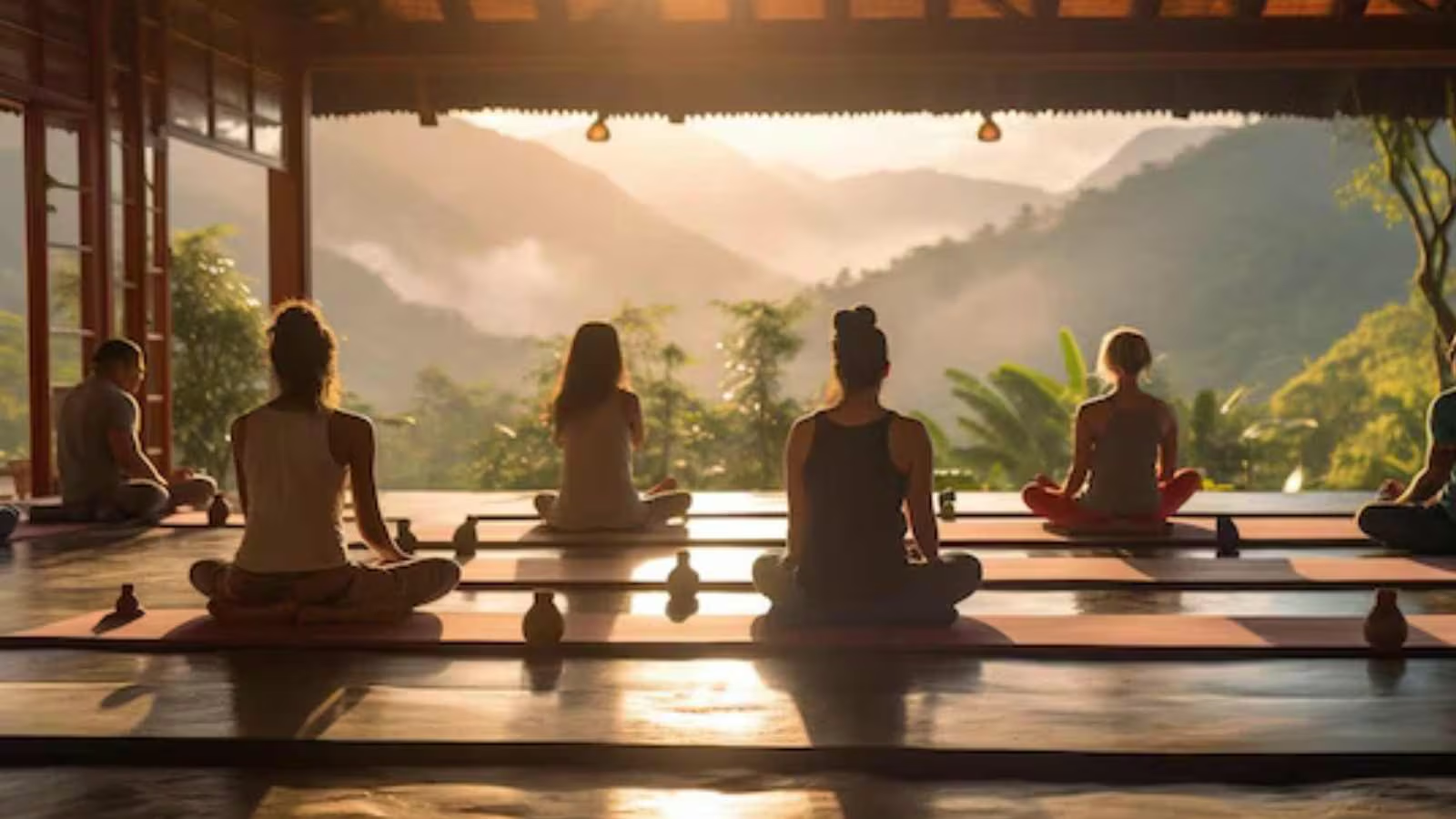
Yoga and Meditation Practice
Yoga in West Bengal promotes mental clarity and physical strength. Practitioners actively combine movement with breath control.
How is it done?
- Asana Practice – Yoga postures improve flexibility and balance.
- Pranayama – Controlled breathing regulates the nervous system.
- Meditation – Mindfulness enhances focus and calmness.
Scientific Reasoning
- Yoga reduces cortisol levels and stress responses.
- Pranayama improves lung capacity and oxygen flow.

Panchakarma Therapy
Panchakarma supports detoxification and rejuvenation. Therapists actively follow structured Ayurvedic methods.
How is it done?
- Oil Massage (Abhyanga) – Warm oils stimulate circulation.
- Steam Therapy (Swedana) – Heat removes toxins through sweat.
- Herbal Cleansing – Natural herbs aid internal purification.
Social Fabrics
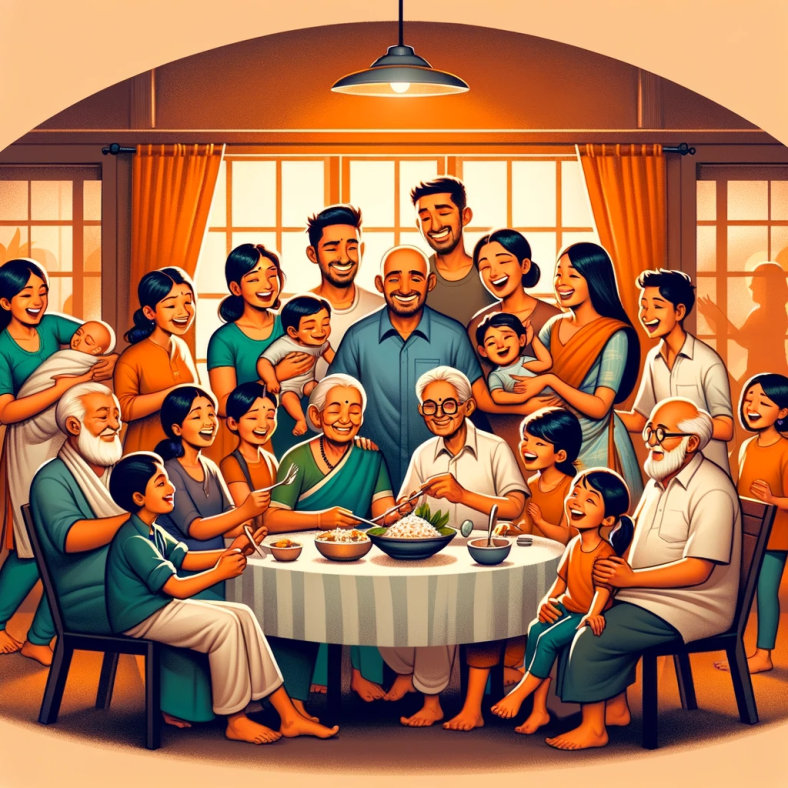
Joint Family Culture
The joint family system shapes social life in West Bengal and promotes shared responsibility and emotional support. Families actively live together across generations and pass down traditions.
How is it done?
- Shared Living – Multiple generations stay under one roof.
- Elder Guidance – Elders guide family decisions and values.
- Collective Responsibilities – Members share household duties.

Respect for Elders
Respect for elders forms a core social value in West Bengal. Families actively honor age and experience.
How is it done?
- Touching Feet – Elders receive traditional greetings.
- Seeking Blessings – Important decisions involve elders.
- Daily Interaction – Families care for senior members.
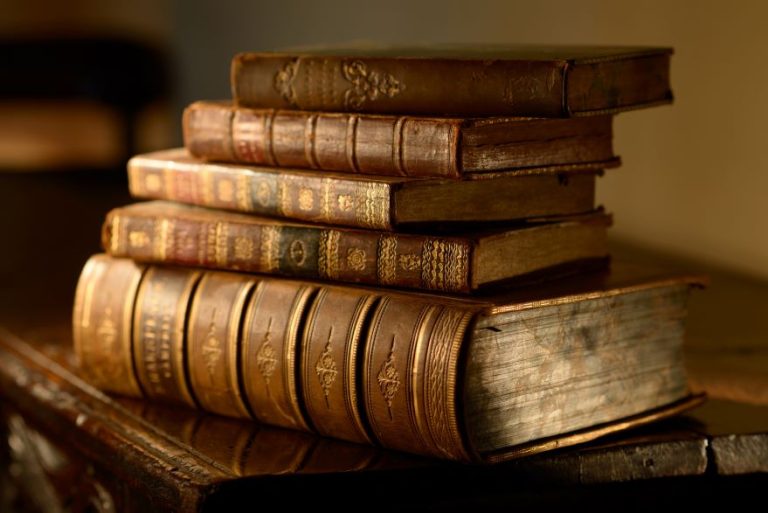
Education and Intellectual Tradition
Education shapes social identity in Bengal and encourages critical thinking. Families actively promote learning and creativity.
How is it done?
- Literary Culture – Reading and discussion thrive at home.
- Academic Pursuit – Education receives high priority.
- Cultural Debates – Intellectual discussions remain common.
Art & Craft

Terracotta Art
Terracotta art reflects Bengal’s ancient temple and village traditions. Artisans actively shape clay into decorative panels, idols, and household items.
How is it done?
- Clay Molding – Artisans mold local clay by hand.
- Sun Drying – Crafted items dry naturally before firing.
- Kiln Firing – High heat strengthens the clay pieces.

Kantha Embroidery
Kantha embroidery represents storytelling through stitches. Women actively recycle old fabrics into beautiful quilts and covers.
How is it done?
- Layering Fabric – Old cotton cloth layers are stacked.
- Hand Stitching – Running stitches form patterns.
- Motif Creation – Floral and folk designs emerge.
Other Significant Rituals
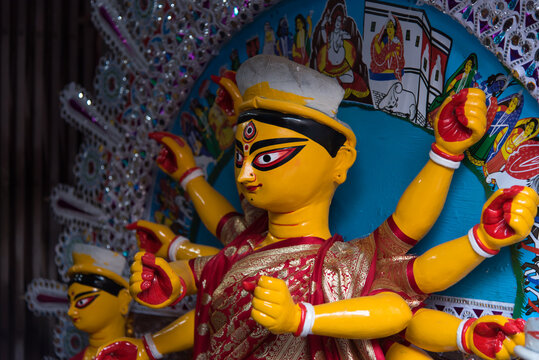
Lakshmi Puja
Lakshmi Puja worships Goddess Lakshmi and symbolizes wealth, peace, and prosperity. Families actively perform this ritual to invite abundance into their homes.
How is it done?
- Evening Worship – Families perform puja after sunset.
- Alpana Drawing – Women draw traditional rice-paste designs.
- Offering of Sweets – Devotees offer fruits and sweets.
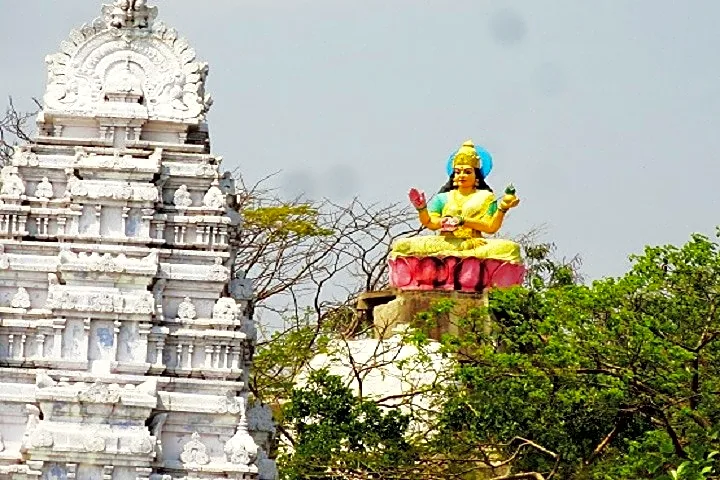
Saraswati Puja
Saraswati Puja honors the goddess of knowledge and learning. Students actively seek blessings for wisdom and creativity.
How is it done?
- Book Worship – Books and instruments receive reverence.
- Yellow Attire – Devotees wear yellow clothes.
- Prayer and Chanting – Mantras invoke knowledge.