
West India's Famous Dance Forms
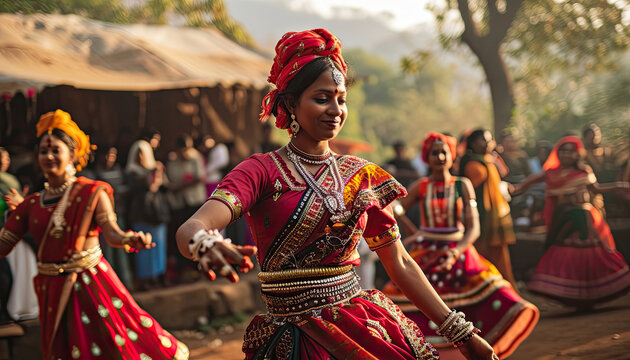
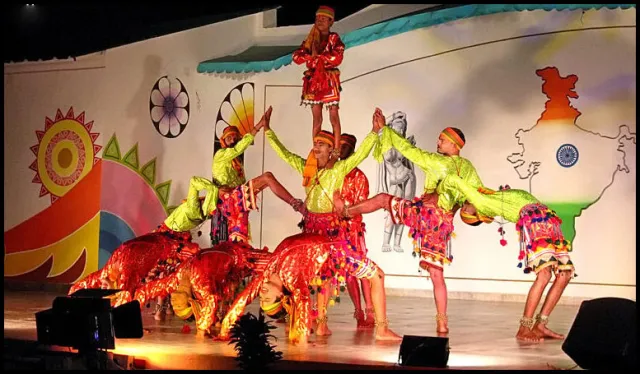
West India’s famous dance forms beautifully reflect the region’s royal heritage, desert traditions, devotional spirit, and festive celebrations. States like Rajasthan, Gujarat, Maharashtra, and Goa showcase a vibrant mix of energetic folk dances and expressive classical styles. These dance traditions are deeply connected to festivals, community gatherings, temple rituals, and seasonal events. From the colorful swirls of desert performances to rhythmic coastal celebrations, each form tells a story of local history and identity. With lively music, traditional costumes, and strong cultural roots, West India’s dance forms continue to preserve and celebrate the region’s artistic legacy.
Wiki Link: West India’s Famous Dance Forms
Garba
Gujarat
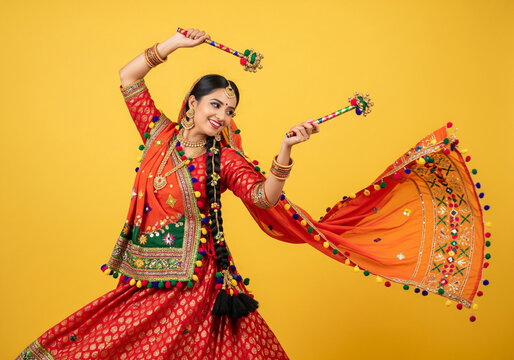
One of the most popular folk dances of Gujarat. It is performed during the festival of Navratri in honor of Goddess Durga. The dance is performed in circular formations around a lamp or idol. Women traditionally wear colorful chaniya cholis, while men wear kediyu outfits. The movements include rhythmic clapping and graceful steps. The songs are devotional and energetic.
Garba promotes community bonding and celebration. The circular pattern symbolizes the cycle of life. It has gained global popularity among the Gujarati diaspora. Garba reflects Gujarat’s festive and spiritual culture.
Dandiya Raas
Gujarat
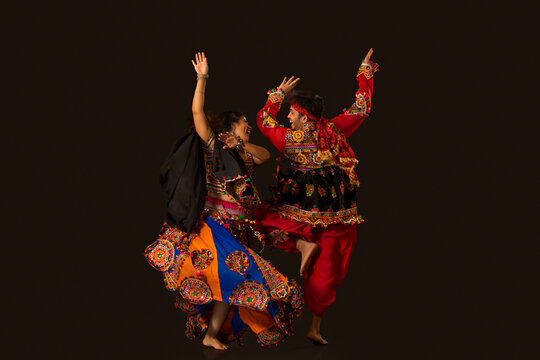
Performed during Navratri alongside Garba. Dancers use decorated sticks called dandiya while performing. The dance represents the playful fight between Goddess Durga and Mahishasura. It is energetic and fast-paced in style. Participants perform in pairs or circles. Colorful traditional attire adds vibrancy to the performance.
The music includes lively folk songs and beats. The dance encourages social interaction and coordination. It is widely performed across India today. Dandiya Raas showcases Gujarat’s celebratory spirit.
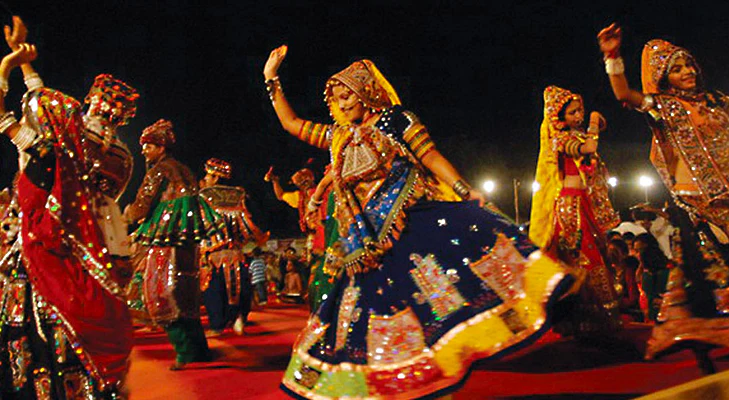
Ghoomar
Rajasthan
A traditional folk dance of Rajasthan. It is mainly performed by women during festivals and weddings. The dance involves graceful twirling movements. Long flowing ghagras create a stunning visual effect. Songs often praise bravery and royalty.
The rhythm is gentle and elegant. It reflects Rajputana culture and pride. Ghoomar was traditionally performed in royal courts. The dance emphasizes modesty and grace. It represents Rajasthan’s royal heritage and desert culture.

Kalbelia
Rajasthan
Performed by the Kalbelia tribal community of Rajasthan. The dance movements resemble the motion of snakes. Performers wear black swirling costumes with colorful embroidery. The music includes instruments like the been and dholak. It is performed during fairs and cultural festivals.
The dance is fast and flexible in style. It reflects the traditional lifestyle of snake charmers. Kalbelia is recognized for its uniqueness worldwide. The performances are lively and captivating. It highlights Rajasthan’s rich tribal heritage.
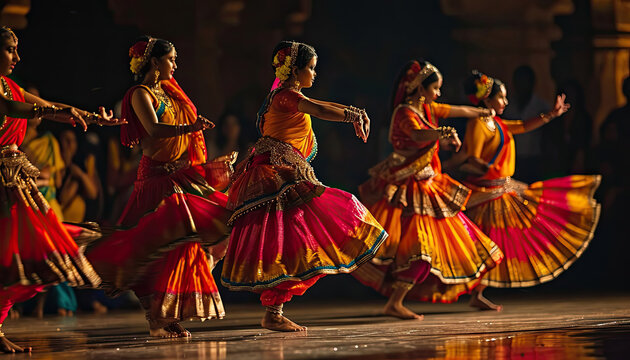
Lavani
Maharashtra
A vibrant folk dance of Maharashtra. It combines powerful rhythm with expressive storytelling. The dance is performed to the beats of the dholki. Performers wear traditional nauvari sarees. Lavani songs often address social themes and romance.
The expressions and eye movements are very important. It was popular in royal courts and folk theatres. The performance is energetic and dramatic. Lavani plays a major role in Tamasha theatre. It reflects Maharashtra’s bold and artistic culture.
Tamasha Dance
Maharashtra
Part of Maharashtra’s traditional folk theatre. It combines dance, music, and drama. The performances are lively and entertaining. Songs are often humorous and satirical. Dholki and harmonium accompany the dance. Performers wear bright costumes and heavy makeup.
The dance connects deeply with rural audiences. It evolved as a popular form of storytelling. Tamasha often addresses social issues through humor. It represents Maharashtra’s folk performance traditions.
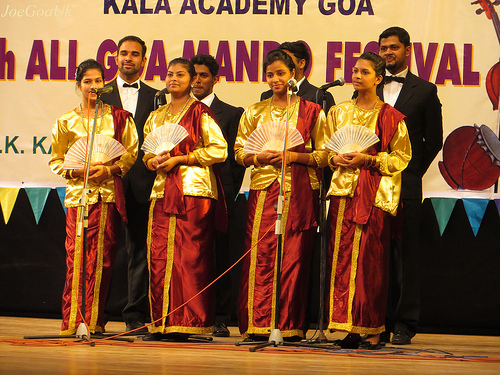
Dekhni
Goa
A traditional dance form of Goa. It blends Indian and Portuguese cultural influences. The dance is usually performed by women. The songs are sung in Konkani language. It reflects coastal life and traditions. Movements are graceful and expressive.
Traditional jewelry and sarees are worn. The music includes rhythmic folk tunes. Dekhni is performed during cultural programs and festivals. It highlights Goa’s unique cultural fusion.
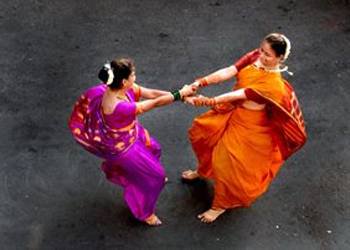
Fugdi
Goa
A popular folk dance performed by Goan women. It is commonly seen during religious festivals. The dance involves circular formations and rhythmic movements. Participants sing traditional folk songs. It requires strong coordination and stamina.
Fugdi is usually performed without musical instruments. The tempo gradually increases during the performance. It strengthens community bonding among women. The dance celebrates devotion and unity. Fugdi represents Goa’s traditional festive culture.
Teratali
Rajasthan
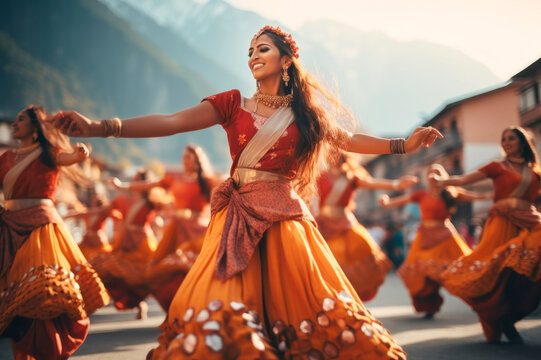
A traditional folk dance performed by the Kamad tribe of Rajasthan. It is usually performed by women who sit on the ground. They tie small metallic cymbals (manjiras) to different parts of their body. During the performance, they strike these cymbals rhythmically.
The dance is devotional and dedicated to Baba Ramdev. Male musicians accompany the performance with instruments like dholak and harmonium. The coordination between music and movement is remarkable. It requires strong rhythm control and balance. Teratali is often performed during religious festivals and fairs. It represents Rajasthan’s devotional and tribal traditions.
Bhavai
Rajasthan
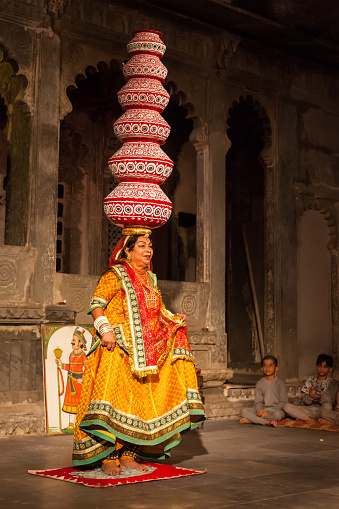
A unique folk dance of Rajasthan known for balancing acts. Women dancers balance multiple earthen pots on their heads. Sometimes they perform on the edge of swords or glass pieces. The dance showcases extraordinary skill and concentration.
Performers wear colorful traditional Rajasthani attire. It is usually presented during fairs and cultural events. The music includes harmonium and dholak. Bhavai symbolizes grace, patience, and strength. The balancing act reflects the daily life of rural women. It highlights Rajasthan’s artistic and courageous spirit.

Dangi Dance
Gujarat
A tribal folk dance from South Gujarat. It is performed by the Dangi tribe during festivals and harvest seasons. Both men and women participate in this energetic dance. The movements are rhythmic and lively. Traditional tribal costumes are worn during performances.
The dance is accompanied by drums and wind instruments. It celebrates nature and agricultural prosperity. The formation usually involves circular patterns. Songs are based on tribal traditions and folklore. Dangi Dance reflects Gujarat’s rich tribal heritage.
Koli Dance
Maharashtra
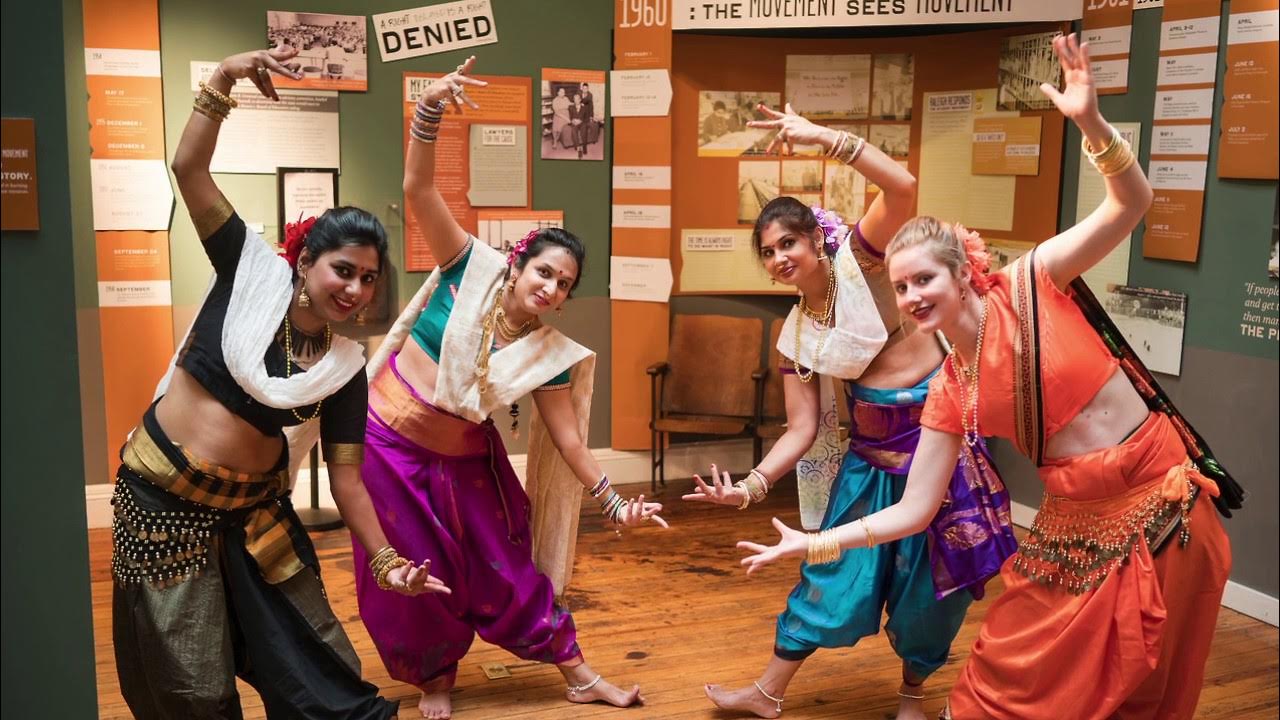
Performed by the Koli fishing community of Maharashtra. It represents the daily life of fishermen. The dance movements imitate rowing boats and casting nets. Both men and women perform together. Traditional Koli costumes and jewelry are worn.
The music is lively and rhythmic. Performances are common during fishing festivals and community gatherings. The dance expresses gratitude towards the sea. It highlights unity and teamwork. Koli Dance reflects Maharashtra’s coastal culture.
Goff Dance
Goa
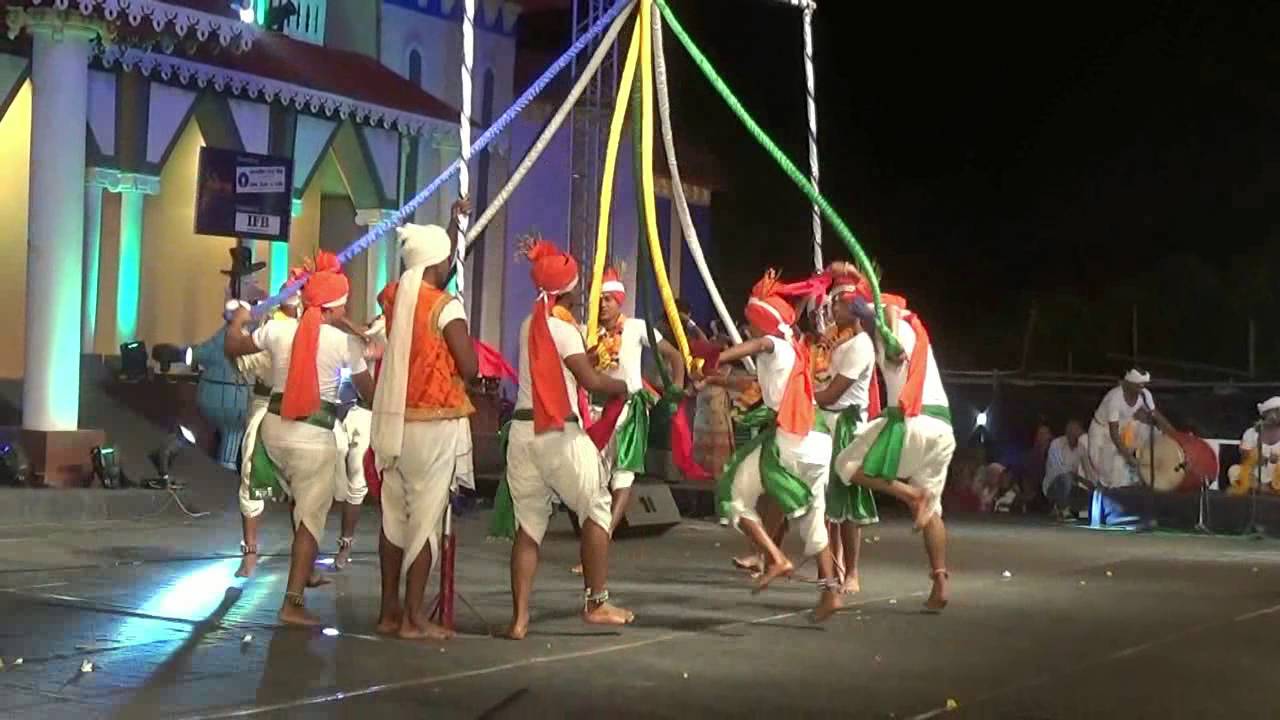
A traditional Goan folk dance performed during the Shigmo festival. It is mainly performed by men. Dancers hold long colorful ribbons attached to a pole. They weave intricate patterns while dancing around the pole. The music includes traditional Goan instruments.
The dance requires coordination and teamwork. It symbolizes celebration and joy. The vibrant colors add visual appeal. Goff Dance is performed during spring festivals. It represents Goa’s festive spirit and community harmony.
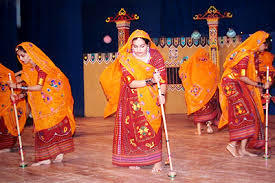
Tippani Dance
Gujarat
Originated from the Saurashtra region of Gujarat. It was traditionally performed by women during construction work. Women used wooden sticks called Tippani to beat the floor. Over time, it became a cultural dance form. The movements are strong and rhythmic.
It is usually performed during festivals and social events. The dance promotes unity and teamwork. Traditional Gujarati attire is worn. The beats are energetic and powerful. Tippani reflects Gujarat’s hardworking rural culture.
Andhra Pradesh Blogs
- Andhra Pradesh Cultural guide
- Places to visit in Andhra Pradesh
- Places to visit in Andhra Pradesh
- India’s most popular destination
- India’s archaeological marvels