
West India's Famous Festivals
West India’s famous festivals reflect the region’s royal history, devotional spirit, desert traditions, and coastal celebrations. States like Rajasthan, Gujarat, Maharashtra, and Goa host vibrant festivals filled with music, dance, rituals, and community gatherings. These celebrations are deeply connected to mythology, harvest seasons, and local customs. From grand temple festivities to colorful street carnivals, each festival carries a unique regional identity. With traditional attire, folk performances, and joyful participation, West India’s festivals beautifully showcase the rich cultural heritage of the region.
Wiki Link: West India’s Famous Festivals
Navratri
Gujarat
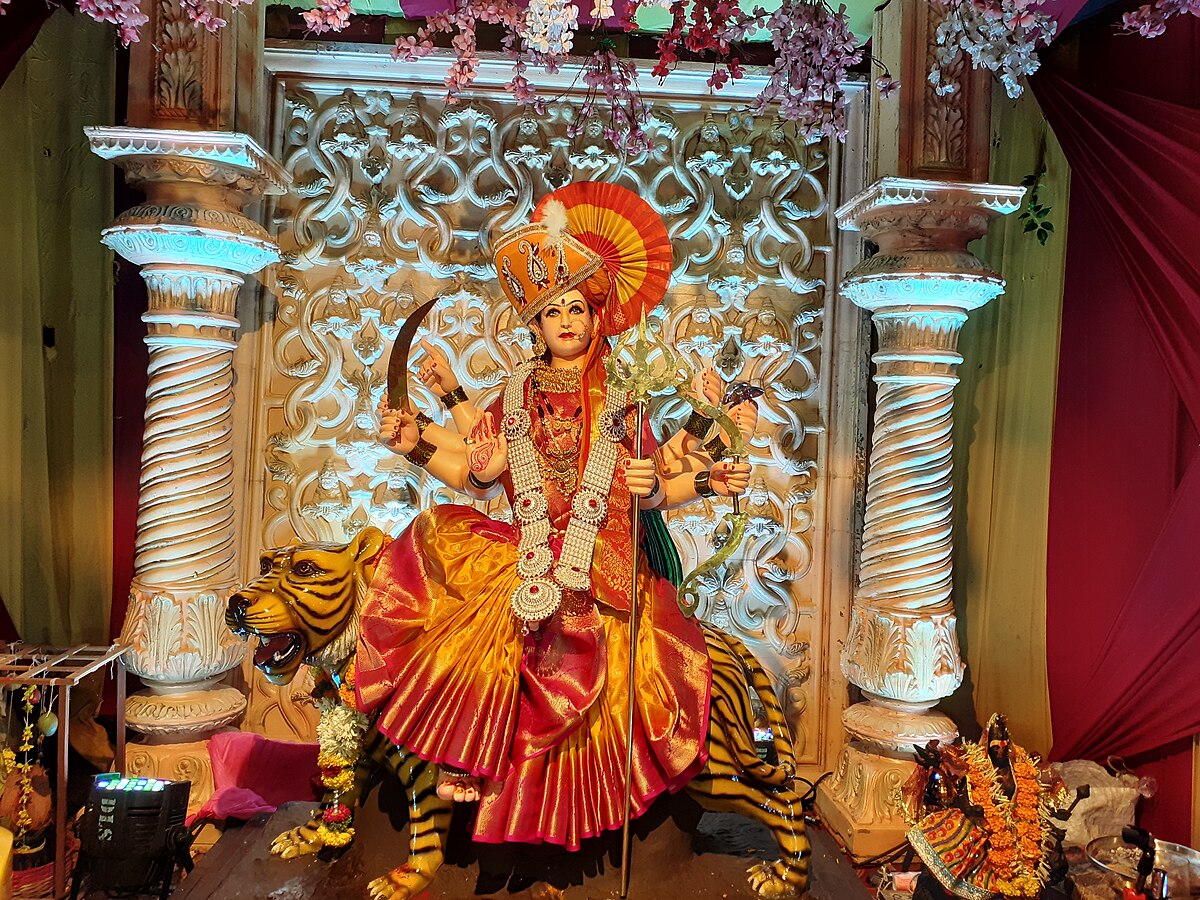
One of the most important festivals in Gujarat. It celebrates Goddess Durga and her nine forms. For nine nights, people gather to perform Garba and Dandiya. The dances create a joyful and energetic atmosphere. Women wear colorful chaniya cholis, while men wear traditional kediyu. In addition, devotional songs fill the air.
Families and friends come together every evening. Therefore, the festival builds strong community bonds. Many cities organize large public events. As a result, Navratri attracts visitors from across India. It reflects Gujarat’s festive and spiritual spirit.
Ganesh Chaturthi
Maharashtra
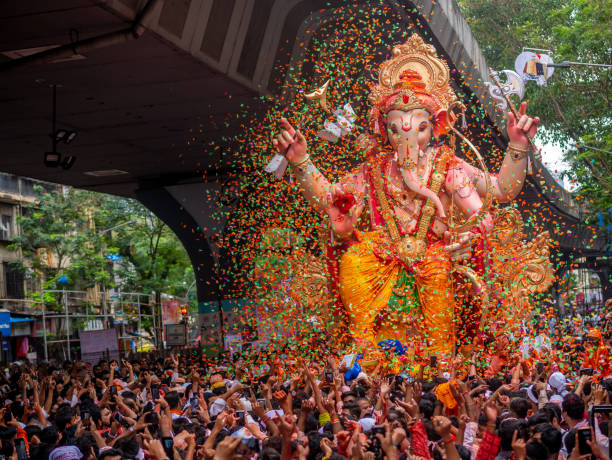
Honors Lord Ganesha, the remover of obstacles. People bring beautifully decorated idols into their homes and public pandals. For several days, families offer prayers and sweets. In addition, cultural programs take place in many neighborhoods.
Devotees sing bhajans and perform aarti daily. Therefore, the atmosphere feels devotional and lively. On the final day, grand processions move toward rivers or the sea. People chant and dance during immersion. As a result, the streets come alive with celebration. This festival shows Maharashtra’s deep faith and unity.

Goa Carnival
Goa
A colorful pre-Lenten festival. It reflects Goa’s Portuguese influence. During the celebration, grand parades move through the streets. Performers wear bright costumes and masks. In addition, music bands and dancers entertain the crowd.
People enjoy food, dance, and street shows. Therefore, the mood feels lively and cheerful. Tourists from around the world visit Goa at this time. The festival lasts for several days. As a result, the entire state joins the celebration. Goa Carnival highlights the region’s cultural blend.
Desert Festival
Rajasthan
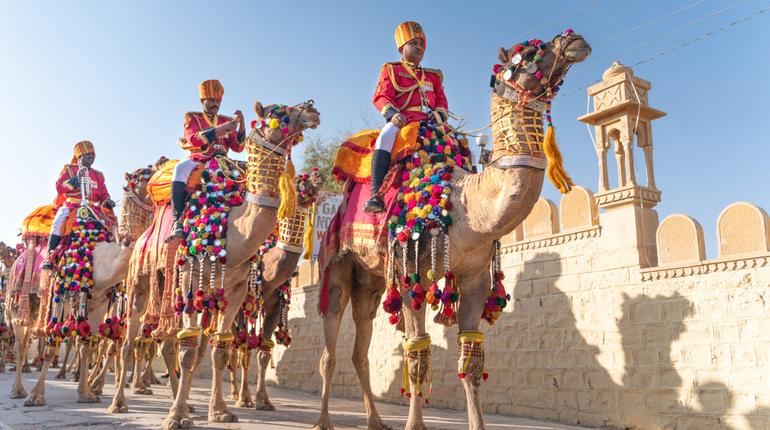
The Desert Festival takes place in Jaisalmer. It celebrates the culture of the Thar Desert. During the event, folk artists perform music and dance. In addition, camel races and competitions attract visitors. Men wear colorful turbans and traditional attire.
Therefore, the event looks vibrant and grand. Tourists enjoy local crafts and cuisine. The festival usually happens before Holi. As a result, it draws both Indian and foreign visitors. It showcases Rajasthan’s desert traditions. The Desert Festival reflects royal and rural heritage.
Makar Sankranti (Uttarayan)
Gujarat & Maharashtra
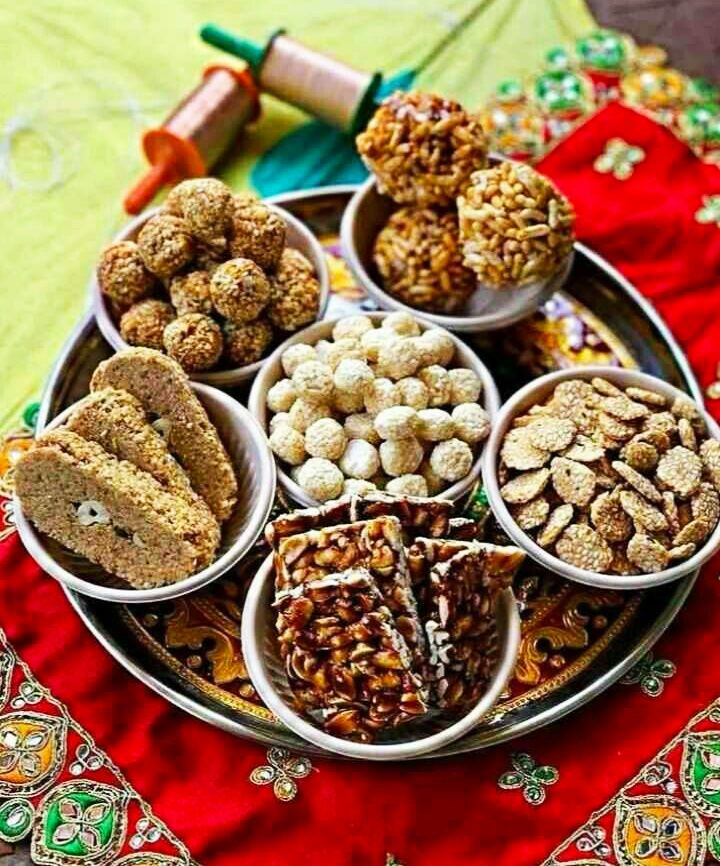
Marks the sun’s movement into Capricorn. In Gujarat, it is known as Uttarayan. People celebrate by flying colorful kites. For example, families gather on rooftops from morning till evening. In addition, special sweets made of sesame and jaggery are prepared. Therefore, the festival feels joyful and bright.
The sky fills with kites of many shapes and colors. Music and laughter spread across neighborhoods. As a result, the day strengthens family bonds. It also marks the harvest season. This festival reflects gratitude and new beginnings.

Gudi Padwa
Maharashtra
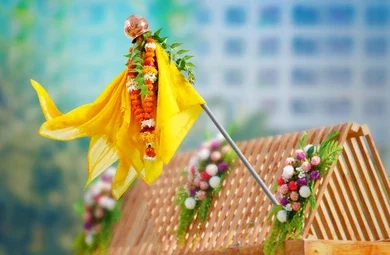
Marks the Marathi New Year. People clean and decorate their homes early in the morning. They raise a “Gudi” outside the house as a symbol of victory. In addition, families prepare traditional sweets.
The festival also marks the start of the harvest season. Therefore, it brings hope and positivity. Cultural programs take place in many cities. People wear new clothes and visit temples. As a result, the day feels fresh and festive. Gudi Padwa reflects Maharashtra’s cultural pride and new beginnings.

Teej
Rajasthan
Celebrates the arrival of the monsoon season. It also honors Goddess Parvati and her devotion. Married women pray for the well-being of their husbands. In addition, young girls pray for a good life partner.
Women wear green clothes and beautiful bangles. Therefore, the festival looks colorful and graceful. Swings are tied to trees during the celebration. Folk songs and dances fill the air. As a result, the mood becomes joyful and lively. Processions take place in cities like Jaipur. Teej reflects Rajasthan’s tradition and devotion.

Rann Utsav
Gujarat
Takes place in the White Desert of Kutch. It celebrates the culture of Gujarat. During the festival, tourists stay in tent cities. In addition, folk dancers and musicians perform every evening.
Handicraft stalls display local art and textiles. Therefore, visitors experience rural traditions closely. Camel rides and desert safaris attract many people. The full moon night over the white salt desert looks magical. As a result, the festival boosts tourism. Local communities also benefit from this event. Rann Utsav showcases Gujarat’s art and desert beauty.
Shigmo
Goa
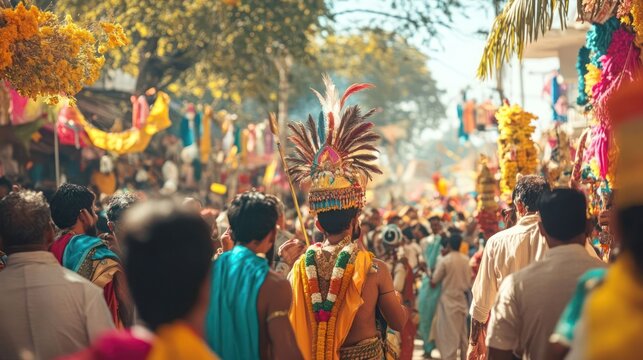
A spring festival of Goa. It marks the arrival of the harvest season. During the celebration, colorful parades move through villages and towns. Folk dancers perform traditional Goan dances.
In addition, people decorate floats with mythological themes. Therefore, the festival feels vibrant and energetic. Drums and music create a festive mood. Families gather to watch cultural programs. As a result, the celebration strengthens community bonds. Shigmo reflects Goa’s rural and cultural traditions.
Gangaur
Rajasthan
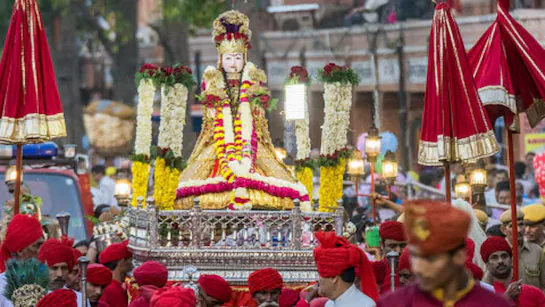
Gangaur honors Goddess Gauri, a form of Parvati. Women pray for marital happiness and prosperity. The festival lasts for several days. During this time, women decorate idols beautifully.
In addition, they sing traditional songs. Therefore, the atmosphere feels devotional and joyful. Grand processions take place in cities like Udaipur. Women wear bright traditional clothes and jewelry. As a result, the streets look colorful and lively. Gangaur reflects Rajasthan’s royal and family traditions.

Dahi Handi
Maharashtra
Celebrates the birth of Lord Krishna. It takes place during Janmashtami. Young men form human pyramids to break a clay pot. The pot contains curd and sweets. In addition, large crowds gather to cheer them. Therefore, the event feels thrilling and energetic.
Music and dance add excitement to the celebration. Many groups compete for prizes. As a result, teamwork and coordination become important. Dahi Handi reflects Maharashtra’s spirit of unity and devotion.
Tarnetar Fair
Gujarat
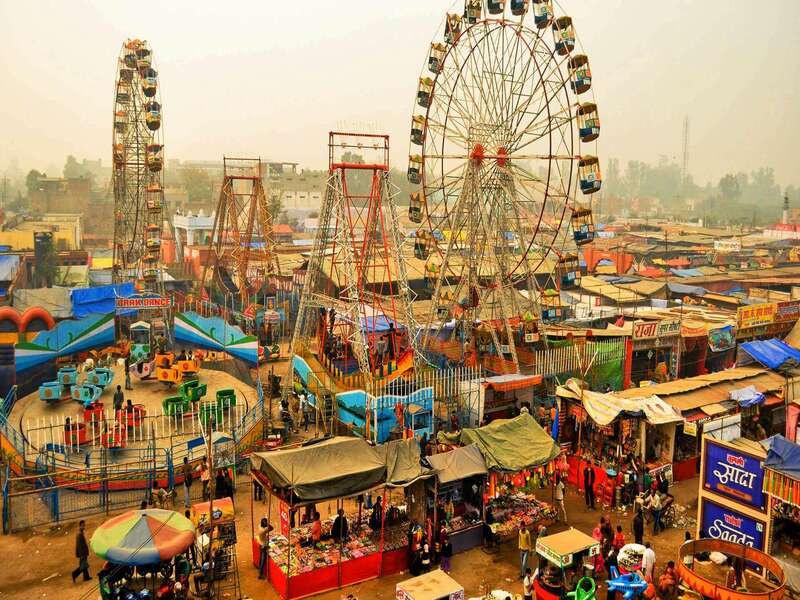
Takes place near the Trinetreshwar Temple in Gujarat. It is both a religious and cultural event. People gather to seek blessings from Lord Shiva. In addition, the fair is known for its traditional matchmaking customs. Young men carry decorated umbrellas to attract brides. Therefore, the event feels unique and colorful.
Folk dancers perform Garba and Raas during the fair. Local artisans also sell handicrafts and jewelry. As a result, the fair supports rural communities. Tourists visit to see traditional attire and customs. Tarnetar Fair reflects Gujarat’s vibrant village culture.
Elephanta Festival
Maharashtra
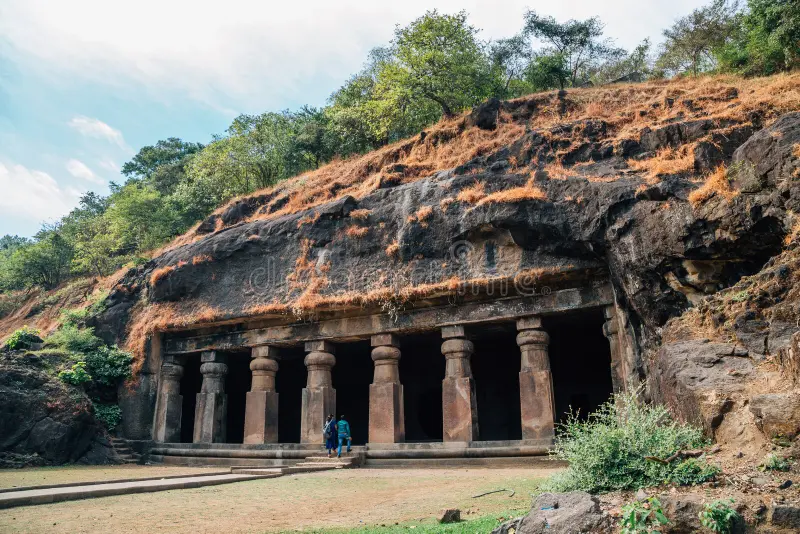
Takes place near the Elephanta Caves. It celebrates Indian classical music and dance. During the festival, artists perform against a historic backdrop. In addition, the caves are beautifully lit at night. Therefore, the setting feels grand and artistic.
Visitors travel by boat from Mumbai to attend the event. The performances include both vocal and instrumental music. As a result, the festival attracts art lovers from across India. The event also promotes heritage tourism. Elephanta Festival reflects Maharashtra’s artistic pride.
Mount Abu Summer Festival
Rajasthan
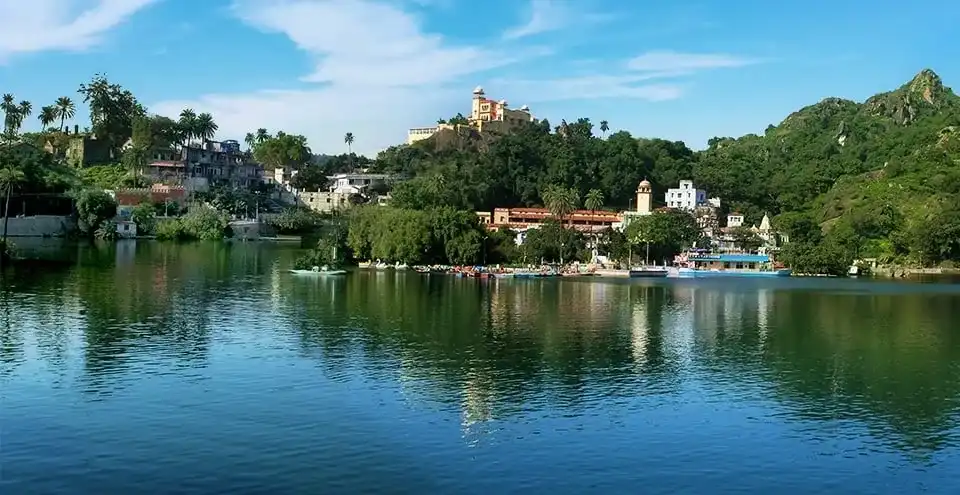
Marks the start of summer. It takes place in Rajasthan’s only hill station. During the festival, folk dancers and musicians perform daily. In addition, boat races and competitions entertain visitors.
The cool weather attracts many tourists. Therefore, the event feels refreshing and lively. Local crafts and food stalls add charm. Fireworks light up the sky at night. As a result, families enjoy a festive holiday atmosphere. The festival promotes tourism in the region. It reflects Rajasthan’s cultural diversity.
Narali Purnima
Maharashtra & Goa
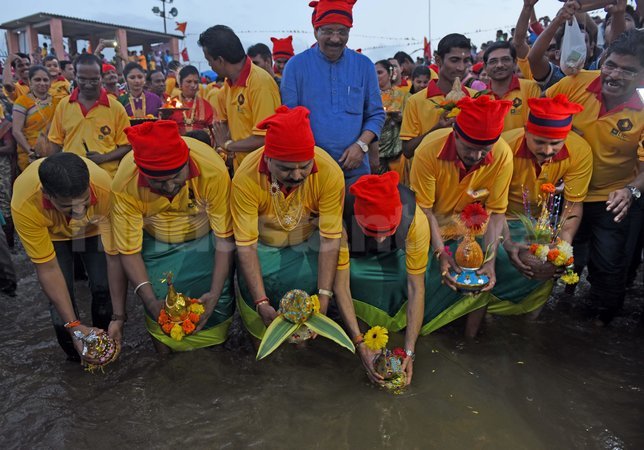
Important for fishing communities. It marks the end of the monsoon season. Fishermen offer coconuts to the sea. In addition, they pray for safety and good catch. Boats are cleaned and decorated beautifully. Therefore, the coastline looks festive and bright.
People prepare coconut-based sweets at home. Folk songs and dances take place in villages. As a result, the festival strengthens coastal traditions. Narali Purnima reflects gratitude toward nature and the sea.
Andhra Pradesh Blogs
- Andhra Pradesh Cultural guide
- Places to visit in Andhra Pradesh
- Places to visit in Andhra Pradesh
- India’s most popular destination
- India’s archaeological marvels