
West India's Famous Music Forms
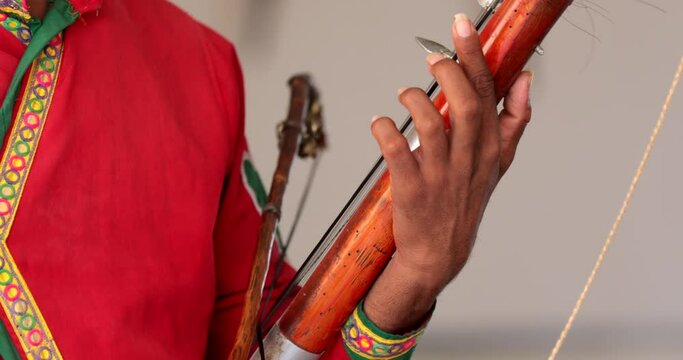
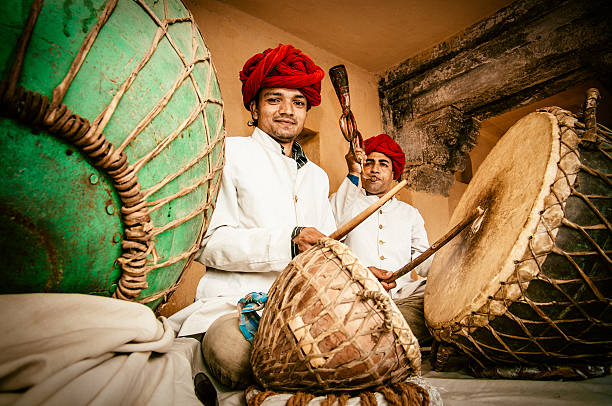
West India’s famous music forms reflect the region’s royal legacy, devotional depth, desert traditions, and coastal influences. States like Rajasthan, Gujarat, Maharashtra, and Goa have nurtured diverse musical styles ranging from classical compositions and temple chants to vibrant folk and tribal melodies. Music plays a central role in festivals, community gatherings, and storytelling traditions across the region. From the soulful ballads of desert minstrels to energetic Lavani rhythms and devotional bhajans, each form carries a unique cultural identity. Rich instruments, expressive lyrics, and strong regional roots make West India’s music an enduring part of its artistic heritage.
Wiki Link: West India’s Famous Music Forms

Manganiyar Music
Rajasthan
Comes from the Manganiyar community of Rajasthan. These musicians have performed for royal families for centuries. Their songs often praise local kings and heroes. In addition, they sing about love, festivals, and desert life. The music uses instruments like the kamaicha and dholak. The melodies are soulful and deep.
Therefore, the music creates a strong emotional connection. Performers usually sing in groups. They perform at weddings and special celebrations. Today, Manganiyar artists also perform on global stages. This music reflects Rajasthan’s rich desert culture.

Langas Music
Rajasthan
Belongs to another traditional Muslim community of Rajasthan. The songs focus on devotion, romance, and folk tales. Unlike Manganiyars, Langas often perform for specific patron families. They use instruments like the sarangi and algoza.
As a result, the sound feels smooth and melodic. The singing style is powerful yet controlled. Performers train from a young age. They pass down songs through generations. Moreover, the music keeps oral history alive. Langas Music shows the harmony between faith and folk culture in Rajasthan.
Sugam Sangeet
Gujarat
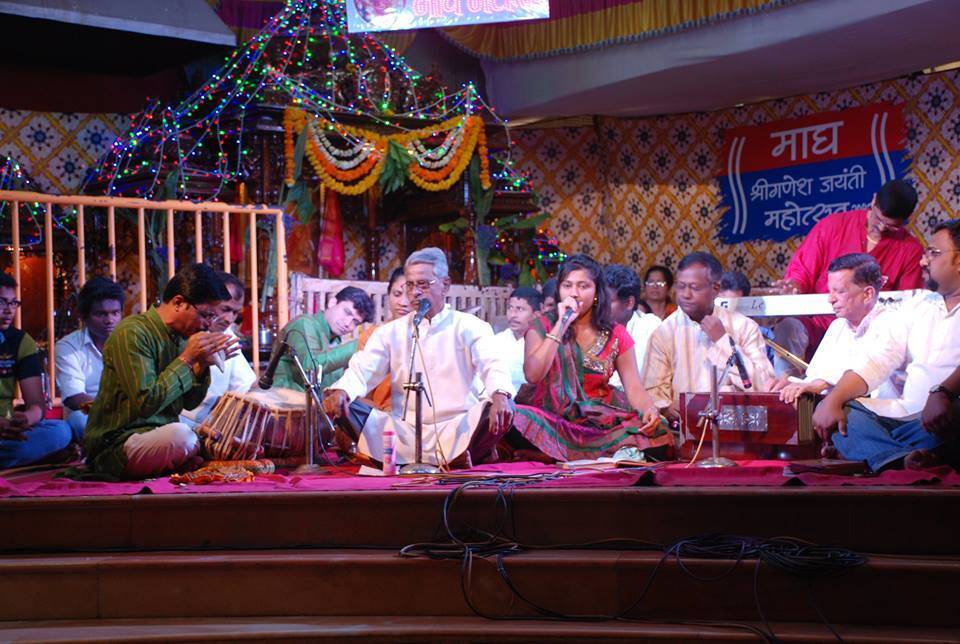
A popular light music form of Gujarat. The name means “easy music.” Therefore, the songs are simple and pleasant to hear. The lyrics often talk about love, devotion, and daily life. Classical ragas influence the tunes. However, the style remains easy for everyone to enjoy.
Harmonium and tabla are commonly used. The music is performed at cultural programs and festivals. Many modern Gujarati singers follow this style. As a result, it connects traditional and modern audiences. Sugam Sangeet reflects Gujarat’s soft musical charm.
Dayro
Gujarat
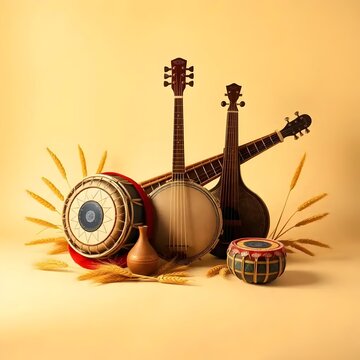
A traditional storytelling music form of Gujarat. It combines singing, narration, and humor. Performers entertain the audience with folk tales and moral stories. In addition, they include devotional and social themes. The performance feels lively and interactive.
Musicians use simple instruments like harmonium and tabla. The audience often responds with claps and laughter. Therefore, the atmosphere becomes energetic. Dayro events take place during village fairs and festivals. This music form strengthens community bonding. Dayro represents Gujarat’s rich oral tradition.
Lavani Music
Maharashtra
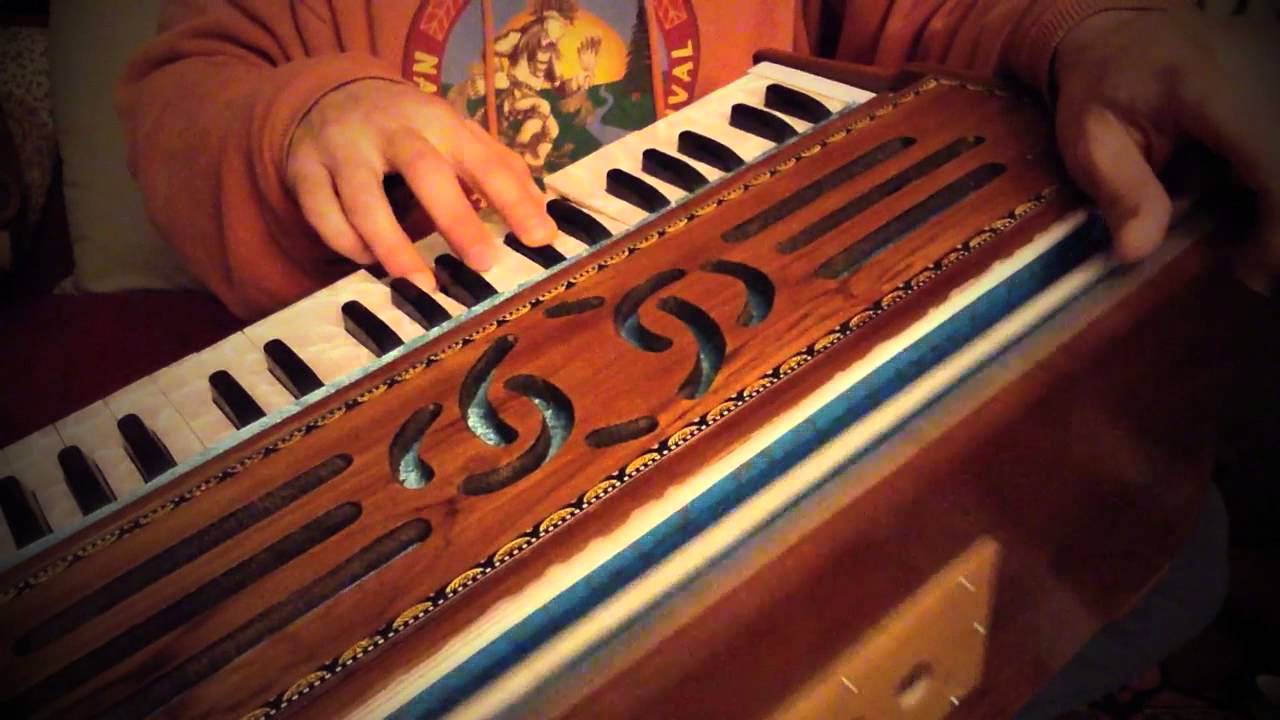
Accompanies the Lavani dance tradition. It is fast, rhythmic, and expressive. The dholki drum plays a central role in performances. The lyrics often discuss love and social topics. At times, they also include satire and humor. The singer delivers lines with strong expression.
Therefore, the music feels dramatic and lively. Lavani songs are popular in folk theatre called Tamasha. They attract large rural audiences. Over time, the style has entered films and stage shows. Lavani Music reflects Maharashtra’s bold cultural spirit.
Koli Geet
Maharashtra
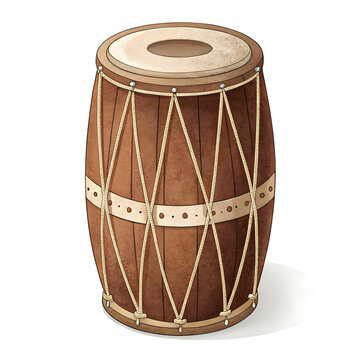
Are folk songs of the Koli fishing community. These songs describe life near the sea. For example, they talk about fishing journeys and coastal festivals. The rhythm often matches rowing movements. Both men and women sing together. In addition, the songs express gratitude to the sea.
The music feels cheerful and energetic. Simple instruments support the vocals. Koli Geet are performed during Narali Purnima festival. Therefore, they hold strong cultural value. This music reflects Maharashtra’s coastal traditions.
Mando
Goa
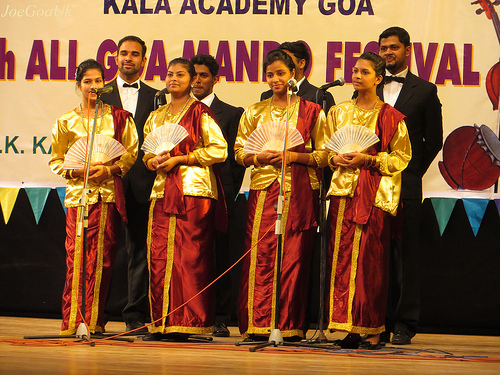
A traditional music form of Goa. It blends Indian and Portuguese influences. The songs are slow and romantic in style. They often describe love and Goan social life. Violins and guitars support the melody. As a result, the sound feels soft and elegant.
Mando is performed during weddings and formal gatherings. The singers wear traditional Goan attire. Moreover, the lyrics are usually in Konkani. The music shows Goa’s colonial history. Mando reflects the cultural fusion of West India.
Dangi Music
Gujarat
Belongs to the tribal communities of South Gujarat. The songs describe forest life and farming traditions. In addition, they celebrate seasonal festivals and weddings. The rhythm is simple but energetic.
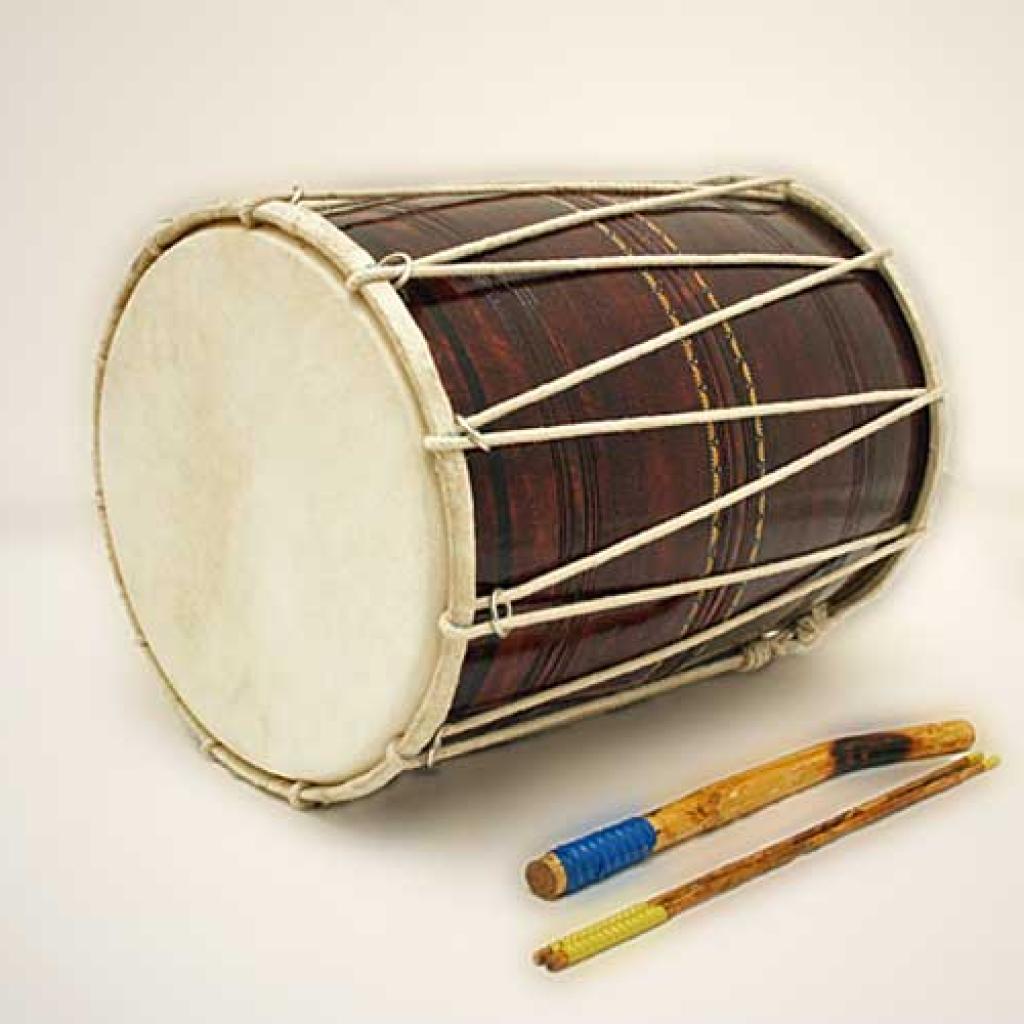
Drums and wind instruments create a lively sound. Therefore, the music feels joyful and natural. Performers usually sing in groups. They also dance while singing. The lyrics pass down local stories and beliefs. As a result, Dangi Music keeps tribal culture alive. It reflects the deep bond between people and nature.
Bhavageet
Maharashtra
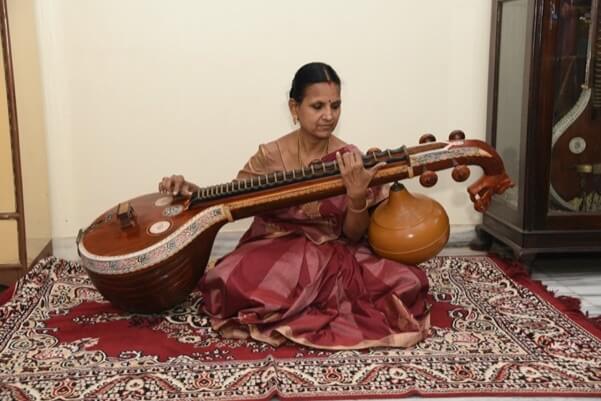
Means “emotional song.” This music form focuses on deep feelings and poetry. The lyrics talk about love, nature, and philosophy. However, the music remains light and easy to understand.
Harmonium and tabla usually support the vocals. The singing style is soft and expressive. Therefore, listeners feel calm and connected. Bhavageet gained popularity through radio and stage shows. Many famous Marathi poets contributed to this genre. In addition, it bridges classical and modern music styles. Bhavageet reflects Maharashtra’s literary culture.
Powada
Maharashtra
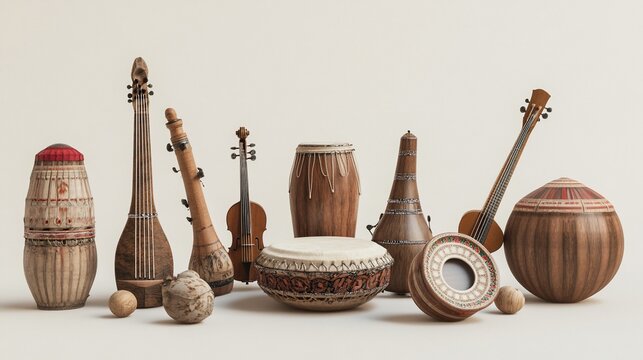
A heroic ballad tradition of Maharashtra. It praises warriors and historical events. For example, many songs honor Chhatrapati Shivaji Maharaj. The singing style is loud and energetic. Performers use dramatic expressions. In addition, they narrate stories with strong emotions.
The dholki drum adds power to the rhythm. Therefore, the audience feels inspired and proud. Powada performances take place during public celebrations. This music form builds regional pride. It reflects Maharashtra’s brave history.
Goan Dulpod
Goa
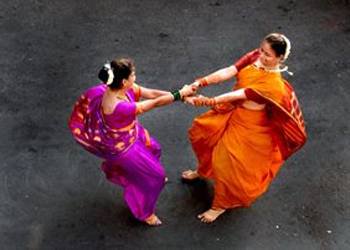
A lively folk music style from Goa. Unlike Mando, Dulpod has a faster tempo. The songs often discuss daily life and humor. In addition, they include playful social messages. Guitars and traditional instruments create a cheerful mood. Therefore, people enjoy dancing to it.
Dulpod performances are common during festivals. The lyrics are mostly in Konkani. Over time, it has become part of modern Goan celebrations. This music form reflects Goa’s joyful spirit.
Bhajan (West Indian Style)
Gujarat & Maharashtra
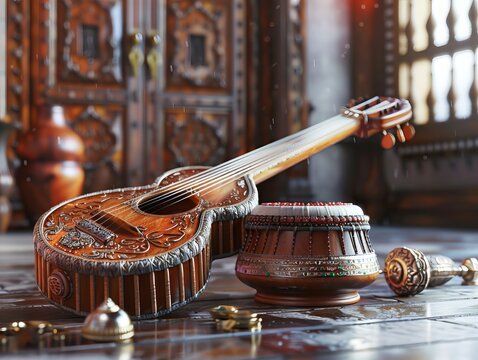
A devotional music form. It focuses on praising Hindu gods and saints. In Gujarat and Maharashtra, the style is simple and heartfelt. The lyrics are easy to sing along with. Harmonium, manjira, and tabla support the rhythm. Therefore, the atmosphere feels peaceful. Bhajans are performed in temples and homes.
In addition, they are common during religious festivals. The music encourages devotion and unity. As a result, it holds strong spiritual value. Bhajan reflects the deep faith of West Indian communities.
Andhra Pradesh Blogs
- Andhra Pradesh Cultural guide
- Places to visit in Andhra Pradesh
- Places to visit in Andhra Pradesh
- India’s most popular destination
- India’s archaeological marvels