
North East India's Famous Dance Forms
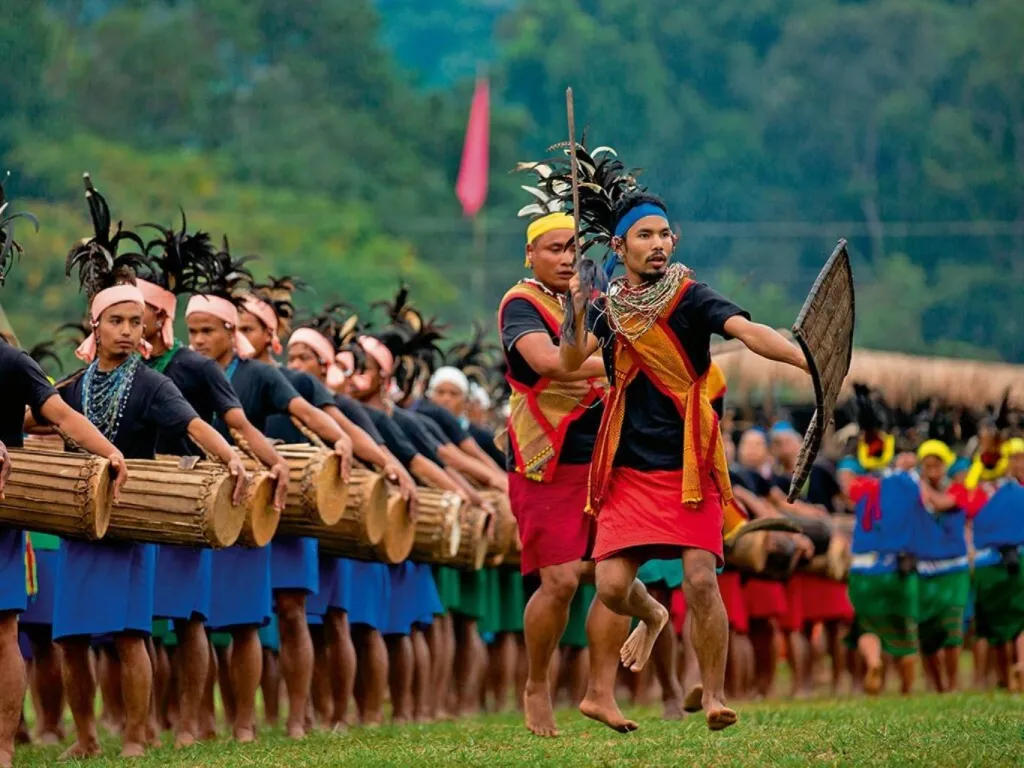

North East India’s dance forms reflect the region’s rich tribal heritage, deep spiritual beliefs, and close connection with nature. Each state preserves unique traditional dances performed during harvests, festivals, and community rituals. These dances often narrate stories of valor, fertility, and ancestral legends through rhythmic movements and vibrant costumes. Music, drums, and folk instruments energize performances and unite communities. Together, these dance traditions showcase the cultural diversity and living heritage of North East India.
Wiki Link: North East India’s Dance Forms

Bihu Dance
Assam
Originated as a celebratory folk dance performed during the Rongali Bihu festival in Assam. It developed as an expression of joy marking the Assamese New Year and spring harvest season. Young men and women perform the dance in open fields and village courtyards. The movements are energetic, symbolizing fertility and prosperity.
Traditional attire like mekhela chador enhances the visual appeal. Musical instruments such as dhol and pepa create lively rhythms. The dance strengthens community bonding and youth participation. It reflects the agrarian lifestyle of Assamese society.
Cheraw Dance (Bamboo Dance)
Mizoram
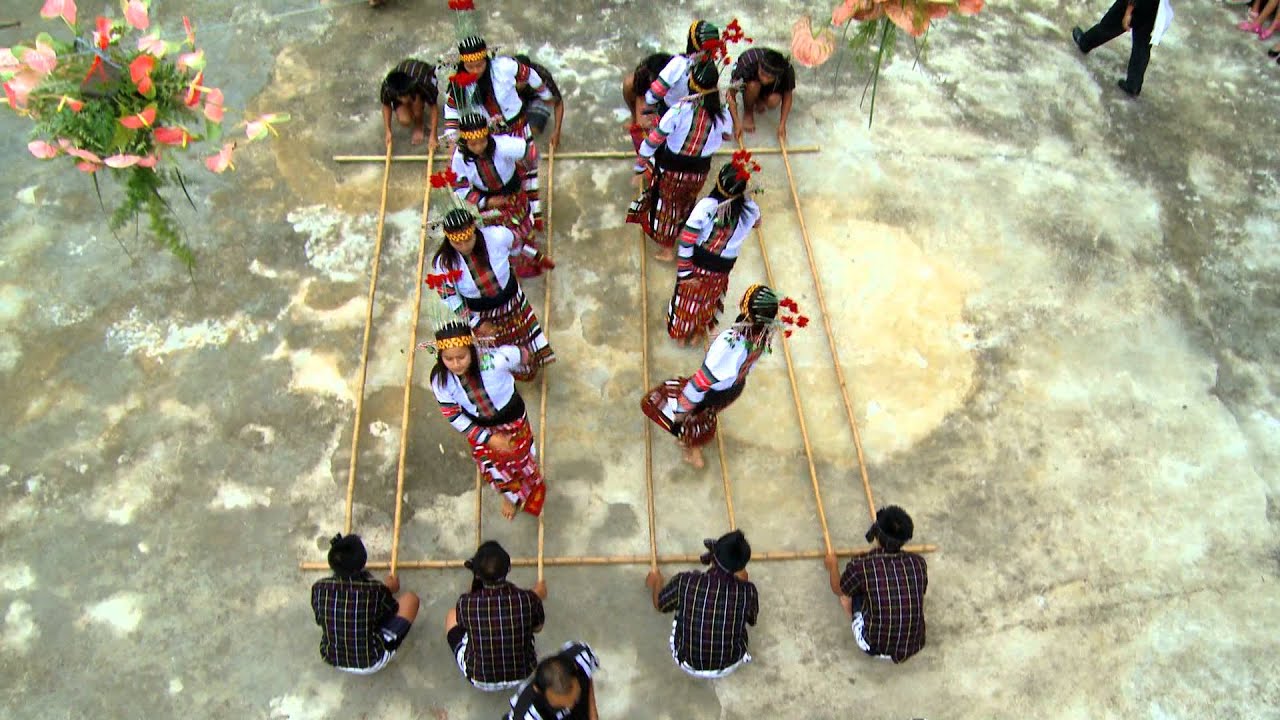
Originated among the Mizo community as a traditional bamboo dance. It was initially performed to celebrate harvest and important occasions. Dancers skillfully step in and out of moving bamboo poles held by performers.
The synchronized movements require precision and coordination. The dance symbolizes harmony and community unity. Traditional costumes add vibrancy to performances. Folk music accompanies rhythmic bamboo clapping. Cheraw reflects the resilience and discipline of the Mizo people. It is showcased during Chapchar Kut festival.
Wangala Dance
Meghalaya
Developed as part of the harvest festival of the Garo tribe. It is dedicated to the Sun God Saljong. The dance marks gratitude for a successful harvest season. Performers move gracefully to the beat of traditional drums called “Dama.” Men and women wear colorful tribal attire. The rhythm symbolizes agricultural cycles and prosperity.
Ritual offerings strengthen spiritual significance. The dance fosters unity among Garo communities. Oral traditions are preserved through performance. Wangala Dance reflects Meghalaya’s agrarian and spiritual roots.
Naga War Dance
Nagaland
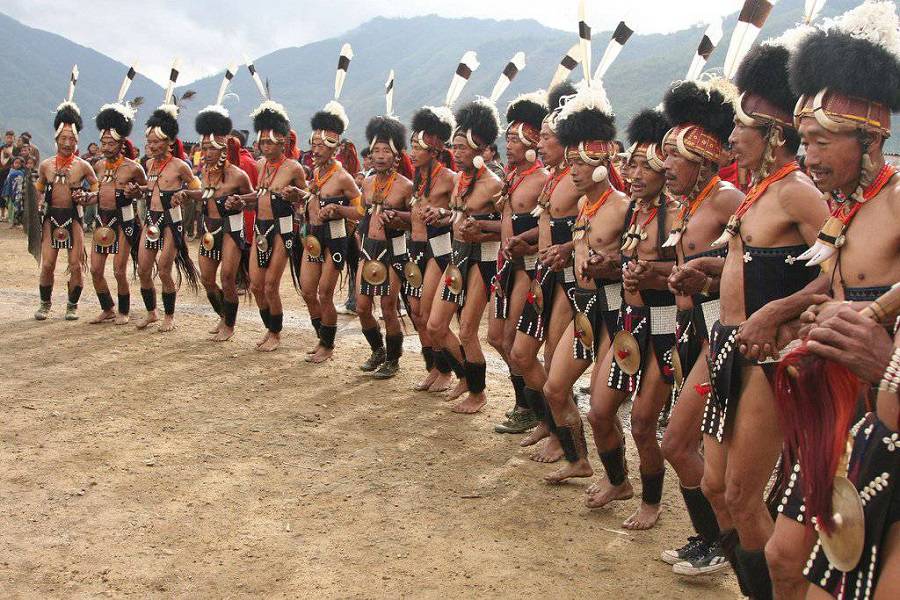
Originated as a traditional warrior dance performed by Naga tribes. It developed to celebrate victory and bravery after battles. The dance features energetic steps and loud warrior chants. Performers carry spears and shields symbolizing valor. Traditional headgear adorned with feathers enhances appearance.
Drums and rhythmic stomping create intense energy. The dance preserves martial history and tribal pride. Community gatherings showcase collective strength. Ritual elements honor ancestral warriors. Naga War Dance reflects Nagaland’s courageous heritage.

Hojagiri Dance
Tripura
Originated among the Reang (Bru) community of Tripura. It is traditionally performed during harvest celebrations. The dance emphasizes balance and flexibility. Female performers balance earthen pots and bottles while dancing. The movements focus on lower body coordination. Folk songs and drums accompany performances.
The dance highlights grace and control. It preserves tribal customs and rituals. Community participation enhances festive spirit. Hojagiri remains a distinctive cultural expression of Tripura.
Raasa Leela
Manipur
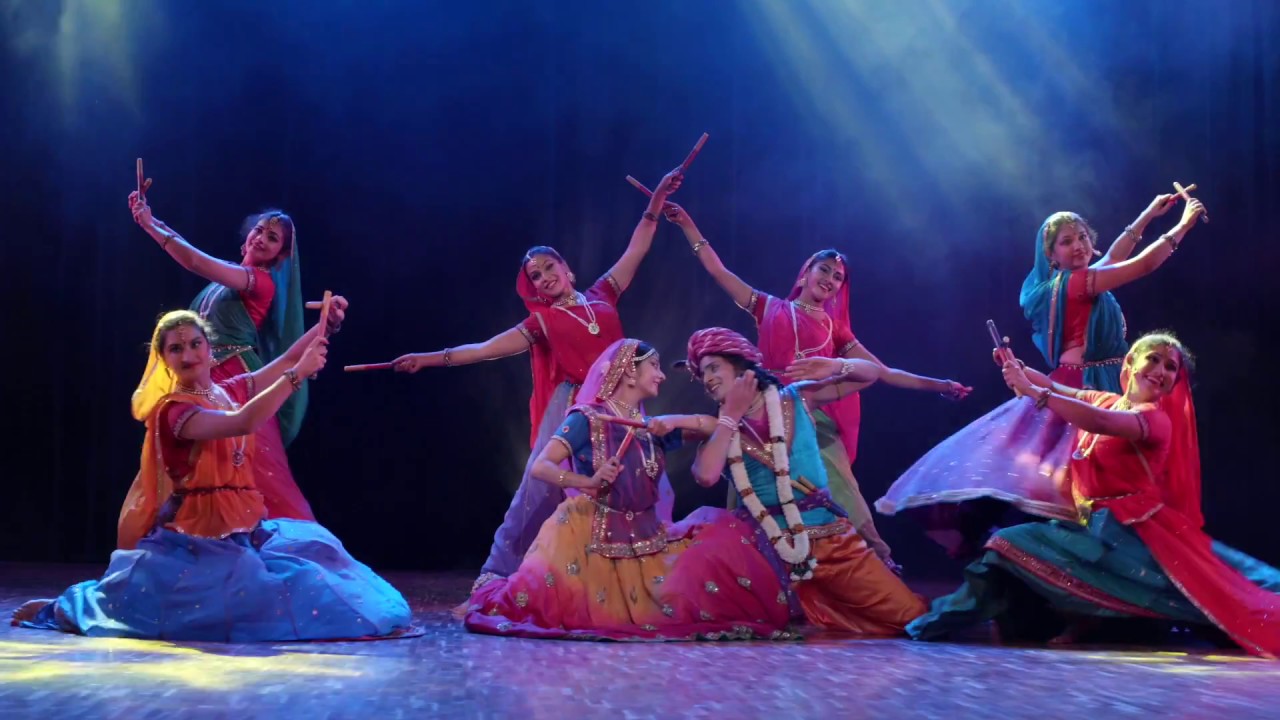
Originated as a classical devotional dance in Manipur. It portrays episodes from the life of Lord Krishna. The dance developed under Vaishnavite influence in royal courts. Graceful movements and delicate expressions define its style. Performers wear elaborate traditional costumes.
The music blends devotional songs with rhythmic precision. The dance symbolizes divine love and devotion. Temple festivals often feature Raasa Leela performances. It preserves Manipuri spiritual heritage. Raasa Leela remains one of India’s recognized classical dance forms.

Ponung Dance
Arunachal Pradesh
Originated among the Adi tribe of Arunachal Pradesh. It is performed during festivals and agricultural celebrations. Women form lines and sing traditional folk songs. A male priest leads chants invoking blessings. The dance emphasizes harmony and collective participation. Traditional attire reflects tribal identity.
Ritual elements strengthen spiritual meaning. Oral traditions are preserved through performance. Community gatherings reinforce unity. Ponung Dance represents Arunachal’s vibrant tribal culture.
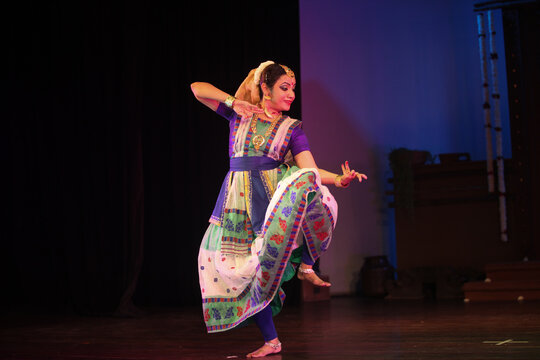
Bagurumba Dance
Assam
Originated among the Bodo tribe of Assam as a traditional folk dance. It is performed during the Bwisagu festival, which marks the Assamese New Year. The dance draws inspiration from nature, especially butterflies and birds. Women perform graceful hand and foot movements symbolizing natural elements.
Colorful dokhona attire enhances the visual beauty of the performance. Traditional instruments like kham and sifung provide rhythmic support. The dance reflects harmony between humans and nature. Community participation strengthens tribal unity. Folk songs narrate agricultural life and seasonal changes.

Thang Ta
Manipur
Originated as a traditional martial dance form of Manipur. The name combines “Thang” meaning sword and “Ta” meaning spear. It developed as a combat training practice among warriors. Performers demonstrate agility, discipline, and precision. The movements blend martial arts with rhythmic choreography.
Ritual significance connects the dance to spiritual beliefs. Traditional costumes add dramatic intensity. The form preserves ancient defense techniques. Cultural festivals showcase its artistic value. Thang Ta represents Manipur’s warrior heritage and discipline.
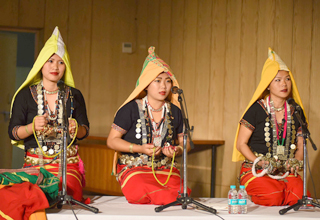
Bardo Chham
Arunachal Pradesh
Originated among the Sherdukpen tribe of Arunachal Pradesh. It is performed during Buddhist festivals and rituals. Masked dancers represent spirits and mythological beings. The dance narrates stories of good overcoming evil. Ritual chants accompany symbolic movements.
Monasteries play a central role in organizing performances. Traditional drums and cymbals create a spiritual atmosphere. The dance preserves Buddhist philosophy and folklore. Community participation strengthens faith and unity. Bardo Chham reflects Arunachal’s Himalayan cultural influence.
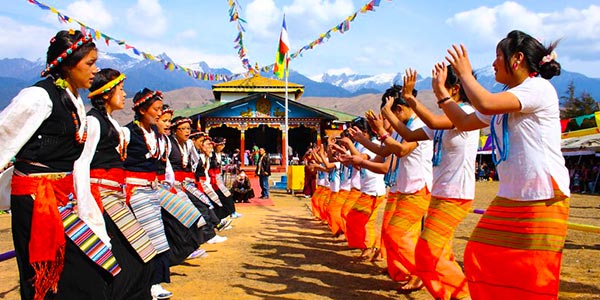
Maruni Dance
Sikkim
Originated as a traditional Nepali folk dance in Sikkim. It is performed during festivals like Tihar and weddings. Male performers often dress in vibrant female costumes. The dance celebrates joy, prosperity, and community bonding. Rhythmic music and traditional instruments guide movements.
The performance includes playful gestures and dramatic expressions. Cultural themes highlight social harmony. The dance strengthens Nepali heritage within Sikkim. Community gatherings encourage participation. Maruni remains a lively symbol of Sikkim’s multicultural identity.
Chalo Dance
Arunachal Pradesh
Originated among the Nocte tribe of Arunachal Pradesh. It is performed during harvest celebrations and festivals. The dance expresses happiness after agricultural success. Men and women form circles and move rhythmically. Traditional costumes reflect tribal craftsmanship. Folk songs narrate community life and legends. Ritual blessings accompany performances.
The dance strengthens unity and cooperation. Elders guide cultural preservation through participation. Chalo Dance remains central to Nocte tribal tradition.
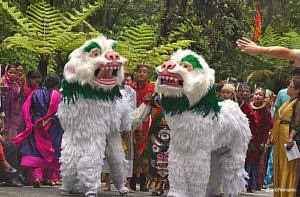
Singhi Chham (Snow Lion Dance)
Sikkim
Originated as a masked monastic dance in Sikkim. It symbolizes the mythical snow lion, guardian of the Himalayas. Monks perform the dance during Buddhist festivals. The movements represent purity and strength. Colorful lion costumes create visual grandeur. Ritual music enhances spiritual significance.
The dance reflects Tibetan Buddhist influence. Monasteries preserve its sacred traditions. Community members gather to witness symbolic performances. Singhi Chham represents Sikkim’s spiritual and cultural heritage.
Garia Dance
Tripura
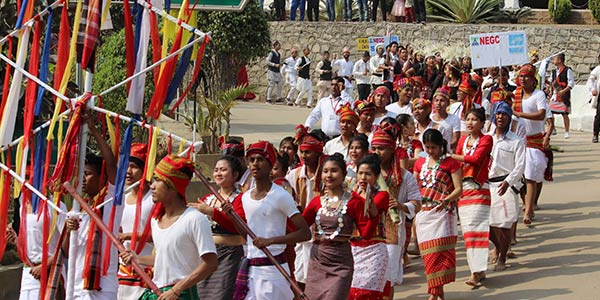
Originated as part of the Garia festival of Tripura. It is dedicated to the deity Garia, worshipped for prosperity. The dance marks the end of the sowing season. Villagers celebrate with rhythmic movements and chants. Traditional drums and flutes accompany performances. Ritual prayers seek blessings for a good harvest.
The dance strengthens social unity. Youth actively participate in celebrations. Folk elements preserve indigenous identity. Garia Dance reflects Tripura’s agrarian culture and devotion.
Andhra Pradesh Blogs
- Andhra Pradesh Cultural guide
- Places to visit in Andhra Pradesh
- Places to visit in Andhra Pradesh
- India’s most popular destination
- India’s archaeological marvels