
North East India's Famous Festival
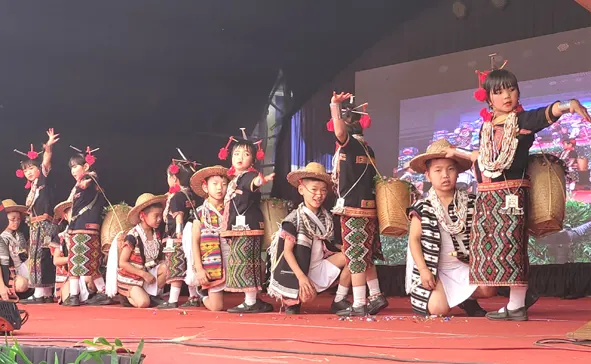

North East India’s famous festivals reflect the region’s deep tribal roots, agricultural traditions, and spiritual beliefs. Celebrations across the eight states highlight harmony with nature, seasonal harvests, and community unity. Colorful attire, folk music, and traditional dances bring these festivals to life. Many events honor ancestral spirits and local deities while preserving indigenous customs. Together, these festivals showcase the rich cultural diversity and vibrant identity of North East India.
Wiki Link: North East India’s Famous Festival
Bihu
Assam
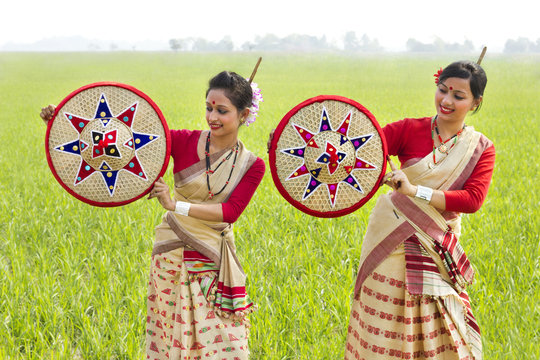
Originated as an agricultural festival celebrating the Assamese New Year and harvest cycles. Farmers began observing it to mark seasonal transitions and pray for prosperity. There are three main types — Rongali, Bhogali, and Kongali — each linked to farming stages. The festival celebrates fertility, abundance, and renewal of life.
Traditional Bihu dance and music energize communities. Youth wear colorful attire and perform in open fields. Feasting and community gatherings strengthen social bonds. Rituals honor nature and ancestral blessings. The dhol and pepa instruments define its musical identity. Bihu remains the cultural heartbeat of Assam.
Hornbill Festival
Nagaland
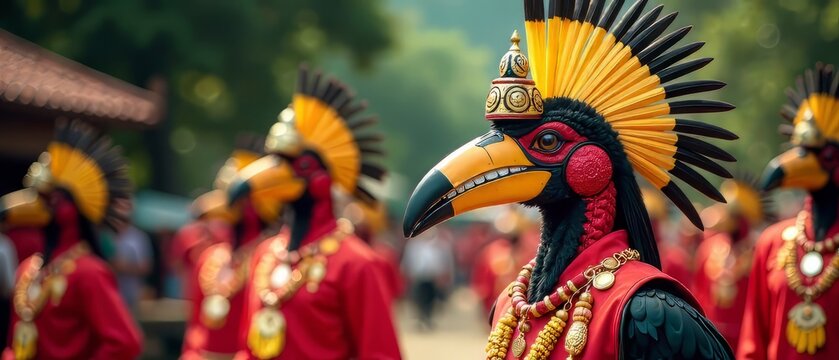
Was started to showcase the rich tribal heritage of Nagaland. Named after the revered hornbill bird, it symbolizes respect for nature. The state government initiated it to preserve indigenous traditions. Tribes gather to perform traditional dances and rituals.
The festival promotes unity among diverse Naga communities. Handicrafts and local cuisine are displayed proudly. Folk songs narrate warrior history and folklore. Cultural competitions highlight ancestral skills. The event attracts global visitors and boosts tourism. Hornbill Festival celebrates identity, pride, and cultural continuity.

Wangala Festival
Meghalaya
Originated as a harvest festival of the Garo tribe. It is dedicated to the Sun God, Saljong, for blessing crops. Villagers celebrate after harvesting to express gratitude. Traditional drum beats known as “Dama” create rhythmic energy. Men and women perform in colorful attire.
Ritual offerings mark spiritual reverence. The festival strengthens tribal unity and identity. Oral traditions are preserved through song. Community feasts enhance social harmony. Wangala reflects Meghalaya’s agrarian and spiritual heritage.

Chapchar Kut
Mizoram
Began as a spring festival marking the completion of forest clearing for cultivation. Farmers celebrated before sowing crops. The festival expresses gratitude and hope for a good harvest. Traditional bamboo dance performances energize gatherings.
Folk music and colorful costumes define celebrations. The event promotes cultural pride and unity. Rituals honor ancestral spirits. Youth participate enthusiastically in competitions. Community feasts strengthen bonds. Chapchar Kut remains Mizoram’s most vibrant cultural celebration.
Losar Festival
Arunachal Pradesh & Sikkim
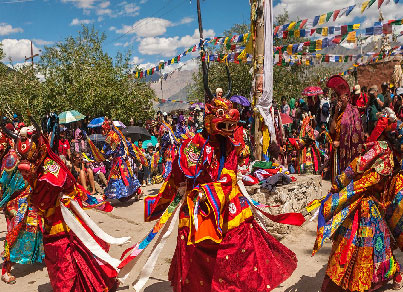
Originated as the Tibetan New Year celebration among Buddhist communities. It marks the beginning of a new lunar year. Monasteries conduct prayers for peace and prosperity. Ritual dances symbolize victory of good over evil. Families clean homes to remove negativity. Offerings are made to deities and ancestors.
Traditional music enhances spiritual atmosphere. Community gatherings promote harmony. The festival blends faith with festivity. Losar reflects the Buddhist heritage of the Himalayan region.
Sangai Festival
Manipur
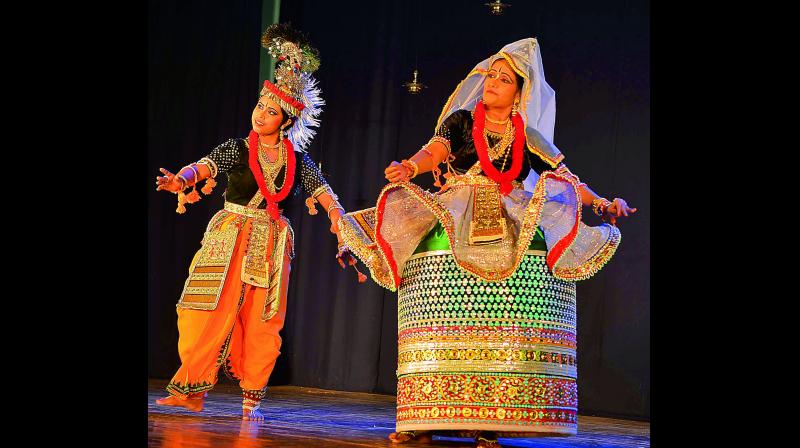
Was introduced to promote Manipur’s cultural and ecological identity. It is named after the rare Sangai deer found in the region. The government initiated it to boost tourism and awareness. Traditional dance and martial arts are showcased. Handloom and handicrafts highlight local craftsmanship.
Cultural performances reflect Manipuri heritage. The festival emphasizes environmental conservation. Folk music and cuisine attract visitors. Community pride strengthens through participation. Sangai Festival celebrates Manipur’s unique biodiversity and traditions.
Kharchi Puja
Tripura
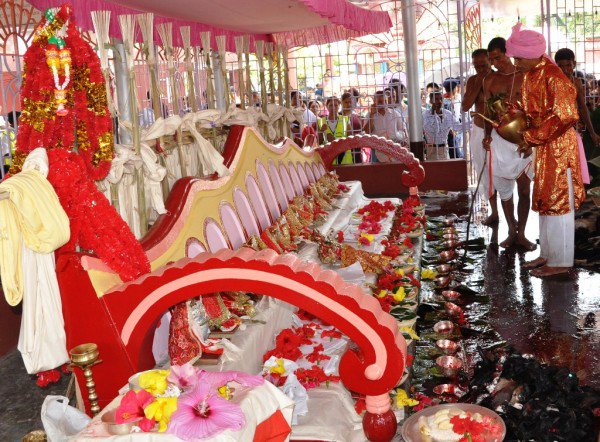
Originated as a royal festival worshipping fourteen deities of Tripura. It developed as a purification ritual for the land and people. Priests conduct elaborate ceremonies in temple complexes. Devotees seek blessings for prosperity and protection.
The festival reflects tribal and royal influences. Music and rituals create spiritual intensity. Community gatherings foster unity. Traditional attire enhances ceremonial beauty. The event preserves ancient Tripuri customs. Kharchi Puja remains one of Tripura’s most sacred festivals.

Dree Festival
Arunachal Pradesh
Originated as an agricultural celebration of the Apatani tribe in Arunachal Pradesh. Farmers began observing it to pray for a successful harvest and protection of crops. The festival is dedicated to deities believed to safeguard fields from famine and pests.
Ritual sacrifices and offerings mark the spiritual core of the celebration. Community prayers seek peace and prosperity for the village. Traditional dances and folk songs strengthen tribal identity. Elders pass down customs and oral history during gatherings. Youth actively participate in cultural performances. The festival promotes unity and collective responsibility.
Sekrenyi Festival
Nagaland
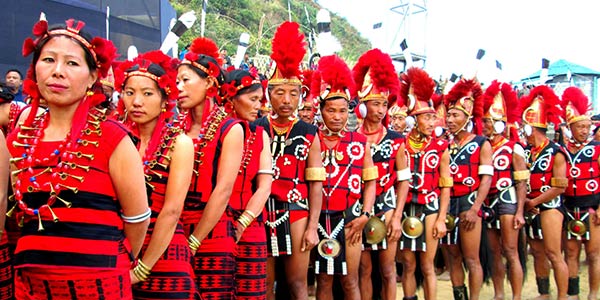
Originated as a purification festival of the Angami tribe in Nagaland. It was traditionally observed to cleanse the body and spirit before the agricultural season. Ritual bathing symbolizes renewal and spiritual purity. Young men participate in traditional ceremonies marking adulthood. The festival strengthens social discipline and tribal customs.
Folk songs and warrior dances reflect ancestral heritage. Community feasts reinforce unity among clan members. Ritual observances preserve moral codes and traditions. Elders guide younger generations through ceremonial rites. Sekrenyi continues to uphold Angami cultural identity.

Mopin Festival
Arunachal Pradesh
Originated as a harvest festival of the Galo tribe in Arunachal Pradesh. Villagers celebrate to seek blessings for prosperity and abundant crops. Ritual offerings are made to appease local deities. Women perform traditional dances in white attire symbolizing purity.
Rice paste is applied as a sign of good fortune. The festival emphasizes happiness and community bonding. Folk music creates a joyful atmosphere. Agricultural gratitude forms the spiritual foundation of the event. Elders narrate tribal myths and legends. Mopin reflects the agrarian lifestyle and faith of the Galo community.
Moatsu Festival
Nagaland
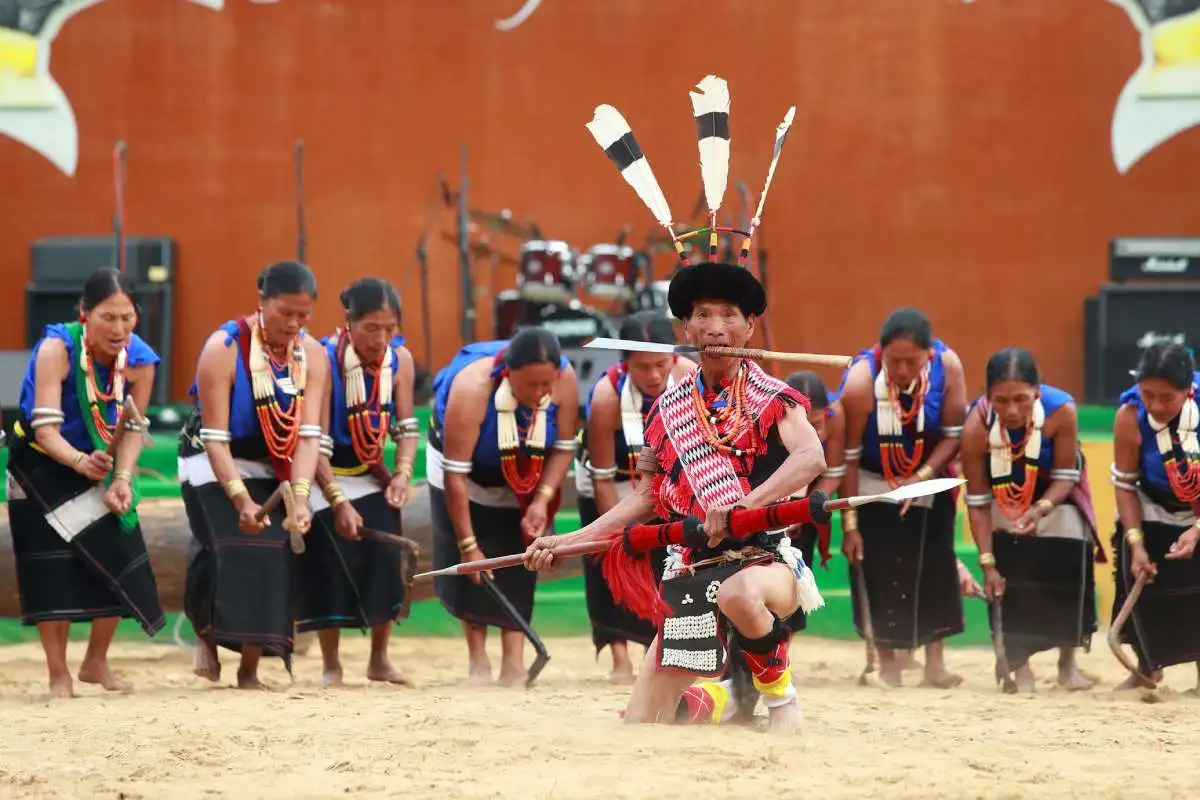
Originated as a post-sowing festival of the Ao tribe in Nagaland. Villagers celebrate after completing agricultural tasks. The festival was started to encourage rest and communal bonding. Ritual fires are lit as symbols of purification.
Traditional songs and dances narrate tribal stories. Community feasts strengthen unity and cooperation. Elders bless the younger generation for prosperity. Cultural competitions showcase traditional skills. The event fosters harmony within villages. Moatsu remains central to Ao tribal culture.

Behdeinkhlam
Meghalaya
Originated as a festival of the Pnar community in Meghalaya. It is celebrated to drive away evil spirits and disease. The name means “chasing away the plague.” Ritual ceremonies invoke divine protection for the community. Decorative wooden structures are carried in processions.
Traditional drum beats create spiritual intensity. The festival strengthens collective faith and hope. Youth participate in symbolic games and rituals. Community prayers emphasize health and prosperity. Behdeinkhlam reflects Meghalaya’s deep-rooted spiritual beliefs.
Ningol Chakouba
Manipur
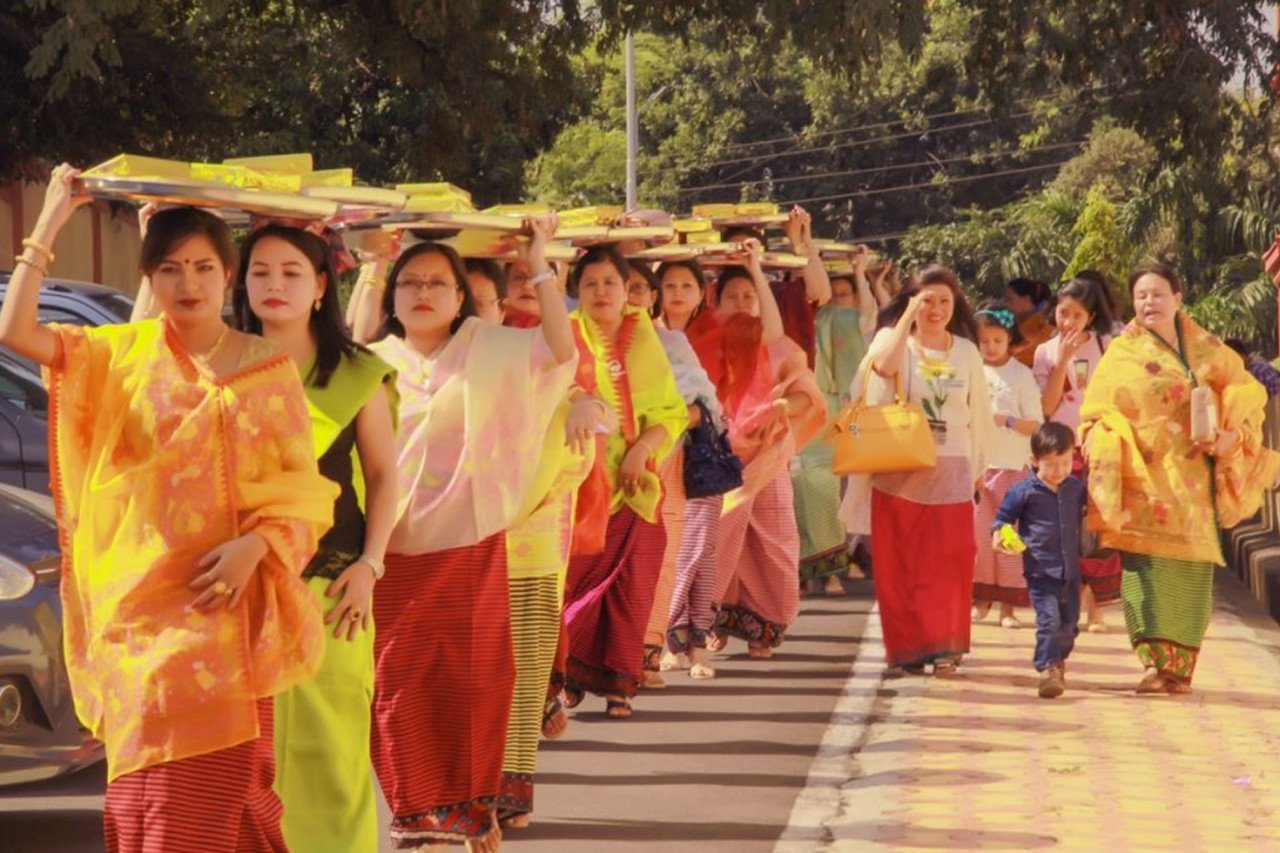
Originated as a family-centered festival in Manipur. It celebrates the bond between married daughters and their parental homes. Brothers invite sisters for a ceremonial feast. The tradition reinforces familial love and unity. Special dishes are prepared to honor visiting daughters. Gifts and blessings strengthen relationships.
The festival emphasizes respect and gratitude. Cultural values are passed through generations. Community participation enhances social harmony. Ningol Chakouba reflects Manipur’s strong family traditions.
Reh Festival
Arunachal Pradesh
Originated among the Idu Mishmi tribe of Arunachal Pradesh. It is celebrated to honor the goddess Nanyi Inyitaya. The festival seeks blessings for prosperity and protection. Ritual offerings and prayers form the spiritual core. Traditional dances and chants preserve tribal heritage.
Elders guide ceremonial proceedings with sacred customs. Community feasts strengthen unity. The festival lasts several days with elaborate rituals. Oral traditions are shared during gatherings. Reh Festival remains central to Idu Mishmi cultural identity.
Andhra Pradesh Blogs
- Andhra Pradesh Cultural guide
- Places to visit in Andhra Pradesh
- Places to visit in Andhra Pradesh
- India’s most popular destination
- India’s archaeological marvels