
North East India’s Famous Music Forms
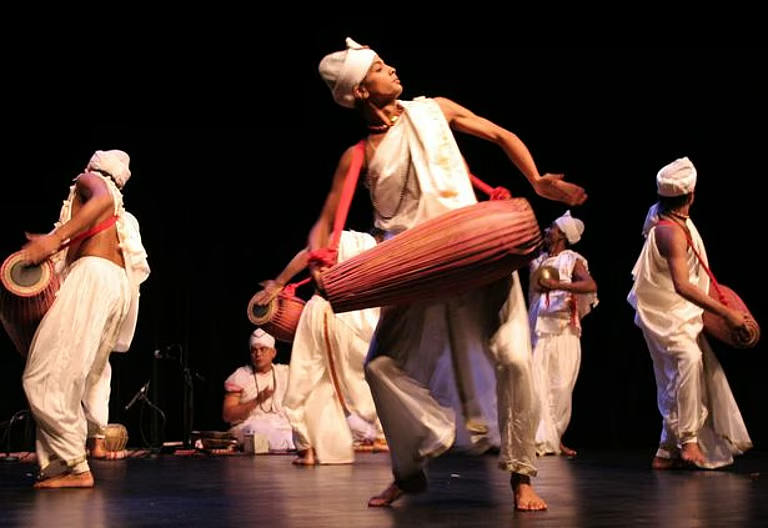
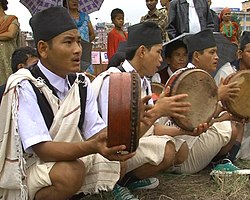
North East India’s famous music forms reflect the region’s rich tribal heritage, deep spiritual traditions, and close connection with nature. Music plays a central role in festivals, harvest celebrations, and community rituals across the eight states. Folk songs, rhythmic drums, bamboo instruments, and devotional chants create a vibrant musical landscape. Many traditions are preserved through oral storytelling and passed down through generations. Together, these music forms showcase the cultural diversity and living heritage of North East India.
Wiki Link: North East India’s Famous Music Forms
Borgeet
Assam
Originated as a devotional music tradition introduced by the saint-scholar Srimanta Sankardev in Assam. It developed as part of the Neo-Vaishnavite movement to spread spiritual teachings. The songs are composed in praise of Lord Krishna and Vishnu. Borgeet follows specific ragas but maintains a distinct Assamese style.
Performances usually take place in Satras and Namghars. The lyrics emphasize devotion, morality, and inner purity. Traditional instruments like khol and taal accompany the singing. The music preserves classical structure with regional flavor.
Zeliang Folk Songs
Nagaland
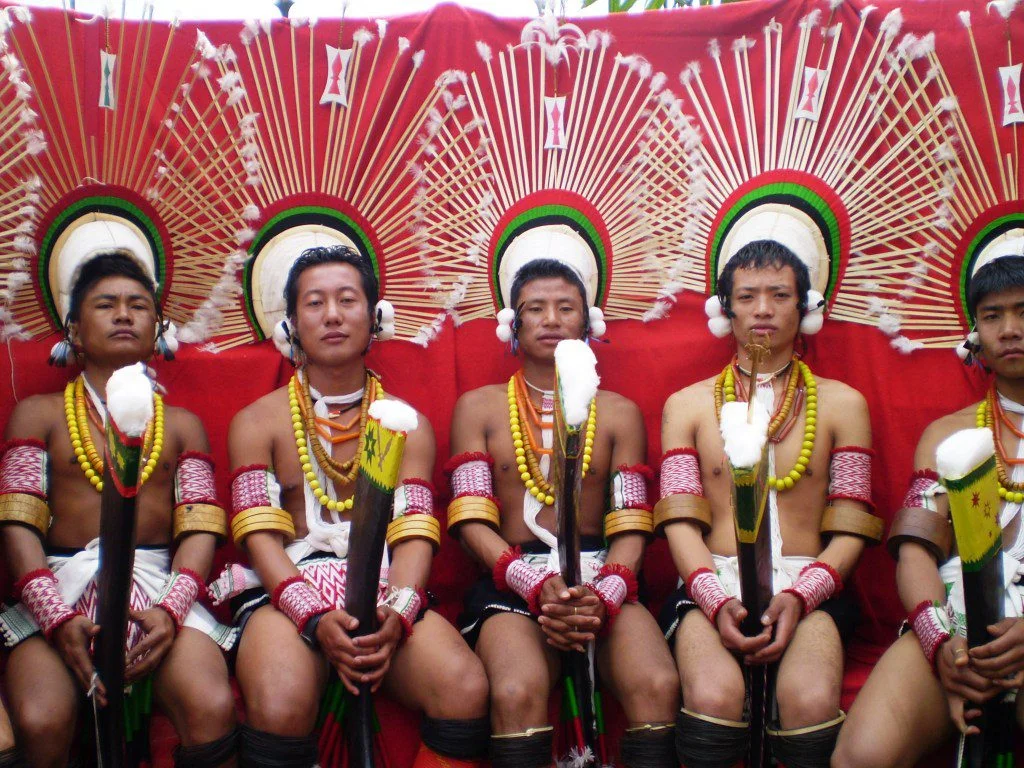
Originated among the Zeliang Naga tribe as part of daily life and celebrations. These songs narrate stories of bravery, love, and agricultural traditions. The music developed as an oral tradition passed through generations. Group singing strengthens community bonding. Rhythmic chants often accompany festivals and rituals.
Lyrics preserve tribal history and moral values. Traditional log drums provide powerful beats. Songs are performed during harvests and warrior ceremonies. Elders teach younger members through performance. Zeliang folk music reflects Nagaland’s strong tribal identity.

Khasi Folk Music
Meghalaya
Originated among the Khasi tribe of Meghalaya as an expression of nature worship and community life. Songs are closely linked to seasonal festivals and rituals. The music reflects themes of love, respect for nature, and ancestral reverence. Traditional instruments like duitara and drums support performances.
The melodies are simple yet emotionally expressive. Community participation is central to performances. Oral storytelling strengthens cultural preservation. The music accompanies dances and ceremonies. Lyrics often highlight harmony with the environment.
Mizo Folk Songs
Mizoram
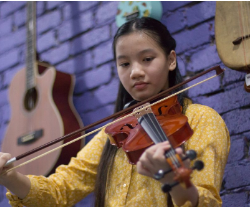
Developed as a way to document history, bravery, and social values. The songs originated within clans and were sung during festivals and community gatherings. Themes include love, heroism, and agricultural life. Traditional bamboo instruments create distinctive rhythms. The music often accompanies Cheraw and other dances.
Oral transmission preserved the lyrical tradition. Songs strengthen unity among villagers. Performers emphasize storytelling through melody. Cultural pride is reflected in each performance. Mizo folk music continues to define Mizoram’s identity.
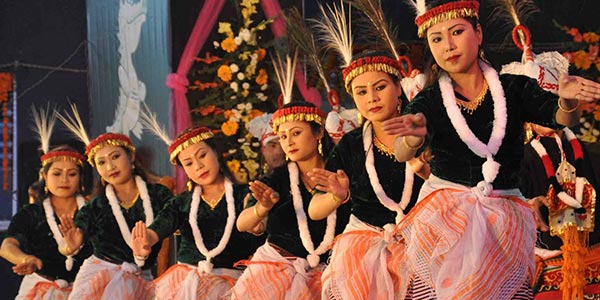
Lai Haraoba Music
Manipur
Originated as part of the Lai Haraoba festival dedicated to local deities in Manipur. It developed as a ritualistic musical tradition within the Meitei community. The music accompanies sacred dances and ceremonial performances. Pena, a traditional string instrument, plays a central role. Songs narrate creation myths and ancestral stories. Ritual precision guides musical structure.
The performance seeks divine blessings and harmony. Priests and performers maintain sacred customs. Oral transmission preserves its spiritual depth. Lai Haraoba music reflects Manipur’s ancient religious traditions.

Apatani Folk Songs
Arunachal Pradesh
Originated among the Apatani tribe as part of agricultural and social life. The songs developed to accompany festivals like Dree. Lyrics narrate myths, legends, and community values. Group singing strengthens tribal unity. Rhythmic chanting creates a spiritual atmosphere. The music reflects gratitude for nature’s blessings.
Oral traditions ensure continuity across generations. Elders guide ceremonial performances. Songs are deeply connected to rituals and prayers. Apatani folk music remains vital to Arunachal’s tribal heritage.
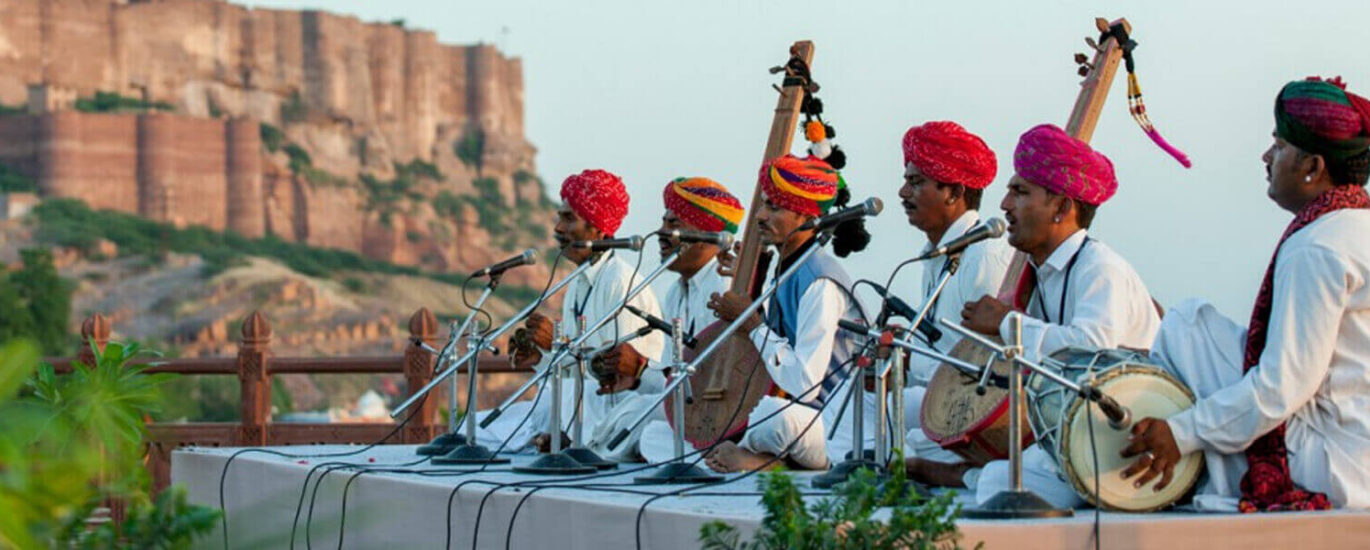
Garo Folk Music
Meghalaya
Originated within the Garo tribe as a reflection of agricultural traditions. Songs are performed during Wangala and harvest celebrations. The music praises the Sun God and nature’s abundance. Traditional drums called Dama provide rhythmic foundation. Performers sing in chorus to strengthen unity.
Lyrics preserve folklore and ancestral wisdom. Community gatherings highlight collective identity. The melodies are lively and celebratory. Ritual elements add spiritual depth. Garo folk music represents Meghalaya’s vibrant tribal culture.
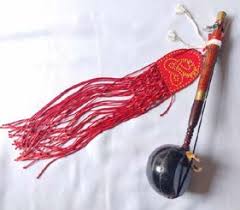
Pena Music
Manipur
Originated as an ancient traditional music form of the Meitei community in Manipur. It is centered around the “Pena,” a single-stringed bowed instrument. The music developed as part of religious rituals and royal court performances. Pena players narrate mythological stories and ancestral legends through melodic chanting.
The sound of the instrument creates a deeply emotional and spiritual atmosphere. Performances often accompany Lai Haraoba festivals. The tradition requires years of disciplined training. Oral transmission preserves its sacred techniques. The music reflects devotion, history, and identity.
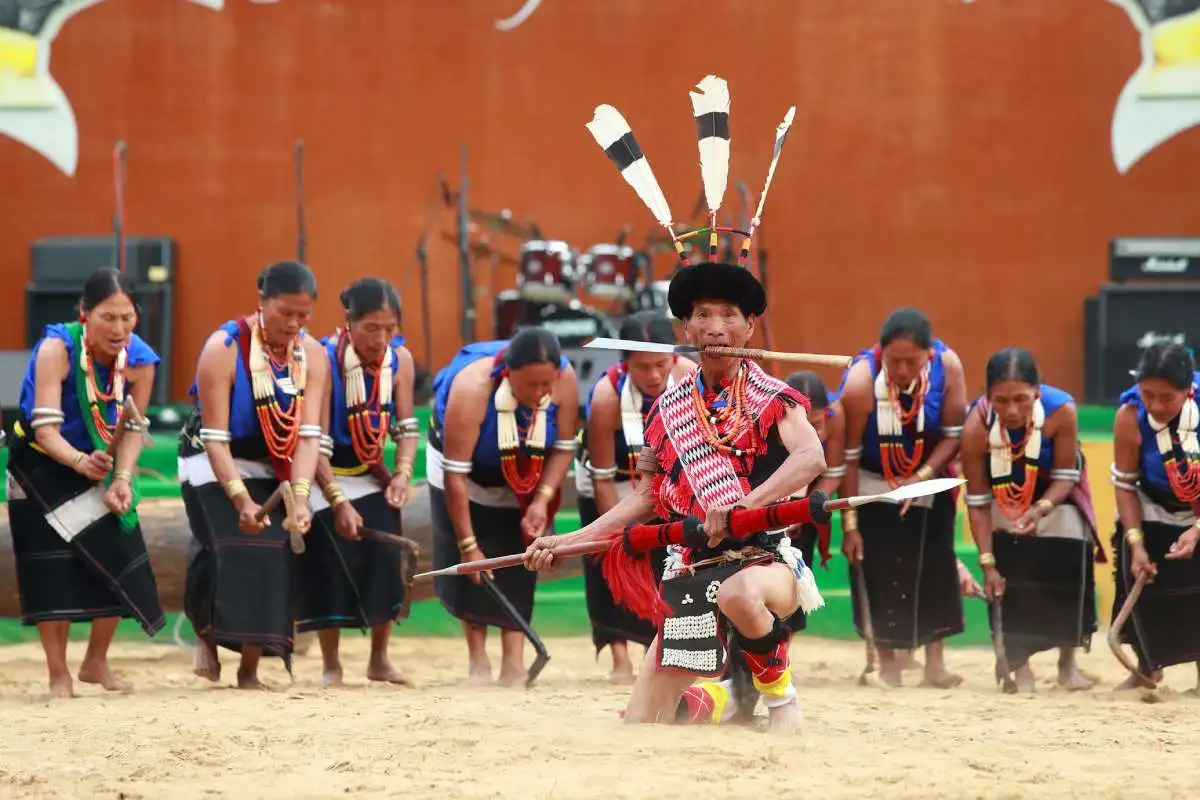
Ao Naga Folk Songs
Nagaland
Originated among the Ao tribe as expressions of daily life and warrior culture. These songs were traditionally sung during agricultural work and festivals. Lyrics narrate heroic tales, clan history, and love stories. Group singing strengthens unity and collective pride. Log drums provide deep rhythmic accompaniment.
The songs preserve oral history and tribal values. Performances often take place during Moatsu festival. Elders pass down melodies to younger generations. The music emphasizes bravery and harmony. Ao Naga folk songs reflect the rich heritage of Nagaland’s tribal communities.
Tripuri Folk Music
Tripura
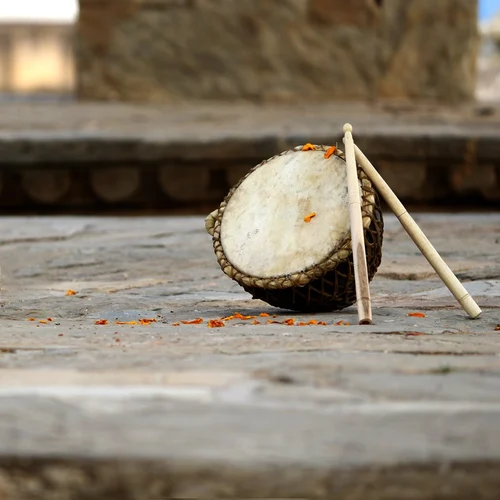
Developed among the indigenous Tripuri tribes as part of ritual and social celebrations. Songs are performed during Garia and other harvest festivals. The music expresses gratitude for prosperity and fertility. Traditional instruments like sumui (flute) and kham (drum) create lively rhythms. Performers sing in groups to enhance festive spirit.
Lyrics often highlight agricultural life and ancestral blessings. Oral tradition ensures continuity across generations. Community participation strengthens cultural identity. The melodies are simple yet vibrant. Tripuri folk music remains central to Tripura’s indigenous heritage.

Nocte Folk Songs
Arunachal Pradesh
Originated among the Nocte tribe as part of harvest and warrior traditions. These songs developed as an oral storytelling practice. Lyrics narrate migration stories and tribal legends. Group performances foster unity within villages. Drums and rhythmic chanting accompany celebrations. Songs are sung during Chalo festival and communal gatherings.
Elders guide ceremonial singing with sacred customs. The music reflects gratitude toward nature. Oral preservation maintains authenticity. Nocte folk music represents Arunachal’s diverse tribal culture.
Lepcha Folk Music
Sikkim
Originated among the Lepcha community, one of Sikkim’s indigenous groups. The songs developed as expressions of nature worship and mountain reverence. Lyrics reflect respect for rivers, forests, and ancestors. Traditional instruments like flute and drums accompany performances. The music plays a role in religious ceremonies and festivals.
Oral storytelling preserves cultural wisdom. Performers emphasize harmony with the environment. Community gatherings strengthen social bonds. The melodies are soft and spiritually uplifting. Lepcha folk music reflects Sikkim’s Himalayan identity.
Dimasa Folk Songs
Assam
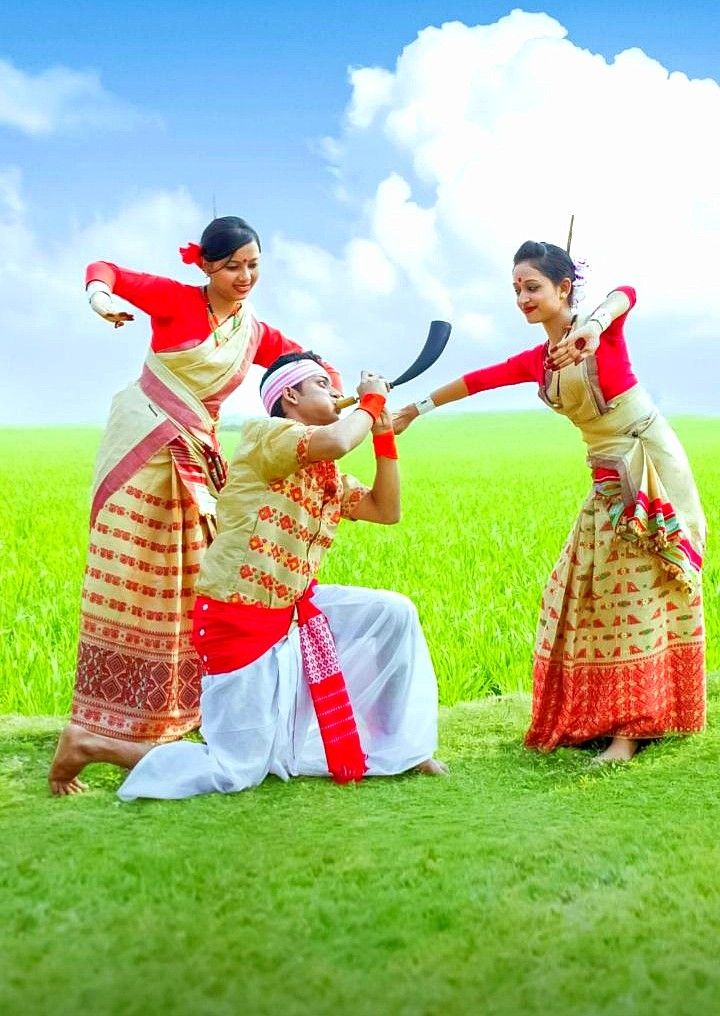
Originated among the Dimasa tribe as part of agricultural and social life. The songs developed to accompany harvest celebrations and rituals. Lyrics narrate clan history and ancestral stories. Traditional drums provide rhythmic structure.
Group singing strengthens unity and shared identity. Performances take place during festivals like Busu Dima. The music preserves oral history and tribal customs. Elders ensure transmission to younger generations. The melodies reflect joy and gratitude. Dimasa folk music remains an essential part of Assam’s tribal heritage.
Rabha Folk Music
Assam & Meghalaya
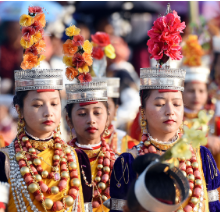
Originated within the Rabha tribal community of Assam and Meghalaya. Songs developed around agricultural cycles and spiritual beliefs. Lyrics praise nature, deities, and community life. Traditional percussion instruments create rhythmic patterns.
Performances often accompany Baikho festival. Group participation strengthens unity. Oral tradition ensures cultural continuity. The music reflects gratitude for harvest and prosperity. Community gatherings keep traditions alive. Rabha folk music showcases the region’s indigenous diversity.
Andhra Pradesh Blogs
- Andhra Pradesh Cultural guide
- Places to visit in Andhra Pradesh
- Places to visit in Andhra Pradesh
- India’s most popular destination
- India’s archaeological marvels