
Northeast India's Famous Bird and Wildlife Sanctuary

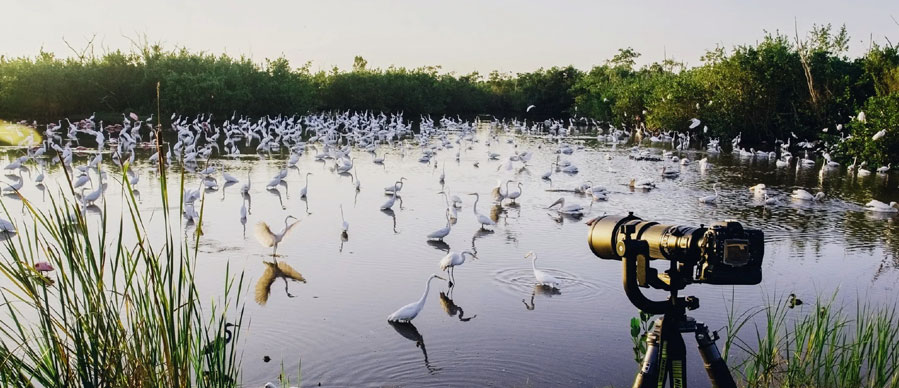
Northeast India’s Famous Bird and Wildlife Sanctuary is a paradise for nature enthusiasts, where dense forests, mist-covered valleys, and crystal-clear rivers create an ideal haven for wildlife and birds. The region is home to some of India’s most pristine sanctuaries that protect a wide variety of flora and fauna, from rare migratory birds to endangered species. These sanctuaries are not just biodiversity hotspots but also offer a serene escape for travelers seeking to reconnect with nature
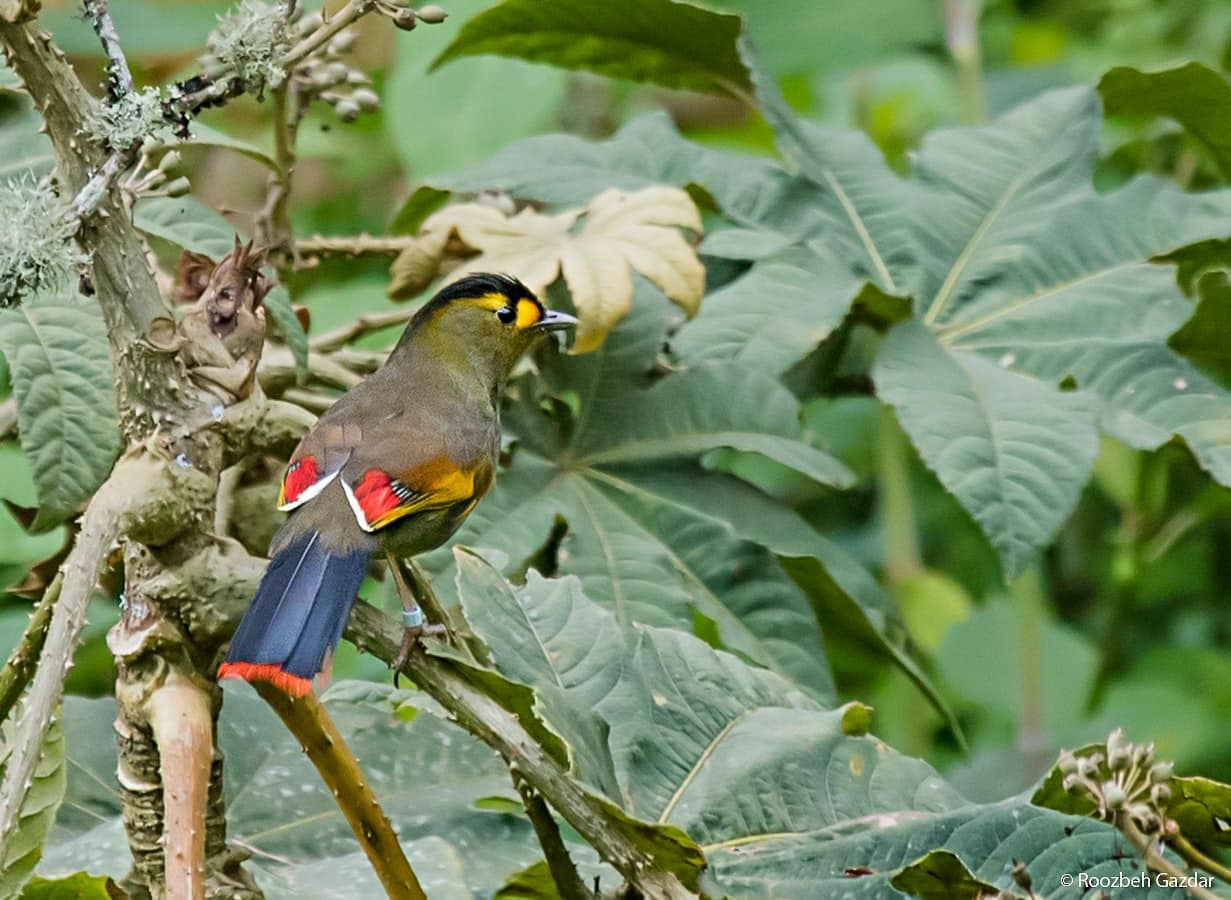
Eaglenest Wildlife Sanctuary
West Kameng, Arunachal Pradesh
Eaglenest Wildlife Sanctuary sprawls over about 217 sq km in the eastern Himalaya biodiversity hotspot. It is famed for bird‑watching, with at least, 454 species recorded. Best for ‑photographers, adventurous trekkers, and those wanting to experience a wild, little-trodden Himalayan forest. The mix of altitude, forest types, and species makes it exceptional. Visit from November to March for the best weather and birding

Nameri National Park
Tezpur, Assam
Nameri covers approximately 212 sq km of semi‑evergreen and moist deciduous forest and borders Arunachal Pradesh. It is a bird‑lover’s paradise – over 300–350 species recorded, including rare hornbills, the endangered white‑winged wood duck and the ibisbill along its river valleys. Rare mix of rich bird‑life with large mammal fauna in an accessible Assam forest; relatively less tourist‑pressure compared to bigger parks.
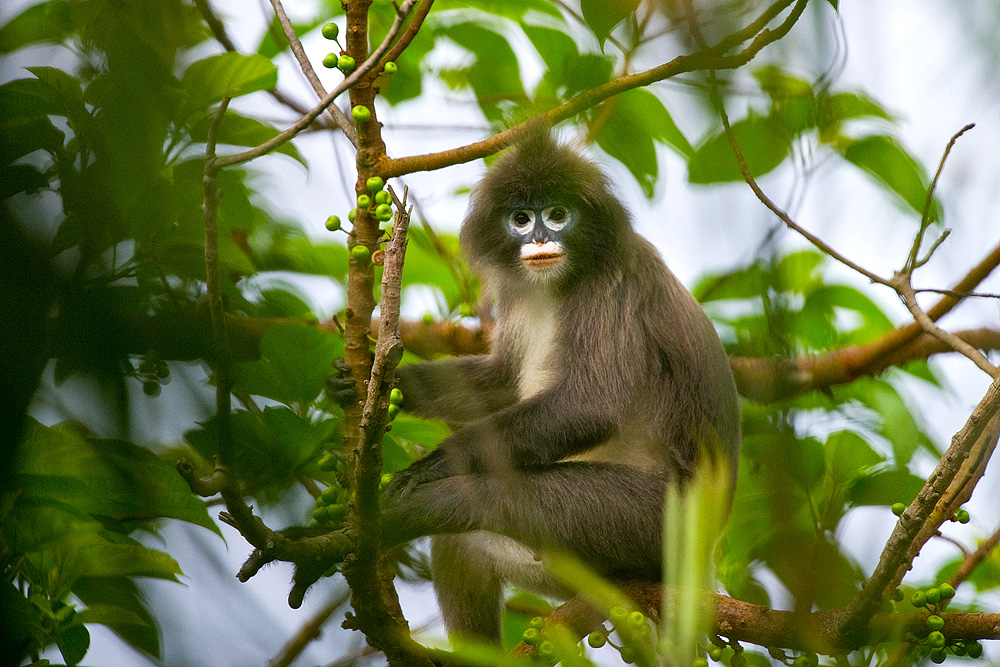
Gumti Wildlife Sanctuary
Tripura
Gumti Wildlife Sanctuary spans ~389.5 sq km of semi‑evergreen and deciduous forest and includes a large reservoir/waterbody. A great mix of forest safari, bird‑watching by waterbody, little‑known Tripura destination with unique biodiversity. The water‑body adjacent to forest makes it one of the rarer sanctuaries combining aquatic and terrestrial wildlife in Northeast India.
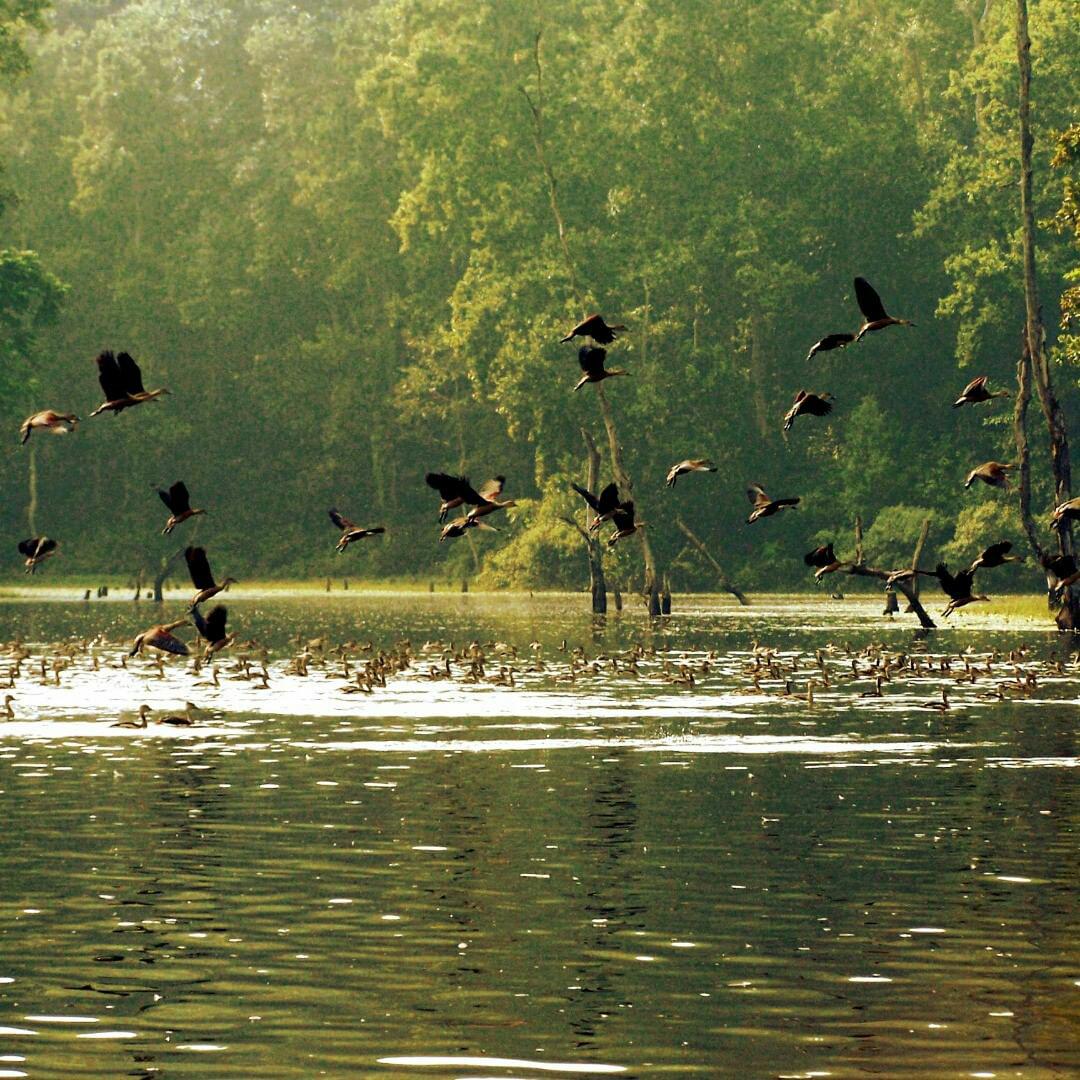
Sepahijala Wildlife Sanctuary
Agartala
Sepahijala Wildlife Sanctuary covers around 18.5 sq km and combines wildlife, avifauna and botanical interest. It accessible for a nature‑day trip; good blend of forest, lake, zoo/enclosures, and bird‑watching. Artificial lake with boating, botanical garden, zoo/primate section including clouded leopard enclosure, picnic setting. For Tripura, this is one of the top wildlife destinations; a mix of primate spotting + bird‑watching + easy access.

Rowa Wildlife Sanctuary
Panisagar, North Tripura
Rowa Wildlife Sanctuary is a small sanctuary tucked into hill‑forest, primarily known for its birds. More than 60 species of birds, including hornbills, barbets, and other forest birds, are reported. It’s Forest trails through semi‑evergreen and bamboo groves, early‑morning walks for birds, scenic hill‑views. It’s Compact size makes it suitable for educational trips, beginner nature tours and bird‑watching for novices.

Lengteng Wildlife Sanctuary
Saitual, Mizoram
Lengteng Wildlife Sanctuary covers about 120 km² and includes Mizoram’s second‑highest peak. This place is a Remote and less‑frequented sanctuary in Mizoram, ideal for those looking to explore forests off the beaten path, with bird‑rich alpine‑forest habitat. We can do Trekking to Lengteng peak, forest walks, spotting rare pheasant & primates, and experiencing high‑altitude forest in the Northeast. The rare birds and primates, gives this sanctuary high conservation value.

Siju Wildlife Sanctuary
South Garo Hills, Meghalaya
Siju was the first wildlife sanctuary in the state (established 1979) and is also known as Siju Bird Sanctuary because of its avifauna. This is a forested sanctuary in Meghalaya that offers a combined mammal and bird-watching opportunity in the Garo Hills, somewhat less commercialized.
Famous for Bird‑watching early morning, spotting gibbons in the canopy, forest walks through limestone forest, quiet natural setting. One of Meghalaya’s earliest protected areas with both avifauna and mammal presence; ideal for nature tourism in the Garo hills.

Hoollongapar Gibbon Wildlife Sanctuary
Jorhat, Assam
Hoollongapar Gibbon Wildlife Sanctuary is a compact protected patch of ~20.98 sq km amid tea garden surroundings and one of the few places in India to spot the only ape species, the hoolock gibbon. In addition to gibbons and slow loris (nocturnal primates), forest mammals and rich bird‑life make it important. We can do Canopy walks, spot gibbons in the early morning, and bird‑watching groups.
Manas National Park
Assam
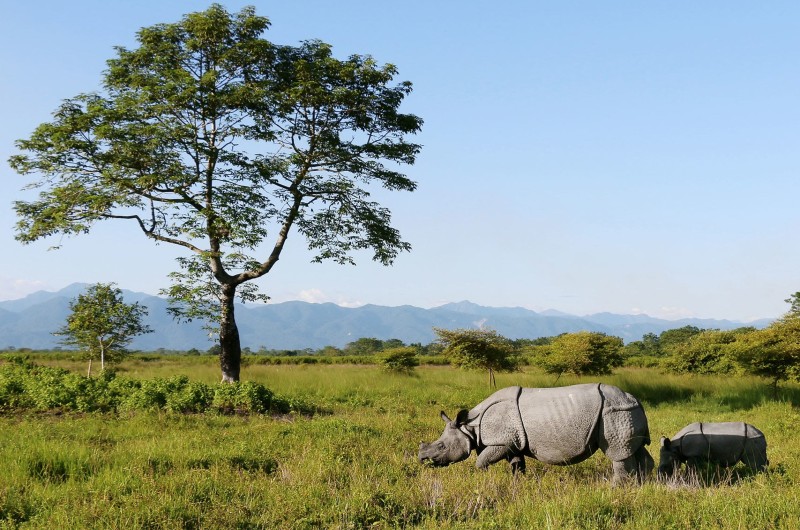
Though titled a national park, we include it for its wildlife sanctuary which is also a UNESCO World Heritage site and Biosphere Reserve. Home to endangered species like the pygmy hog, golden langur, Indian rhinoceros, wild water buffalo, tiger, elephants, and rich bird. Over 450 bird species recorded; the grassland‑bird survey found 43 species, including critically endangered ones. We can do Jeep safaris, elephant rides, river rafting, bird‑watching, grassland exploration, and nature lodges.

Keibul Lamjao National Park
Manipur
On Loktak Lake in Manipur, this floating‑island national park is famed as the world’s only floating wildlife park and the last natural habitat of the endangered Brow‑Antlered Deer. Along with the mammals, many water birds and migratory birds visit here. We can have a boat ride on Loktak Lake, spotting Sangai deer, birds on wetland margins, and marsh scenery. This is the only floating‑ecosystem park of this kind; fragile and very special in Northeast India.
Dibru‑Saikhowa National Park
Assam
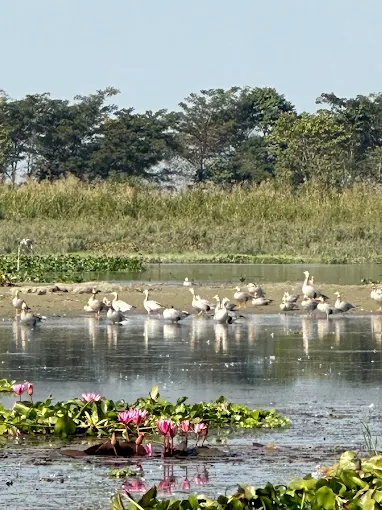
This park & biosphere reserve comprises river‑island forests and wetlands – one of India’s major bird sanctuaries. Hosts endangered species such as white‑winged wood duck, lesser & greater adjutant storks, and many rare water‑birds. Perfect for bird‑watching in wetlands and forest mergers, tranquil jungle boat‑rides, and river‑scapes. This has rare forest‑wetland mix; migratory & resident birds in large number; less disrupted by mass‑tourism.
Kaziranga National Park
Assam
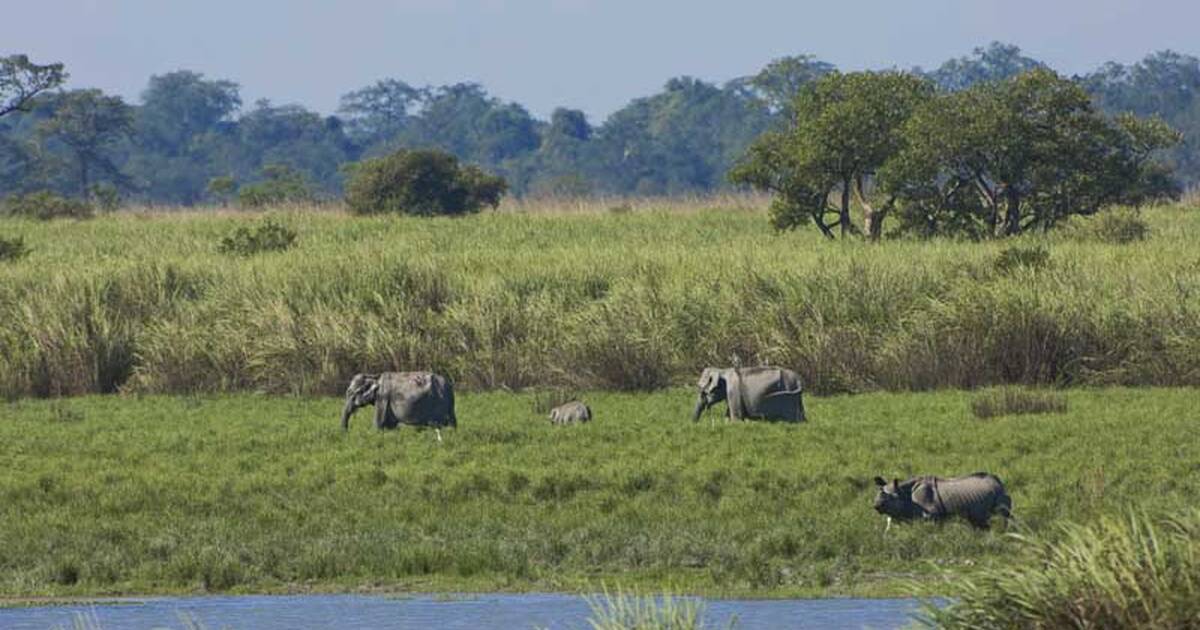
Kaziranga National Park is a UNESCO World Heritage Site and home to over two‑thirds of the world’s one‑horned rhinoceros. We can experience Classic Indian wildlife experience combining mega‑fauna and avifauna in a beautiful floodplain forest–grassland mosaic. We can do Elephant safari early morning, bird‑watching from watch‑towers, jeep drives in grasslands, scenic sunrise/sunset across rhino habitats.
Manipur Zoological Park
Manipur
Though technically a zoological parks & wildlife region around the lake, the surrounding wetland & forest habitats of Loktak Lake in Manipur support rich bird‑life and animal species, including Sangai deer, water‑birds, and marsh ecosystems. For its significance as a wetland‑wildlife sanctuary type area in NE India, adding diversity of ecosystems, floating islands + birds + mammals.

Trishna Wildlife Sanctuary
South Tripura
Trishna Wildlife Sanctuary is known for its Indian gaur (bison) population and for being one of Tripura’s key wildlife zones. It’s a less crowded, peaceful forest trail, good for spotting large herbivores in the lush greenery of southern Tripura. We can do nature trails, bison‑spotting, bird‑watching, and eco‑tourism zones including boat rides.
Kamlang Wildlife Sanctuary
Changlang, Arunachal Pradesh
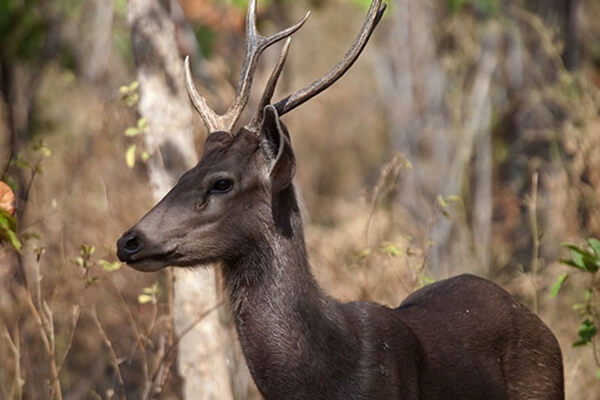
Kamlang Wildlife Sanctuary covers a large area of tropical evergreen forest, river valleys, and is known for elephants, hornbills, primates, and birds. Best for those wishing to explore further‑off‑beat sanctuaries in Northeast India, this offers a remote jungle experience with birds + mammals.
Best because of its remoteness, plan logistics carefully; stay in eco‑lodges or forest camps. You can be experienced travelers, off‑beat nature‑seekers, or bird‑watchers willing to go remote.

Andhra Pradesh Blogs
- Andhra Pradesh Cultural guide
- Places to visit in Andhra Pradesh
- Places to visit in Andhra Pradesh
- India’s most popular destination
- India’s archaeological marvels