
NorthEast India's Famous Hill Stations
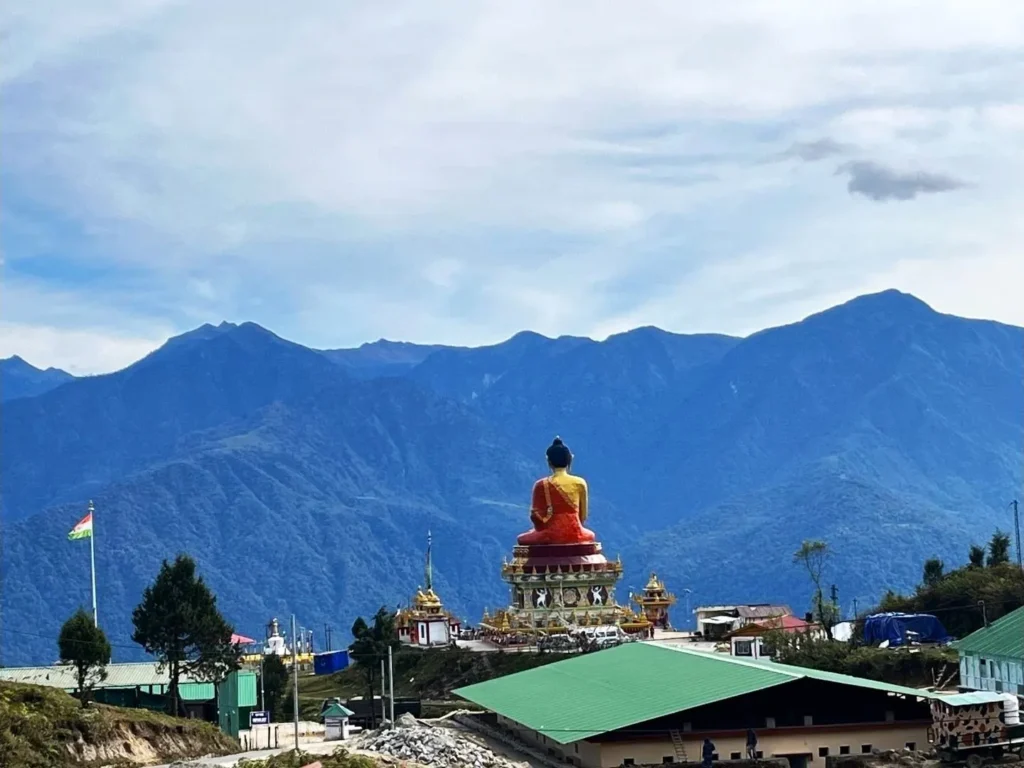
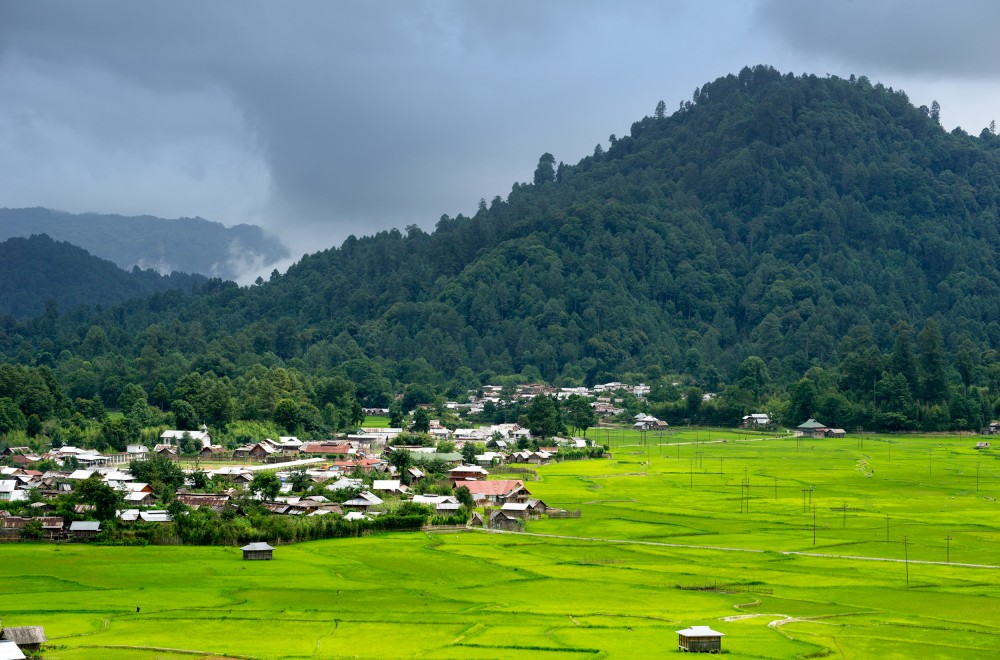
The hill stations of Northeast India are like nature’s hidden retreats, nestled amidst mist-covered valleys, rolling mountains, and evergreen forests. Each destination offers a unique blend of scenic beauty, serenity, and vibrant local culture. From tranquil lakes and tea-clad slopes to ancient monasteries and cozy wooden cottages, these places promise peace and adventure.
Shillong
Meghalaya
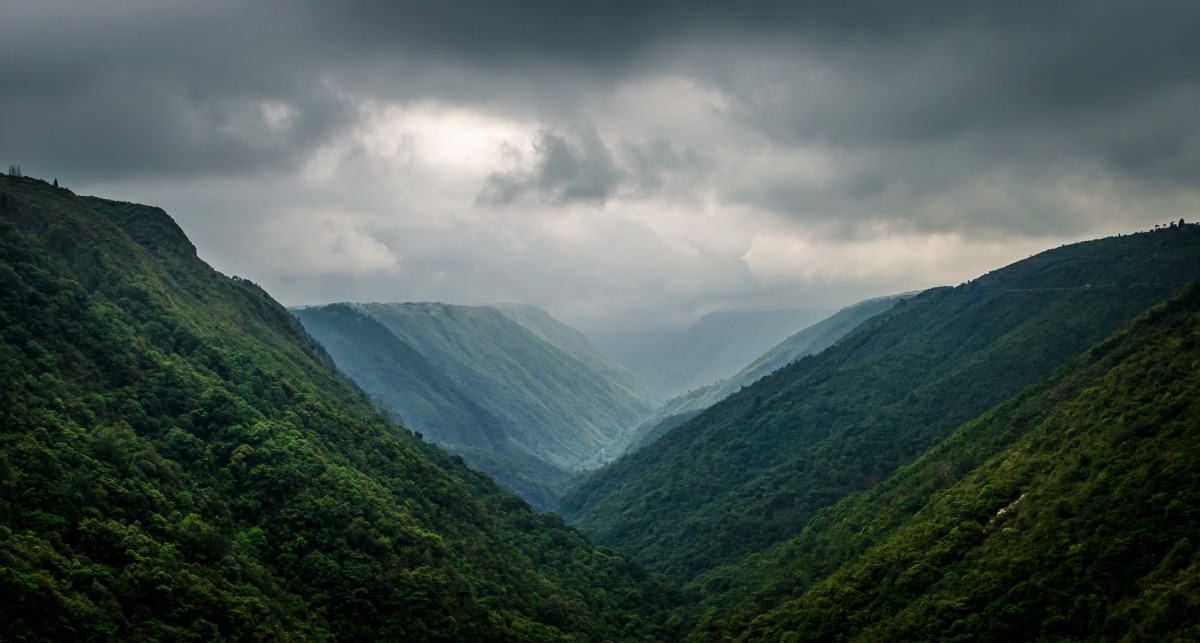
Shillong, also known as the “Scotland of the East,” it is blessed with rolling green hills, pine-covered slopes, and a cool mountain climate that offers respite from the plains. Visitors come for the blend of nature, culture, and relaxed pace whether exploring forest trails, listening to local rock bands, or simply soaking in the vistas. The specialty is its mix of hill-station charm with hill-town energy
The best time to visit Shillong is from October to March, when the weather is clear and dry, with good visibility of the hills and lakes.
Cherrapunji
Meghalaya
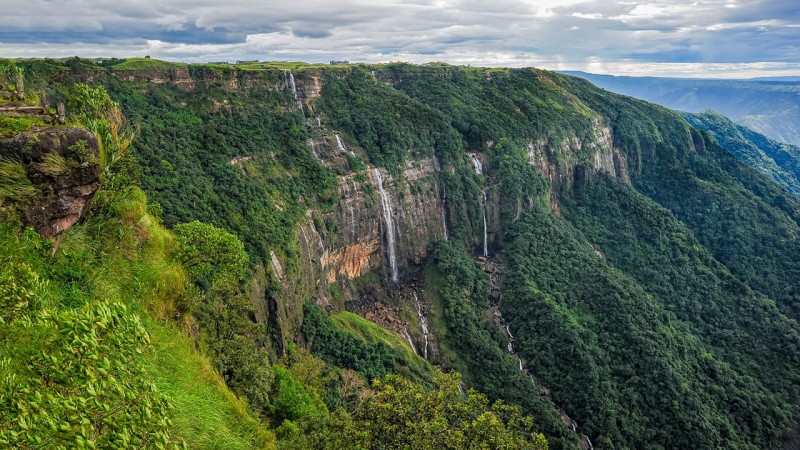
Situated in Meghalaya, Cherrapunji (also called Sohra) is one of the wettest places on Earth, its green hills, deep gorges, living‐root bridges and heavy rainfall give it a unique character. It’s perfect for travellers seeking wild nature, adventurous walks, and off‐beat sightseeing rather than conventional resort comfort. Its specialty lies in the fact that every corner seems drenched in green and mist, offering an immersive forest-hill experience.
The best time to visit is October through March for clearer weather; though the monsoon (June–September) has maximum water flow and dramatic vistas, heavy rain may hinder movement.
Tawang
Arunachal Pradesh
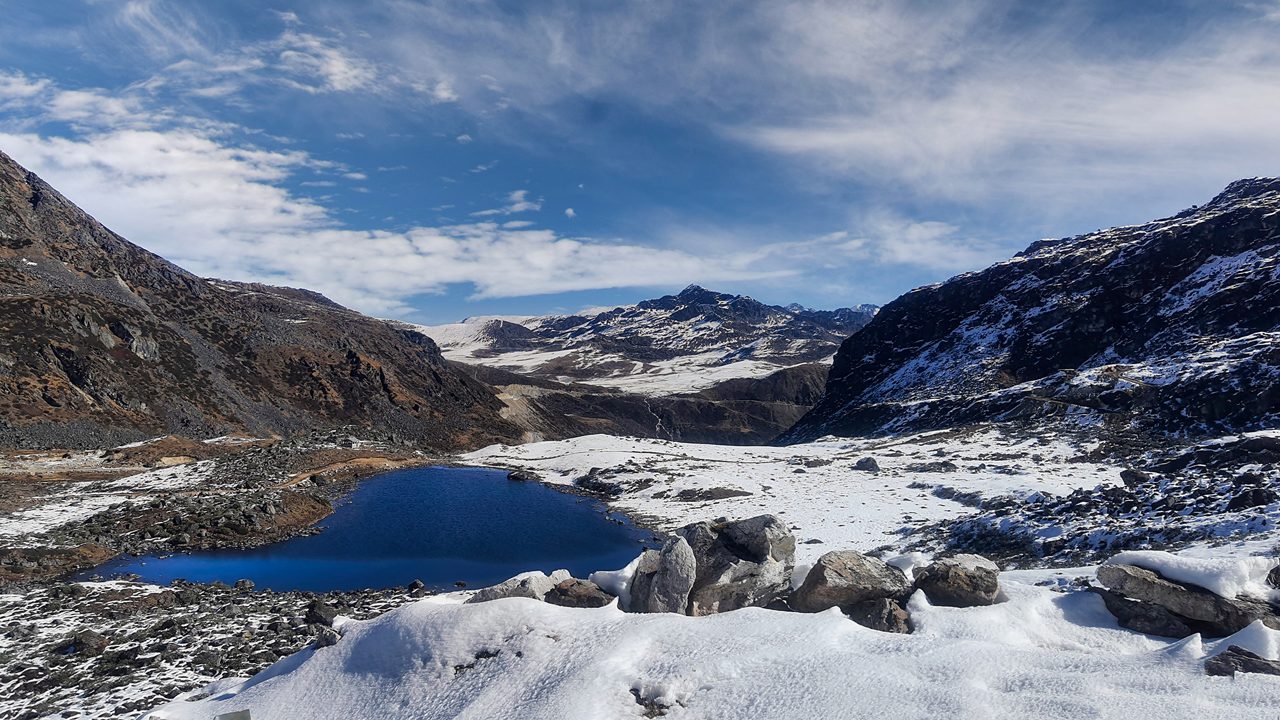
Tawang is a high-altitude hill station with dramatic Himalayan vistas, Buddhist monasteries and remote valleys. Highlights include ancient monasteries perched on hillsides, panoramic views of snow‐capped peaks, tranquil high‐altitude lakes, and a pure mountain ambience far from the mainstream. Tourists must visit for the contrast: deep cultural roots, Himalayan scale terrain, and the sense of being among the “roof of India.
Best time to visit is April to June (for access and views before monsoon) and September to October (post‐monsoon, clear skies). Winter (November onward) may face snow and restricted access.
Gangtok
Sikkim
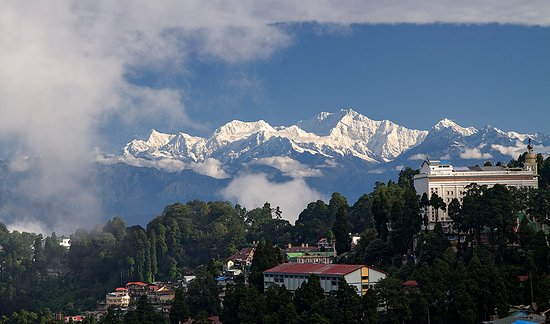
Gangtok is a hill-station city combining urban convenience with hill-station tranquillity. From panoramic views of the mighty Kangchenjunga range, cable-cars, monasteries, tea gardens, to vibrant streets, Gangtok offers both nature and culture. You get easy access, good infrastructure, spectacular mountain backdrop, and many adjacent excursions
Best time to visit is March to June (pleasant weather, clear mountain views) and September to November (post-monsoon, clear skies and fewer clouds). Avoid heavy monsoon period (July–August) when rains may hamper outdoor plans.
Haflong
Assam
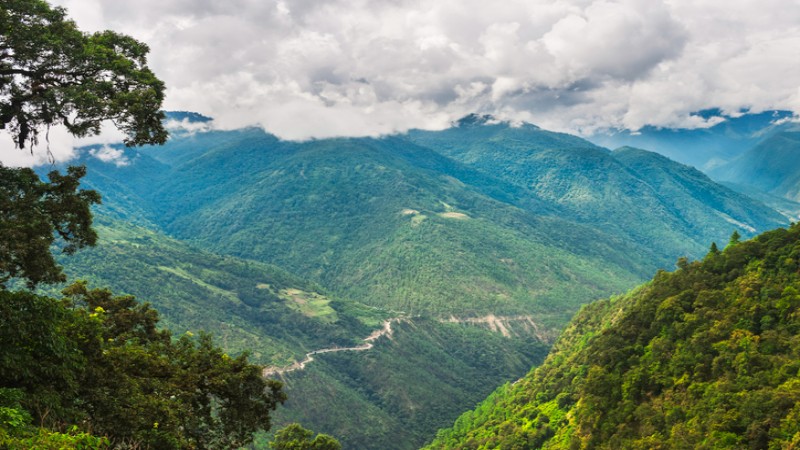
Haflong is Assam’s only recognised hill station, set amidst blue hills and natural beauty in the Dima Hasao region. With its tranquil lakes, panoramic ridges, orchids, and tribal culture, it offers a slower, quieter escape compared to more commercialized hill stations. It’s especially attractive for nature lovers who want to avoid crowds, and for those interested in local culture and peaceful hill-station ambience.
Best time to visit is October to March for comfortable weather; the monsoon (June–September) will fill the landscapes but rain may affect travel.
Ziro Valley
Arunachal Pradesh
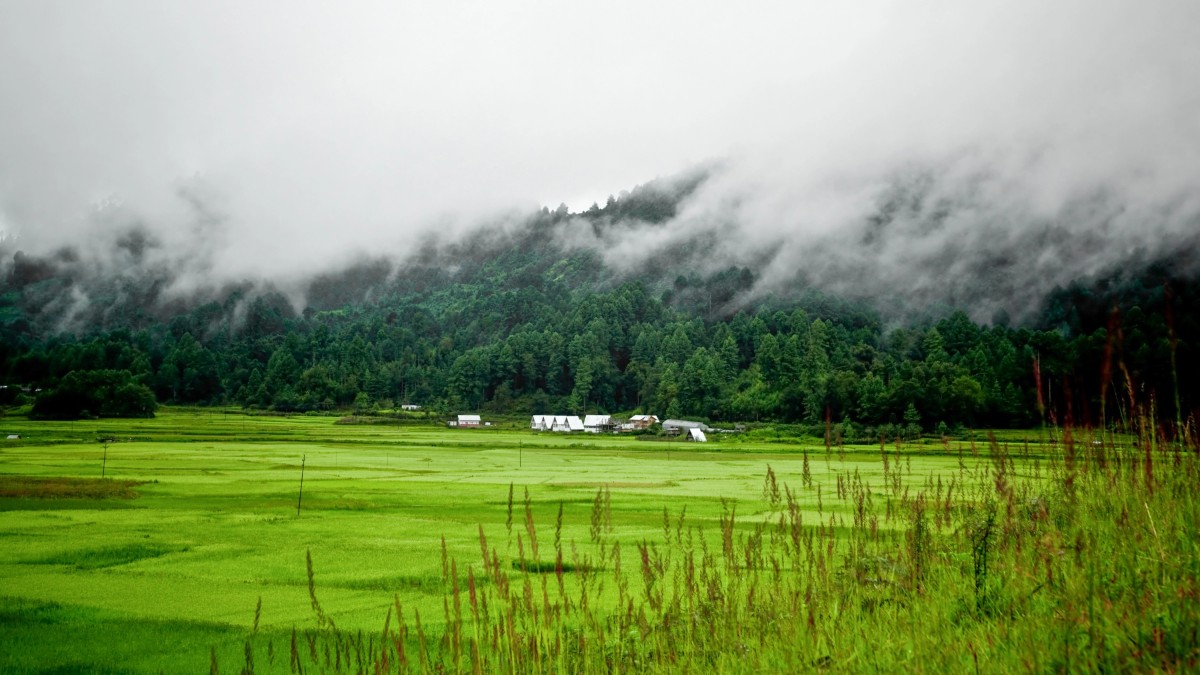
Ziro Valley is a lush hill-station style region famous for its terraced rice-fields, pine forests, the native Apatani tribe, and gentle hills rather than sharp peaks. The blend of agriculture + hill scenery + tribal culture, open-space valleys, calm pace, and less-crowded vibe. Tourists must visit if they want to combine natural scenery with authentic culture, long scenic walks, and a slower-paced hill experience.
Best time to visit: April to June (before heavy monsoon) and September to October (post-monsoon, when fields are green, skies clearer). Monsoon months may bring heavy rain and mild disruptions.
Aizawl
Mizoram
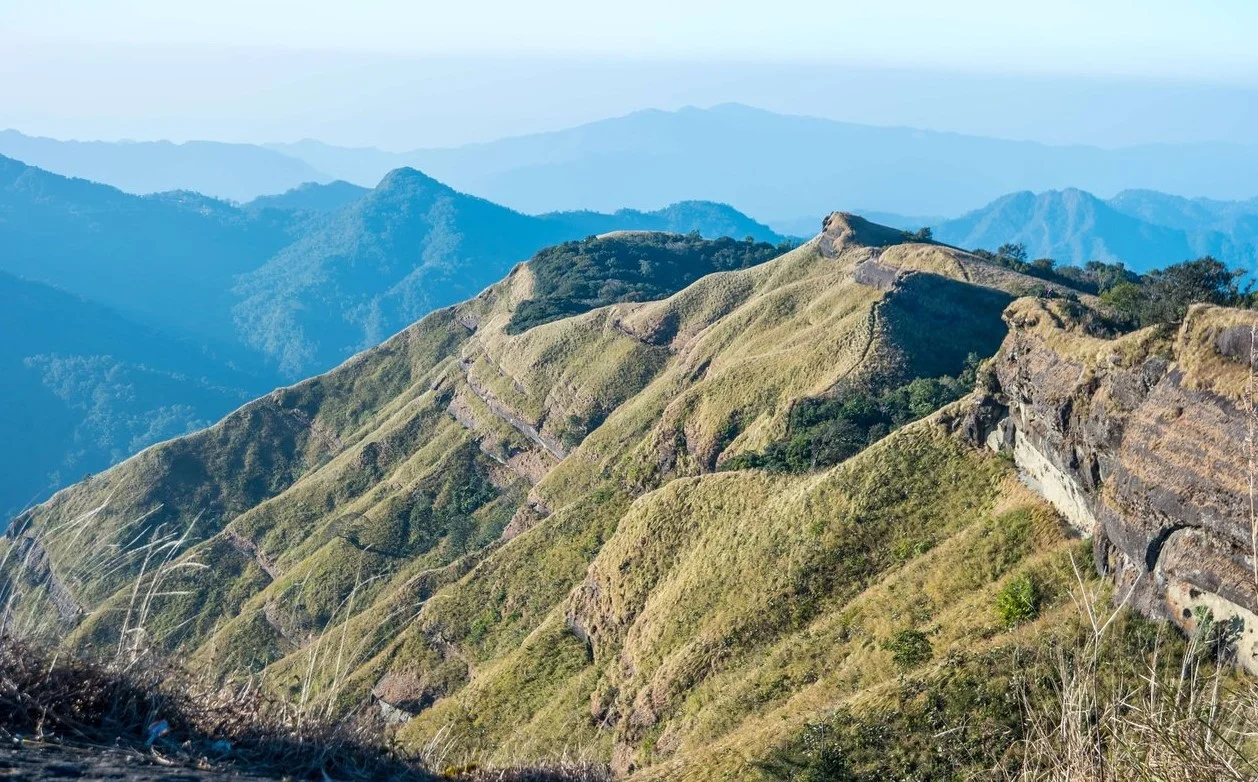
Aizawl, the capital of Mizoram, perched on steep ridges at about 1,132 metres, is a hill-station city offering panoramic views of surrounding valleys, vibrant tribal culture, and relaxed pace. The speciality lies in visiting a lesser-known hill-station capital with authentic culture and relative tranquillity compared to mainstream hill resorts.
Best time to visit: October to March, when the weather is cool and stable. The monsoon-period (June–September) brings rain, which while lush may restrict some outdoor activity.
Bomdila
Arunachal Pradesh
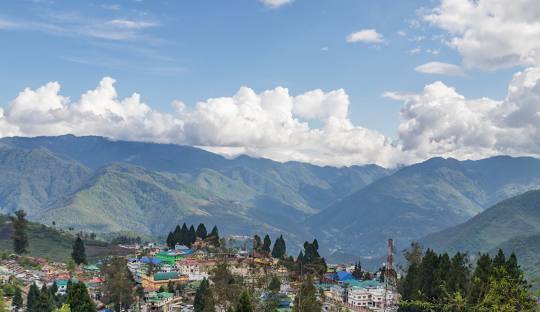
Bomdila is a lesser-visited hill station in Arunachal Pradesh, sitting in the mid-Himalayan zone, with panoramic Himalayan views, apple orchards, Buddhist monasteries and cool weather. It appeals to travelers seeking quiet, nature, culture (monasteries, local tribal life) and scenic hill station ambience without heavy tourist traffic.
Best time to visit: March to May for pleasant weather and clear views, and September to early October for post-monsoon clarity. Winter may bring cold; monsoon has rain.
Jowai
Meghalaya
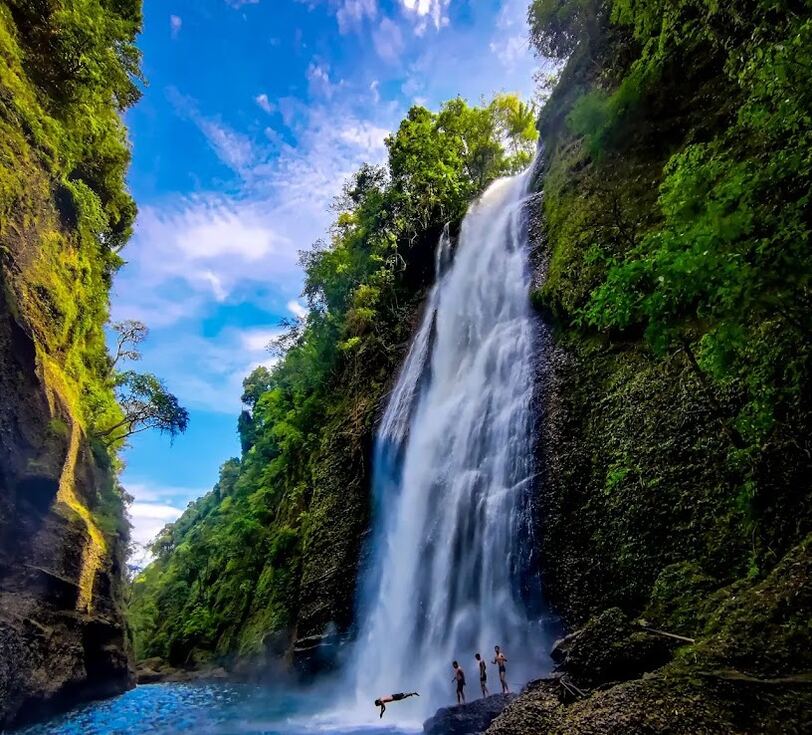
Jowai, in Meghalaya, is a hill-station style town set amidst hills, waterfalls and tribal culture of the Pnar tribe. It offers lush green hills, less crowded ambiance, scenic lakes and waterfalls nearby, and an insight into local tribal traditions. Visitors come here for peaceful hills, nature trails, waterfalls and a gentler pace. The specialty is that it stays off the mainstream, yet offers a beautiful nature and cultural experience.
Best time to visit: October to March, when weather is comfortable; the rainy season (June–September) gives lush surroundings but may affect mobility.
Kohima
Nagaland
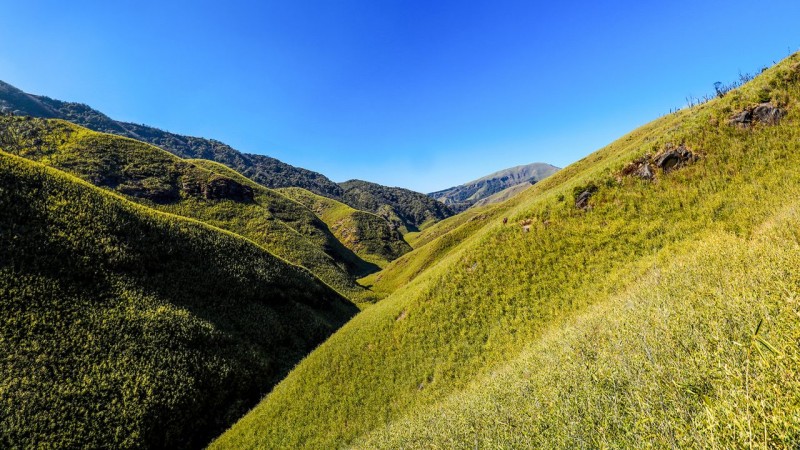
Kohima, the capital of Nagaland, though more of a hill‐town than classic resort, sits among ridges and valleys. Attractions include scenic views over valleys, cultural markets, hill-top vantage points, and easy access to natural escapes. Visitors should go for a mix of nature, culture, and hillside peace beyond typical tourist routes. Its speciality lies in cultural immersion plus hill‐station setting.
Best time to visit: October to December (post-monsoon, good weather, festival season) and March to April. Monsoon period may bring heavy rainfall and trails may be slippery.

Mawlynnong
Meghalaya
Mawlynnong, a village perched in Meghalaya’s hills, acts like a hill-station retreat: perched on hillsides, surrounded by forest and valleys, lush green scenery, and a very tranquil environment. For tourists wanting quiet hills, nature walks, community-based eco-tourism and panoramic scenes, it is ideal. The speciality: a village-hill retreat rather than a large resort town—less commercial, more authentic.
Best time to visit: October to March for clear skies; the rainy season will make the hills misty and dramatic but may hinder outdoor walks.
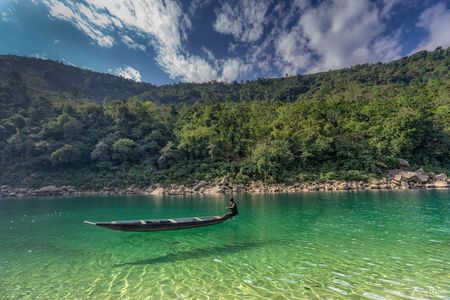
Dawki
Meghalaya
Dawki, set amidst hills of Meghalaya, offers scenic ridges, clear river views, forested surroundings and hill-station style chill. The attraction is nature in its raw form: serene hills, forests, river valleys and a peaceful hill retreat. The speciality is the blend of hills + water + tranquility in an under‐visited spot.
Best time to visit: October to February when weather is pleasant and the hill surroundings are clear. Monsoon may bring heavier river flow and lush greenery but also more rain.
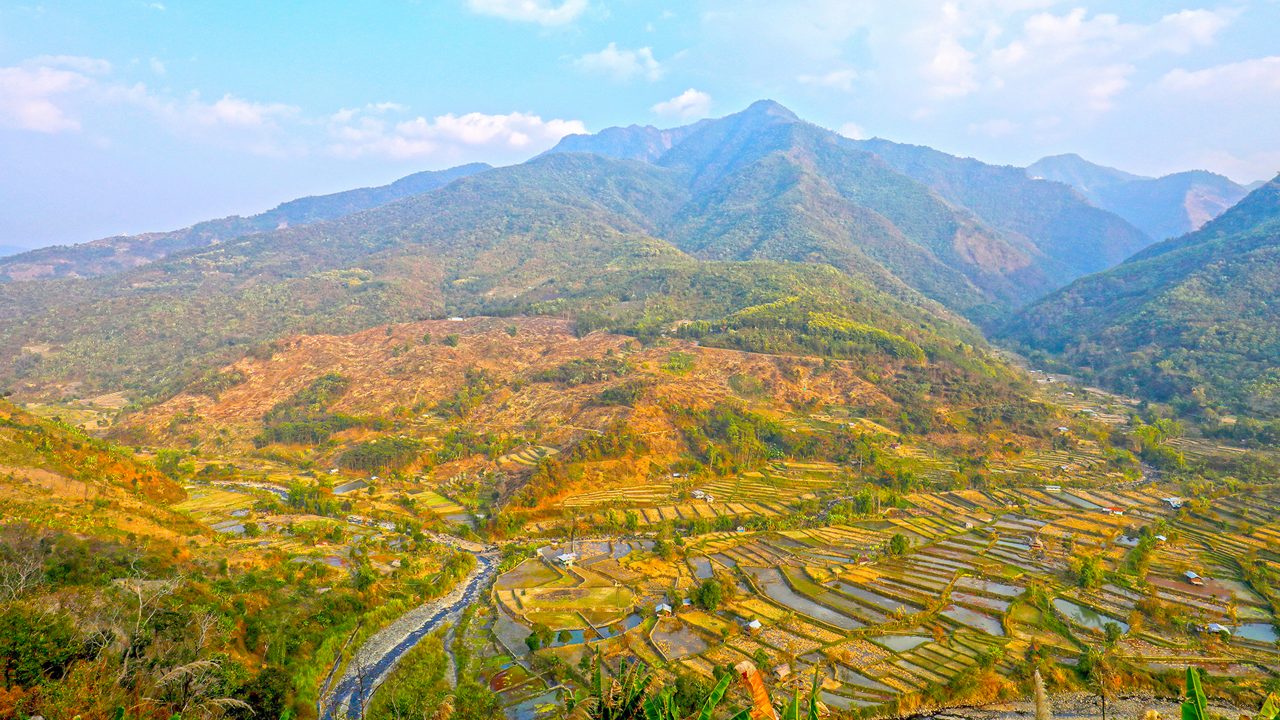
Mokokchung
Nagaland
Mokokchung in Nagaland is a hill town in the Ao Naga region, surrounded by ridges and forested slopes, giving a hill-station feel. It’s attractive for culture-rich travellers who also love quiet hills, traditional tribal life, and scenic surroundings. The speciality: cultural depth + hill-station ambience + fewer tourists.
Best time to visit: October-November after monsoon when hills are lush and skies clearer; March-April is also good. Monsoon months may have heavy rainfall and roads may be slippery.
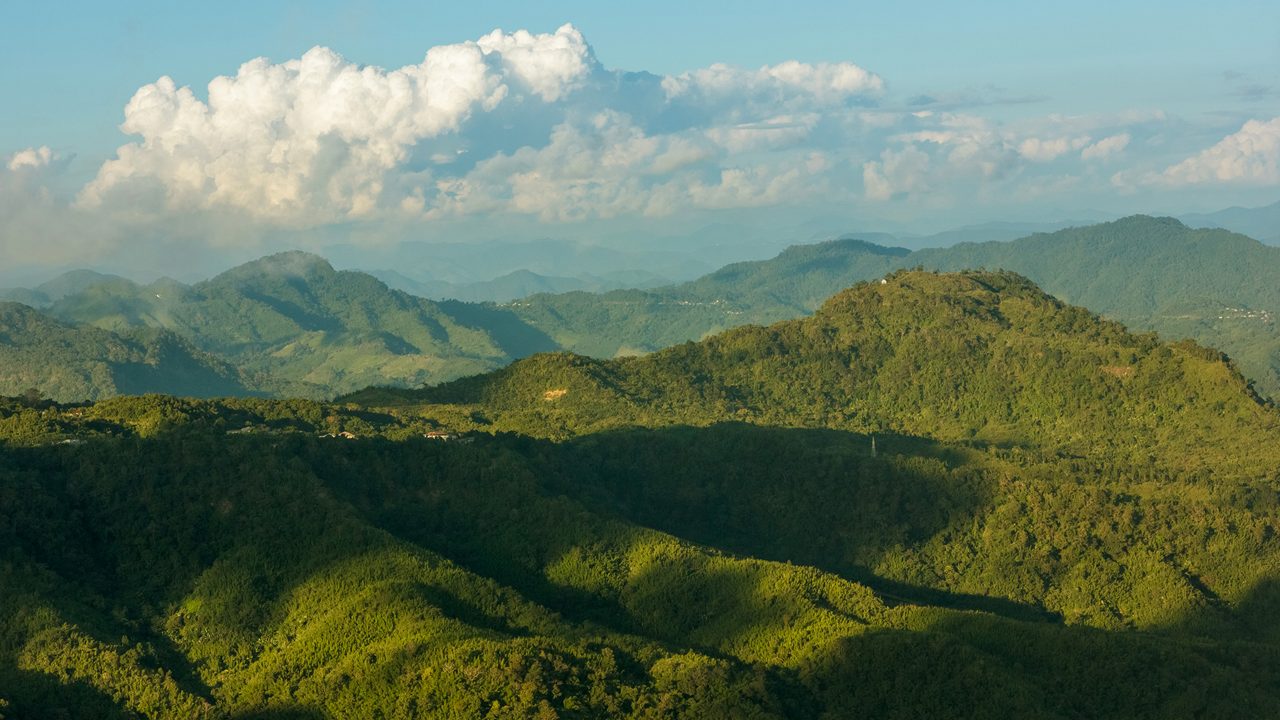
Lunglei
Mizoram
Lunglei in Mizoram, meaning “bridge of rock,” lies among hills and valleys and functions as a peaceful hill retreat away from the buzz of city tourism. Visitors will find panoramic hill views, forested slopes, peaceful trails and a slower pace of life, ideal for nature lovers and tranquility seekers. Its specialty: remoteness + scenic hills + genuine hillside tranquility.
Best time to visit: October to February for comfortable weather and clear panorama; monsoon (June–September) brings lushness but also rain-related travel issues.
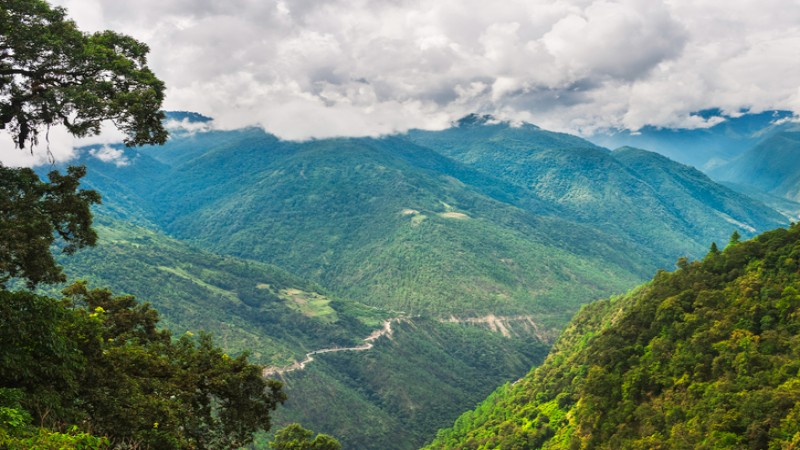
Jatinga Valley
Assam
In the vicinity of Haflong in Assam lies the scenic valley regions like Jatinga, with hill-station style landscapes blue hills, forested slopes, lakes, and ridges. Tourists who prefer hills off the beaten path will appreciate the valley views, forest trails and relaxed pace. The speciality: a hill-station feel in a less-explored region of Northeast India, combining natural beauty with cultural discovery.
Best time to visit: October to December for stable weather, clear views; early spring (February–March) also good. Monsoon may restrict travel.

Andhra Pradesh Blogs
- Andhra Pradesh Cultural guide
- Places to visit in Andhra Pradesh
- Places to visit in Andhra Pradesh
- India’s most popular destination
- India’s archaeological marvels