
Northeast India's Best Temples


In Northeast India’s Famous Temples, spirituality flows as freely as its rivers and misty hills. The region’s temples reflect a rare blend of ancient myths, tribal traditions, and natural beauty, where devotion meets the wilderness. From centuries-old Shakti shrines to riverside sanctuaries and forest-hidden ruins, each temple here tells a story of faith, folklore, and art

Kamakhya Temple
Location: Guwahati, Assam
Located on the Nilachal Hill, the Kamakhya Temple is one of India’s most revered Shakti Peethas. it celebrates the goddess’s annual menstruation during the Ambubachi Mela, a unique ritual cycle that draws pilgrims from across India. Visitors must climb steps up the wooded Nilachal Hill, enjoy sweeping views of Guwahati and the Brahmaputra, and experience the spiritual intensity of the shrine. Architecturally, the temple blends regional Assamese style with hill-temple forms and its forested hilltop adds to the mystic ambiance.

Sundari Temple
Location: Udaipur, South Tripura
Sundari Temple is one of the 51 Shakti Peethas, where the right foot of Sati fell. The architecture is typical of the region: a square sanctum on a tortoise-shaped hill (a “Kurma Pīṭha”), blending Hindu symbolism and local building styles. Visitors will be struck by the black stone idol of the goddess. A must-visit for those interested in Shakti traditions and tranquil temple environments away from major crowds.
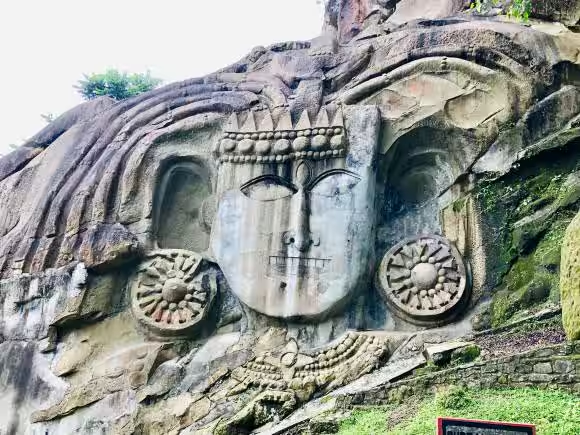
Unakoti
Location: Near Kailashahar, Tripura
The place name literally means “one less than a crore” and the legend goes that a huge host of gods and goddesses stayed overnight and were turned to stone, hence the immense number of carvings. It features massive rock-cut figures, including a central head of Shiva about 30 feet high, as well as other reliefs, all set in a forested hill area — this gives it a mysterious, almost mystical vibe.

Malinithan Temple
Location: West Siang District, Arunachal Pradesh
Malinithan is a temple-ruin site with sculptures and temples. According to myth, it was here that Lord Krishna and Rukmini rested on their way from Bhismaknagar to Dwarka. For tourists it offers an evocative combination of mythology, archaeological interest, and quiet jungle/river-valley ambience.

Nartiang Durga Temple
Location: Matabari, Tripura
Era: Built in the 16th century
Location: West Jaintia Hills, Meghalaya
It is revered as one of the 51 Shakti Pithas, where the goddess Durga is believed to reside permanently in the local tradition. The temple sits amidst scenic hills and offers both cultural depth (with unique forms of Durga-worship blending Khasi-Jaintia customs) and tranquil surroundings. During Durga Puja, rituals in the temple include a banana-plant representing the goddess, immersion in the river, and gun-salutes — all very different from standard urban temple fare
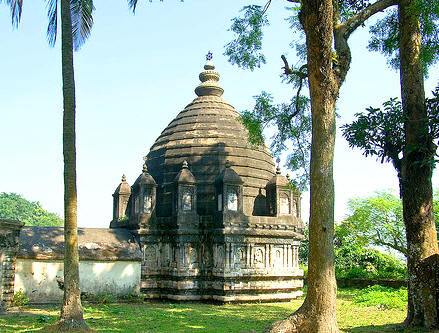
Doul Govinda Temple
Location: North Guwahati, Assam
This temple features charming architecture and the setting offers boat-rides on the Brahmaputra and clean sandy beaches nearby (from November to April). The temple’s location is scenic and less hectic than major city temples, you get river-views, peaceful steps down to the beach and glimpses of local life. features charming architecture and the setting offers boat rides on the Brahmaputra and clean sandy beaches nearby The temple’s location is scenic and less hectic than major city temples.
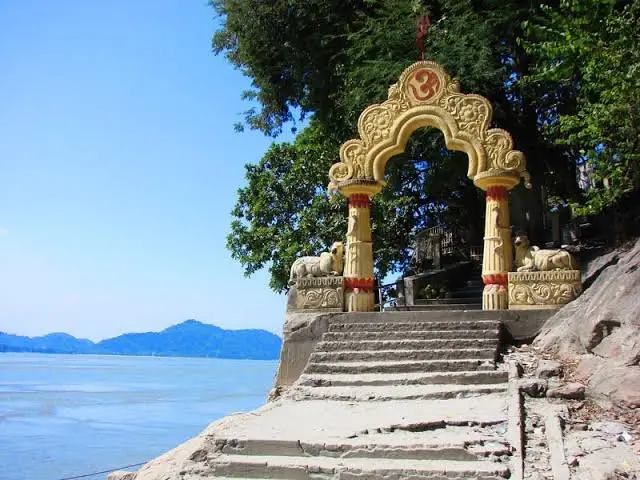
Umananda Temple
Location: Guwahati, Assam
Located on Peacock Island (also known as Umananda Island) in the middle of the Brahmaputra River, is dedicated to Lord Shiva and is accessible only by boat. This unique setting — a temple in the heart of a river-island — gives it a very distinctive charm. The temple structure itself, combined with the tranquil island, the boat ride, and the sweeping water-views all make for a memorable experience.
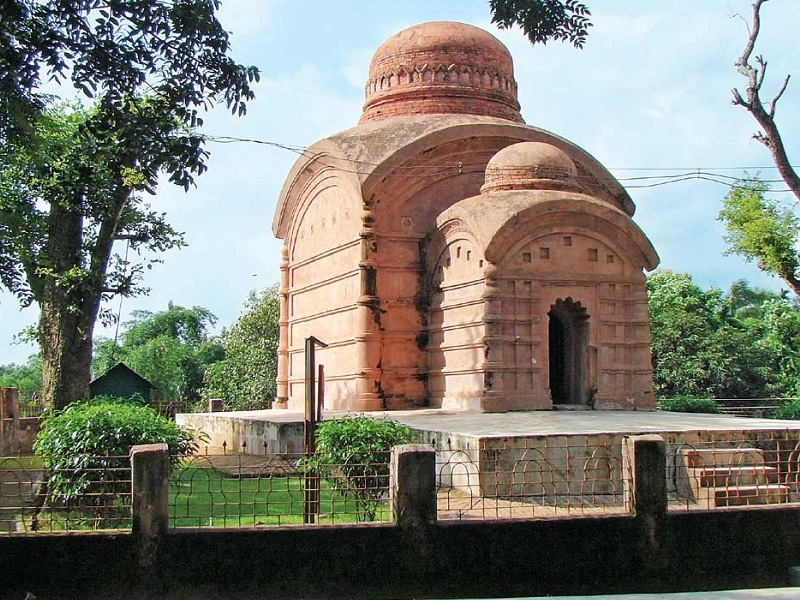
Bhuvaneswari Temple
Location: Nilachal Hills, Guwahati
It’s often visited together with Kamakhya, offering a quieter but equally meaningful visit. Its vantage point gives excellent views of the city, the river, and the surrounding hills. Architecturally, it incorporates Bengal-style elements and local hill-temple features, and the site is ideal for photography, quiet contemplation, and combining sightseeing with spiritual pause.
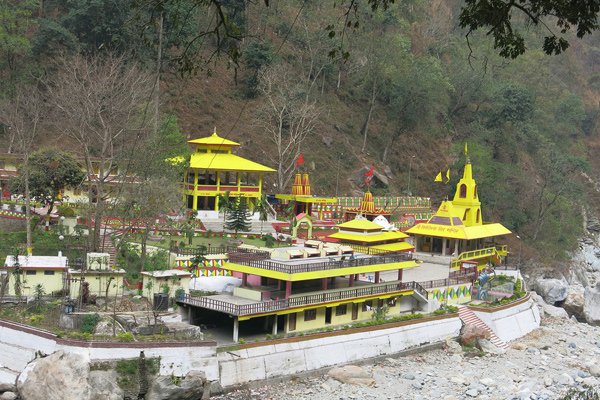
Kirateswar Mahadev Mandir
Location: West Sikkim
The Kirateshwar Mahadev Temple has strong mythological lore: it is believed that Lord Shiva appeared as a hunter (Kirata) in front of Arjuna here. The temple’s riverside setting is gorgeous, flowing water, forested hills, and peace away. For travellers, this site offers a blend of pilgrimage and nature — ideal as a stop en-route to other Sikkim hill-destinations, or for a calm spiritual interlude in a river-valley setting. from city crowds

Siddheshwar Dham
Location: Near Namchi, South Sikkim
Siddheshwar Dham features a massive 108-foot statue of Lord Shiva surrounded by twelve Jyotirlingas, making it one of the most monumental Shiva settings in the region. Its hillside setting and panoramic views of the mountain valleys make it a must-visit. For tourists, it offers not just religious awe but also photo-worthy.

Hayagriva Madhava Temple
Location: Hajo, Assam
The Hayagriva Madhava Temple presents a gem of spiritual, architectural and cultural significance. The temple stands on the remains of this older foundation. The structure is a striking example of regional Assamese temple-architecture: an octagonal plan about 30 feet in diameter, crowned with a pyramidal shikhara, and the basement adorned with a continuous frieze of cleverly carved elephants, a visual motif that both grounds and elevates the design.

Ugratara Devalaya
Location: Guwahati, Assam
The Ugratara Devalaya is a Shakti shrine established by King Siva Singha and is associated with the legend of the navel of Sati falling here. Though smaller than some of the major temples, it is significant for devotees of the goddess Ugratara and sees colourful festivals such as Durga Puja and Manasa Puja. It offers an accessible urban temple visit and a look at tantric traditions in Assam.

Mahabhairav Temple
Location: Shivsagar, Assam
The Mahabhairav Temple is a historic shrine built in by Ahom king Pramatta Singha in memory of his father. It stands next to the Sivasagar lake and features mixed Ahom-Mughal architectural influences, underground chambers and rich symbolism. For visitors, the combination of temple, lake-front strolls, and nearby Ahom-era monuments makes it a rewarding heritage stop. This temple adds depth beyond the standard pilgrimage circuit.
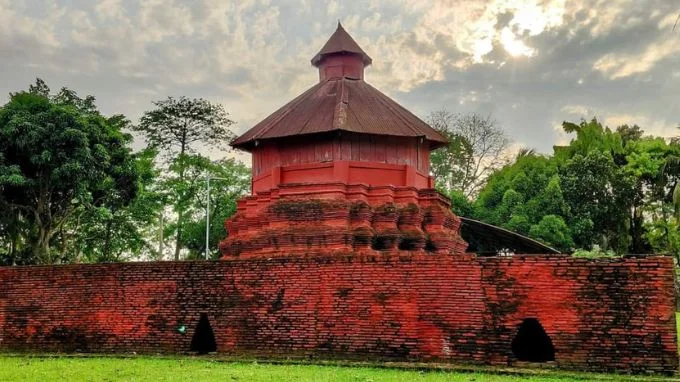
Shiva Dol
Location: North Guwahati
The Rudreswar or Siva Dol temple was also built by Ahom King Pramatta Singha. It features underground chambers and a striking hill-setting with views of the Brahmaputra valley. This lesser-visited temple offers a quieter atmosphere, ideal for travellers who prefer heritage sites off the beaten path. Combine it with Manikarneswar Hill viewpoint and a ferry ride for a full morning outing.

Andhra Pradesh Blogs
- Andhra Pradesh Cultural guide
- Places to visit in Andhra Pradesh
- Places to visit in Andhra Pradesh
- India’s most popular destination
- India’s archaeological marvels