
Northeast India's Famous Waterfalls
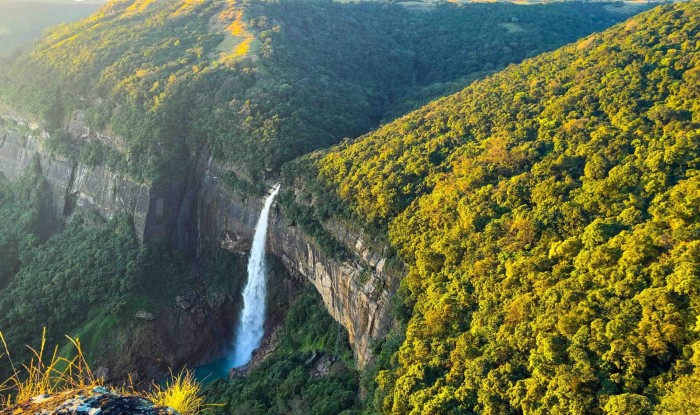
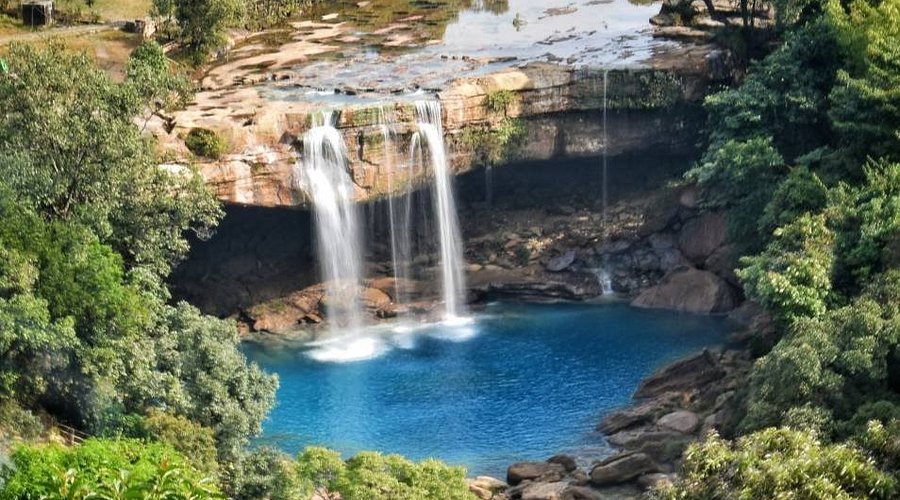
Northeast India is home to some of the most breathtaking waterfalls in the country, where nature unfolds its beauty in full glory. Surrounded by lush green forests, rolling hills, and misty valleys, these waterfalls create a serene yet powerful spectacle. The sound of cascading water blending with the chirping of birds and rustling leaves makes the atmosphere almost magical.
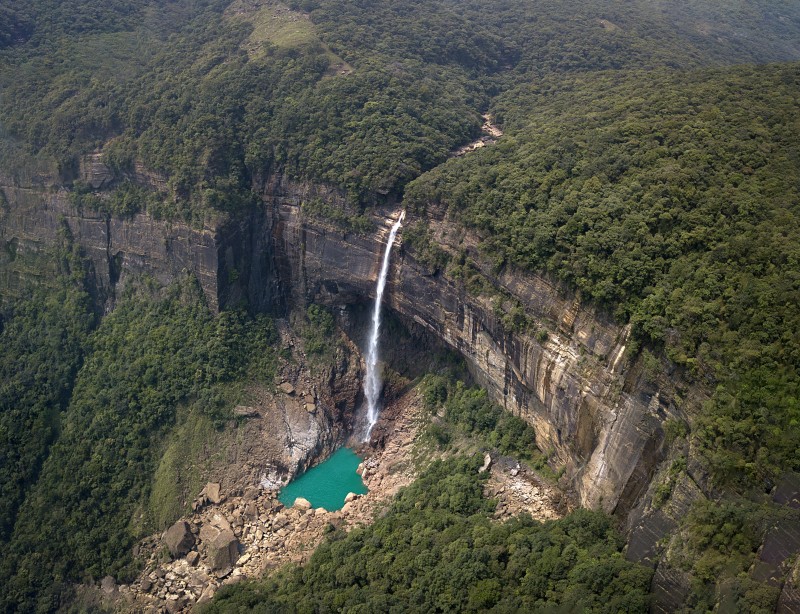
1. Nohkalikai Falls
Location: Cherrapunjee, East Khasi Hills of Meghalaya
Height: 340m (1,115 ft.)
The name carries a poignant Khasi legend: “Noh-Ka-Likai” means “the leap of Ka Likai,” referencing a grieving woman’s tragic story. Set amid cliffs and heavy rainfall, the falls drop into a deep plunge pool whose water changes colour with the seasons, emerald green in summer, crystal blue in winter.
Best time to visit~ October to March for clear skies and good visibility; the monsoon June–September, delivers maximum flow but may suffer from mist and cloud cover.
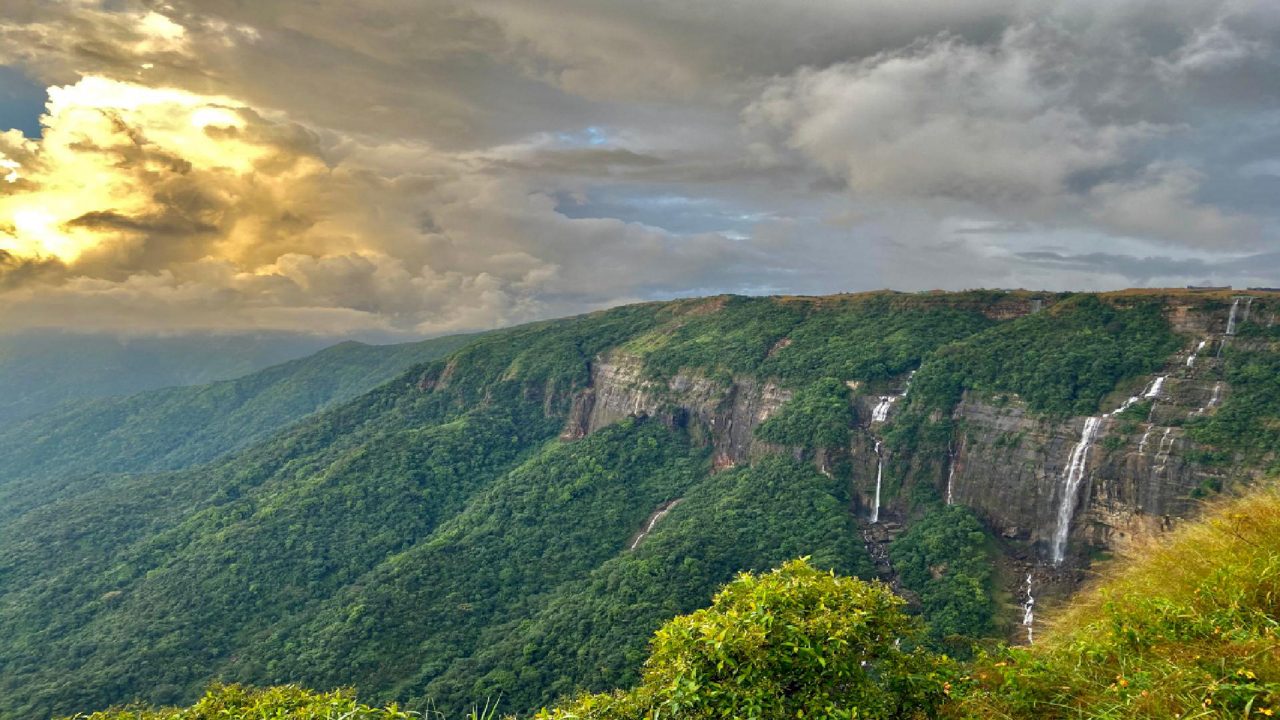
2. Nohsngithiang Falls
Location: Mawsmai village
Height: 315m
The waterfall is segmented into seven parallel streams, hence also called “Seven Sisters”, cascading over limestone cliffs, a highly photogenic sight especially during the rainy season. The seven-stream arrangement, the dramatic cliff backdrop, and the fact it’s in one of the wettest regions of the country.
Best time to visit~ June to September, for full flow of all segments; for clearer weather and views you may consider October when the rains ease.
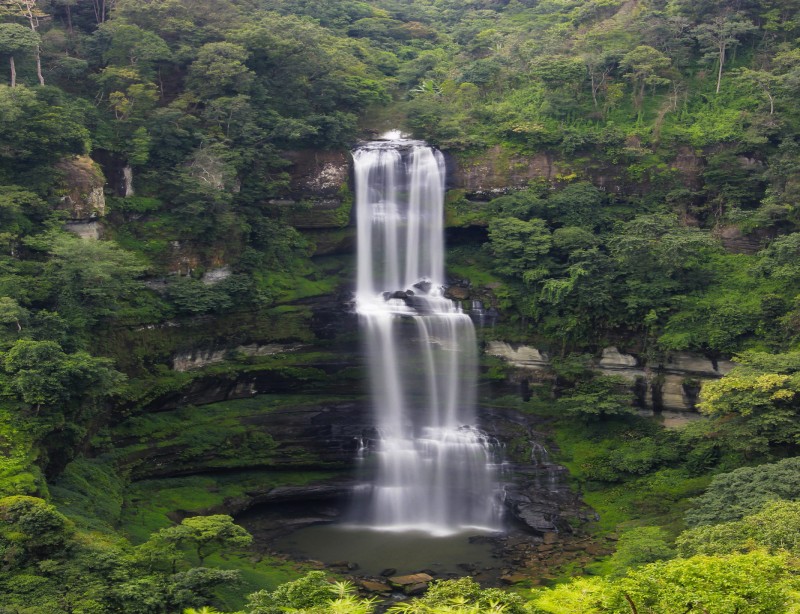
3. Vantawng Falls
Location: Serchhip, Mizoram
Height: 750 ft.
It is considered the highest uninterrupted waterfall in Mizoram, set deep within lush forest and accessed via a viewing tower because the terrain is steep. A sense of wilderness away from crowds, rich greenery all around, a dramatic drop into misty forest, an ideal for nature lovers wanting something off the beaten path.
Best time to visit~ During or just after the monsoon, July-September, when the water flow is at its peak, though for safer road access and clear views, October is also good.
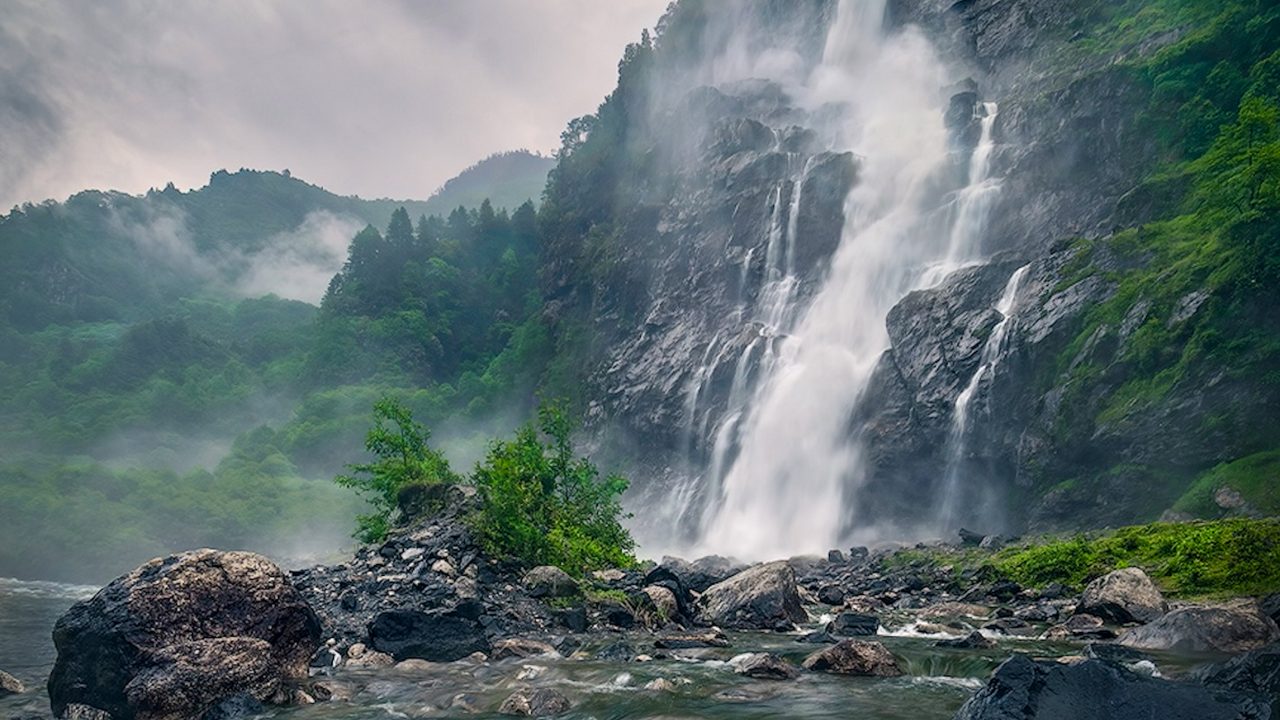
4. Nuranang Falls
Location: Tawang, Arunachal Pradesh
Height: 100m
The falls are fed by the Nuranang River, originating from the Sela Pass, and near the base is a small hydropower plant. The region is scenic, with high altitude, forest, and river valley setting. It’s less crowded compared to more famous spots, opportunity to combine with other sightseeing in the Tawang region. Perfect for photographers and travellers seeking a quieter nature escape.
Best time to visit: Post-monsoon (October–November) when water is still good and skies are clearer; summer April–May is also workable, but winter may bring snow/ice.
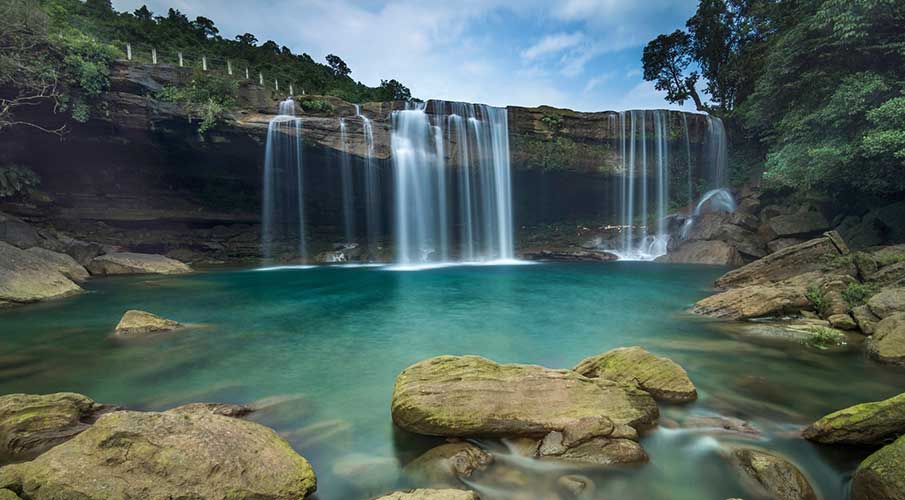
5. Krang Suri Falls
Location: Jaintia Hills, Meghalaya
Height: 30m (98 ft.)
A turquoise-blue plunge pool at the base, opportunities for swimming, a short trek down steps to the base, and relatively less crowded compared with the most famous falls. It is ideal for families or groups looking for a refreshing nature break.
Best time to visit~ October to March, dry & clear skies is preferred; monsoon June–September sees heavier flow but path may be slippery and safety is an issue
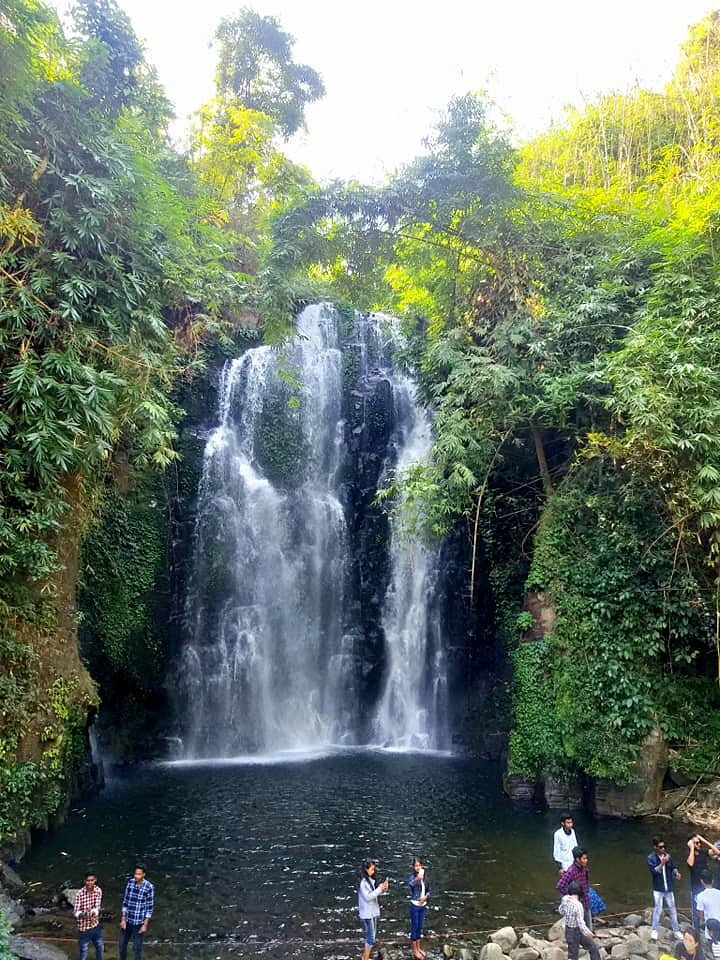
6. Kakochang Waterfall
Location: Golaghat, Assam
Height: 40 m
Surrounded by forest, ideal for picnic or a relaxation spot for local day-trips, it offers a contrast to more dramatic high-altitude falls. Best for travellers exploring Assam beyond the usual wildlife (Kaziranga) routes, this waterfall provides a laid-back natural stop in green surroundings, especially suited for nature walks and cooling off.
Best time to visit~ July to November, the monsoon and immediate post-monsoon when water levels are good; early spring is less impressive.
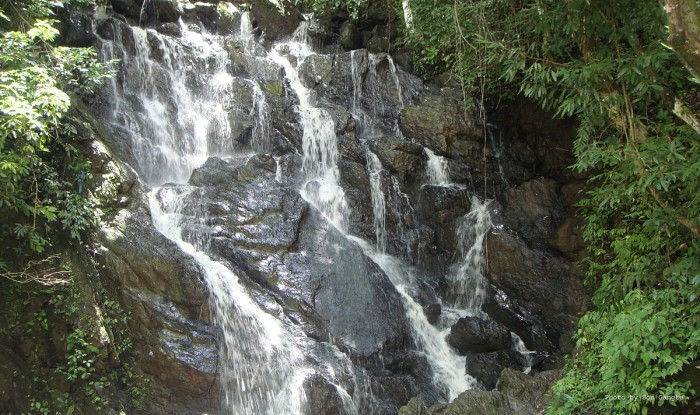
7. Ngaloi Waterfall
Location: Churachandpur, Manipur
Height: 340-445 m
A lesser-known waterfall, provides peaceful environment, suitable for a weekend getaway from Imphal; less crowd and more wilderness feel. Perfect for off-beat travel in North East India, Ngaloi offers serenity, cooler climate, forest ambience and an opportunity to explore a lesser-touristed state’s nature.
Best time to visit~ June to October (monsoon to post monsoon) for good flow; winter gives clearer skies but possibly reduced water.
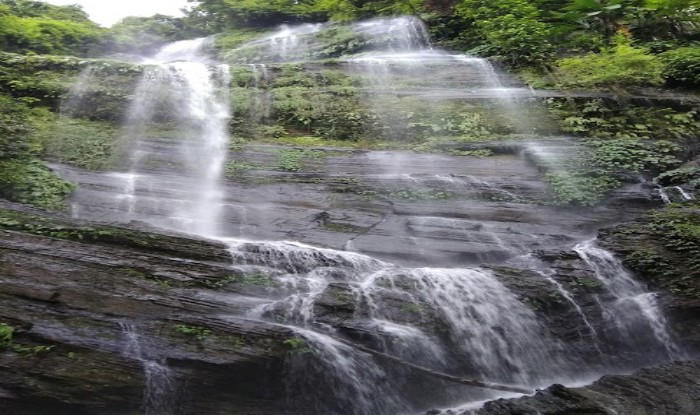
8. Dumala Waterfall
Location: Atharamura Hills, Agartala
Height: 60-120 m
Dumala Waterfall is described as a lesser-known natural wonder in the Northeast. A deep forest setting, rugged hills, and the sense of discovering a hidden gem – ideal for travelers seeking quieter, natural spots away from mass tourism. We will experience Tripura’s green hill-streams, forest ambiance, and unspoiled waterfall environment; a good option for travelers including Tripura in their North Eastern circuit.
Best time to visit~ July to September when rainfall fills the streams; good weather persists into October.
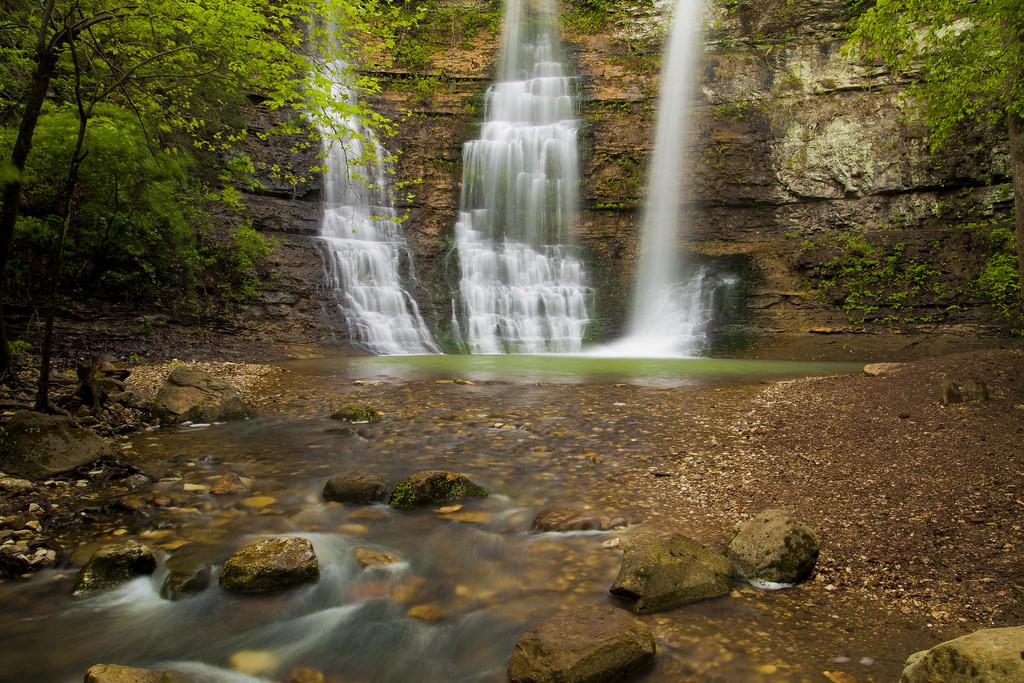
9. Triple Falls
Location: Seithekima, Nagaland
Height: 85 m (280 ft.)
Unique three‐stream structure, less tourist state (Nagaland), adds to the sense of discovery, a natural pool at the base for a relaxing atmosphere. It’s best for travelers wanting to go off the beaten track; this waterfall provides scenic beauty plus cultural immersion in Nagaland’s tribal landscapes.
Best time to visit~ June to September (monsoon) for full flow; by October the weather is clearer and still water flows decently.
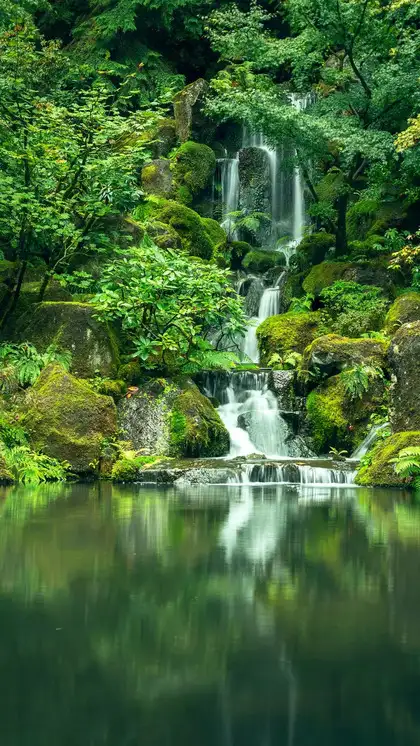
10. Bhuvaneshwari Falls
Location: Teliamura, Tripura
Height: Not mentioned
Bhuvaneshwari Falls is a little-known waterfall among locals and curious travelers. Quiet, of mainstream destination, surrounded by forested hills typical of the region; good for a peaceful nature stop.
We can explore Tripura’s natural wealth away from crowds; combine with tribal culture, forest trails, and less-visited landscapes of Northeastern India.
Best time to visit~ July to October, during and after the rains when water flow is good and scenery lush.
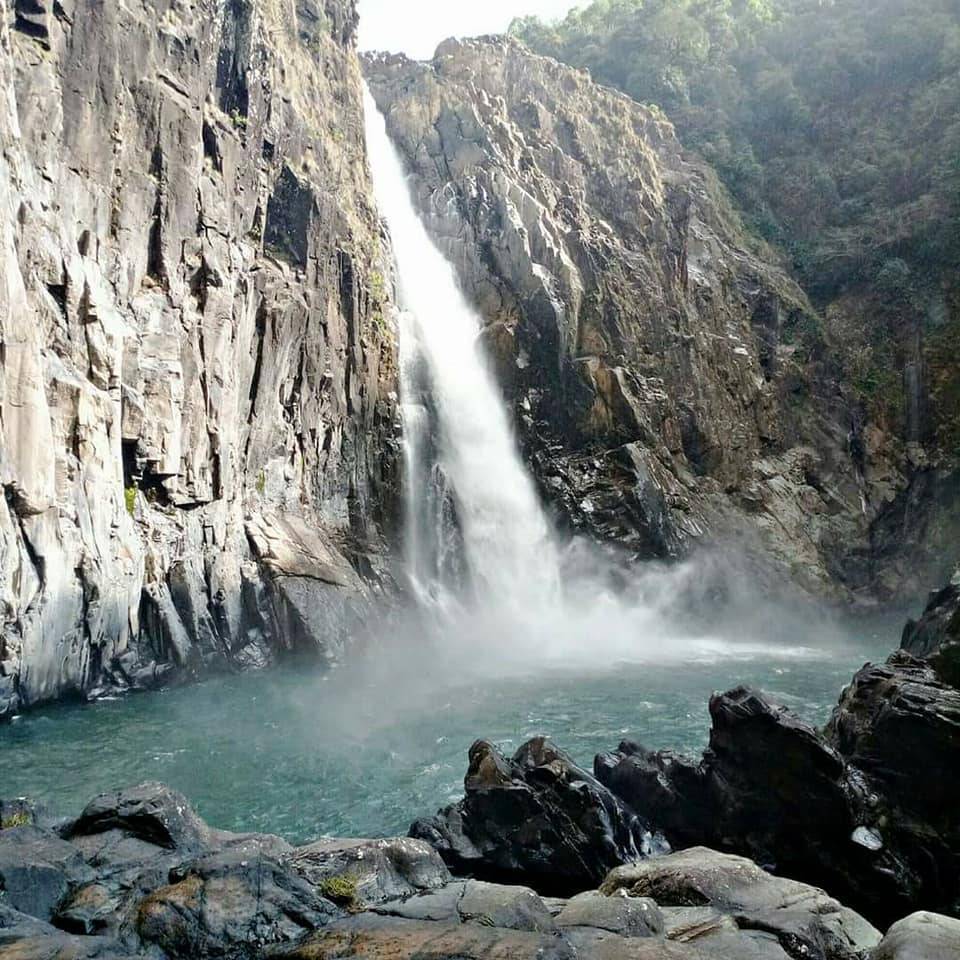
11. Langshiang Falls
Location: West Khasi Hills, Meghalaya
Height: 337 m (~106 ft.)
Langshiang Falls is among the highest in India with remote setting, high drop, great for adventure travelers; more rugged access than some others, giving an off-beat flavor. One must visit. For the wow-factor of height, majestic forested terrain and fewer tourists; ideal for travelers who don’t mind spending a little more effort for the reward.
Best time to visit~ June to September for full flow; October/November for clearer skies and view.
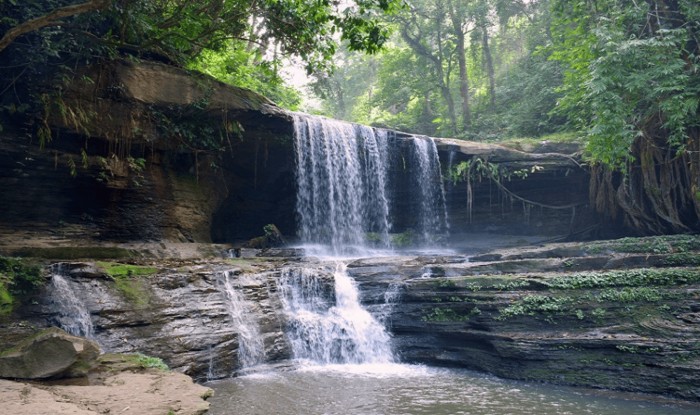
12. Tuirihiau Waterfall
Location: Serchhip, Mizoram
Height: 700 m
Tuirihiau Waterfall has a unique feature: visitors can walk behind the falls (through a cave-like opening) for a different perspective. vantage point (behind the cascade), forested setting, less crowded than major waterfalls.
We can go for something slightly more adventurous, for trekking/light vantage behind the waterfall, and a quieter nature experience in Mizoram.
Best time to visit~ July–September for full flow; October for more stable weather and still good water.
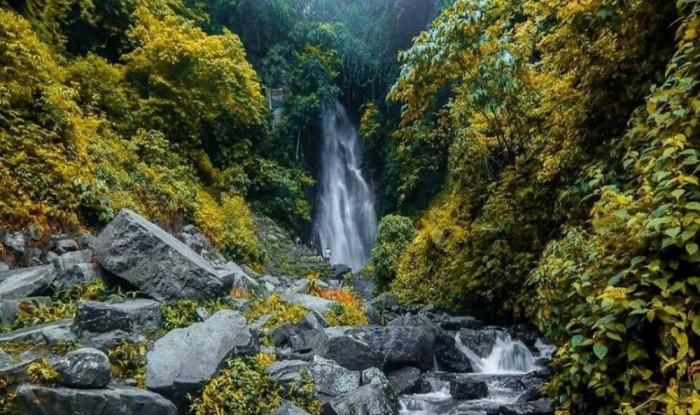
13. Sadu Chiru Falls
Location: Imphal, Manipur
Height: 300 m
Sadu Chiru Falls is described as a picturesque waterfall that shines especially during and just after the rains. Easily accessible from the state capital, it is ideal for photographers, as it is less mainstream and therefore peaceful, blending well with Manipur’s scenic surroundings. Combining a visit to Manipur’s attractions with a waterfall stop, this is ideal for travelers who want both nature and culture.
Best time to visit~ June to October, with preference for post-monsoon (October) when the water flow is still good and weather more stable.
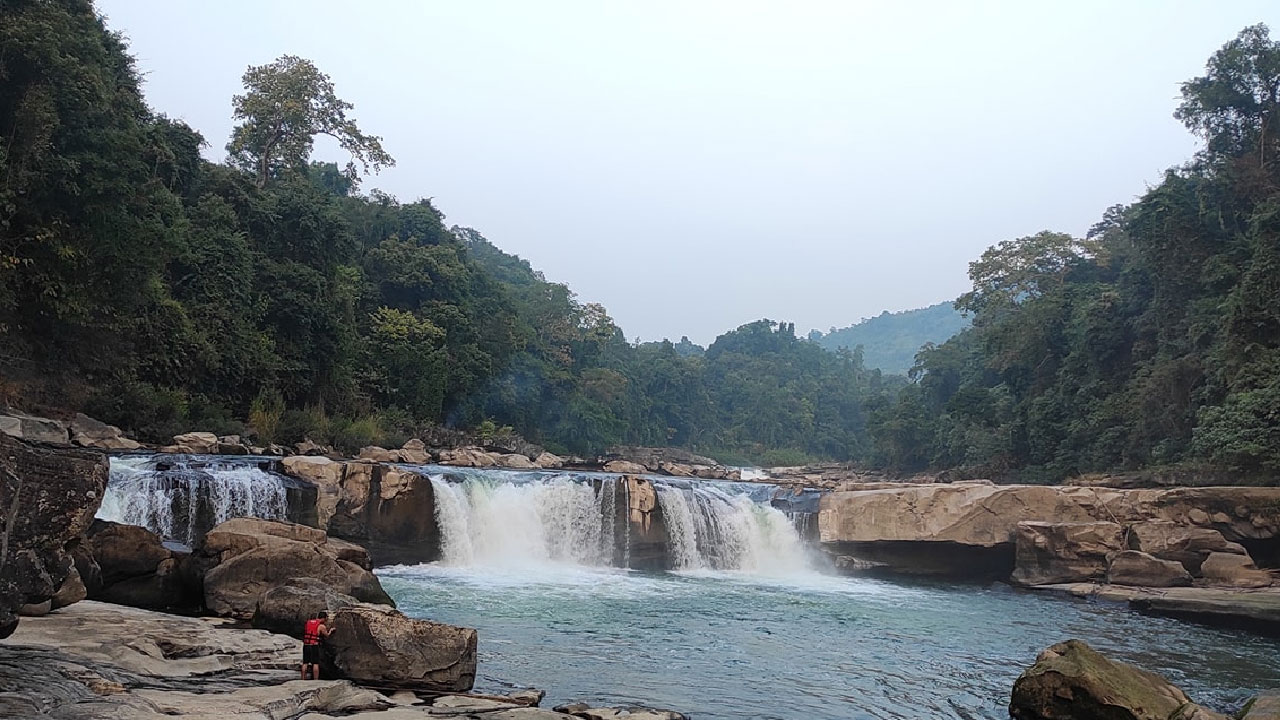
14. Barak Waterfalls
Location: Tamenglong, Manipur
Height: 270 m
Barak Waterfalls is described as a popular tourist place and an off-beat destination with soft gurgling water in a blue stream. Forested, tranquil environment; less industrialised tourism; good for relaxation, nature walks, and exploring Manipur’s interior.
Must visit to experience Manipur beyond its mainstream tourist spots.
Best time to visit~ July to November; post-monsoon (October) gives best conditions with strong flow and clearer weather.
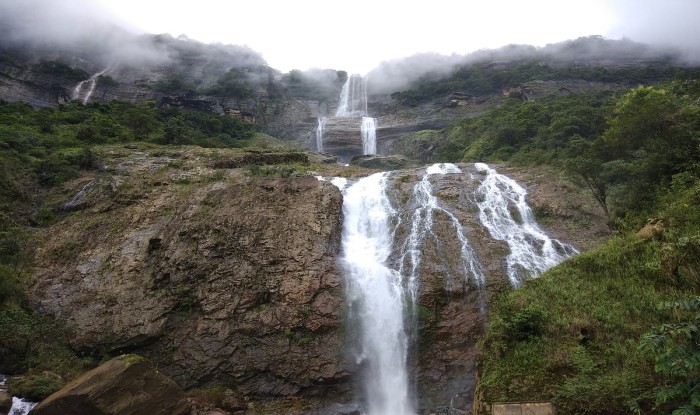
15. Sadu Chiru Falls
Location: East Khasi Hills, Meghalaya.
Height: 305 m (1001 ft.)
Three-tiered waterfall, set within Thangkharang Park viewpoint, lush surroundings, dramatic drop, color of water, and gorgeous view are impressive. Those who have already visited the top few waterfalls and want something slightly less crowded but still dramatic, with good vantage at park viewing decks.
Best time to visit~ Monsoon (June–September) for dramatic flow; October for clearer vistas. Avoid deep dry season when flow may reduce.

Andhra Pradesh Blogs
- Andhra Pradesh Cultural guide
- Places to visit in Andhra Pradesh
- Places to visit in Andhra Pradesh
- India’s most popular destination
- India’s archaeological marvels