
¤ 10+ minutes Read
Serchhip Travel Guide – Explore Mizoram's Land of Waterfalls & Scenic Valleys
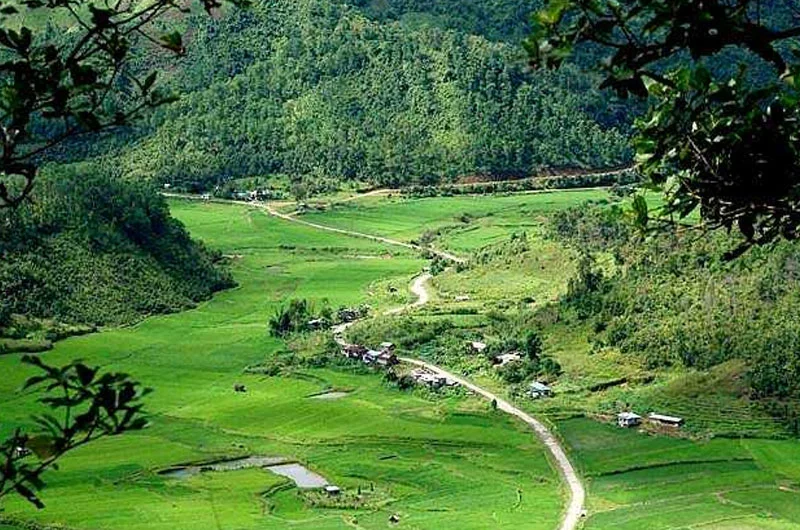
Serchhip is one of Mizoram’s most picturesque yet lesser-explored destinations, where spectacular waterfalls, rolling green hills, charming villages, and rich Mizo culture come together to create an unforgettable travel experience. Located in the heart of the state, Serchhip is best known for the breathtaking Vantawng Khawhthla Falls, the tallest waterfall in Mizoram, along with the scenic town of Thenzawl, the beautifully maintained Thenzawl Golf Course, lush river valleys, and vibrant handloom traditions. The district also offers opportunities to explore attractions such as Chawngchilhi Cave, the fertile Mat Valley, and nearby adventure activities including trekking and nature walks. Whether you’re planning a peaceful nature retreat, a photography expedition, a cultural journey, or an offbeat road trip through Northeast India, this travel guide covers everything you need to know, including the best places to visit, things to do, the best time to visit, travel tips, and nearby attractions. The ideal time to visit is October to April, when the weather is pleasant and waterfalls remain spectacular.
Must-Visit Attractions in Serchhip
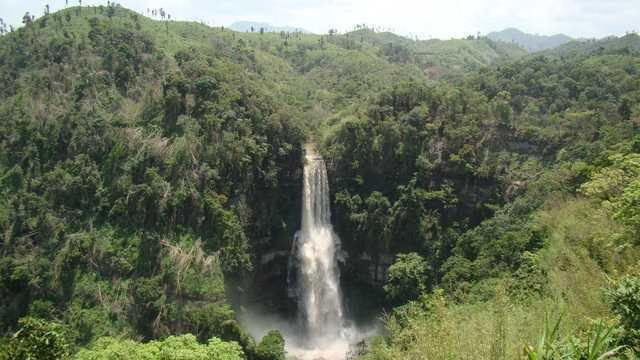
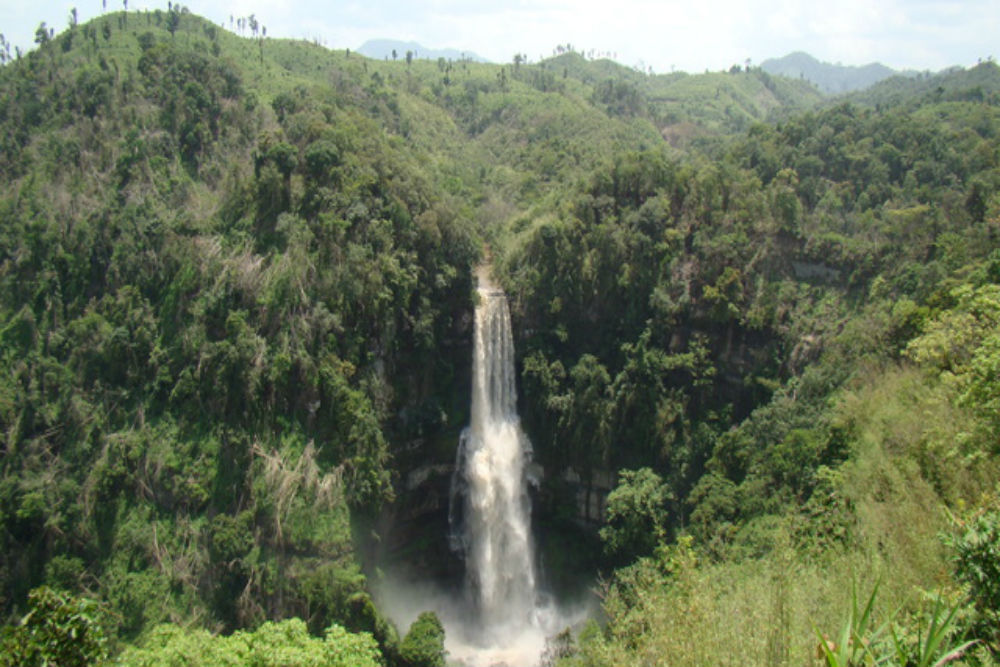
Vantawng Falls
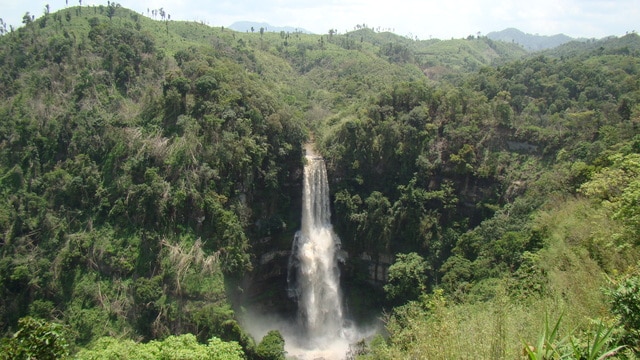
The highest waterfall in Mizoram, cascading 750 feet into a deep gorge surrounded by dense bamboo forests.
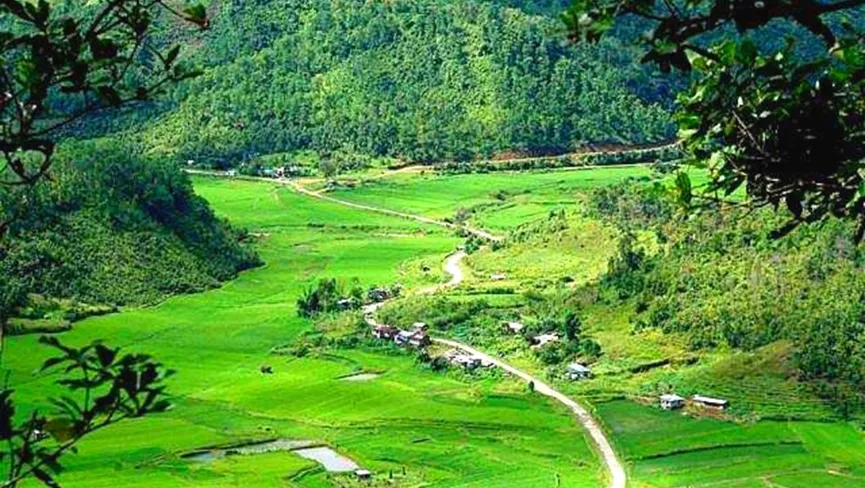
Chhingpui Thlan
A historic sacred memorial dedicated to a legendary Mizo woman who sacrificed her life for her lover.
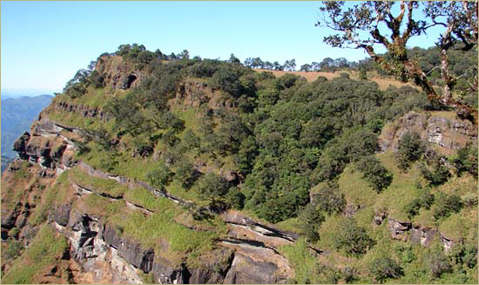
Buangpui Tlang
A scenic hilltop offering panoramic views of valleys, hills, and the winding Mat River.
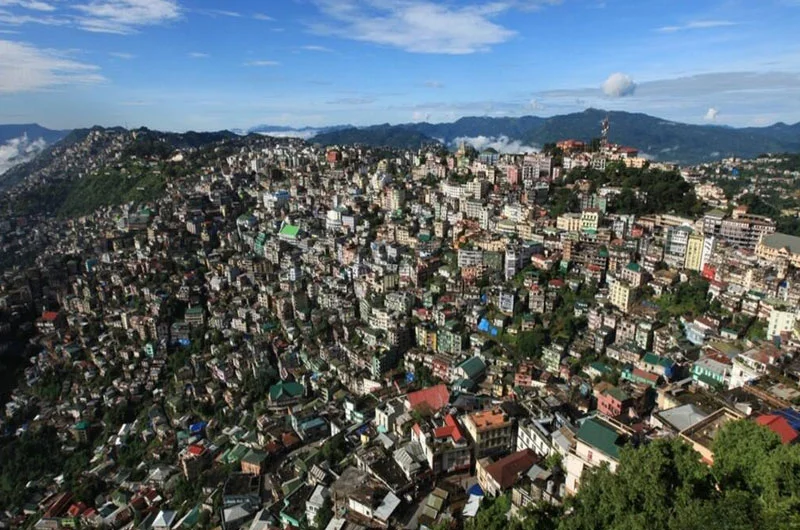
Thenzawl
A charming town known for its handloom industry, scenic waterfalls, and the famous Thenzawl Golf Course.
Major Attractions Nearby Serchhip
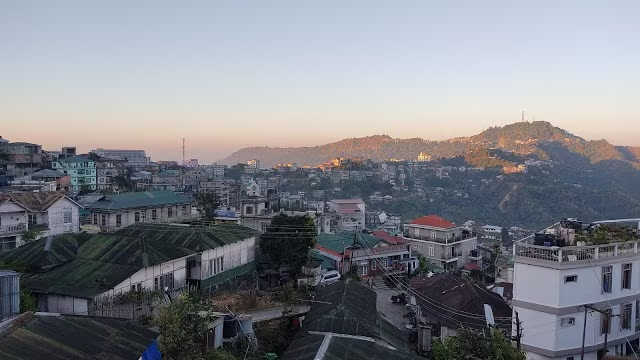
Lunglei
The second-largest city in Mizoram, known for scenic beauty, the Lunglei Bridge, and Khawnglung Wildlife Sanctuary.
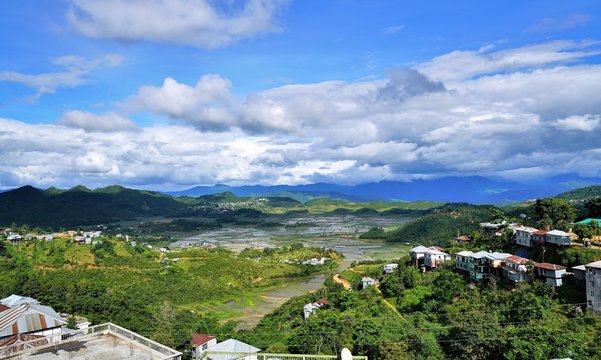
Champhai
A border town known as the “Rice Bowl of Mizoram,” featuring vineyards, Rih Dil Lake, and views of Myanmar.
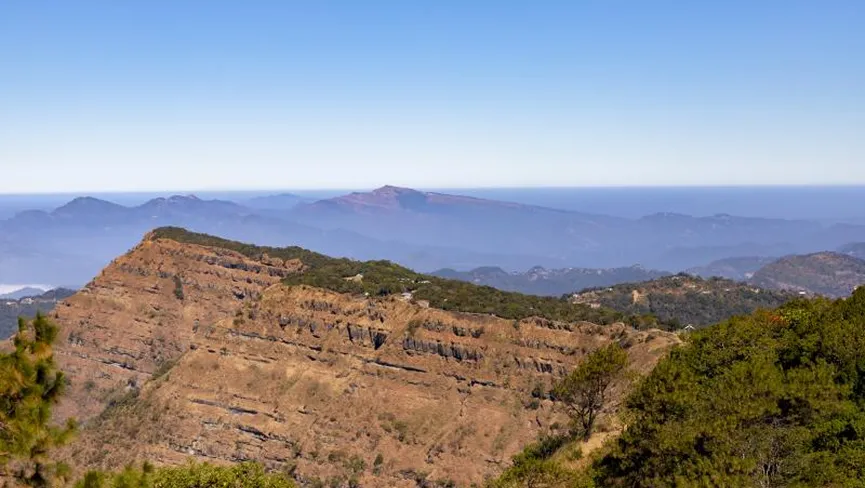
Hmuifang Tlang
A scenic mountain peak covered with pristine forests, offering trekking trails and the annual Hmuifang Festival.
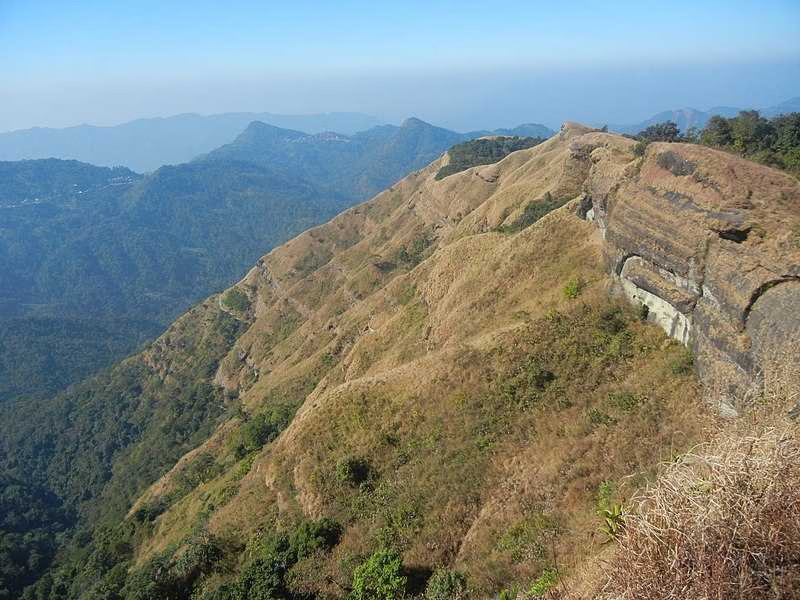
Reiek Tlang
A 1,548-meter high peak offering panoramic views of hills, valleys, and the Bangladesh plains.
Things to do in Serchhip
Experience the pristine natural beauty and rich Mizo culture of this charming hill town. From witnessing majestic waterfalls to exploring legendary folklore sites, Serchhip offers a peaceful and enriching journey.
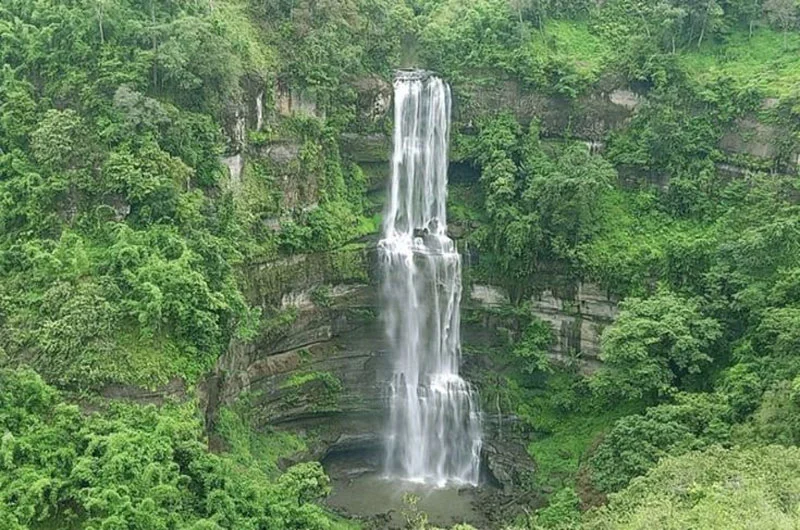
Witness the Majestic Vantawng Falls
Stand on the viewing platform and listen to the thunderous roar of water cascading 750 feet into a deep gorge.
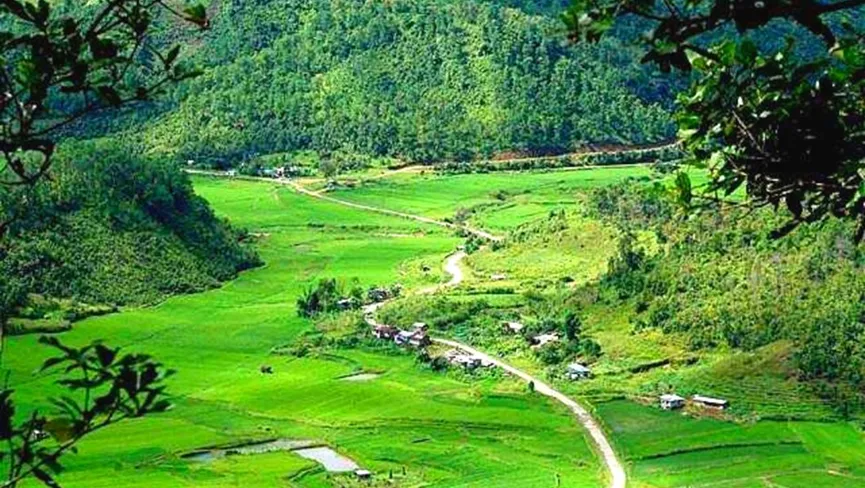
Visit the Legendary Chhingpui Thlan
Learn about the tragic love story of Chhingpui and see ancient stone monuments preserving Mizo folklore.

Watch Sunrise from Buangpui Tlang
Climb Buangpui Hill early to watch the sunrise over rolling hills and mist-covered valleys.
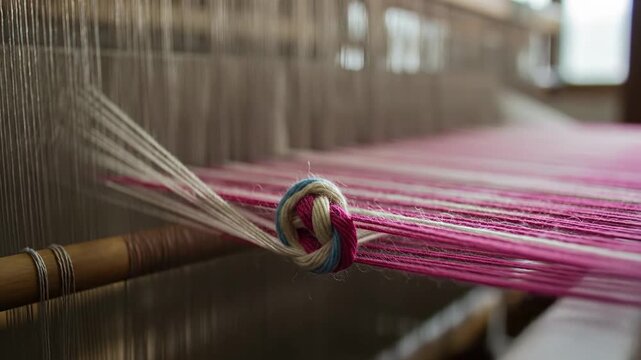
Explore Thenzawl's Handloom Industry
Visit local handloom workshops and watch skilled Mizo weavers create traditional puan and shawls.
The Performing Art of Serchhip
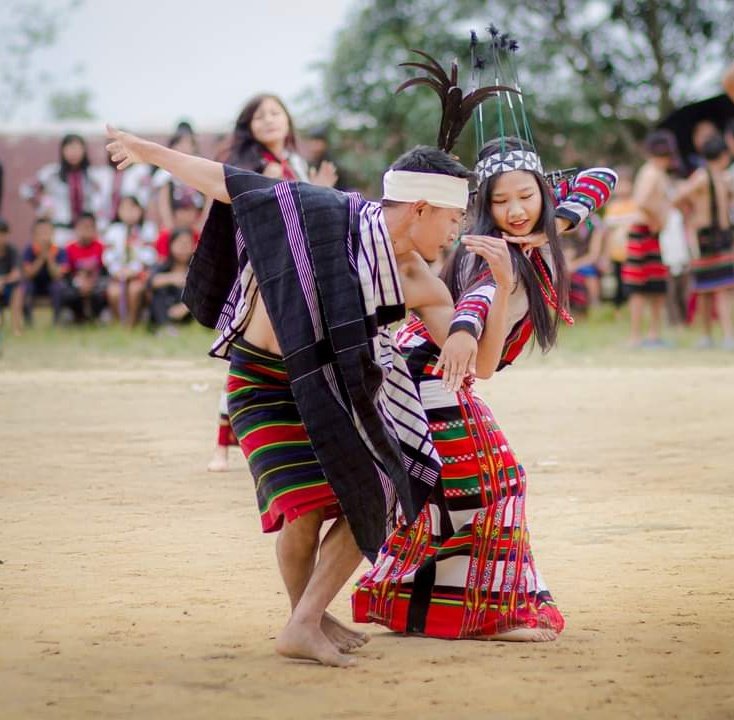
A vibrant hub for performing arts, deeply rooted in the rich cultural traditions of the Mizo people. The region has a rich heritage in folk music, dance, and storytelling, with local artists and performers drawing inspiration from the lush green hills and the communal spirit of Mizo society. Traditional music forms like Hla (folk songs) and Bawh Hla (war songs), featuring instruments like the khuang (drum) and tumtum (string instrument), are deeply embedded in the region’s cultural identity. Cheraw (Bamboo Dance) and Khuallam dance forms also flourish here, often performed during the Chapchar Kut spring festival and other community celebrations, embodying the joyful essence of Mizo heritage. The region’s connection with music and dance continues to inspire generations, preserving its artistic legacy through festivals, church choirs, and cultural troupes across Mizoram.
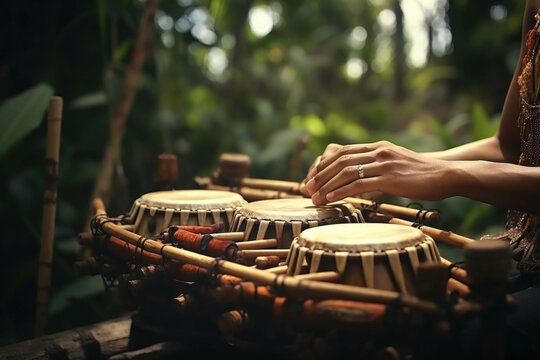
Mizo Folk
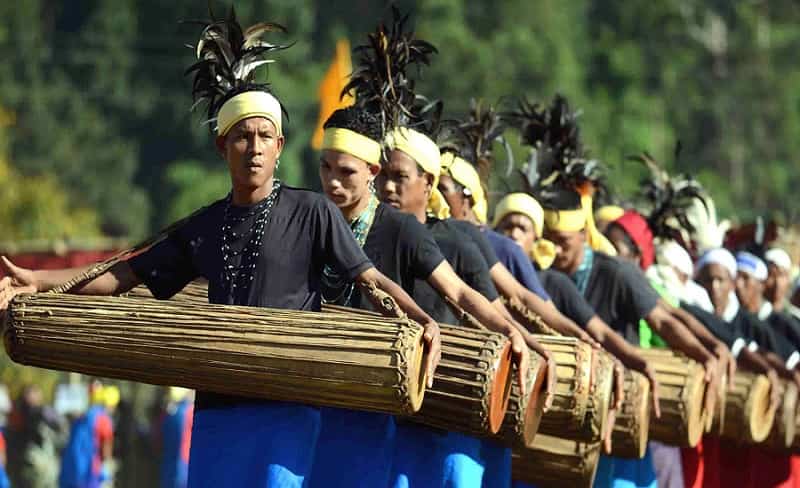
Chapchar Kut

Bawh Hla
The state of Mizoram is a major center for traditional Mizo folk music, with iconic forms like the soulful Hla (folk songs) and the energetic Chapchar Kut music shaping its cultural identity. The haunting melodies of Bawh Hla (war songs) and the rhythmic, call-and-response style of Chheih Hla are widely performed during festivals and community gatherings. Folk music, including the romantic Khawngaihna songs and the narrative Hlado tales, tells stories of love, bravery, nature, and the daily life of the Mizo people in the lush hills of Northeast India.
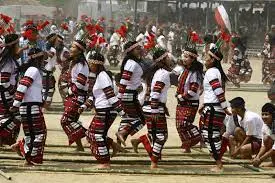
Cheraw
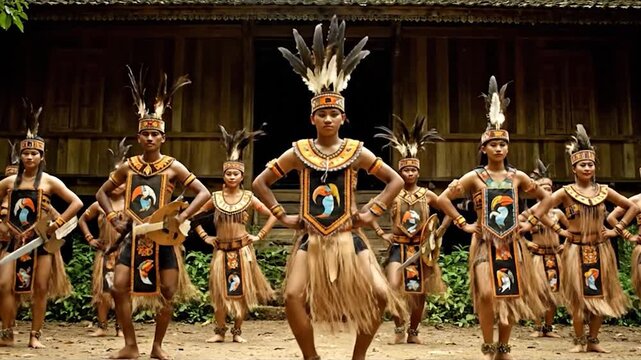
Khuallam
Chheihlam
The state of Mizoram is a major center for traditional Mizo folk dance, with iconic forms like Cheraw (Bamboo Dance) and Khuallam shaping its cultural identity. The graceful, rhythmic movements of Cheraw, where dancers step between moving bamboo staves, and the celebratory circular formations of Khuallam are widely performed during the Chapchar Kut spring festival. Folk dances, including the lively Chheihlam performed around campfires and the ritualistic Chawnglaizawn, tell stories of harvest celebrations, community bonding, and the joyful spirit of the Mizo people.
City Vibes - Serene Beauty in Mizoram's Most Literate District
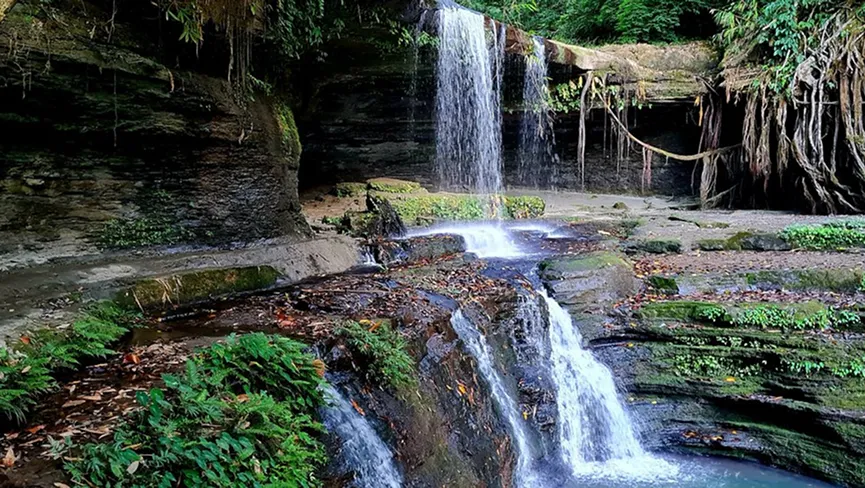
Serchhip exudes a quiet, peaceful charm that reflects the warmth and education of its people. As one of the most literate districts in India (over 98% literacy), the town takes pride in its well-maintained schools, clean streets, and informed citizens. The air is fresh and cool, carrying the scent of bamboo and wildflowers. The town is small and walkable, with friendly locals always ready to help visitors. Life moves at a slow, relaxed pace, centered around church bells, local markets, and family gatherings. It is a destination for those seeking authentic Mizo culture, unspoiled nature, and a genuine offbeat Himalayan experience far from tourist crowds.
Heritage of Serchhip
Serchhip’s heritage is deeply rooted in Mizo tribal history, folklore, and the legacy of the British colonial era. The region was originally inhabited by various Mizo sub-tribes, including the Lusei, Ralte, and Hmar, who lived in self-sufficient villages with a strong oral tradition, animistic beliefs, and a unique system of chieftainship. The legendary love story of Chhingpui and her lover is one of the most enduring tales in Mizo folklore, with Chhingpui Thlan (her grave) becoming a sacred memorial. The British established their presence in the late 19th century, bringing Christianity, education, and modern administration. Welsh missionaries translated the Bible into Mizo, creating the written Mizo language. Today, Serchhip is known as the birthplace of many Mizo intellectuals, bureaucrats, and leaders, continuing its legacy of education and cultural preservation.
Cuisine of Serchhip
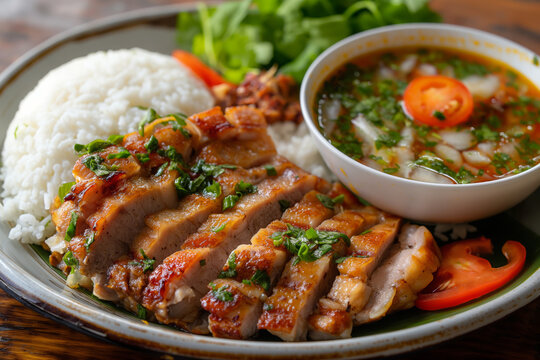
The cuisine of Serchhip is traditional Mizo food, known for its simplicity, minimal use of oil, and generous use of locally sourced ingredients like bamboo shoots, fermented fish, pork, and seasonal greens.
Bai
A signature Mizo stew made with boiled local vegetables, bamboo shoots, and fermented fish (ngari), served with steamed rice.
Sawhchiar
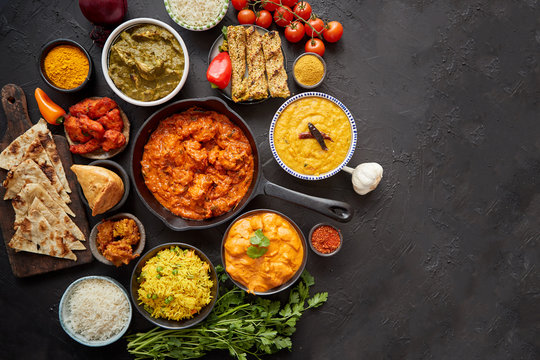
A hearty one-pot meal of rice slow-cooked with pork, chicken, or fish, ginger, garlic, and local herbs.
Vawksa Rep
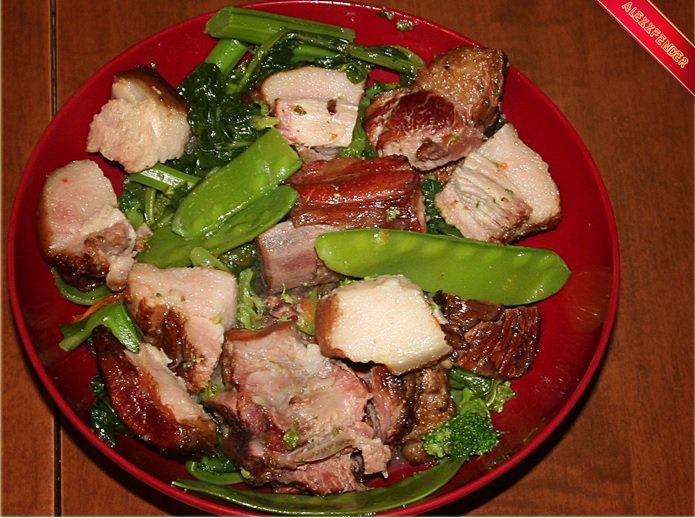
A Mizo specialty of pork belly smoked over an open fire, then cooked with bamboo shoots, mustard leaves, and chilies.

Koat Pitha
A traditional snack made from rice flour, jaggery, and sesame seeds, steamed inside a banana leaf for a sweet, soft treat.
Shopping in Serchhip
Shopping in Serchhip is modest but offers authentic Mizo handicrafts, handloom products, and local produce that reflect the region’s culture.
Mizo Puan
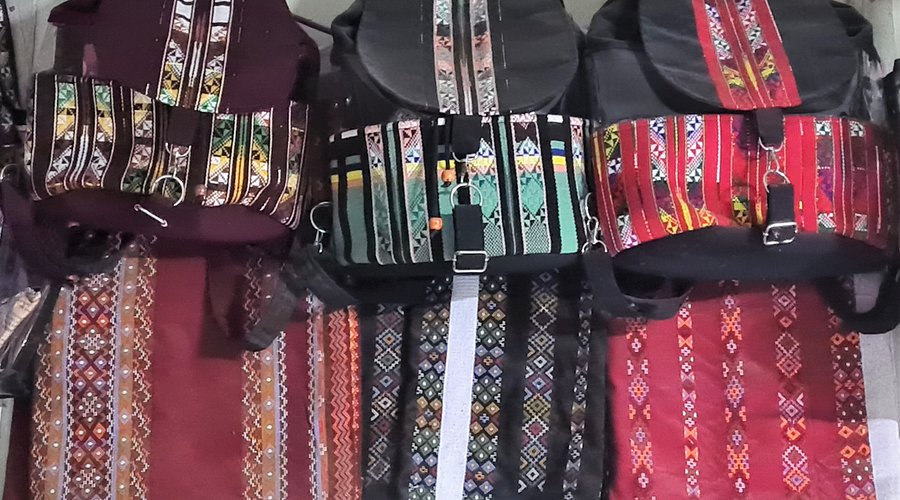
Colorful, handwoven wraparound skirts featuring traditional geometric patterns and vibrant colors, worn by Mizo women.
Handwoven Shawls
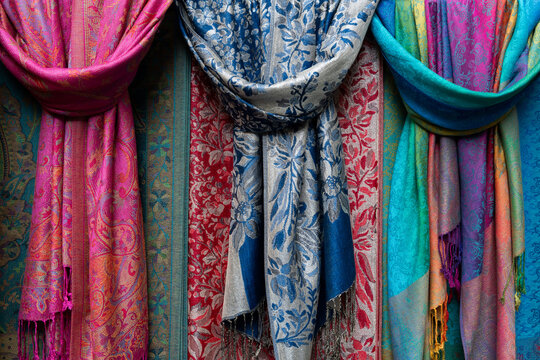
Warm, handwoven shawls and stoles made from wool and cotton, featuring traditional Mizo designs as perfect souvenirs.
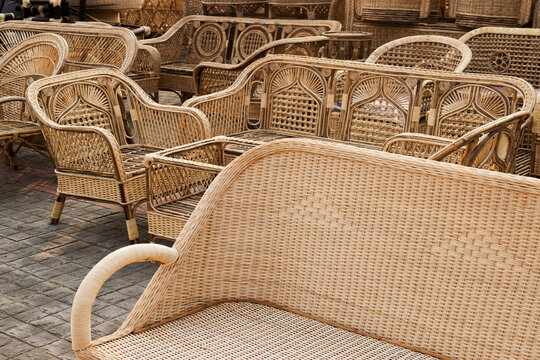
Cane Products
Handcrafted baskets, trays, mats, hats, and decorative items made from locally sourced bamboo and cane by village artisans.

Local Honey
Pure, forest-sourced honey collected from beehives in the surrounding hills, known for its dark color and medicinal properties.
Tourist's Handbook
The best time to visit Serchhip is from October to April. The winter and post-monsoon months offer cool, pleasant weather with temperatures between 10°C and 25°C, clear skies, and excellent visibility of the waterfalls and hills, making it ideal for sightseeing and outdoor activities. The spring months (March-April) are also comfortable, with blooming wildflowers and the vibrant Chapchar Kut festival (usually in March). The summer months (May-June) are warm but bearable, with temperatures reaching 30°C, though pre-monsoon showers can affect travel. The monsoon (July-September) brings extremely heavy rainfall, as Mizoram receives high annual rainfall; roads become prone to landslides, waterfalls are swollen but muddy, and travel becomes difficult, making this the least recommended time to visit.
- Check Weather Before Traveling – Mizoram receives heavy rainfall; avoid visiting during monsoon (July-September) as roads become prone to landslides, and waterfalls may be inaccessible or dangerous.
- Wear Sturdy Footwear for Waterfall Visits – The path to Vantawng Falls viewing platform can be slippery, especially after rain; wear non-slip walking shoes or hiking boots.
- Carry Your Own Bottled Water & Snacks – Serchhip has limited restaurants and shops; pack sufficient sealed bottled water and snacks for day trips to waterfalls and viewpoints.
- Be Cautious Near Waterfall Edges – Vantawng Falls has a steep drop; stay behind safety barriers, supervise children closely, and do not attempt to climb down to the water.
- Respect Local Customs in Villages – When visiting Thenzawl or other Mizo villages, ask for permission before taking photos of locals or their homes, and dress modestly.
- Keep Passport or ID Proof Handy – Mizoram is a border state requiring an Inner Line Permit (ILP) for visitors; carry your ILP and a government-issued ID proof at all times during your stay.
- Hire Local Guides for Remote Treks – If trekking to remote areas or hilltops, hire a local guide who knows the terrain and can communicate with villagers in the Mizo language.
Serchhip is a small hill town best explored by private vehicle, as public transport is limited. The main attractions—Vantawng Falls, Chhingpui Thlan, and Buangpui Tlang—are located outside the town center, accessible by road. Hiring a private taxi from Serchhip town or from Aizawl (about 90 km) for a full-day trip is the most convenient option. For visiting nearby attractions like Thenzawl (20 km) or Lunglei (70 km), a private taxi is essential, as local buses are infrequent and unreliable. Within Serchhip town, walking is sufficient for short distances, and local auto-rickshaws are available for small trips.
Negotiate Taxi Fares Before Departure – Always agree on the total fare for local or outstation trips before starting; ask your hotel for estimated rates to avoid overcharging, especially for trips from Aizawl to Serchhip or to Thenzawl.
Beware of Unauthorized "Waterfall View" Guides – At Vantawng Falls, some locals may offer to take you to a "hidden" viewing spot for a fee; the official viewing platform is free and offers the best view.
Check Handloom Product Quality Before Buying – Some shops may sell machine-made fabrics as handwoven Mizo puan; ask to see the weaving process or buy only from government-approved handloom emporiums.
Don't Pay for Village Entry Without Confirmation – Thenzawl and other villages do not have official entry fees; refuse anyone asking for payment to enter a village or take photos.
Confirm Homestay Amenities Before Booking – Accommodation in Serchhip is limited to basic homestays and government guesthouses; confirm hot water availability, meals, and bedding before paying.
Compare Souvenir Prices Before Buying – Handicrafts and handloom products may be priced higher for tourists; check prices at two or three shops before purchasing, and negotiate politely.
Avoid Unsolicited "Festival Ticket" Offers – During Chapchar Kut or Mim Kut, some individuals may offer to sell tickets for "special access"; festival events are usually free or have official ticket counters at the venue.
Explore Serchhip
Serchhip Blogs
- Places to visit in Serchhip
- Places to visit nearby Serchhip
- India’s most literate district destination
- Mizoram’s offbeat hill station for nature lovers
Recommended articles
- Mizoram Cultural Guide – Cheraw dance and Mizo festivals special
- Places to visit in Thenzawl
- Places to visit in Lunglei
- India’s best offbeat destinations in Northeast India