¤ 10+ minutes Read
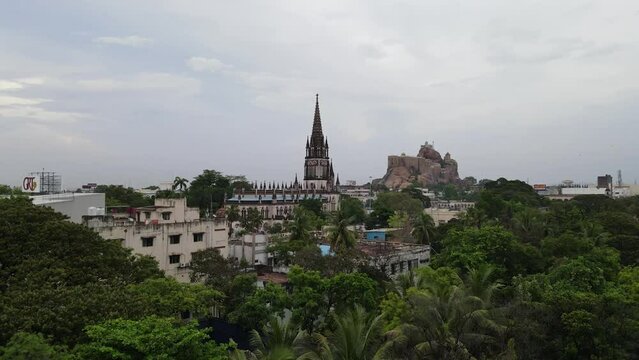
Tiruchirappalli, popularly known as Trichy or Tiruchi, is a magnificent city in Tamil Nadu that stands as a testament to Dravidian architecture, Chola and Nayak heritage, and timeless spirituality. Dominated by the iconic Rockfort Temple complex, this ancient city on the banks of the Kaveri River seamlessly blends history, religion, and vibrant Tamil culture, offering visitors a profound South Indian experience.
Wiki Link: Tiruchirappalli wiki page
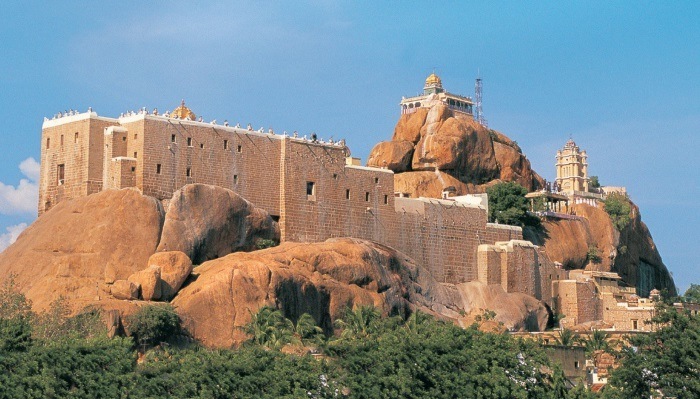
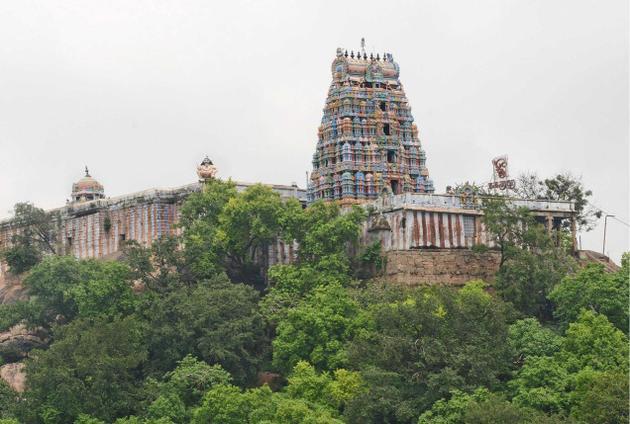
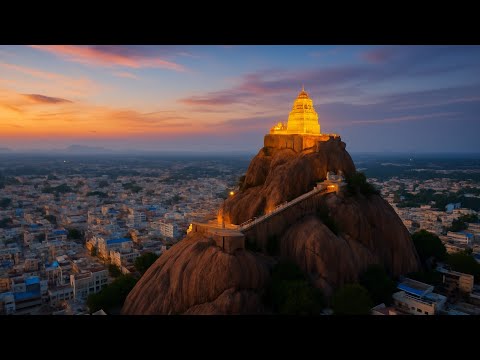
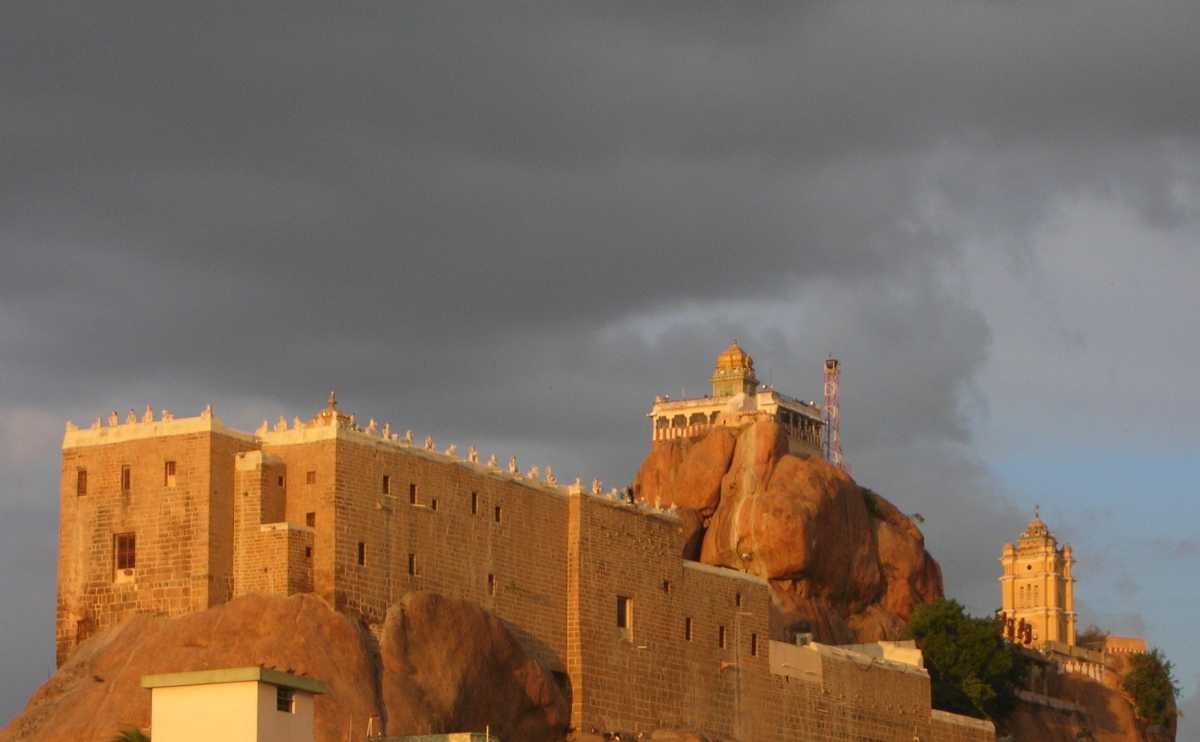
Perched on a 273-foot rock, this ancient fortress-temple offers panoramic views after climbing 437 steps carved into the stone.
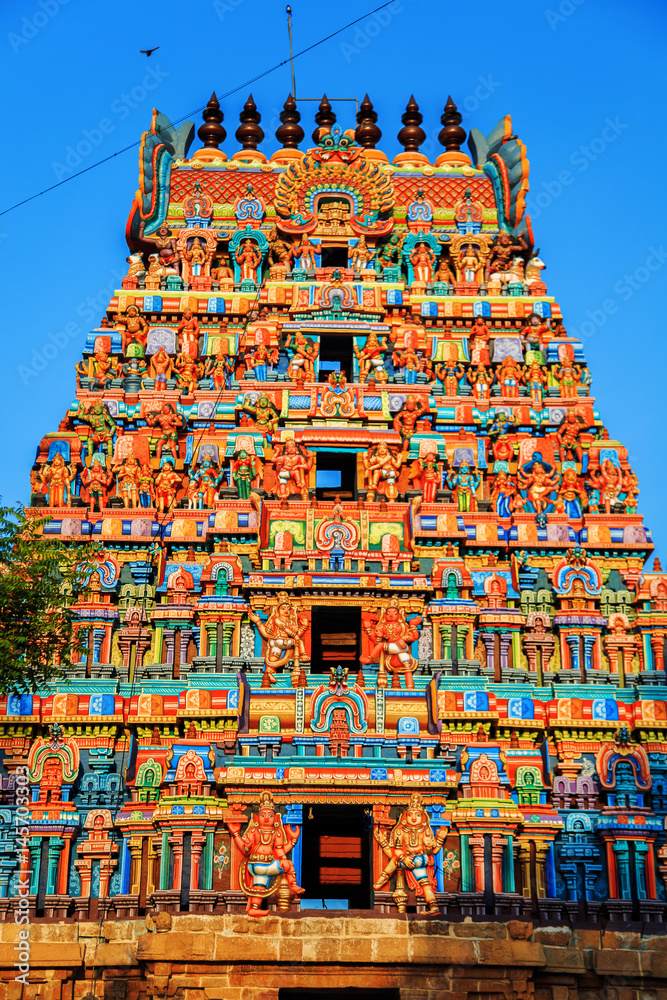
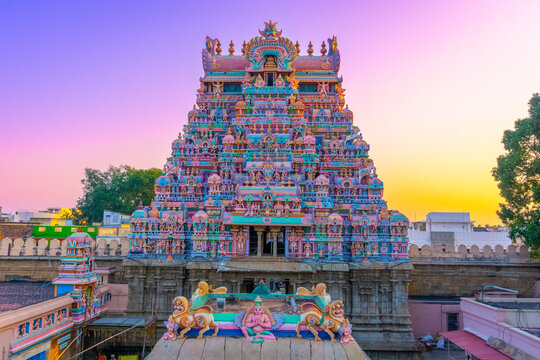
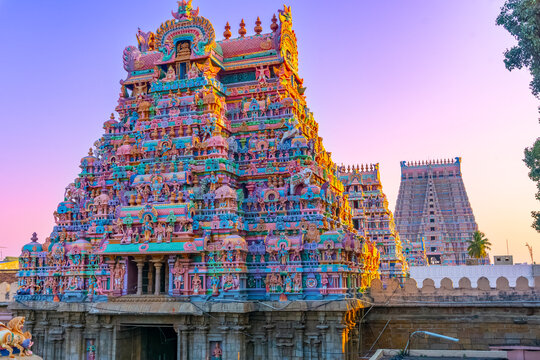
The world’s largest functioning Hindu temple complex, featuring 21 magnificent gopurams on the sacred Kaveri island.
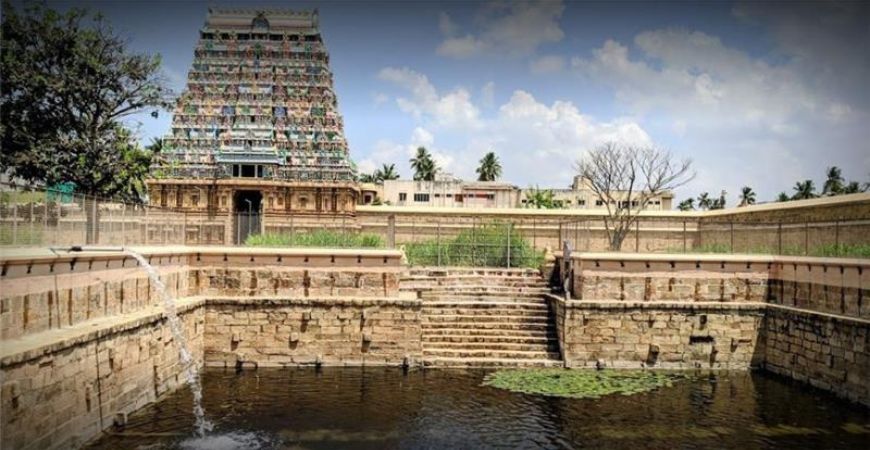
One of the Pancha Bhoota Stalams representing water, featuring an underground stream and unique Akhilandeswari shrine.
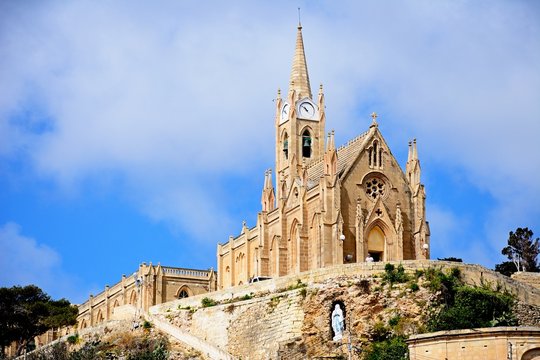
A stunning Gothic-style basilica with Indo-French architecture and beautiful stained-glass windows depicting biblical scenes.
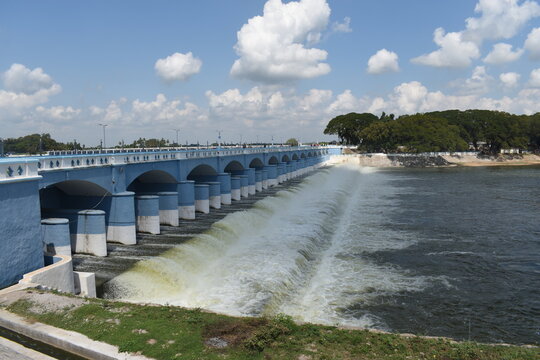
The world’s oldest surviving dam, built across the Kaveri by Chola king Karikalan in the 2nd century AD, still functional today.
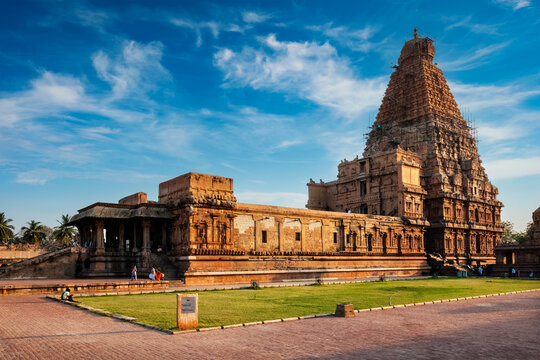
A UNESCO World Heritage Site and masterpiece of Chola architecture, known for its towering vimana and massive Nandi.
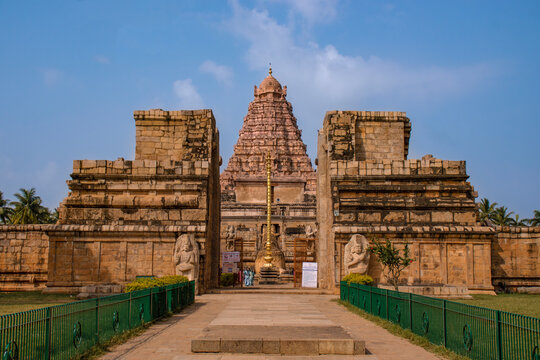
Another UNESCO site built by Rajendra Chola I, commemorating his victory near the Ganges with exquisite Chola architecture.
A scenic hillock famous for its Murugan temple and thriving population of peacocks amidst natural beauty.
Immerse yourself in the spiritual, historical, and cultural essence of this ancient city. From temple hopping across Srirangam to climbing the Rockfort at sunrise, Trichy offers experiences that stay with you forever.
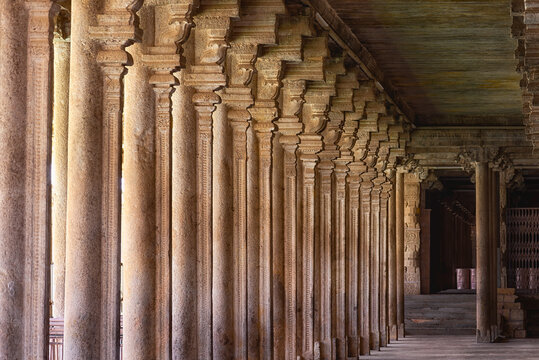
Walk through the magnificent 1,000-pillar mandapam and endless corridors of the Sri Ranganathaswamy Temple.
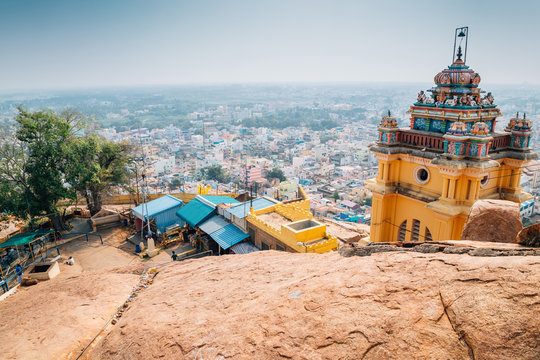
Climb 437 steps at dawn to witness breathtaking sunrise views over the Kaveri plains from Ucchi Pillayar Temple.
Experience grand processions of caparisoned elephants, classical music, and dance during festivals like Vaikunta Ekadasi.
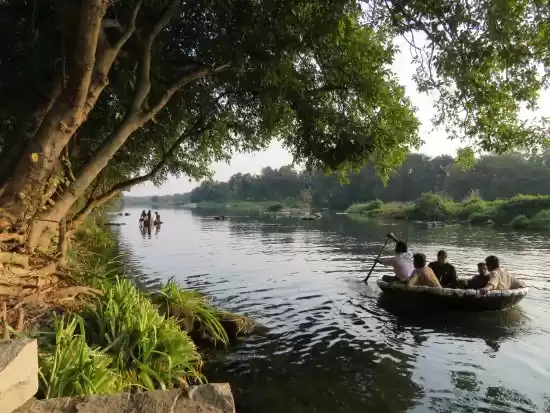
Enjoy serene boat rides near Srirangam offering beautiful reflections of temple gopurams in the sacred river.
As a city deeply rooted in the Chola and Nayak traditions, Tiruchirappalli is a vibrant center for classical arts. The region has nurtured some of the finest musicians, dancers, and artists who have contributed to Tamil Nadu’s rich cultural legacy.
Carnatic Classical Music
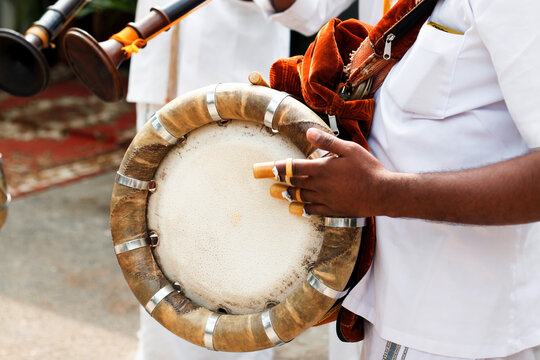
Nagaswaram & Thavil
Thevaram
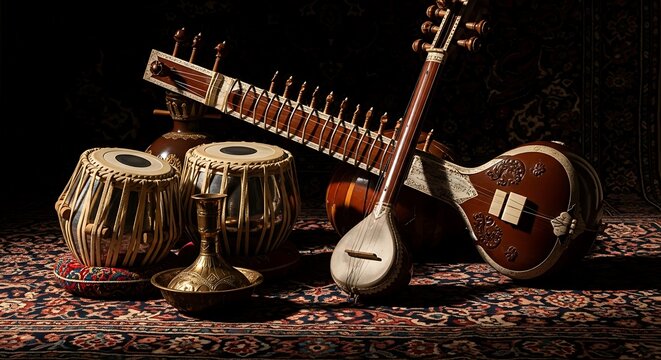
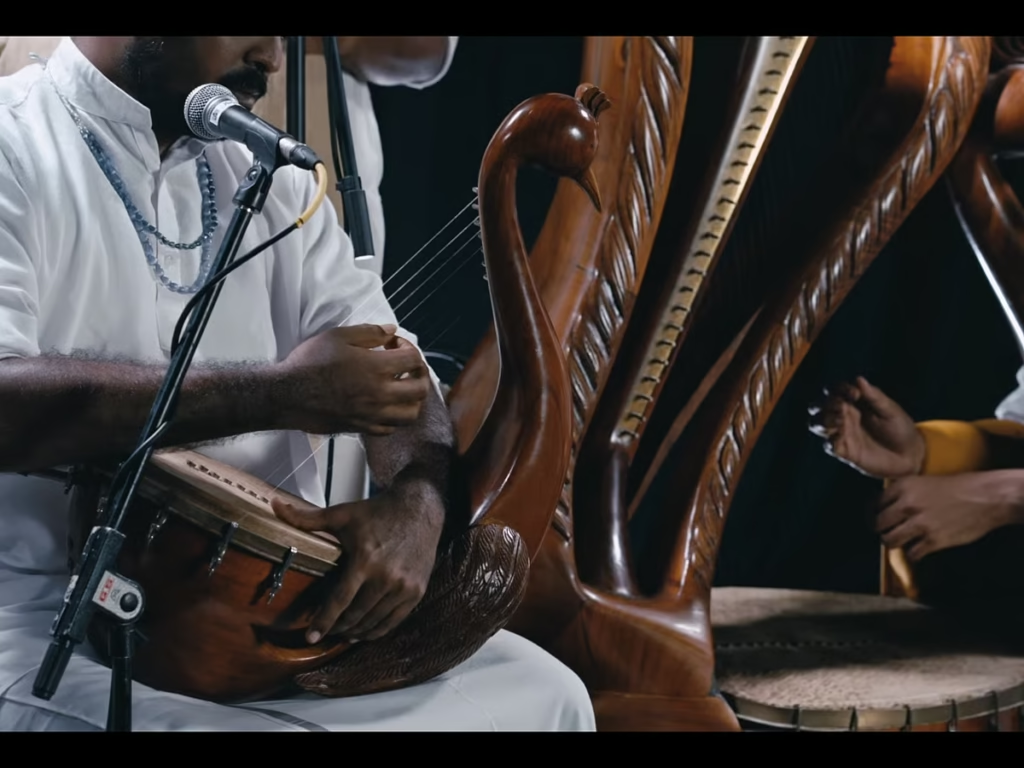
Tiruchirappalli is a profound center for Carnatic classical music, with its ancient temples preserving sacred hymns like Thevaram and Divya Prabandham for over a millennium. The region has nurtured legendary composers and hosts renowned Music Festivals in Srirangam where intricate ragas and kritis are performed by celebrated artists. Folk traditions thrive alongside classical forms, with Nadaswaram and Thavil accompanying temple rituals while Villu Pattu and Kavadi Chindu continue to captivate audiences with their storytelling charm.
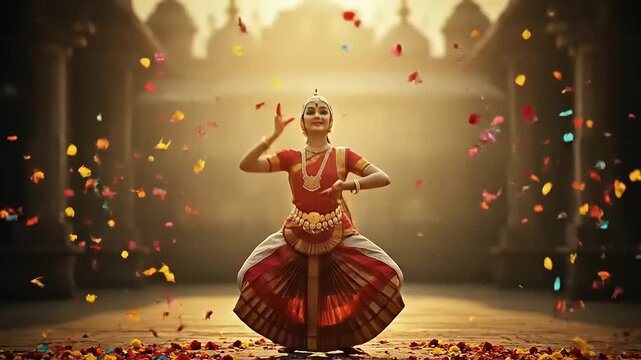
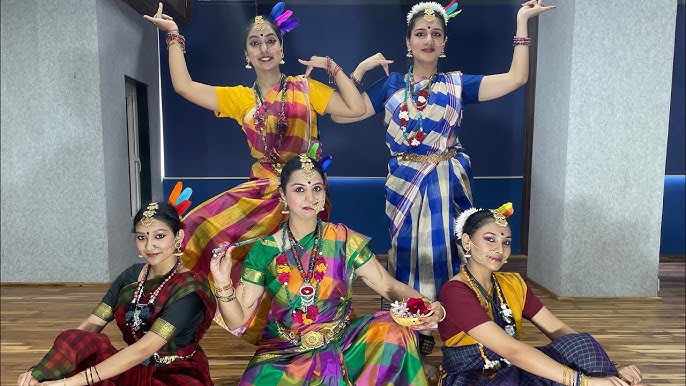
Bharatanatyam
Kuravanji
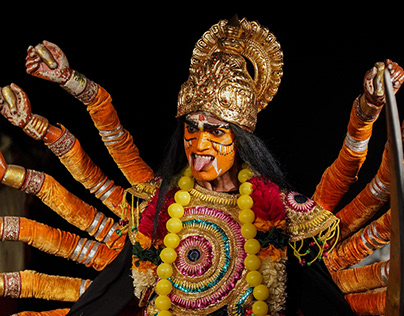
Therukoothu
Tiruchirappalli is a thriving hub for Bharatanatyam, the classical dance form of Tamil Nadu, with numerous renowned institutions and gurus preserving its purest traditions. The region’s temples, particularly Srirangam and Rockfort, have historically served as stages where dance was offered as devotion, with intricate footwork and expressive abhinaya bringing mythological stories to life. Traditional folk dances like Kummi, Kolattam, and Oyilattam flourish during festivals and harvest celebrations, while Therukoothu street plays continue to entertain villages with dramatic epics performed in vibrant costumes and powerful storytelling.
Tiruchirappalli exudes an aura of timelessness. The city’s heartbeat is synchronized with the temple bells of Srirangam and the sacred chants from the Rockfort. Life here moves at a harmonious pace, where ancient traditions coexist with modern life. The Kaveri River, flowing gently through the city, adds to its serene and sacred character. It’s a city where every corner whispers stories of the Cholas, Nayaks, and the British, all while remaining a vibrant, living center of Tamil culture.
Trichy’s heritage is predominantly shaped by the Chola, Pandya, Nayak, and later British influences. The city served as a strategic stronghold for centuries. The most significant heritage lies in its temple architecture—the massive gopurams of Srirangam, the rock-cut caves of the Rockfort, and the water-centric design of Jambukeswarar. The colonial-era buildings, like the Our Lady of Lourdes Church and the Railway Station (built in 1928), add another layer to its architectural narrative.
Trichy’s cuisine is a delightful exploration of authentic Tamil Nadu flavors, heavily influenced by its proximity to the Chettinad region.
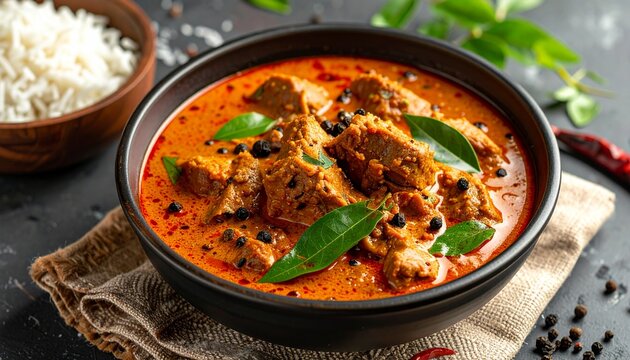
Famous for its spicy, aromatic curries like pepper chicken and mutton chukka.
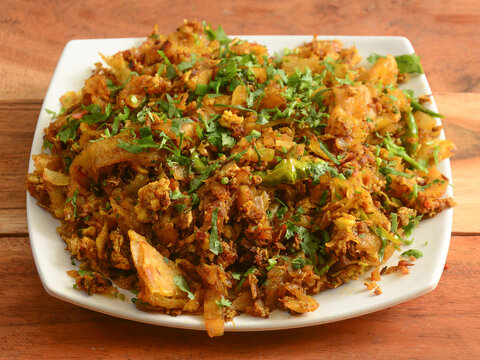
A beloved street food where shredded parotta is tossed with eggs, chicken, or vegetables.
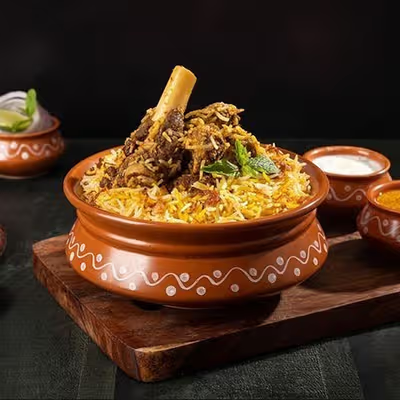
Aromatic biryani using unique short-grain jeeraga samba rice and dum cooking style.
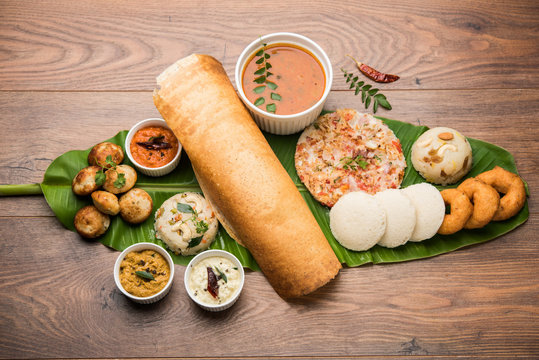
Start your day with soft idlis, crispy dosas, and vadas served with sambar and chutneys.
Shopping in Trichy is a treasure hunt for traditional Tamil Nadu crafts and religious artifacts.
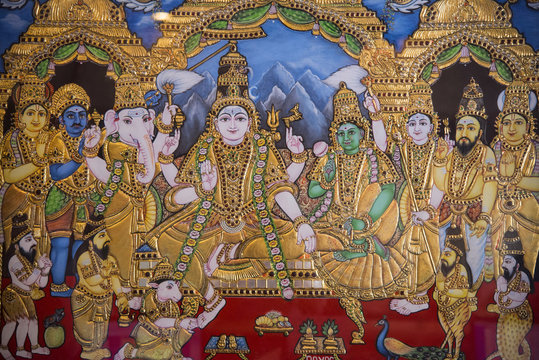
Iconic religious paintings known for rich colors, gold foil, and embedded gemstones.
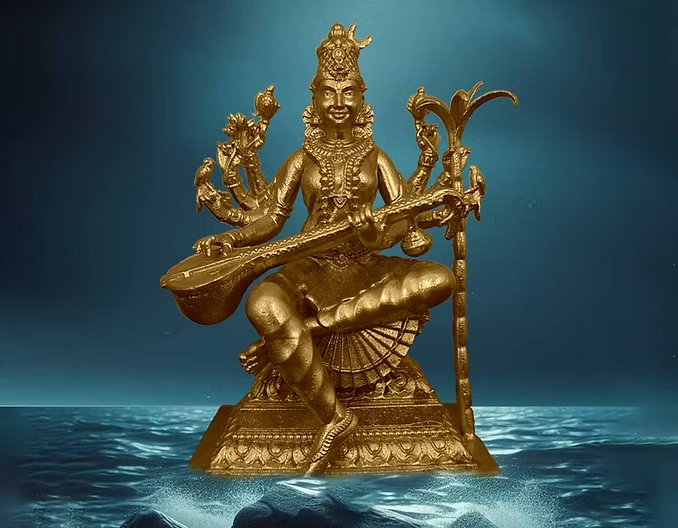
Famous for traditional bronze casting including Nataraja idols, lamps, and brassware.
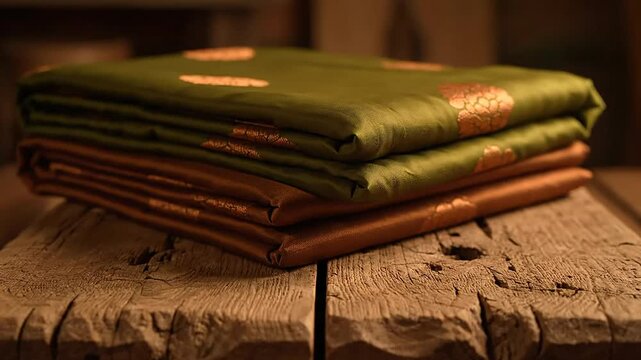
Exquisite handloom sarees including Kanchipuram-style silks and traditional cotton sarees.
Traditional stone grinders (ammi kallu and aatu kallu) used in authentic South Indian cooking.
The best time to visit Tiruchirappalli is from November to February. During these winter months, the weather is pleasant and cool, perfect for exploring the vast temple complexes and outdoor sightseeing. The temperatures range from 20°C to 30°C. Avoid the summer months (March to May) when temperatures can soar above 40°C, making exploration difficult.
Temple Etiquette: Dress modestly (shoulders and knees covered). Remove footwear before entering temple premises. Photography restrictions vary, so check signage.
Footwear Security: At major temples, use authorized footwear stalls for safekeeping rather than leaving them unattended.
Stay Hydrated: The city can get warm, even in winter. Carry water while exploring temple complexes.
Climbing Caution: Be careful while climbing the 437 steps at Rockfort Temple, especially during humid weather. Take breaks if needed.
Mosquito Protection: Carry mosquito repellent, especially if staying near riverine areas or visiting during the evening.
Respect Customs: Inside temples, follow the queue system for darshan and maintain silence in sanctum sanctorums.
Auto-rickshaws are the most convenient mode of transport for short distances within the city. Local buses connect major areas like Srirangam, Rockfort, and the Central Bus Stand economically. App-based cabs (Ola, Uber) operate in the city and are reliable for longer trips or airport transfers. For visiting nearby attractions like Thanjavur, hiring a private taxi for the day is recommended.
Auto-Rickshaw Overcharging: Always insist on using the meter or negotiate the fare clearly before boarding. Pre-paid auto booths are available at the railway station.
"Free" Blessings: Beware of temple priests or individuals offering "special" or "quick" darshan for extra money inside or near temple premises.
Fake Guides: Unauthorized guides may approach you at Srirangam or Rockfort. Verify credentials or hire guides from official tourism offices.
Gemstone & Antique Scams: Be cautious when buying "precious stones" or "antiques" from roadside sellers. Purchase from government emporiums or reputable shops.
Prasad Overpricing: Some vendors near temples may sell prasad at inflated prices. Buy from official temple counters for fair rates.
Photo Charges: Some people at tourist spots may demand money if you photograph them or their stalls. Clarify before clicking.