
¤ 10+ minutes Read
Srisailam
A complete tourist and cultural guide
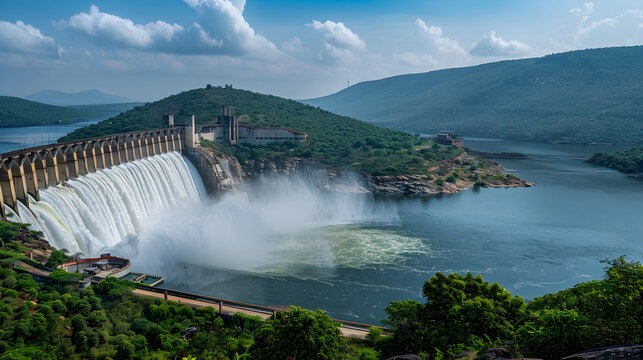
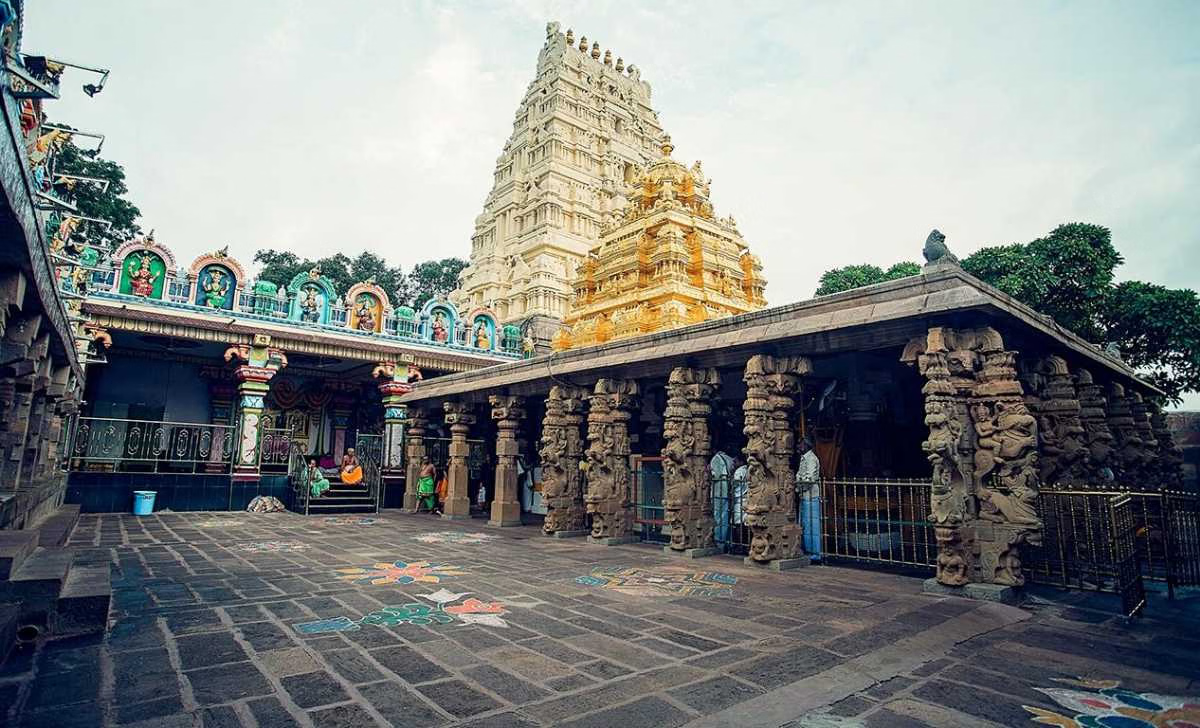
Srisailam, a revered pilgrimage town in Andhra Pradesh, is nestled deep within the dense forests of the Nallamala Hills on the banks of the Krishna River. Renowned as the abode of Lord Mallikarjuna, one of the twelve sacred Jyotirlingas, and Goddess Bhramaramba, a powerful Shakti Peetha, it is a unique destination where both Shaivite and Shakta traditions converge. Surrounded by wildlife and ancient architecture, Srisailam captivates spiritual seekers, history enthusiasts, and nature lovers from across the globe.
Wiki Link: Srisailam wiki page
Must-Visit Attractions in Srisailam
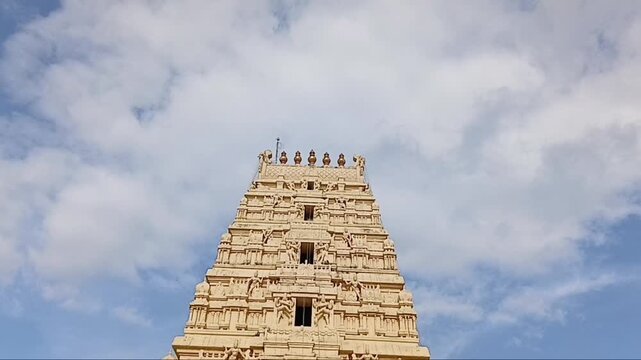
Mallikarjuna Swamy Temple
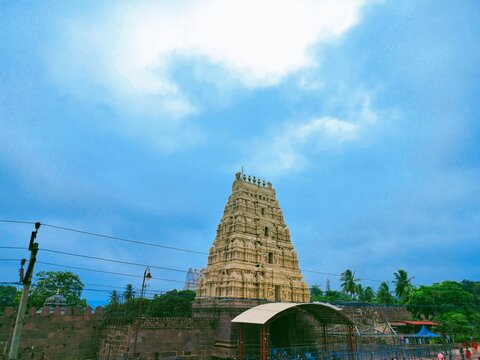
One of the twelve Jyotirlingas and a Shakti Peetha, showcasing magnificent Dravidian architecture with towering gopurams and a gold-plated shrine.
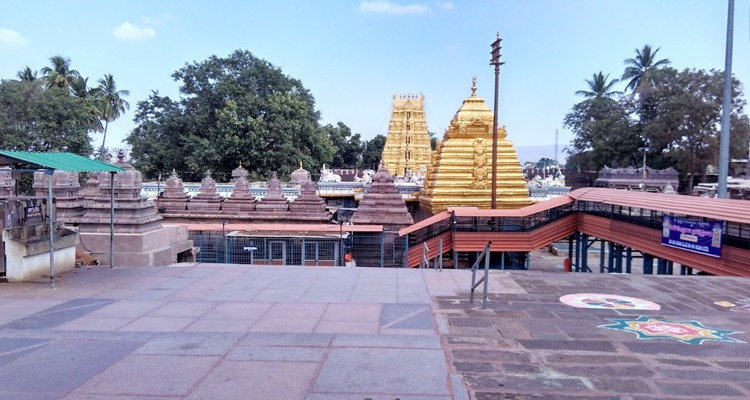
Bhramaramba Devi Temple
Located within the main complex, this shrine is one of the eighteen Maha Shakti Peethas dedicated to Goddess Bhramaramba, the revered Bee Goddess.
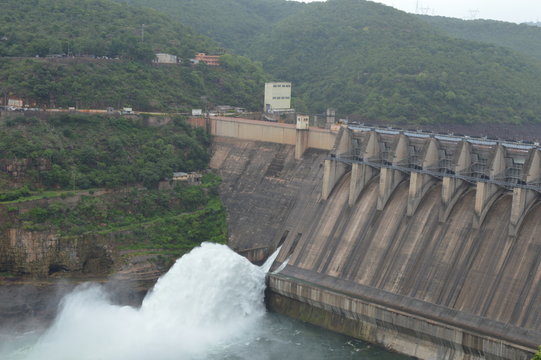
Srisailam Dam
A massive hydroelectric dam across the Krishna River offering breathtaking reservoir views and a serene spot for sacred river baths.
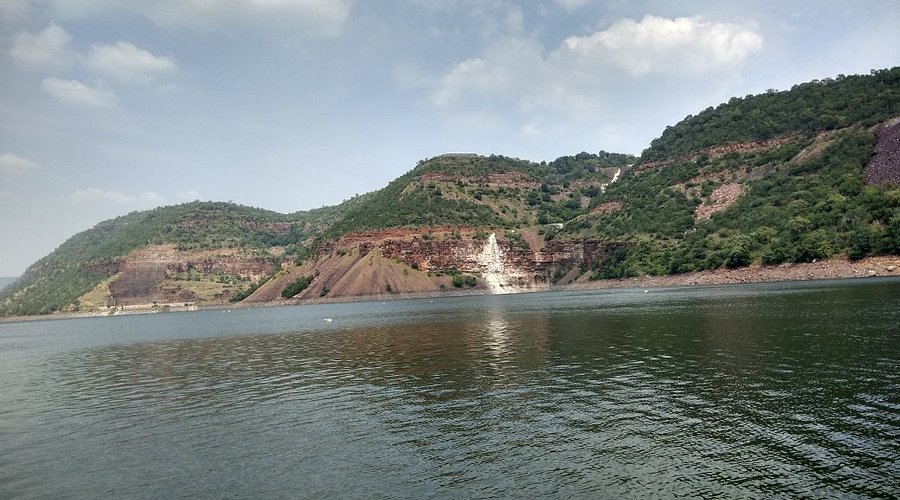
Akka Mahadevi Caves
Ancient caves a short boat ride from the dam, associated with the 12th-century saint Akka Mahadevi and featuring a natural Shiva lingam.
Major Attractions Nearby Srisailam
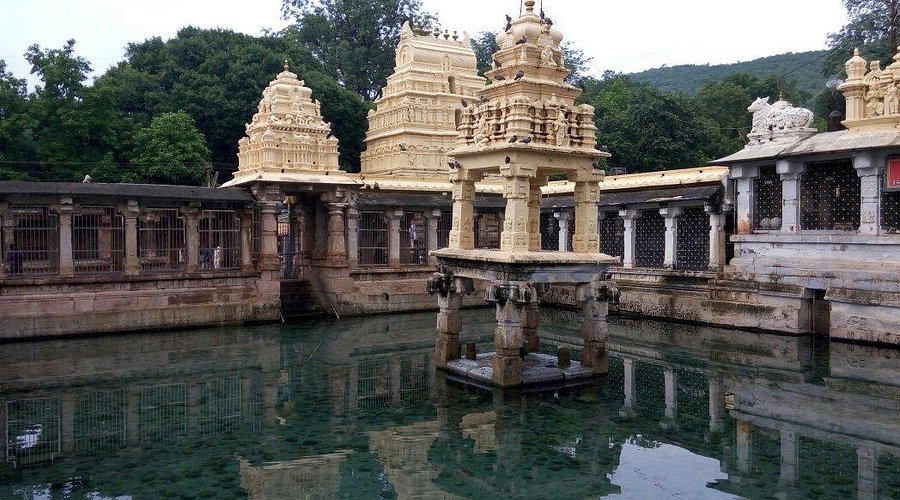
Mahanandi Temple
Located 170 km away, this ancient temple is one of the nine Nandi shrines known for its nine natural medicinal water springs.
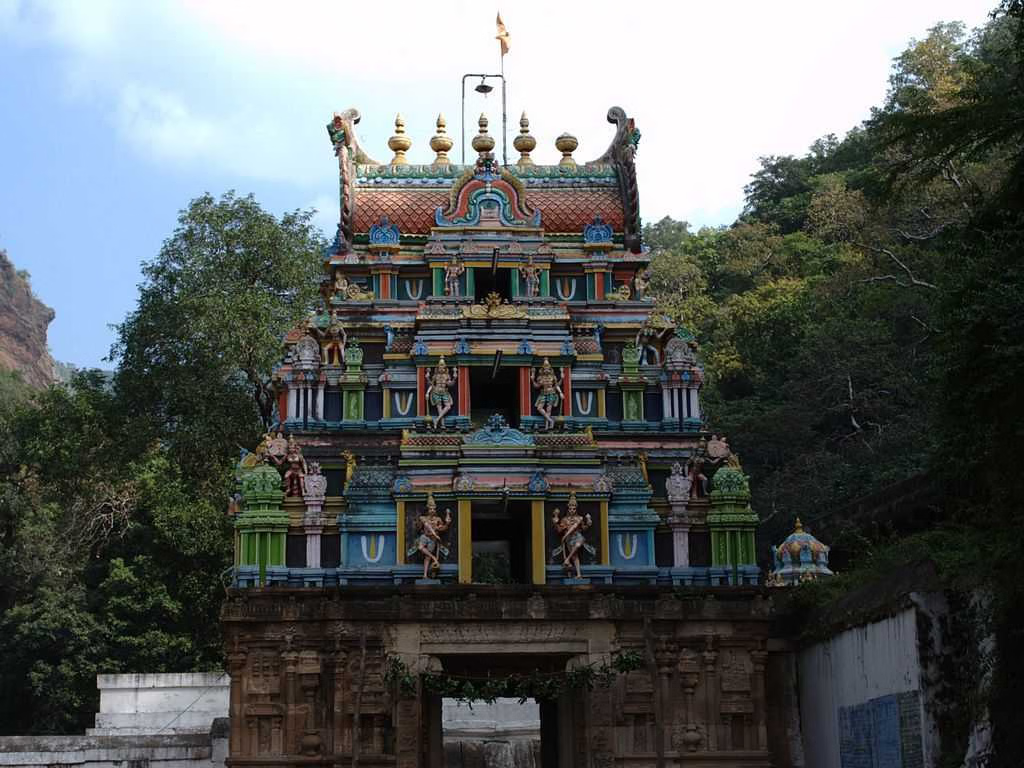
Ahobilam
Situated 140 km from Srisailam, this sacred site features nine ancient temples dedicated to Lord Narasimha and scenic waterfalls.
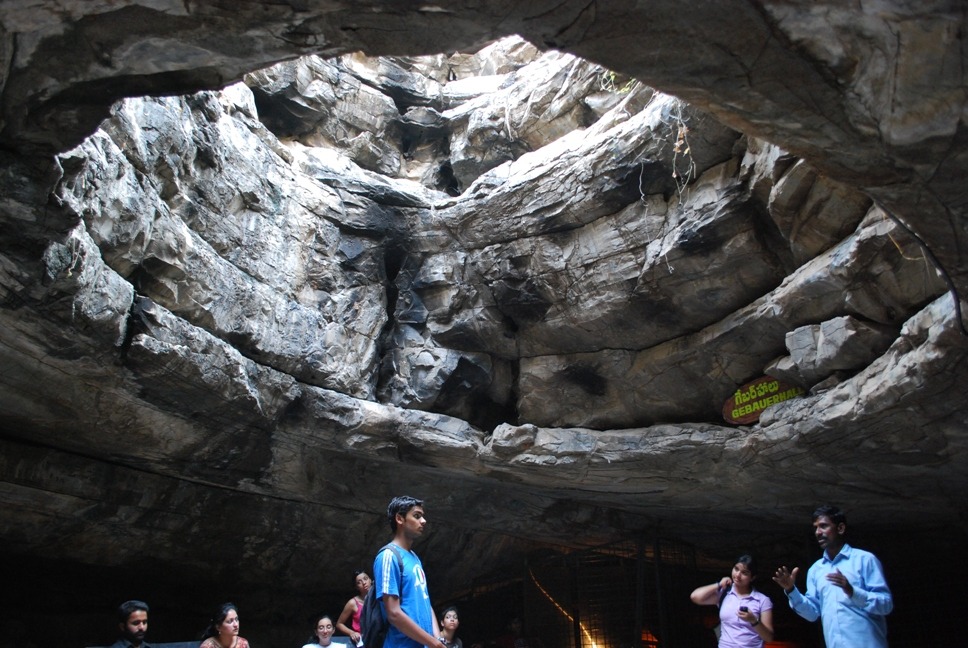
Belum Caves
Approximately 180 km from Srisailam, these are India’s second-largest cave system with stunning stalactite, stalagmite, and underground chambers.
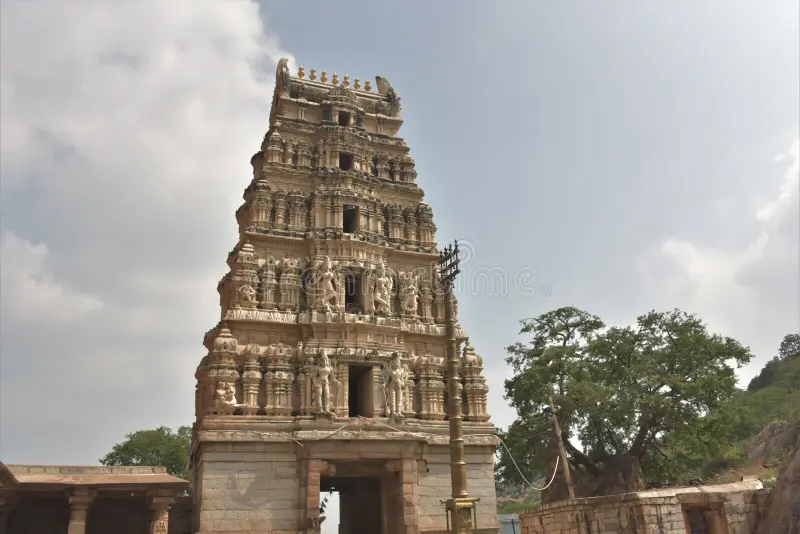
Yaganti Temple
Located 160 km away, this unique temple is famous for a growing Vishnu idol, ancient caves, and an ever-increasing Nandi statue.
Things to do in Srisailam
Experience the divine energy, natural beauty, and rich heritage of this sacred hill town. From ancient temple rituals to wildlife exploration, Srisailam offers a soulful and adventurous journey.
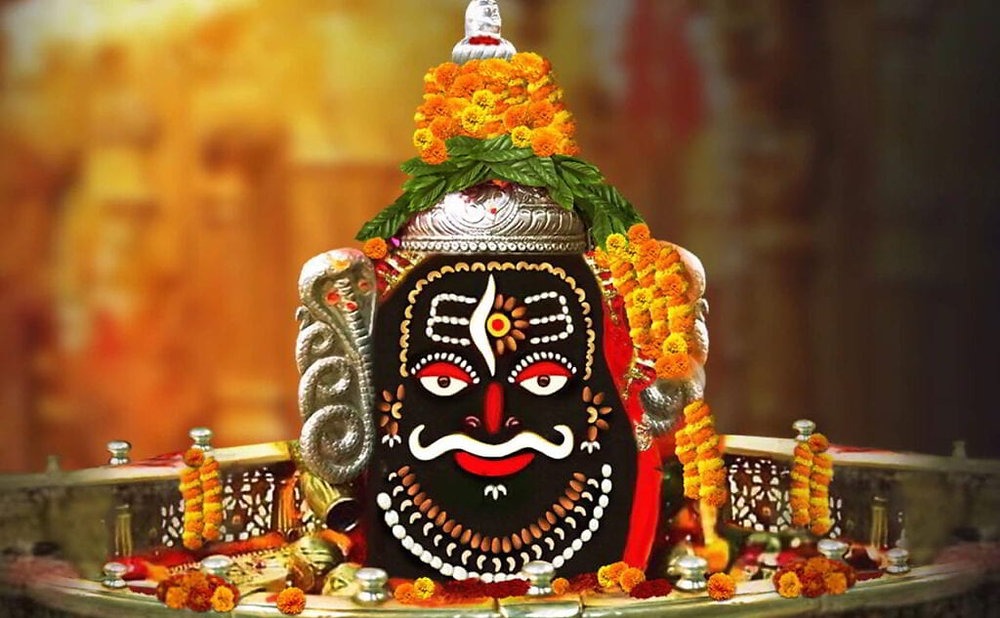
Witness the Jyotirlinga Abhishekam
Attend the early morning ritual bath of the sacred Shiva lingam with chanting, drums, and offerings of milk and bilva leaves.
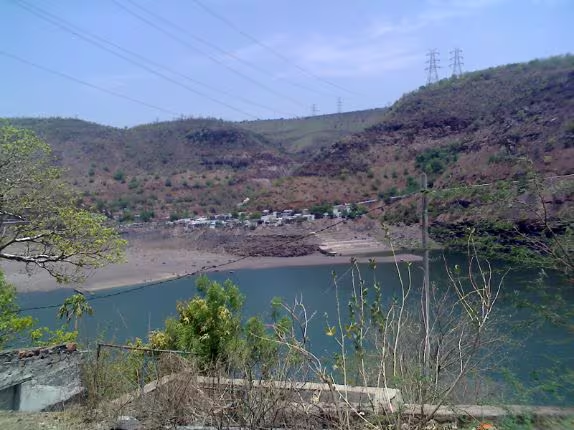
Take a Holy Dip at Pathalaganga
Descend the steps to the Krishna River at the dam’s base for a sacred bath believed to cleanse sins before temple prayers.
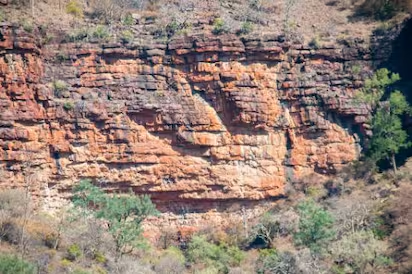
Trek to the Akka Mahadevi Caves
Take a boat followed by a short forest trek to reach ancient meditation caves favored by saints for centuries.
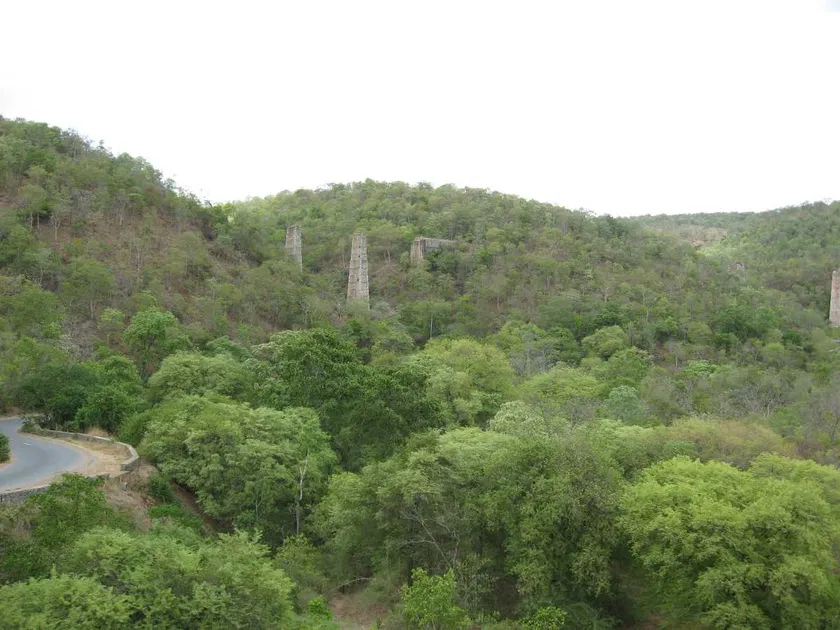
Explore the Nallamala Forest
Drive through the Srisailam Tiger Reserve, one of India’s largest, home to tigers, leopards, sloth bears, and diverse birds.
The Performing Art of Srisailam
Srisailam is a vibrant center for devotional performing arts, where classical music and dance forms are deeply intertwined with temple rituals and spiritual traditions. Rooted in the rich cultural heritage of the Rayalaseema region, art forms like Sankirtanas, Veeranatyam, and Tappeta Gullu flourish here, often performed during festivals at the Mallikarjuna Temple, embodying the sacred energy and divine ambiance of this ancient hill town.
Music Forms
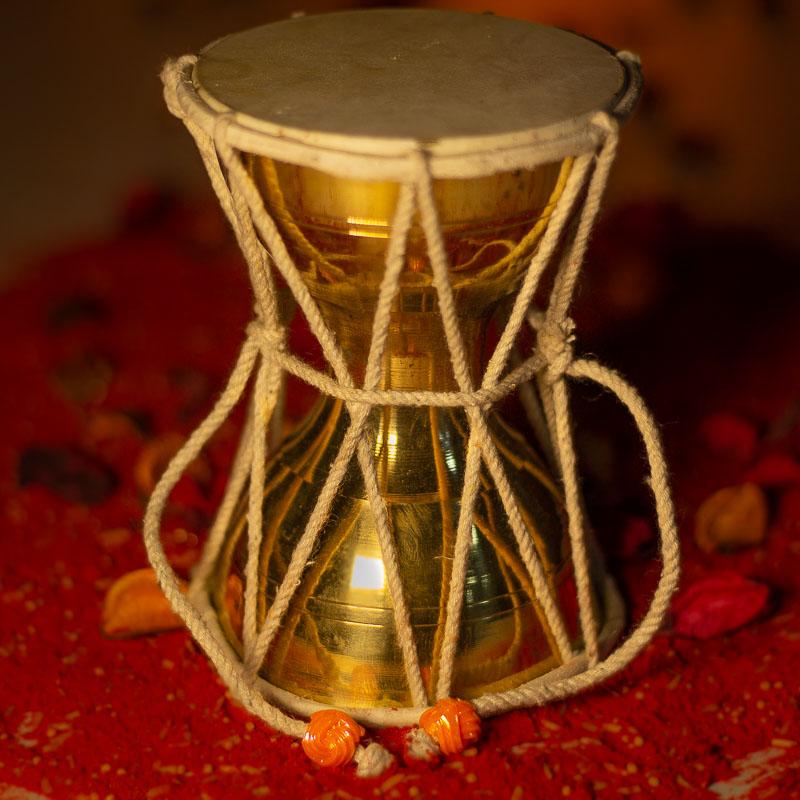
Dasarathi Padalu
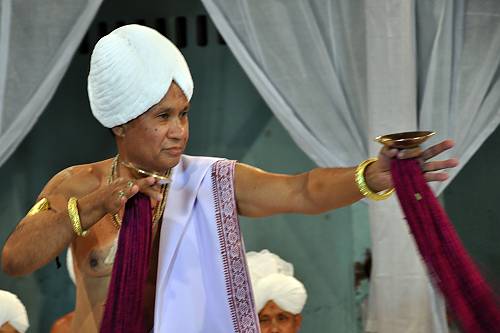
Sankirtanas
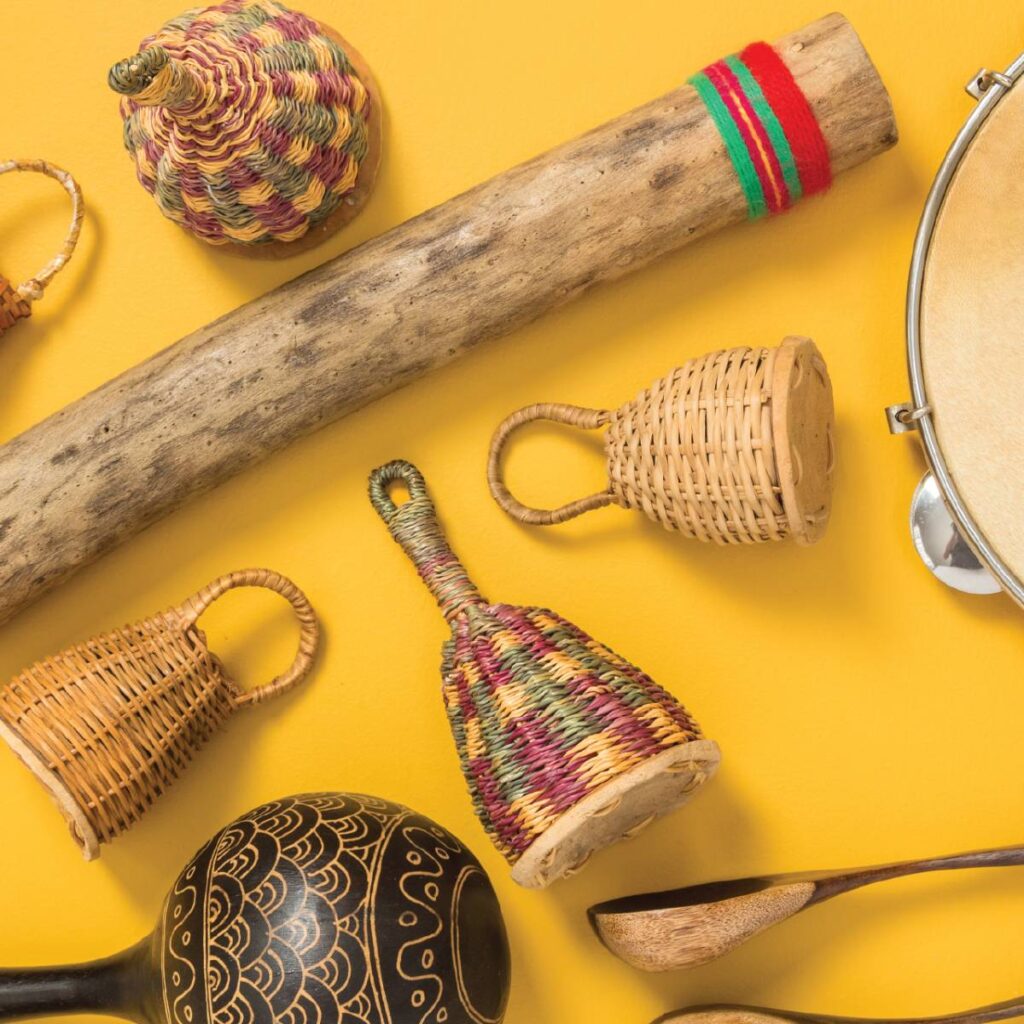
Janapada Geetalu
The music of Srisailam is deeply rooted in the devotional Sankirtana tradition, a form of congregational singing that forms an integral part of daily temple rituals at the Mallikarjuna Swamy Temple. These soulful hymns, sung in Telugu and Sanskrit, praise Lord Shiva and Goddess Bhramaramba, and are accompanied by traditional instruments like the mridangam, cymbals, and the harmonium, creating an atmosphere of profound spiritual energy. Performed during pujas, processions, and festivals like Maha Shivaratri, this musical style is characterized by its repetitive, meditative chants, call-and-response patterns, and the intense devotion that resonates through the sacred corridors of this ancient hill town.
Dance Forms
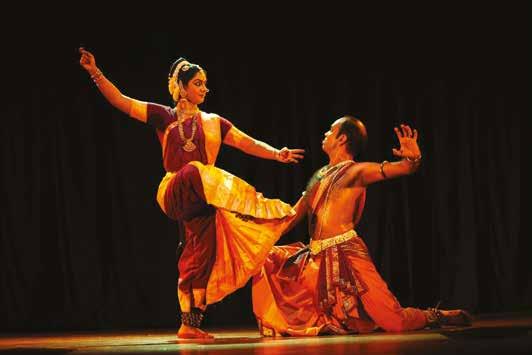
Veeranatyam
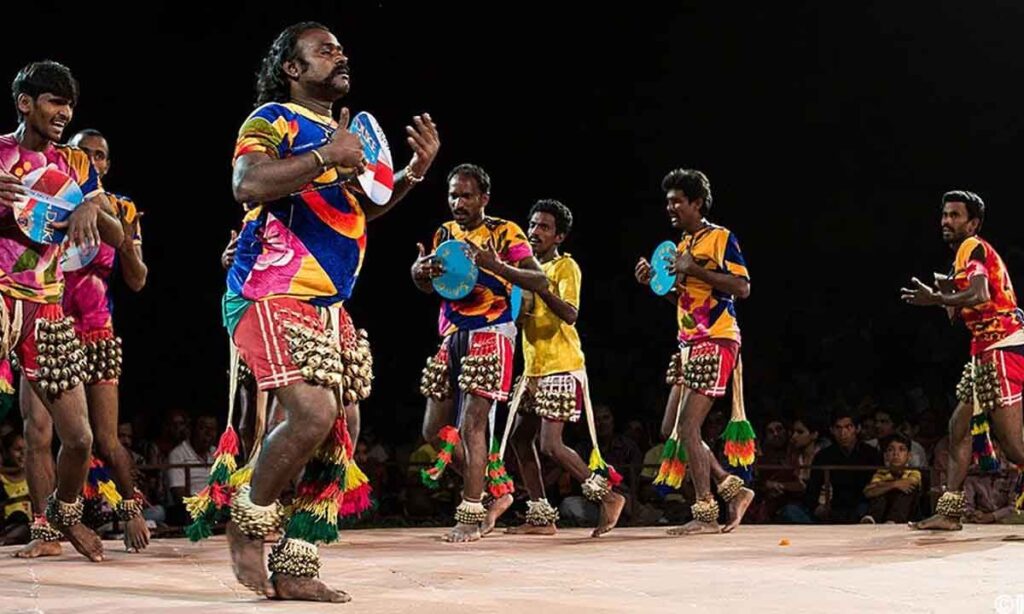
Tappeta Gullu
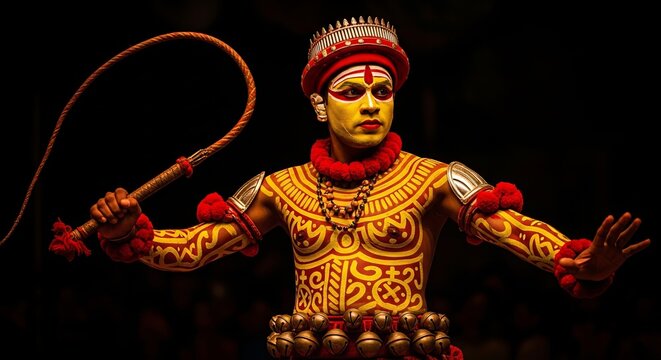
Bonalu
The dance form most strongly associated with Srisailam is Veeranatyam (The Dance of the Brave) , a powerful and energetic folk dance performed in the Rayalaseema region to propitiate Lord Shiva. This ancient dance is characterized by vigorous leaps, intense facial expressions, trance-like movements, and the dramatic use of swords and fiery torches, reflecting the raw, untamed energy of the Nallamala hills. Performed by men during temple festivals, especially in front of the Mallikarjuna Swamy Temple, it is both a form of worship and a dramatic spectacle that embodies the fierce, destructive, and protective aspects of the divine.
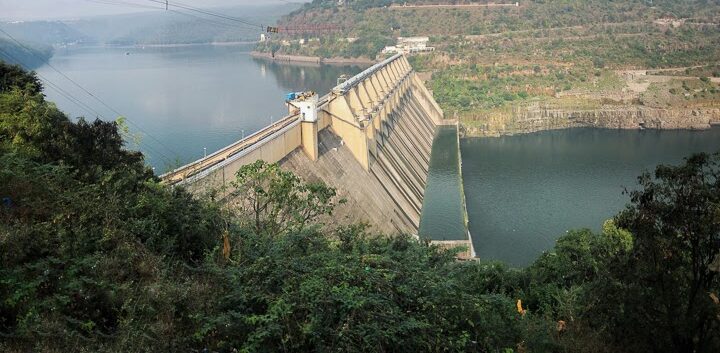
City Vibes - Sacred Serenity in the Forest Hills
Srisailam exudes a unique atmosphere of deep spirituality blended with raw natural beauty. Unlike bustling temple cities, Srisailam is quiet, calm, and surrounded by the dense, untamed Nallamala forest. The air is filled with the fragrance of incense and bilva leaves, punctuated by the sound of temple bells and chanting priests. Pilgrims walk barefoot on ancient stone paths, while monkeys play on temple rooftops. The Krishna River flows silently below the dam, adding to the sense of peace. Days begin with temple rituals at dawn and end with the golden glow of sunset over the hills, offering a retreat from the chaos of modern life.
Heritage of Srisailam
Srisailam’s heritage spans over two millennia, with references in ancient texts like the Skanda Purana and the Mahabharata. The Mallikarjuna Temple was patronized by the Satavahanas, Ikshvakus, Vijayanagara emperors, and later the Reddy kings, each adding to its architectural grandeur. The temple’s gopurams, mandapams, and intricate stone carvings reflect the zenith of Dravidian temple architecture. Srisailam is unique as both a Jyotirlinga (one of twelve shrines of Lord Shiva) and a Shakti Peetha (where Goddess Sati’s upper lip fell), making it one of the holiest sites in India for both Shaivites and Shaktas. The region is also associated with the poet-saint Akka Mahadevi and the philosopher Adi Shankaracharya, who visited and composed hymns here.Varanasi’s heritage is a blend of Hindu, Buddhist, and Mughal influences. The city’s historic temples, centuries-old ghats, and spiritual centers preserve its timeless legacy. The Banaras silk industry thrives here, crafting exquisite sarees admired worldwide.
Cuisine of Srisailam
The cuisine of Srisailam is authentic Rayalaseema food, known for its spicy, bold flavors, generous use of red chilies, tamarind, and locally grown millets and pulses.
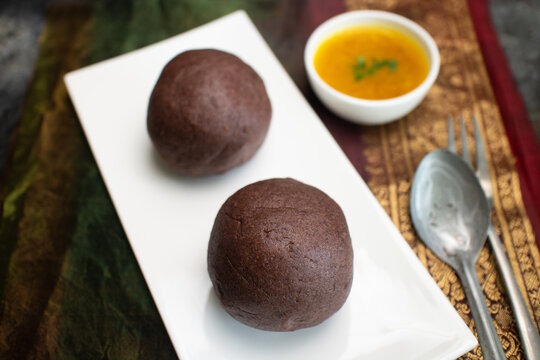
Ragi Sangati
A staple dish of the region, these are firm, round balls made from finger millet (ragi) flour, eaten with spicy curries or dal, known for its high nutritional value.
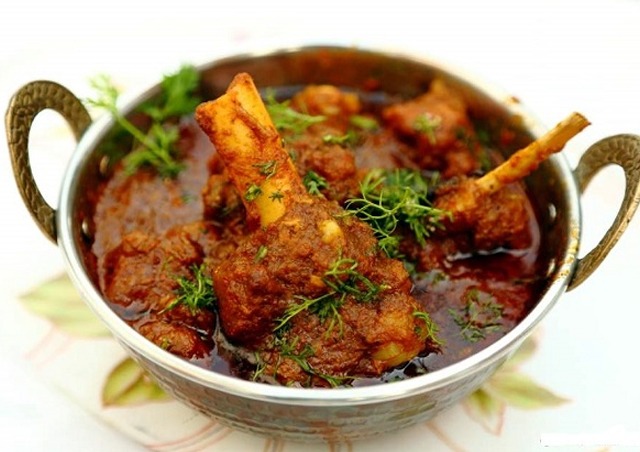
Natu Kodi Pulusu
A spicy, tangy country chicken curry cooked with tamarind, onions, and a blend of local spices, slow-cooked until the meat is tender and the gravy is thick.
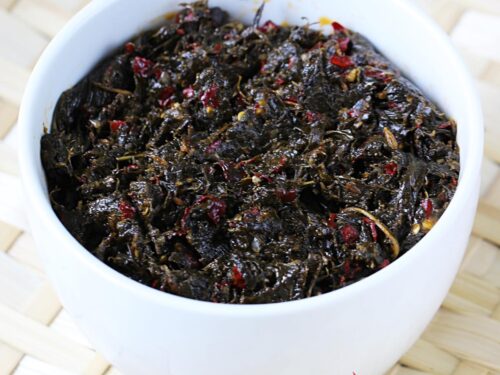
Gongura Pachadi
A signature Andhra chutney made from sorrel leaves (gongura), red chilies, and garlic, offering a unique, tangy, and spicy flavor that pairs perfectly with rice or roti.
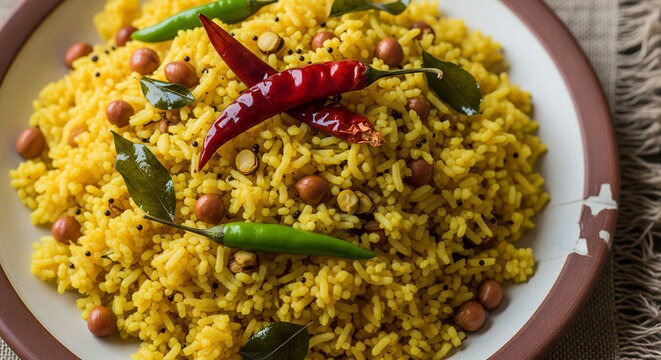
Pulihora
A traditional temple prasadam in Srisailam, this is rice tempered with mustard seeds, curry leaves, peanuts, and a generous amount of tamarind paste, served as an offering.
Shopping in Srisailam
Shopping in Srisailam is centered around religious souvenirs, traditional handicrafts, and local produce unique to the Rayalaseema region.
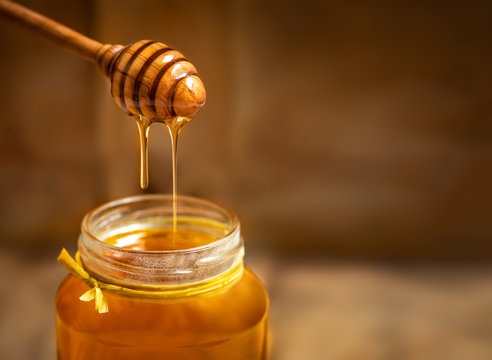
Nallamala Forest Honey
Pure, wild honey collected from beehives in the Nallamala forest, known for its dark color, thick consistency, and rich, medicinal properties.
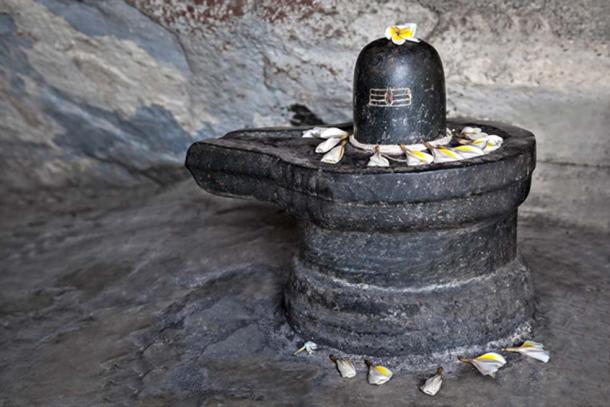
Lingam Idols
Small Shiva lingams made from stone, crystal (spatika), or brass, often sold as souvenirs for home worship, available in shops near the temple.
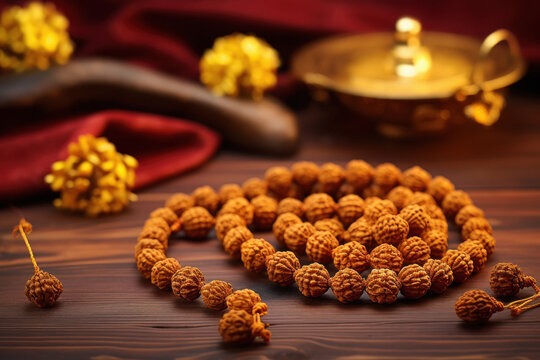
Rudraksha Malas
Sacred beads from the rudraksha tree, available as single beads or full malas (garlands), believed to have spiritual and health benefits when worn.
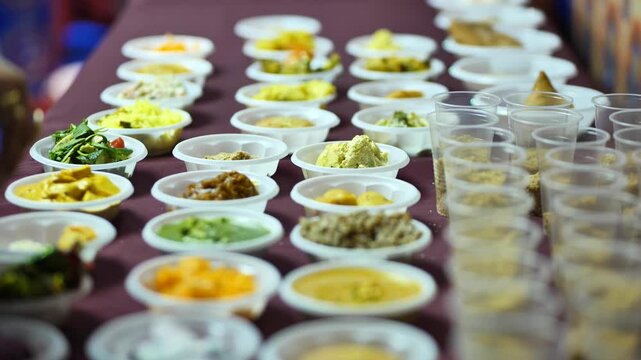
Temple Prasadam Packets
Pre-packaged offerings like pulihora (tamarind rice) and laddus from the Mallikarjuna Temple, sealed for travel and available at the temple counter.
Tourist's Handbook
The best time to visit Srisailam is from October to March. The winter and post-monsoon months offer pleasant weather with temperatures between 15°C and 30°C, making it ideal for temple visits, dam sightseeing, and short treks. The monsoon (July-September) brings moderate to heavy rainfall, which transforms the Nallamala forest into lush greenery and fills the waterfalls like Mallela Theertham, though the dam area can be slippery. The summer months (April-June) are extremely hot and humid, with temperatures often exceeding 40°C, making daytime sightseeing uncomfortable, though early morning temple visits are still possible.
- Beware of Monkeys at the Temple – Monkeys are abundant around the Mallikarjuna Temple and Sakarapur viewpoint; avoid carrying open food, bags, or shiny objects, and do not feed or tease them.
- Wear Comfortable Footwear for Uneven Paths – Temple corridors, ghat steps, and trekking paths can be uneven, steep, or slippery; wear sturdy, non-slip walking shoes, but remember to remove them before entering the inner sanctum.
- Carry Your Own Bottled Water – Stay hydrated, especially during summer or after trekking; drink only sealed bottled water and avoid tap water or roadside drinks to prevent stomach issues.
- Be Cautious Near the Dam and River – The Srisailam Dam and Pathalaganga area have deep water and strong currents; follow safety signs, avoid going too close to the edge, and do not swim in unauthorized areas.
- Start Treks Early in the Day – If trekking to Akka Mahadevi Caves or Mallela Theertham, start early morning to avoid afternoon heat, carry sufficient water, and inform your hotel of your plans.
- Respect Temple Customs – Dress modestly (cover shoulders and knees), remove footwear before entering the temple complex, and avoid touching the idols or entering restricted areas.
- Keep Emergency Contacts Handy – Save local police, the temple administration office, and your hotel's phone numbers, as mobile signals may be weak in some forested areas around Srisailam.
Srisailam is a compact hill town, and the main Mallikarjuna Temple is located in the center, with most hotels, shops, and eateries within walking distance. Auto-rickshaws are the most common mode for short distances, such as from the bus stand to hotels or to Pathalaganga (about 3 km); negotiate fares before starting. For visiting nearby attractions like Sakarapur viewpoint (5 km), Mallela Theertham (45 km), or Dornala (40 km), hiring a private taxi for a half-day or full-day trip is the most convenient option. Local buses run from the main bus stand to some nearby towns but are infrequent and not always reliable for tourists.
Negotiate Auto-Rickshaw Fares First – Always agree on the total fare before starting your journey; ask your hotel staff for estimated rates to Pathalaganga, Sakarapur, or the bus stand to avoid being overcharged.
Beware of Unauthorized "Puja Guides" – Touts outside the temple may offer to perform a special puja for you at inflated rates; all official rituals can be booked directly at the temple counters at fixed prices.
Don't Fall for the "Free Prasadam" Trick – Some shopkeepers offer free prasadam or a small gift to lure you into their shop, then pressure you into buying overpriced idols or rudraksha beads; politely decline and walk away.
Check Temple Locker Services Before Use – Use only the official, government-run shoe and luggage counters near the temple entrance; private stalls may charge exorbitant fees or lose your items.
Confirm Boat Ticket Prices to Caves – For the boat ride to Akka Mahadevi Caves, buy tickets only from the official government counter; touts offering "express" or "private" boats may overcharge or provide unsafe services.
Compare Souvenir Prices Before Buying – Shiva lingams, rudraksha malas, and brass items are sold by many shops; check prices at two or three shops before purchasing, and negotiate politely but firmly.
Avoid Unsolicited "Special Darshan" Offers – At peak times, some individuals may offer to skip queues for a fee; use the official paid darshan ticket counter if available, and avoid giving money to unauthorized persons.
Explore Srisailam
Srisailam Blogs
- Places to visit in Srisailam
- Places to visit nearby Srisailam
- India’s unique Jyotirlinga and Shakti Peetha destination
- South India’s most sacred forest pilgrimage
Recommended articles
- Andhra Pradesh Cultural Guide – temple and wildlife special
- Places to visit in Ahobilam
- Places to visit in Mahanandi
- India’s most powerful spiritual destinations