
¤ 7 minutes Read
Agrasen Ki Baoli – History, Architecture & Travel Guide
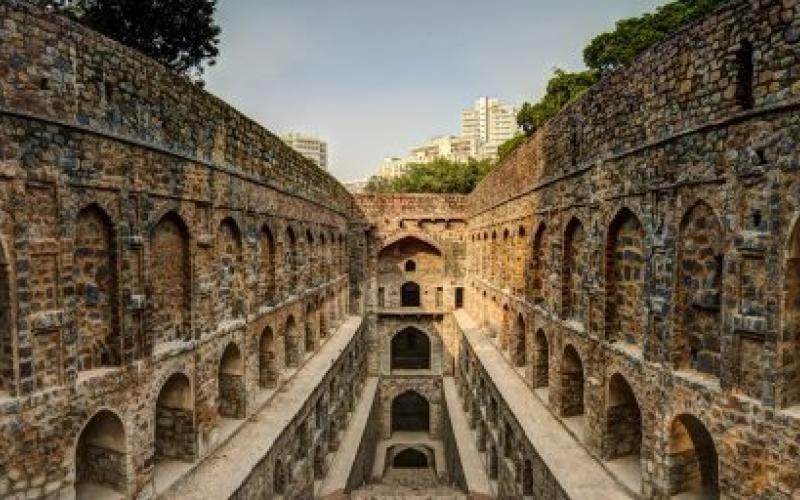
Agrasen Ki Baoli is a historic stepwell located in the heart of Delhi and one of the city’s most unique heritage attractions. Known for its ancient stone architecture, deep stairways, and peaceful atmosphere, the monument offers a glimpse into Delhi’s historical water conservation system. The stepwell features multiple levels of arches, narrow pathways, and symmetrical steps that create a striking visual appeal. In addition, the quiet surroundings and mysterious charm make it a popular spot for photographers, history lovers, and travelers exploring hidden places in Delhi. Today, Agrasen Ki Baoli remains an important architectural and cultural landmark in the city.
History of Agrasen Ki Baoli
Ancient Origins
Historians believe the original structure of Agrasen Ki Baoli dates back many centuries, although the exact construction period remains uncertain. According to local legends, Maharaja Agrasen of the Agrawal community originally built the stepwell.
Rebuilt During Medieval Period
The present structure is believed to have been rebuilt during the Tughlaq or later medieval period in Delhi. Builders used stone masonry, arches, and symmetrical stairways to create the impressive stepwell seen today.
Traditional Water Storage System
Like many ancient baolis in India, the structure served as an important water reservoir for local communities. During earlier centuries, people gathered here for water collection, social interaction, and relaxation. Therefore, the stepwell played an important role in daily life.
Architectural & Cultural Importance
Over time, the monument became known for its unique architecture and historical significance. The deep staircases, multi-level arches, and geometric symmetry continue to attract architecture enthusiasts and photographers.
Protected Heritage Site
Today, Agrasen Ki Baoli is protected by the Archaeological Survey of India and preserved as an important heritage monument in Delhi. In addition, the site has become a popular tourist attraction and filming location.
Built By
Believed to be Maharaja Agrasen
Monument Type
Ancient Stepwell
Historical Era
Medieval Period
Famous For
Symmetrical Staircase Design
Maintained By
Archaeological Survey of India
Architecture of Agrasen Ki Baoli
Traditional Stone Masonry
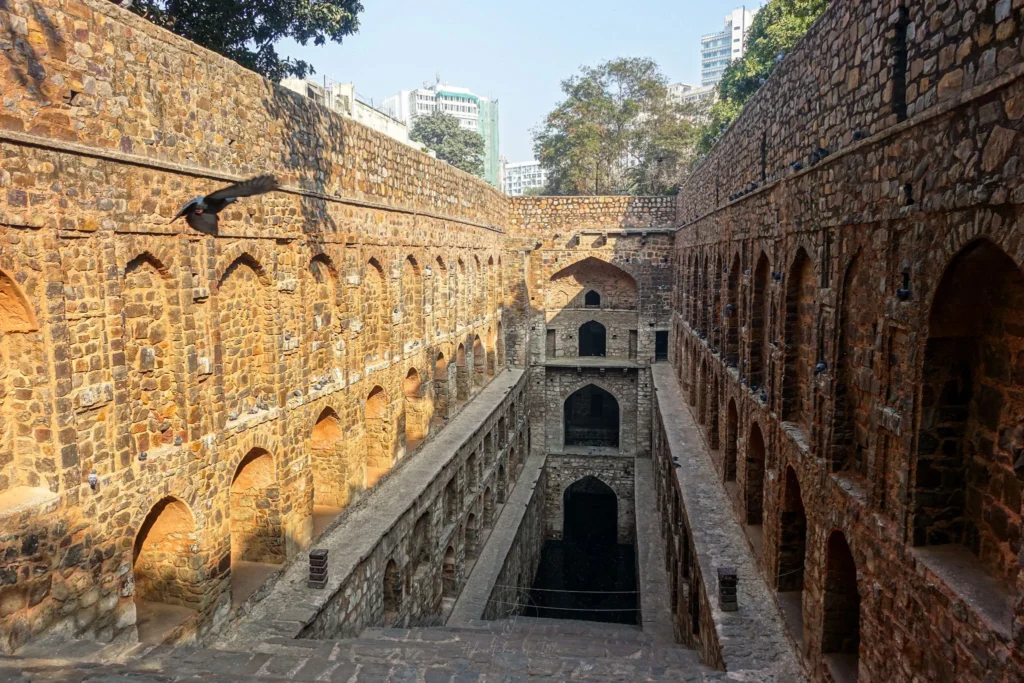
Builders constructed the monument using stone masonry techniques commonly used during the medieval period. The thick stone walls and strong structural design helped preserve the stepwell for centuries.
Narrow Passageways & Chambers
The monument includes small chambers and narrow passageways built along the sides of the structure. Historians believe these spaces were used for rest and shelter during hot weather.
Blend of Utility & Architecture
Agrasen Ki Baoli combines practical engineering with artistic architectural design. The monument was not only built for water storage but also designed with symmetry, proportion, and visual beauty in mind. As a result, it remains one of Delhi’s most unique heritage structures.
Symmetrical Stepwell Design
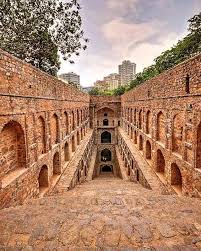
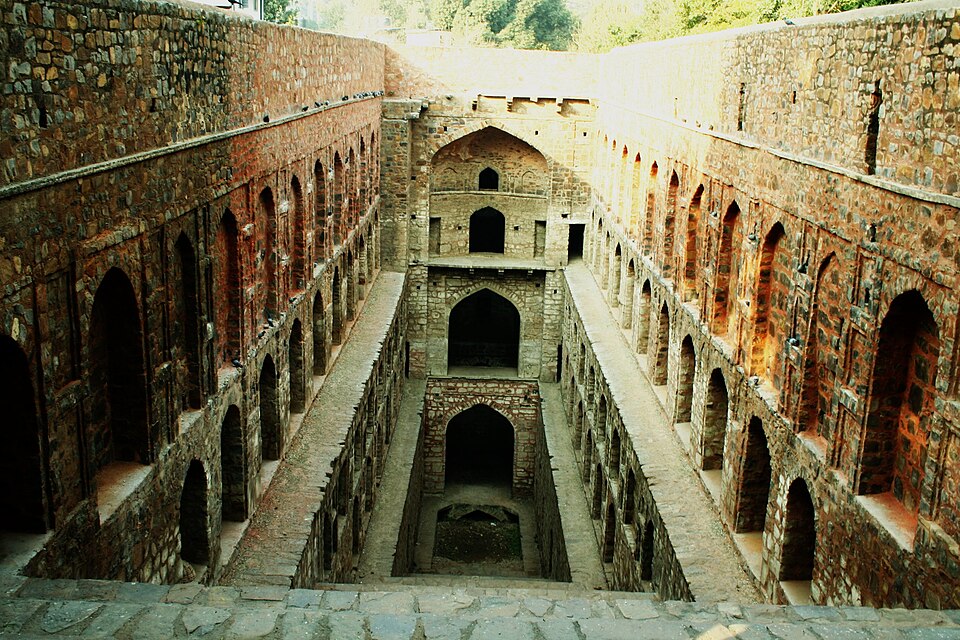
Agrasen Ki Baoli is famous for its perfectly symmetrical staircase layout that leads deep into the stepwell. The long descending steps create a dramatic visual effect and remain one of the monument’s main architectural highlights.
Multi-Level Arched Structure
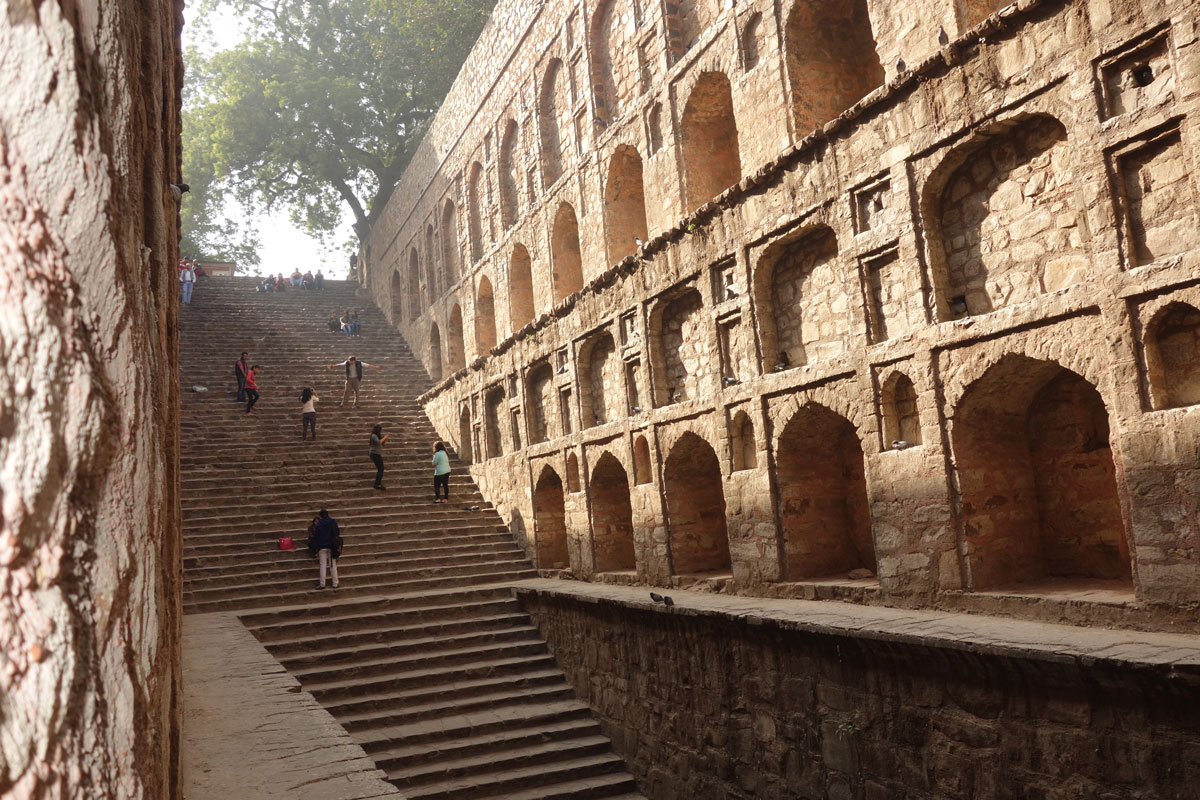
The baoli features multiple levels of stone arches and corridors built along both sides of the staircase. These arches add depth and balance to the structure. In addition, they create beautiful shadow patterns throughout the monument.
Deep Water Reservoir
At the bottom of the structure lies the water reservoir that once stored water for nearby communities. During ancient times, the water level changed according to rainfall and seasonal conditions. Therefore, the stepwell played an important role in water conservation.
Things to See Inside Agrasen Ki Baoli
Agrasen Ki Baoli may appear simple from the outside, but the monument features several interesting architectural and historical elements inside its deep stepwell structure. From symmetrical staircases and ancient arches to quiet chambers and scenic viewpoints, every section reflects the charm of Delhi’s historic water architecture. In addition, the peaceful atmosphere makes the monument a favorite spot for photography and exploration.
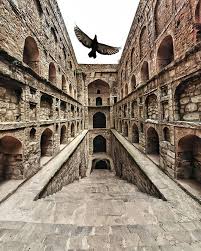
Symmetrical staircase inside Agrasen Ki Baoli
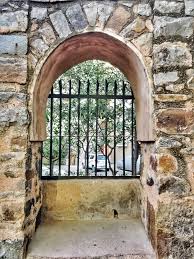
Stone archways inside Agrasen Ki Baol
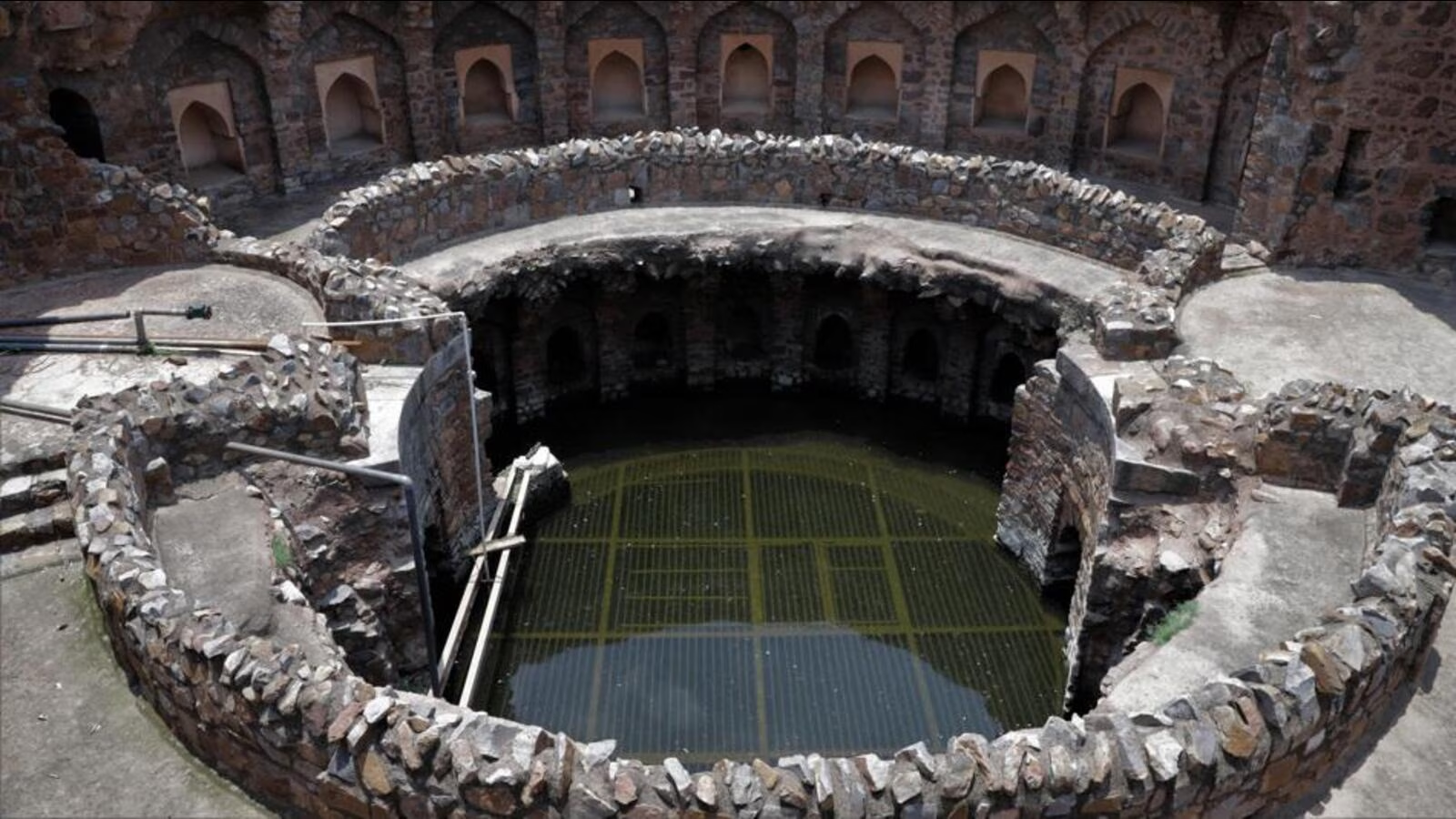
Historic water reservoir of Agrasen Ki Baoli
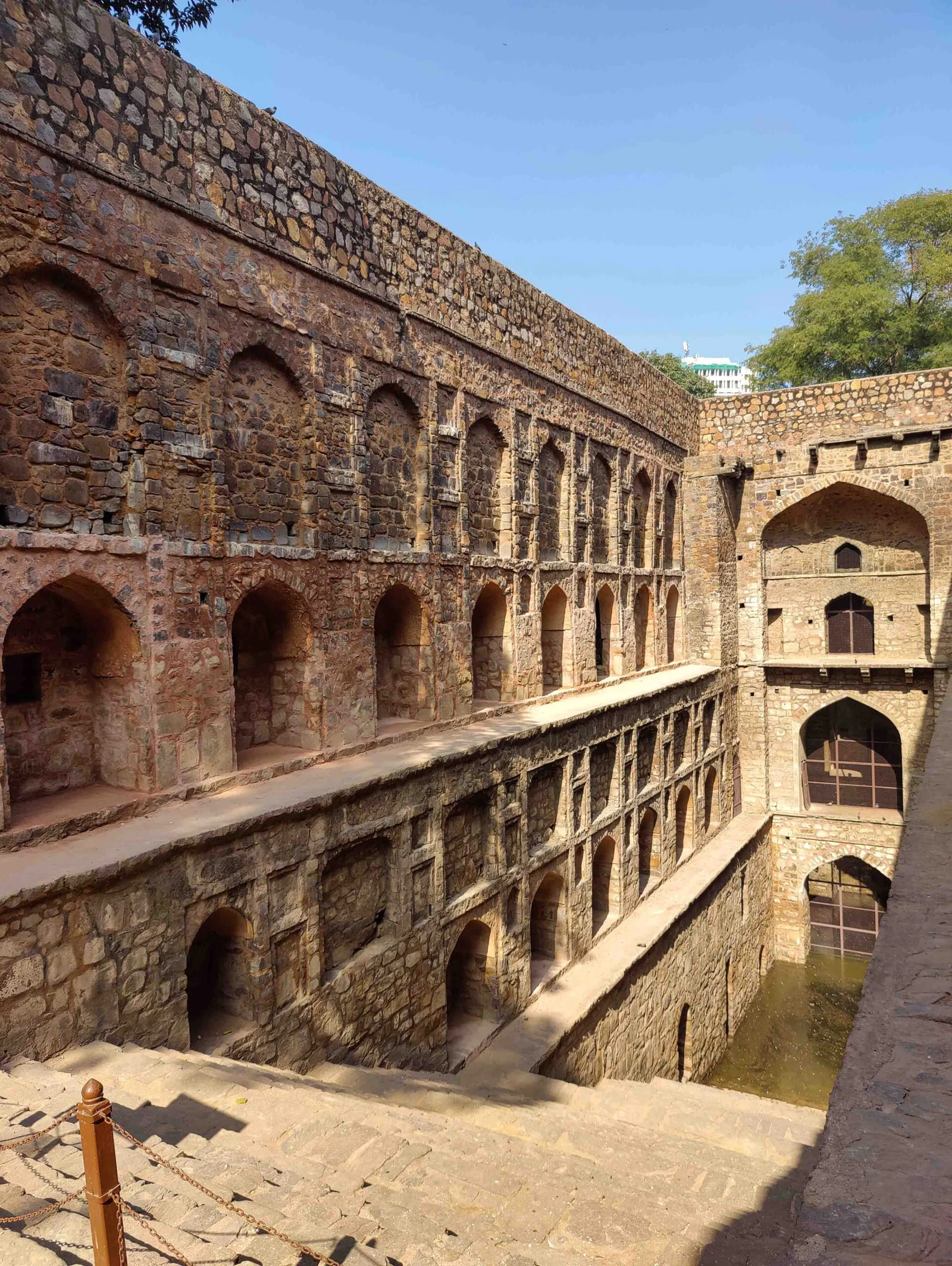
Ancient chambers inside Agrasen Ki Baoli
Interesting Facts About Agrasen Ki Baoli
Historic Stepwell in Central Delhi
The monument is located near Connaught Place, making it one of the few ancient stepwells surrounded by modern city buildings in Delhi.
Believed to Be Very Old
Although the exact construction date remains unknown, historians believe the original structure may date back several centuries.
Around 100+ Stone Steps
The stepwell includes a long staircase with more than 100 descending stone steps leading toward the reservoir area.
Famous for Symmetrical Design
The perfectly aligned staircases and arches create a visually balanced architectural layout that attracts photographers and architecture lovers.
Traditional Water Conservation System
The structure originally functioned as a water storage system that helped local communities during dry seasons and low rainfall periods.
Nearby Attractions Around Agrasen Ki Baoli

Connaught Place market area in Delhi
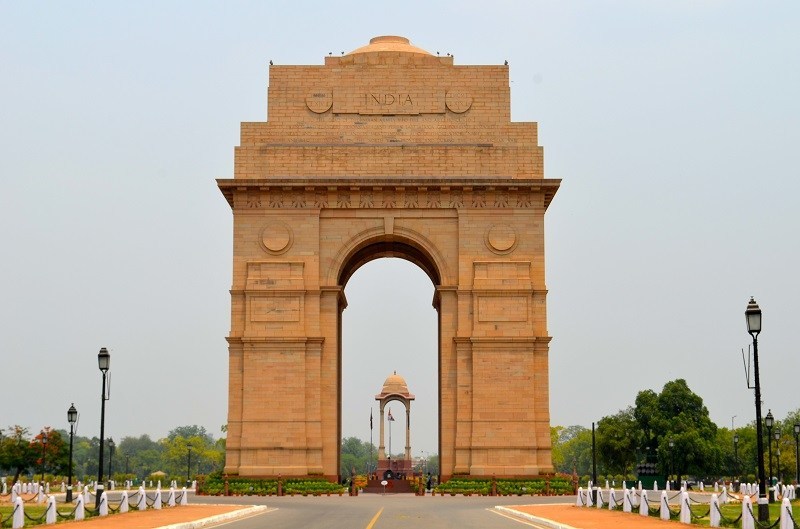
India Gate monument in Delhi

Historic observatory at Jantar Mantar Delhi

National Museum in Delhi
Conclusion
Agrasen Ki Baoli remains one of the most unique and peaceful heritage sites in Delhi. From its symmetrical staircases and ancient stone arches to its historic water reservoir and quiet atmosphere, the monument offers a memorable experience for travelers, photographers, and history lovers. In addition, the stepwell reflects the brilliance of traditional water conservation architecture from earlier centuries. Whether you are exploring hidden places in Delhi or looking for a calm historical attraction in the middle of the city, this ancient baoli is truly worth visiting.
Explore Delhi
Varanasi Blogs
- Uttar Pradesh Cultural guide
- Places to visit in Varanasi
- Places to visit nearby Varanasi
- India’s most popular destination
- India’s archaeological marvels
Recommended articles
- Uttar Pradesh Cultural guide
- Places to visit in Varanasi
- Places to visit nearby Varanasi
- India’s most popular destination