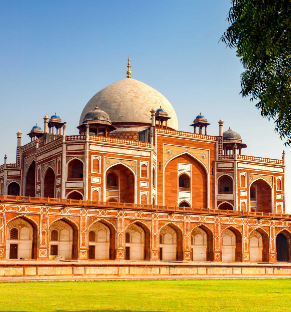
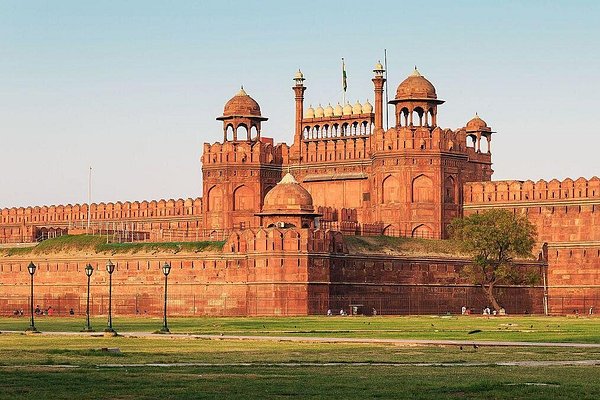
One of the most famous Mughal monuments in India and a UNESCO World Heritage Site located in Delhi. Built in memory of Mughal Emperor Humayun, the monument is known for its grand Persian-style architecture, beautiful gardens, and historical importance. In addition, Humayun’s Tomb is considered the inspiration behind the design of the Taj Mahal. Visitors admire its red sandstone structure, peaceful atmosphere, and detailed craftsmanship throughout the complex. Today, the monument remains an important heritage attraction for history lovers, photographers, and travelers visiting Delhi.
Location
Delhi, India
Built By
Empress Bega Begum
Built In
Around 1570
Famous For
Mughal Architecture & UNESCO Heritage Site
Timings
6:00 AM – 6:00 PM
Entry Fee
₹40 onwards
Best Time
October to March
Nearest Metro
JLN Stadium Metro Station
History of Humayun’s Tomb
Humayun’s Tomb was built in memory of Mughal Emperor Humayun after his death in 1556. His wife, Empress Bega Begum, commissioned the monument to honor the emperor and preserve his legacy. Construction began around 1565 and was completed in 1570 during the reign of Emperor Akbar. In addition, Persian architects designed the tomb using a combination of Mughal and Persian architectural styles. Because of its grand layout and garden setting, the monument became the first garden tomb in the Indian subcontinent.
The tomb also played an important role during India’s historical events. During the Revolt of 1857, Mughal Emperor Bahadur Shah Zafar reportedly took shelter here before the British captured him. Over time, parts of the monument suffered damage due to neglect and environmental changes. However, restoration projects later helped preserve its original beauty and structure. As a result, Humayun’s Tomb became one of Delhi’s most important heritage monuments.
Today, historians consider the monument a major turning point in Mughal architecture. Its symmetrical design, elevated platform, and grand dome later inspired the construction of the Taj Mahal. Because of its historical and architectural importance, UNESCO declared Humayun’s Tomb a World Heritage Site in 1993.
Built For
Mughal Emperor Humayun
Construction Period
1565–1570
UNESCO Recognition
World Heritage Site since 1993
Historical Importance
First Garden Tomb in India
Historical Highlights Section
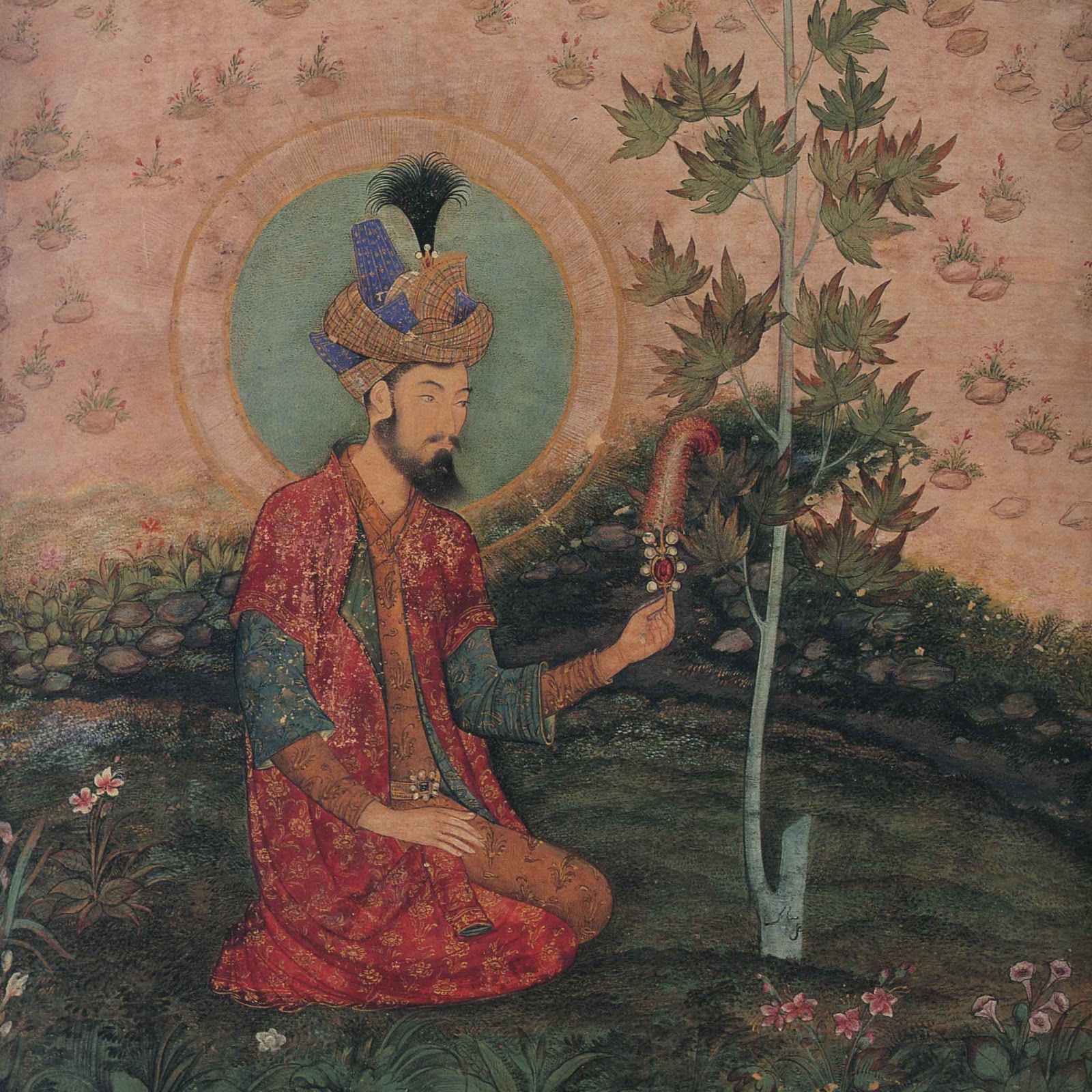
Painting of Mughal Emperor Humayun
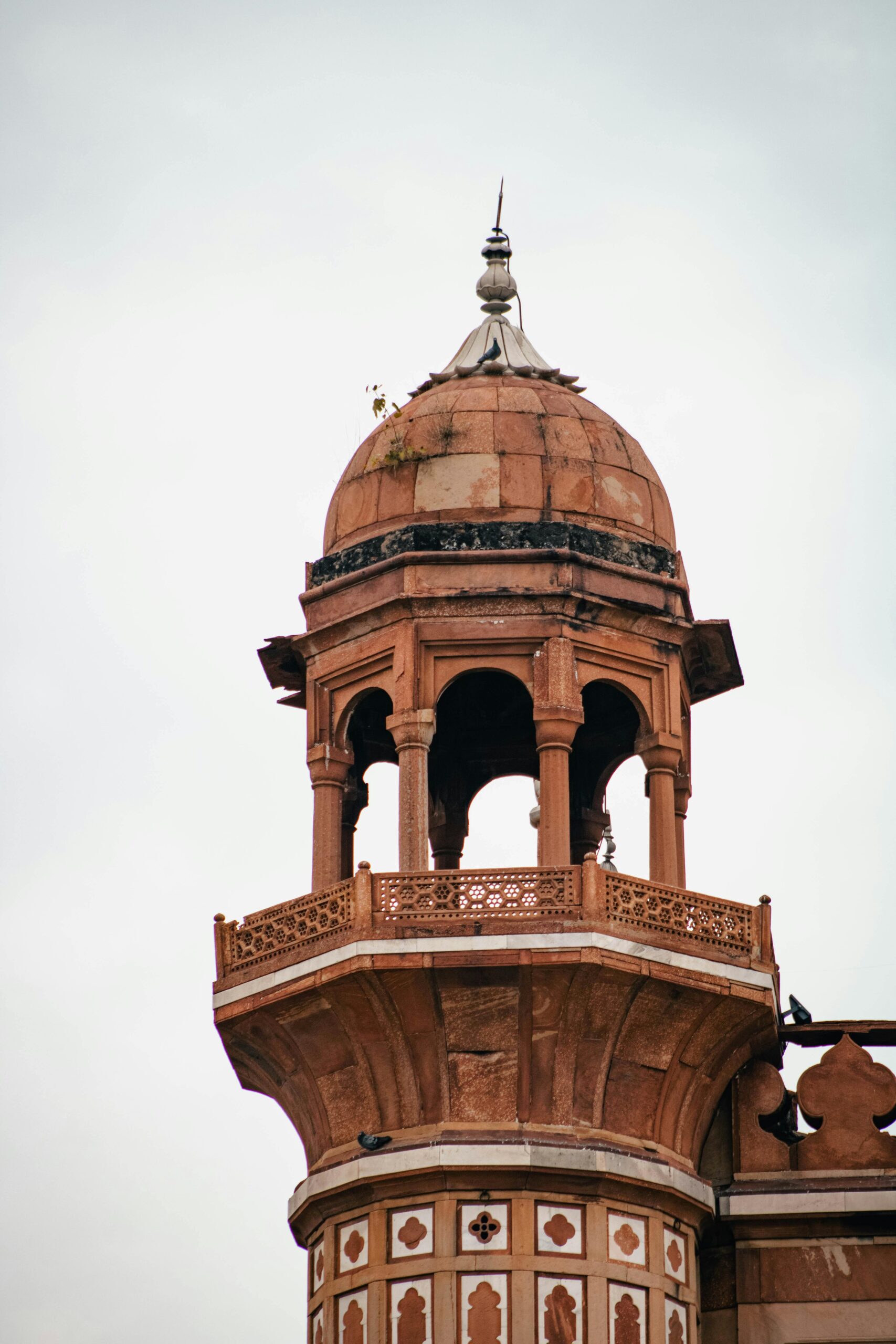
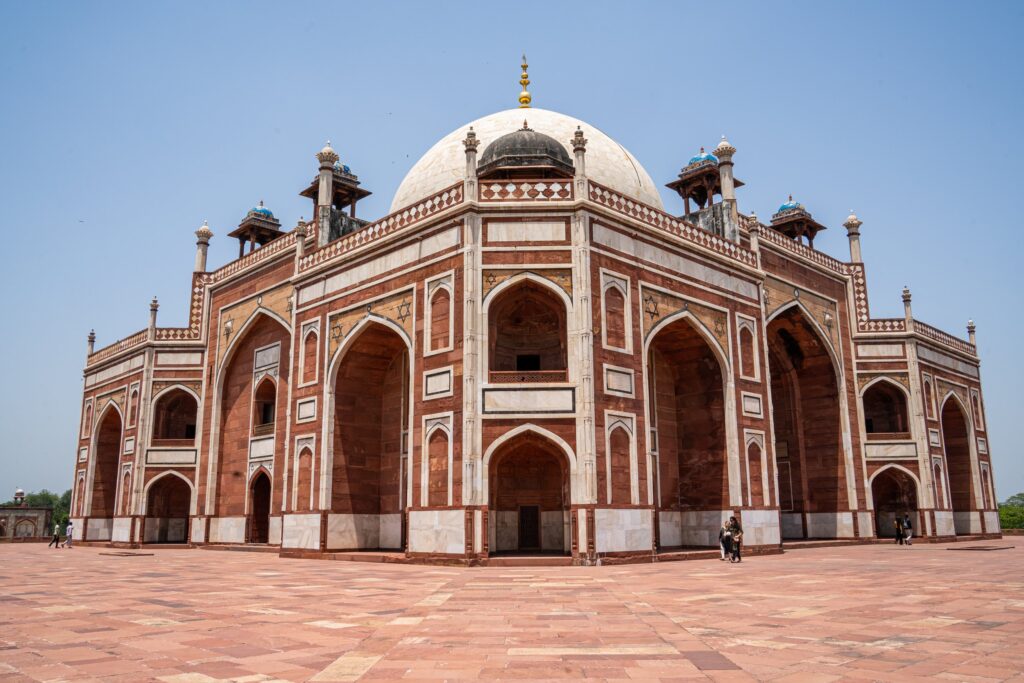
Mughal architectural details of Humayun’s Tomb
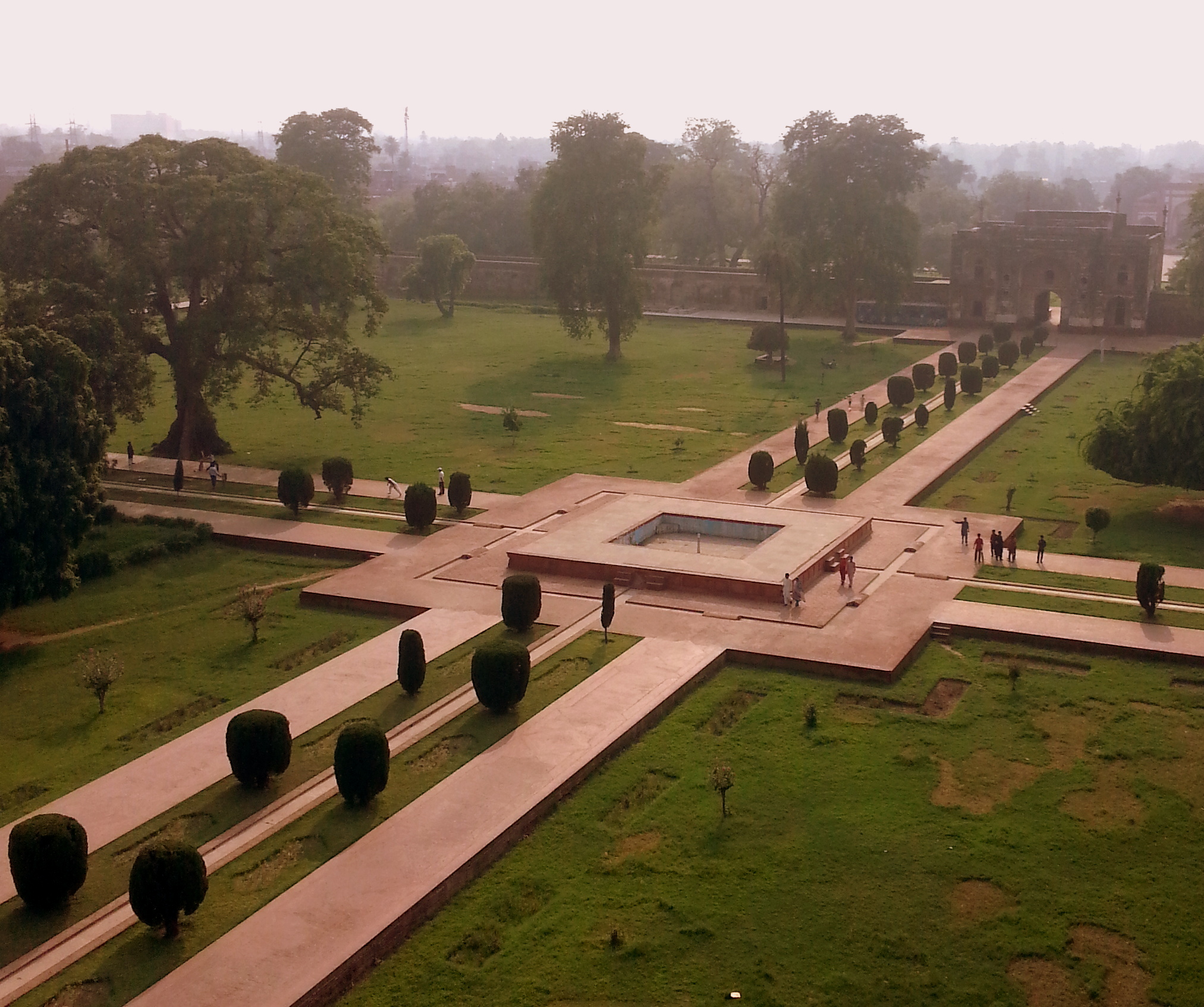
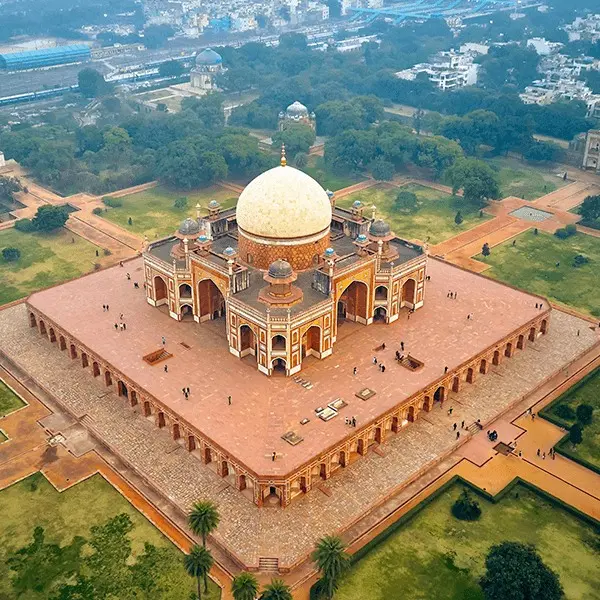
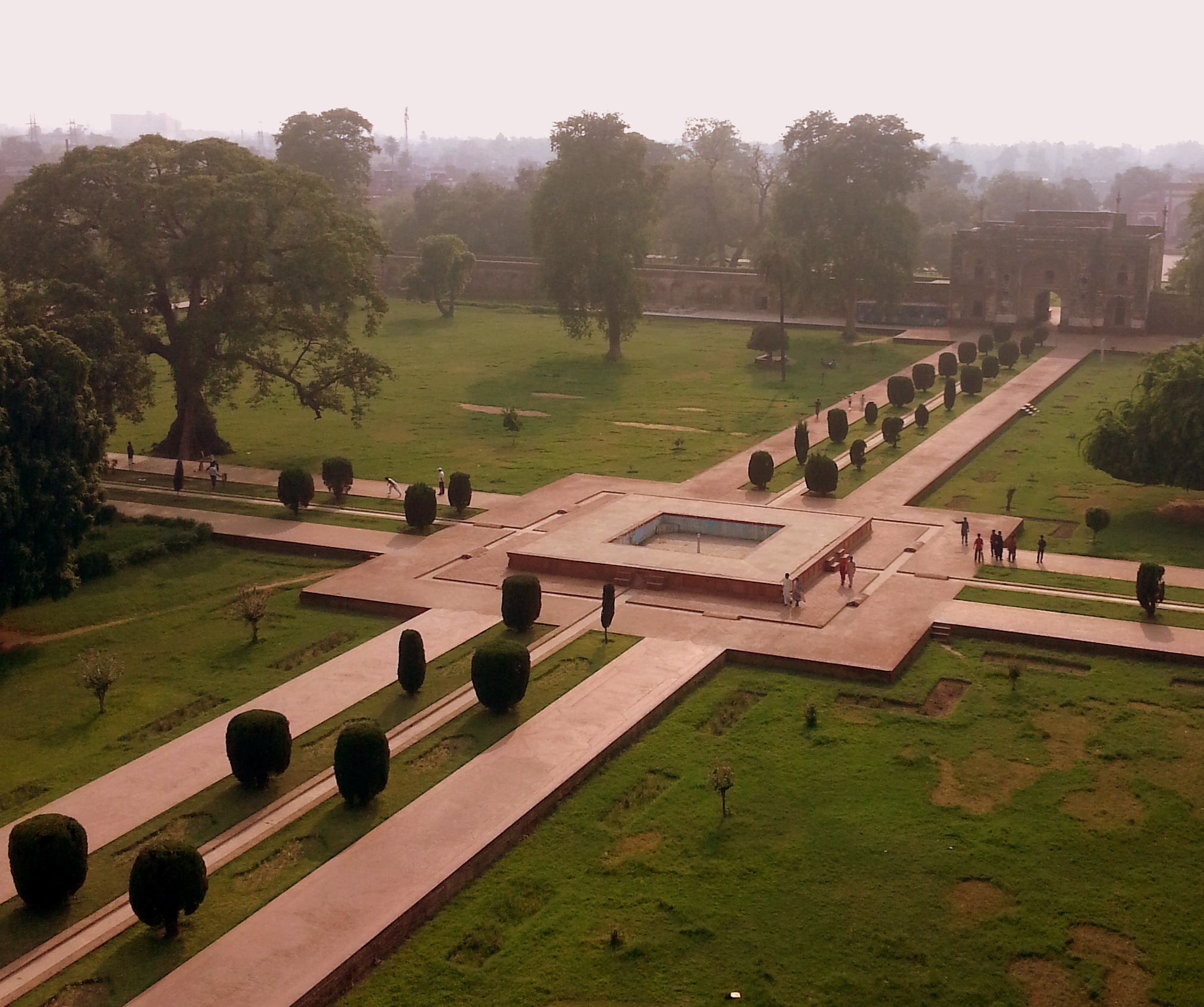
Charbagh garden at Humayun’s Tomb
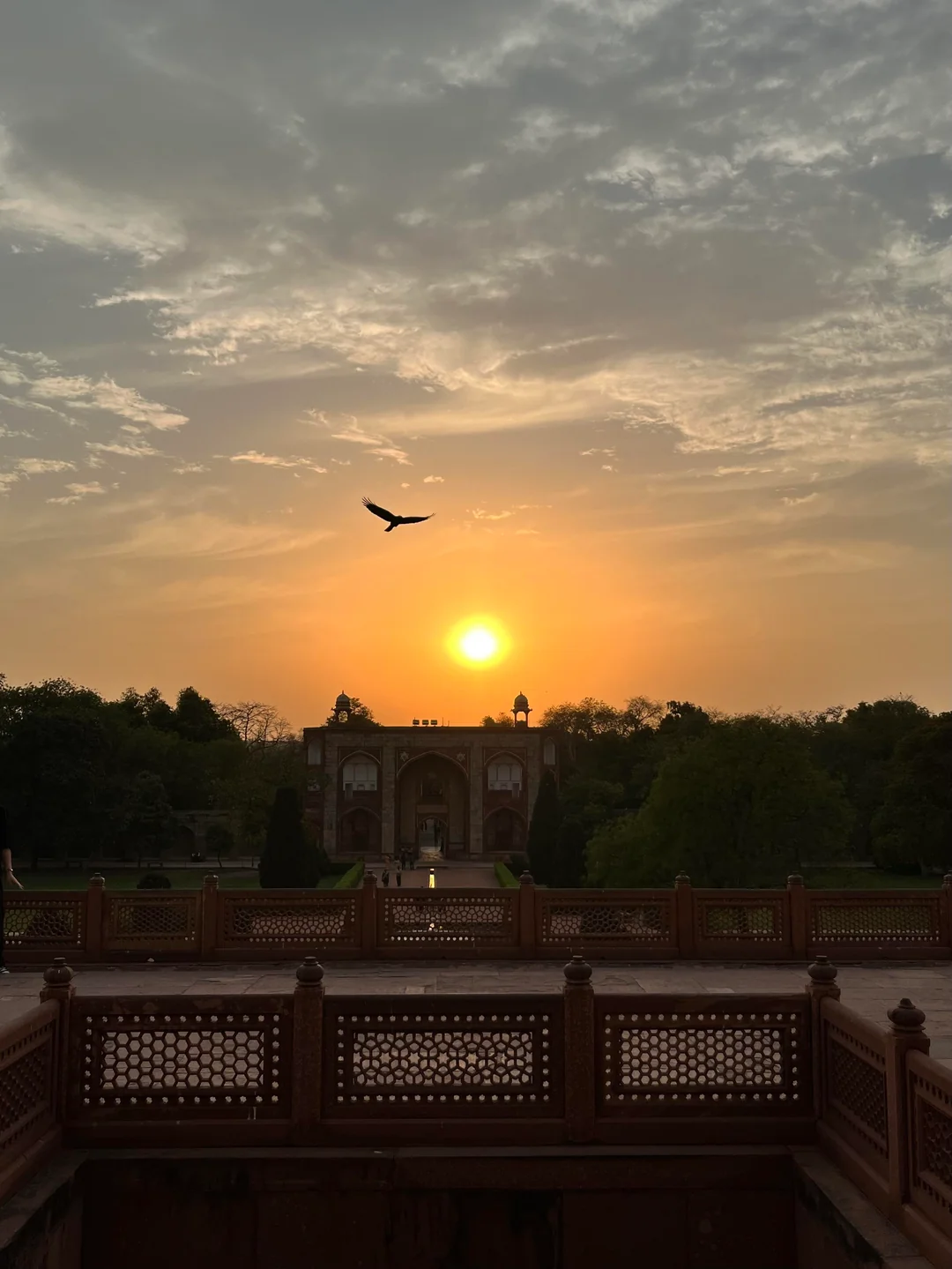
Sunset view of Humayun’s Tomb in Delhi
Architecture & Design of Humayun’s Tomb
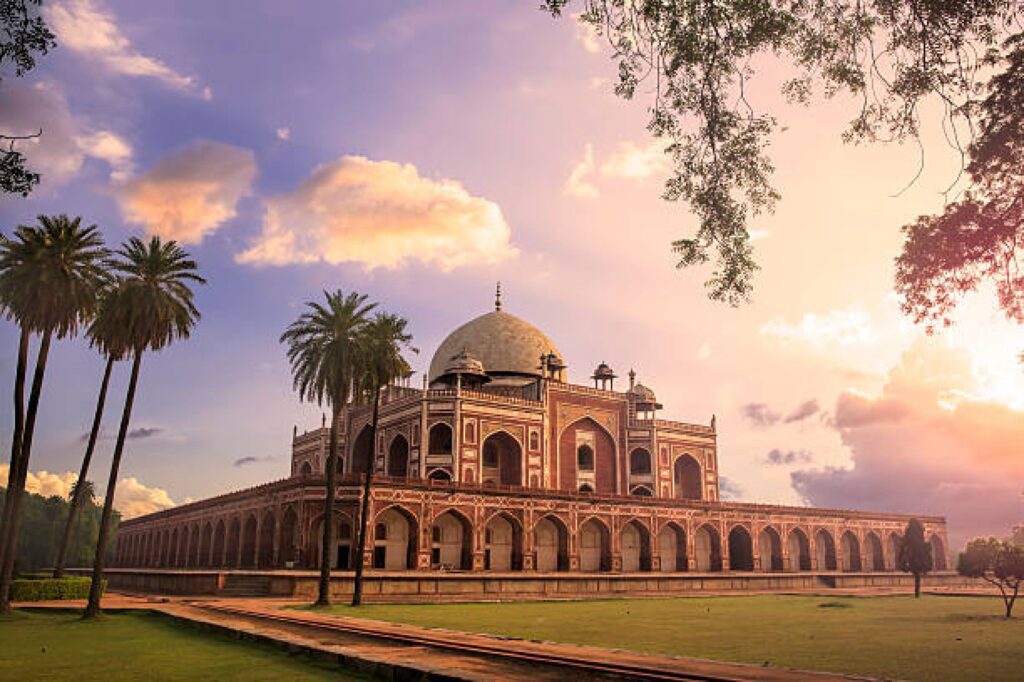
Architectural side view of Humayun’s Tomb
Charbagh Garden Layout
The monument stands in the middle of a beautiful Charbagh garden. Water channels divide the gardens into symmetrical sections. In addition, pathways and fountains create a peaceful atmosphere throughout the complex. This design symbolizes harmony and balance in Mughal architecture.
Arches & Geometric Patterns
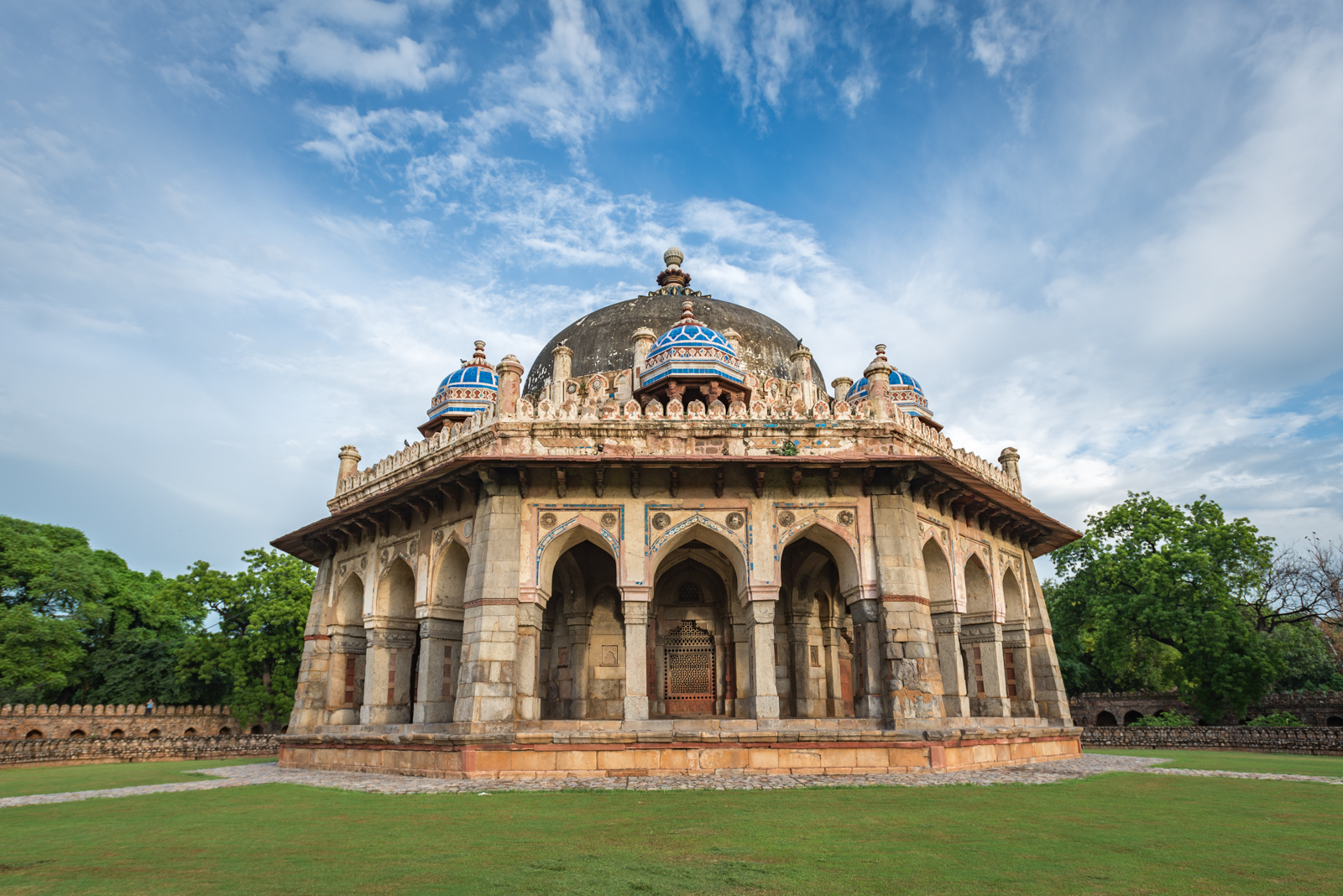
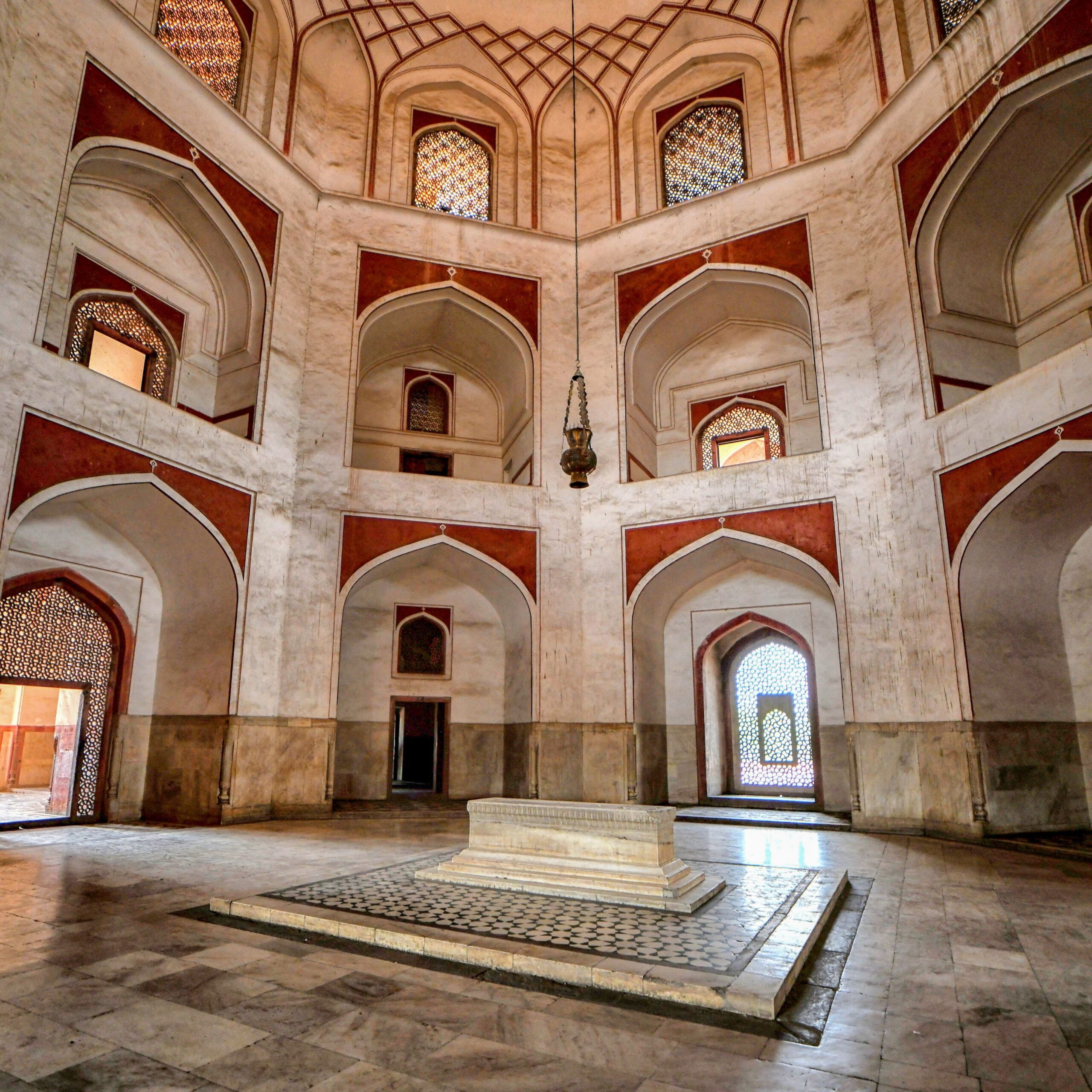
The tomb complex features large arched entrances and detailed geometric patterns. Craftsmen added decorative carvings and lattice screens to enhance the beauty of the structure. Therefore, every side of the monument looks visually balanced and elegant. These artistic details remain one of the main attractions for visitors today.
Inspiration Behind the Taj Mahal
Many historians consider Humayun’s Tomb the architectural inspiration behind the Taj Mahal. The use of gardens, symmetry, elevated platforms, and a grand dome later appeared in Mughal monuments across India. In addition, the monument introduced the concept of the grand garden tomb in Indian architecture. Because of this influence, Humayun’s Tomb holds great importance in Mughal architectural history.
Persian Architectural Influence
The design of Humayun’s Tomb shows a strong Persian architectural influence. Persian architects carefully planned the structure using symmetry, arches, and geometric patterns. In addition, the garden layout follows the traditional Persian Charbagh style. This combination created a grand and elegant appearance for the monument.
Red Sandstone & White Marble
Builders mainly used red sandstone to construct the monument. White marble was added to highlight the dome, borders, and decorative elements. Therefore, the contrast between red and white gives the tomb a royal and striking appearance. The materials also improved the durability of the structure over time.
Massive Double Dome
One of the most impressive features of the monument is its massive double dome. This architectural technique creates a taller outer dome while maintaining balanced interior proportions. In addition, the dome enhances the monument’s grand visual appeal from a distance. The structure later influenced many Mughal monuments, including the Taj Mahal.
Architectural side view of Humayun’s Tomb
Attractions Inside the Complex
Humayun’s Tomb is more than just a single monument. The large complex includes beautiful gardens, historic tombs, mosques, and impressive Mughal architectural elements. In addition, each area within the complex reflects the artistic and cultural richness of the Mughal era. Visitors can easily spend a few hours exploring the peaceful surroundings and detailed structures inside the monument complex.
Main Tomb of Humayun
Charbagh Gardens
Isa Khan’s Tomb
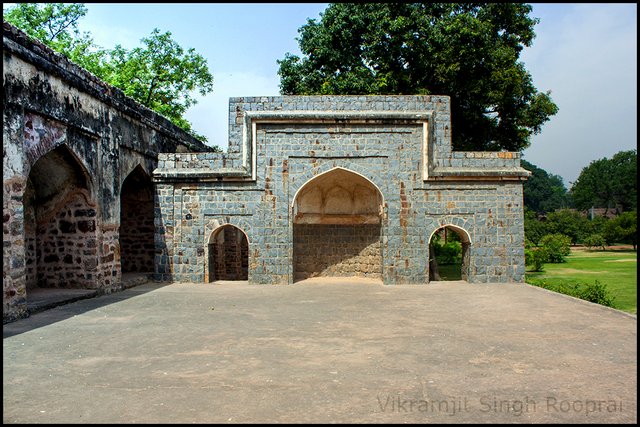
Mosque Inside the Complex
Interesting Facts About Humayun’s Tomb
Humayun’s Tomb holds several interesting historical and architectural facts that make it unique among Mughal monuments in India. The monument introduced many design elements later seen in the Taj Mahal. In addition, it became the first garden tomb built in the Indian subcontinent. Its grand symmetry, Persian influence, and UNESCO recognition continue to attract visitors from around the world.
First garden tomb built in India
Inspired the design of the Taj Mahal
Designed with Persian architectural influence
Houses the tombs of several Mughal royals
UNESCO World Heritage Site since 1993
Built using red sandstone and white marble
One of Delhi’s most photographed monuments
Features the famous Charbagh garden layout
Nearby Attractions Around Humayun’s Tomb
Humayun’s Tomb is surrounded by several famous historical monuments, gardens, and cultural attractions in Delhi. Visitors can easily explore these nearby places during the same trip. In addition, many attractions are located within a short driving distance from the tomb complex. From Mughal forts to peaceful temples and memorials, the area offers a mix of history, architecture, and sightseeing experiences.
Lotus Temple
New Delhi
Red Fort
Purana Qila
Lodhi Garden
Akshardham Temple
Conclusion
Humayun’s Tomb stands as one of the finest examples of Mughal architecture and historical heritage in India. From its grand dome and symmetrical gardens to its peaceful atmosphere and rich history, the monument offers a memorable experience for every visitor. In addition, the beautifully designed pathways, historic tombs, and architectural details make the complex ideal for sightseeing and photography. Whether you are a history lover, traveler, or architecture enthusiast, Humayun’s Tomb remains one of the most important places to visit in Delhi.