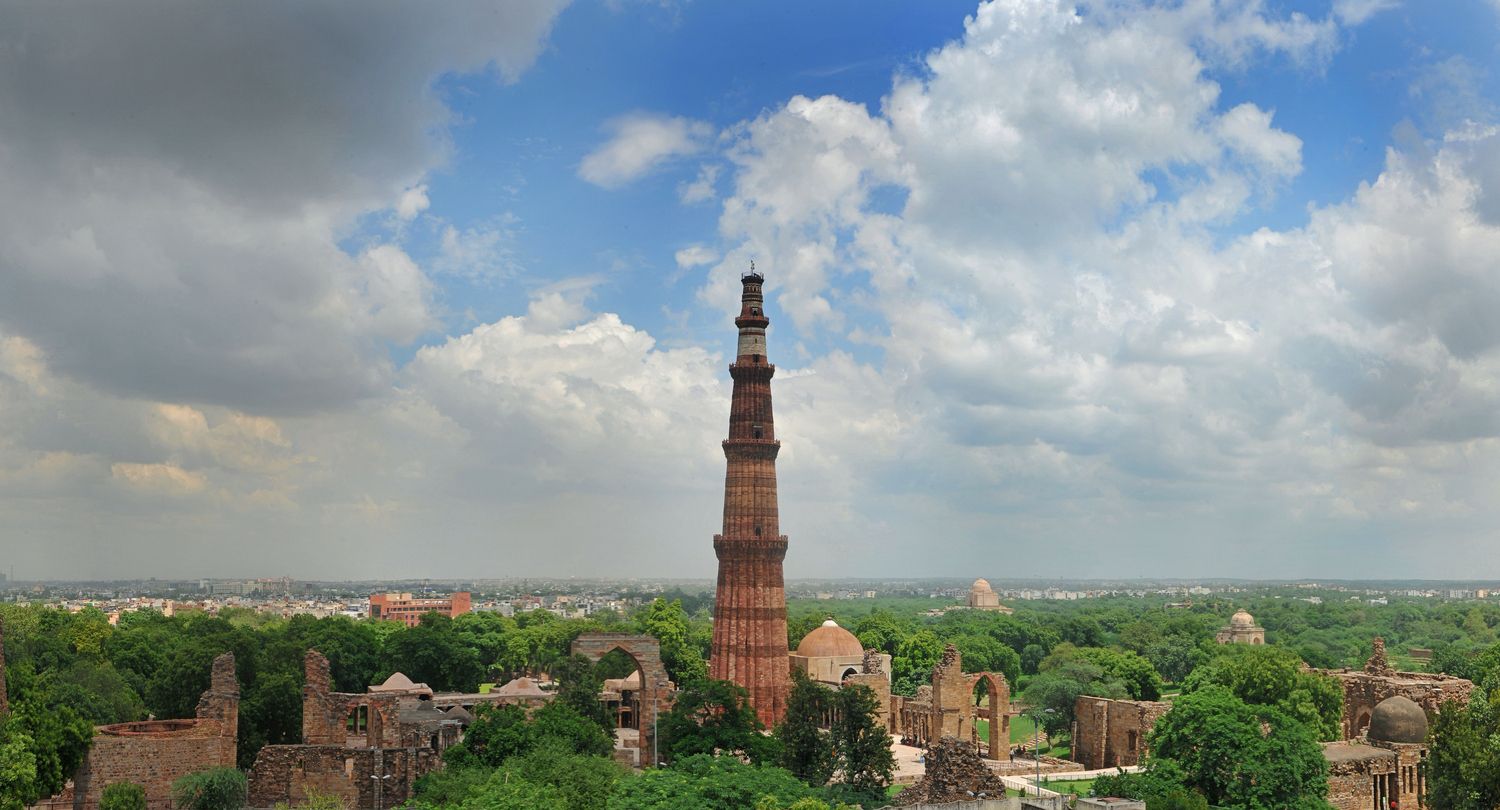
One of the most famous historical monuments in India and a UNESCO World Heritage Site located in Delhi. Built during the Delhi Sultanate period, the towering minaret is known for its impressive height, detailed carvings, and Indo-Islamic architecture. In addition, the monument complex includes ancient mosques, tombs, gateways, and the famous Iron Pillar. Visitors admire the beautiful red sandstone structure, intricate Quranic inscriptions, and rich historical significance of the site. Today, Qutub Minar remains one of the top tourist attractions in Delhi for history lovers, photographers, and travelers from around the world.
History of Qutub Minar
1192 – Construction Begins
Qutb-ud-din Aibak, founder of the Delhi Sultanate, started the construction of Qutub Minar after the defeat of the last Hindu kingdom in Delhi. He completed only the first storey of the tower.
1220 – Expansion by Iltutmish
Aibak’s successor and son-in-law, Iltutmish, continued the construction and added three more storeys to the minaret. Therefore, the structure became one of the tallest monuments of its time.
1369 – Restoration by Firoz Shah Tughlaq
The top section of the minaret suffered damage due to lightning. Firoz Shah Tughlaq later repaired the monument and added the fifth storey using marble and sandstone.
Mughal & British Period
During later centuries, earthquakes and natural disasters caused further damage to the structure. However, several rulers and British officials carried out restoration work to preserve the monument.
1993 – UNESCO World Heritage Site
Because of its historical and architectural importance, UNESCO declared Qutub Minar a World Heritage Site in 1993. Today, it remains one of the most visited heritage monuments in India.
Built By
Qutb-ud-din Aibak
Completed By
Iltutmish
Construction Started
1192
UNESCO Recognition
1993
Historical Era
Delhi Sultanate
Architecture of Qutub Minar
Indo-Islamic Architecture Qutub Minar showcases a beautiful blend of Indo-Islamic architecture. The monument combines Islamic calligraphy, geometric patterns, and traditional Indian craftsmanship. In addition, the detailed carvings and arches reflect the artistic style of the Delhi Sultanate period.
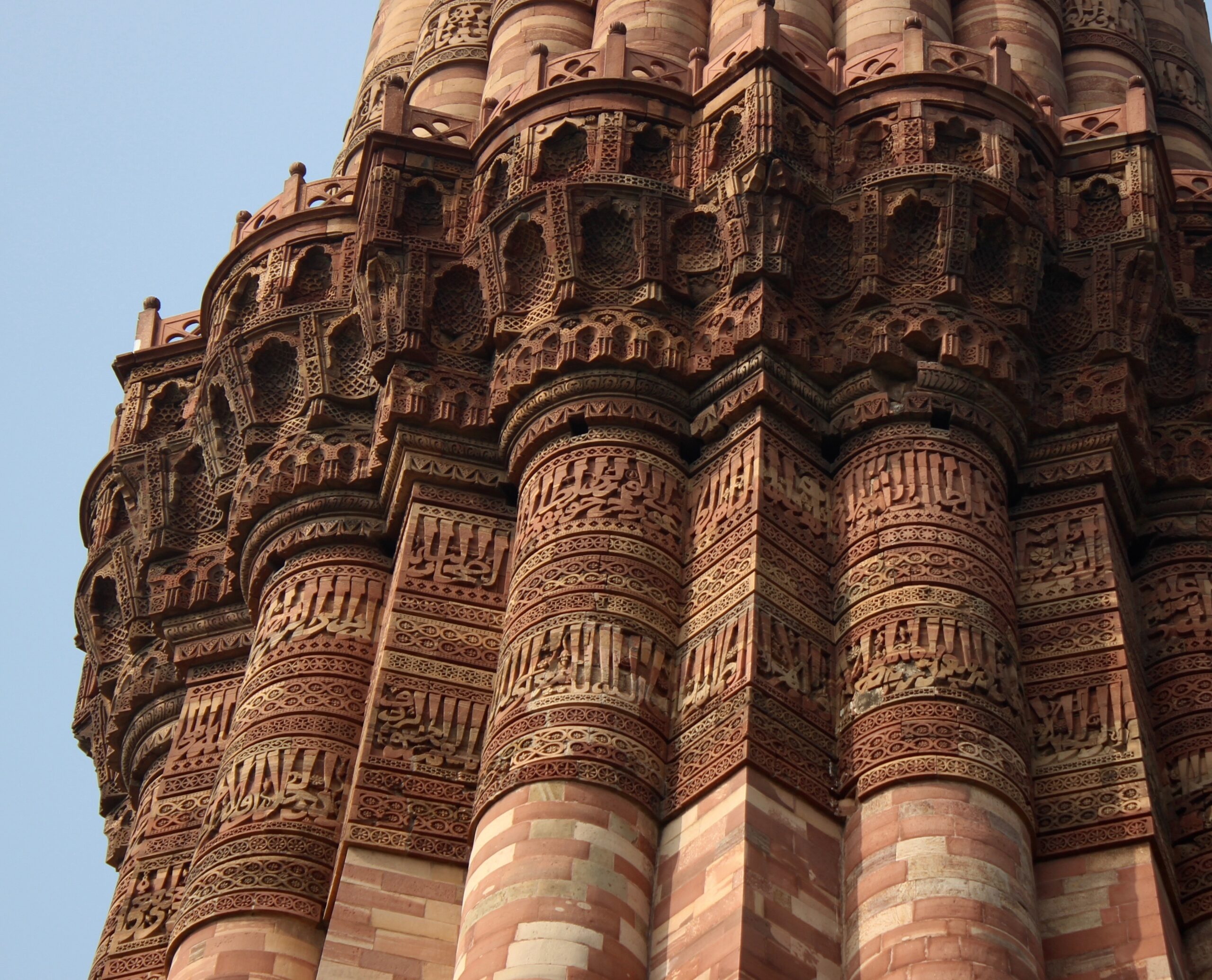
Red Sandstone Construction Most parts of the minaret were built using red sandstone, while the upper sections include marble and lighter stonework. Therefore, the monument displays a striking contrast of colors and textures. The materials also helped preserve the structure for centuries.
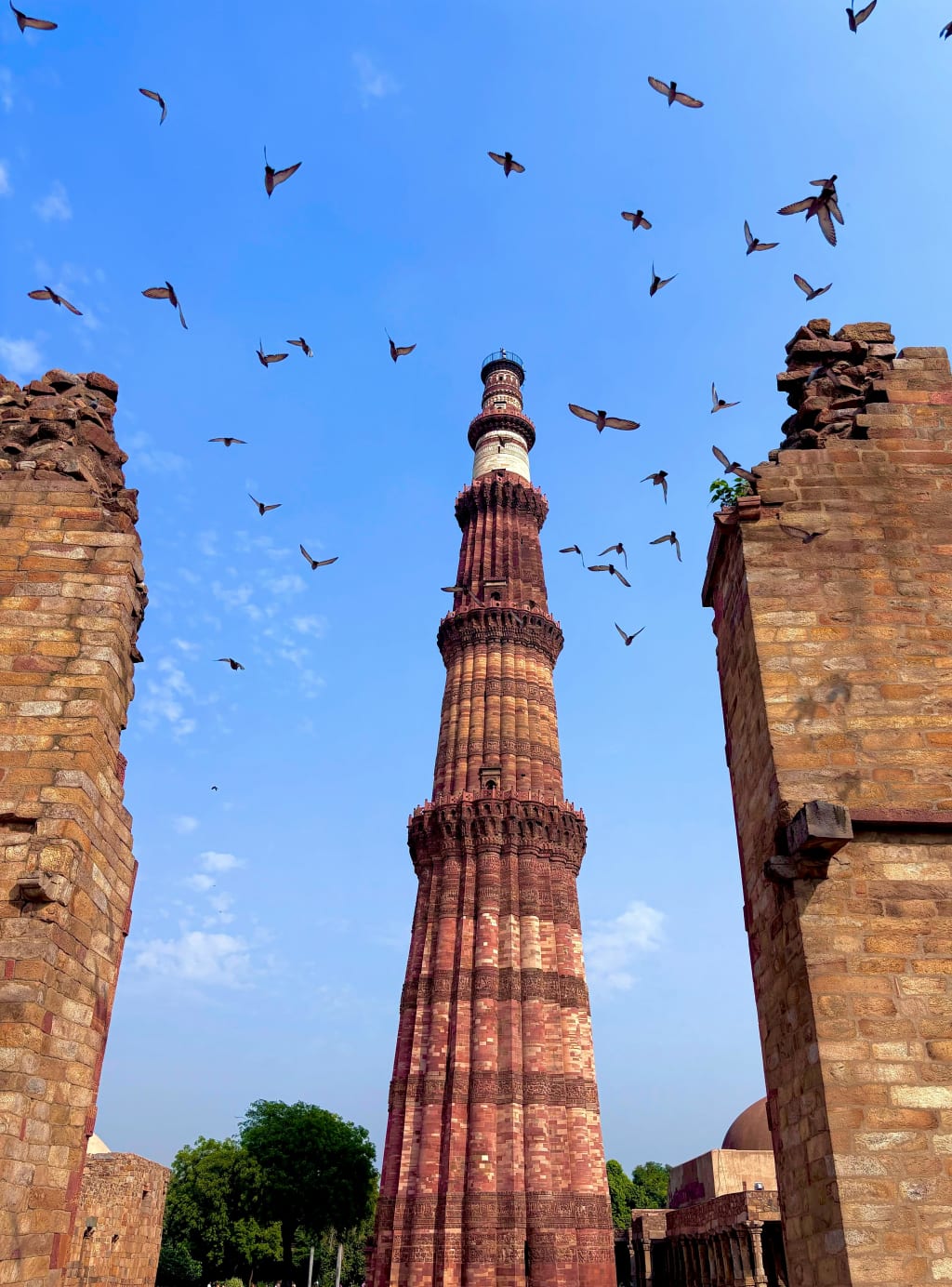
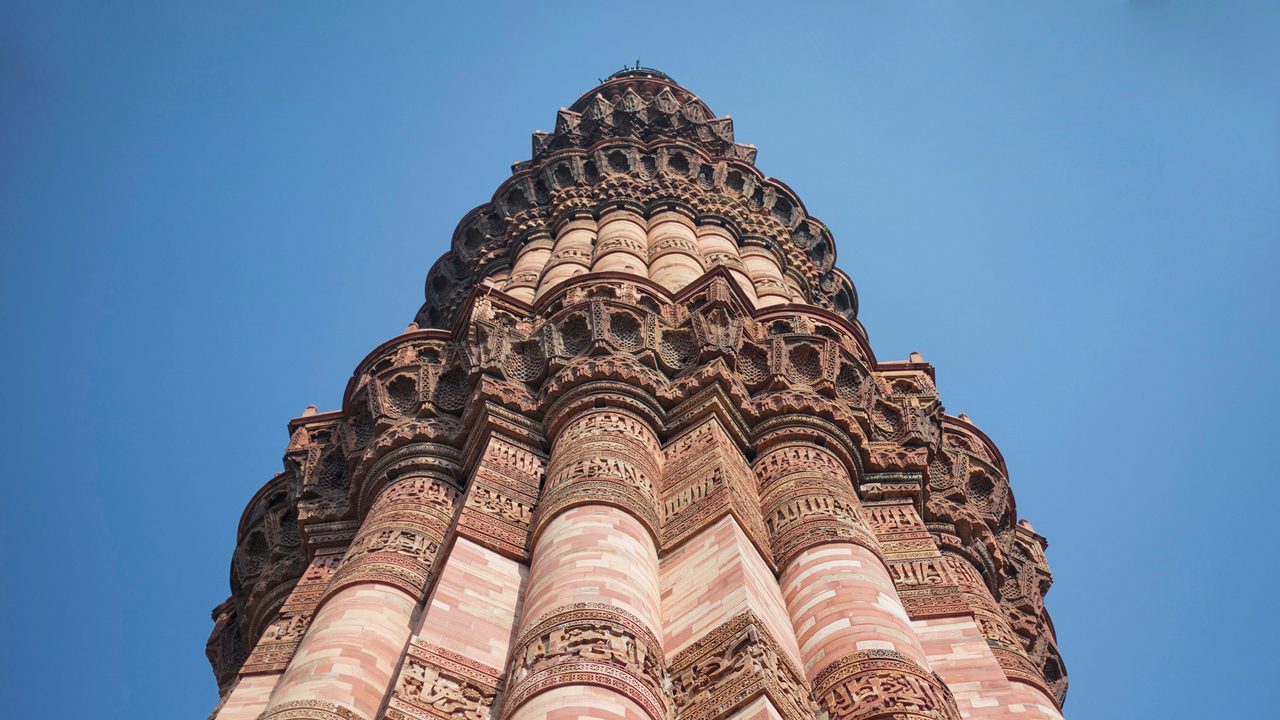
Five Distinct Storeys Qutub Minar consists of five separate storeys, each marked by projecting balconies. Every level features unique carvings and decorative bands. In addition, the tower gradually narrows toward the top, creating an elegant tapering design.
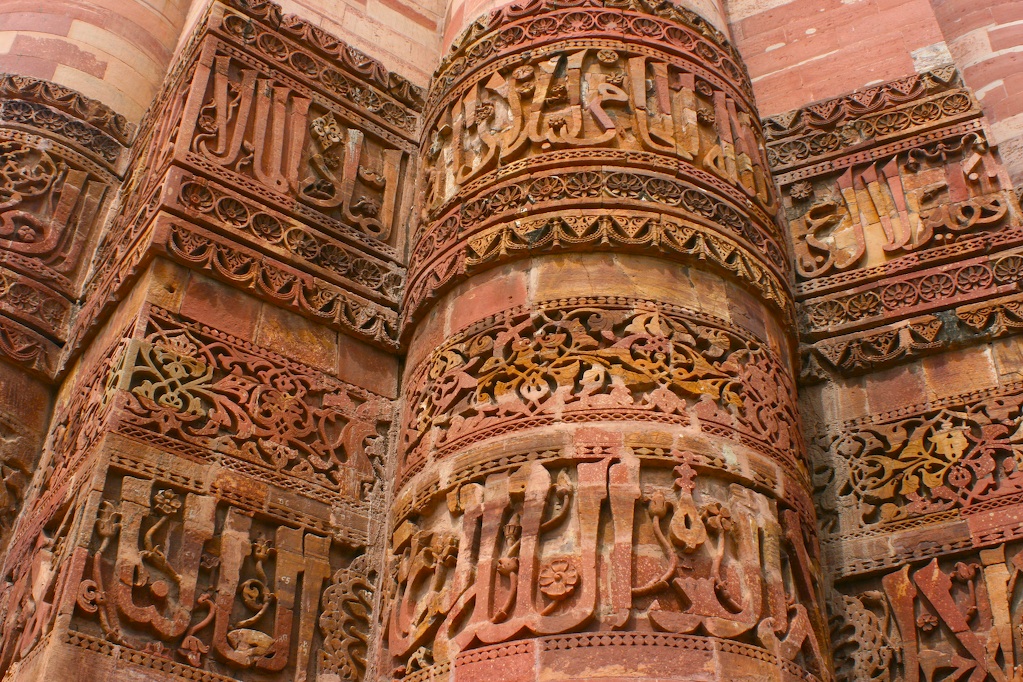
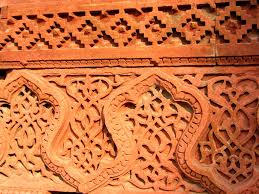
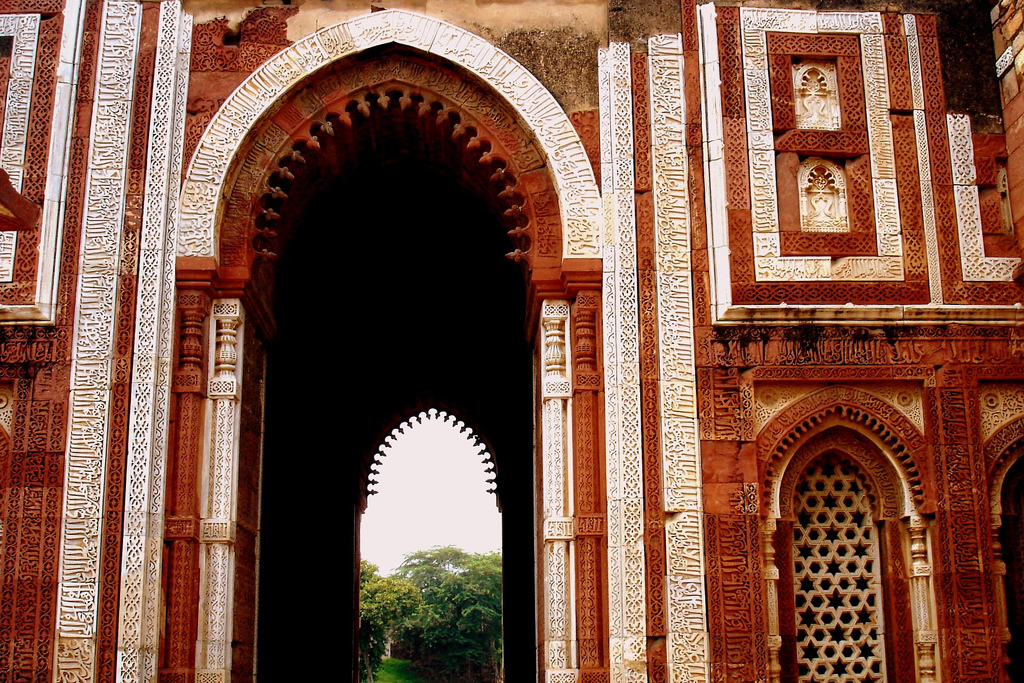
Quranic Inscriptions & Carvings The surface of the minaret contains detailed Arabic inscriptions and verses from the Quran. Craftsmen carved floral patterns and geometric designs throughout the structure. As a result, the monument stands as an excellent example of Islamic art and calligraphy.
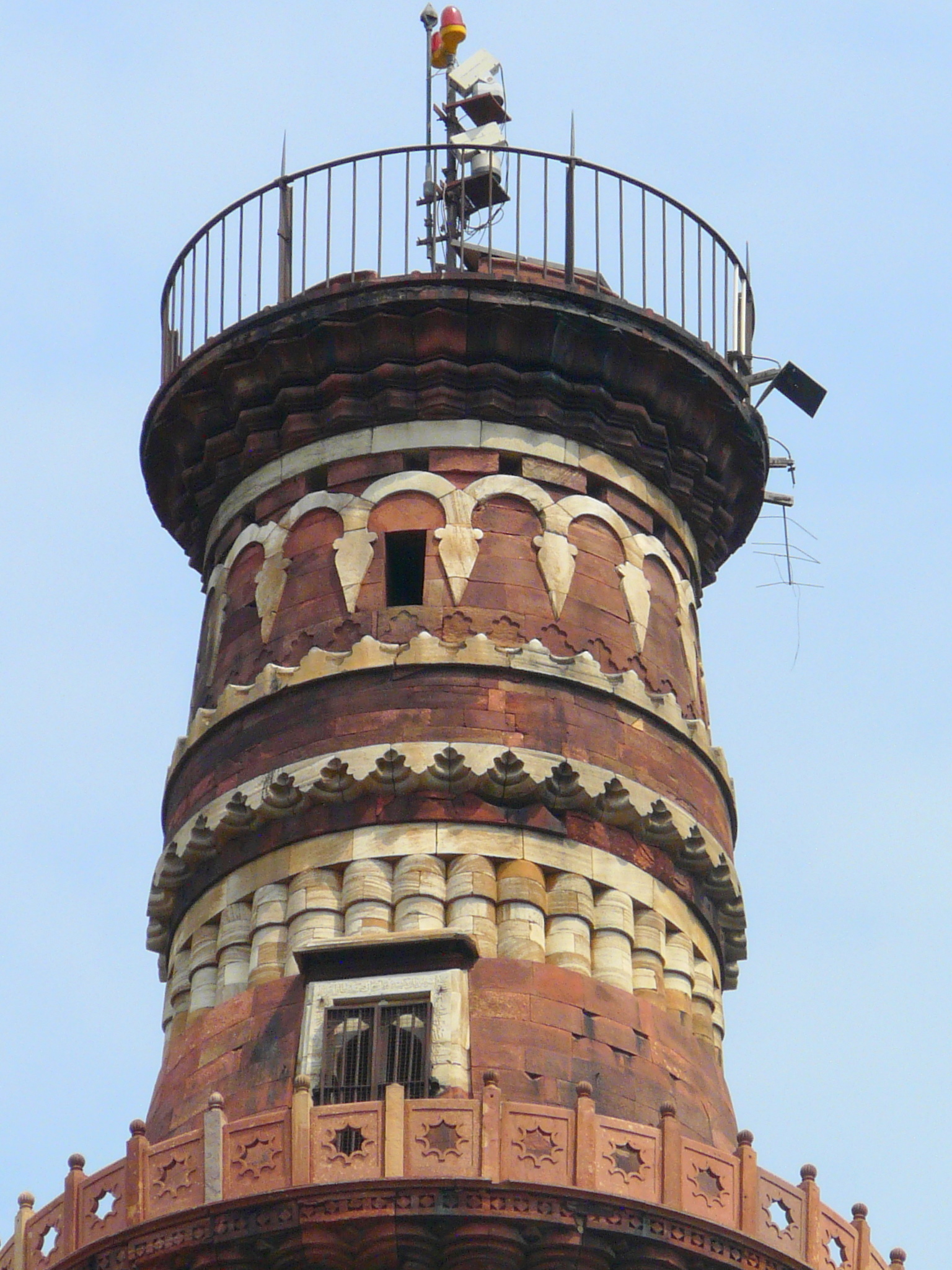
Balconies & Decorative Bands Each storey includes beautifully designed balconies supported by stone brackets. Decorative bands separate different levels of the tower and add depth to the structure. Therefore, the monument looks visually detailed from both near and far distances.
Engineering & Height Standing at around 73 meters, Qutub Minar is one of the tallest brick minarets in the world. Its circular staircase originally included 379 steps leading to the top. In addition, the strong foundation and tapered structure helped the monument survive multiple earthquakes and weather changes over time.
Architecture Gallery
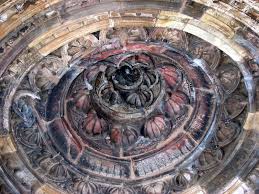
Upward view of Qutub Minar tower
Arabic carvings on Qutub Minar
Stone balcony design of Qutub Minar
Red sandstone texture of Qutub Minar
Things to See Inside Qutub Minar Complex
Qutub Minar is part of a large historical complex filled with ancient monuments, mosques, gateways, and tombs. In addition to the famous minaret, visitors can explore several important structures that reflect the architectural beauty of the Delhi Sultanate period. The complex offers a mix of history, archaeology, photography spots, and cultural heritage experiences.
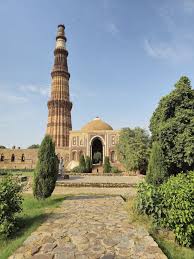
Towering Qutub Minar
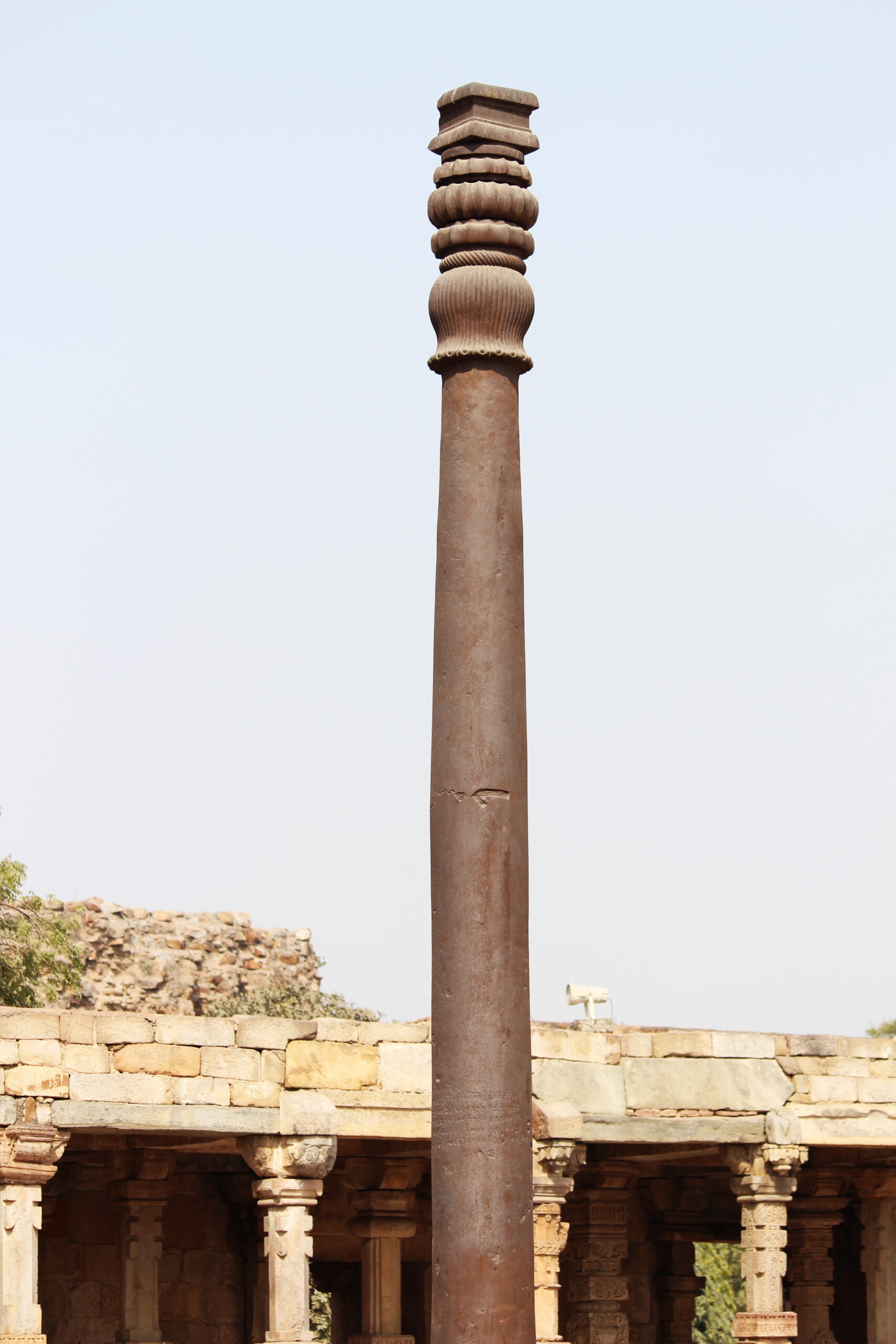
Historic Iron Pillar
Garden pathways
Quwwat-ul-Islam Mosque
Historic Alai Darwaza
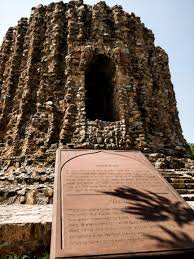
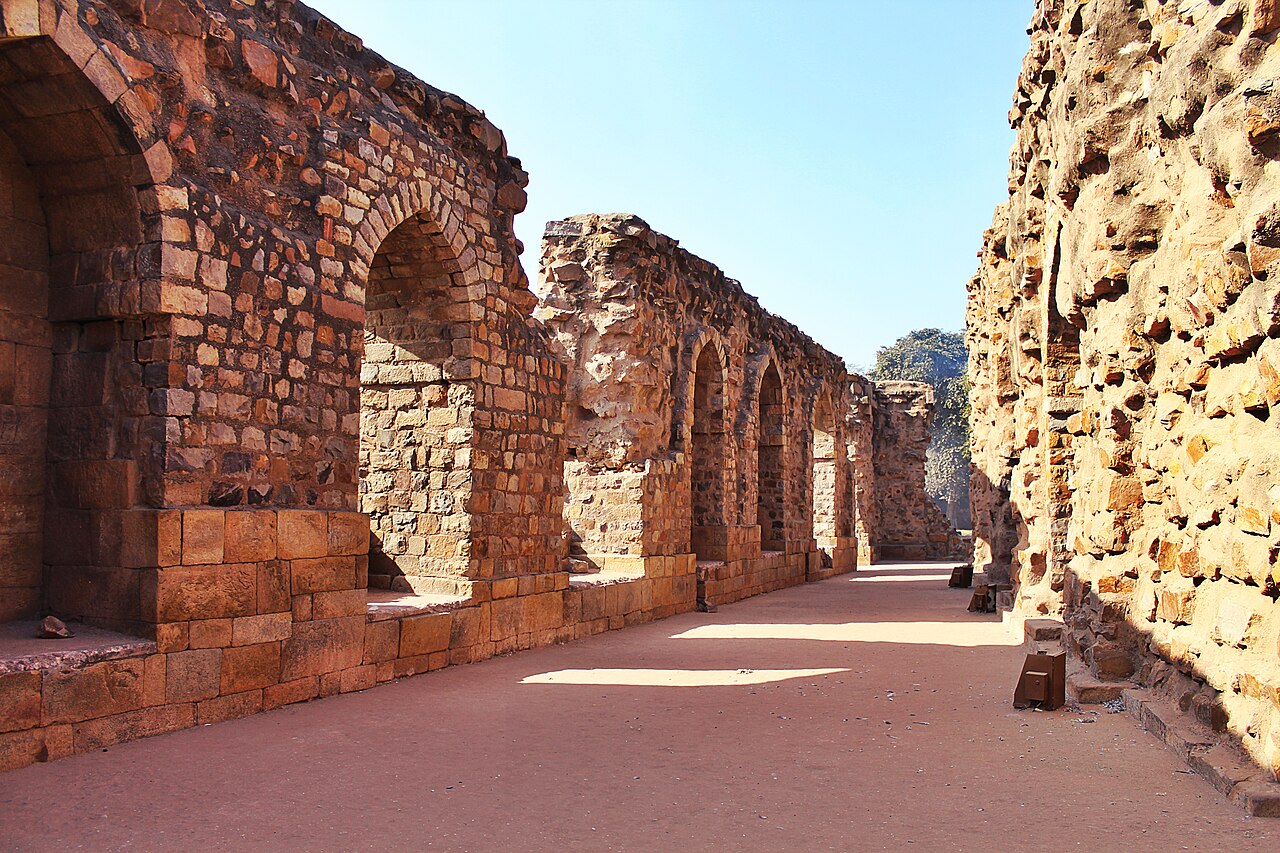
Ruined structure of Alai Minar
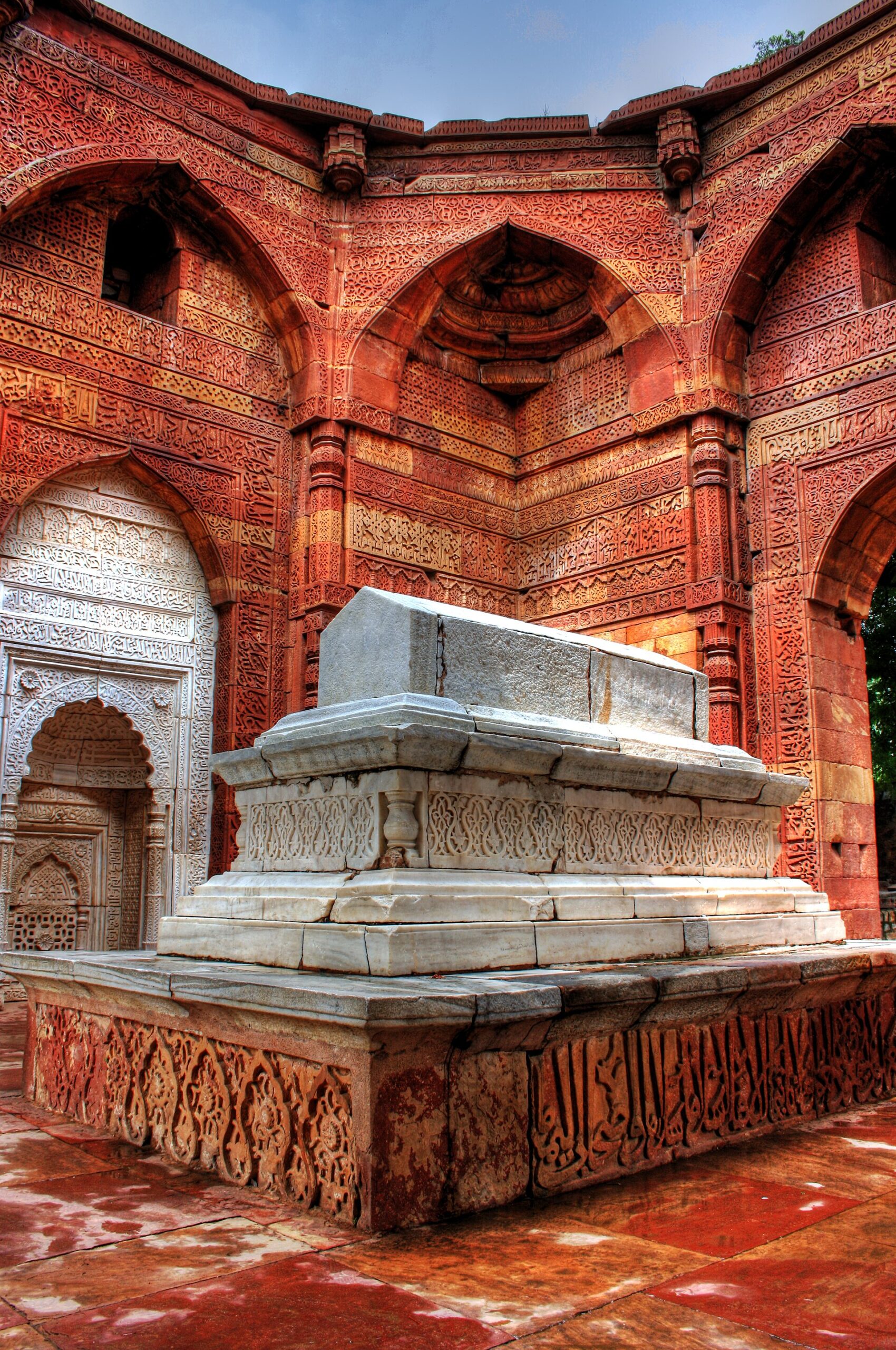
Tomb of Iltutmish
Historic madrasa and Alauddin Khilji tomb
Interesting Facts About Qutub Minar
Qutub Minar is not only a historic monument but also a fascinating architectural wonder filled with unique facts and stories. From its towering height to its detailed carvings and ancient engineering techniques, the monument continues to impress visitors from around the world. In addition, several mysteries and historical details make the Qutub Complex even more interesting for travelers and history enthusiasts.
Tallest Brick Minaret in India
UNESCO World Heritage Site
Built by Multiple Rulers
Famous Rust-Resistant Iron Pillar
Once Open for Climbing
Features 379 Steps
Earthquake & Lightning Damage
Quranic Inscriptions Cover the Tower
Conclusion
Qutub Minar stands as one of the most remarkable historical monuments in India and an important symbol of Delhi’s rich heritage. From its towering height and intricate carvings to its ancient mosques and historic ruins, the Qutub Complex offers a fascinating journey into the Delhi Sultanate era. In addition, the monument’s architectural beauty, peaceful gardens, and photography spots attract visitors from around the world. Whether you are interested in history, architecture, or sightseeing, Qutub Minar remains one of the top places to visit in Delhi.