Red Fort, Delhi – Complete Guide to India’s Iconic UNESCO World Heritage Monument
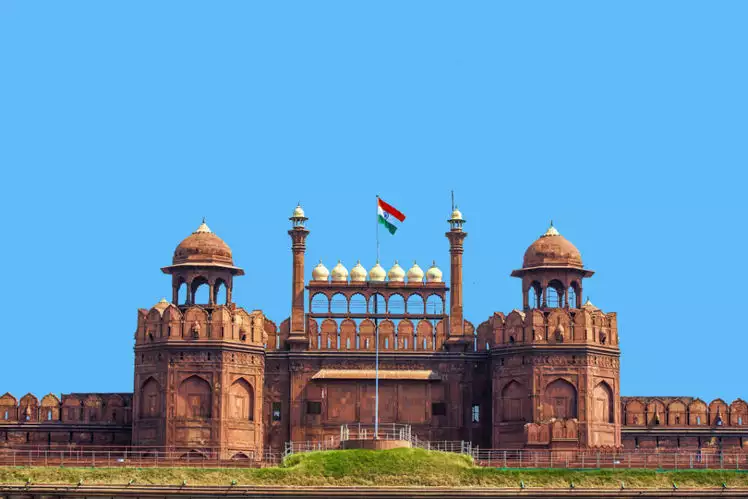
Red Fort is one of the most iconic historical monuments in India and a major symbol of the Mughal Empire. Located in Old Delhi, the massive fort is famous for its red sandstone walls, royal palaces, museums, and impressive Mughal architecture. Mughal Emperor Shah Jahan built the fort in the 17th century after shifting his capital from Agra to Delhi. In addition, the monument played an important role in India’s history and remains the site where the Prime Minister hoists the national flag every Independence Day. Today, the fort attracts visitors from around the world with its rich heritage, grand structures, and cultural significance.
History of Red Fort
1638 – Construction Begins
Mughal Emperor Shah Jahan began the construction of Red Fort in 1638 after deciding to shift the Mughal capital from Agra to Delhi. The fort became the center of political and royal activities during the Mughal era.
1648 – Fort Completed
The construction of the fort was completed in 1648 using red sandstone and marble. The massive complex included royal palaces, audience halls, gardens, and private chambers. In addition, the fort reflected the grandeur and luxury of Mughal architecture.
Mughal Royal Residence
For many years, the fort served as the residence of Mughal emperors and the administrative center of the empire. Royal ceremonies, important meetings, and cultural events took place inside the fort complex. Therefore, the monument became one of the most powerful symbols of Mughal rule in India.
British Occupation Period
After the Revolt of 1857, British forces took control of the fort and made several changes to the original structures. Some palaces and gardens were damaged during this period. However, many important buildings inside the complex still remain preserved today.
Independence Day Significance
After India gained independence in 1947, the monument became an important national symbol. Every year, the Prime Minister of India hoists the national flag here on Independence Day and addresses the nation from the fort.
UNESCO World Heritage Site
Because of its historical and architectural importance, UNESCO declared Red Fort a World Heritage Site in 2007. Today, it remains one of the most visited monuments in Delhi.
Built By
Shah Jahan
Construction Period
1638–1648
Architectural Style
Mughal Architecture
UNESCO Recognition
2007
Famous For
Independence Day Celebrations
Architecture of Red Fort
Mughal architecture of Red Fort in Delhi
Beautiful Marble Structures
Several buildings inside the fort feature white marble carvings, floral artwork, and decorative patterns. Mughal craftsmen used precious stones and intricate detailing to decorate royal chambers and audience halls. In addition, the marble structures create an elegant contrast against the red sandstone walls.
Royal Gardens & Water Channels
The fort complex originally included beautifully designed Mughal gardens and flowing water channels. These areas created a peaceful environment for the royal family and visitors. In addition, the water system improved the cooling and beauty of the palace complex.
Palaces & Audience Halls
The complex includes royal palaces, private chambers, and audience halls used by Mughal emperors. Structures such as Diwan-i-Aam and Diwan-i-Khas showcase detailed craftsmanship and royal luxury. Therefore, the fort reflects the lifestyle and grandeur of the Mughal Empire.
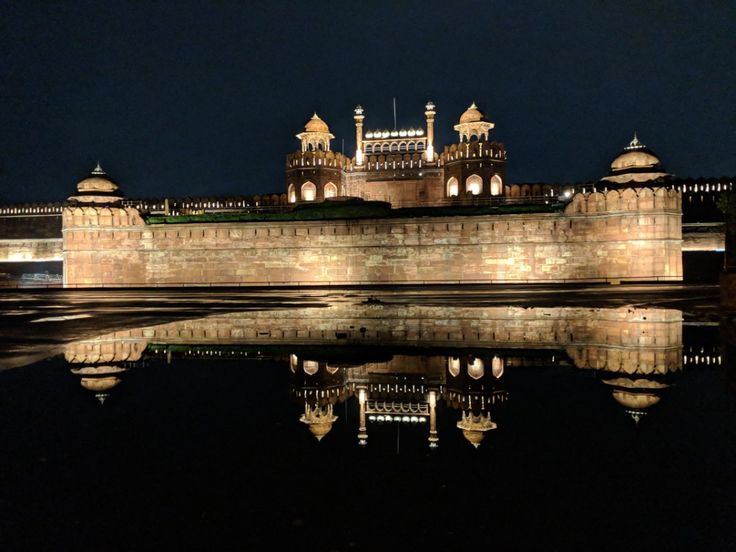
Massive Red Sandstone Walls
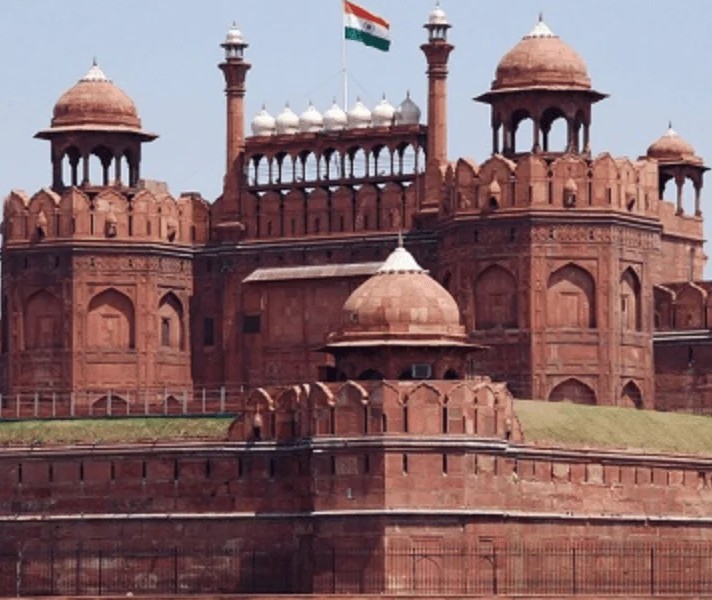
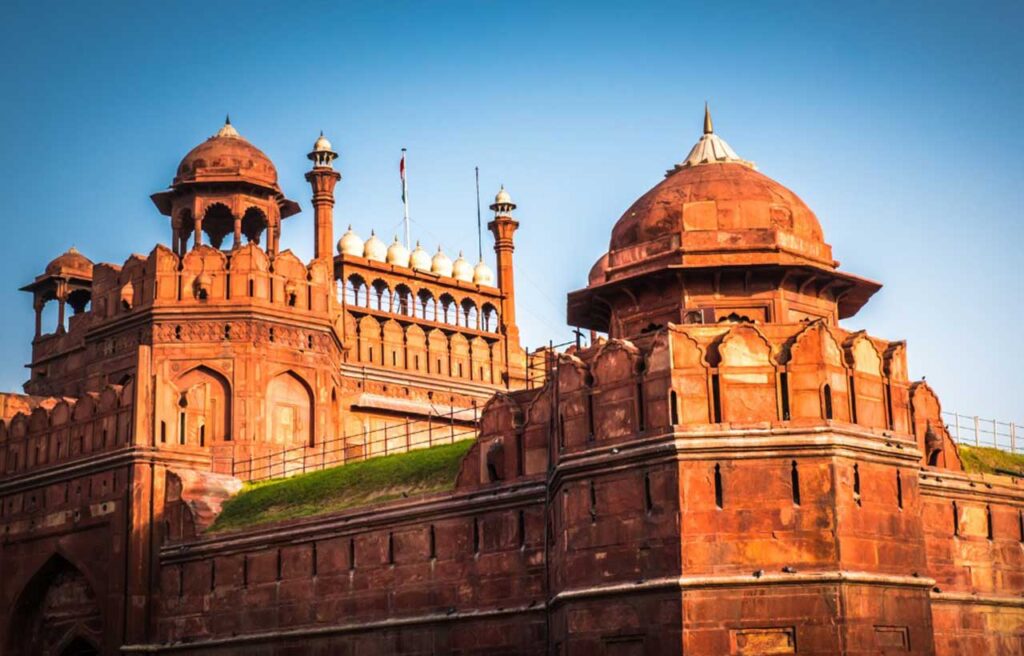
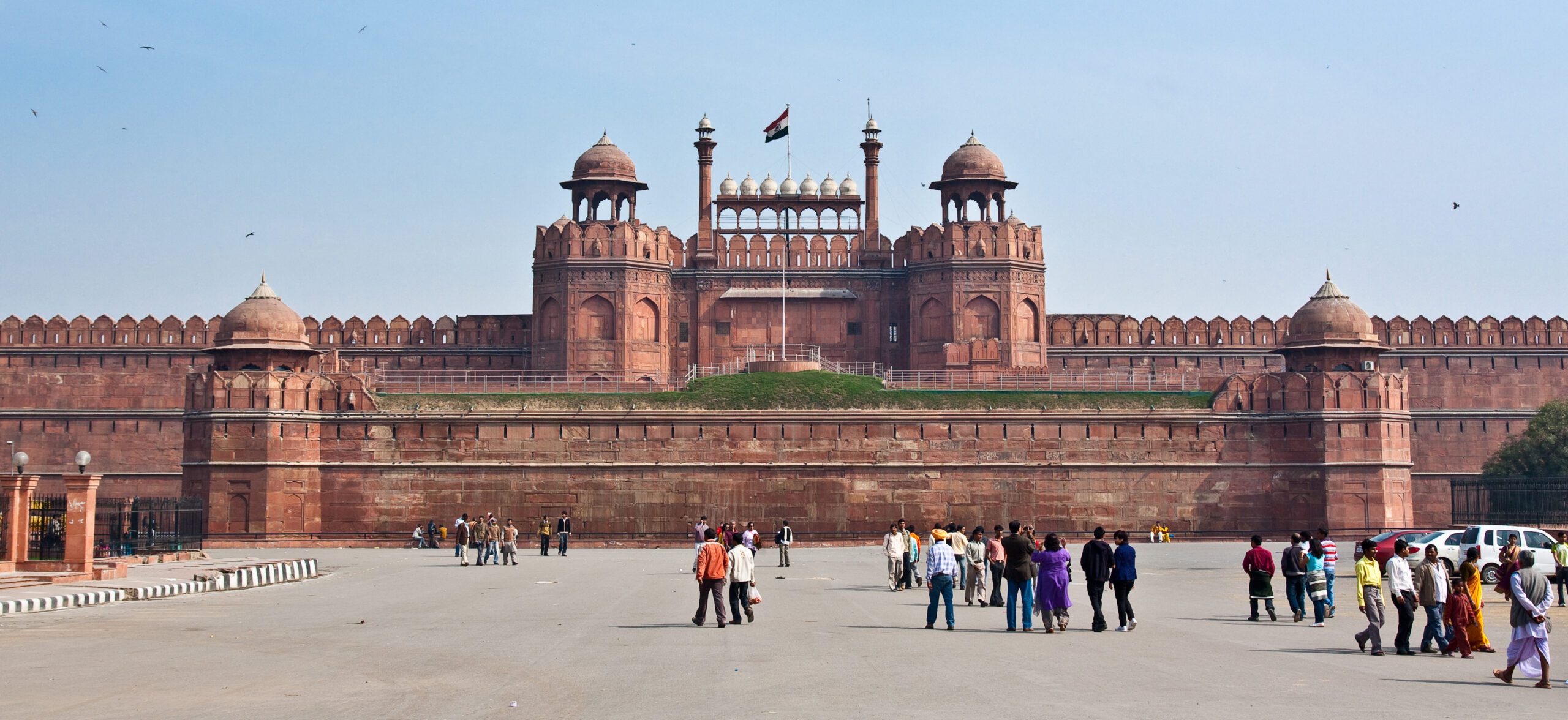
Red Fort is famous for its massive red sandstone walls that stretch across a large area in Old Delhi. The walls were designed to protect the royal palace complex from invasions and attacks. In addition, the strong fortifications give the monument its iconic appearance.
Mughal Architectural Style
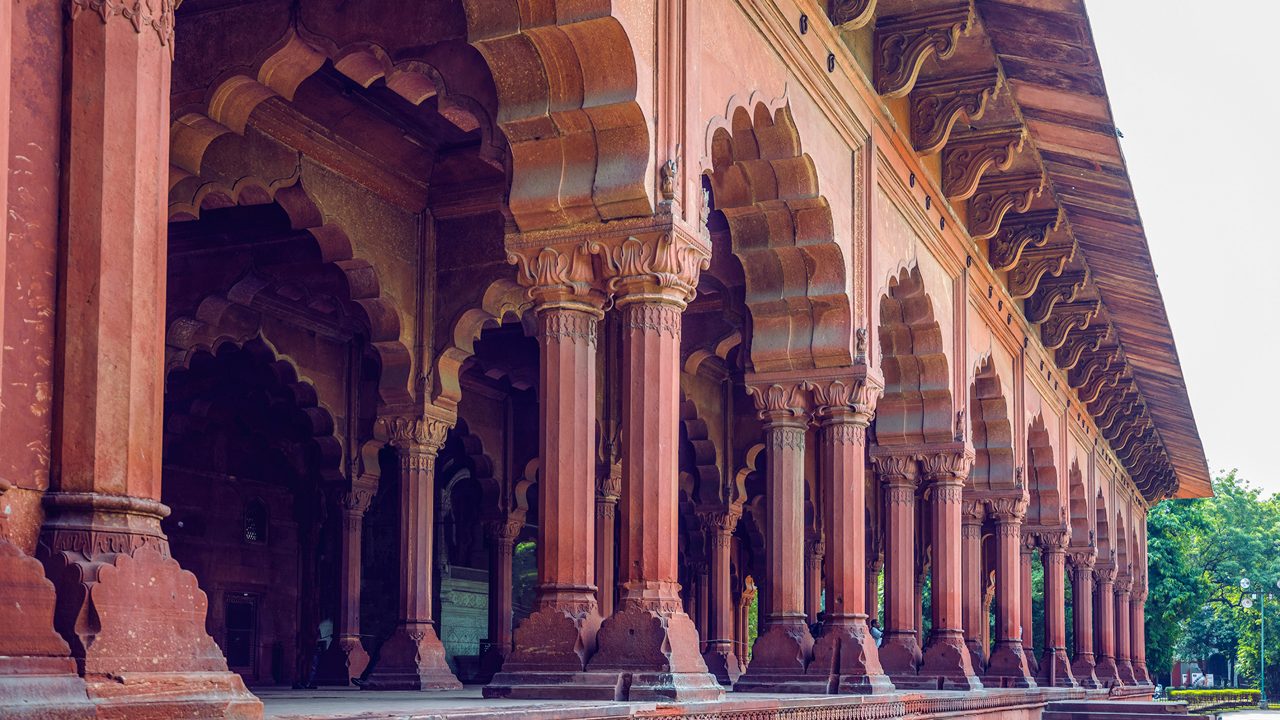
The fort reflects the beauty of Mughal architecture through its arches, domes, marble decorations, and symmetrical layout. Persian, Timurid, and Indian architectural influences can be seen throughout the complex. Therefore, the monument remains one of the finest examples of Mughal-era design in India.
Large Gates & Defensive Design
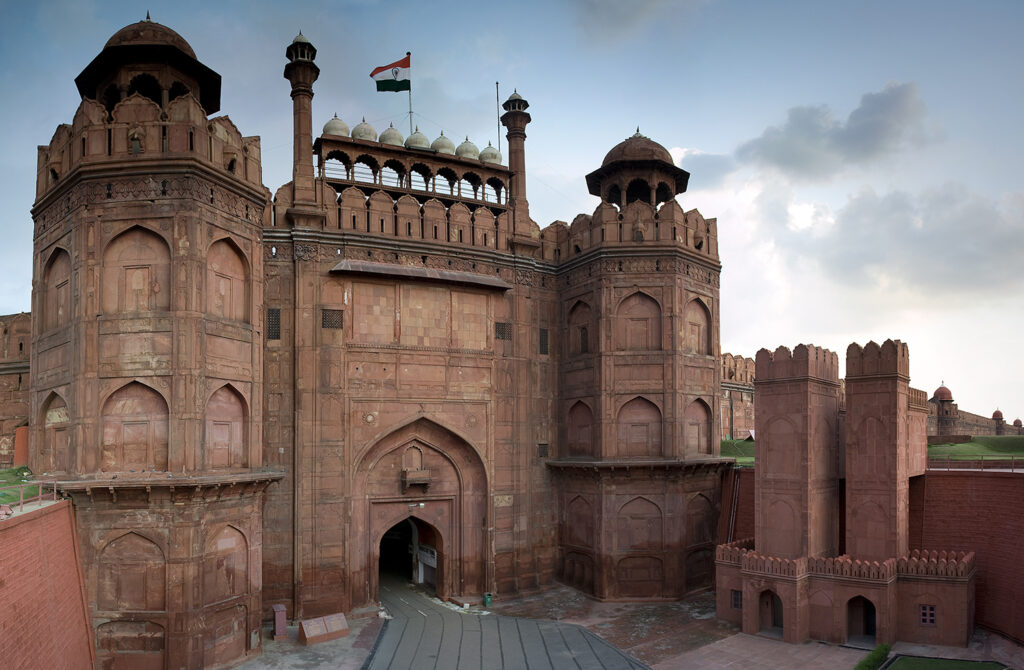
The monument includes grand entrance gates such as Lahori Gate and Delhi Gate. These gateways were built with strong defensive features and detailed architectural elements. As a result, they served both military and ceremonial purposes during the Mughal period.
Mughal architecture of Red Fort in Delhi”
Architecture Gallery
Panoramic view of Red Fort walls
Marble interiors inside Red Fort
Mughal carvings and arches at Red Fort
Historic gardens inside Red Fort
Interesting Facts About Red Fort
Red Fort is one of the most historically important monuments in India and holds several fascinating stories from the Mughal era and modern Indian history. From royal palaces and hidden water channels to Independence Day celebrations, the fort continues to attract visitors with its rich heritage and architectural beauty. In addition, many unique facts about the monument make it even more interesting for travelers and history lovers.
Built as a Royal Palace Fort
Named After Its Red Walls
UNESCO World Heritage Site
Independence Day Tradition
Once Home to the Peacock Throne
Features Advanced Water Channels
Massive Fort Walls
Includes Museums & Cultural Exhibits
Aerial evening view of Red Fort in Delhi
Things to See Inside Red Fort
Red Fort features several royal palaces, audience halls, museums, gardens, and historic structures inside its massive complex. Each section reflects the grandeur of Mughal architecture and the royal lifestyle of the Mughal emperors. In addition, the fort offers a mix of history, culture, photography spots, and museum experiences for visitors exploring the monument.
Lahori Gate entrance of Red Fort
Hayat Bakhsh Bagh garden inside Red Fort
Mumtaz Mahal museum at Red Fort
Rang Mahal palace inside Red Fort
Diwan-i-Khas royal chamber at Red Fort
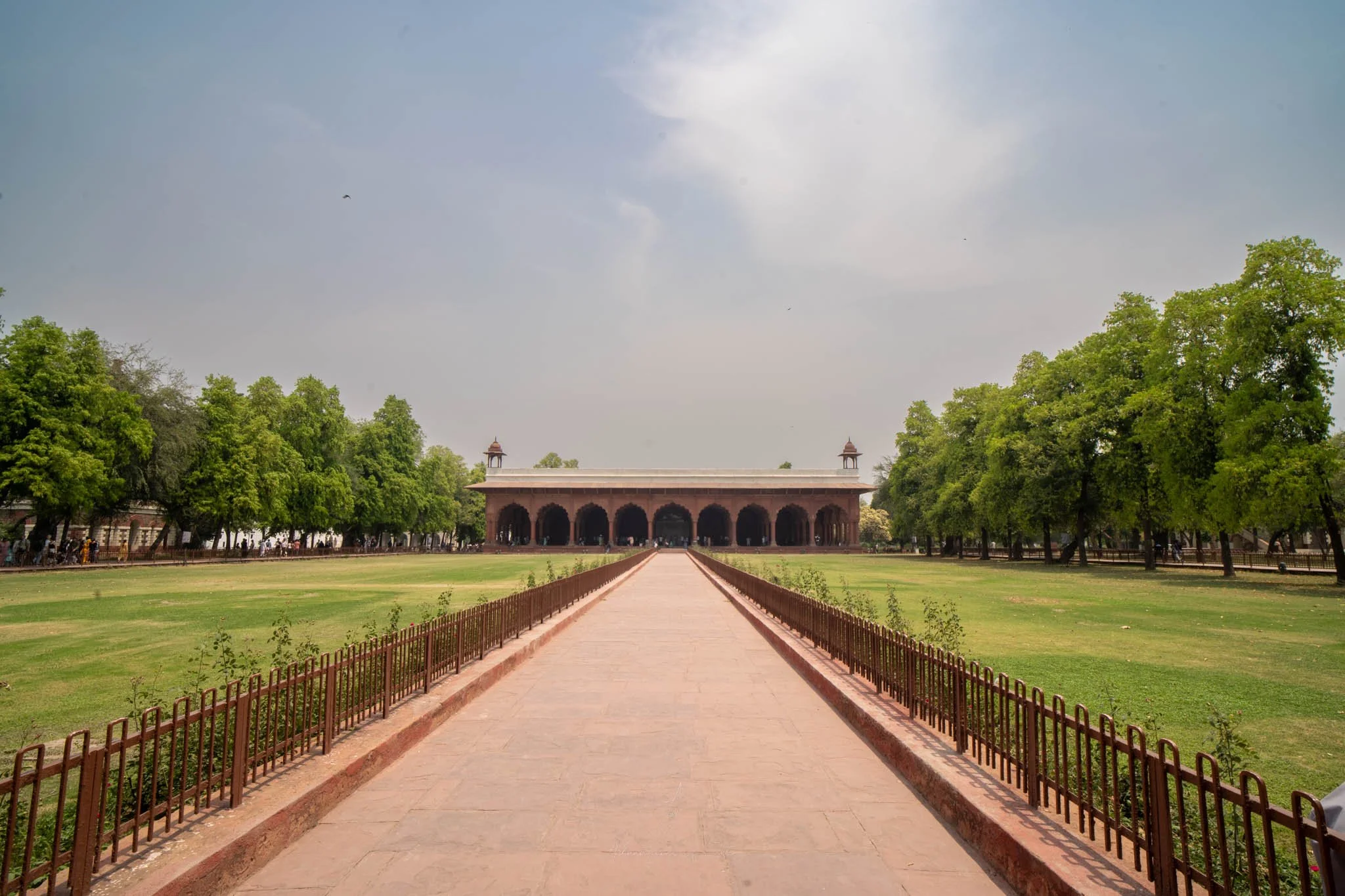
Diwan-i-Aam inside Red Fort
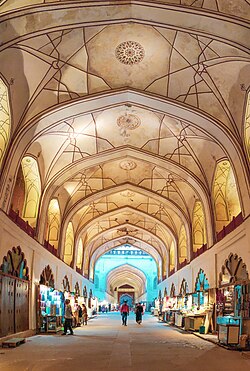
Chatta Chowk market inside Red Fort
Light and sound show at Red Fort
Nearby Attractions Around Red Fort
Red Fort is surrounded by several famous historical landmarks, markets, religious sites, and cultural attractions in Old Delhi. Visitors can easily explore these nearby places during the same trip. In addition, the surrounding area offers a mix of Mughal heritage, street food experiences, shopping streets, and iconic monuments.
Jama Masjid
Chandni Chowk
Ganga Jal & Rudraksha
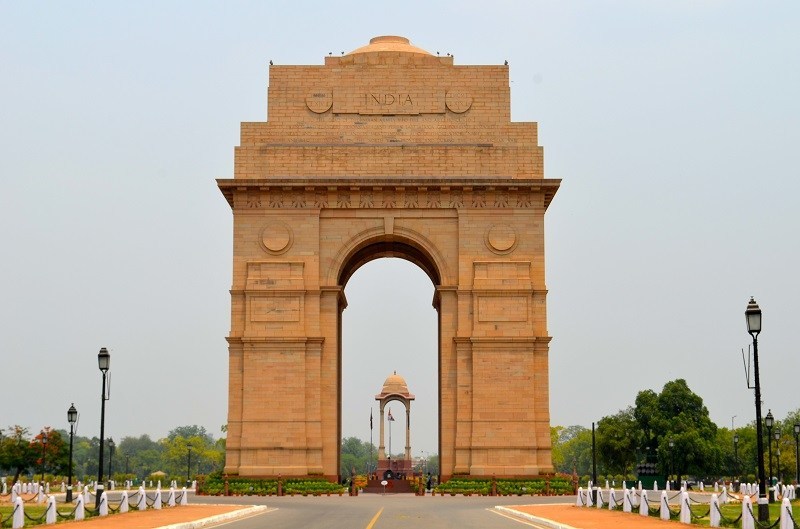
India Gate
Conclusion
Red Fort remains one of the most important historical landmarks in India and a powerful symbol of the Mughal Empire. From its massive sandstone walls and royal palaces to its museums, gardens, and cultural significance, the monument offers a memorable experience for every visitor. In addition, the fort reflects centuries of Indian history and continues to host national celebrations each year. Whether you are interested in architecture, photography, heritage, or history, this iconic site in Old Delhi deserves a place on every traveler’s itinerary.