
¤ 11 minutes Read
Safdarjung Tomb – History, Architecture & Travel Guide
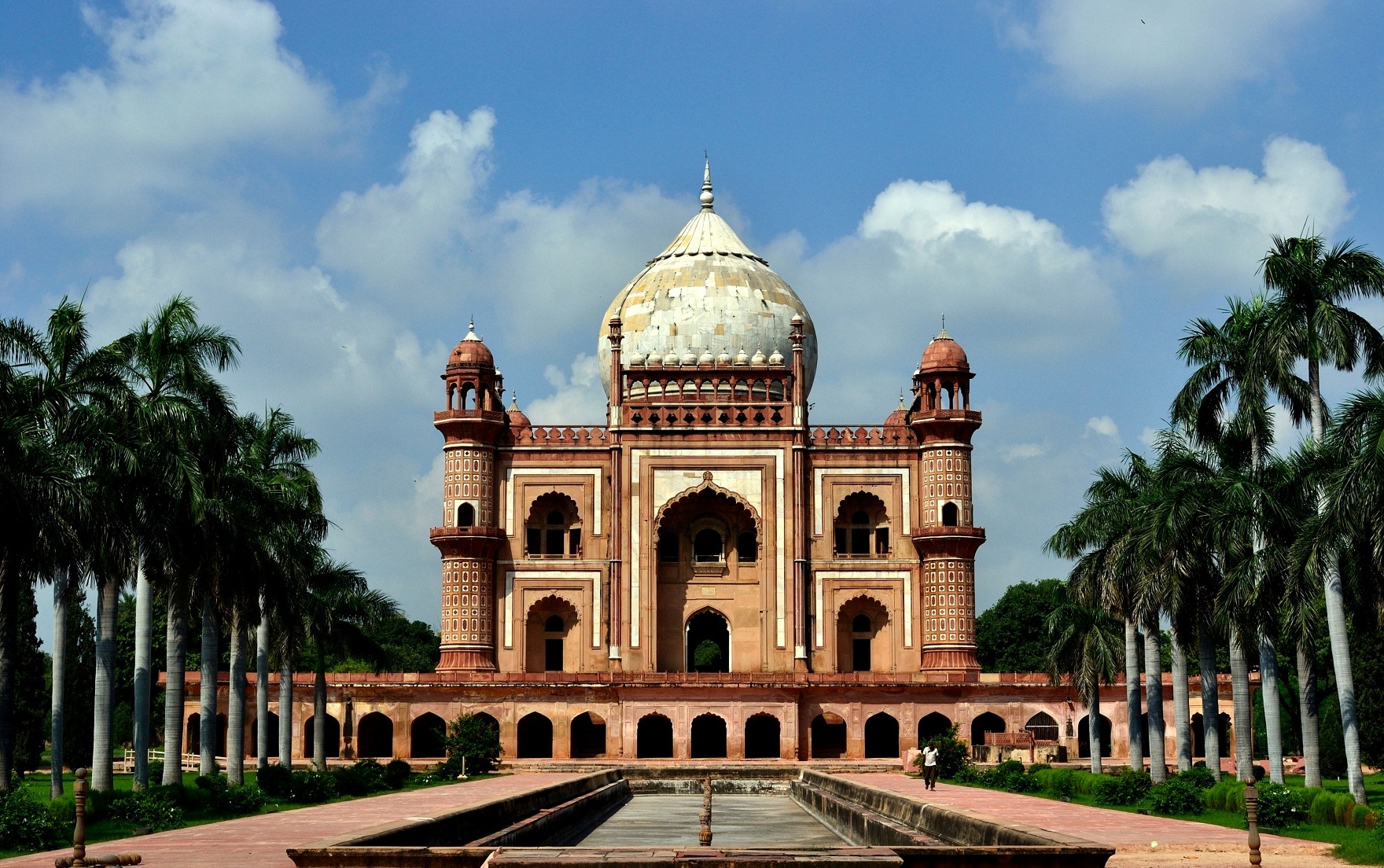
Safdarjung Tomb is one of Delhi’s most elegant Mughal-era monuments, renowned for its grand architecture, symmetrical gardens, and historical significance. Built in 1754 as the mausoleum of Safdarjung, the powerful Nawab of Awadh, the tomb is often considered the last monumental garden tomb constructed during the Mughal period. Surrounded by a beautiful Charbagh-style garden, the structure features impressive domes, decorative arches, and intricate design elements that reflect the architectural traditions of the era. In addition, its peaceful atmosphere and picturesque setting make it a popular destination for history enthusiasts, architecture lovers, and photographers. Today, Safdarjung Tomb stands as an important reminder of the final phase of Mughal architecture in India.
History of Safdarjung Tomb
Safdarjung, whose real name was Mirza Muqim Abul Mansur Khan, served as the Nawab of Awadh and later became the Prime Minister of the Mughal Empire. He was one of the most influential nobles during the declining years of Mughal rule.
Construction of the Tomb
After Safdarjung’s death in 1754, his son Nawab Shuja-ud-Daula commissioned the construction of the tomb in his memory. The monument was designed as a grand mausoleum inspired by earlier Mughal garden tombs.
The Last Great Mughal Garden Tomb
Safdarjung Tomb is often regarded as the last monumental garden tomb built by the Mughals. While it follows traditional Mughal architectural principles, it also reflects the changing political and economic conditions of the late Mughal period.
Influence of Earlier Mughal Monuments
The design of the tomb was inspired by famous structures such as Humayun’s Tomb. However, historians often view Safdarjung Tomb as representing the final stage of Mughal architectural development.
Colonial & Modern Preservation
During the British period and after India’s independence, conservation efforts helped preserve the monument and its gardens. As a result, it remains one of Delhi’s most visited historical attractions.
Heritage Landmark Today
Today, Safdarjung Tomb is recognized as an important cultural and architectural landmark. Visitors come to admire its history, architecture, landscaped gardens, and peaceful surroundings.
Built In
1754
Built For
Safdarjung, Nawab of Awadh
Commissioned By
Shuja-ud-Daula
Architectural Style
Late Mughal Architecture
Known As
The Last Great Mughal Garden Tomb
Heritage Significance
Final Phase of Mughal Monumental Architecture
Architecture of Safdarjung Tomb
Red Sandstone & Marble Details
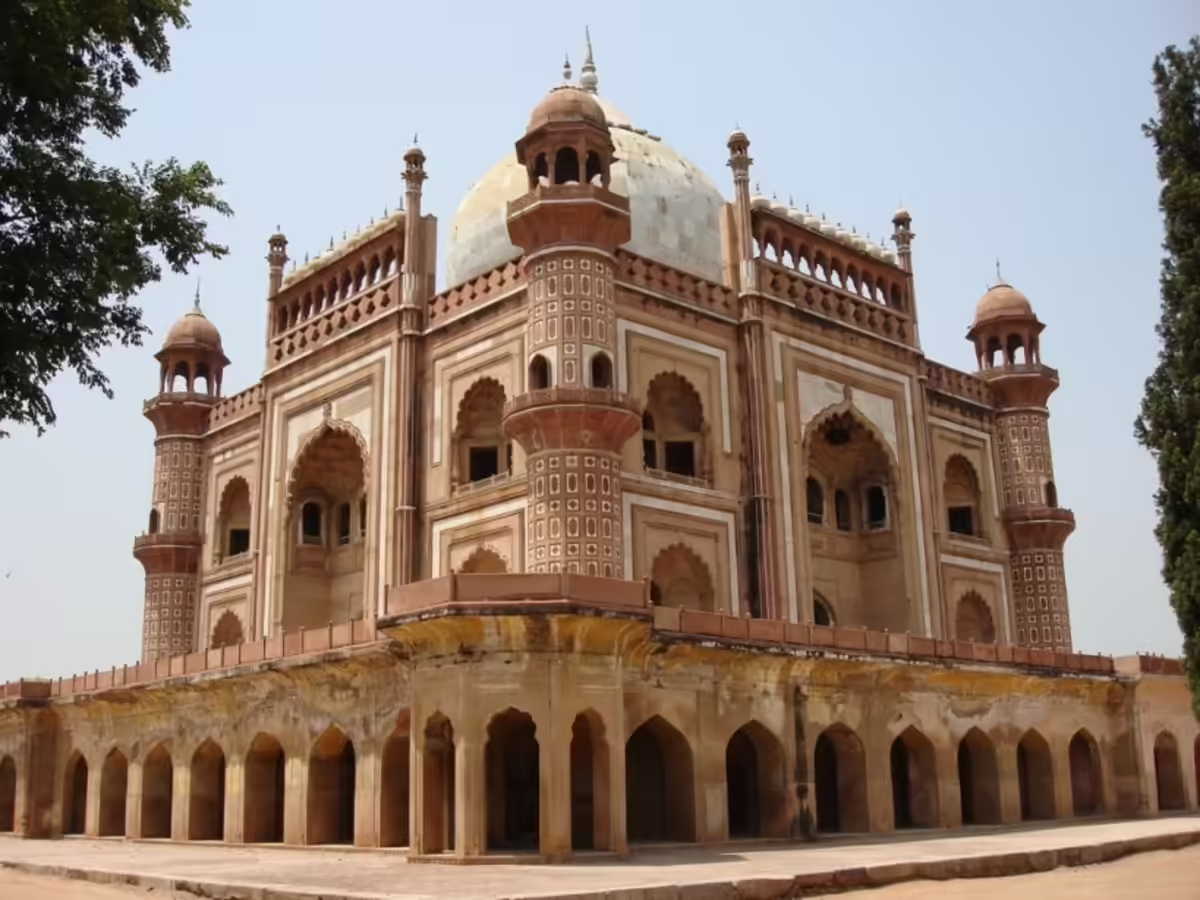
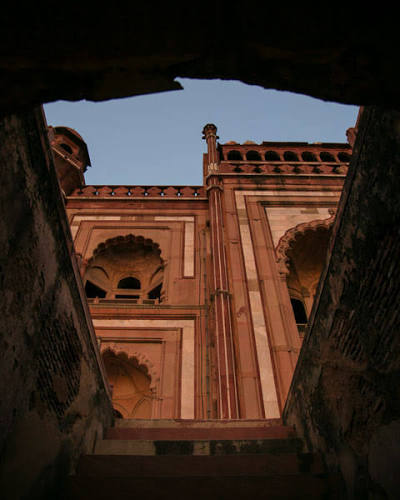
The tomb is primarily constructed from red sandstone, complemented by decorative marble elements. The combination of these materials enhances the monument’s visual appeal and reflects the design preferences of the Mughal era.
Charbagh Gardens & Water Channels
Surrounding the mausoleum are landscaped gardens divided into geometric sections by pathways and water channels. Inspired by Persian garden traditions, the layout symbolizes harmony and paradise.
Blend of Grandeur & Simplicity
While inspired by earlier Mughal monuments, the tomb displays a simpler style compared to structures such as Humayun’s Tomb and Taj Mahal. Therefore, it is often viewed as a reflection of the declining resources of the late Mughal Empire.
Classic Mughal Garden-Tomb Design
Safdarjung Tomb follows the traditional Mughal garden-tomb layout, with the mausoleum positioned at the center of a large Charbagh-style garden. The symmetrical arrangement creates a sense of balance and grandeur throughout the complex.
Impressive Central Dome
The monument is crowned by a large central dome that dominates the skyline. This prominent feature reflects the architectural traditions of earlier Mughal masterpieces and serves as the focal point of the structure.
Ornamental Arches & Pavilions
The structure features elegant arches, decorative gateways, and corner pavilions known as chhatris. These architectural elements add both beauty and symmetry to the overall design.
Things to See Inside Safdarjung Tomb Complex
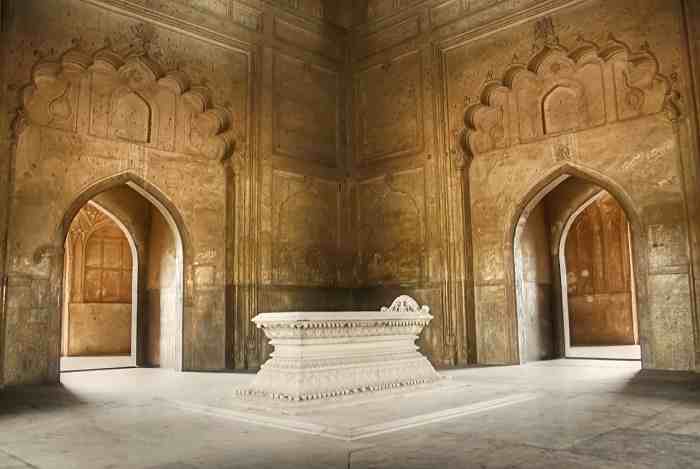
Safdarjung Tomb is more than just a mausoleum. The complex includes grand gateways, landscaped gardens, water channels, pavilions, and architectural details that showcase the beauty of late Mughal design. As visitors explore the site, they can admire both its historical significance and its peaceful surroundings.
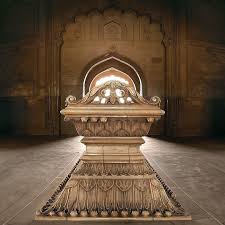
The Central Mausoleum
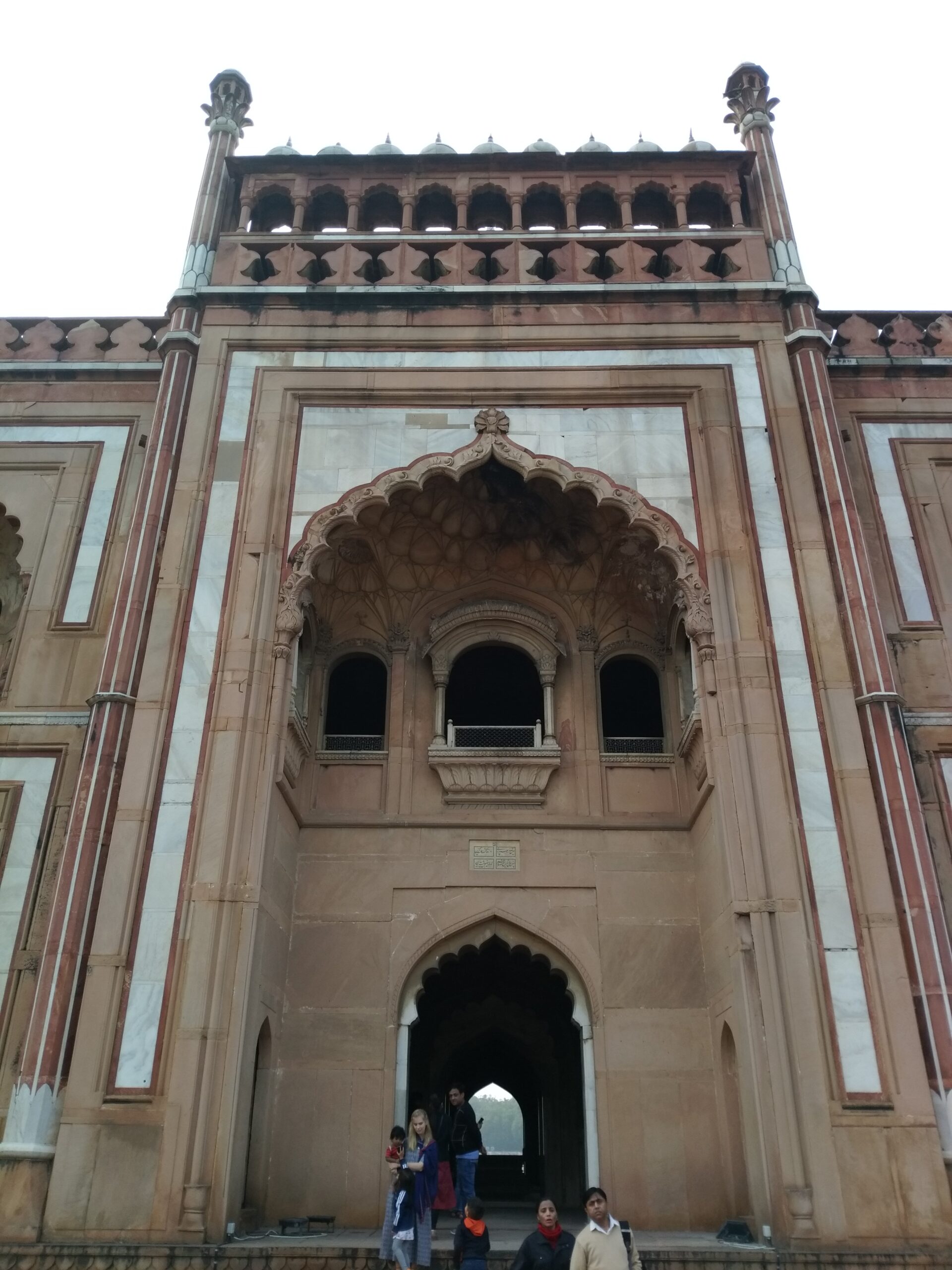
Grand Entrance Gateway
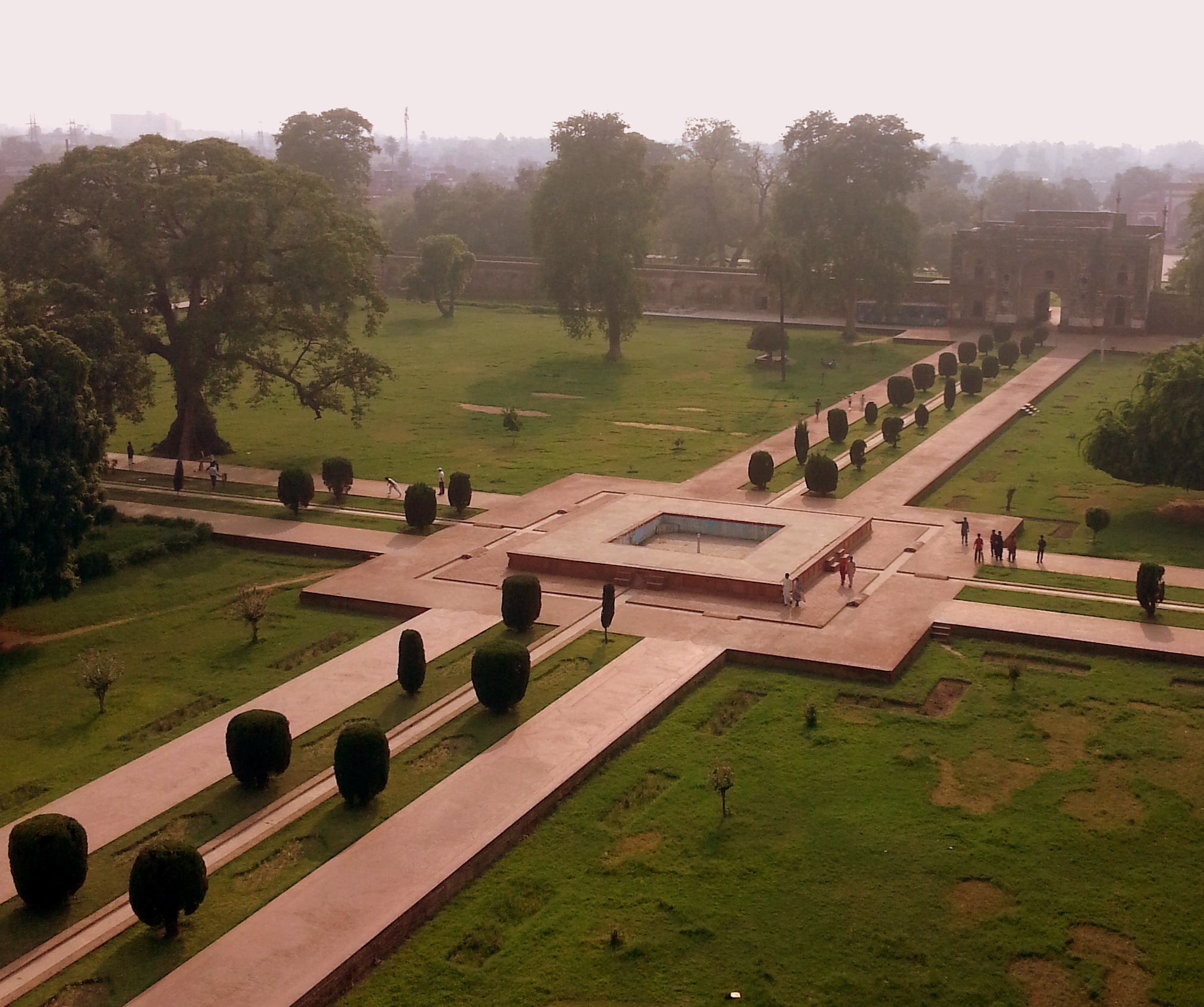
Charbagh Gardens
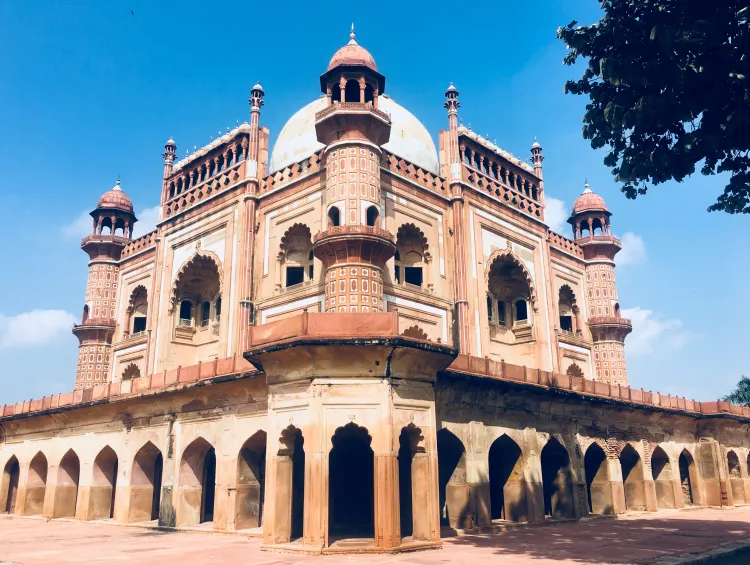
Corner Pavilions
Interesting Facts About Safdarjung Tomb
Safdarjung Tomb is one of Delhi’s most beautiful Mughal monuments and holds a special place in India’s architectural history. Beyond its grand appearance, the tomb has several fascinating historical and cultural aspects that make it a noteworthy landmark.
- Last Major Mughal Tomb
- Inspired by Humayun’s Tomb
- Built in 1754
- Dedicated to a Powerful Statesman
- Features a Traditional Charbagh Layout
- Popular Photography Location
- Appears Larger Than It Is
- Peaceful Despite Its Central Location
Nearby Attractions Around Safdarjung Tomb
Safdarjung Tomb is located in central Delhi and is surrounded by several famous historical landmarks, museums, gardens, and cultural attractions. Visitors can easily combine these sites into a full-day sightseeing itinerary while exploring the city’s rich heritage.


Conclusion
Safdarjung Tomb is a remarkable example of late Mughal architecture and an important chapter in Delhi’s rich historical landscape. With its grand mausoleum, elegant Charbagh gardens, impressive gateways, and peaceful surroundings, the monument offers visitors a perfect blend of history, architecture, and natural beauty. In addition, its central location makes it easy to explore alongside several of Delhi’s other iconic attractions. Whether you are a history enthusiast, architecture lover, photographer, or casual traveler, Safdarjung Tomb provides a memorable glimpse into the final phase of Mughal monumental design and remains one of the capital’s most charming heritage sites.
Explore Delhi
Varanasi Blogs
- Uttar Pradesh Cultural guide
- Places to visit in Varanasi
- Places to visit nearby Varanasi
- India’s most popular destination
- India’s archaeological marvels
Recommended articles
- Uttar Pradesh Cultural guide
- Places to visit in Varanasi
- Places to visit nearby Varanasi
- India’s most popular destination