A vibrant hub for performing arts, deeply rooted in the region’s unique blend of Hindu, Buddhist, and indigenous Shu traditions. The district has a rich heritage in folk music, ritualistic dances, and theatrical performances, with local artists drawing inspiration from the majestic Kinner Kailash range and the spiritual energy of the Baspa Valley. Traditional music forms like Kinnauri folk songs, featuring instruments like the dhol, damang, and ransingha, are deeply embedded in the region’s cultural identity. Kayang and Kinnauri Nati dance forms also flourish here, often performed during festivals like Raulane, Birshu, and Phulech, embodying the spiritual essence of this Himalayan land. Kinnaur’s connection with music and dance continues to inspire generations, preserving its artistic legacy in every village monastery and harvest celebration.

¤ 10+ minutes Read
Kinnaur Travel Guide – Explore Himachal's Land of Apples, Peaks & Monasteries
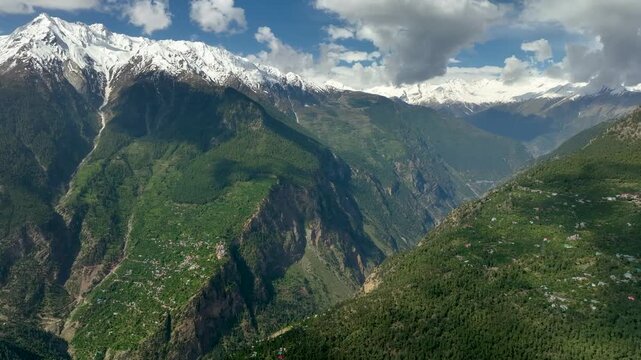
Nestled along the ancient Hindustan–Tibet Road in northeastern Himachal Pradesh, Kinnaur is one of India’s most spectacular Himalayan destinations, where snow-capped peaks, lush apple orchards, turquoise rivers, remote villages, ancient monasteries, and centuries-old temples create an unforgettable travel experience. Bordering Tibet, the district is renowned for iconic destinations such as Kalpa, Sangla Valley, Chitkul—the last inhabited village near the Indo-Tibet border—Nako Lake, the sacred Kinnaur Kailash, and the historic villages of Rakcham and Pooh. With its unique blend of Hindu and Buddhist traditions, dramatic mountain landscapes, and rich Kinnauri culture, the region offers something for trekkers, photographers, pilgrims, and road-trip enthusiasts alike. Whether you’re planning an adventurous Himalayan journey, an apple orchard escape, or a scenic drive through the high mountains, this travel guide covers everything you need to know, including the best places to visit, things to do, permit requirements, the best time to visit, travel tips, and nearby attractions. The ideal time to visit is May to October, while some protected areas require permits, particularly for foreign nationals.
Must-Visit Attractions in Kinnaur
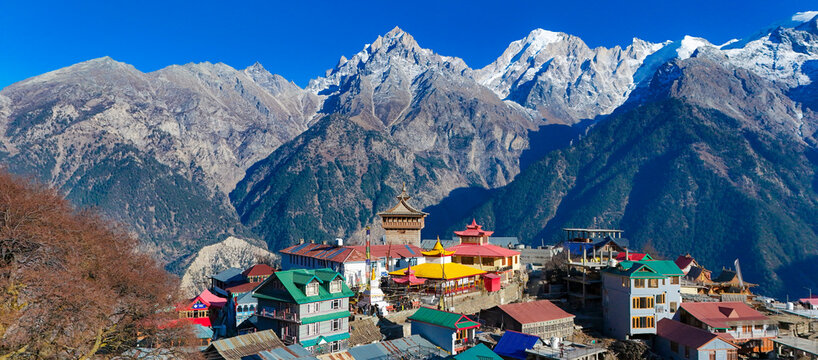
Kalpa
A serene town at 2,759 meters offering panoramic Kinner Kailash views, apple orchards, rustic Roghi village lanes, and an ancient monastery with colorful prayer flags.
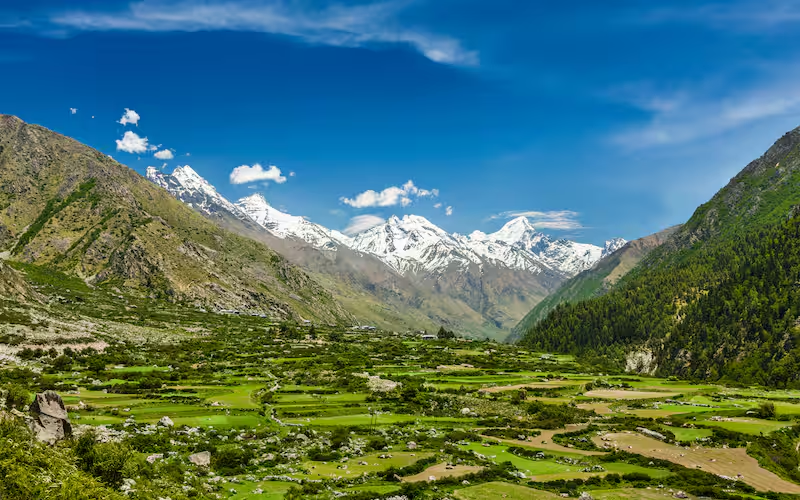
Sangla Valley
A breathtaking valley following the turquoise Baspa River through pine slopes and traditional wooden houses, perfect for nature lovers and campers.
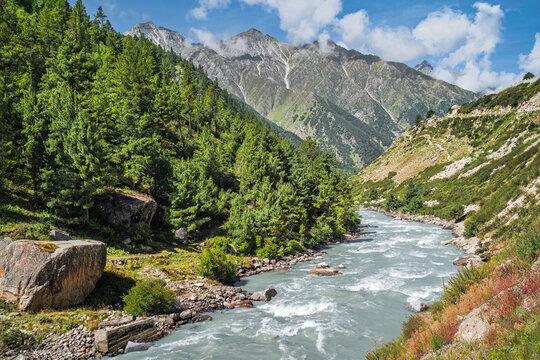
Chitkul
The last village on the Indo-Tibetan border at 3,450 meters, featuring traditional Kinnauri architecture and the famous “Hindustan ka aakhri dhaba.”
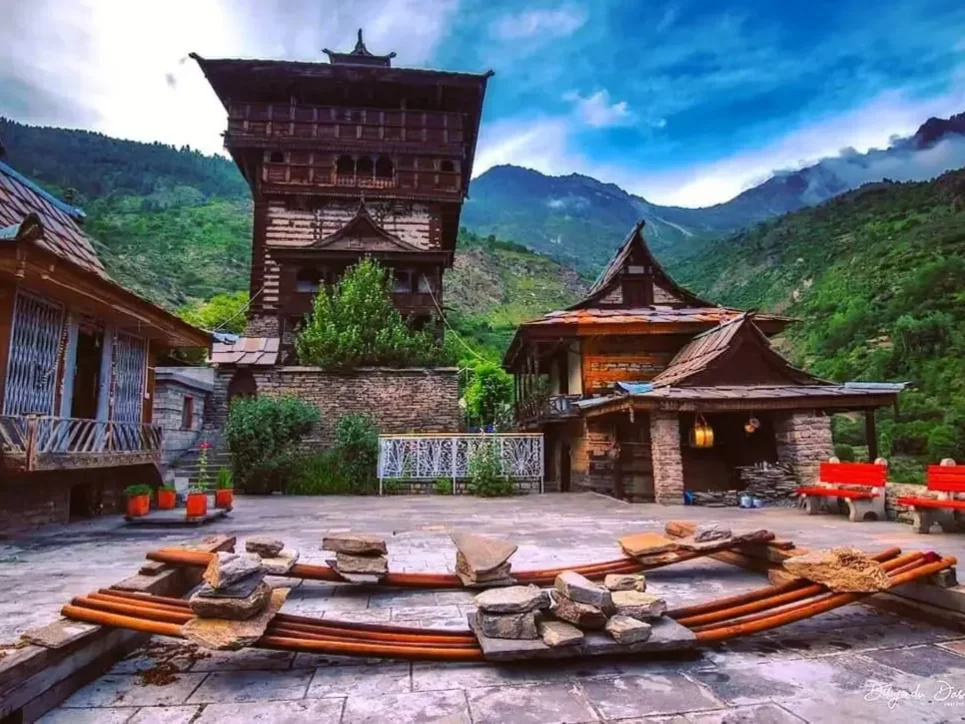
Kamru Fort
A multi-tiered wooden fort perched above Sangla village, once the Bushahr Kingdom’s capital, housing the sacred Kamakhya Devi Temple inside.
Major Attractions Nearby Kinnaur
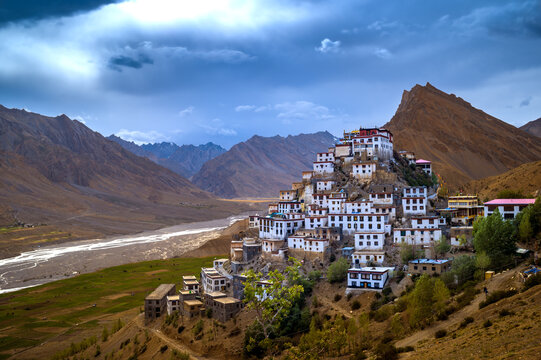
Spiti Valley
A cold desert valley beyond Kinnaur’s border with stark landscapes, ancient monasteries like Key and Tabo, and stunning Chandratal Lake.
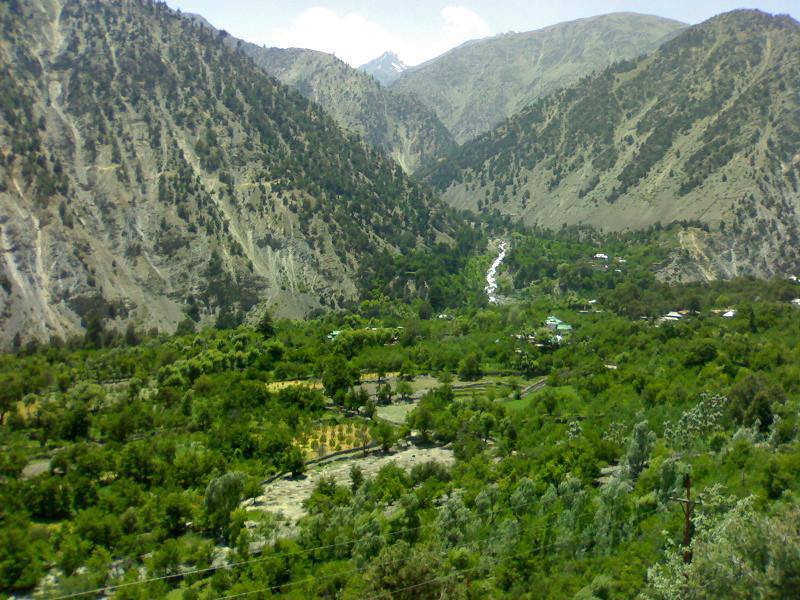
Ropa Valley
A hidden alpine valley with dense forests and Bhotia tribal communities, ideal for digital detoxers and cultural explorers seeking solitude.
Hangrang Valley
Kinnaur’s second-largest valley stretching from Nako to Chango, connecting green forests to Spiti’s cold desert for trekkers and solitude seekers.
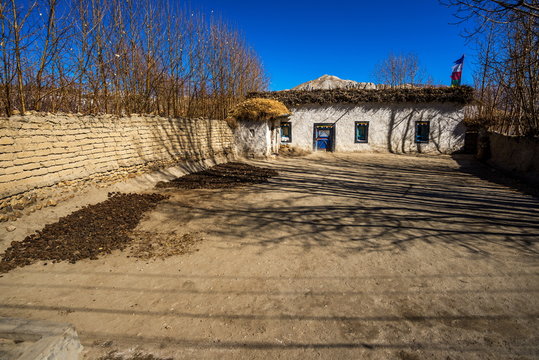
Charang Village
A remote Tidong Valley village home to ancient Rangrik Monastery and starting point of the sacred Kinnaur Kailash Parikrama trek.
Things to do in Kinnaur
Experience the raw beauty, spiritual depth, and rich cultural heritage of this Himalayan frontier. From sacred treks to peaceful monastery visits, Kinnaur offers an unforgettable journey into a land where mythology is not remembered but lived.
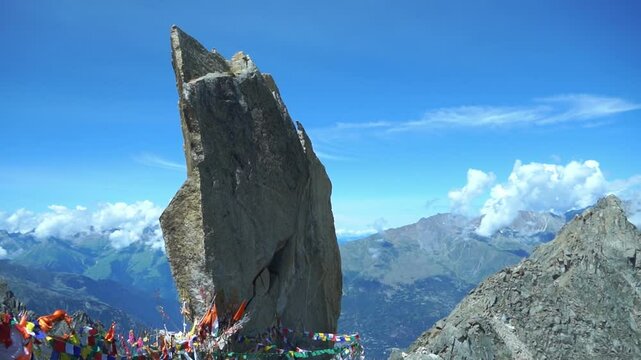
Trek to Kinnaur Kailash
Embark on a challenging 3-4 day spiritual trek to the 79-foot Shivling at 4,800 meters, requiring fitness and proper acclimatization.
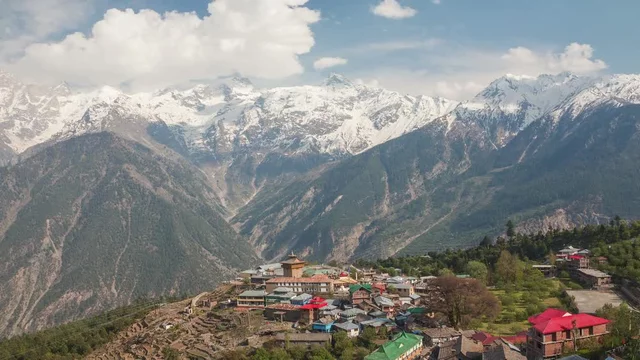
Witness Sunrise from Kalpa
Wake early to watch the first sun rays transform the Kinner Kailash range from pink to gold at Kalpa Monastery or Suicide Point.
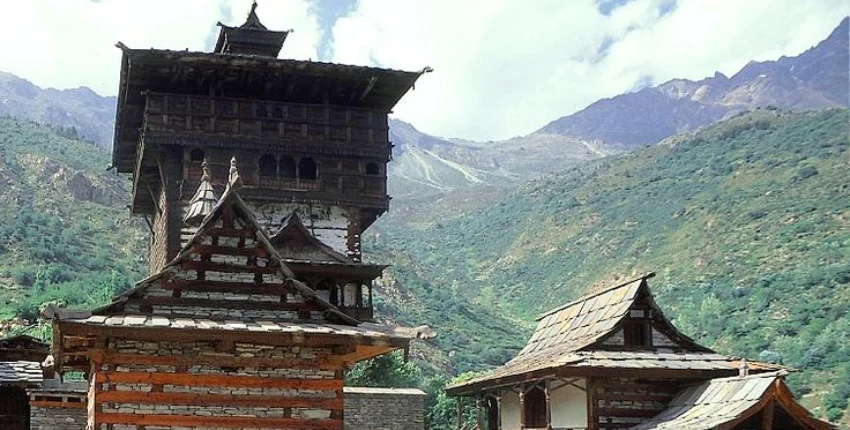
Explore the Kamru Fort
Climb to this ancient multi-tiered wooden fort for stunning Sangla Valley views and blessings at the Kamakhya Devi Temple.
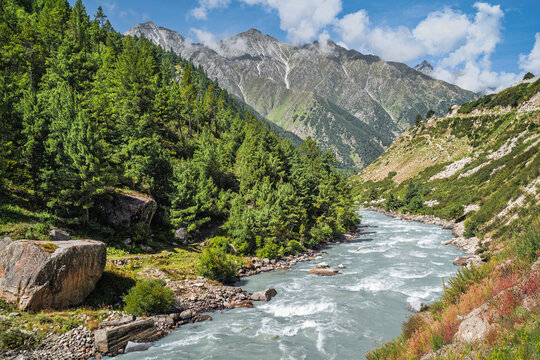
Walk Through Chitkul's Riverside Trails
Leisurely walk along the Baspa River to the Nagasthi ITBP checkpoint, stopping for chai at “Hindustan ka aakhri dhaba.”
The Performing Art of Kinnaur
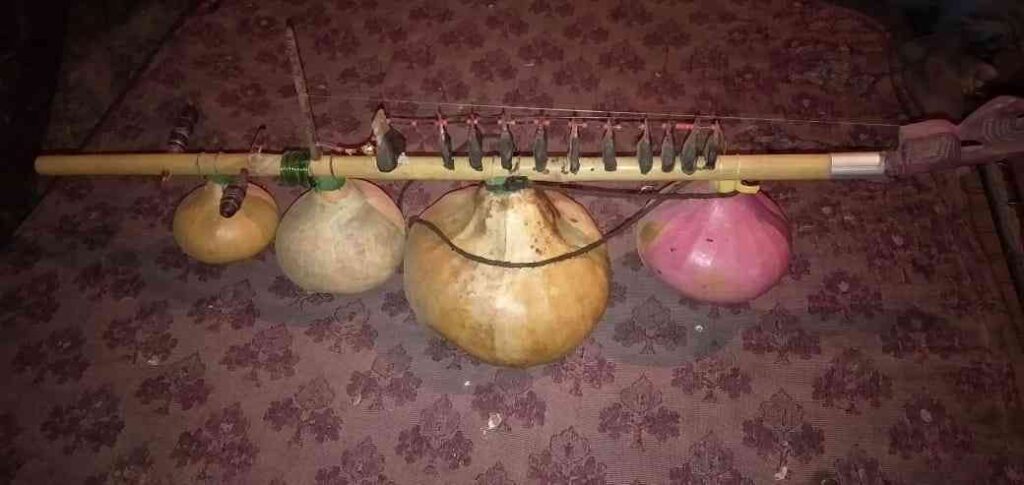
Kinnauri Folk Songs
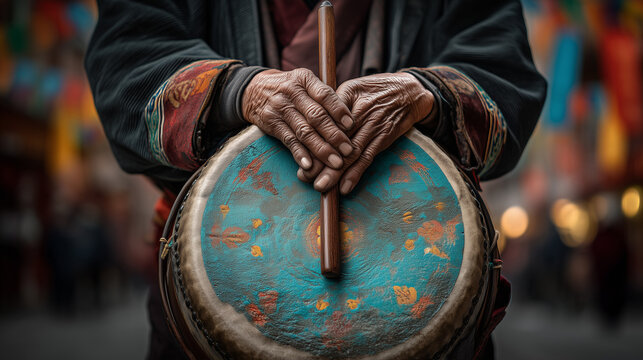
Losar Shone Chuksom
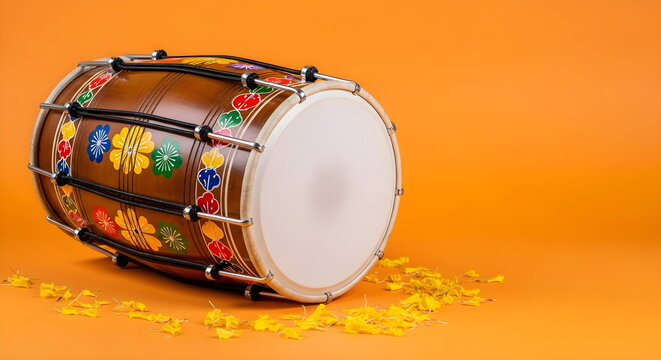
Phulech Festival Music
The region is a unique center for traditional Kinnauri folk music, with iconic styles like Kinnauri Lok Geet and ritualistic chanting shaping its cultural identity. The soulful melodies of Kinnauri folk songs, often sung during festivals and harvest celebrations, express themes of nature, devotion, and mountain life, accompanied by the dhol, damang, and ransingha. Folk music, including the seasonal Phulech songs and the trance-inducing Raulane festival chants, tells tales of local deities, ancestral spirits, and the timeless beauty of the Himalayan landscape.
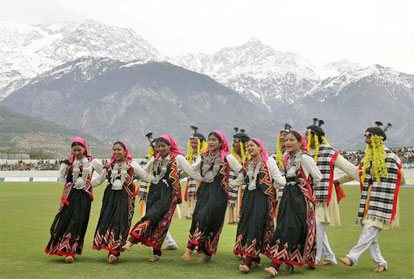
Kayang
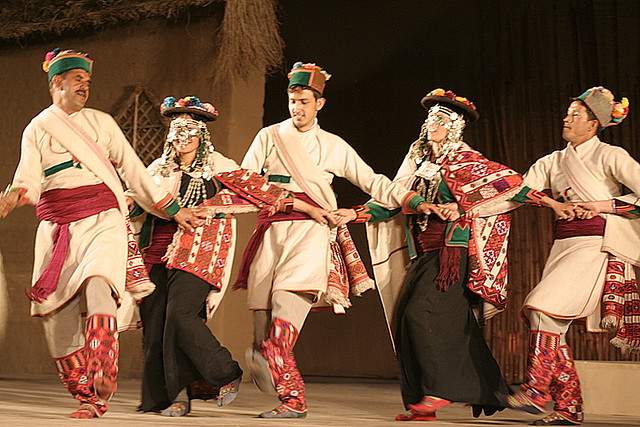
Kinnauri Nati
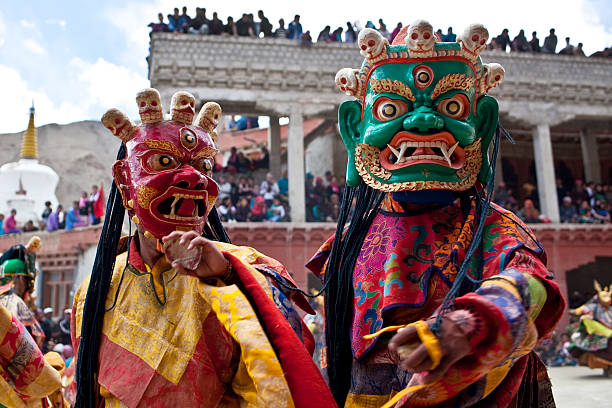
Chashimag
The region is a distinctive center for traditional Kinnauri folk dance, with iconic forms like Kayang and Kinnauri Nati shaping its cultural identity. The graceful, semicircular movements of Kayang, performed by men and women during religious ceremonies and festivals, are accompanied by the rhythmic beats of traditional drums and wind instruments, creating a trance-like, spiritual atmosphere. Folk dances, including the slow, mime-like Kinnauri Nati depicting sowing and harvesting activities and the Deo Khel dance performed by the village oracle during the Birshu festival, tell stories of mountain spirits, seasonal cycles, and the enduring bond between the Kinnara people and their sacred land.
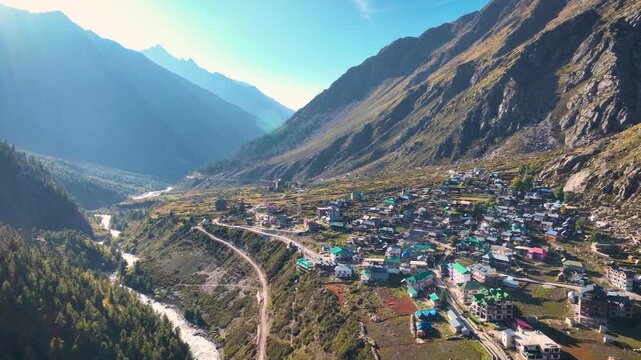
City Vibes - Where Myth and Mountains Converge
Kinnaur exudes an otherworldly energy that is both ancient and deeply spiritual. As you ascend from the lush forests of Shimla into Kinnaur’s dramatic terrain, the landscape transforms from pine-covered slopes to stark, barren mountains reminiscent of Ladakh. The air becomes thin and crisp, carrying the scent of pine, woodsmoke from traditional kitchens, and the distant fragrance of apple blossoms in spring.
Heritage of Kinnaur
Kinnaur’s heritage is a rich tapestry woven from mythology, tribal traditions, and ancient kingdoms, with legend tracing the Kinnaras as descendants of the Pandavas from the Mahabharata. The region’s strategic location on ancient trade routes to Tibet shaped a unique cultural synthesis of Hinduism, Tibetan Buddhism, and the indigenous Shu religion, reflected in its distinctive kath-kuni architecture, protective Konkani village gates, and traditional attire like the doru and chuba. The Kinnauri language, belonging to the Tibetan-Burmese group with seven local dialects, lacks its own script and is documented using Devanagari, leading to its rapid decline as it is not taught in schools.
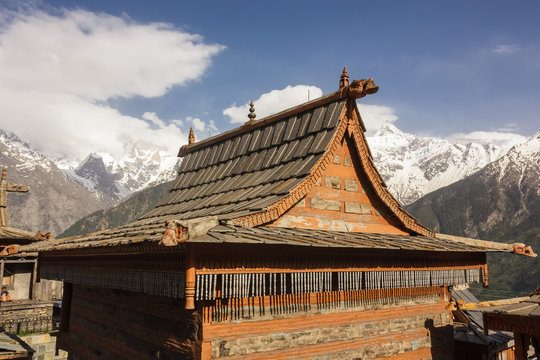
Cuisine of Kinnaur
The cuisine of Kinnaur is shaped by altitude, climate, and culture—hearty, warming dishes made from seasonal produce and recipes passed down through generations. Eating here is not just about filling your stomach; it’s about feeling at home in a stranger’s kitchen.
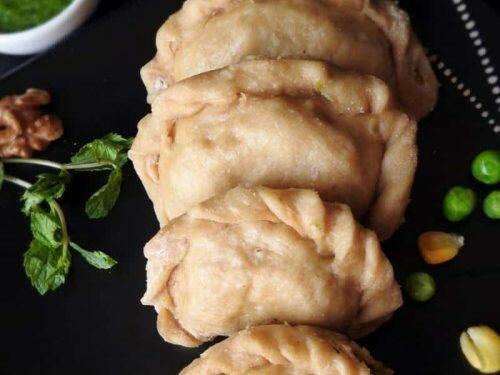
Sidu
The signature steamed wheat bun stuffed with roasted walnut paste or poppy seeds, served warm with ghee, dal, or mutton curry.
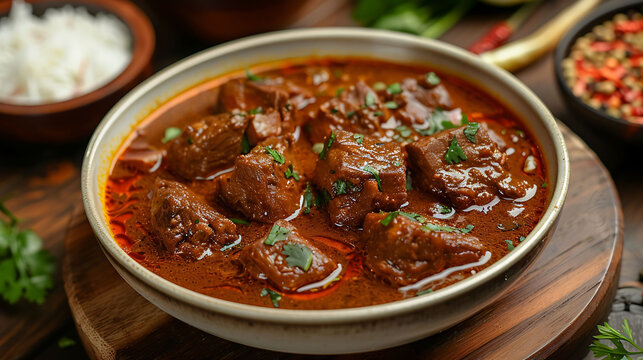
Chha Gosht
A Himachali delicacy of mutton slow-cooked in a yogurt-based gravy with subtle local spices passed down through generations.
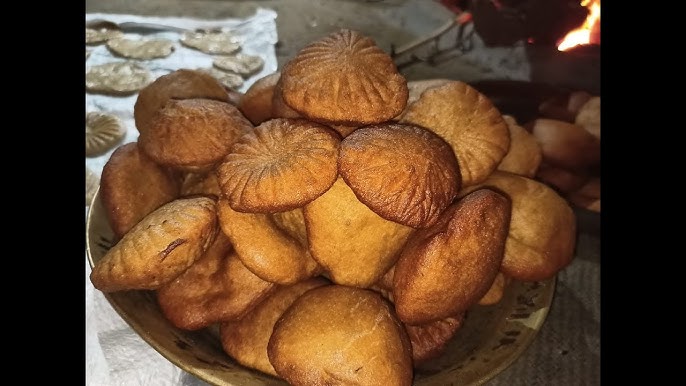
Babru
A hearty lentil curry made from black gram paste, similar to kachori, often paired with rice or local bread.
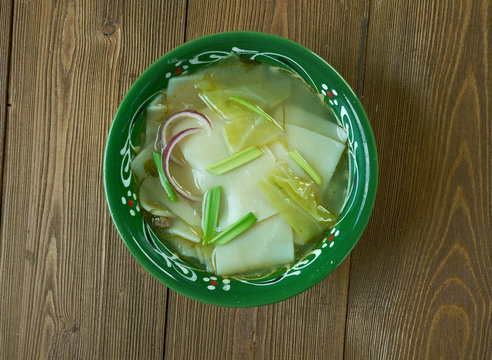
Thenthuk and Momos
Steaming bowls of hand-pulled noodle soup and juicy dumplings available in almost every village, reflecting strong Tibetan influences.
Shopping in Kinnaur
Shopping in Kinnaur is a unique experience centered around traditional handicrafts, woolens, and local produce that reflect the region’s rich cultural heritage.

Handwoven Woolens
High-quality woolen shawls, caps, and stoles including the bridal laddi pattu and traditional green thepang cap.
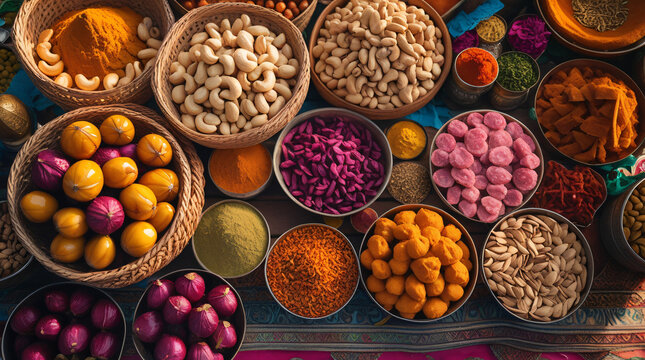
Chilgoza
Rare, buttery pine nuts from Ribba Village that grow naturally only in this region of India.

Local Wine and Apricot Products
Angoori grape wine from Ribba Village, plus sun-dried apricots, jams, and wild apricot kernels throughout Kinnaur.
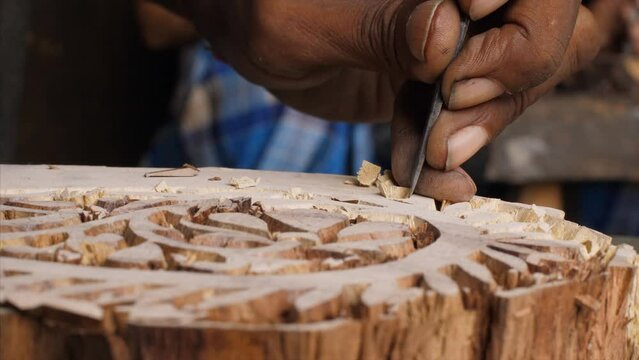
Handicrafts and Wood Carvings
Traditional wall hangings, sculptures, handwoven baskets, miniature knives, and grass slippers reflecting Kinnauri craftsmanship.
Tourist's Handbook
The best time to visit Kinnaur is from May to October. Summer and early autumn offer pleasant temperatures between 15°C and 25°C, clear skies, and all roads open for travel. This window is ideal for trekking, sightseeing, and visiting high-altitude villages like Nako and Chitkul. April to June brings blooming apple orchards and comfortable weather. September to October offers the clearest mountain views after the monsoon, plus the harvest season with its vibrant festivals. The monsoon (July-August) is risky due to frequent landslides that can block roads for days. Winter (November-March) is harsh, with temperatures dropping below freezing, heavy snowfall, and most roads closed above Kalpa, including access to Chitkul and Nako.
- Acclimatize to High Altitude – Kinnaur's villages range from 2,300 to 3,600 meters. Spend the first day resting, stay hydrated, avoid alcohol, and ascend gradually to prevent Acute Mountain Sickness (AMS).
- Carry Altitude Sickness Medication – Keep Diamox (Acetazolamide) and basic medicines handy. Those with pre-existing respiratory or cardiovascular issues should carry supplemental oxygen for emergencies.
- Dress in Layers – Mountain weather changes rapidly. Wear thermal layers, a warm fleece, and a waterproof outer jacket. Even in summer, evenings and early mornings can be freezing.
- Wear Sturdy Footwear – Terrain is uneven, steep, and often slippery. Wear comfortable, non-slip hiking boots with good ankle support for treks and village walks.
- Check Road Conditions Before Traveling – Landslides are common, especially during monsoon. Call your hotel or check local updates before driving between towns. Keep an umbrella, raincoat, and waterproof bag cover handy.
- Respect Local Customs and Religion – Ask for permission before taking photos of people, temples, or monasteries. Remove footwear before entering temples and gompas. Dress modestly, especially during festivals. Do not touch religious artifacts or prayer wheels without guidance.
- Hire Local Guides for Treks and Offbeat Trails – Do not wander off on unmarked trails without a guide. Local guides are knowledgeable about the terrain, weather conditions, and cultural sensitivities. For the Kinnaur Kailash trek, hiring a guide is strongly recommended.
- Keep Emergency Contacts Handy – Save local police, the nearest hospital, and your hotel's phone numbers. Ensure your mobile has offline maps downloaded, as network coverage can be unreliable in remote areas.
Kinnaur is best explored by road, as there is no railway or airport within the district. The most common way to reach Kinnaur is by hiring a private taxi or taking a Himachal Road Transport Corporation (HRTC) bus from Shimla, following the Hindustan-Tibet Highway (NH-5). The journey takes approximately 8-10 hours to reach Kalpa or Sangla. Within Kinnaur, private taxis are the most convenient and reliable option for exploring villages and valleys, as local buses are infrequent and can be crowded. If you are an experienced driver, you can hire a self-drive vehicle from Shimla or Chandigarh. For treks, local guides are recommended and often mandatory for routes like Kinnaur Kailash.
Book Treks Only Through Reputable Operators – For challenging treks like Kinnaur Kailash, book only through established tour operators or verified local guides. Beware of touts offering "cheap" or "guaranteed" packages, as safety standards may be compromised.
Beware of Fake "Local Handicrafts" – Some shops may sell machine-made woolens or imported items as authentic Kinnauri handicrafts. Buy from government-approved emporiums or directly from weavers in recognized craft villages like Batseri or Kanam.
Negotiate Taxi Fares Before Departure – Always agree on the total fare before starting any journey. Ask your hotel staff for estimated rates to avoid overcharging, especially for trips from Shimla to Kinnaur or between villages.
Check Homestay Amenities Before Booking – Many accommodations in Kinnaur are basic homestays. Confirm hot water availability, room heating (essential in winter), and food arrangements before paying. Read recent reviews on trusted platforms.
Don't Pay for "Permit Assistance" If Unnecessary – As an Indian citizen, you do not need an ILP for most of Kinnaur. Beware of anyone charging fees for permit processing or "border access."
Avoid Unsolicited "Festival Access" Offers – During Raulane, Birshu, or Phulech festivals, events are community-organized and generally free or have nominal official entry fees. Refuse individuals offering "VIP access" for inflated prices.
Compare Souvenir Prices Before Buying – Woolens, handicrafts, and pine nuts may be priced higher for tourists at shops near major attractions. Check prices at two or three shops in Kalpa or Reckong Peo before purchasing, and negotiate politely but firmly.
Explore Kinnaur
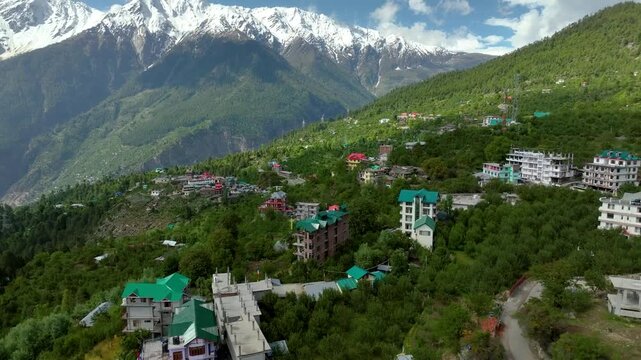
Kinnaur Blogs
- Himachal Pradesh Cultural Guide – Land of the Gods edition
- Places to visit in Kinnaur
- Places to visit nearby Kinnaur
- India’s most spiritual trekking destination
Recommended articles
- Himachal Cultural Guide – Kinnauri Nati and Festivals Special
- Places to visit in Spiti Valley
- Places to visit in Kalpa
- India’s best offbeat destinations for adventure and culture