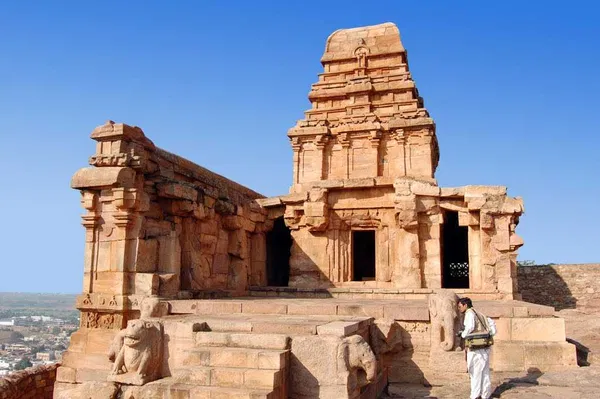
An ASI-managed museum housing a remarkable collection of Chalukyan artifacts, including ancient sculptures, inscriptions, and hero stones.

Menu
¤ 10+ minutes Read
Badami Travel Guide – Explore Karnataka's Ancient Chalukya Capital
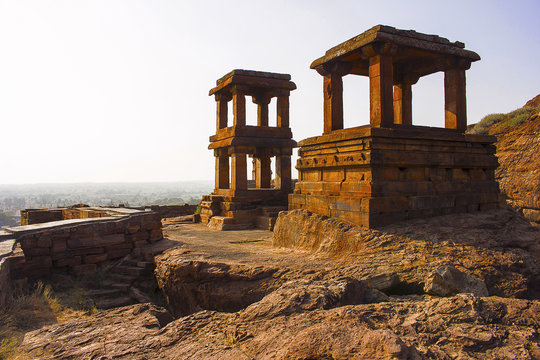
Badami, the ancient capital of the Early Chalukya dynasty, is one of Karnataka’s most remarkable heritage destinations, where towering red sandstone cliffs, rock-cut cave temples, tranquil lakes, and centuries of history come together to create an unforgettable travel experience. Once known as Vatapi, this historic town is renowned for the magnificent Badami Cave Temples, the serene Agastya Lake, the picturesque Bhutanatha Temple, the hilltop Badami Fort, and the nearby UNESCO World Heritage Site of Pattadakal, along with the temple town of Aihole, often regarded as the cradle of Indian temple architecture. Whether you’re planning a heritage tour, a photography expedition, a spiritual journey, or a road trip through North Karnataka, this travel guide covers everything you need to know, including the best places to visit, things to do, the best time to visit, travel tips, and nearby attractions. The ideal time to visit is October to March, when the weather is pleasant for exploring the monuments and walking through Badami’s spectacular rock-cut landscapes.
Must-Visit Attractions in Badami
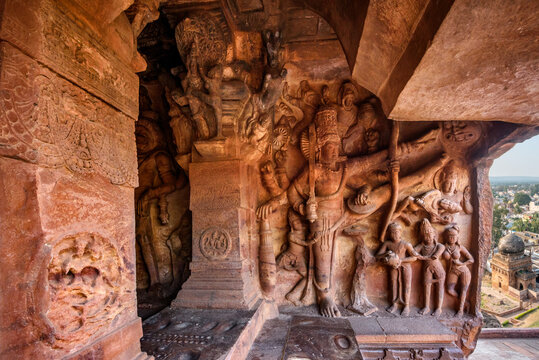
Badami Cave Temples
Four stunning rock-cut caves carved into red sandstone cliffs, showcasing a unique blend of Hindu and Jain traditions with intricate sculptures of Shiva, Vishnu, and Jain Tirthankaras.
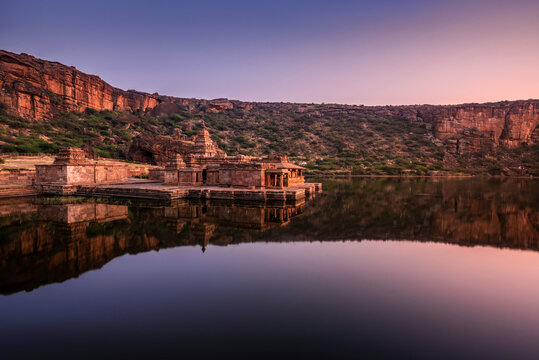
Agastya Lake
A serene man-made reservoir flanked by cave temples and red cliffs, offering stunning mirror-like reflections and an ideal spot for sunset views and peaceful walks.
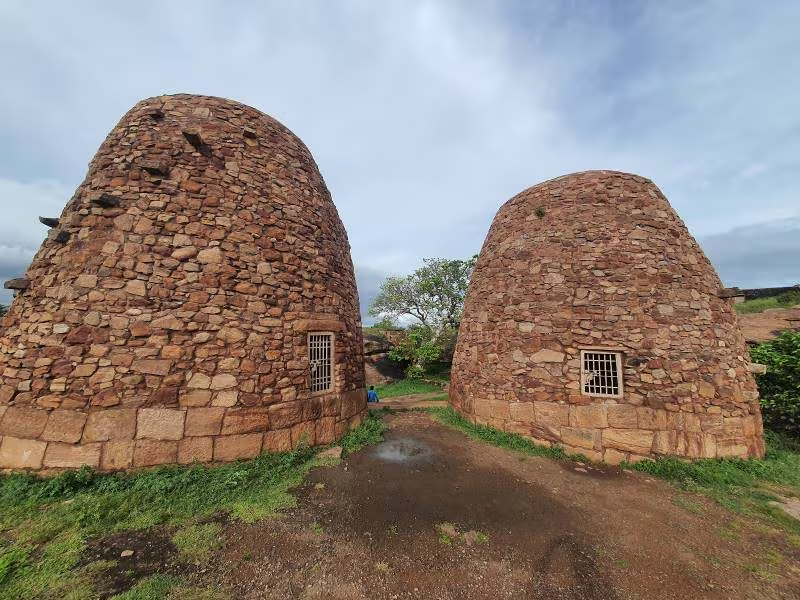
Badami Fort
A rugged hilltop fort offering panoramic views of the town, Agastya Lake, and the cave temples, reached by an adventurous trek past ancient gateways and watchtowers.
Archaeological Museum
Major Attractions Nearby Badami
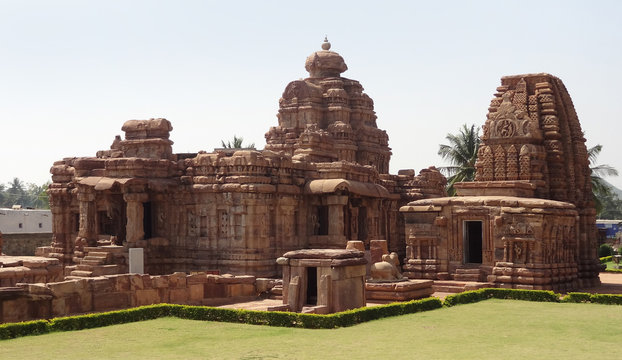
Pattadakal
A UNESCO World Heritage Site located about 22 km away, serving as the coronation site for Chalukya kings with a stunning fusion of North and South Indian temple architecture.
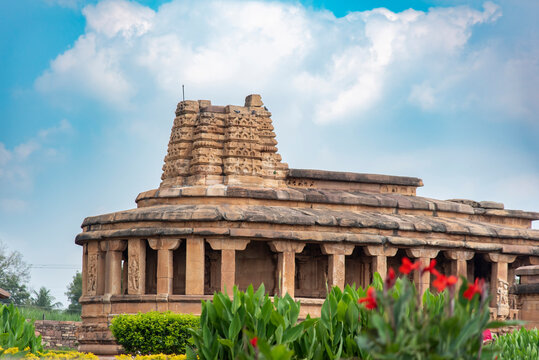
Aihole
Known as the “Cradle of Indian Temple Architecture,” this site features over 120 ancient temples, including the famous Durga Temple, showcasing experimental Chalukyan styles.
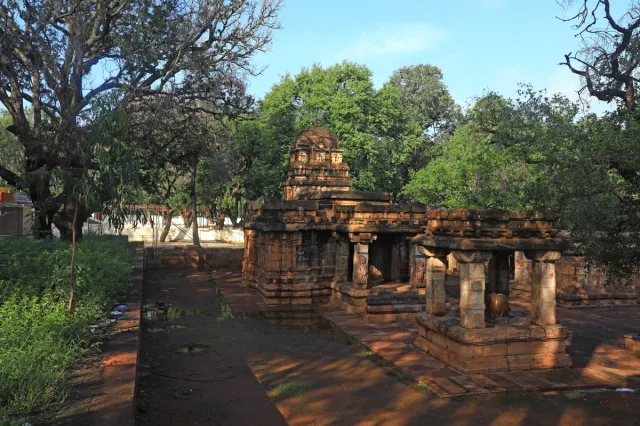
Mahakuta Group of Temples
Tucked in emerald woods about 14 km away, this temple cluster features a natural spring-fed tank and a blend of Dravidian and Nagara architectural styles.
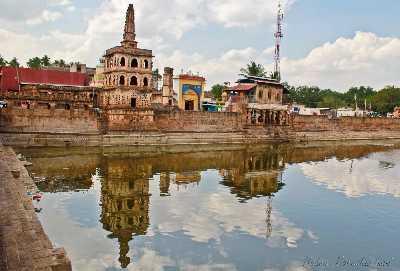
Banashankari Amma Temple
A unique shrine located just 5 km from Badami, dedicated to the forest goddess, featuring a distinct architectural style and a large tank for ritual bathing.
Things to do in Badami
Experience the rich tapestry of history, spirituality, and local life. From exploring ancient caves to climbing formidable forts, Badami offers a soulful journey into the heart of Karnataka’s heritage.
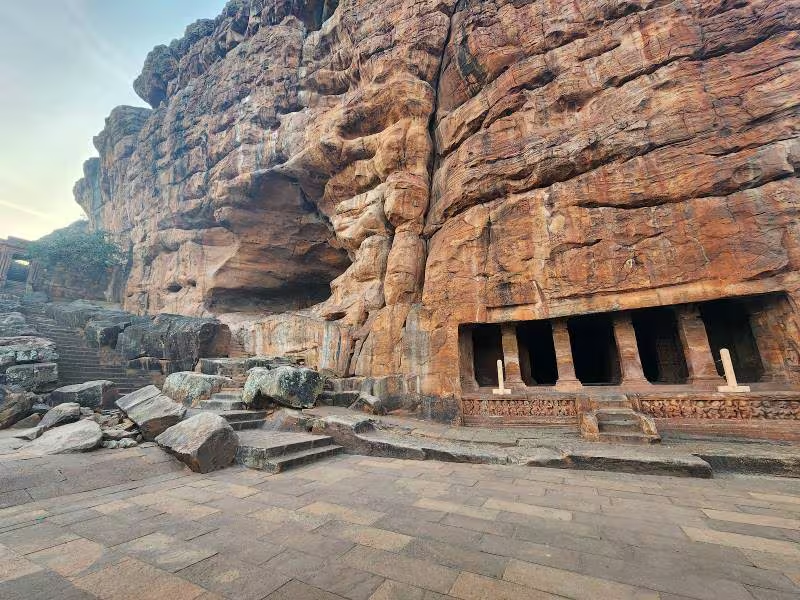
Explore the Four Cave Temples
Climb the stone steps to discover the 18-armed dancing Shiva in Cave 1, Vishnu avatars in Caves 2-3, and Jain Tirthankaras in Cave 4.
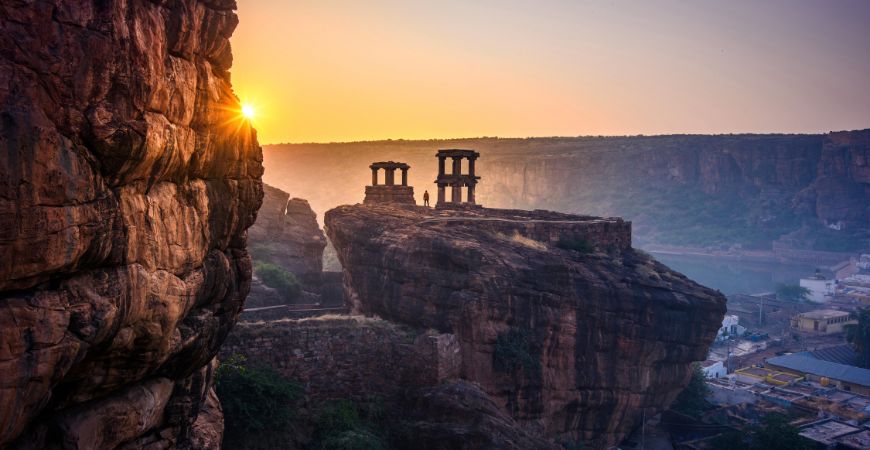
Watch the Sunset from Badami Fort
Embark on an adventurous trek rewarded with a breathtaking panorama of the town, cliffs, and lake bathed in golden evening light.
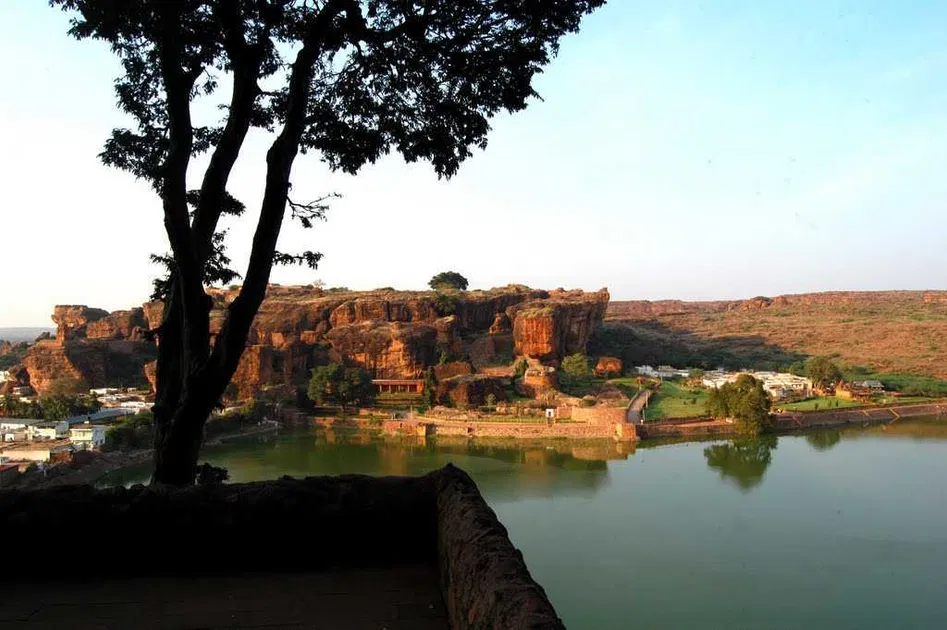
Take a Peaceful Stroll by Agastya Lake
Walk along the ancient reservoir’s stone steps to see the iconic reflection of Bhutanatha temples in the water, especially at sunset.
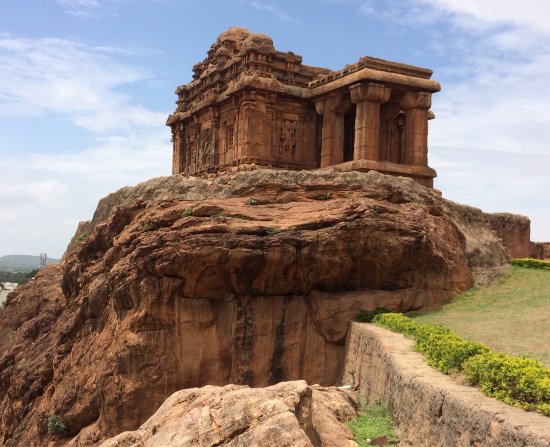
Climb to the Malegitti Shivalaya
Hike up to this well-preserved boulder-top temple for spectacular views and a quieter, off-the-beaten-path adventure.
The Performing Art of Badami
Badami, though renowned for its silent stone temples, is nestled in a Karnataka region vibrantly alive with performing arts. The city’s spiritual and cultural ambiance draws from centuries of temple traditions, folk rituals, and classical music that have flourished under various dynasties like the Chalukyas and Vijayanagara. While the ancient caves no longer host performances, the surrounding region preserves a rich artistic legacy through devotional singing, energetic folk dances, and classical forms that continue to inspire generations.

Hindustani Classical
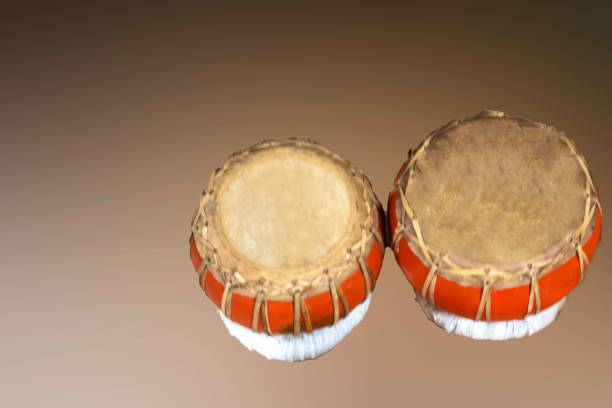
Sugama Sangeetha
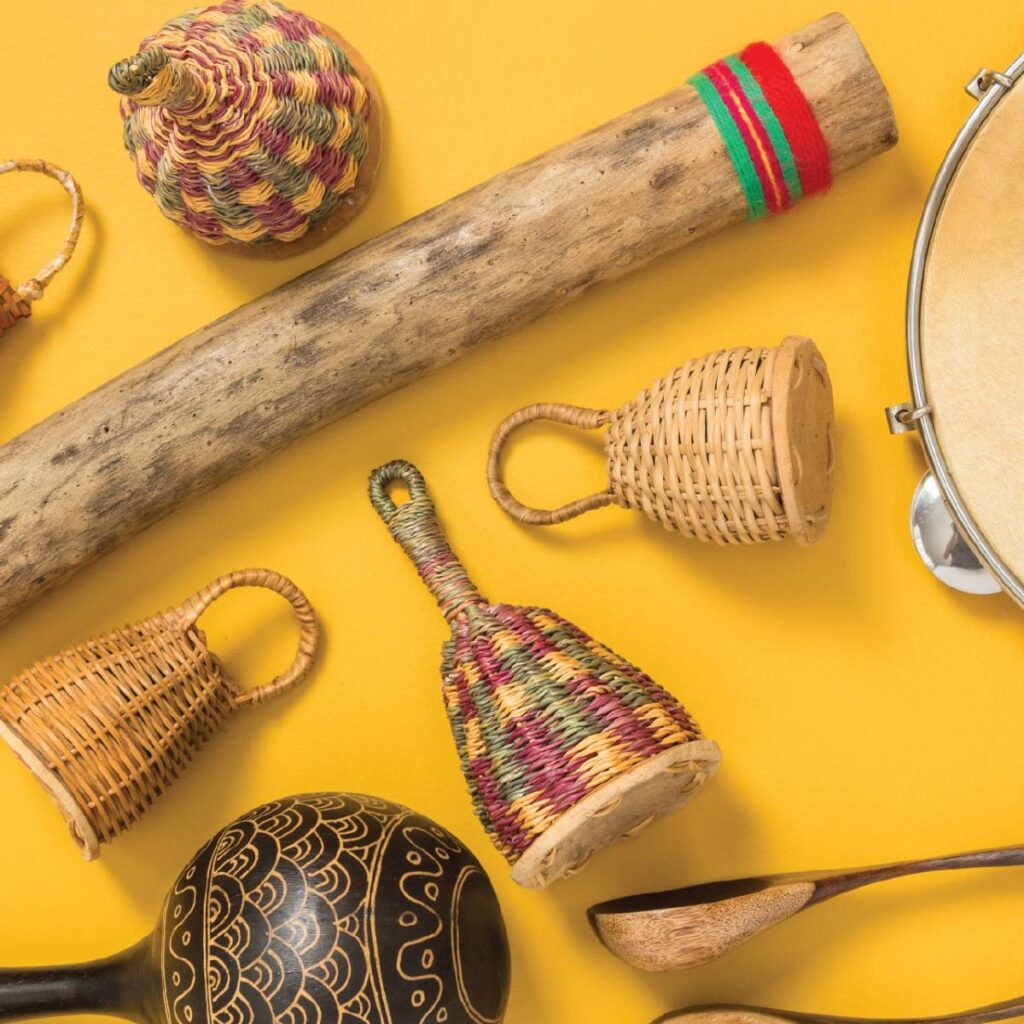
Janapada Geethe
The region is a major center for Hindustani classical music, with the iconic Dharwad Gharana shaping its evolution and producing legendary figures like Mallikarjun Mansur and Bhimsen Joshi. The soulful Khayal, Bhajan, and light classical Sugama Sangeetha styles are widely performed in temples and cultural venues across North Karnataka. Folk music, including the vibrant Janapada Geethe and devotional Dasaru Padagalu genres, tells tales of village life, love, and devotion to local deities.
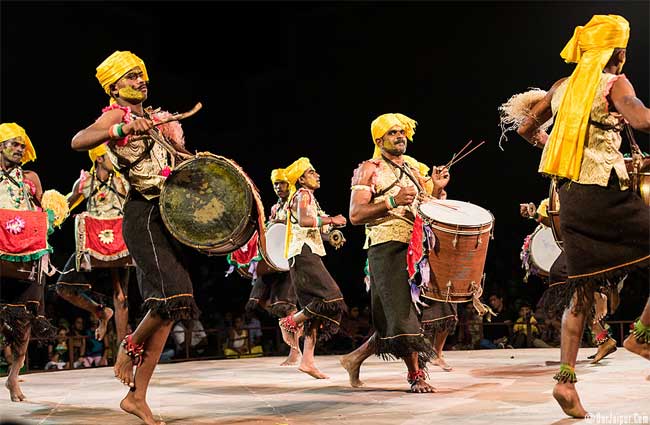
Dollu Kunitha
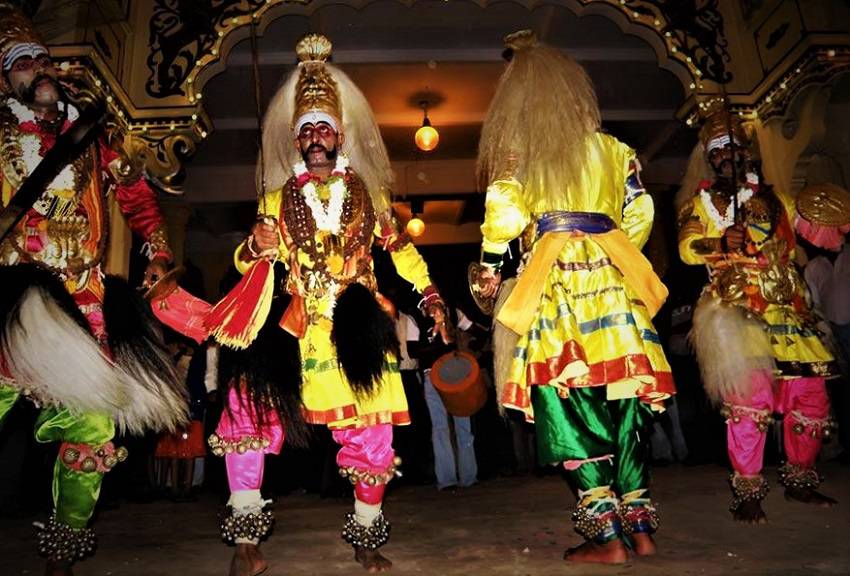
Veeragase

Kathak
The region is a major center for traditional Karnataka folk dance, with iconic forms like Dollu Kunitha and Veeragase shaping its cultural identity. The energetic, powerful movements of Dollu Kunitha, performed by men carrying large drums, accompany harvest celebrations and temple festivals with rhythmic chanting and drumming. Folk dances, including the dramatic Veeragase depicting Lord Veerabhadra and the graceful classical Kathak (Mysore style), tell stories of valor, devotion, and mythological legends from Hindu epics.
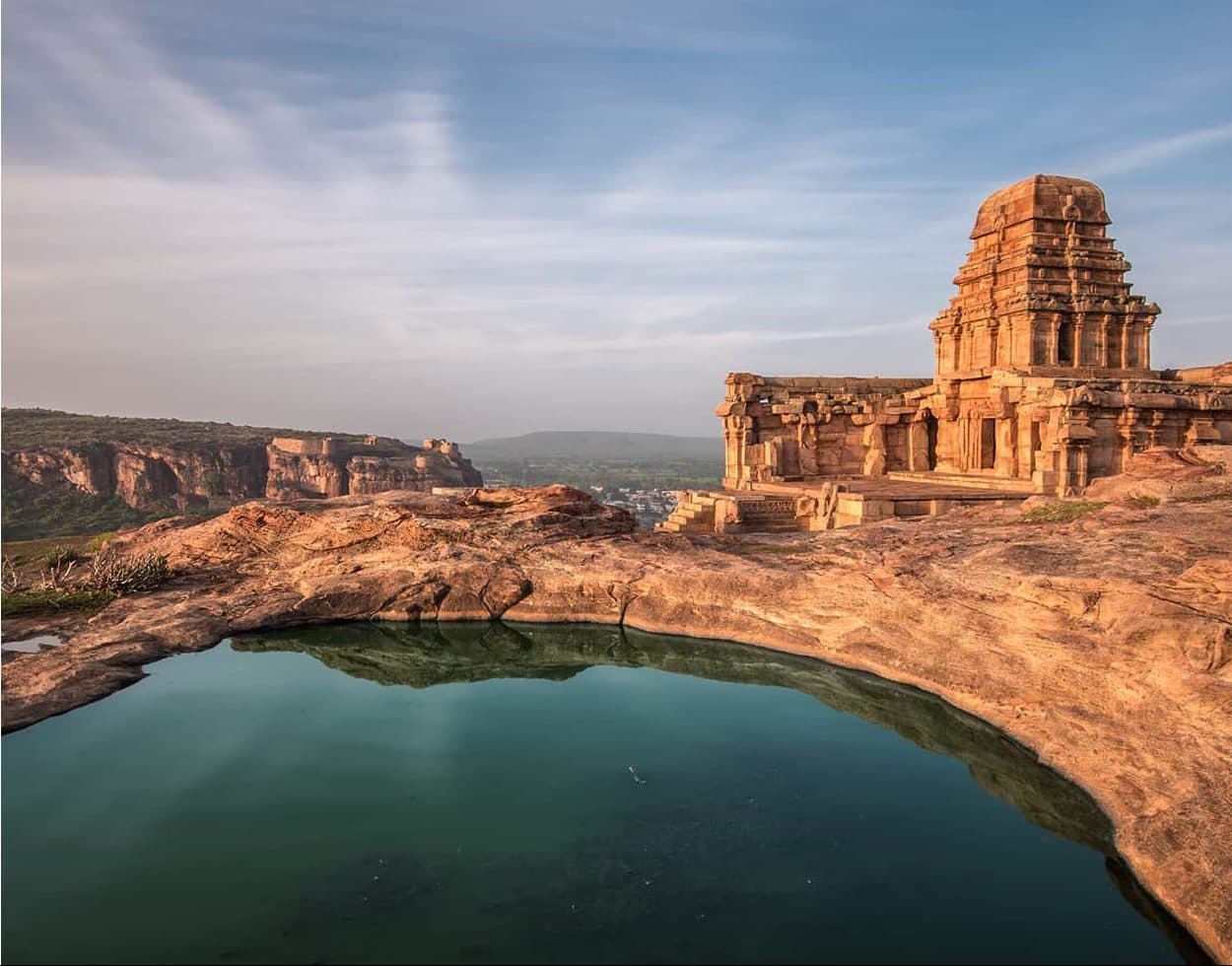
City Vibes - Where Stone Becomes Story
Badami exudes a quiet, contemplative energy that is inseparable from its rugged natural setting. The town is compact and walkable, centered around the blue-green waters of Agastya Lake. The air is warm and dry, filled with the sounds of birds and the chatter of pilgrims.
Life moves at a relaxed pace; mornings are for exploring the cool interiors of the caves, and evenings are for climbing the fort to watch the cliffs turn a fiery orange. It is a destination for travelers who appreciate the slow unraveling of history, where every path reveals a sculpted narrative of devotion and power
Heritage of Badami
Badami’s heritage is defined by its role as the capital of the Early Chalukya dynasty from 540 to 757 AD . The rulers were great patrons of art and architecture, and they chose this dramatic ravine between two rocky hills to establish their power. The name Badami is derived from ‘Vatapi’, the mythical demon king from the Mahabharata . After the fall of the Chalukyas, the region came under the rule of later empires, including the Vijayanagara kings and Tipu Sultan, who added structures to the Badami Fort. The region surrounding Badami, including Aihole and Pattadakal, served as a crucible for temple architecture, where artisans experimented with styles that would later define Dravidian and Nagara traditions across India .
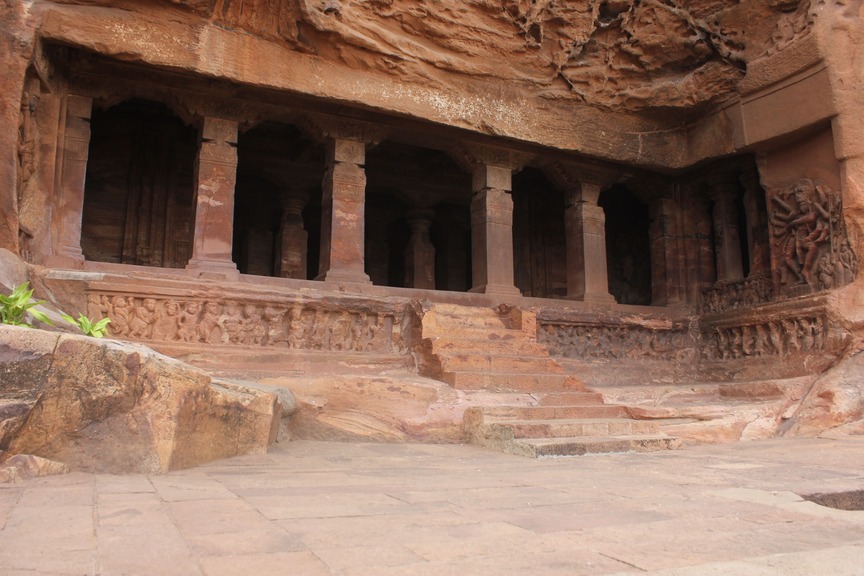
Cuisine of Badami
The cuisine of Badami is authentic North Karnataka fare, known for its robust, earthy flavors, the generous use of millet (jowar), and spicy, tangy curries.

Jolada Rotti
The staple flatbread of the region, made from sorghum flour. It is typically thicker than wheat rotis and has a distinct, rustic taste, often eaten with spicy curries or chutneys
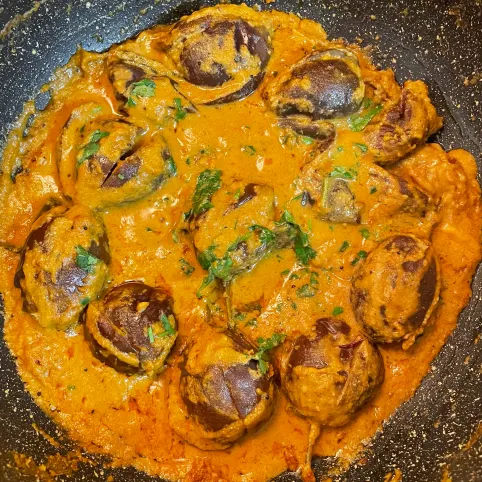
Ennegai
A quintessential North Karnataka dish, featuring small brinjals stuffed with a spicy mixture of peanuts, sesame seeds, coconut, and jaggery, then slow-cooked in a rich gravy

Shenga Chutney
A dry, coarse powder made from roasted peanuts, red chilies, and garlic. Mixed with a little oil or ghee, it serves as a spicy, flavorful condiment with rotti or rice.

Kadabu
A popular sweet dumpling, similar to a gujiya. It is made with a flaky, crispy outer shell of refined flour and filled with a sweet mixture of coconut, jaggery, and poppy seeds.
Shopping in Badami
Shopping in Badami is modest but deeply connected to its artistic heritage. The markets offer authentic souvenirs, from stone carvings to local crafts.
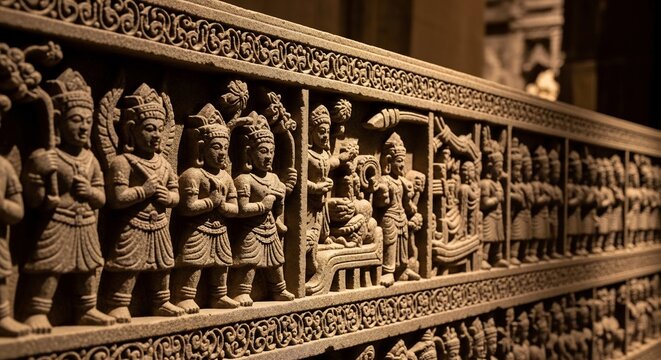
Stone Carvings
Reflecting the town’s legacy, you can find small, modern soapstone and sandstone replicas of deities, temple motifs, and local sculptures. These make for authentic and meaningful souvenirs .
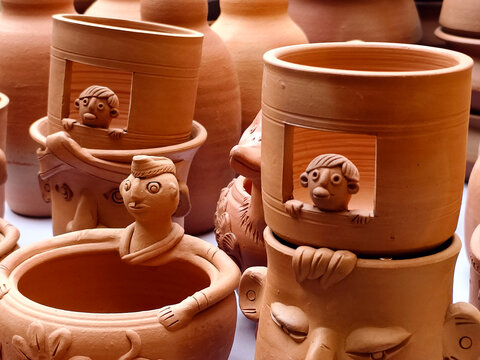
Handicrafts and Textiles
Explore the local bazaars for traditional Karnataka handicrafts. The region is known for its Ilkal sarees, which feature a unique weaving style, and other cotton textiles
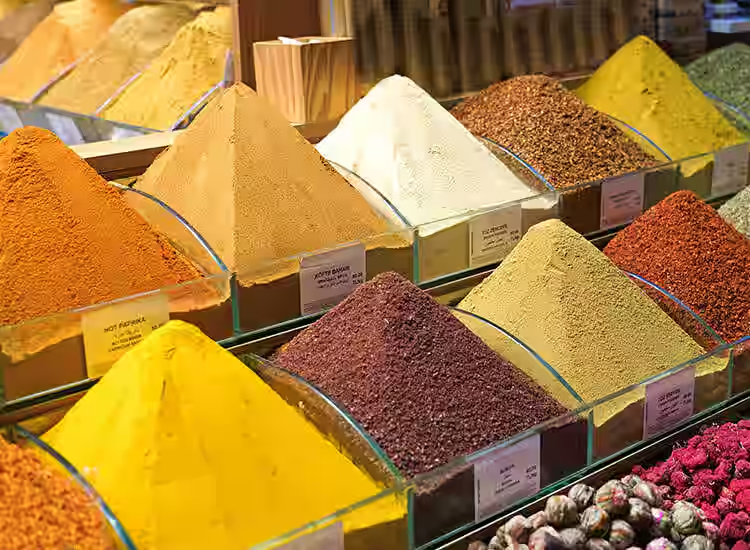
Local Spices
The markets often sell fresh, high-quality local spices like red chili powder, dhania (coriander), and special blends for North Karnataka curries.

Brassware
Small brass idols of Hindu deities and traditional oil lamps (deepams) are available in shops, reflecting the region’s religious and cultural traditions.
Tourist's Handbook
The best time to visit Badami is from October to March. The winter and early spring months offer the most pleasant weather, with temperatures ranging from 15°C to 30°C. This is the perfect window for exploring the cave temples, climbing the fort, and taking day trips to nearby Pattadakal and Aihole. The monsoon (July-September) brings greenery but makes the stone steps slippery and risky for climbing . The summer months (April-June) are extremely hot, with temperatures often exceeding 40°C, making daytime exploration uncomfortable.
- Watch Your Step on Uneven Terrain – The paths to the cave temples and the fort involve climbing many stone steps and walking on uneven, rocky surfaces. Wear sturdy, non-slip walking shoes or hiking boots .
- Beware of the Monkeys – Badami is famous for its resident troop of monkeys, especially around the cave temples. They are notorious for snatching food, sunglasses, hats, and even bags. Secure all loose items and do not eat in open areas .
- Stay Hydrated in the Heat – The sun can be intense, especially during the climb to the fort. Carry sufficient bottled water with you, as there are limited shops once you start climbing the hill.
- Respect Religious Customs – The cave temples, Banashankari Temple, and other sites are sacred places. Dress modestly (cover shoulders and knees), remove your footwear before entering the inner sanctums of active temples, and be respectful of worshippers.
- Carry Sun Protection – The red sandstone reflects sunlight, so apply sunscreen, wear a hat and sunglasses, and use a scarf to protect your neck from the sun.
- Be Cautious on the Fort Trek – The climb to the Badami Fort is adventurous, but the edges of the fort can be steep and unbarricaded. Supervise children closely and avoid getting too close to the edges, especially in windy conditions .
Badami is a small, walkable town, and many of the main attractions are within a short distance of the town center. Auto-rickshaws are the most common and affordable mode of transport for short trips to sites like the Banashankari Temple or the base of the fort; it is advisable to negotiate the fare beforehand. For exploring nearby heritage sites like Pattadakal (22 km) and Aihole (35 km), hiring a private taxi for a half-day or full-day trip is the most convenient and comfortable option. Local KSRTC buses also connect Badami to these towns and other major cities .
Negotiate Auto-Rickshaw and Taxi Fares First – Always agree on the total fare before starting your journey. Ask your hotel staff for estimated rates to popular destinations like the caves, the fort, or Pattadakal to avoid being overcharged.
Beware of Unauthorized Guides – While local guides can be knowledgeable, be wary of touts at the cave entrances. Hire only registered guides who have an official ID card and a fixed fee, which is usually posted at the entrance.
Ignore Unsolicited "Special Puja" Offers – At the Banashankari Temple or other active shrines, politely decline any individual who offers to perform a "special" or "private" prayer for you for a large donation. Offerings can be made directly at the temple's donation counter.
Check Souvenir Prices Before Buying – Stone carvings and handicrafts may be priced higher for tourists. Check prices at two or three shops before making a purchase and negotiate politely.
Don't Pay for Entry to the Fort or Caves Without Confirmation – The entry fee to the Badami Cave Temples and the Archaeological Museum is clearly displayed at the official ticket counter. Refuse anyone who asks for a separate "parking" or "viewing platform" fee.
Avoid Unsolicited "Off-Map Viewpoint" Offers – Some locals may offer to take you to a "hidden" or "off-map" viewpoint for a fee. The best views are from the established paths and are accessible for free.
Explore Badami
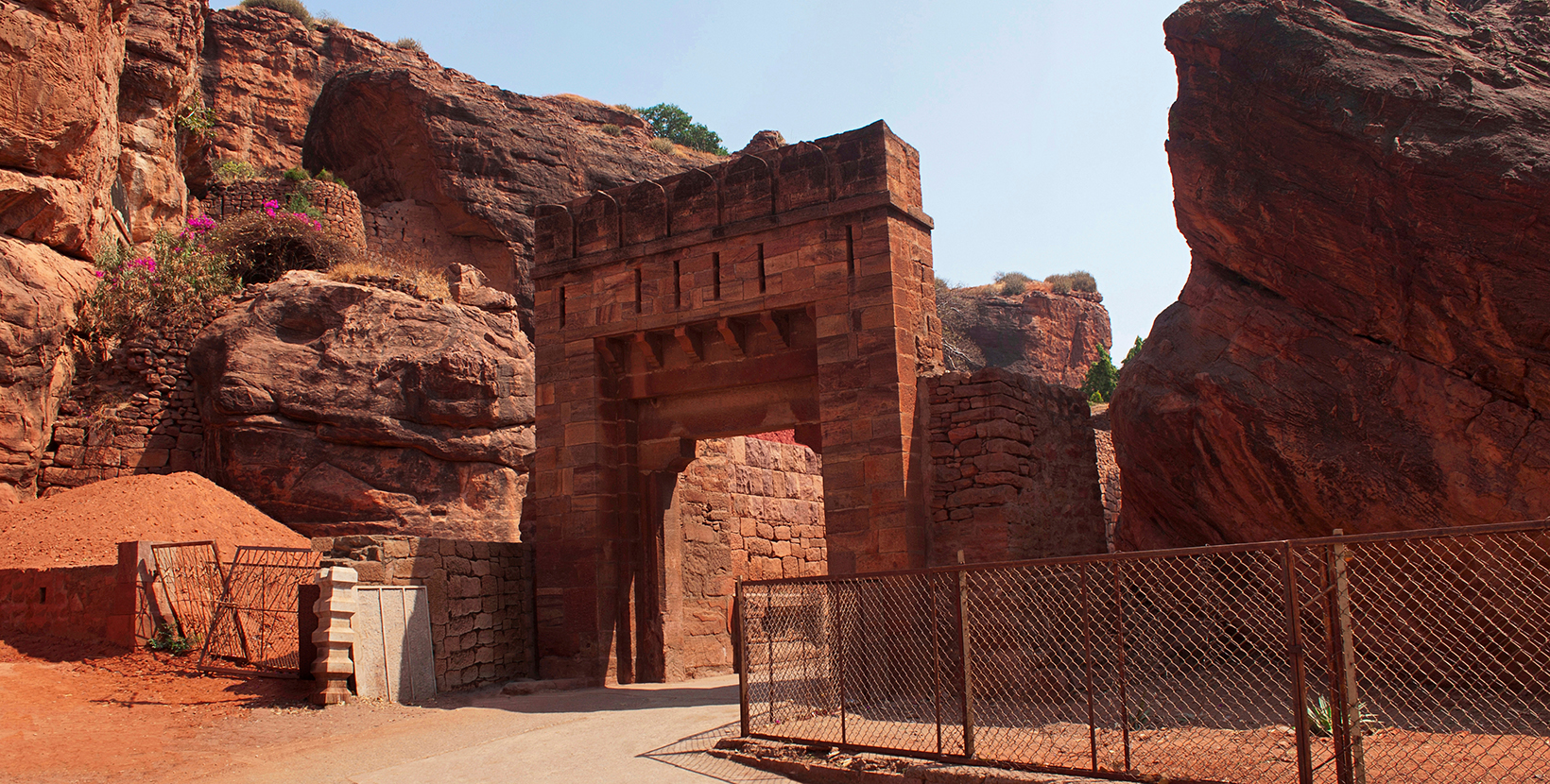
Badami Blogs
- Places to visit in Badami
- Places to visit nearby Badami
- India’s most stunning red sandstone heritage destination
- Karnataka’s ancient Chalukyan capital
Recommended articles
-
Places to visit in Pattadakal
-
Places to visit in Aihole
-
India’s best heritage destinations for history lovers
- India’s most popular destination