Trip and Tales

¤ 10+ minutes Read

Pattadakal

A complete tourist and cultural guide

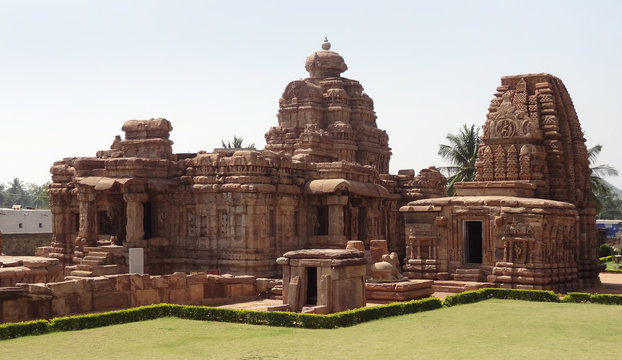
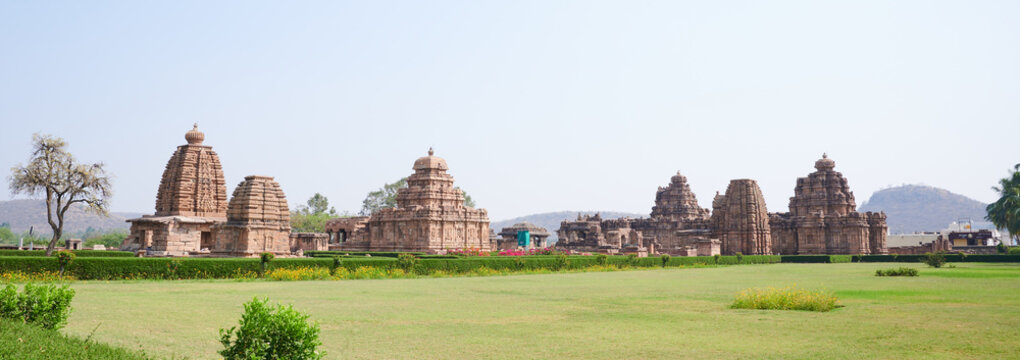
Pattadakal, whose name literally means ‘coronation stone’, is a testament to the zenith of Chalukyan architectural genius. Located on the banks of the Malaprabha River in Karnataka, this UNESCO World Heritage Site served as the royal coronation centre for the Chalukya kings. Flourishing in the 7th and 8th centuries, the site is celebrated for its harmonious fusion of the northern Nagara and southern Dravidian architectural styles, making it the “Cradle of Indian Temple Architecture” . This captivating destination attracts historians, art lovers, and travellers from around the globe.

Wiki Link: Pattadakal wiki page

Must-Visit Attractions in Pattadakal

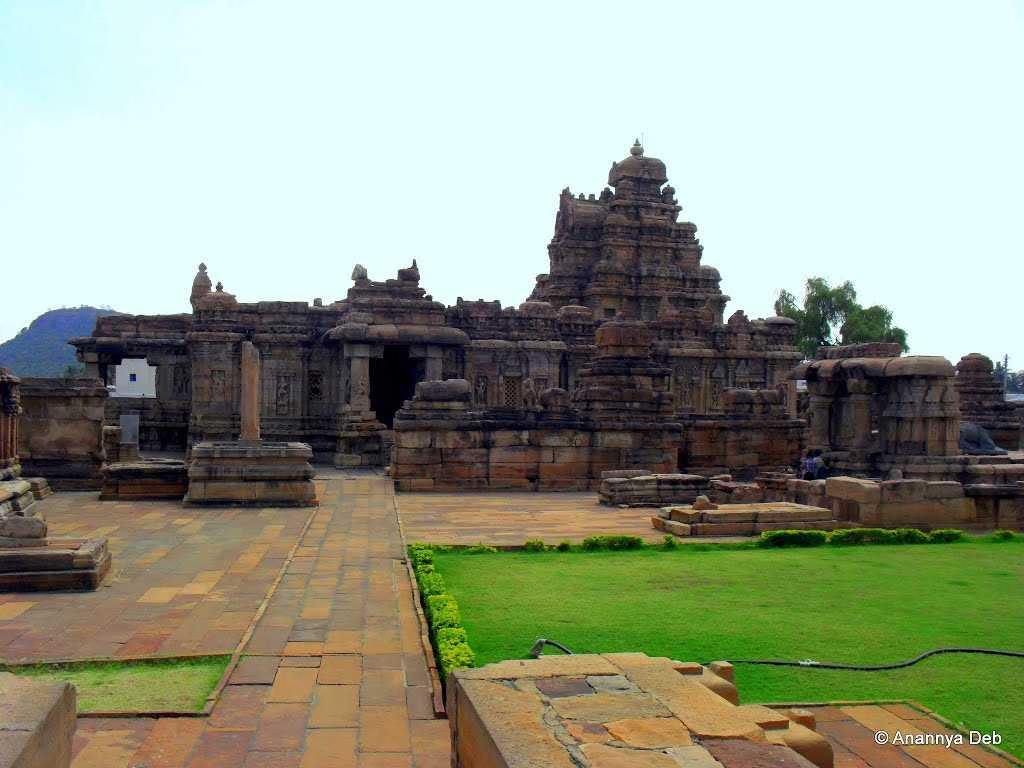
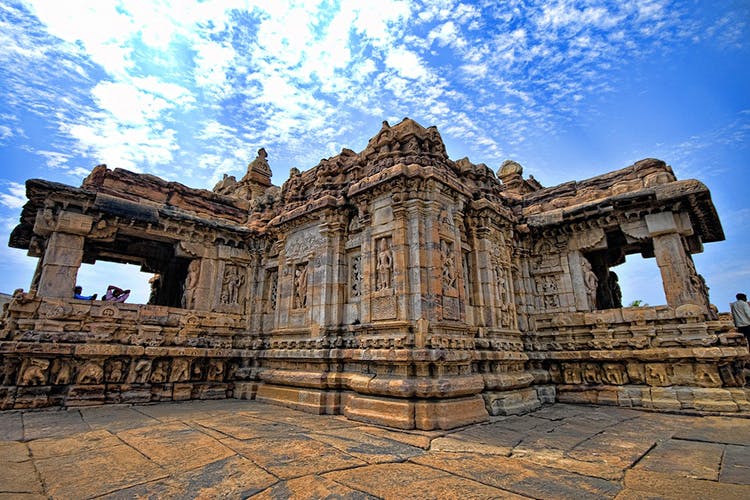
Virupaksha Temple

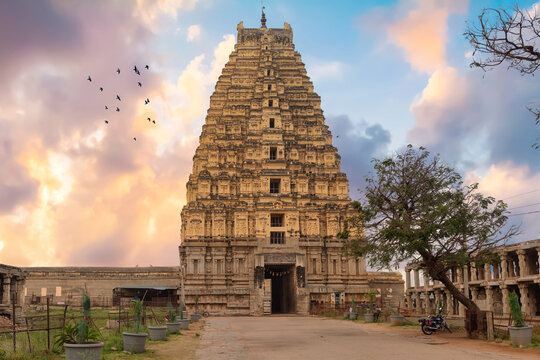
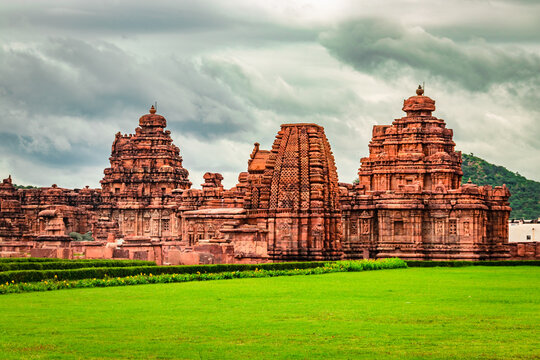
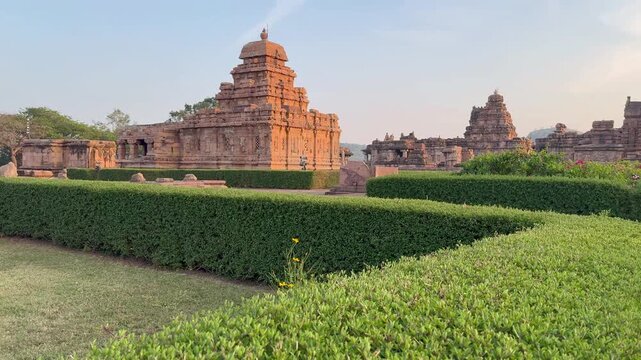
The undisputed masterpiece built around 740 CE by Queen Lokamahadevi, featuring a magnificent three-storied Dravidian vimana and intricate panels from the Ramayana and Mahabharata.

Mallikarjuna Temple

A near-twin to the Virupaksha built by the king’s second queen, featuring a distinctive circular amalaka and sculptural detailing of the churning of the ocean.

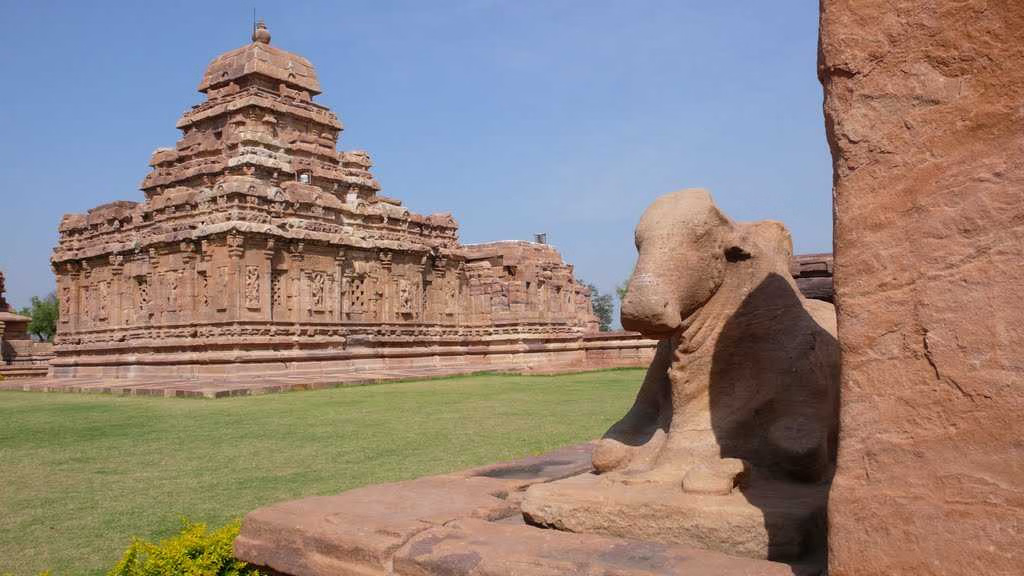
Sangameshwara Temple

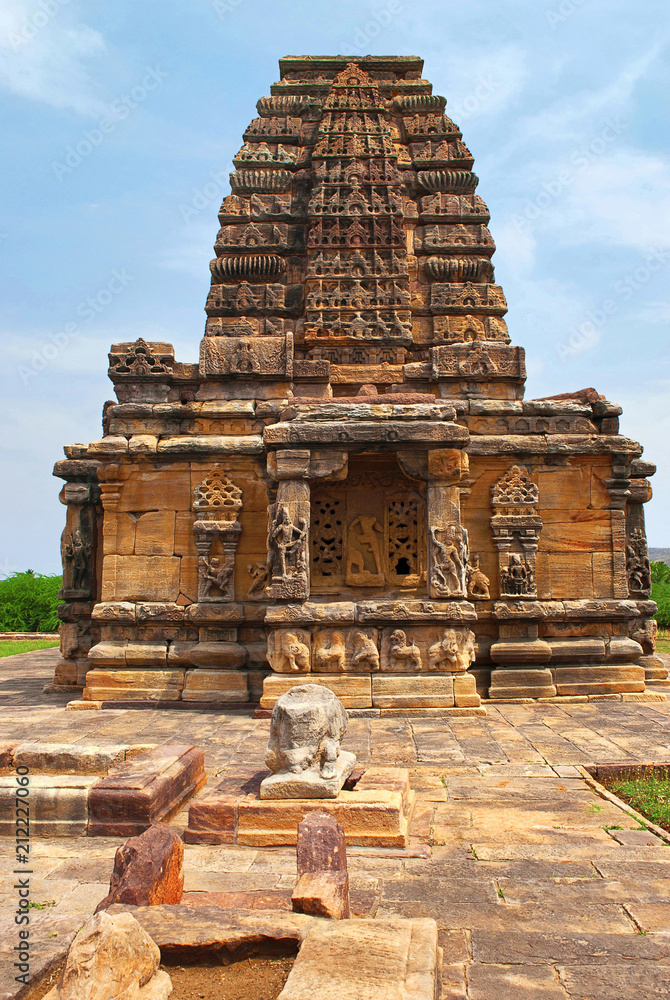
The oldest temple in the complex built around 720 CE, a classic example of early Dravidian style on a high plinth adorned with animal and floral motifs.

Papanatha Temple

A unique temple representing a transitional architectural style, fusing Nagara and Dravidian elements with richly carved ceilings and narrative friezes from the Ramayana.

Major Attractions Nearby Pattadakal

Badami

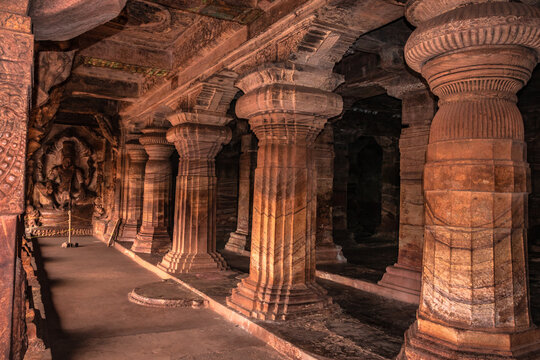
Located about 22 km away, the ancient Chalukyan capital famous for its stunning sandstone rock-cut cave temples, Agastya Lake, and formidable fort.

Aihole

Approximately 35 km away, considered the “Cradle of Indian Temple Architecture” with over 120 ancient temples including the distinctive Durga Temple.

Mahakuta

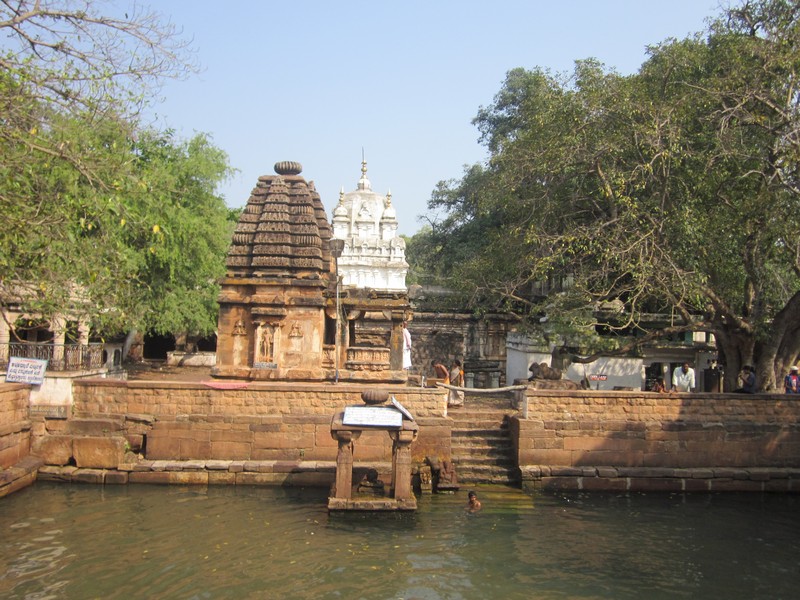
Situated about 20 km away, a serene temple complex nestled in a forested valley featuring a natural spring-fed tank and unique blend of architectural styles.

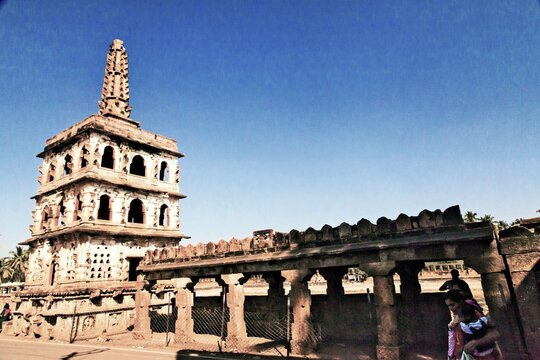
Banashankari Temple

Located about 5 km from Badami, a colourful and vibrant temple dedicated to the forest goddess, known for its unique architecture and annual fair.

Things to do in Pattadakal

Experience the pinnacle of Chalukyan art and royal history in this serene riverside setting. From marvelling at architectural fusions to attending a cultural festival, Pattadakal offers a profound journey into India’s heritage.

Take a Guided Heritage Walk

Hire a knowledgeable, government-registered guide to bring the ancient stories carved into the stone walls to life.

Compare Architectural Styles

Observe the contrasting curvilinear shikharas of the Galaganatha Temple and the stepped, pyramidal vimanas of the Virupaksha Temple side-by-side.

Attend the Pattadakal Dance Festival

Visit in January or February to witness classical dance performances against the stunning backdrop of the Virupaksha Temple.

Enjoy a Riverside Picnic

Relax on the spacious, grassy lawns along the tranquil banks of the Malaprabha River while soaking in majestic temple views.

The Performing Art of Pattadakal

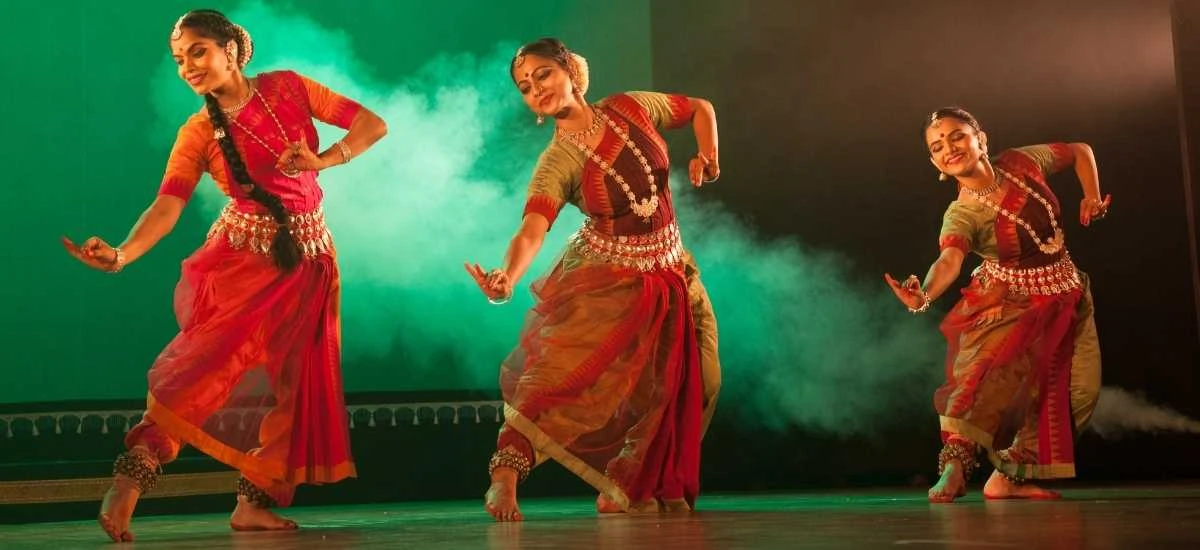
While Pattadakal itself is a historic temple complex rather than a performing arts hub, it comes alive each January or February during the renowned Pattadakal Dance Festival, where classical dancers perform against the breathtaking backdrop of the Virupaksha Temple. This annual cultural event celebrates India’s rich artistic traditions, featuring forms like Bharatanatyam, Kathak, Kuchipudi, and Odissi, attracting artists and art lovers from across the nation.

Music Forms

Hindustani Classical 

Folk Music

Devotional Bhajans

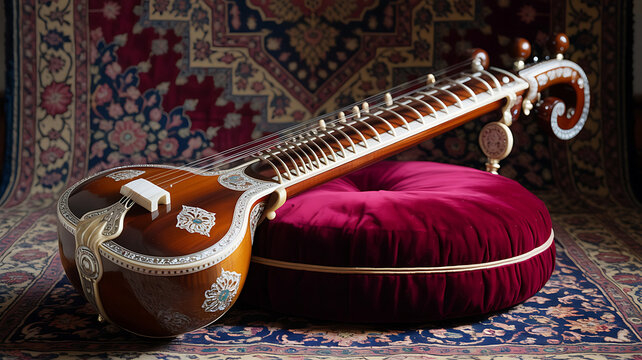
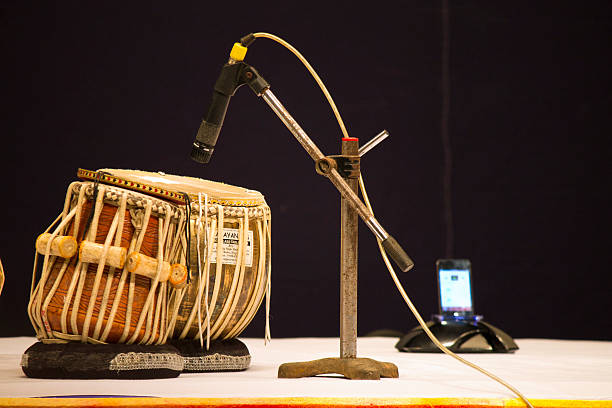
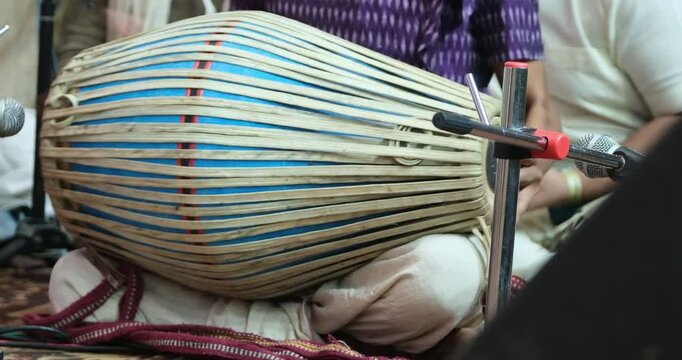
The region of North Karnataka, home to Pattadakal, is a major center for Hindustani classical music, with the iconic Dharwad Gharana shaping its evolution through soulful Khayal and Thumri styles. Folk music, including the energetic Dollu Kunitha songs and devotional Dasa Sahitya bhajans, tells tales of village life, love, and devotion to local deities like Lord Shiva. The annual Pattadakal Dance Festival also features classical music performances, where the sounds of tabla and harmonium echo against the ancient sandstone temples, preserving the region’s rich musical legacy.

Dance Forms

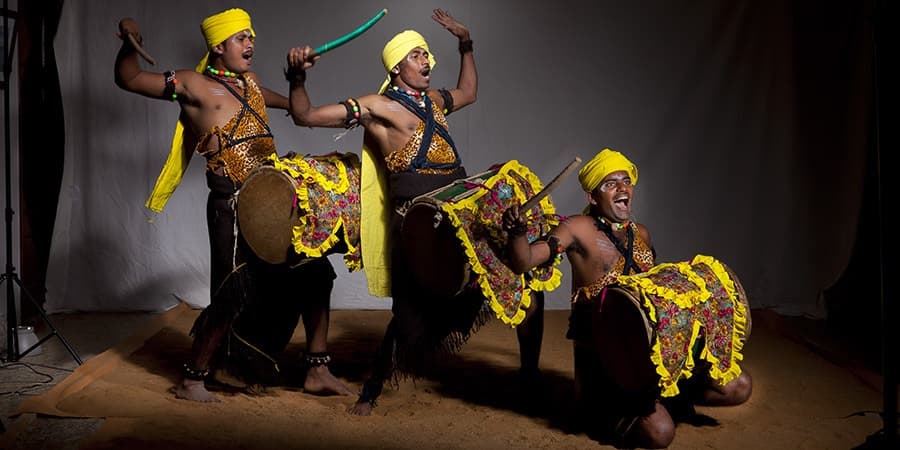
Dollu Kunitha

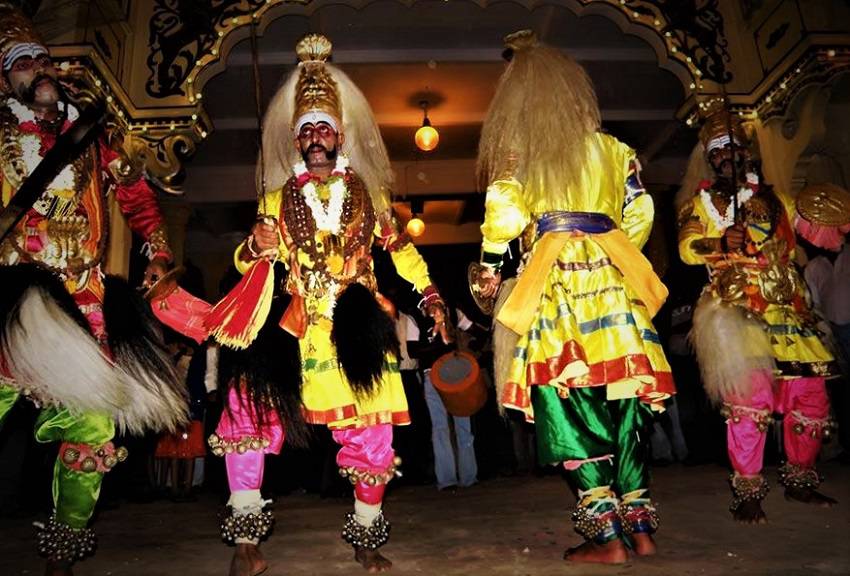
Veeragase 

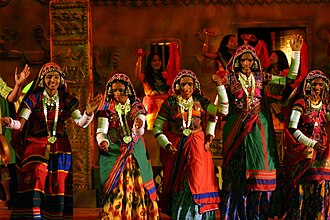
Lambani Dance

The region of North Karnataka, home to Pattadakal, is a major center for traditional folk dance, with iconic forms like Dollu Kunitha and Veeragase shaping its cultural identity. The energetic, vigorous movements of Dollu Kunitha, performed by men carrying large drums, and the dramatic storytelling of Veeragase depicting Lord Veerabhadra, are accompanied by rhythmic beats and chanting. The annual Pattadakal Dance Festival also features classical dance forms like Bharatanatyam and Kuchipudi, performed against the stunning backdrop of the Virupaksha Temple, preserving the region’s rich artistic legacy.

City Vibes - Where Stones Whisper History

Pattadakal exudes a quiet, majestic, and deeply historical aura. It is not a bustling town but a serene riverside village where the past dominates the present. The air is warm and still, broken only by the chirping of birds and the whispers of guides narrating tales of ancient kings. The towering sandstone temples, glowing in the sun, are the sole focus, creating a powerful sense of awe and tranquillity. It is a place for slow exploration, quiet contemplation, and a profound appreciation for the artistic ambition that shaped these monuments over 1,300 years ago .

Heritage of Pattadakal

Pattadakal, historically known as Kisuvolal (Valley of Red Soil) and Raktapura (Red City), served as the royal coronation centre where Early Chalukya kings were crowned, reaching its architectural peak in the 8th century under Vijayaditya and Vikramaditya II. After the Chalukya fall, the Rashtrakutas added a Jain temple in the 9th century, and the site was inscribed as a UNESCO World Heritage Site in 1987, now protected by the ASI.

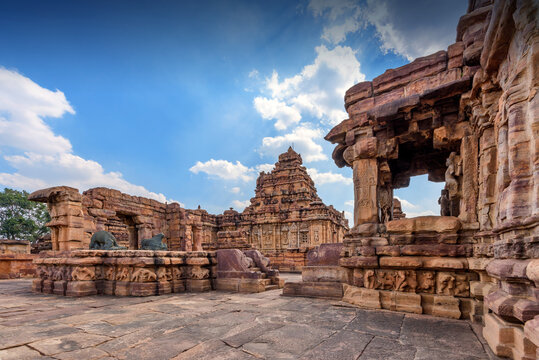
Virupaksha Temple located in Pattadakal

Cuisine of Pattadakal

The cuisine around Pattadakal is authentic North Karnataka fare, known for its robust, earthy flavours, the generous use of millet (jowar), and spicy, tangy curries.

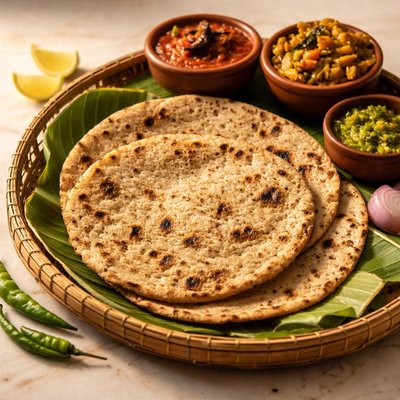
Jolada Rotti

The staple flatbread of the region made from sorghum flour, with a distinct rustic taste and thicker texture.

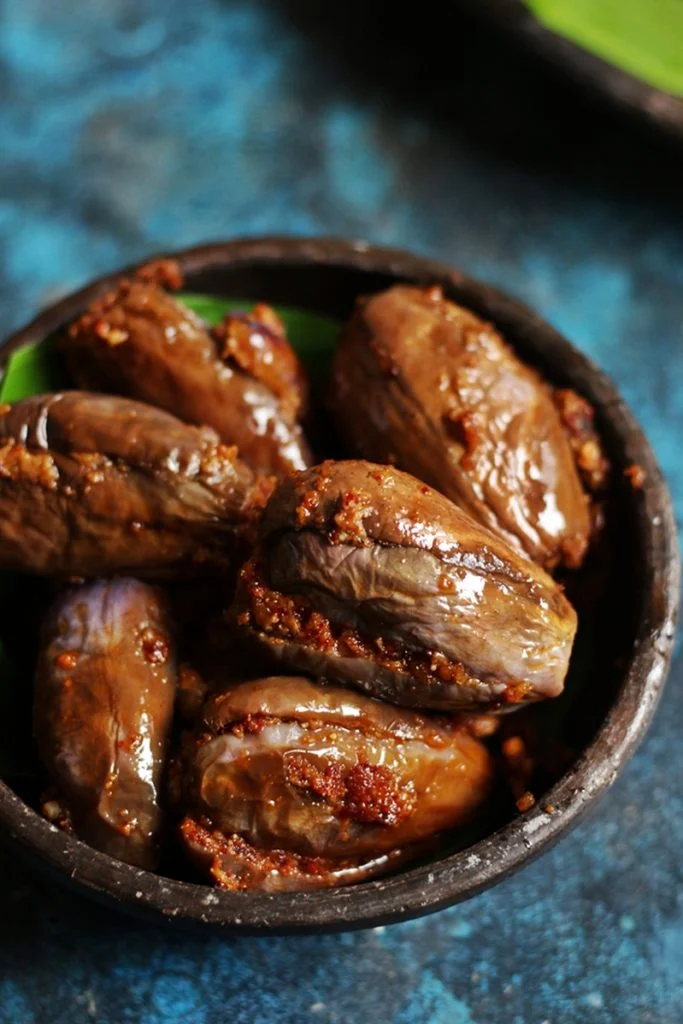
Ennegai

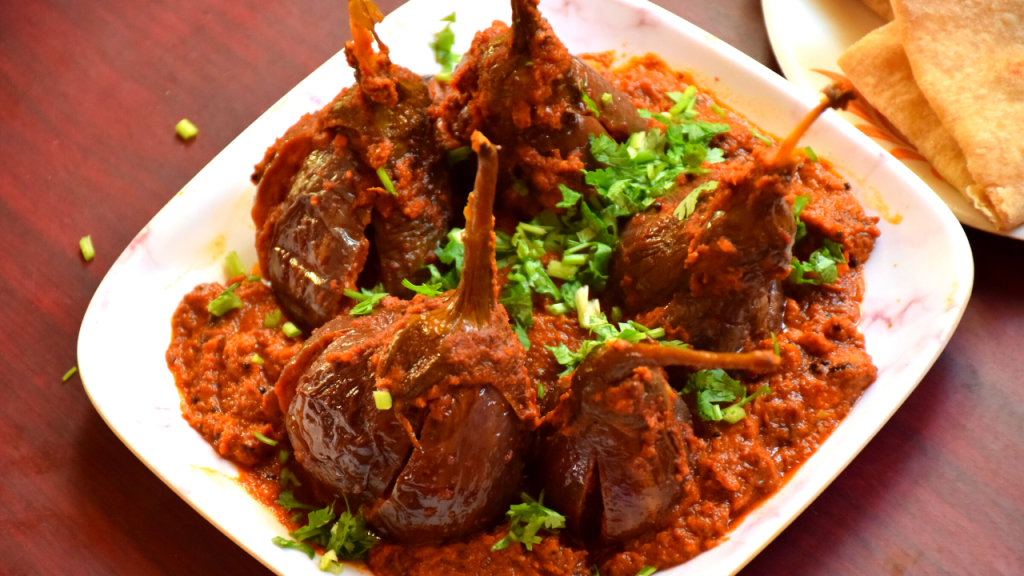
A quintessential local dish of small brinjals stuffed with peanuts, sesame, coconut, and jaggery, slow-cooked in a rich gravy.

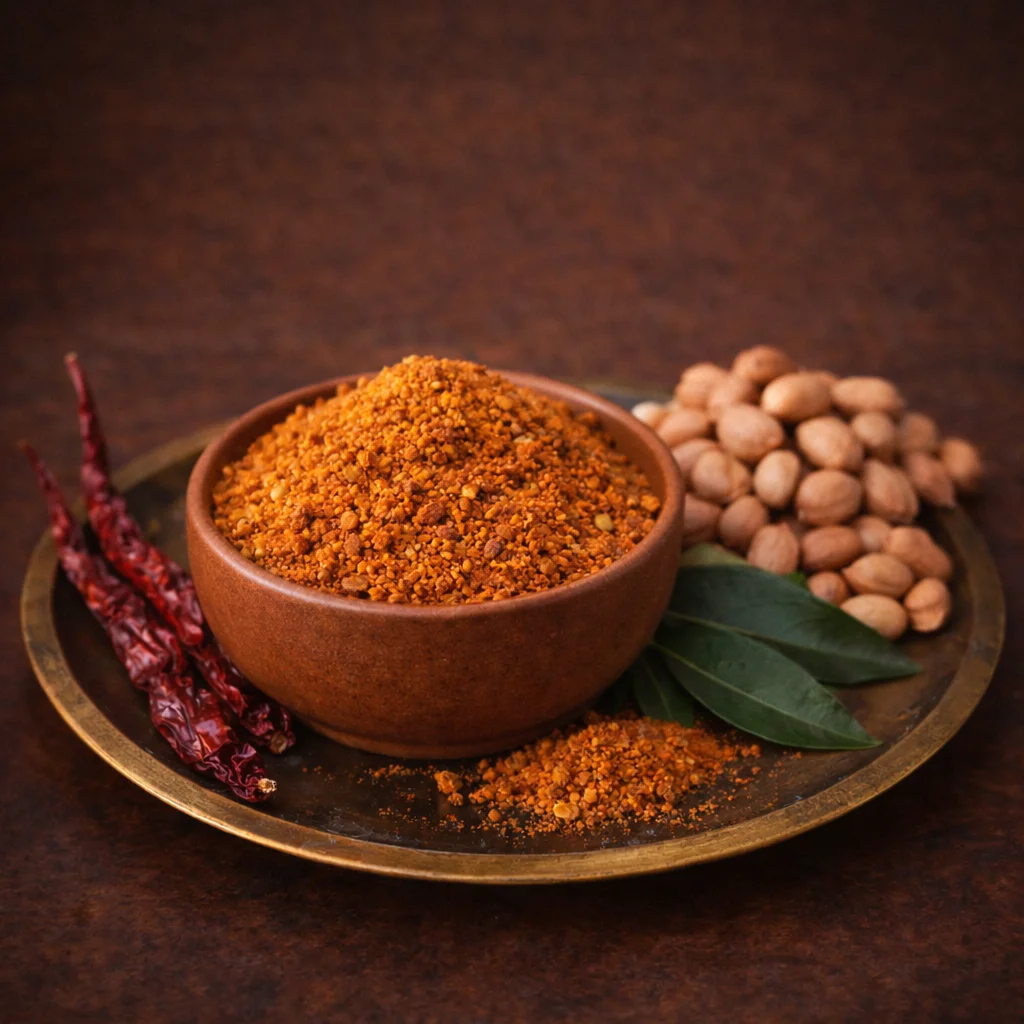
Shenga Chutney

A dry, coarse powder of roasted peanuts, red chilies, and garlic, served as a flavorful condiment with rotti or rice.

Badanekai Yennegai

A classic dish of small brinjals stuffed with a spicy masala of peanuts, sesame, and coconut, simmered in tangy tamarind gravy.

Shopping in Pattadakal

Shopping in Pattadakal is a modest but authentic experience, centred around the nearby town of Badami and local handicrafts.

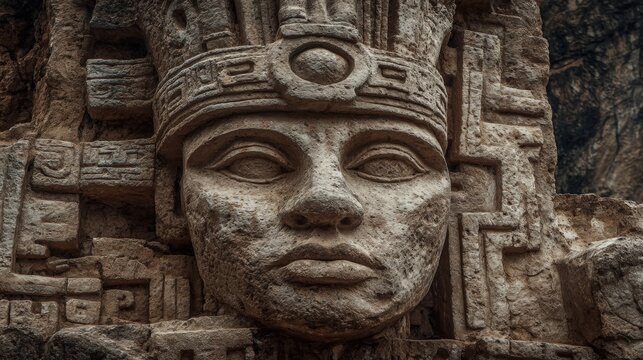
Stone Carvings

Small, modern soapstone and sandstone replicas of deities and temple motifs, making for meaningful and beautiful souvenirs.

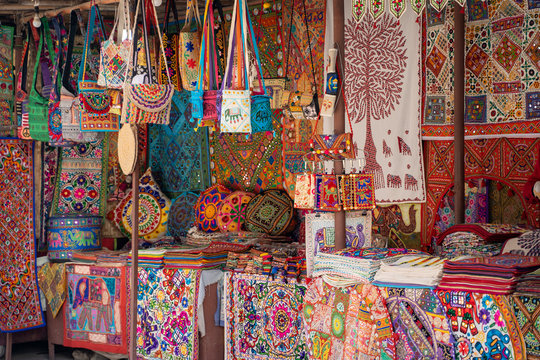
Handicrafts and Textiles

Traditional Karnataka handicrafts including Ilkal sarees with their unique weaving style and other cotton textiles.


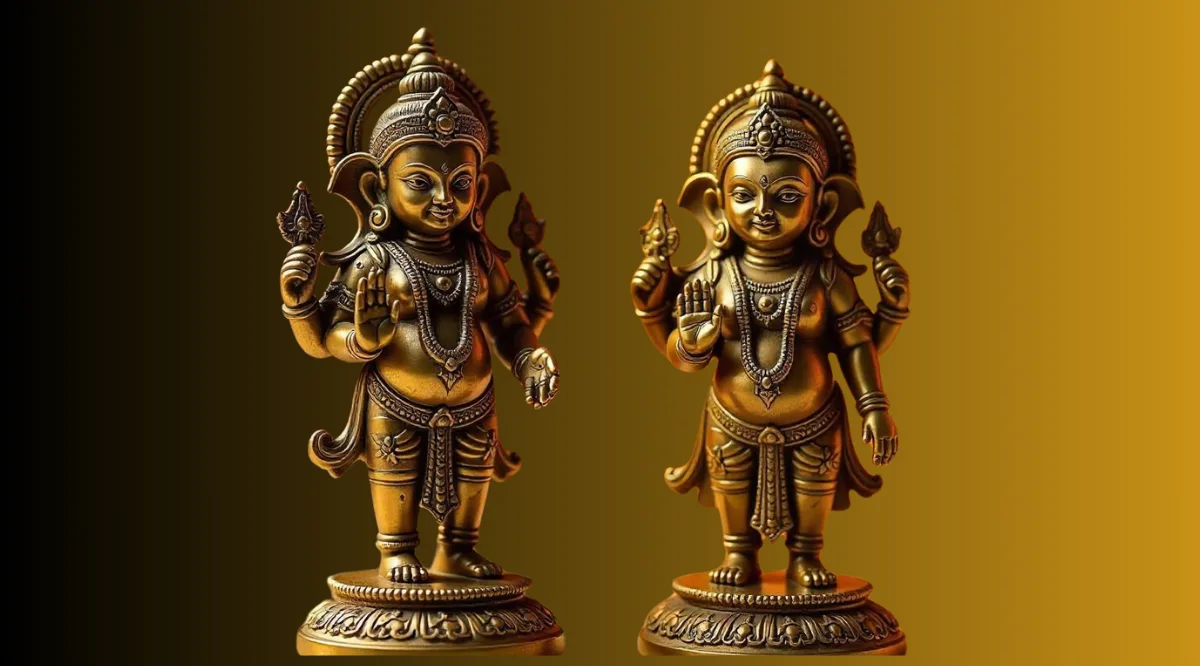
Brassware & Idols

Small brass idols of Hindu deities and traditional oil lamps (deepams) available in local shops.

Local Spices

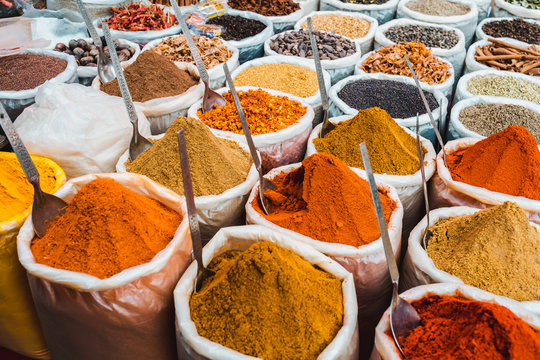
Fresh, high-quality local spices like red chili powder and dhania (coriander), characteristic of North Karnataka cuisine.

Tourist's Handbook

The best time to visit Pattadakal is from October to March. The winter and early spring months offer the most pleasant weather, with temperatures ranging from 16°C to 30°C. This is the perfect window for exploring the temple complex comfortably without the extreme heat. The summer months (April to June) are scorching, with temperatures often exceeding 40°C, making daytime sightseeing difficult and uncomfortable. The monsoon (July-September) brings occasional heavy rains, which, while turning the landscape lush, can disrupt travel plans and make the stone paths slippery .

  • Protect Yourself from the Sun: The sun in North Karnataka can be extremely harsh, even in winter. Always carry a water bottle, wear a wide-brimmed hat, sunglasses, and apply sunscreen before exploring .

  • Wear Sturdy and Comfortable Footwear: You will be doing a lot of walking on uneven stone steps and pathways. Comfortable, non-slip walking shoes are essential for safely exploring the temples .

  • Stay Hydrated: Carry sufficient bottled water with you. While there are some vendors, it's best to be self-sufficient, especially during the warmer months .

  • Respect Religious Customs: The Virupaksha Temple is an active place of worship. Dress modestly (covering shoulders and knees is recommended) and remove your footwear before entering the inner sanctums of the temples. Always ask for permission before photographing any religious rituals .

  • Protect Your Belongings from Monkeys: The site is home to monkeys that can be quite bold. Secure your bags, sunglasses, and hats, and avoid eating in open areas where monkeys can see you.

  • Carry Cash: Most small vendors, auto-rickshaw drivers, and local guides only accept cash. While some larger ticket counters may take cards, it is advisable to carry sufficient Indian Rupees .

Pattadakal is a small heritage village, and the temple complex itself is compact and easily explored on foot. The terrain is flat with paved walkways. For reaching Pattadakal, the nearest major town is Badami (22 km), which has better transport connections. Auto-rickshaws and private taxis are the most common and convenient modes of transport for covering the distance from Badami to Pattadakal, as well as for a combined circuit visiting Aihole. It is highly recommended to hire a private taxi for the day to visit all three heritage sites—Aihole, Badami, and Pattadakal—as public buses are infrequent .

Negotiate Taxi and Auto Fares First: Always agree on the total fare with your driver before starting your journey, especially for trips from Badami to Pattadakal and Aihole. Ask your hotel staff for an estimated price to avoid being overcharged .

Hire Only Authorized Guides: At the entrance, you may be approached by individuals offering guide services. Opt for guides who are government-registered (they usually carry an ID card). Their fees are often posted on a board at the ASI office .

Don't Pay for "Special" Viewing Spots: All the best views of the temples are from within the complex itself. Politely ignore any tout who offers to take you to a "hidden" or "private" viewpoint for a fee .

Check Souvenir Prices: When buying stone carvings or other souvenirs, bargain politely but firmly. Prices are often initially quoted high for tourists. Compare prices at a couple of shops before committing .

Verify Entry Fee Tickets: Purchase your entry tickets only at the official ASI ticket counter at the complex gate. Avoid anyone selling tickets or collecting a "separate" fee elsewhere .

Explore Pattadakal

Pattadakal Blogs

  • Places to visit in Pattadakal
  • Places to visit nearby Pattadakal
  • India’s finest fusion of North and South Indian temple architecture
  • Karnataka’s UNESCO World Heritage Site for art lovers

Recommended articles

  • Karnataka Cultural Guide – Aihole and Badami temple special
  • Places to visit in Badami
  • Places to visit in Aihole