
¤ 10+ minutes Read
Alleppey Travel Guide – Explore Kerala's Venice of the East
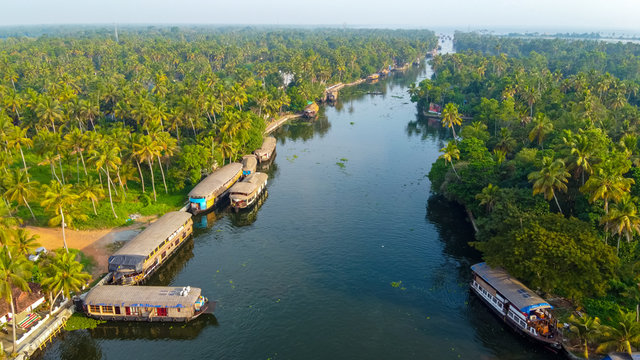
Alleppey, officially known as Alappuzha, is one of Kerala’s most iconic travel destinations, where tranquil backwaters, traditional houseboats, palm-fringed canals, golden beaches, and vibrant village life come together to create an unforgettable experience. Popularly known as the “Venice of the East,” Alleppey is famous for its scenic cruises across the vast Vembanad Lake, luxurious Kettuvallam houseboats, picturesque canals, and annual Nehru Trophy Snake Boat Race. Visitors can also explore attractions such as Alleppey Beach, Marari Beach, Pathiramanal Island, Ambalappuzha Sri Krishna Temple, and the lush paddy fields of Kuttanad, often called the Rice Bowl of Kerala. Whether you’re planning a honeymoon, a family vacation, a relaxing backwater cruise, or a cultural getaway, this travel guide covers everything you need to know, including the best places to visit, things to do, the best time to visit, travel tips, and nearby attractions. The ideal time to visit is October to March, while the monsoon season offers a unique experience with lush landscapes and rejuvenating Ayurvedic therapies.
Must-Visit Attractions in Alleppey
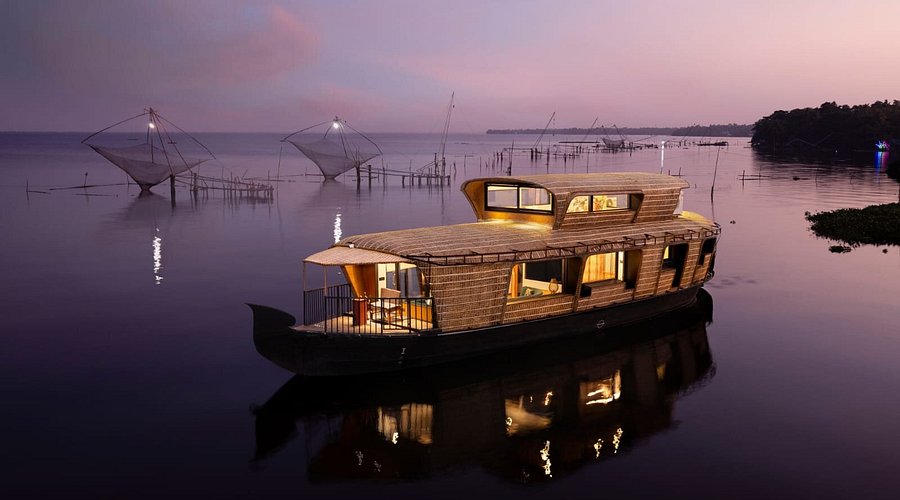
Alleppey Backwaters
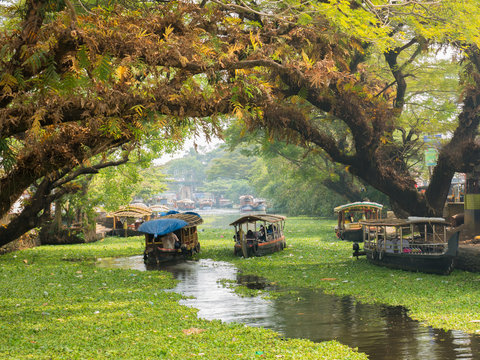
The crown jewel of Alleppey offering unforgettable houseboat cruises through palm-fringed waterways, lush paddy fields, and sleepy village life.
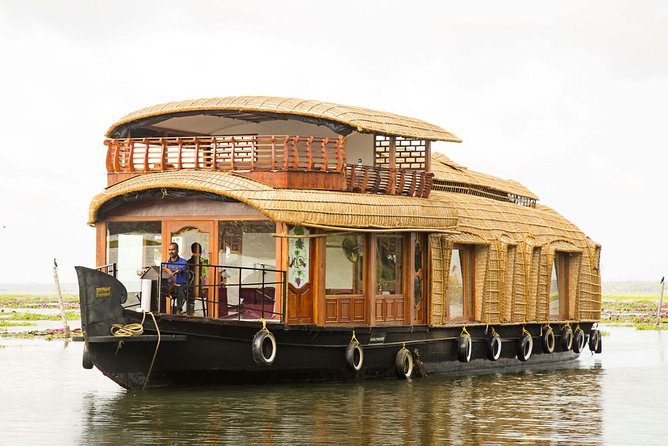
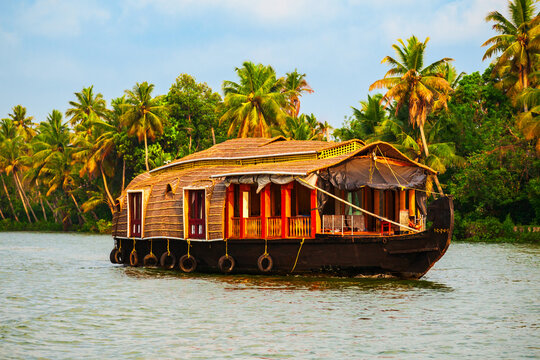
Houseboat Stay
Traditional rice barges converted into luxury floating cottages offering overnight stays, freshly cooked Kerala meals, and panoramic backwater views.
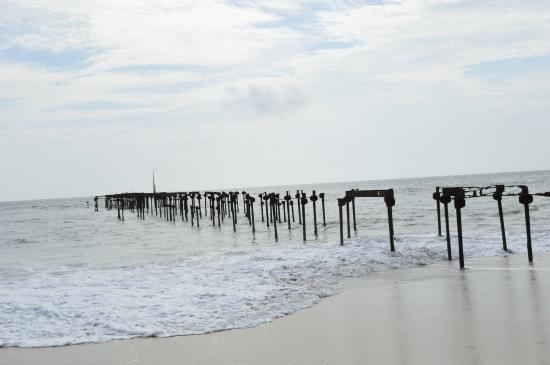
Alappuzha Beach
A serene, less-crowded beach featuring a 150-year-old pier, an ancient lighthouse, and stunning sunset views over the Arabian Sea.
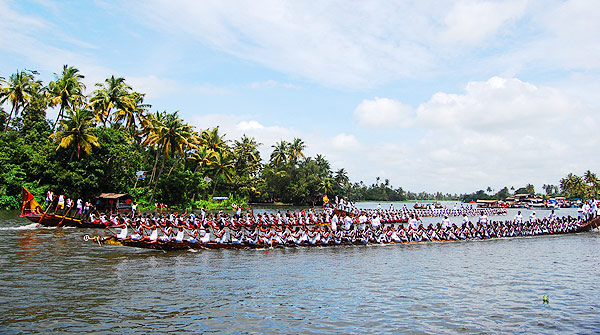
Nehru Trophy Boat Race
The most famous snake boat race in Kerala featuring over 100-foot-long snake boats racing at thrilling speeds on the second Saturday of August.
Major Attractions Nearby Alleppey
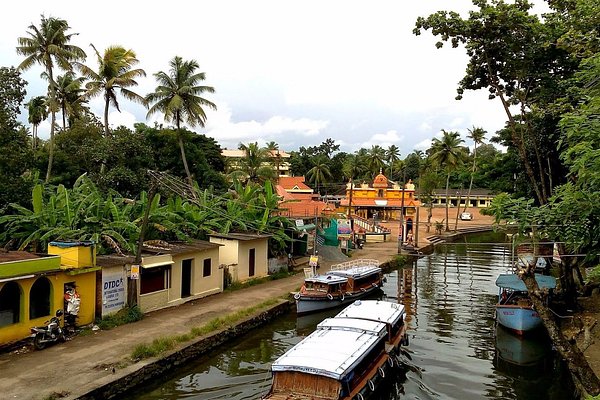
Kumarakom
A picturesque backwater village known for its luxury resorts, bird sanctuary, and serene houseboat cruises on Vembanad Lake, located about 45 km away.
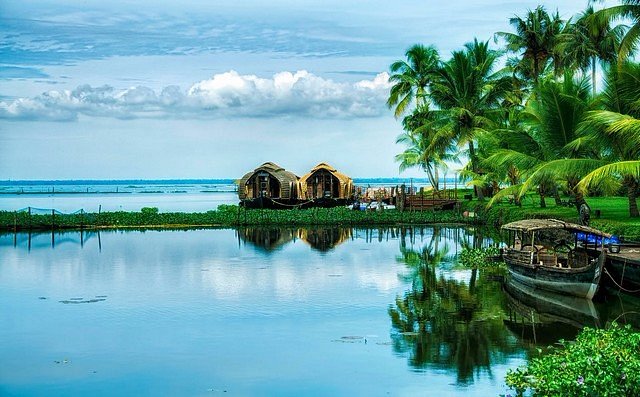
Kochi
A historic port city featuring Fort Kochi’s colonial architecture, Chinese fishing nets, Mattancherry Palace, and the Jewish Synagogue, approximately 60 km away.
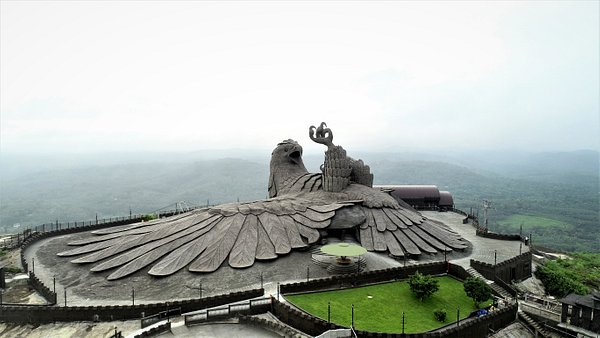
Kollam
The southern gateway to the backwaters offering houseboat cruises, Ashtamudi Lake, and the famous Jatayu Earth’s Center, situated around 75 km away.
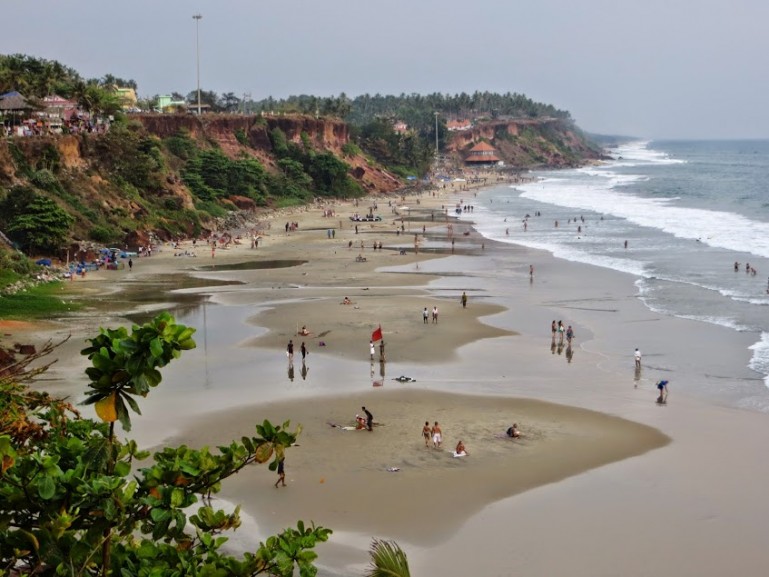
Varkala
A cliff-side beach town known for its unique red cliff shoreline, natural springs, and ancient Janardhana Swamy Temple, located about 100 km away.
Things to do in Alleppey
Experience the enchanting beauty and rich cultural heritage of Kerala’s backwater paradise. From overnight houseboat cruises to thrilling snake boat races, Alleppey offers an unforgettable journey.
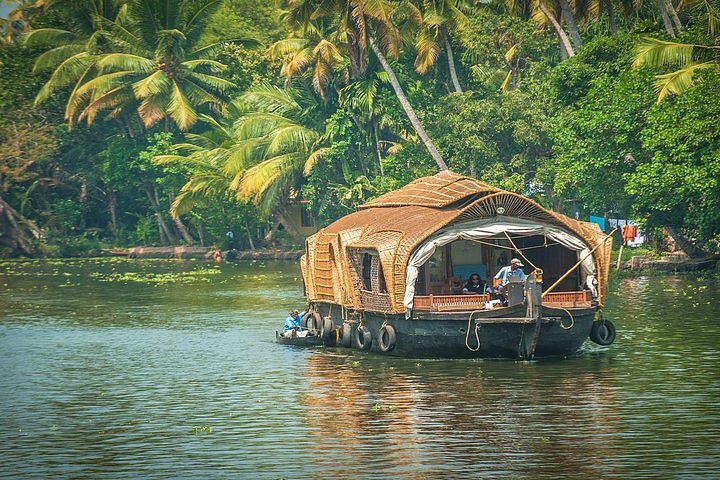
Take an Overnight Houseboat Cruise
Spend a night on a traditional kettuvallam, glide through narrow canals, enjoy Kerala-style meals, and wake up to stunning backwater views.
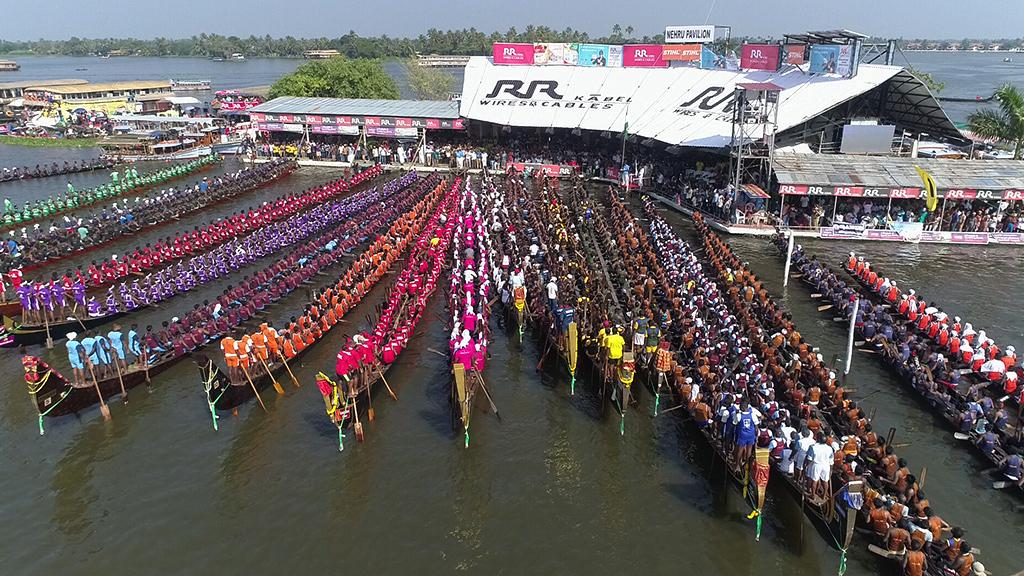
Watch the Nehru Trophy Boat Race
Witness the most exciting snake boat race in Kerala where over 100 rowers power beautifully decorated 100-foot-long boats through Punnamada Lake in August.
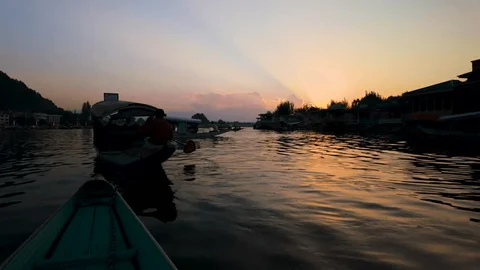
Enjoy a Shikara Ride at Sunset
Take a small motorized shikara ride through narrow canals, watching village life unfold and the sky turn golden over the water.
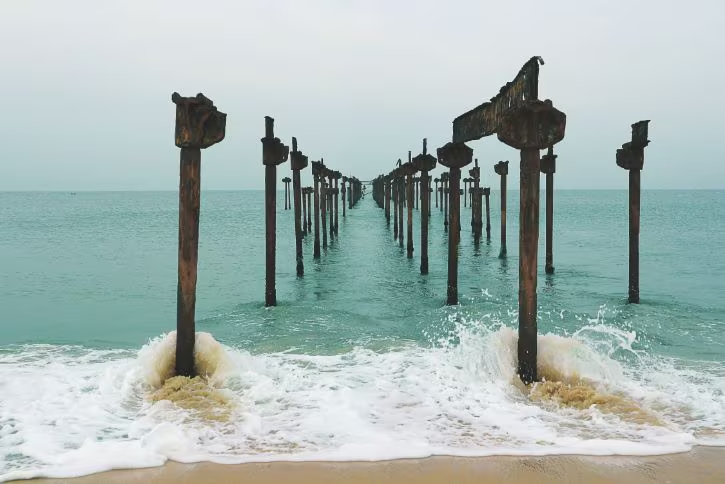
Relax at Alappuzha Beach
Spend a late afternoon at this peaceful beach, walk along the historic pier, visit the lighthouse, and watch the sunset over the Arabian Sea.
The Performing Art of Alleppey
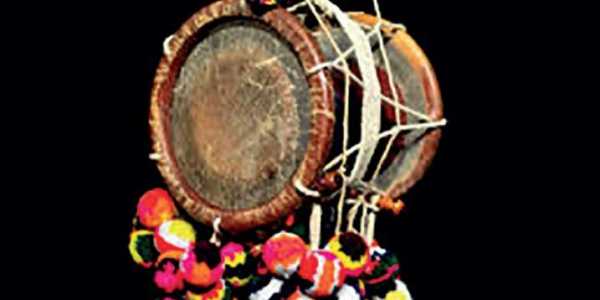
A vibrant hub for performing arts, deeply rooted in Kerala’s rich cultural traditions and the serene ambiance of its backwaters. The region has a rich tradition in classical music, dance, and theater, with world-renowned artists and performers drawing inspiration from the tranquil lagoons, swaying palms, and vibrant temple festivals. Classical music forms like Sopanam Sangeetham, including edakka and chengila performances, are deeply rooted in the region’s cultural identity. Kathakali and Mohiniyattam dance forms also flourish here, often performed at temple festivals and cultural venues, embodying the spiritual essence of Kerala’s artistic heritage. The region’s connection with music and dance continues to inspire generations, preserving its artistic legacy through boat races,
Sopanam Sangeetham
Kerala Folklore Music
Mappila Pattu
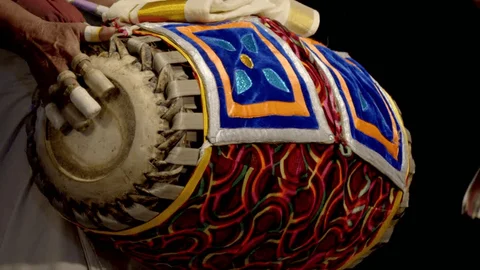
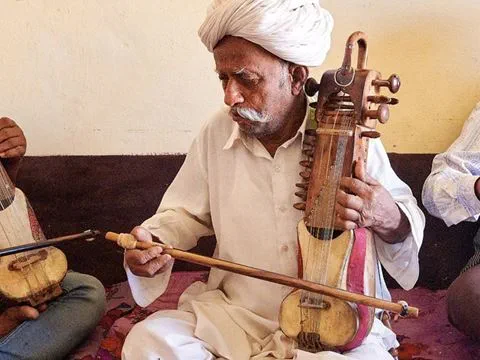
The state is a major center for Kerala’s classical and folk music traditions, with iconic forms like Sopanam Sangeetham and Kerala Folklore shaping its evolution. The soulful Vanchipattu (boat songs), Melam (percussion ensembles), and Mappila Pattu styles are widely performed, echoing through the backwaters and temple festivals. Folk music, including the Pulluvan Pattu and Onappattu genres, tells tales of village life, snake worship, harvest celebrations, and the timeless beauty of the Arabian Sea coast.
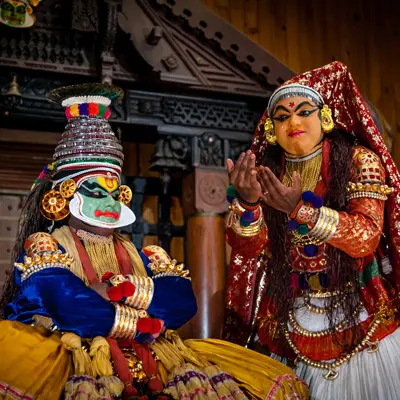
Kathakali
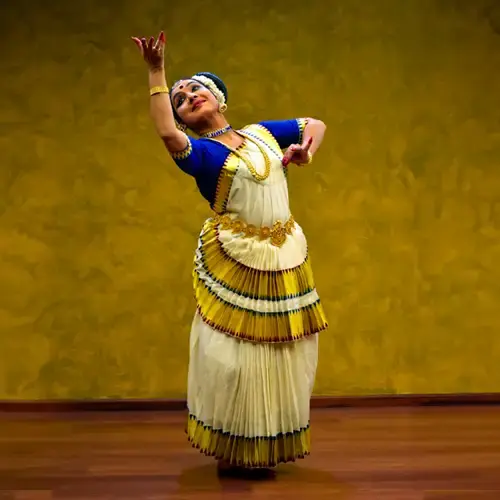
Mohiniyattam
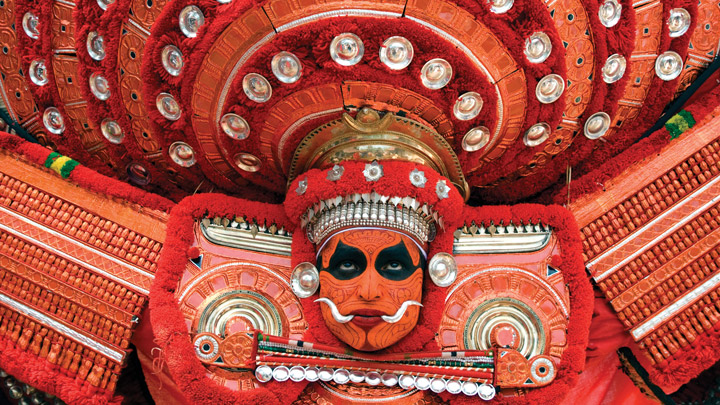
Theyyam
The state is a major center for Kerala’s classical and folk dance traditions, with iconic forms like Kathakali and Mohiniyattam shaping its evolution. The graceful, enchanting Mohiniyattam with its gentle swaying movements, and the elaborate, dramatic Kathakali with colorful makeup and expressive gestures, are widely performed. Folk dances, including the ritualistic Theyyam and the energetic Kaikottikali, tell tales of local deities, mythology, celebration, and the vibrant cultural spirit of Kerala’s backwater region.
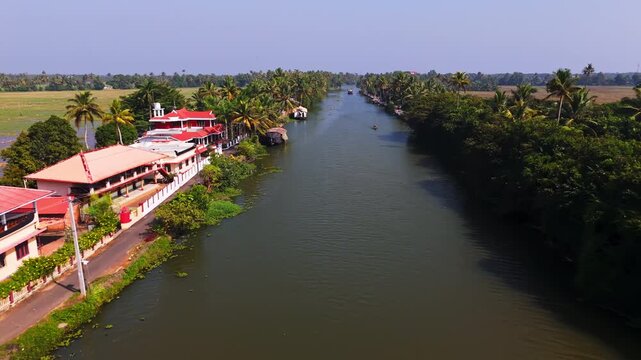
City Vibes - Venice of the East's Timeless Watery Charm
Alleppey exudes a unique, relaxed rhythm that flows with the tides of its backwaters. The town is a fascinating blend of bustling commercial activity along its canals and tranquil, palm-fringed waterways where life moves at a lazy pace. The air carries the scent of coconuts, spices, and fresh toddy, mixed with the sounds of boat engines, bird calls, and laughter from houseboats. The main town is busy with shops, churches, and the historic canal, but just minutes away, the backwaters offer absolute silence and serenity. It’s a place where you can wake up on a floating cottage, watch a kingfisher dive for fish, and feel completely disconnected from the chaos of modern life.
Heritage of Alleppey
Alleppey’s heritage is deeply intertwined with its backwaters, trade history, and cultural diversity. The town was founded in 1762 by Raja Kesavadasan, the Dewan of Travancore, who developed it as a major port and trading center for spices, coir, and timber. The intricate network of canals was modeled after Venice, earning the town its “Venice of the East” nickname. The famous houseboats (kettuvallams) were originally rice barges used to transport grains through the waterways; today, they have been transformed into luxury floating cottages, preserving traditional craftsmanship. Alleppey is also the home of the Nehru Trophy Boat Race, named after India’s first Prime Minister Jawaharlal Nehru, who inaugurated the race in 1952. The region’s coir industry (coconut fiber processing) has been a traditional livelihood for centuries, with Alleppey still being a global hub for coir products.
Cuisine of Alleppey
The cuisine of Alleppey is classic Syrian Christian and Kerala-style seafood, known for its generous use of coconut, curry leaves, tamarind, and freshly caught fish from the backwaters and Arabian Sea.
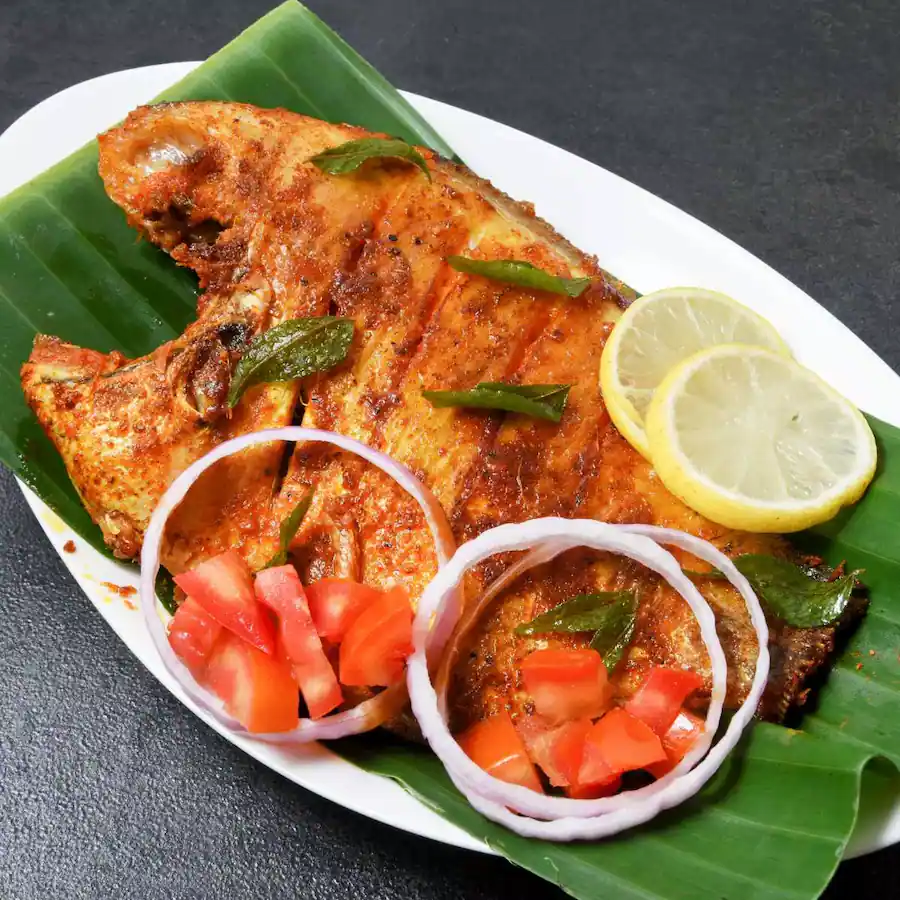
Karimeen Pollichathu
The signature dish of Alleppey, featuring pearl spot fish marinated with spices, wrapped in a banana leaf, and pan-fried until smoky and aromatic.
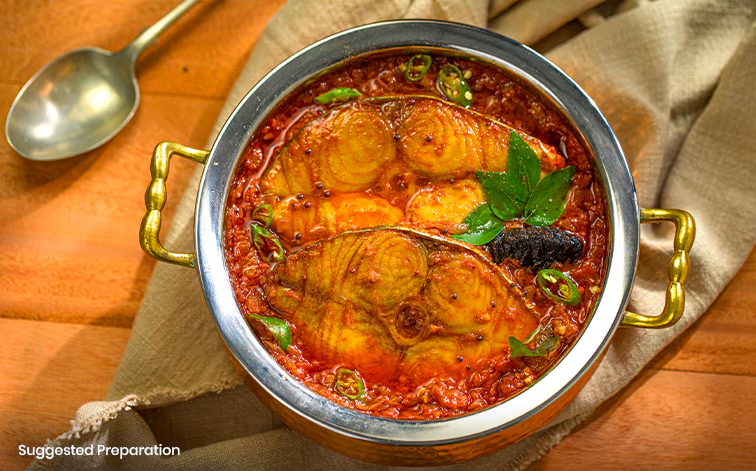
Alleppey Fish Curry
A tangy, spicy fish curry made with fresh catch, cooked in coconut milk, tamarind, and a blend of Kerala spices, served with boiled matta rice.
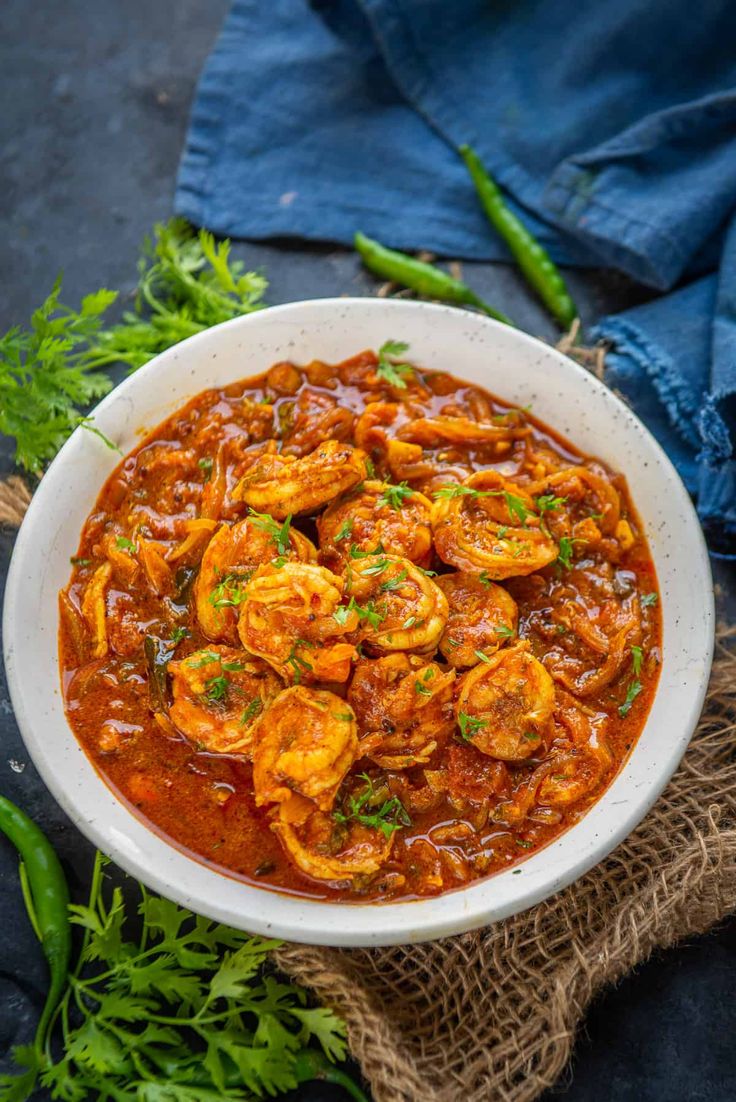
Kerala Prawn Curry
A rich, coconut-milk-based curry with large, juicy prawns, flavored with ginger, garlic, curry leaves, and green chilies.
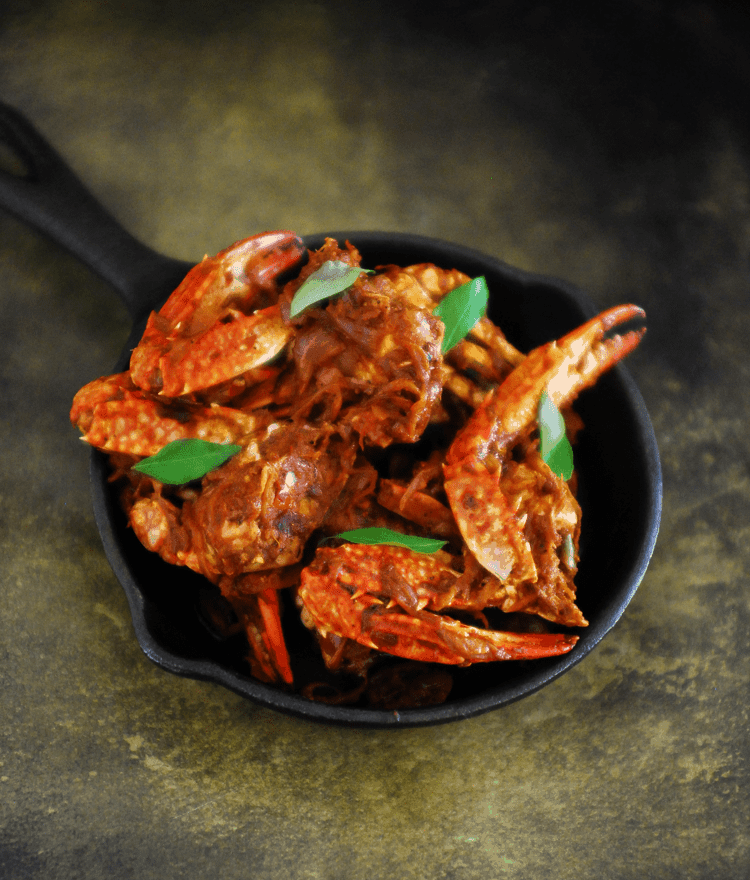
Kerala Style Crab Roast
Fresh crabs roasted in a thick, spicy masala paste of shallots, ginger, garlic, red chilies, and coconut pieces, offering a delicious, messy meal.
Shopping in Alleppey
Shopping in Alleppey is centered around coir products, spices, handicrafts, and traditional Kerala items that reflect the region’s rich heritage.
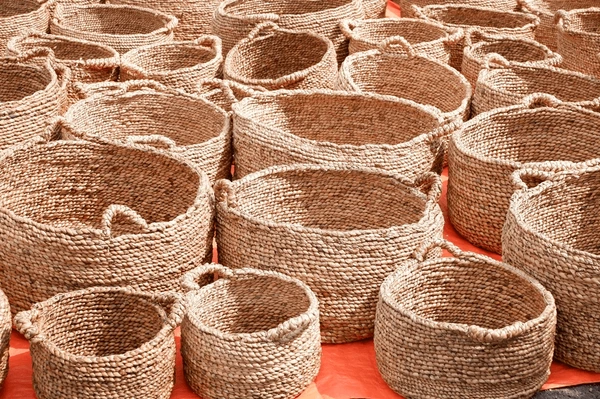
Coir Products
Alleppey is the global hub for coir, offering eco-friendly and durable mats, rugs, brushes, ropes, and doormats made from coconut fiber.
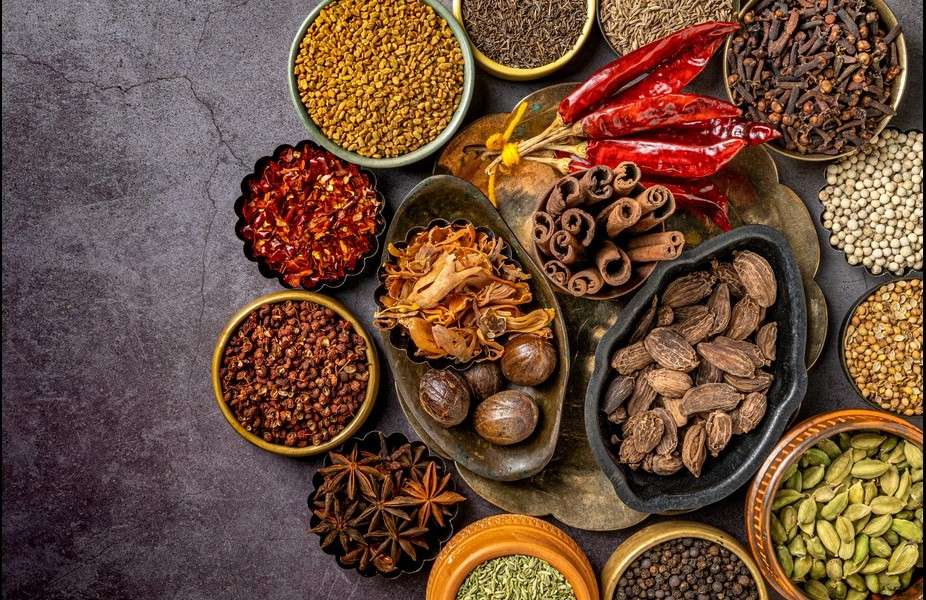
Spices
Fresh Kerala spices including black pepper, cardamom, cinnamon, cloves, nutmeg, and star anise, available at local spice markets.
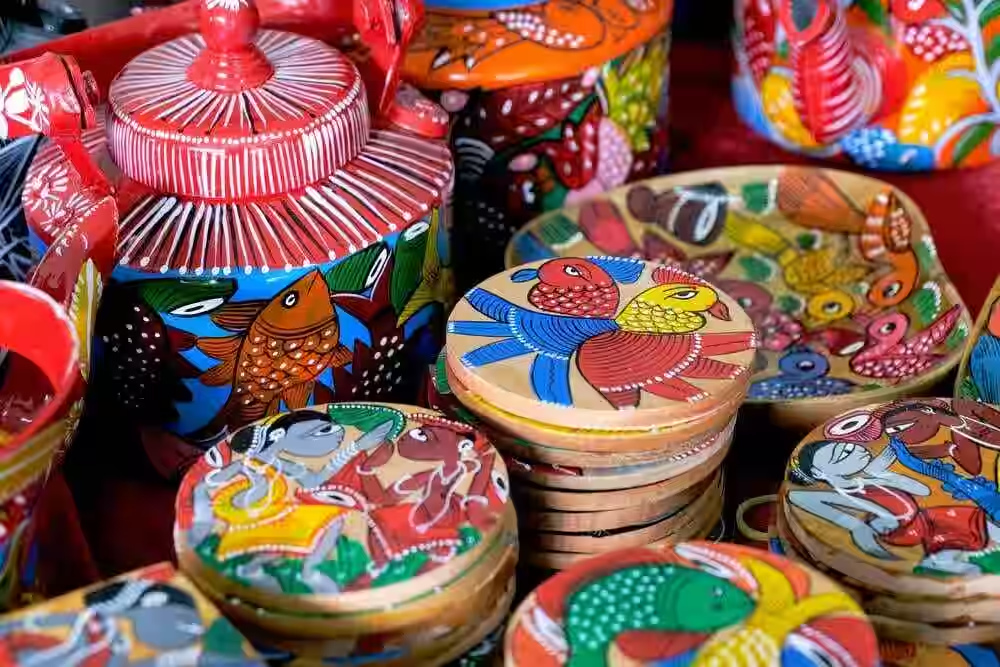
Kerala Handicrafts
Wooden carvings, sandalwood items, brass lamps, traditional masks, and miniature snake boats, available at government emporiums and local shops.

Kerala Cotton Sarees
Lightweight, comfortable cotton sarees with traditional Kasavu borders (golden zari), worn during festivals and weddings.
Tourist's Handbook
The best time to visit Alleppey is from October to February. The winter and post-monsoon months offer pleasant weather with temperatures between 20°C and 30°C, clear skies, calm backwaters, and perfect conditions for houseboat cruises. This is also the peak tourist season, with the famous Nehru Trophy Boat Race held in August. The summer months (March-May) are hot and humid, with temperatures exceeding 35°C, though early morning or late evening cruises are still enjoyable. The monsoon (June-September) brings heavy rainfall, which transforms the backwaters into a lush, green paradise, but some houseboat services may be limited, and boat races are postponed; however, Ayurvedic treatments are highly recommended during this season.
- Always Wear a Life Jacket on Boats – Backwaters can be deep, with strong currents in certain channels; always wear a provided life jacket during shikara rides, canoe trips, or houseboat cruises.
- Avoid Swimming in Backwaters – The water may look inviting but can contain strong currents, hidden debris, and unknown depths; swim only at designated beaches like Alappuzha or Marari.
- Stay Hydrated but Choose Bottled Water – Kerala's tropical climate can be dehydrating; drink only sealed bottled water, especially on houseboats, to avoid stomach issues.
- Use Mosquito Repellent – Backwater regions have mosquitoes, especially during evenings and monsoons; carry repellent, wear long sleeves, and consider using mosquito nets if available.
- Beware of Slippery Houseboat Decks – Houseboat decks can be slippery, especially after rain; walk carefully, use handrails, and avoid running, especially during the night.
- Respect Local Customs at Temples & Churches – Dress modestly (cover shoulders and knees), remove footwear before entering temples, and ask permission before taking photos inside places of worship.
- Book Houseboats Through Licensed Operators – Use only licensed, reputable houseboat operators to ensure safety standards, proper maintenance, and emergency equipment on board.
Alleppey is a well-connected town with several transport options. Auto-rickshaws are the most common and affordable mode for short distances within the town, such as between the railway station, bus stand, and boat jetty; negotiate fares before starting or ask for the meter. Shikaras (small motorized boats) and houseboats are the primary modes for exploring the backwaters, with fixed packages for day cruises or overnight stays available through licensed operators. For visiting nearby attractions like Marari Beach (11 km), Kumarakom (45 km), or Ambalapuzha Temple (15 km), hiring a private taxi for a half-day or full-day trip is the most convenient option. Kerala State Road Transport Corporation (KSRTC) buses connect Alleppey to nearby towns but can be crowded for tourists.
Book Houseboats Through Reputable Operators – Avoid touts offering "last-minute houseboat deals" at the jetty; book through licensed operators with reviews, and confirm the itinerary, meals, and duration in writing.
Negotiate Auto-Rickshaw Fares First – Always agree on the total fare before starting your journey; ask your hotel staff for estimated rates to avoid overcharging, especially from the railway station.
Beware of "Backwater Village Tour" Upsells – Some shikara operators may offer to take you to "village homes" where you'll be pressured into buying overpriced spices, handicrafts, or souvenirs; specify your route in advance.
Don't Fall for "Free" Toddy Tasting Offers – Toddy shops may offer "free tasting" then charge exorbitant prices for the drink or food; agree on prices before ordering, and visit government-licensed toddy shops only.
Check Houseboat Amenities Before Booking – Confirm the number of rooms, air conditioning (AC) hours (many only offer AC from 9 PM to 6 AM), hot water availability, and meals included before paying.
Compare Spice Prices Before Buying – Spices at tourist-oriented shops near the jetty are often inflated; visit local markets in Alleppey town or government-run emporiums for fair prices.
Use Only Licensed Boat Race Ticket Sellers – During Nehru Trophy Boat Race, buy tickets only from official counters; touts selling "VIP access" or "better seats" often sell fake tickets.
Explore Alleppey
Alleppey Blogs
- Kerala Cultural Guide – Venice of the East edition
- Places to visit in Alleppey
- Places to visit nearby Alleppey
- India’s most romantic backwater destination
Recommended articles
- Kerala Cultural Guide – snake boat races and coir crafts special
- Places to visit in Kumarakom
- Places to visit in Marari Beach
- India’s best destinations for a serene getaway