
¤ 11 minutes Read
Nubra Valley Travel Guide – Explore Ladakh's High-Altitude Desert Paradise
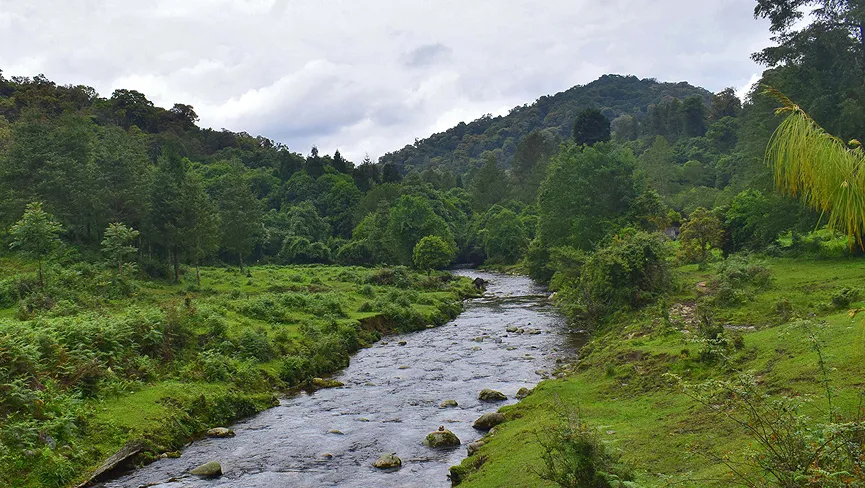
Nestled between the Ladakh and Karakoram mountain ranges, Nubra Valley is one of India’s most extraordinary high-altitude destinations, where golden sand dunes, snow-capped peaks, crystal-clear rivers, ancient monasteries, and picturesque villages create an unforgettable travel experience. Once an important stop on the historic Silk Route, the valley is reached via the legendary Khardung La Pass and is famous for its unique double-humped Bactrian camels at Hunder Sand Dunes, the magnificent Diskit Monastery with its towering Maitreya Buddha statue, the charming border village of Turtuk, the relaxing Panamik Hot Springs, and the scenic confluence of the Shyok and Nubra rivers. Whether you’re planning an adventurous road trip, a photography expedition, a cultural journey, or a peaceful escape into the Himalayas, this travel guide covers everything you need to know, including the best places to visit, things to do, Inner Line Permit requirements, the best time to visit, travel tips, and nearby attractions. Visitors are advised to spend at least 48 hours acclimatizing in Leh before travelling to Nubra Valley due to the high altitude.
Must-Visit Attractions in Nubra Valley

Hunder Sand Dunes
Offer a desert landscape surrounded by snow-capped mountains. Visitors can enjoy camel rides on rare double-humped camels and stunning sunset views.
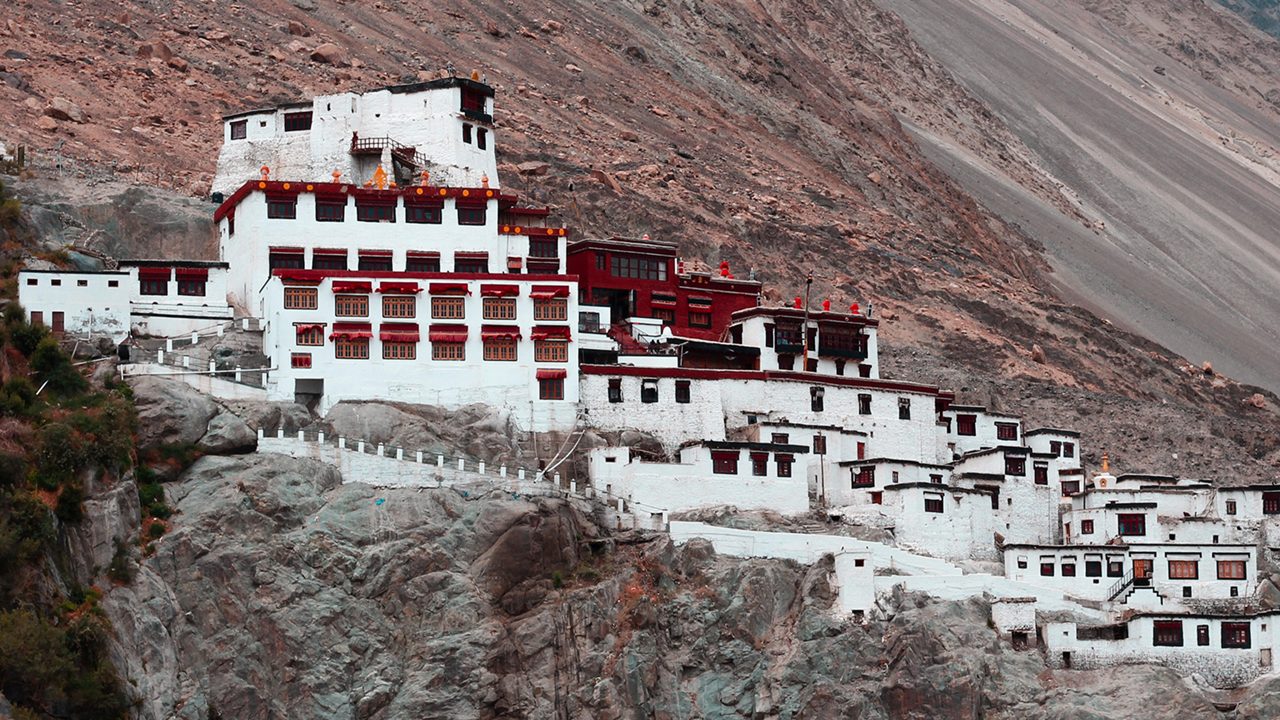
Diskit Monastery
This is the oldest and largest monastery in Nubra Valley. It is known for its giant Maitreya Buddha statue and peaceful spiritual atmosphere.
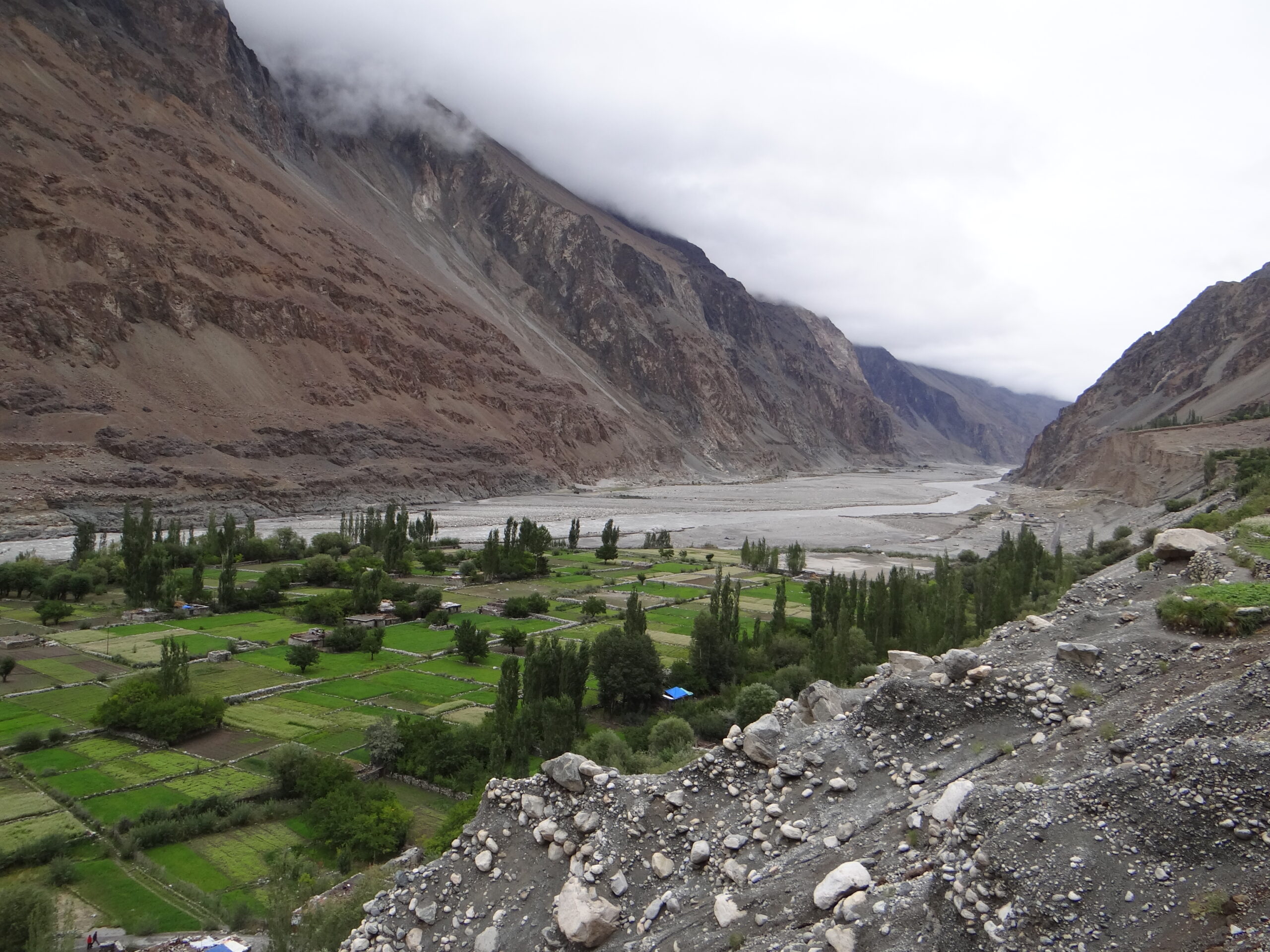
Turtuk
A beautiful village near the India-Pakistan border. It offers a glimpse into Balti culture, along with scenic views and traditional lifestyle.
Panamik Hot Springs
Known for their natural sulfur water, believed to have healing properties. Moreover, the surrounding mountain views make it a relaxing spot.
Major Attractions Nearby Nubra Valley
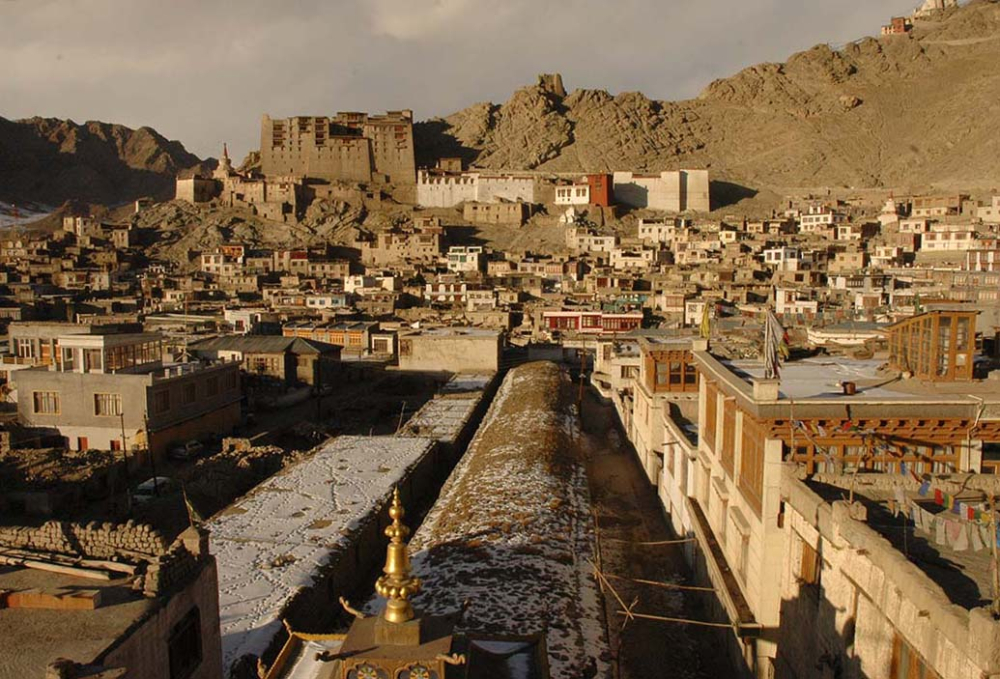
Leh
The main hub of Ladakh and a popular base for exploring nearby regions. It offers monasteries, markets, and stunning mountain views.
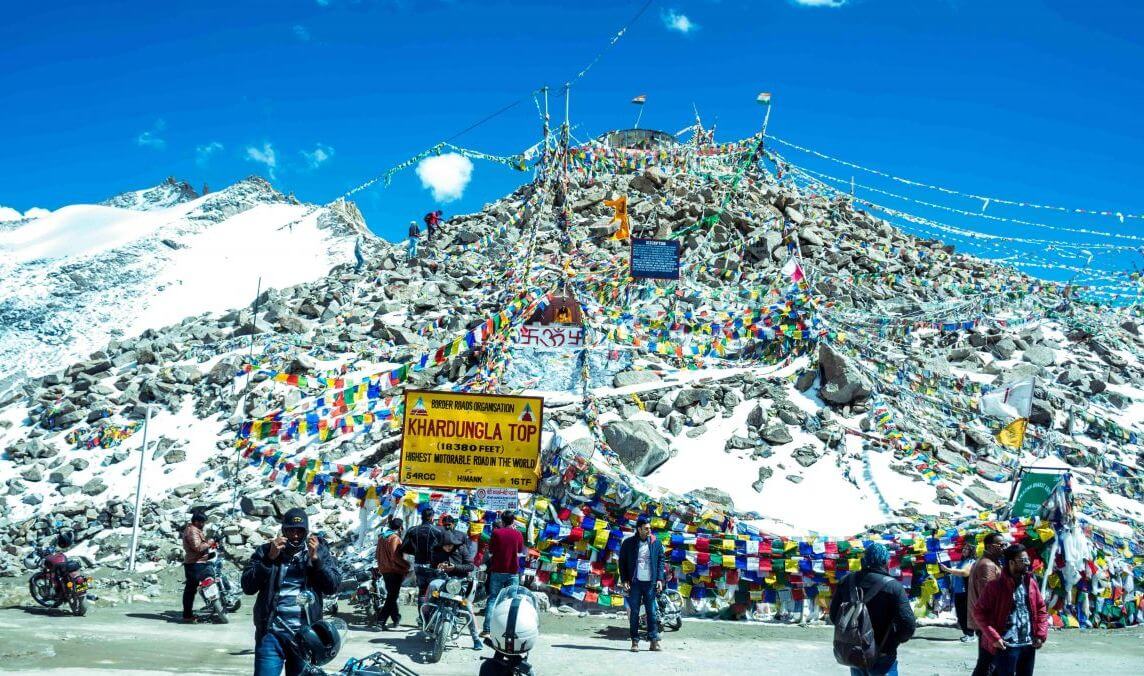
Khardung La
One of the highest motorable passes in the world. It offers breathtaking views and serves as the gateway to Nubra Valley.
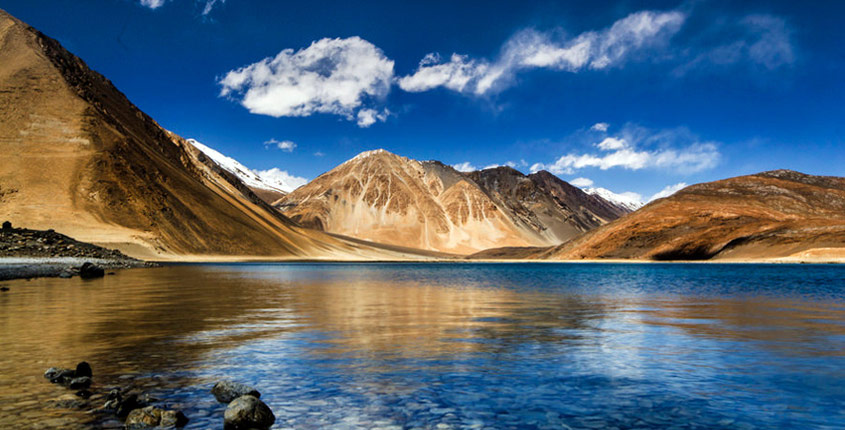
Pangong Lake
A famous high-altitude lake known for its changing shades of blue. The beauty and peaceful surroundings make it a top attraction.
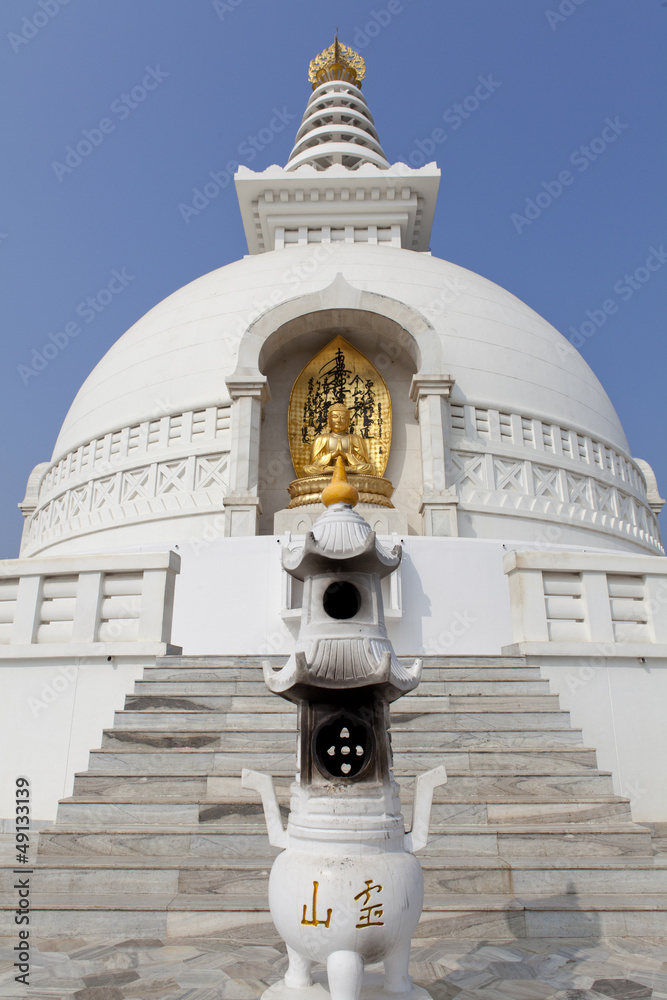
Shanti Stupa
A white-domed Buddhist monument offering panoramic views of Leh city. It is a peaceful place ideal for meditation and photography.
Things to do in Nubra Valley
Experience the raw beauty of Nubra Valley, where adventure, culture, and unique landscapes come together. From desert activities to monastery visits, the valley offers a truly memorable journey.
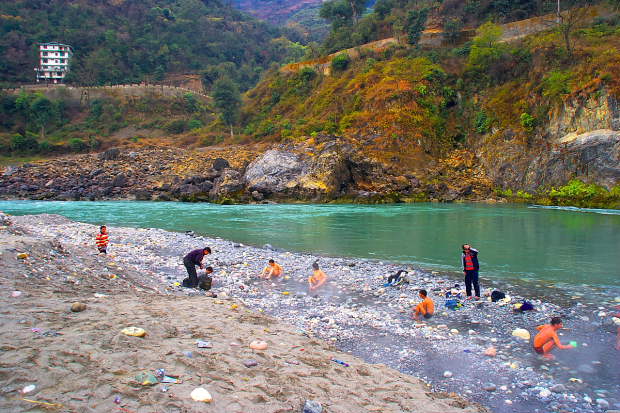
Relax at Panamik Hot Springs
Take a break and enjoy the natural hot springs known for their soothing properties. It is perfect for relaxation after a long journey.

Try Camping Under the Stars
Stay in camps near sand dunes and enjoy clear night skies. Moreover, stargazing in Nubra Valley is a magical experience.

Enjoy Local Ladakhi Cuisine
Taste traditional dishes and local flavors during your stay. This adds a cultural touch to your travel experience.
Visit Diskit Monastery
Explore this ancient monastery and witness the giant Maitreya Buddha statue. In addition, the peaceful atmosphere offers a spiritual experience.
The Performing Art of Nubra Valley
Nubra Valley showcases a rich blend of traditional performing arts rooted in the culture of Ladakh. The region is known for its vibrant folk dances and music, often performed during festivals and monastery celebrations. These performances reflect spiritual themes, local stories, and community life. Moreover, masked dances performed in monasteries, especially during festivals, are a key highlight. They combine music, colorful costumes, and symbolic movements. In addition, traditional instruments like drums and horns enhance the overall experience. Overall, Nubra Valley’s performing arts offer a unique glimpse into its cultural and spiritual heritage.
Lama Mani Songs
Chhoskar Songs
Folk Wedding Songs
The music of Nubra Valley is deeply rooted in the traditions of Ladakh. Folk songs are often slow, melodic, and spiritual, reflecting themes of nature, daily life, and devotion. Moreover, these songs are commonly performed during festivals, weddings, and monastery events.
Cham Dance
Shondol Dance
Jabro Dance
The dance traditions of Nubra Valley reflect the rich cultural and spiritual heritage of Ladakh. One of the most important forms is the Cham Dance, a masked ritual performed in monasteries during festivals. It represents the victory of good over evil and is accompanied by traditional music and chants.
City Vibes - Timeless Charm
Nubra Valley offers a timeless charm with its dramatic landscapes and peaceful surroundings. The contrast of cold deserts, rivers, and snow-capped mountains creates a truly unique vibe. Moreover, the slow-paced lifestyle and quiet villages make it feel calm and untouched.
The region is far from busy city life, allowing visitors to relax and connect with nature. Whether you are exploring monasteries or enjoying starry nights, Nubra Valley provides a serene and unforgettable experience.
Heritage of Nubra Valley
Nubra Valley has a rich heritage shaped by its history as part of the ancient Silk Route. Traders once passed through this region, connecting India with Central Asia, which brought cultural diversity and exchange. Moreover, the valley’s heritage is deeply influenced by Tibetan Buddhism, visible in monasteries like Diskit Monastery. Traditional villages such as Turtuk also reflect unique Balti culture and customs. Overall, Nubra Valley’s heritage is a blend of history, spirituality, and local traditions.
Cuisine of Nubra Valley
Nubra Valley is a paradise for food lovers, offering a variety of traditional delights.

Thukpa
A warm noodle soup made with vegetables or meat, perfect for the cold climate. It is simple, nutritious, and widely enjoyed in the region.

Momos
Steamed dumplings filled with vegetables or meat. Moreover, they are a popular snack and are served with spicy chutney.
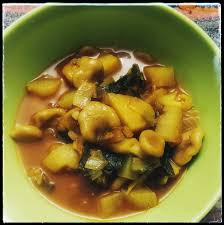
Skyu
A traditional Ladakhi dish made with handmade wheat pasta and vegetables. It is hearty and provides warmth in high-altitude conditions.

Butter Tea
Also known as gur-gur chai, is made with tea, butter, and salt. It helps keep the body warm and energized in cold weather.
Shopping in Nubra Valley
Shopping in Nubra Valley is simple and focused on traditional, locally made items. It is more about picking up unique cultural souvenirs than large-scale shopping.

Pashmina Wool Products
Shawls and scarves made from fine pashmina wool. Moreover, these are warm, soft, and represent Ladakh’s traditional craftsmanship.
Tibetan Handicrafts
Items like prayer wheels, wall hangings, and small decorative pieces reflect Buddhist culture. Therefore, they are meaningful and artistic keepsakes.

Apricot-Based Products
Nubra is known for apricots, so you can buy dried apricots, jams, and oils. These products are natural and unique to the region.

Traditional Jewelry
Simple yet beautiful jewelry with stones and beads is available. Moreover, these pieces reflect local style and culture.
Tourist's Handbook
The best time to visit Nubra Valley is from May to September, when the weather is relatively mild and roads are accessible. During these months, temperatures are comfortable for sightseeing, camping, and exploring sand dunes and monasteries. Summer (June to August) is ideal for outdoor activities and visiting places like Hunder Sand Dunes. Moreover, the skies are clear, offering stunning views of the surrounding mountains. However, winter (October to April) is extremely cold with heavy snowfall, and many routes may be closed. Therefore, travel during this period can be challenging.
Acclimatize Properly – Nubra Valley is at high altitude; spend time in Leh before visiting to avoid altitude sickness.
Stay Hydrated and Eat Light – Drink plenty of water and avoid heavy meals to help your body adjust to the altitude.
Carry Warm Clothing – Weather can change quickly, even in summer; always keep layers, gloves, and jackets.
Drive Carefully on Mountain Roads – Roads via Khardung La are steep and challenging; drive slowly and avoid night travel.
Keep Permits and Essentials Ready – Carry valid permits, ID proof, and basic medicines, as facilities are limited in remote areas.
Getting around Nubra Valley involves scenic but challenging mountain travel, so planning ahead is important. Most visitors travel by road from Leh via Khardung La, which offers breathtaking views. Private taxis are the most common and reliable option for exploring the valley. For flexibility, you can also rent bikes, which are popular among adventure travelers. However, public transport is limited, so it’s best to arrange your travel in advance.
Overpriced Taxi Charges – Always agree on fares in advance when hiring taxis in Nubra Valley, especially for routes from Leh.
Fake Permit Assistance – Some agents may charge extra for arranging Inner Line Permits; use official portals or trusted hotels.
Overcharging at Camps – Desert camps near Hunder Sand Dunes may add hidden costs; confirm inclusions like meals and activities beforehand.
Rental Bike Issues – Inspect bikes carefully before renting and avoid paying full amounts upfront without proper documentation.
Fake Guides or Services – Avoid unsolicited guides at monasteries like Diskit Monastery; choose verified or hotel-recommended services.
Explore Ladakh

Varanasi Blogs
- Uttar Pradesh Cultural guide
- Places to visit in Varanasi
- Places to visit nearby Varanasi
- India’s most popular destination
- India’s archaeological marvels
Recommended articles
- Uttar Pradesh Cultural guide
- Places to visit in Varanasi
- Places to visit nearby Varanasi
- India’s most popular destination