
¤ 10+ minutes Read
Dawki Travel Guide – Explore Meghalaya's Crystal-Clear River Paradise
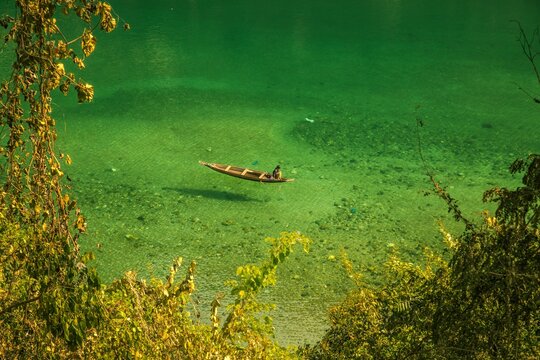
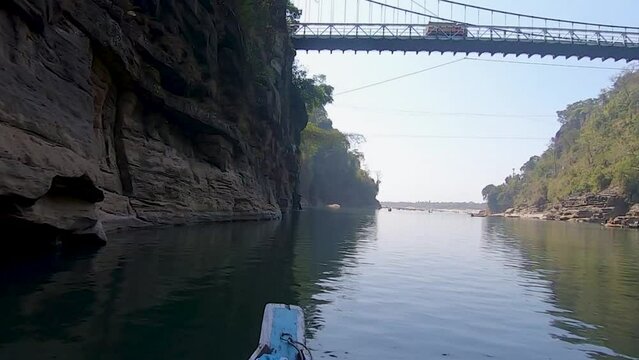
Nestled along the India–Bangladesh border in Meghalaya’s West Jaintia Hills, Dawki is one of Northeast India’s most breathtaking destinations, famed for the crystal-clear waters of the Umngot River, where boats appear to float on air during the winter months. Surrounded by emerald hills and lush forests, this charming border town offers unforgettable experiences, from scenic boat rides and kayaking to riverside camping and cliff jumping in nearby Shnongpdeng. Visitors can also explore the historic Dawki Suspension Bridge, witness the bustling international border crossing with Bangladesh, and enjoy panoramic views of the surrounding valleys. Whether you’re planning a nature escape, an adventure trip, a photography expedition, or a road trip through Meghalaya, this travel guide covers everything you need to know, including the best places to visit, things to do, the best time to visit, travel tips, and nearby attractions. For the famous glass-like river views, the ideal time to visit is November to April, when the Umngot River is at its clearest.
Must-Visit Attractions in Dawki
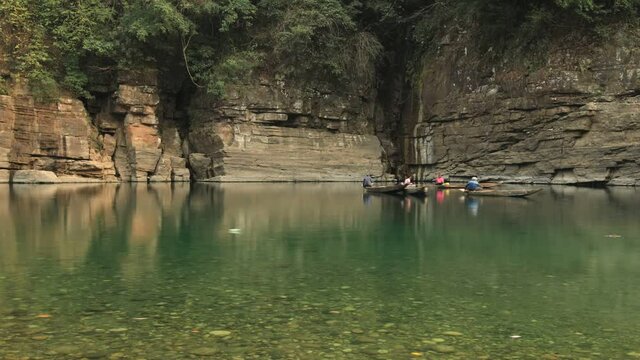
Umngot River
The clearest river in Asia with crystal-clear turquoise waters where boats appear to float on air, offering spectacular boating and photography.
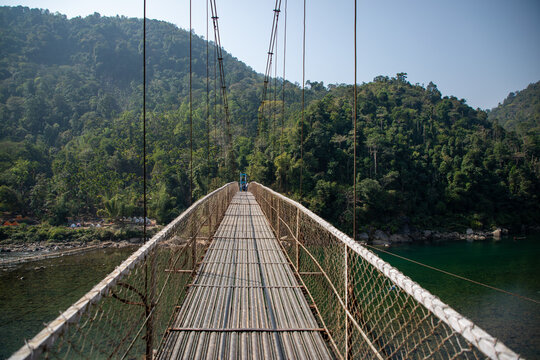
Dawki Suspension Bridge
A historic bridge built by the British in 1932 spanning the Umngot River, serving as a vital trade route with stunning river views.
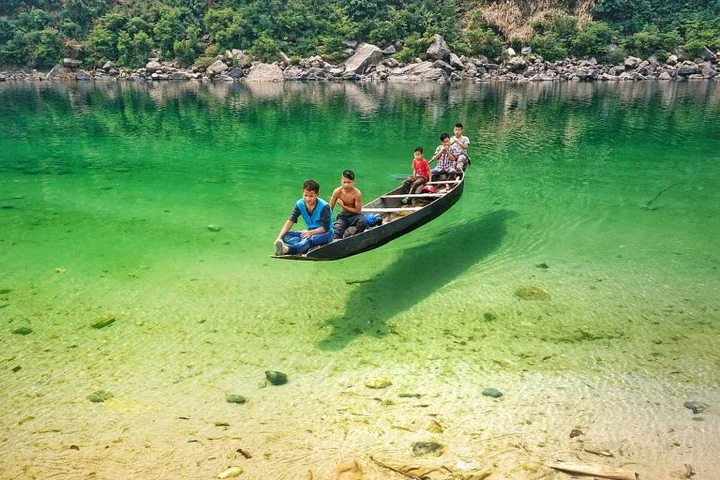
Shnongpdeng
A picturesque village about 10 km from Dawki, known as an adventure sports hub offering camping, kayaking, zip-lining, and snorkeling.
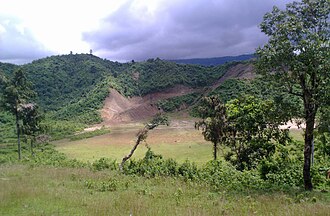
India-Bangladesh Border
The international border crossing point where visitors can see the border gate, watch guard ceremonies, and shop for imported goods.
Major Attractions Nearby Dawki
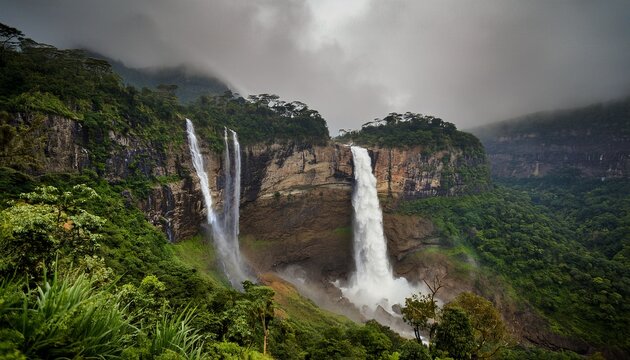
Cherrapunji
One of the wettest places on Earth, home to Nohkalikai Falls, Mawsmai Cave, and iconic living root bridges, about 80 km away.
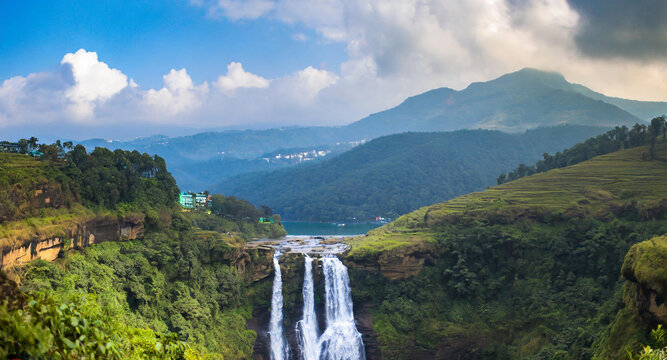
Shillong
The capital city of Meghalaya featuring Ward’s Lake, Elephant Falls, Don Bosco Museum, and vibrant Police Bazaar, about 85 km away.
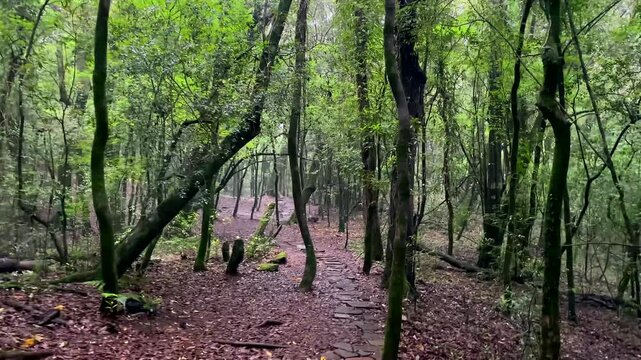
Mawphlang Sacred Forest
An ancient forest sacred to the Khasi tribe, featuring unique biodiversity, ancient monoliths, and guided nature walks, about 70 km away.
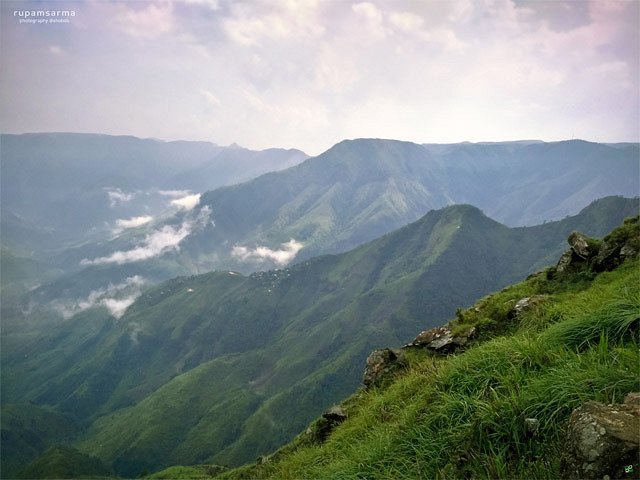
Laitlum Canyons
Stunning canyons offering breathtaking panoramic views of surrounding hills, valleys, and winding rivers, situated about 75 km away.
Things to do in Dawki
Experience the spiritual, cultural, and historical essence of the city. From attending the Ganga Aarti to exploring ancient lanes, the city offers a soulful journey.
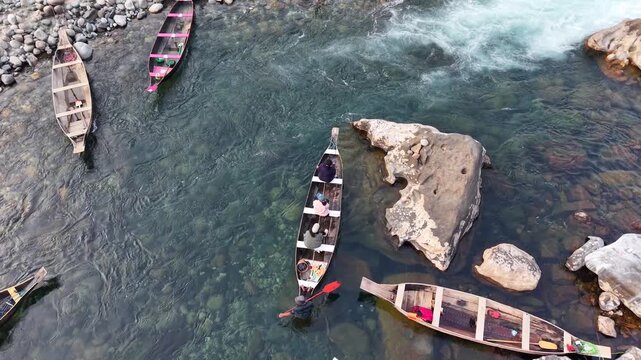
Boat on the Crystal-Clear Umngot River
Rent a rowboat or motorboat to glide across transparent waters where the riverbed is visible even at depths of 100 feet.
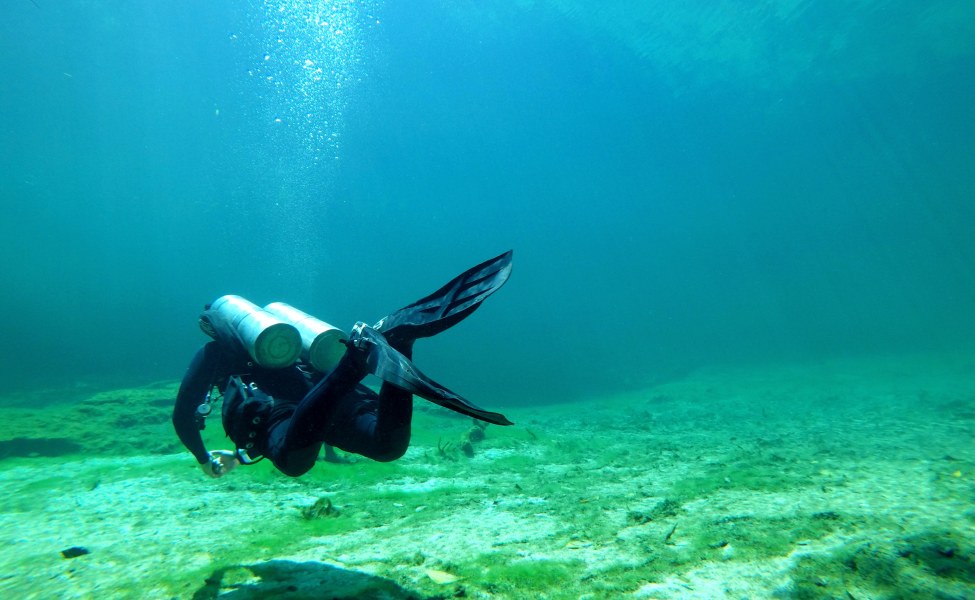
Snorkel or Swim at Shnongpdeng
Experience snorkeling in crystal-clear waters, spotting fish swimming beneath you as if in an aquarium at Shnongpdeng.
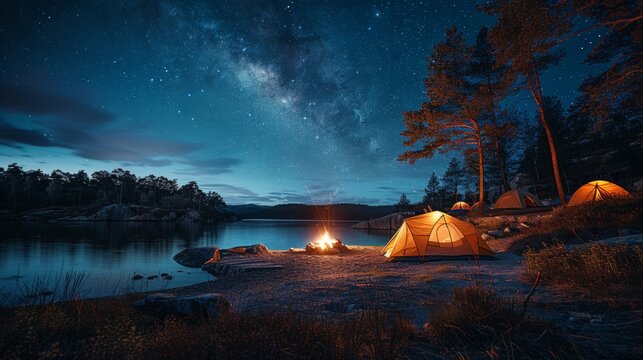
Camp Overnight by the Riverside
Set up a tent at Shnongpdeng, enjoy a bonfire and barbecue dinner, and sleep under a canopy of stars.
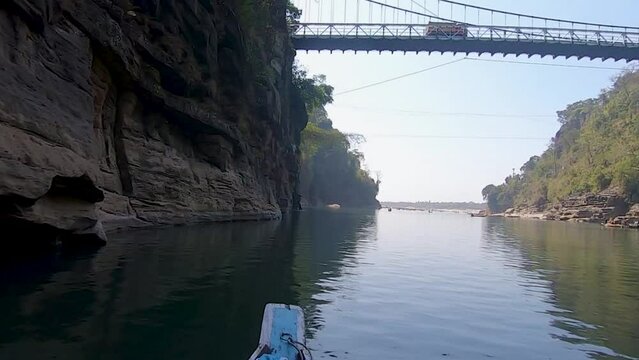
Photograph the Dawki Suspension Bridge
Capture stunning photos of the historic bridge during golden hour when light reflects off the turquoise water below.
The Performing Art of Dawki
A vibrant hub for performing arts, deeply rooted in the indigenous traditions of the Khasi and Pnar (Jaintia) tribes of Meghalaya. The region has a rich tradition in folk music, dance, and ritualistic performances, with local artists and performers drawing inspiration from the pristine natural beauty of the Umngot River and the surrounding hills. Traditional music forms like Phawar (narrative folk singing) and Khniam (Jaintia vocal style), featuring instruments like the ka bom (drum), ka shaw (bamboo flute), and ka tangmuri (traditional pipe), are deeply embedded in the community’s cultural identity. Shad Suk Mynsiem and Laho dance forms also flourish here, often performed during the spring festival and the annual Behdeinkhlam celebration, embodying the spiritual essence and joyful spirit of the Khasi-Jaintia people. The region’s connection with music and dance continues to inspire generations, preserving its unique artistic legacy.
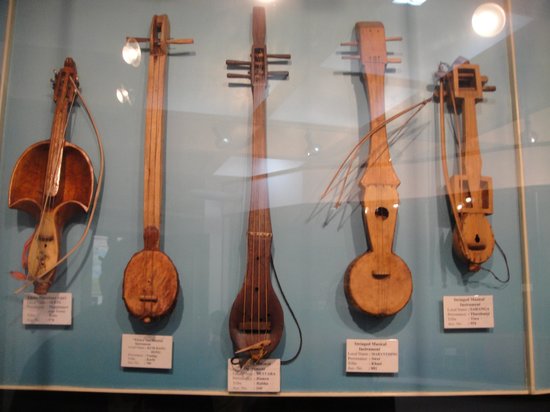
Khasi Folk Music

Jaintia Folk Songs
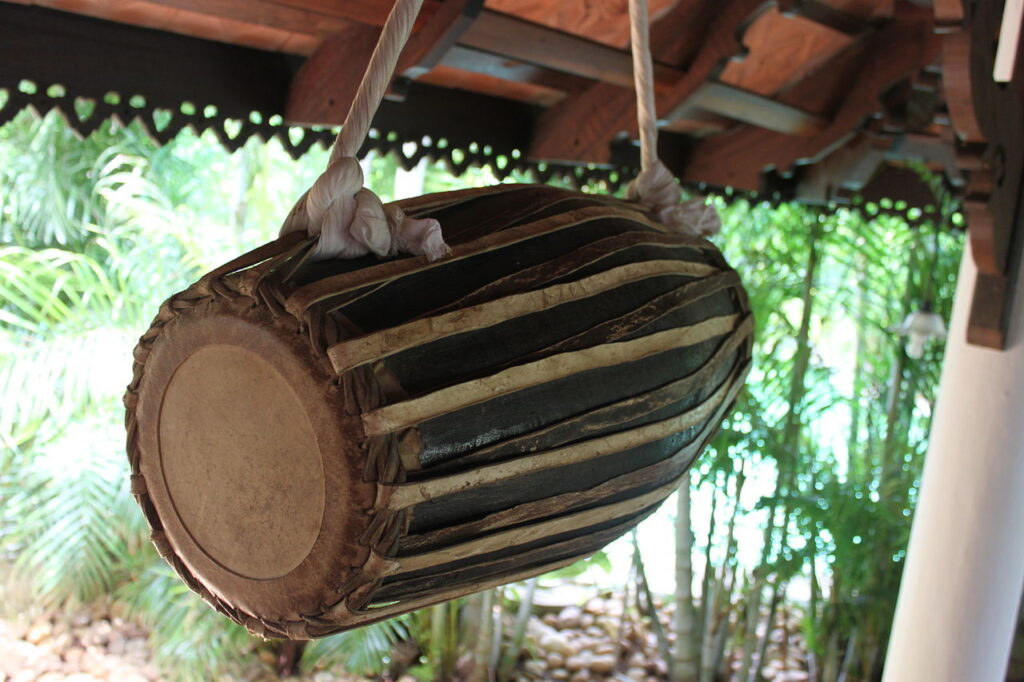
Shad Suk Mynsiem
The region is a major center for traditional Khasi and Pnar folk music, with iconic forms like Phawar and Khniam shaping its cultural identity. The soulful, poetic melodies of Phawar, often accompanied by the ka bom (drum) and ka shaw (bamboo flute), tell ancient stories of love, nature, and tribal legends passed down through generations. Folk music, including the rhythmic beats played during the Behdeinkhlam festival and the spring celebrations of Shad Suk Mynsiem, reflects the deep spiritual connection of the Khasi-Jaintia people to their land and ancestors.
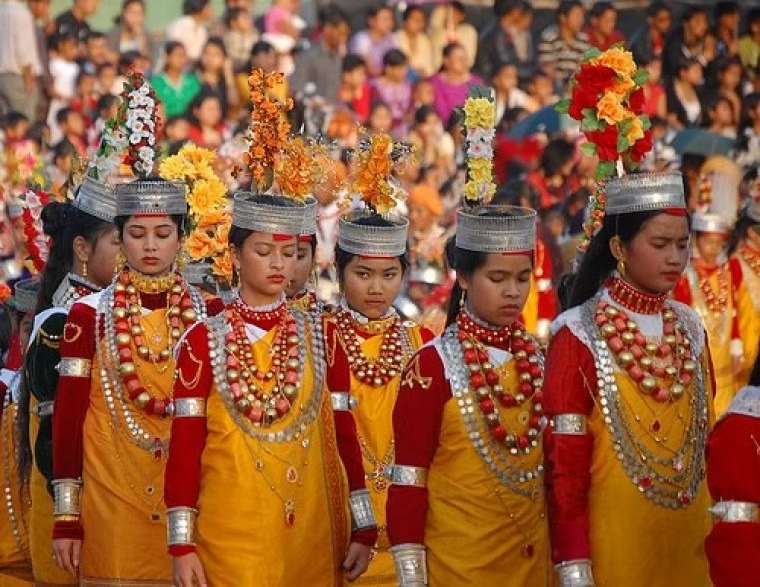
Shad Suk Mynsiem
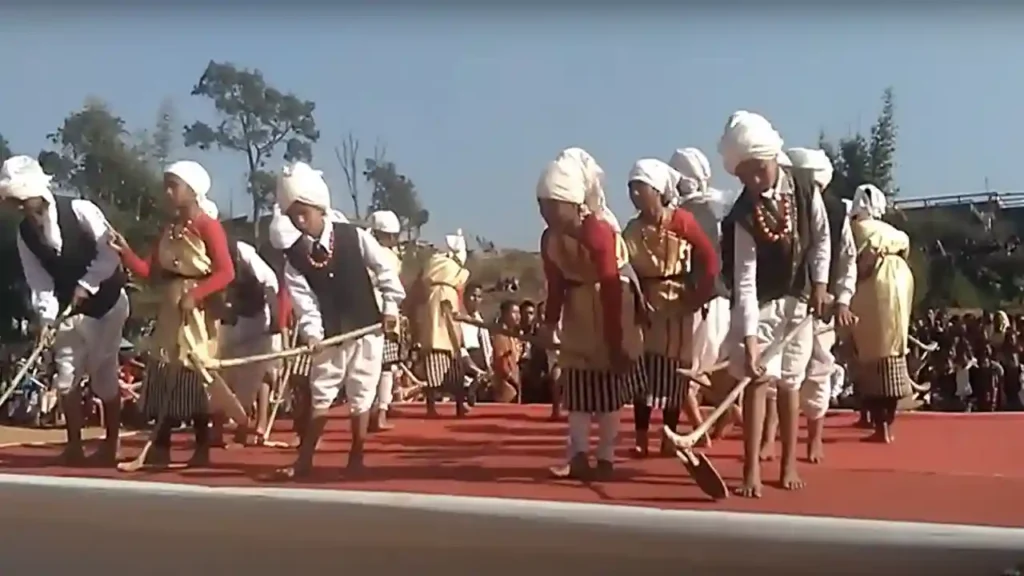
Laho Dance
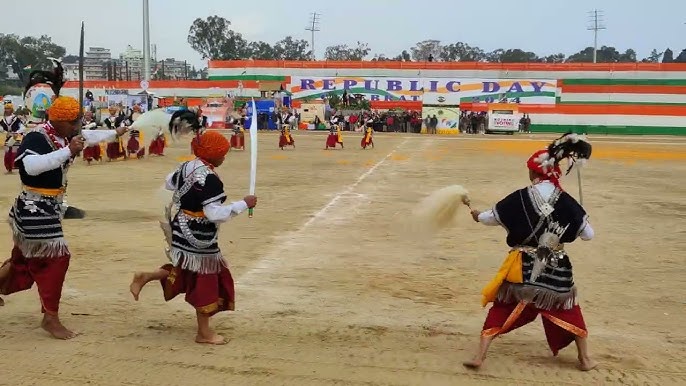
Shad Mastieh
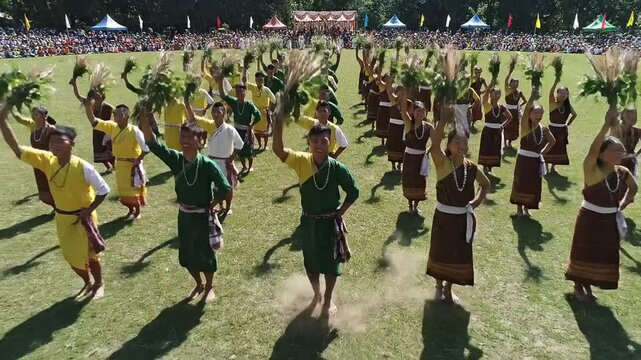
The region is a major center for traditional Khasi and Pnar folk dance, with iconic forms like Shad Suk Mynsiem and Laho shaping its cultural identity. The graceful, circular movements of Shad Suk Mynsiem, performed by young men and women in traditional silk attire during the spring festival, embody the joyful heart and gratitude of the Khasi people. Folk dances, including the rhythmic Laho dance of the Pnar tribe performed during Behdeinkhlam and the lively Shad Mastieh at weddings, tell stories of harvest celebrations, tribal unity, and the triumph of good over evil.
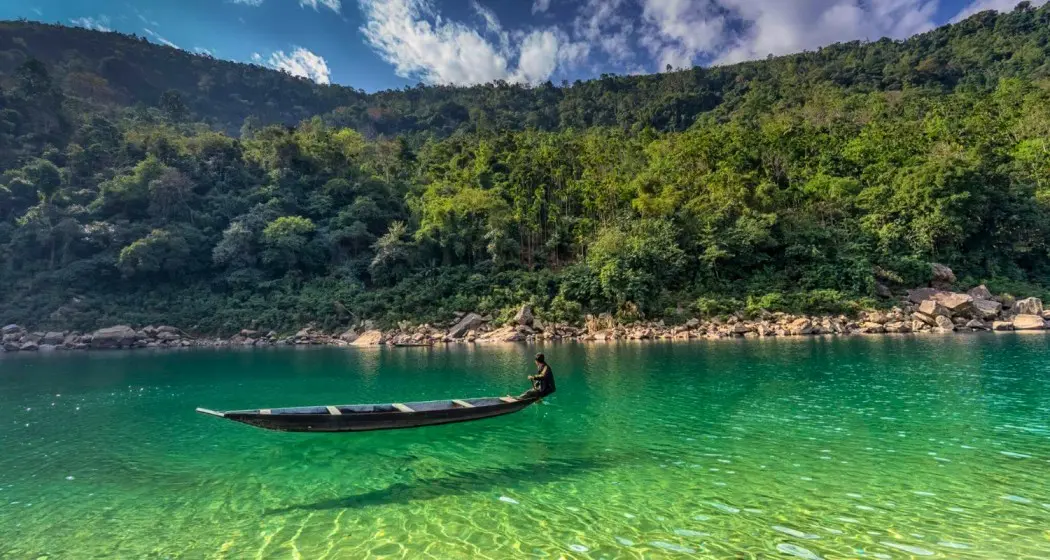
City Vibes - Pristine Beauty at the Border
Dawki exudes a quiet, untouched charm that feels worlds away from urban chaos. The town itself is small and unassuming, with the mighty Umngot River as its beating heart. The water is so clear that it seems almost unreal, with boats floating above a visible riverbed of stones and fish. The air is fresh and cool, surrounded by rolling green hills and dense forests. The local Khasi and Pnar communities are warm and welcoming, living simple lives centered around fishing, farming, and cross-border trade. It is a destination for those seeking raw, unspoiled nature, adventure, and a glimpse into the unique culture of Meghalaya’s borderlands.
Heritage of Dawki
Dawki’s heritage is shaped by its strategic location on the India-Bangladesh border and its deep roots in Khasi and Pnar tribal culture. The Dawki Suspension Bridge, built by the British in 1932, stands as a testament to colonial engineering and continues to serve as a vital trade link between the two nations. The region is home to the Pnar (Jaintia) tribe, one of the major sub-tribes of the Hynniewtrep people, who have inhabited these hills for centuries with a rich oral tradition, matrilineal social structure, and unique indigenous governance systems. The annual Behdeinkhlam festival, celebrated in nearby Jowai, is a UNESCO-recognized intangible cultural heritage, featuring colorful processions, music, dance, and the symbolic driving away of evil spirits.
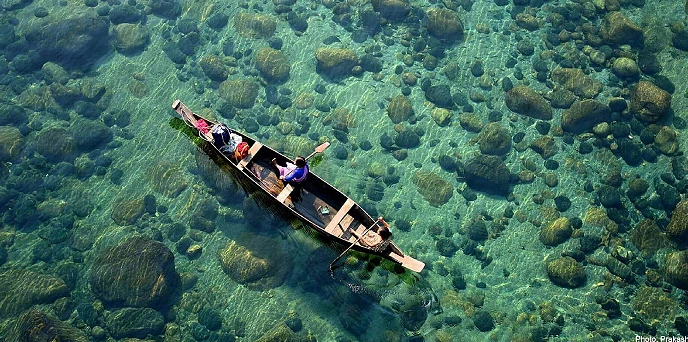
Cuisine of Dawki
The cuisine of Dawki is traditional Khasi and Pnar food, known for its simplicity, minimal use of oil, and generous use of locally sourced ingredients like pork, fish, bamboo shoots, and fermented soybean.

Jadoh
A signature Khasi dish, this is a fragrant rice and pork pilaf cooked with generous amounts of ginger, garlic, black sesame seeds, and local spices, served as a staple meal.
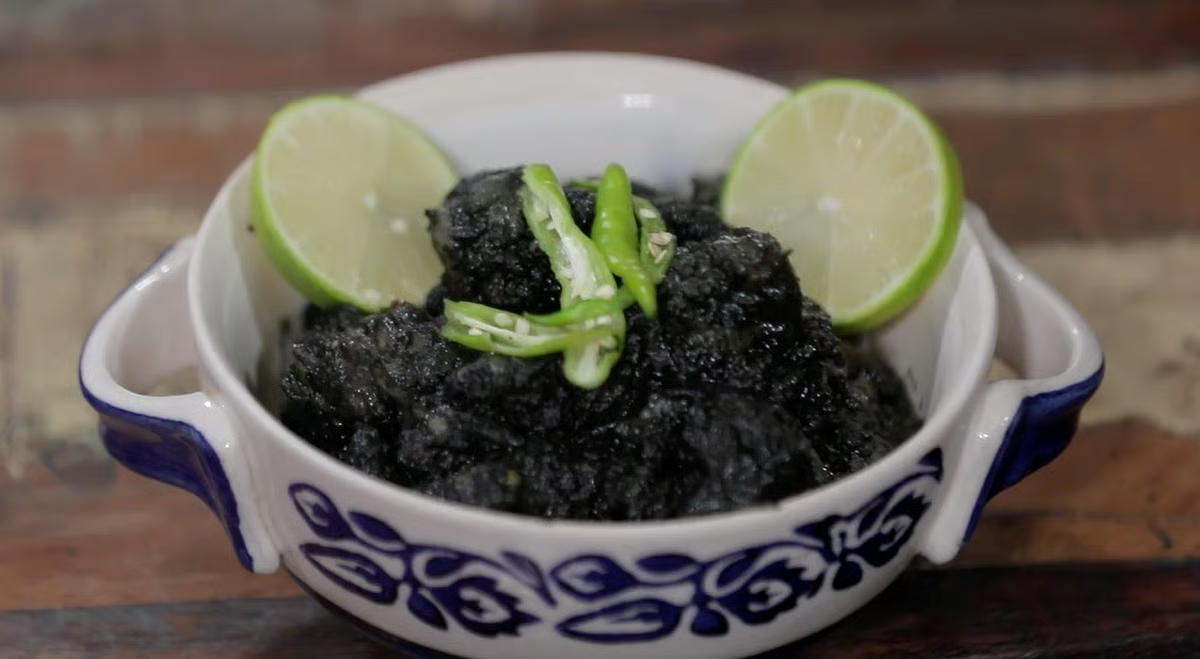
Dohneiiong
A rich, slow-cooked pork curry made with black sesame seed paste, ginger, garlic, and chilies, offering a distinct, nutty, and slightly earthy flavor.
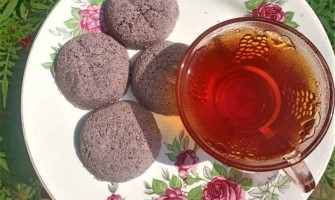
Pumaloi
A steamed rice cake made from rice flour, served as a breakfast item or snack, eaten with chutney, curry, or simply with sugar and ghee.
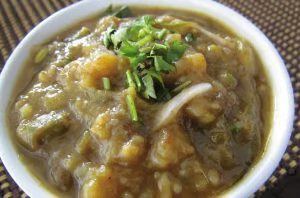
Nakham Bitchi
A tangy, spicy soup made from dried fish cooked with roasted tomatoes, chilies, and herbs, served as a palate cleanser or light appetizer.
Shopping in Dawki
Shopping in Dawki is limited but offers unique cross-border products and local tribal handicrafts that reflect the region’s culture.

Imported Goods
Perfumes, cosmetics, chocolates, biscuits, and fabrics imported from Bangladesh, available at small shops near the Tamabil border crossing.
Khasi Traditional Attire
Colorful traditional shawls, scarves, and fabrics woven by local Khasi and Pnar women, featuring traditional geometric patterns.
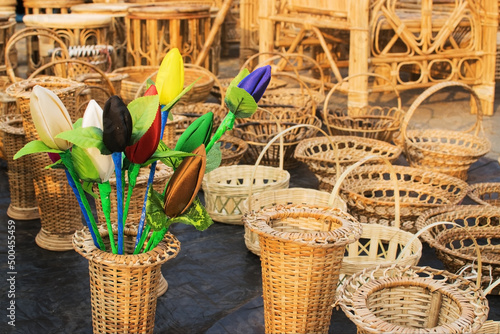
Bamboo & Cane Products
Handcrafted baskets, trays, mats, and decorative items made from locally sourced bamboo and cane, sold by village artisans.

Local Honey
Pure, forest-sourced honey collected from beehives in the surrounding hills, known for its dark color and rich medicinal properties.
Tourist's Handbook
The best time to visit Dawki is from October to April. The winter and post-monsoon months offer pleasant weather with temperatures between 10°C and 25°C, clear skies, and the iconic crystal-clear visibility of the Umngot River, making it ideal for boating, snorkeling, and sightseeing. The summer months (May-June) are warm but bearable, with temperatures reaching 30°C, though occasional pre-monsoon showers can affect visibility. The monsoon (July-September) brings extremely heavy rainfall, as Meghalaya is one of the wettest places on Earth; the river becomes muddy and swollen, boating is often suspended, and roads are prone to landslides, making this the least recommended time to visit.
- Always Wear a Life Jacket on Boats – The Umngot River can be deep, with strong currents in certain sections; always wear a provided life jacket during boat rides, even if you are a strong swimmer.
- Avoid Swimming in Unmarked Areas – Swim only at designated spots like Shnongpdeng; the riverbed can be slippery, and unseen currents may exist in deeper sections.
- Carry Your Own Bottled Water & Food – Dawki has limited restaurants and shops; pack sufficient sealed bottled water and snacks for day trips, especially if heading to remote waterfalls or villages.
- Wear Non-Slip Footwear for River Activities – Riverbanks and boat embarkation points can be slippery with wet rocks; wear water shoes or sturdy sandals with good grip.
- Check Weather Before Traveling – Avoid visiting during monsoon (July-September) as roads become prone to landslides, river visibility drops, and boating is often suspended for safety.
- Respect Local Customs in Villages – When visiting Mawlynnong or other Khasi villages, ask permission before taking photos of locals or their homes, and remove footwear before entering traditional houses.
- Keep Passport or ID Proof Handy – Dawki is a border town; carry a government-issued ID proof (Aadhaar, driver's license, or passport) as there may be occasional checks by border security forces.
Dawki is a small border town best explored by private vehicle, as public transport is limited and infrequent. The main attractions—Umngot River, Dawki Bridge, and Shnongpdeng—are spread along the riverbanks, accessible by road. Hiring a private taxi from Shillong (85 km) or from Dawki town for a full-day trip is the most convenient option. For visiting nearby attractions like Mawlynnong (35 km), Krang Suri Falls (50 km), or Jowai (45 km), a private taxi is essential, as local buses are rare and unreliable. Within Dawki town, walking is sufficient for short distances, and local guides can be hired for boat rides and village visits.
Negotiate Boat Ride Prices First – Always agree on the total fare and duration before boarding a boat at Umngot River or Shnongpdeng; confirm whether the price includes a guide or life jackets.
Beware of Unauthorized "Border Tour" Guides – Some locals may offer to take you closer to the India-Bangladesh border for a fee; only visit the official Tamabil viewing point, as unauthorized access is restricted by security forces.
Check Homestay Amenities Before Booking – Many accommodations in and around Dawki are basic homestays; confirm hot water availability, electricity backup, and food arrangements before paying.
Don't Pay for Village Entry Without Confirmation – Mawlynnong village may have a small voluntary donation or parking fee; ask for an official receipt or check with the village council before paying anyone claiming to collect an entry fee.
Compare Souvenir Prices at the Border – Imported goods at Tamabil may be priced higher for tourists; compare prices at two or three shops before purchasing perfumes, chocolates, or cosmetics.
Avoid Unsolicited "Waterfall Guide" Offers – At Krang Suri Falls, self-appointed guides may offer to show you around for a fee; the waterfall is easily accessible, and no guide is necessary for basic exploration.
Confirm Camping Package Inclusions – If booking a camping package at Shnongpdeng, confirm in writing what is included (tent, sleeping bag, meals, bonfire, activities) to avoid hidden charges later.
Explore Dawki
Dawki Blogs
-
Places to visit in Dawki
-
Places to visit nearby Dawki
-
India’s most crystal-clear river destination
-
Meghalaya’s border town adventure hub
Recommended articles
-
Meghalaya Cultural Guide – living root bridges and clean villages special
-
Places to visit in Shnongpdeng
-
Places to visit in Mawlynnong
-
India’s best offbeat destinations for nature lovers