A vibrant hub for performing arts, deeply rooted in the rich cultural traditions of the Mewat region and the royal patronage of the Alwar court. The city has a rich tradition in classical music, dance, and folk theater, with world-renowned artists and performers drawing inspiration from the divine ambiance of its temples, palaces, and the rugged Aravalli landscape. Classical music forms like Hindustani classical, particularly the celebrated Mewati Gharana founded by the legendary vocalist Pandit Jasraj, are deeply rooted in the city’s cultural identity. Kathak dance and vibrant folk dances like the energetic Bamrasia, often performed during festivals like Holi, embody the joyous and devotional spirit of Alwar. The city’s connection with music, dance, and folk traditions continues to inspire generations, preserving its royal and folk artistic legacy.

¤ 10+ minutes Read
Alwar Travel Guide – Explore Rajasthan's Gateway of Forts, Wildlife & Heritage
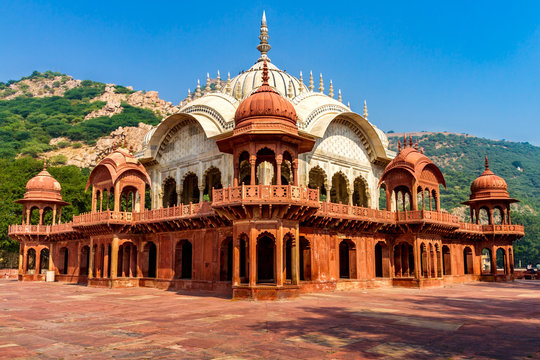
Nestled amidst the rugged Aravalli Hills, Alwar is one of Rajasthan’s oldest and most captivating destinations, where majestic forts, royal palaces, serene lakes, dense forests, and centuries of history come together to create an unforgettable travel experience. Often called the Gateway to Rajasthan, Alwar is renowned for iconic attractions such as the magnificent Bala Quila (Alwar Fort), the elegant City Palace and Government Museum, the picturesque Siliserh Lake, and the wildlife-rich Sariska Tiger Reserve, home to Bengal tigers, leopards, and diverse birdlife. The city also serves as the gateway to nearby attractions including Bhangarh Fort, Neemrana Fort Palace, and the sacred Pandupol Hanuman Temple. Whether you’re planning a heritage tour, a wildlife safari, a weekend getaway from Delhi or Jaipur, or a cultural road trip through Rajasthan, this travel guide covers everything you need to know, including the best places to visit, things to do, the best time to visit, travel tips, and nearby attractions. The ideal time to visit is October to March, when the weather is pleasant for sightseeing and outdoor adventures.
Must-Visit Attractions in Alwar
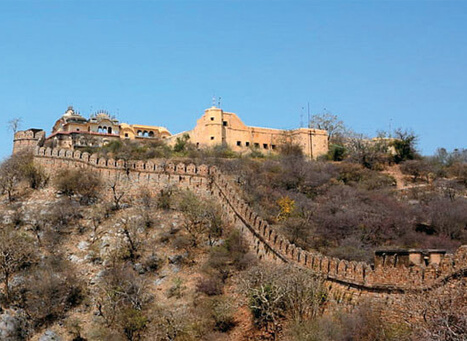
Bala Quila
One of Rajasthan’s oldest forts perched on a 300-meter hill, stretching 5 kilometers with six majestic gates and panoramic city views.
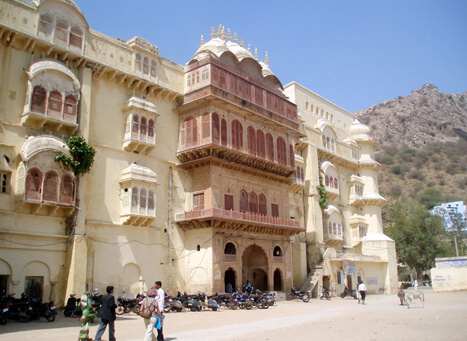
City Palace
An 18th-century blend of Rajput and Mughal architecture featuring carved arches, mirror work, frescoes, and a museum of royal artifacts.
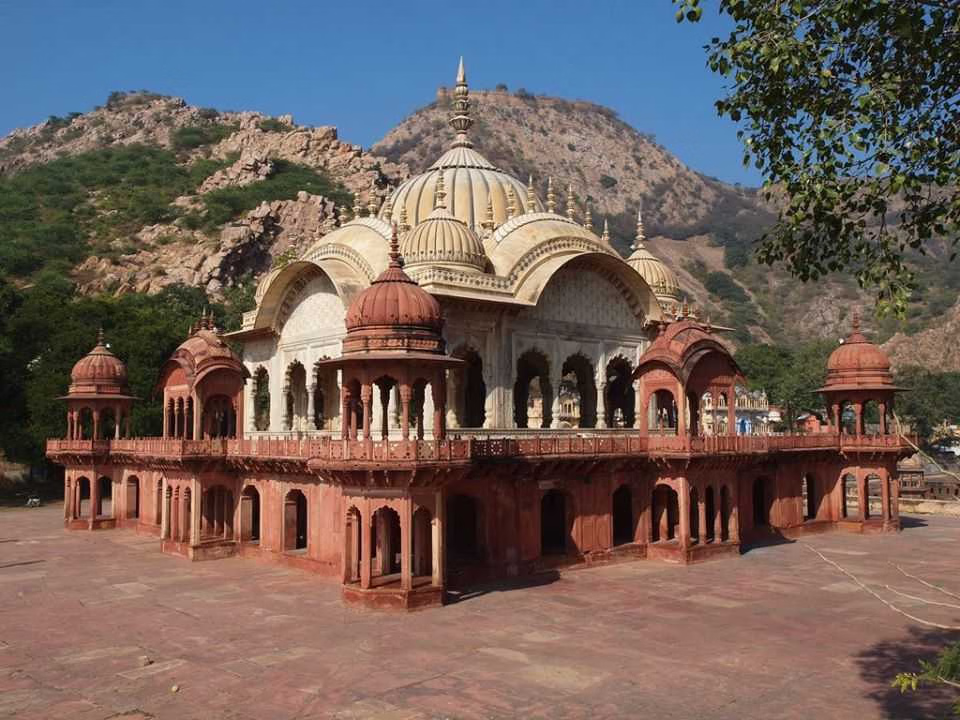
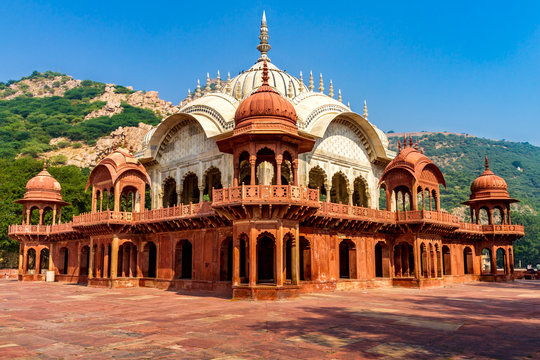
Moosi Maharani ki Chhatri
A stunning red sandstone and marble double-storied cenotaph built in 1815, featuring exquisite mythological carvings and one of Rajasthan’s finest chhatris.
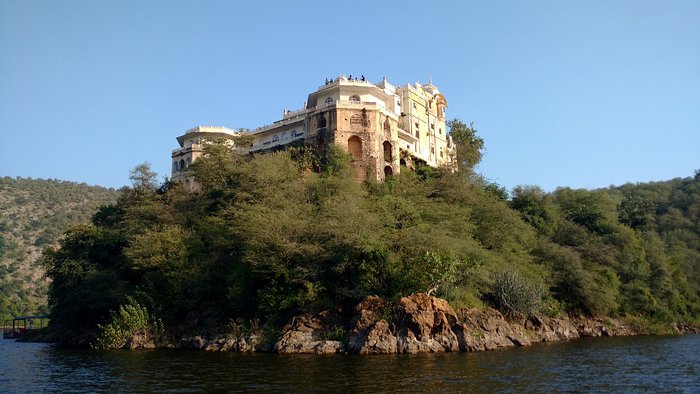
Siliserh Lake & Palace
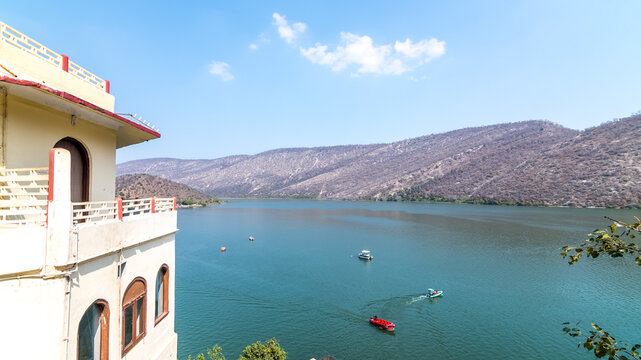
A breathtaking 1845 man-made lake surrounded by Aravalli hills, perfect for boating and sunset views, with a former royal hunting lodge nearby.
Major Attractions Nearby Alwar
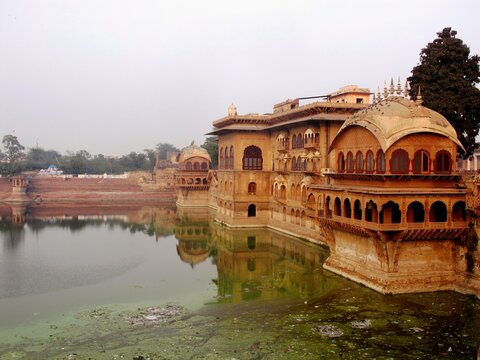
Bharatpur
A UNESCO World Heritage Site located 103 km away, hosting over 370 bird species best explored by bicycle or rickshaw.
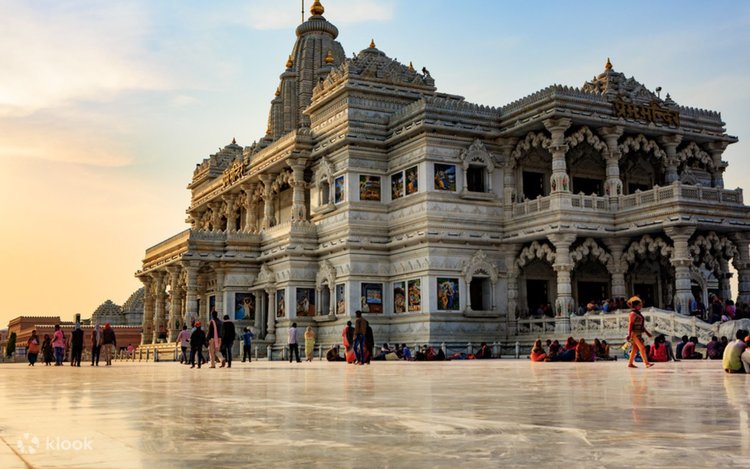
Mathura & Vrindavan
Sacred twin cities located approximately 111 km away, filled with ancient temples, ghats, and the vibrant devotional energy of Lord Krishna’s birthplace.
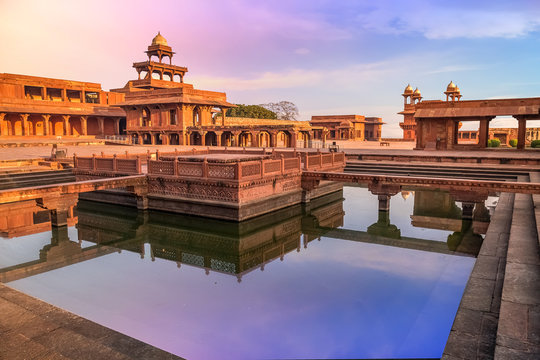
Fatehpur Sikri
A magnificent UNESCO-listed Mughal city built by Emperor Akbar, featuring the stunning Buland Darwaza and Panch Mahal, about 136 km away.
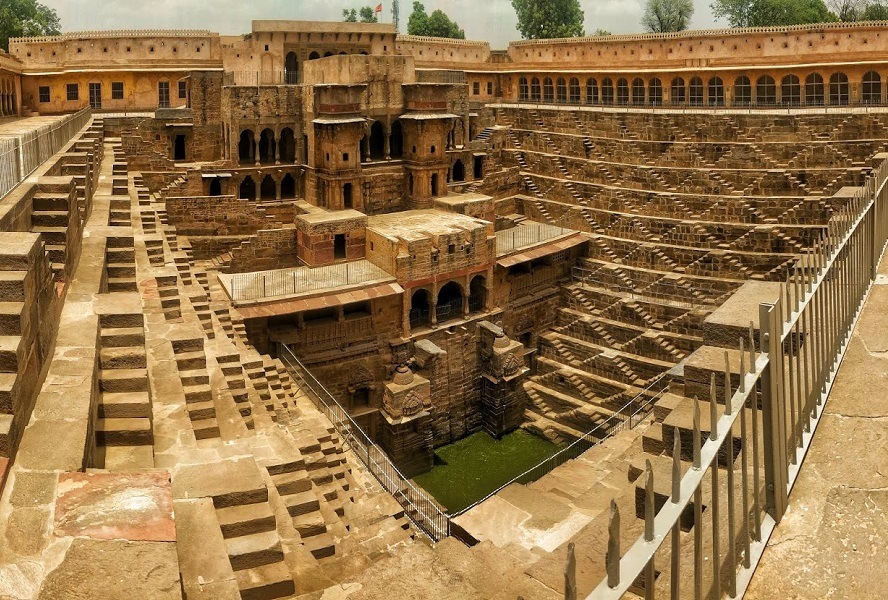
Abhaneri
A village 82 km away, home to one of India’s deepest and most intricate stepwells, Chand Baori, built in the 9th century with 3,500 narrow steps.
Things to do in Alwar
Experience the royal grandeur, natural beauty, and cultural vibrancy of this hidden Rajasthani gem. From exploring ancient forts to spotting tigers and savoring local delicacies, Alwar offers a memorable journey.
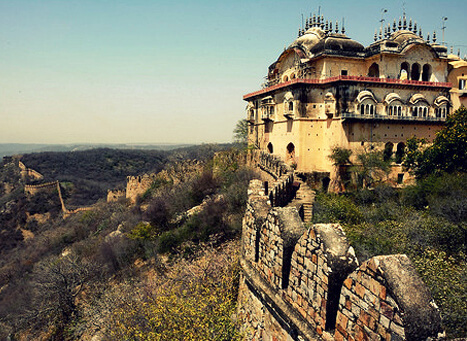
Explore the Majestic Bala Quila
Drive through dense forests to reach this ancient hill fort, walk along ramparts, explore six historic gates, and enjoy stunning bird’s-eye views of Alwar city.
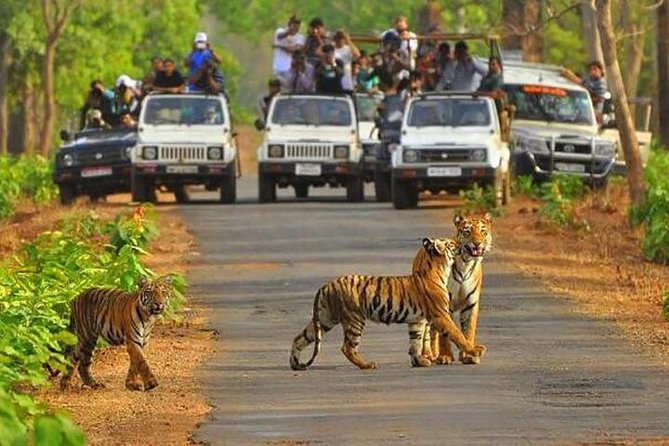
Go on a Jeep Safari at Sariska Tiger Reserve
Book an early morning or late afternoon safari to spot majestic tigers, leopards, nilgai, sambar deer, and peacocks in their natural habitat.
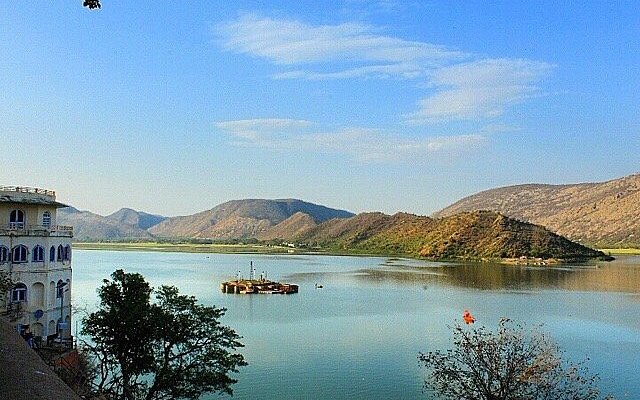
Enjoy a Boat Ride at Siliserh Lake
Spend a peaceful evening boating on tranquil waters surrounded by Aravalli hills, watching the golden sunset reflect off Siliserh Palace.
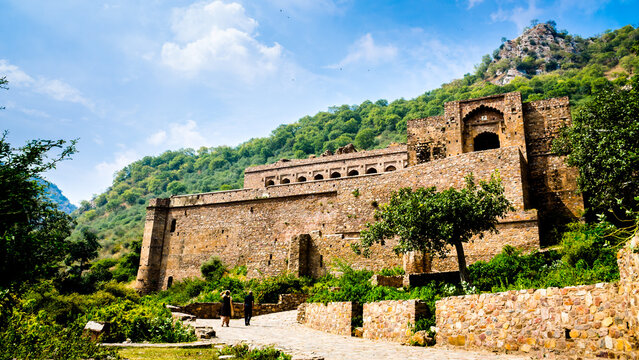
Visit the Spooky Bhangarh Fort
Take a day trip to this legendary haunted fort, explore its well-preserved ruins, palaces, and temples during daylight hours for an eerie yet fascinating experience.
The Performing Art of Alwar
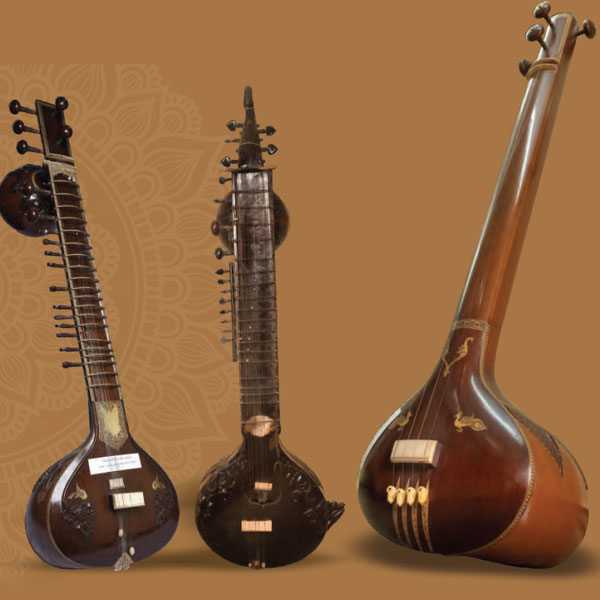
Mewati Gharana
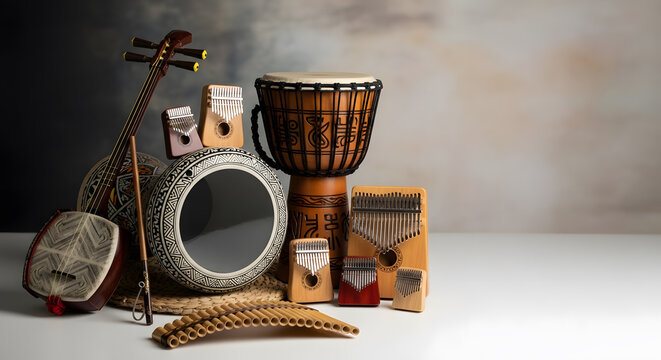
Folk Songs of Mewat
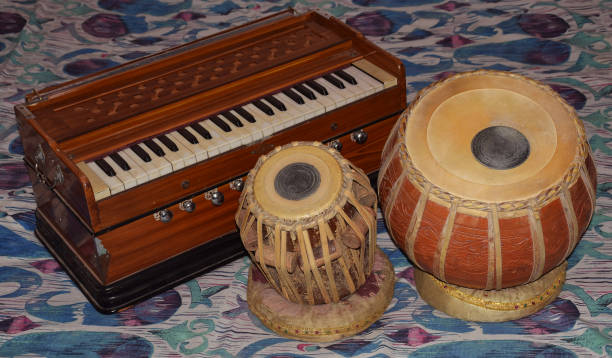
Rasiya Geet
The region is a major center for Hindustani classical music, with the iconic Mewati Gharana, popularized by the legendary Pandit Jasraj, shaping its evolution. The soulful Khayal, Bhajan, and Dhrupad styles are widely performed, alongside devotional compositions dedicated to Lord Krishna and local deities. Folk music, including the energetic Rasiya Geet sung during Holi and the narrative Dayro style, tells tales of divine love, bravery, and daily life in the Mewat region.
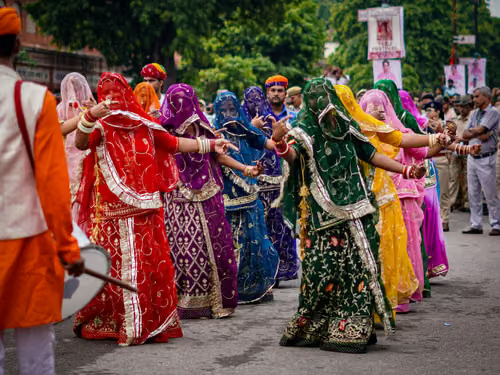
Bamrasia
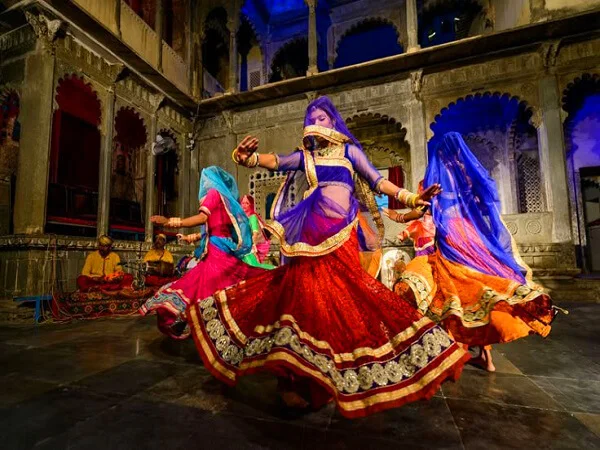
Ghumar
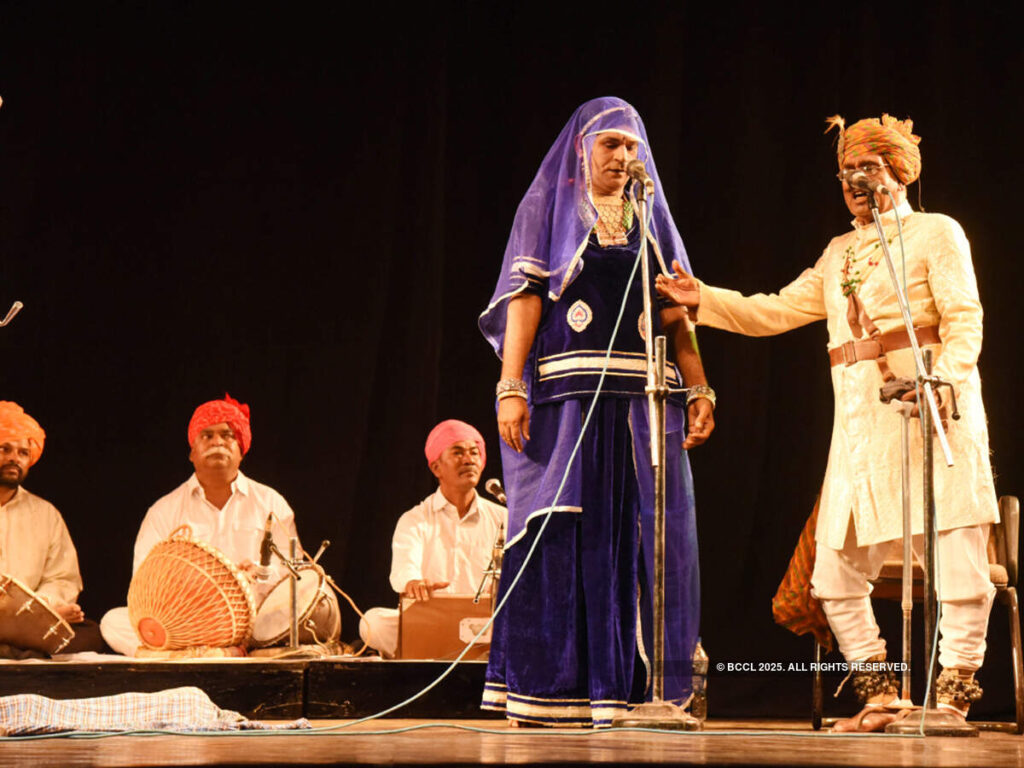
Khyal Dance
The region is a major center for traditional Rajasthani and Mewati folk dance, with iconic forms like Bamrasia and Ghumar shaping its cultural identity. The energetic, all-male Bamrasia dance, performed during Holi with feathered sticks and the thunderous beat of the ‘Bam-Bam’ drum, embodies the region’s festive and valorous spirit. Folk dances, including the graceful, circular Ghumar performed by women and the dramatic Khyal dance-theater, tell stories of love, devotion, and the vibrant traditions of rural Alwar.
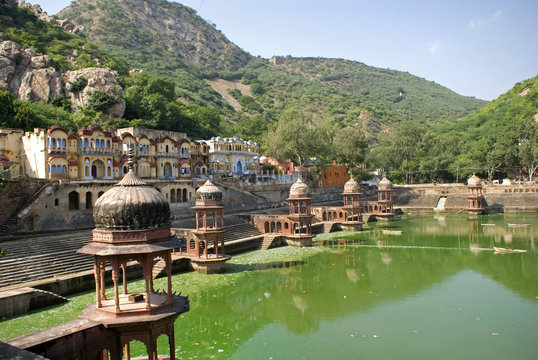
City Vibes - Timeless Royal Charm in the Aravalli Foothills
Alwar exudes a distinct, unhurried energy that sets it apart from Rajasthan’s busier tourist circuits. The city is nestled dramatically between the ancient Aravalli hills, with the imposing Bala Quila watching over its every corner. The air is a mix of dust, spices, and the scent of forests from the nearby Sariska reserve. The old city, with its narrow lanes leading to Tripolia Gate, is a vibrant maze of spice markets, sweet shops selling famous kalakand, and havelis with faded frescoes. Life here moves at a relaxed rural pace; mornings are for wildlife safaris, afternoons for exploring hidden cenotaphs, and evenings for enjoying the reflections of palaces in silent lakes. It is a destination for travelers who appreciate authentic, unpolished experiences, where every fort tells a story and every sweet shop has a legacy.
Heritage of Alwar
Alwar’s heritage spans over a millennium, from its origins as the kingdom of the Nikumbha Rajputs in the 10th century to its status as a powerful princely state under the British Raj . The name “Alwar” is believed to derive from “Salwapur” after the Salwa tribe, or “Aravalpur” meaning the city of the Aravalli hills . The city gained prominence under Maharaja Pratap Singh and later Maharaja Sawai Jai Singh, the latter famously known for teaching Rolls Royce a lesson in humility after being snubbed by a salesman in London . Unlike many Rajput kingdoms that clashed incessantly with the Mughals, Alwar often maintained diplomatic ties, resulting in a unique architectural fusion of Rajput and Islamic styles seen in its palaces and tombs. Today, the city’s living heritage is preserved in its bustling markets, traditional crafts like papier-mâché, and the legendary Sariska Tiger Reserve, once the hunting grounds of the Maharajas .
Cuisine of Alwar
The cuisine of Alwar is authentic Mewati and Rajasthani fare, known for its robust, spicy flavors, generous use of dairy, and distinct local specialties that have gained fame across India.
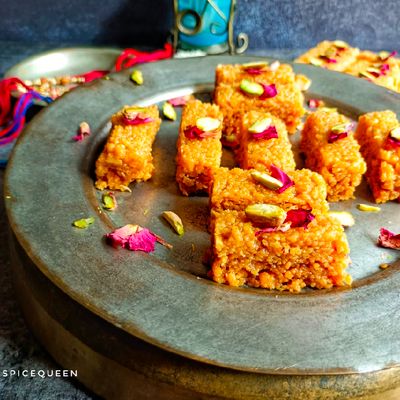
Alwar ka Mawa
The signature sweet of Alwar, a rich, golden-brown fudge-like delicacy made from condensed milk, sugar, and cardamom, famous across India.

Mewati Kadhi
A unique variation of classic Rajasthani kadhi made with yogurt and chickpea flour, distinguished by added pakoras and Mewat’s signature spices.
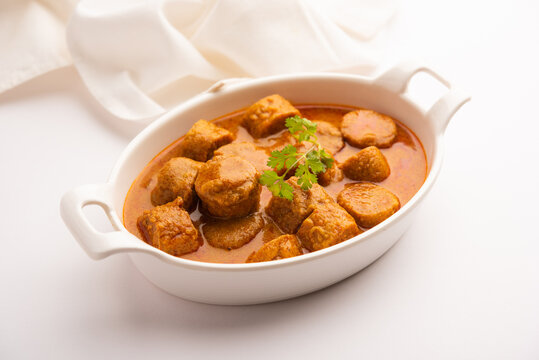
Gatte ki Sabzi
A quintessential Rajasthani curry where gram flour dumplings are cooked in a spicy, tangy yogurt-based gravy, served with bajre ki roti or missi roti.
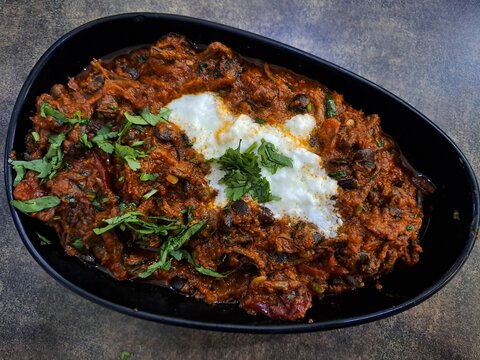
Ker Sangri
A traditional Rajasthani dry vegetable dish made from desert beans (sangri) and dried berries (ker), cooked with spices and served with millet rotis.
Shopping in Alwar
Shopping in Alwar is a vibrant experience, centered around traditional handicrafts, colorful textiles, and the legendary milk cake from its bustling bazaars.
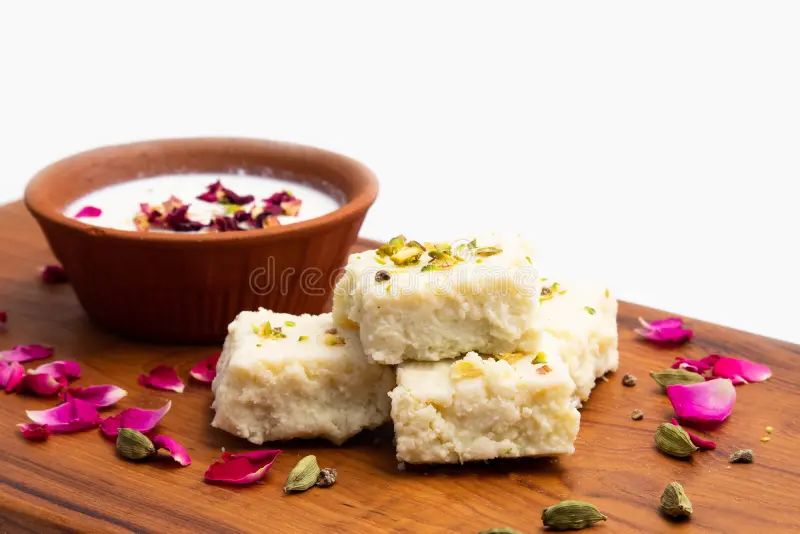
Alwar ka Mawa
The most famous edible souvenir, this rich milk cake is available at Kalakand Market near the Clock Tower, with Baba Thakur Das and Sons being legendary.
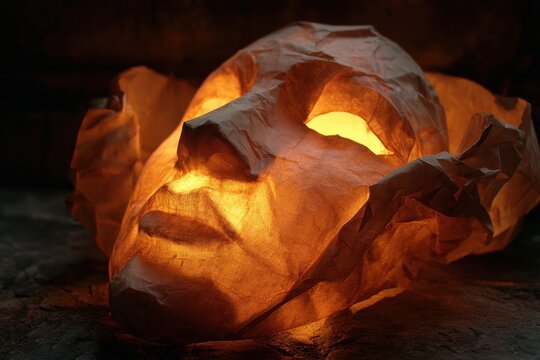
Papier-Mâché
Alwar is renowned for its exquisite papier-mâché crafts, with artisans creating intricate boxes, trays, decorative pieces, and toys using this traditional technique.
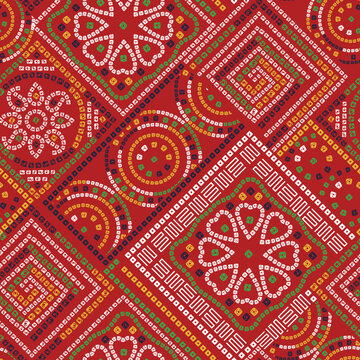
Bandhani Textiles
Traditional Gujarati-Rajasthani tie-dye fabric available as sarees, dupattas, chaniya cholis, and turbans, found at Sarafa Bazaar and Bajaja Bazaar.
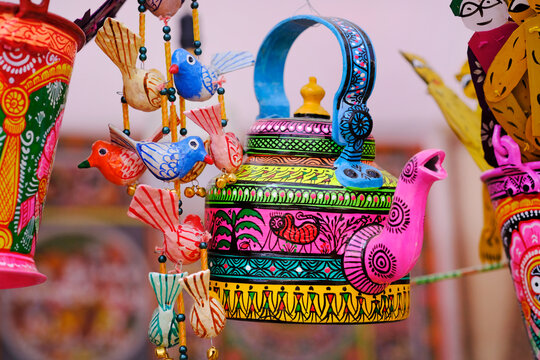
Handicrafts & Wooden Items
Beautiful carved wooden furniture, decorative boxes, and kitchenware made from sheesham and teak wood, reflecting local craftsmanship at local markets.
Tourist's Handbook
The best time to visit Alwar is from October to March. The winter months offer cool, pleasant weather with temperatures between 8°C and 25°C, making it ideal for exploring forts, wildlife safaris at Sariska, and outdoor sightseeing. The monsoon (July-September) brings lush greenery to the Aravalli hills and is a magical time for visiting lakes and waterfalls, though some forest tracks may be slippery . The summer months (April-June) are extremely hot, with temperatures often exceeding 40°C, making daytime outdoor activities uncomfortable; early morning safaris are still possible.
- Dress in Layers and Carry Sun Protection – Alwar can be warm during the day but cool in the evenings, especially in winter; apply sunscreen, wear a hat and sunglasses, and dress modestly, especially when visiting temples or rural areas .
- Wear Sturdy Footwear for Fort and Safari – Bala Quila has uneven stone paths, rocky terrain, and steep climbs; wear comfortable, non-slip walking shoes. For Sariska safaris, closed shoes are recommended .
- Stay Hydrated with Bottled Water – Drink only sealed bottled water to avoid stomach issues; tap water may not be safe for tourists unaccustomed to local water .
- Respect Wildlife Rules at Sariska – Do not get off the jeep during safaris, maintain silence, avoid bright colors that may disturb animals, and never feed or provoke any wildlife .
- Be Cautious Near Lake Edges – At Siliserh Lake and other water bodies, supervise children closely, avoid going too close to the edge, and follow safety instructions for boating.
- Keep Emergency Contacts Handy – Save local police (100), ambulance (102/108), and your hotel's phone numbers. Alwar is generally safe, but it is advisable to avoid isolated areas on the outskirts after dark .
- Respect Local Customs – Gujarat is a dry state; public consumption of alcohol is prohibited. Dress modestly in public places, ask permission before photographing people, and be respectful during religious rituals .
Alwar is a moderately sized city with several transport options. Auto-rickshaws are the most common and affordable mode for short distances within the city, such as between the railway station, City Palace, and main markets; negotiate fares before starting or insist on using the meter . For visiting nearby attractions like Bala Quila (6 km), Siliserh Lake (15 km), or Sariska Tiger Reserve (37 km), hiring a private taxi for a half-day or full-day trip is the most convenient option. Local buses connect to nearby towns like Bharatpur, Jaipur, and Delhi but can be crowded for tourists . Alwar Junction is a well-connected railway station, and the city is accessible by road from Delhi (150 km, 3-4 hours drive) and Jaipur (151 km) .
Book Sariska Safaris Only on Official Portal – Beware of fake third-party websites that charge 400-600 rupees extra per person for gypsy seats. Always book through the official Rajasthan Forest Department portal (OBMS) or the offline counter at the reserve, where rates are significantly lower .
Negotiate Auto-Rickshaw and Taxi Fares First – Always agree on the total fare before starting any journey; ask your hotel staff for estimated rates to avoid overcharging, especially for trips to Bala Quila, Siliserh Lake, or Sariska .
Beware of Unauthorized "Wildlife Guides" – At Sariska, only forest-department-approved guides are permitted on safaris. Avoid touts offering "special" or "guaranteed tiger sighting" tours for extra fees outside the reserve .
Check Sweet Quality Before Buying – Alwar is famous for its milk cake (kalakand). Only buy from reputed shops like Baba Thakur Das and Sons, as street vendors may sell stale or adulterated sweets .
Compare Handicraft Prices Before Buying – Papier-mâché items and textiles may be priced higher for tourists at shops near major attractions; check prices at two or three shops in the main markets (Sarafa Bazaar or Bajaja Bazaar) before purchasing, and negotiate politely.
Avoid Unsolicited "Monument Guide" Offers – At Bala Quila and Bhangarh Fort, self-appointed guides may offer historical tours for a fee; hire only authorized guides who have an official ID card and fixed rates, or explore with a reliable map .
Don't Pay for Parking Without Verification – At popular spots like Siliserh Lake or Bhangarh Fort, some locals may demand unofficial parking fees; use only the designated, official parking areas with printed receipts.
Use Reputable Cab Services for Outstation Trips – For trips to nearby cities like Jaipur or Delhi, book taxis through your hotel or a known travel agency rather than accepting offers from random touts at the railway station or bus stand.
Explore Alwar
Alwar Blogs
- Rajasthan Cultural Guide – Mewat heritage and gateway to Rajasthan edition
- Places to visit in Alwar
- Places to visit nearby Alwar
- India’s most haunted fort destination (Bhangarh)
Recommended articles
- Rajasthan Cultural Guide – Alwar ka Mawa and papier-mâché special
- Places to visit in Bhangarh
- Places to visit in Sariska