
¤ 10+ minutes Read
Coonoor Travel Guide – Explore the Serene Jewel of the Nilgiri Hills
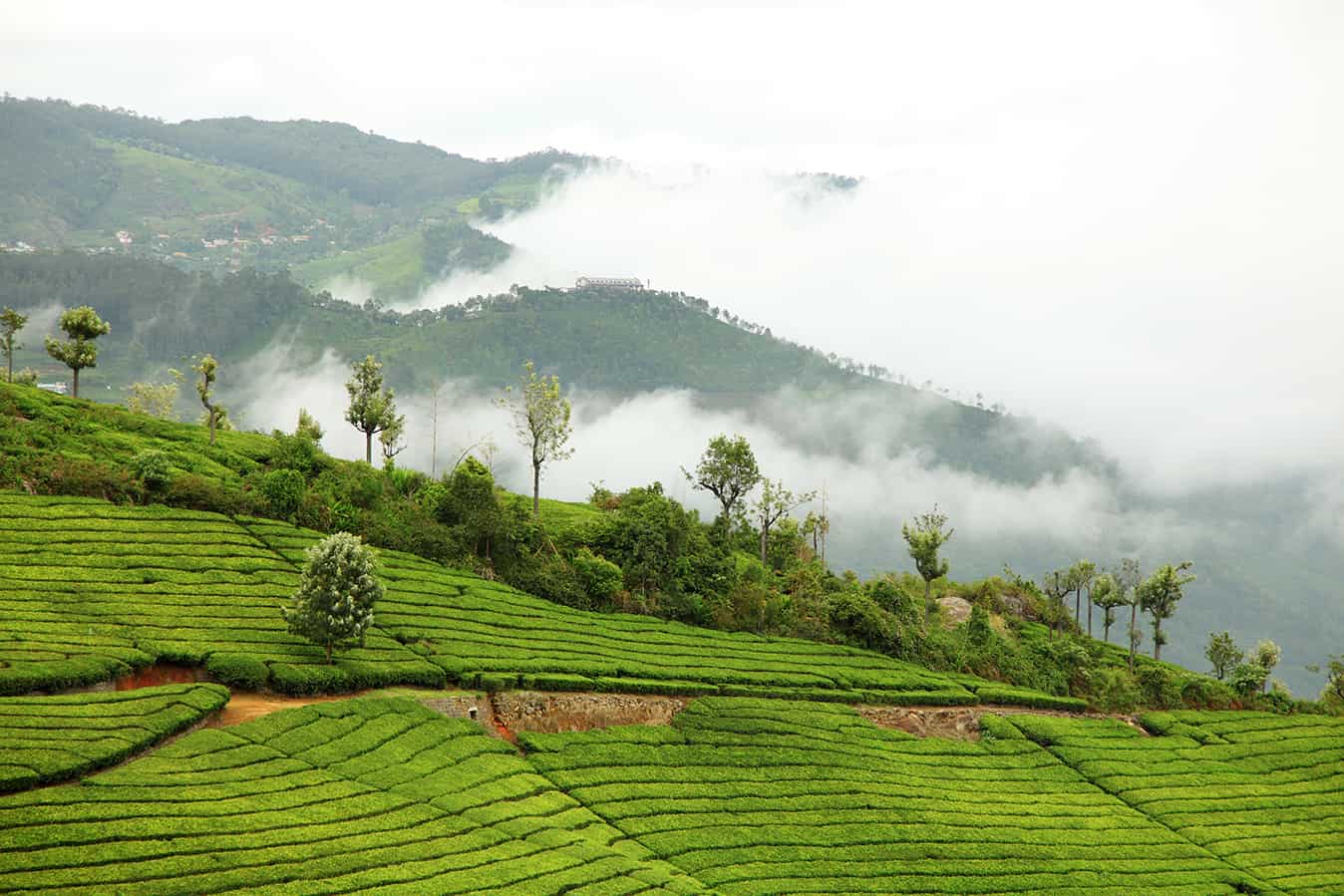
Nestled at an altitude of around 1,850 metres in the Nilgiri Hills of Tamil Nadu, Coonoor is a charming hill station renowned for its rolling tea plantations, mist-covered valleys, colonial heritage, and year-round pleasant weather. Often considered a quieter and more peaceful alternative to nearby Ooty, Coonoor offers breathtaking attractions such as Sim’s Park, Dolphin’s Nose Viewpoint, Lamb’s Rock, Catherine Falls, Law’s Falls, and the historic Nilgiri Mountain Railway (UNESCO World Heritage Site) that connects the town with Mettupalayam and Ooty. Visitors can also tour fragrant tea estates and factories, enjoy scenic nature walks, and soak in panoramic views of the Western Ghats. Whether you’re planning a romantic getaway, a family vacation, a photography expedition, or a relaxing weekend escape, this travel guide covers everything you need to know, including the best places to visit, things to do, the best time to visit, travel tips, and nearby attractions. The ideal time to visit is October to June, though Coonoor remains a delightful destination throughout the year thanks to its cool climate.
Must-Visit Attractions in Coonoor
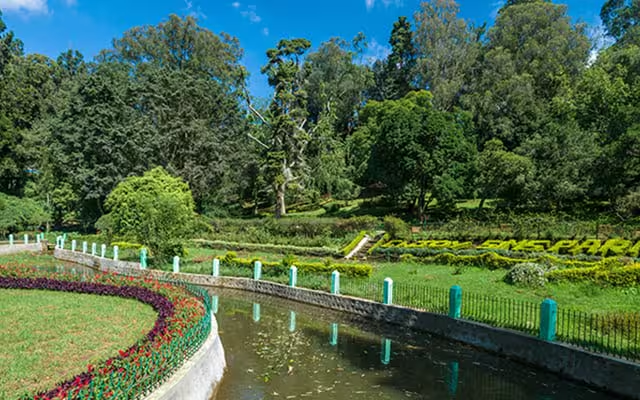
Sim's Park
A beautifully maintained 12-hectare terraced garden featuring rare plant species, magnolias, and a charming miniature train ride for children.
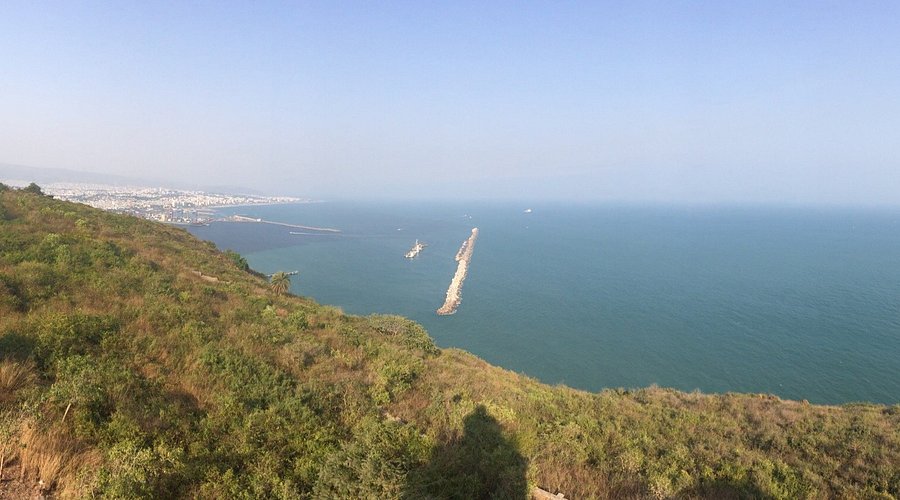
Dolphin's Nose
A spectacular viewpoint offering panoramic views of Catherine Falls, sprawling tea estates, and the deep ravines of the Nilgiri hills.
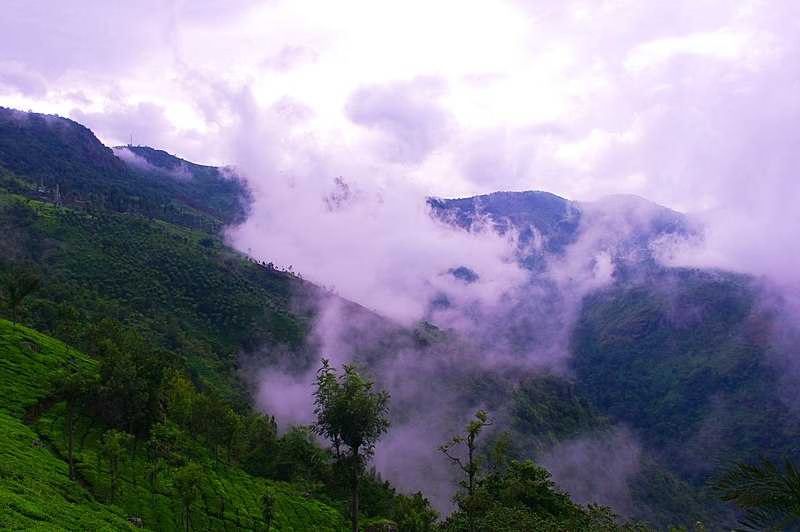
Lamb's Rock
A scenic viewpoint offering breathtaking vistas of the Coimbatore plains, lush tea gardens, and the dramatic Catherine Falls drop.
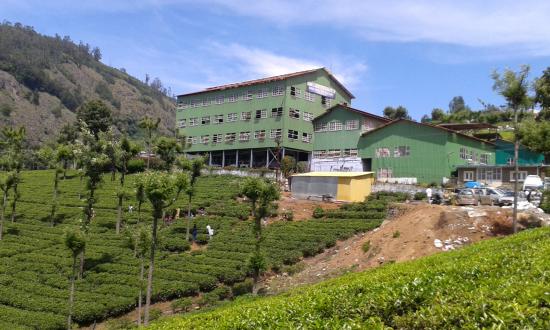
Highfield Tea Factory
A working tea factory where visitors tour processing facilities, learn about tea production, and sample freshly brewed Nilgiri tea.
Major Attractions Nearby Coonoor
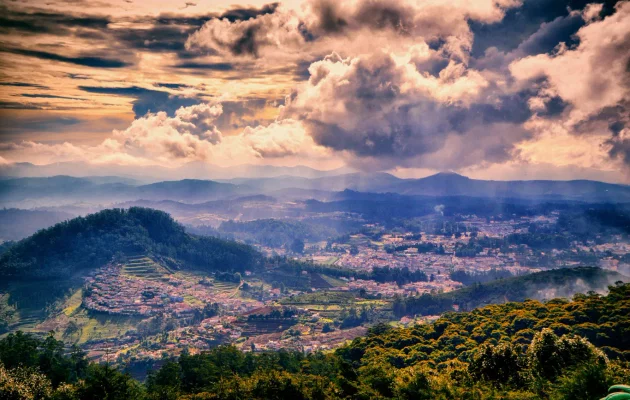
Ooty
Located about 18 km away, this famous hill station features Ooty Lake, Botanical Gardens, Doddabetta Peak, and the Government Rose Garden.
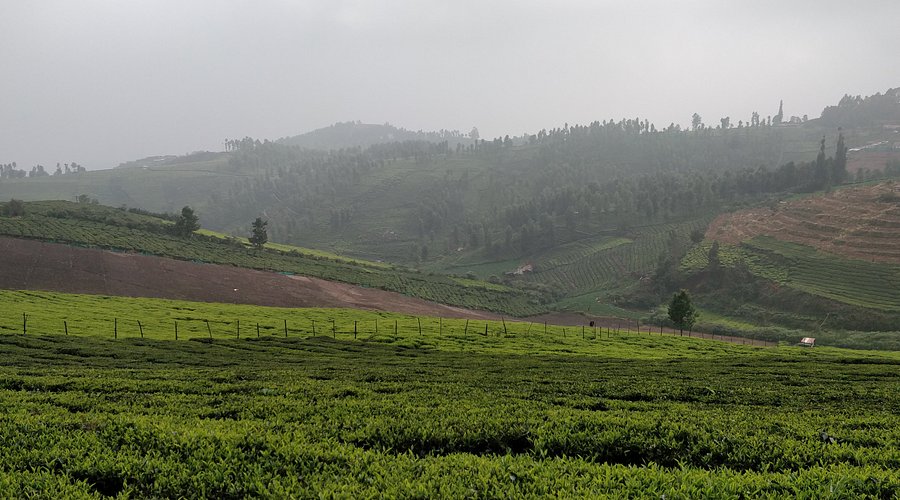
Ketti Valley
Situated around 15 km away, this is one of the largest valleys in the Nilgiris offering breathtaking panoramic views.
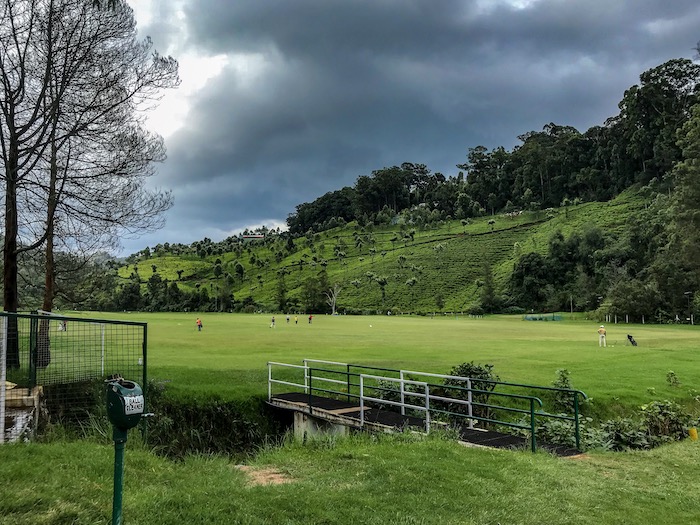
Wellington
A charming cantonment town about 5 km away, home to the Madras Regimental Centre and colonial-era bungalows.
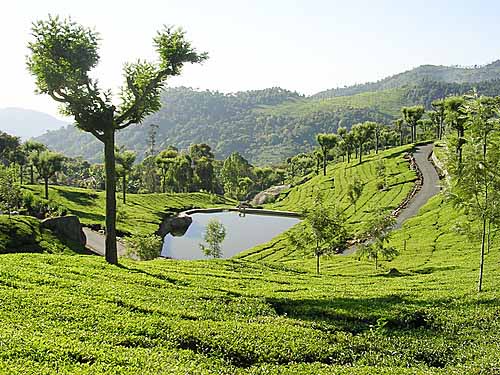
Kotagiri
Located approximately 25 km away, this is the oldest and smallest Nilgiri hill station known for its tea estates and Elk Falls.
Things to do in Coonoor
Experience the tranquility, colonial charm, and tea-scented air of this Nilgiri gem. From garden strolls to tea tastings and scenic train rides, Coonoor offers a relaxing and memorable journey.
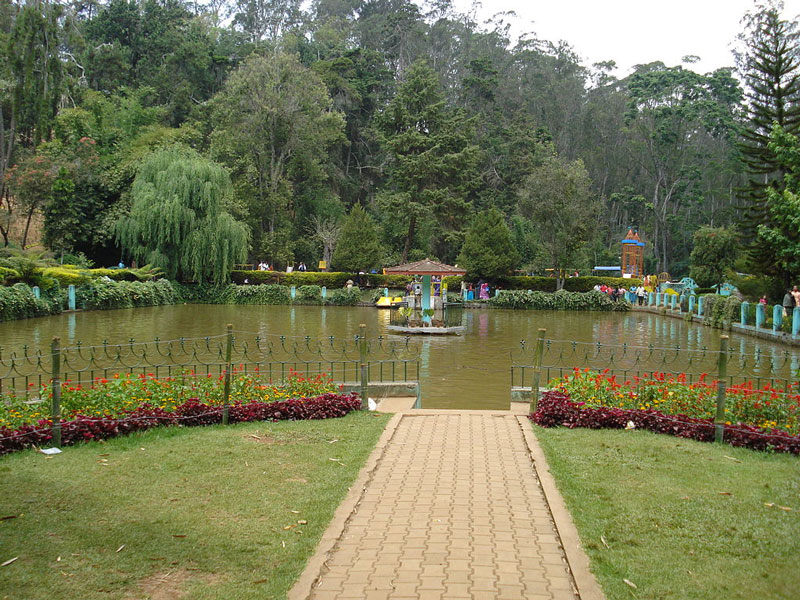
Stroll Through Sim's Park
Wander through this beautifully terraced garden, admire rare plants, ride the miniature train, and enjoy a peaceful picnic.
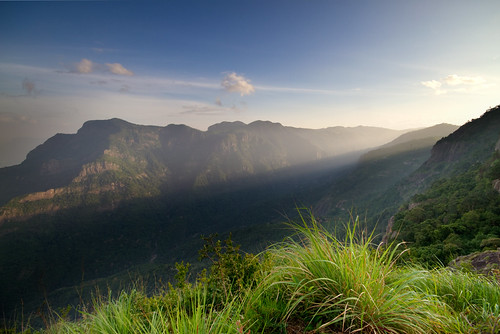
Watch Sunrise from Dolphin's Nose
Wake up early to watch the sun rise over Catherine Falls and deep valleys bathed in golden light.
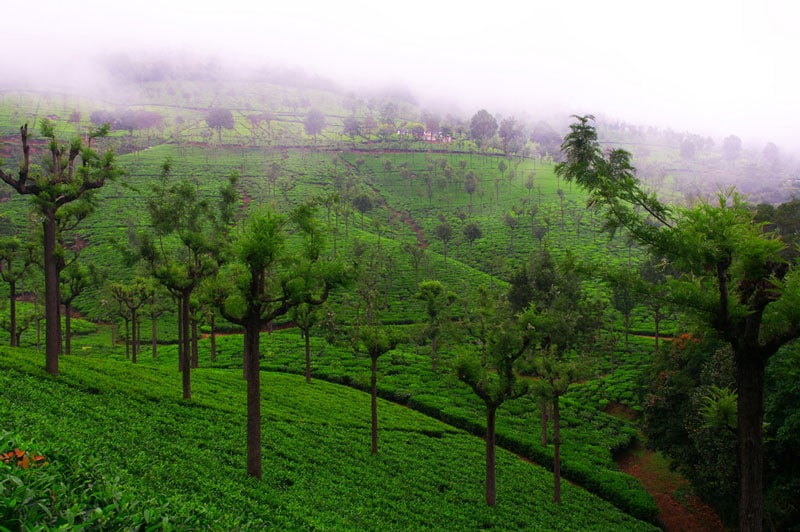
Tour the Highfield Tea Factory
See tea processing machinery in action, learn about Nilgiri tea production, and sample freshly brewed aromatic tea.
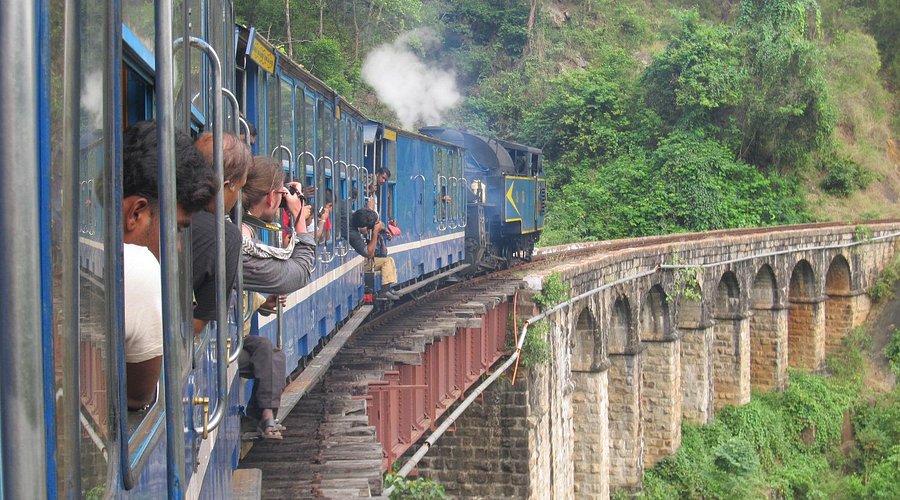
Ride the Nilgiri Mountain Railway
Take a UNESCO World Heritage toy train ride through lush forests, tunnels, and stunning mountain scenery.
The Performing Art of Coonoor
A serene hub for performing arts, enriched by the diverse tribal traditions and colonial influences of the Nilgiri hills. The region has a rich tradition in folk music, dance, and ritualistic performances, with local Badaga, Toda, and Kota artists drawing inspiration from the misty mountains, tea gardens, and ancient customs that define Coonoor’s cultural identity. Traditional folk music forms like Badaga Heggade and Nilgiri tribal songs, featuring instruments like the basal (bamboo flute) and boorani (bowed string instrument), are deeply rooted in the region’s indigenous heritage. Badaga Sohala, Toda ritualistic dances, and Kota folk dances also flourish here, often performed during harvest festivals, tribal ceremonies, and temple celebrations, embodying the spiritual essence of the Nilgiri highlands. The region’s connection with music and dance continues to inspire generations, preserving its artistic legacy.
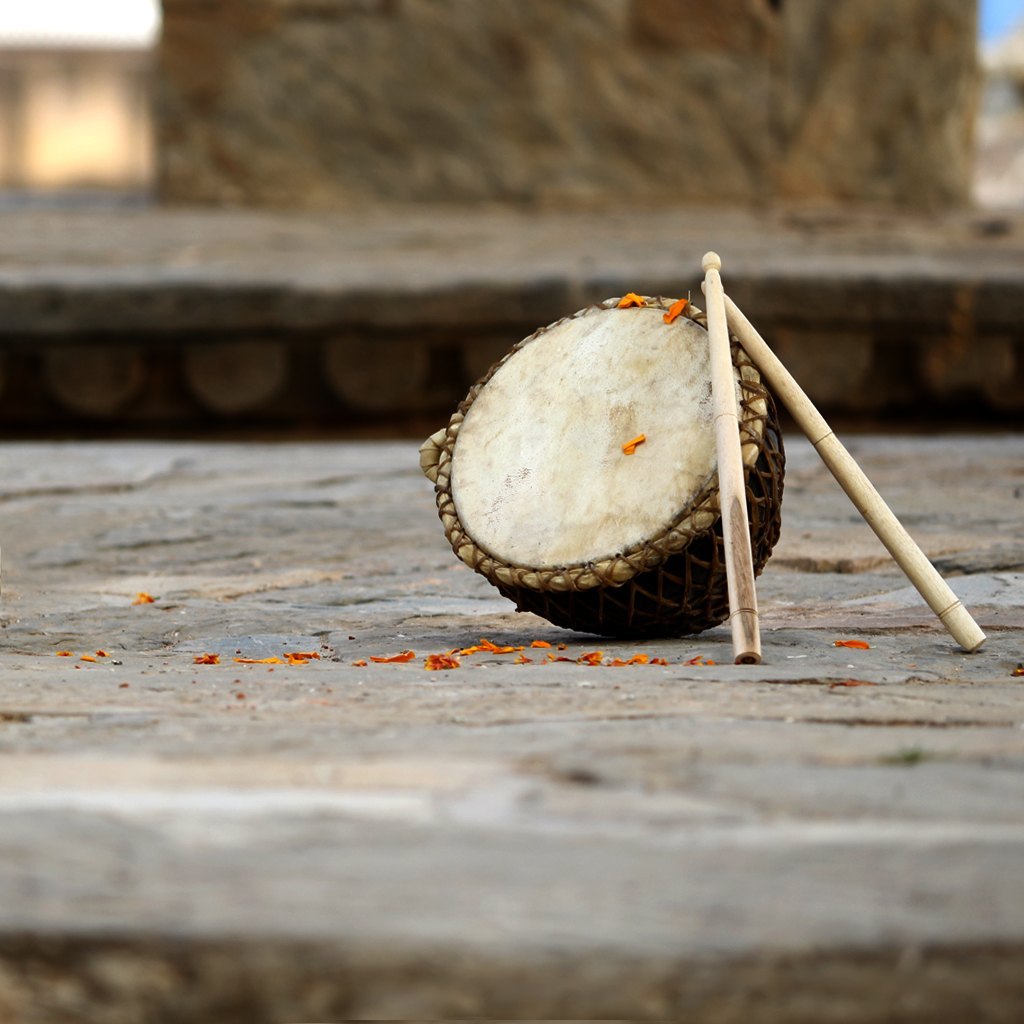
Badaga Folk Songs
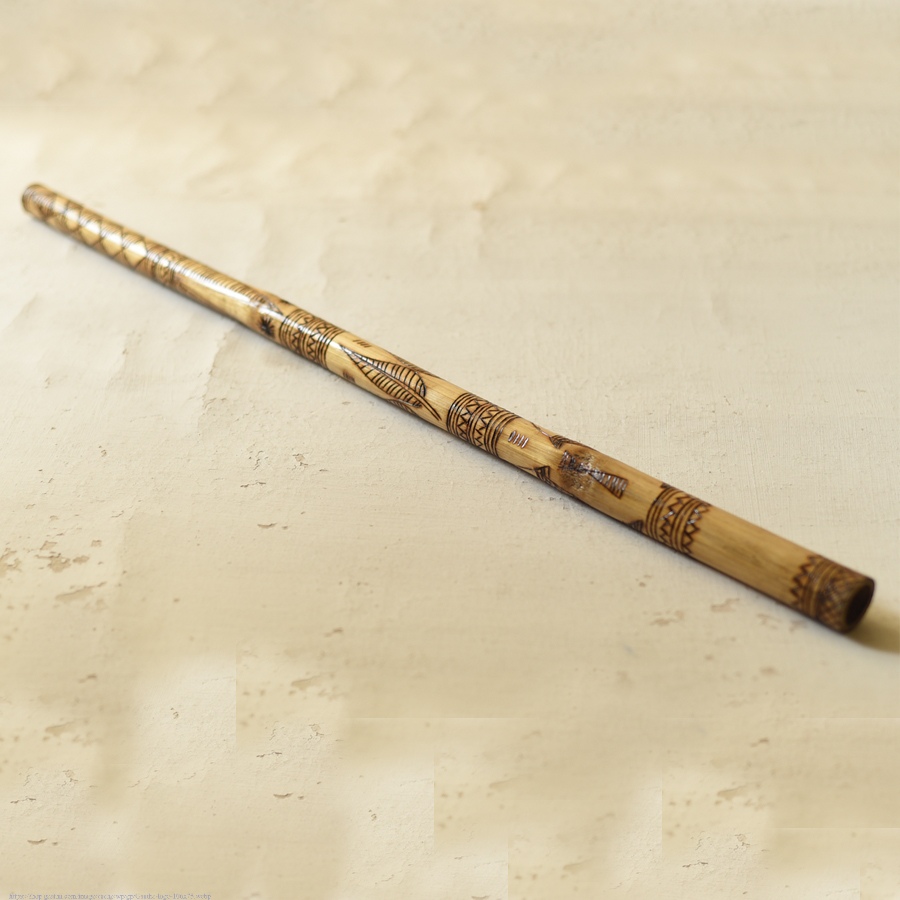
Nilgiri Tribal Music
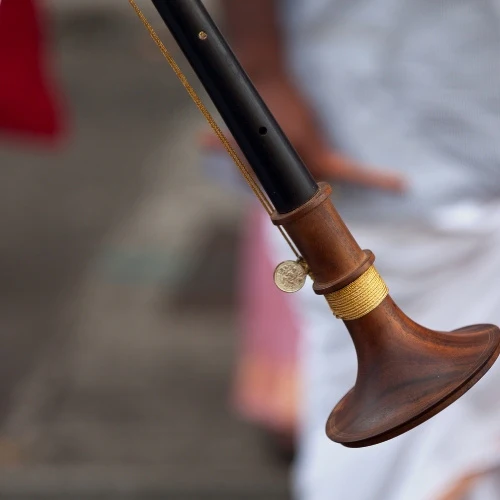
Tamil Devotional Music
The region is a major center for indigenous tribal music, with iconic traditions like Badaga Heggade and Nilgiri folk songs shaping its cultural identity. The soulful narrative ballads of the Badaga tribe, sung during harvest festivals and community gatherings, tell tales of love, bravery, and ancestral legends, accompanied by the rhythmic beats of the thappu (frame drum) and bamboo flutes. Folk music, including the ancient Toda chants and Kota drumming traditions, reflects the deep connection between the Nilgiri tribes and their misty mountains, forests, and daily life.

Badaga Folk Dance
Toda Dance

Kota Folk Dance
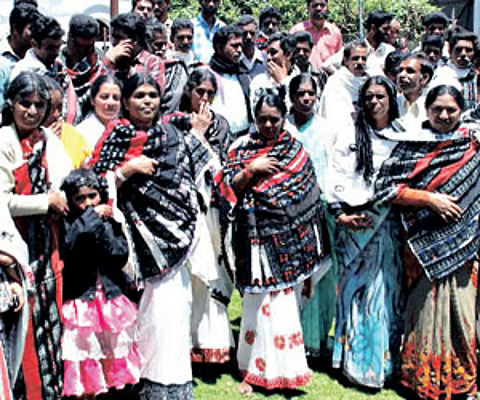
The region is a major center for indigenous tribal dance, with iconic forms like Badaga Sohala and Toda ritualistic dances shaping its cultural identity. The graceful, circular movements of the Badaga folk dance, performed during the Hethai Habba festival, celebrate the harvest season and honor local deities with synchronized steps and colorful traditional attire. Folk dances, including the unique Toda dance performed by men in embroidered shawls during funerary rituals and the energetic Kota dance accompanied by rhythmic drumming, tell stories of tribal life, spiritual beliefs, and the ancient heritage of the Nilgiri highlands.

City Vibes - Quiet Charm in the Nilgiri Tea Hills
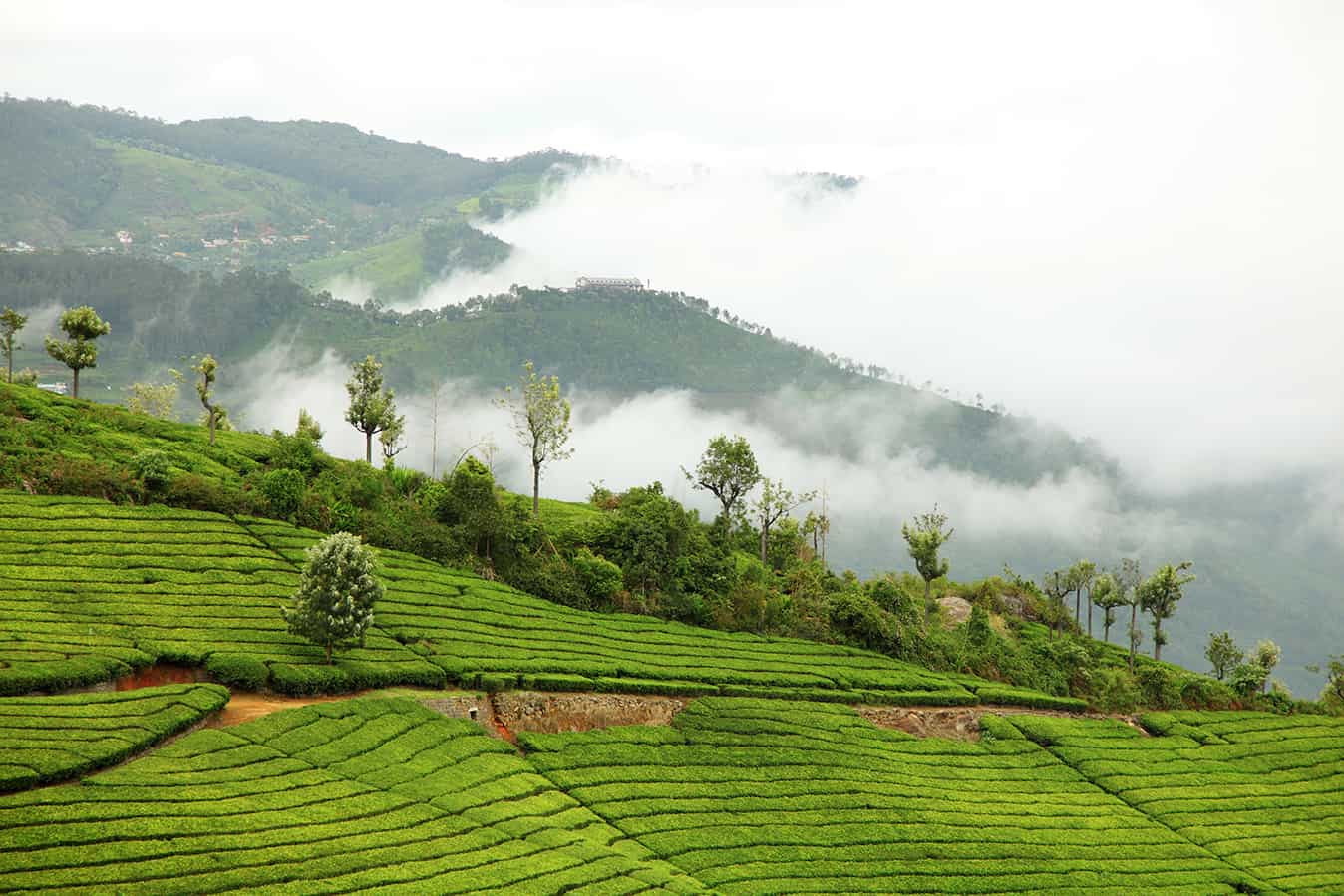
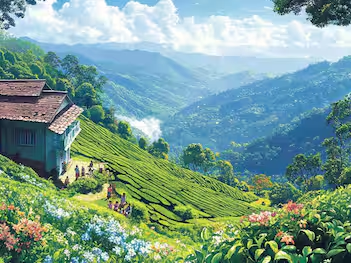
Coonoor exudes a peaceful, unhurried charm that stands in contrast to the tourist crowds of nearby Ooty. The town is spread across steep slopes covered with manicured tea bushes, eucalyptus trees, and colorful flowering shrubs. The air is cool and fragrant with the scent of tea leaves and wild eucalyptus. The main market area bustles with local life, flower vendors, and tea shops, while just a few kilometers away, quiet viewpoints offer absolute solitude and stunning valley views. Colonial-era bungalows with red-tiled roofs, stone churches, and the occasional whistle of the toy train add to the old-world atmosphere. It’s a destination for those who prefer long walks in tea gardens, leisurely afternoons at garden cafes, and the simple pleasure of watching mist roll over green hills.
Heritage of Coonoor
Coonoor’s heritage is shaped by its colonial past, indigenous tribal culture, and the legacy of the tea industry. The Nilgiri hills were traditionally inhabited by indigenous tribes including the Badaga, Toda, Kota, Kurumba, and Irula. The British arrived in the early 19th century, establishing Coonoor as a sanatorium and summer retreat. The Nilgiri Mountain Railway, completed in 1908 and now a UNESCO World Heritage Site, was built to connect the hill stations to the plains. Tea cultivation was introduced in the mid-19th century, and Coonoor became a major center for Nilgiri tea production, known for its distinct dark, aromatic leaves. The town also has strong military connections, with the nearby Wellington cantonment housing the Defence Services Staff College and the Madras Regimental Centre. The Pasteur Institute, established in 1907, remains a landmark of scientific heritage.Varanasi’s heritage is a blend of Hindu, Buddhist, and Mughal influences. The city’s historic temples, centuries-old ghats, and spiritual centers preserve its timeless legacy. The Banaras silk industry thrives here, crafting exquisite sarees admired worldwide.
Cuisine of Coonoor
The cuisine of Coonoor is a delightful blend of traditional South Indian food, Badaga tribal specialties, and colonial-era Anglo-Indian influences, featuring fresh local produce, tea, and spices.
Nilgiri Tea
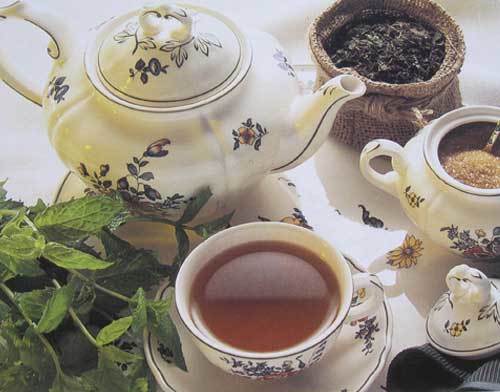
World-famous dark, aromatic black tea known for its distinct flavor and bright golden liquor, best enjoyed with milk.
Oondiyai
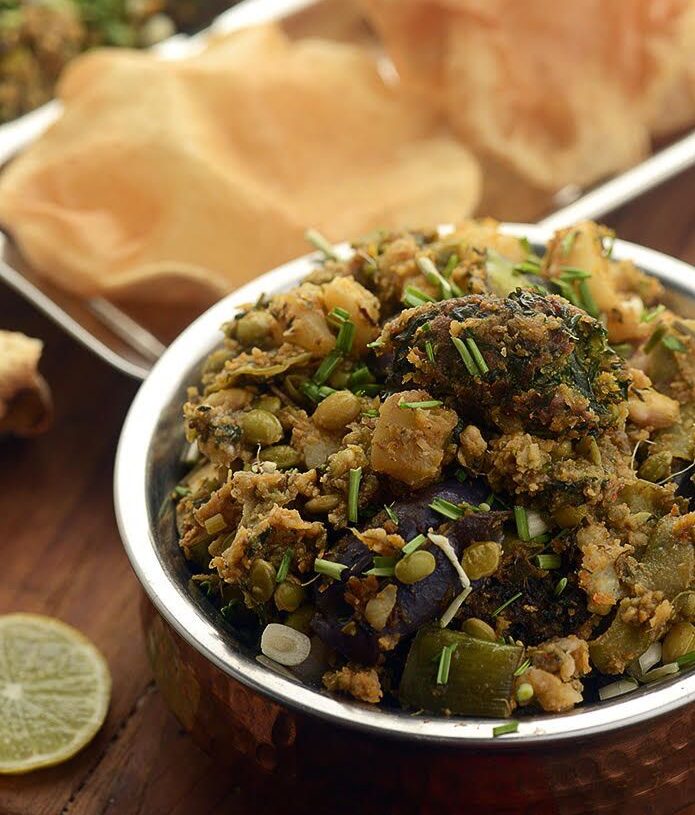
A traditional Badaga dish of rice flour, lentils, and vegetables steamed in banana leaves, served with chutney.
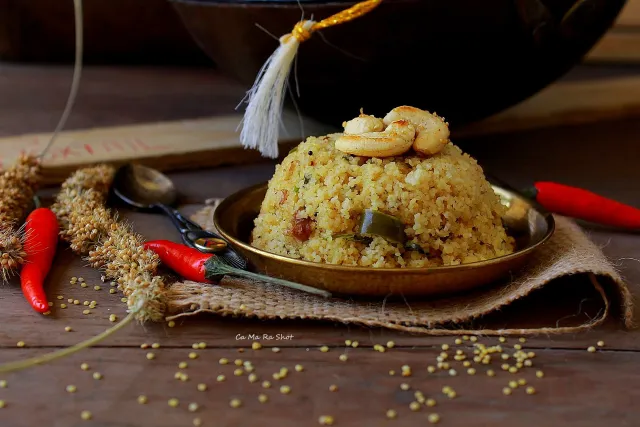
Hottya
A hearty, millet-based dish similar to upma, made from finger millet or pearl millet with local spices.
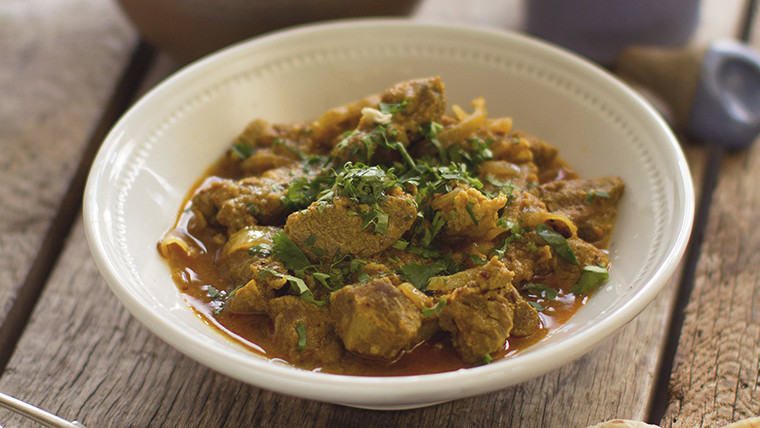
Coorg Pandi Curry
A spicy, tangy pork curry made with local Nilgiri spices, vinegar, and dried bamboo shoots.
Shopping in Coonoor
Shopping in Coonoor is centered around tea, spices, homemade chocolates, and traditional tribal handicrafts, best explored at the local markets and government emporiums.

Nilgiri Tea
Fresh, high-quality black, green, and flavored tea from local estates like Highfield, Havukal, and Glendale.
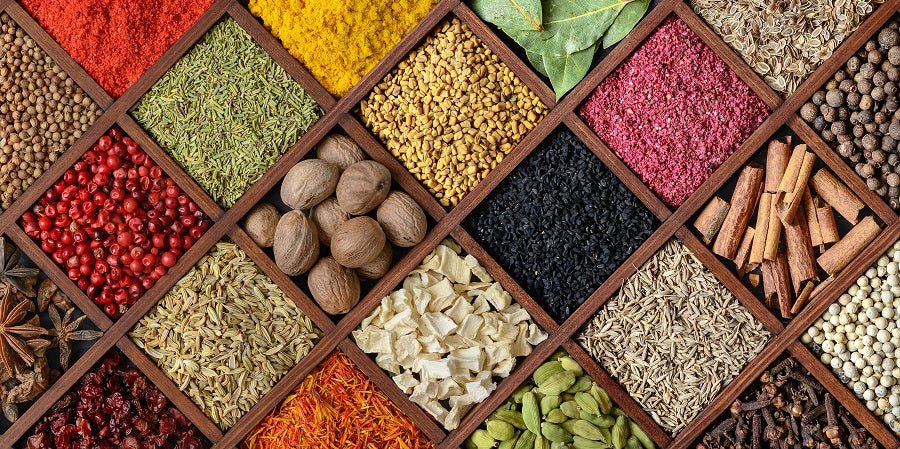
Fresh Spices
Aromatic Nilgiri spices including black pepper, cardamom, cinnamon, cloves, nutmeg, star anise, and vanilla.
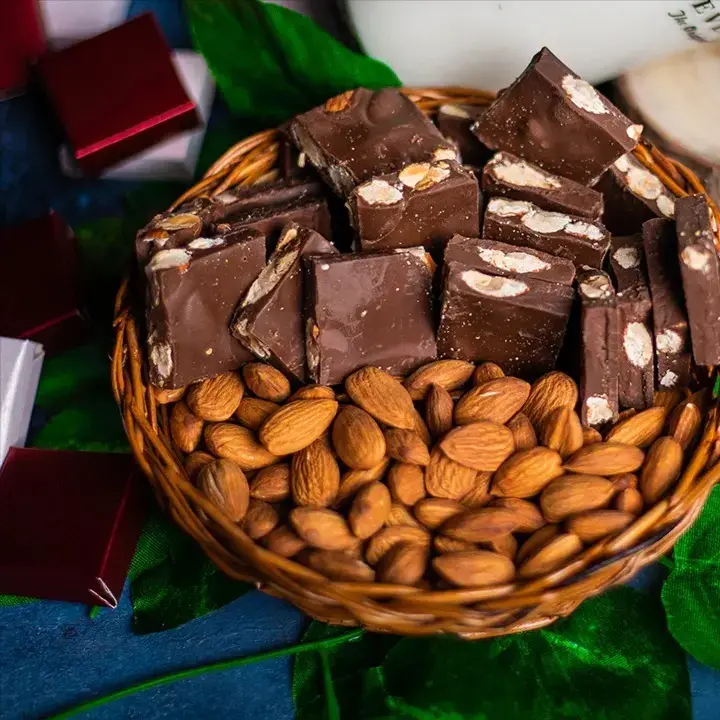
Homemade Chocolates
Artisanal chocolates in dark coffee, white nut, milk, and rum-infused flavors from local shops.

Eucalyptus Oil
Pure, medicinal-grade eucalyptus oil distilled from Nilgiri trees, known for treating colds and muscle pain.
Tourist's Handbook
The best time to visit Coonoor is from March to June and September to November. Summer (March-June) offers pleasant temperatures between 15°C and 28°C, clear skies, and blooming gardens, making it ideal for sightseeing, tea estate visits, and outdoor activities. Autumn (September-November) brings cool, crisp air, clear mountain views after the monsoon, and comfortable temperatures perfect for long walks. Winter (December-February) is cold, with temperatures dropping to 5°C to 20°C, and foggy mornings add a mystical charm, though visibility at viewpoints may be reduced. The monsoon (July-August) brings heavy rainfall, which makes the hills lush green but can cause slippery roads and landslides, making it the least recommended time to visit.
- Dress in Layers for Cool Mountain Weather – Nilgiri weather can change rapidly; wear layers and carry a light jacket, especially if visiting viewpoints like Dolphin's Nose during early morning or late evening.
- Wear Sturdy Footwear for Viewpoints and Treks – Viewpoints like Dolphin's Nose and Lamb's Rock have uneven paths; wear comfortable, non-slip walking shoes or hiking boots.
- Be Cautious Near Cliff Edges – Viewpoints like Dolphin's Nose and Lamb's Rock have steep drops; stay behind safety barriers, supervise children closely, and avoid climbing on rocks near edges.
- Carry Your Own Bottled Water – Stay hydrated, especially during day trips; drink only sealed bottled water to avoid stomach issues.
- Check Weather Before Viewpoint Visits – Fog can roll in suddenly during winter and monsoon, completely obscuring views; check weather conditions before driving to viewpoints.
- Respect Tribal Customs in Villages – When visiting Badaga, Toda, or Kota tribal villages, ask for permission before taking photos, and avoid entering restricted areas.
- Keep Emergency Contacts Handy – Save local police, the nearest hospital, and your hotel's phone numbers; mobile signals are generally good in Coonoor but may be weaker in remote viewpoint areas.
Coonoor is a small hill station best explored by foot for short distances within the town center, especially around the market and Sim's Park. Taxis and auto-rickshaws are available for short trips to nearby viewpoints like Dolphin's Nose, Lamb's Rock, and Highfield Tea Factory; negotiate fares before starting. For visiting nearby attractions like Ooty (18 km), Kotagiri (25 km), or Wellington (5 km), hiring a private taxi for a half-day or full-day trip is the most convenient option. The Nilgiri Mountain Railway (toy train) connects Coonoor to Ooty and Mettupalayam, offering a scenic, slow-paced ride. Local buses operate between Coonoor, Ooty, and Kotagiri but can be crowded.
Negotiate Taxi Fares Before Departure – Always agree on the total fare for local or outstation trips before starting; ask your hotel staff for estimated rates to avoid overcharging, especially for trips to Ooty or Kotagiri.
Beware of "Factory Direct" Tea Sellers – Some shops claim to sell tea directly from estates at factory prices; buy only from Highfield Tea Factory (if visiting) or government-approved emporiums for authentic products.
Don't Fall for "Entry Fee" Scams at Viewpoints – Viewpoints like Dolphin's Nose and Lamb's Rock have official entry fee counters; refuse anyone asking for a separate "parking" or "viewing platform" fee.
Check Homestay Amenities Before Booking – Many accommodations in Coonoor are homestays or boutique hotels; confirm hot water availability (especially during winter), room heating, and food arrangements before paying.
Compare Chocolate and Spice Prices – Handmade chocolates and spices at tourist shops near the market may be inflated; check prices at two or three shops before purchasing.
Avoid Unsolicited "Trek Guide" Offers – At Law's Falls or nearby trekking trails, self-appointed guides may offer to show you the way for a fee; most trails are straightforward, and maps are available at hotels.
Use Only Licensed Toy Train Ticket Counters – Nilgiri Mountain Railway tickets are in high demand; buy tickets only from the official railway counter or IRCTC website to avoid touts selling overpriced or fake tickets.
Explore Coonoor
Coonoor Blogs
- Tamil Nadu Cultural Guide – Nilgiri hill station edition
- Places to visit in Coonoor
- Places to visit nearby Coonoor
- India’s most peaceful tea garden destination
- South India’s charming hill station escape
Recommended articles
- Tamil Nadu Cultural Guide – Badaga heritage and toy train special
- Places to visit in Ooty
- Places to visit in Kotagiri
- India’s best offbeat hill stations for serenity