
¤ 10+ minutes Read
Munsiyari Travel Guide – Explore Uttarakhand's Gateway to the Himalayas
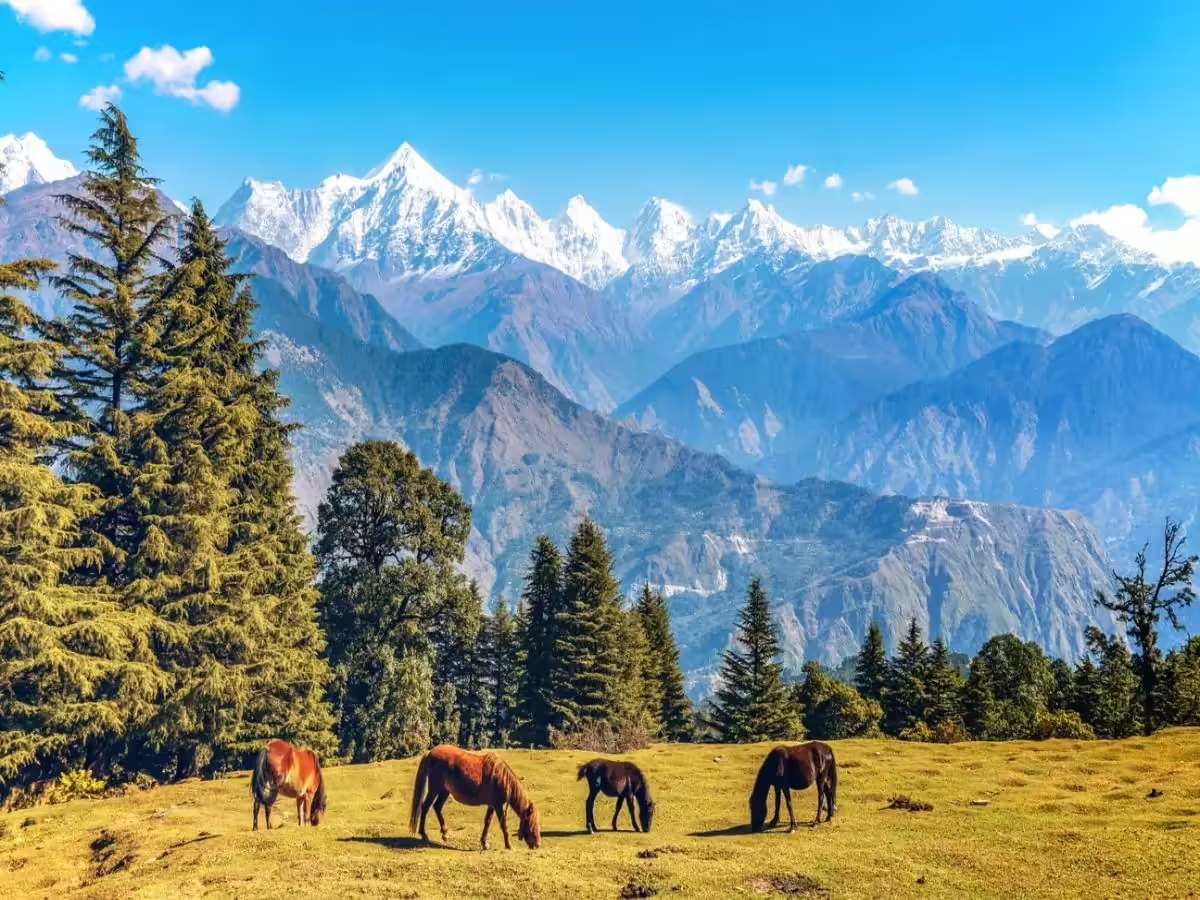
Nestled at an altitude of around 2,300 metres in the Pithoragarh district of Uttarakhand, Munsiyari is one of the Himalayas’ most spectacular offbeat destinations, renowned for its breathtaking views of the Panchachuli Peaks, alpine meadows, glaciers, and traditional Johar Valley culture. Often called the “Little Kashmir of Uttarakhand,” Munsiyari serves as the gateway to legendary Himalayan treks such as Milam Glacier, Ralam Glacier, and Namik Glacier. Visitors can explore attractions including Khaliya Top, Birthi Falls, Kalamuni Temple, Maheshwari Kund, Darkot Village, and the serene Thamri Kund, while enjoying birdwatching, trekking, camping, and authentic Kumaoni hospitality. Whether you’re planning an adventurous road trip, a photography expedition, a trekking holiday, or a peaceful escape into the Himalayas, this travel guide covers everything you need to know, including the best places to visit, things to do, the best time to visit, travel tips, and nearby attractions. The ideal time to visit is March to June and September to November, when the skies are clear and the Panchachuli range offers its most stunning views.
Must-Visit Attractions in Munsiyari
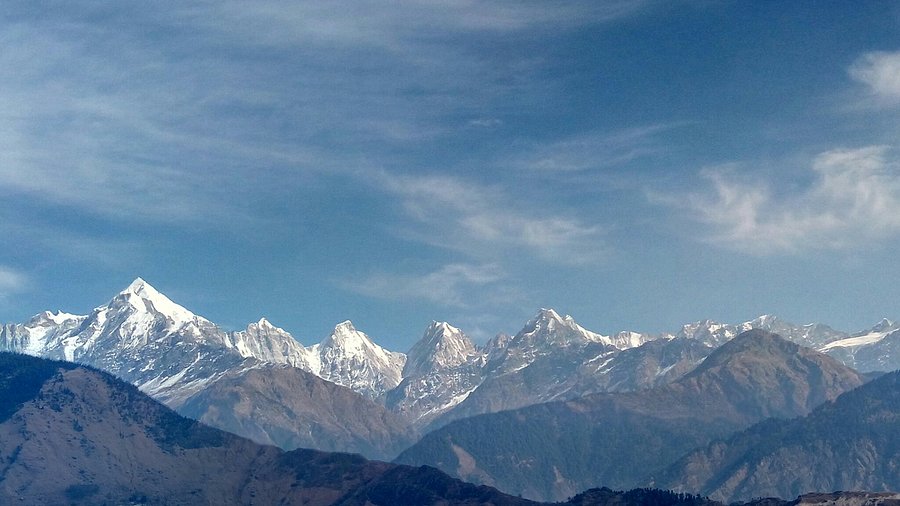
Panchachuli Peaks
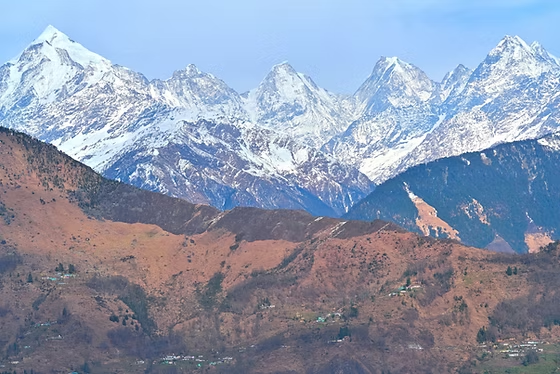
The crown jewel of Munsiyari, these five snow-clad peaks rise between 6,334 and 6,904 meters, named after the five hearths where the Pandavas cooked their last meal.
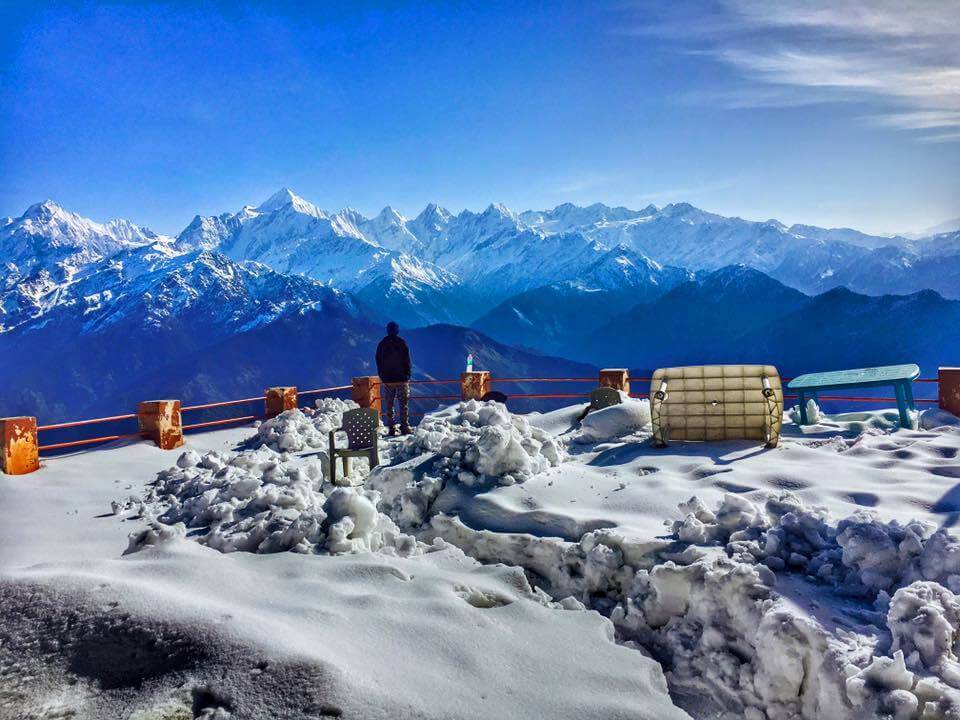
Khaliya Top
A stunning alpine meadow accessible via a 6-8 km trek through oak and rhododendron forests, offering 360-degree views of Panchachuli, Nanda Devi, and Rajrambha peaks.
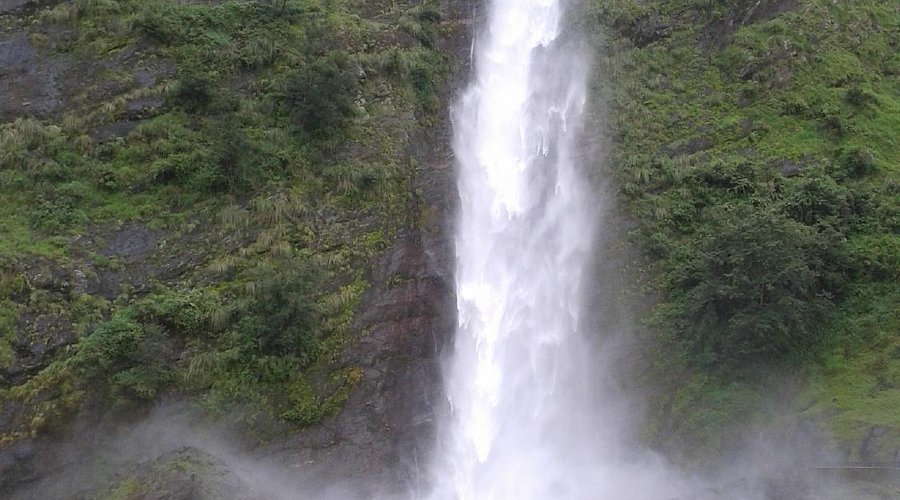
Birthi Falls
A spectacular 125-meter-high waterfall cascading through dense forests, located about 35 km before Munsiyari, perfect for photography and picnics.
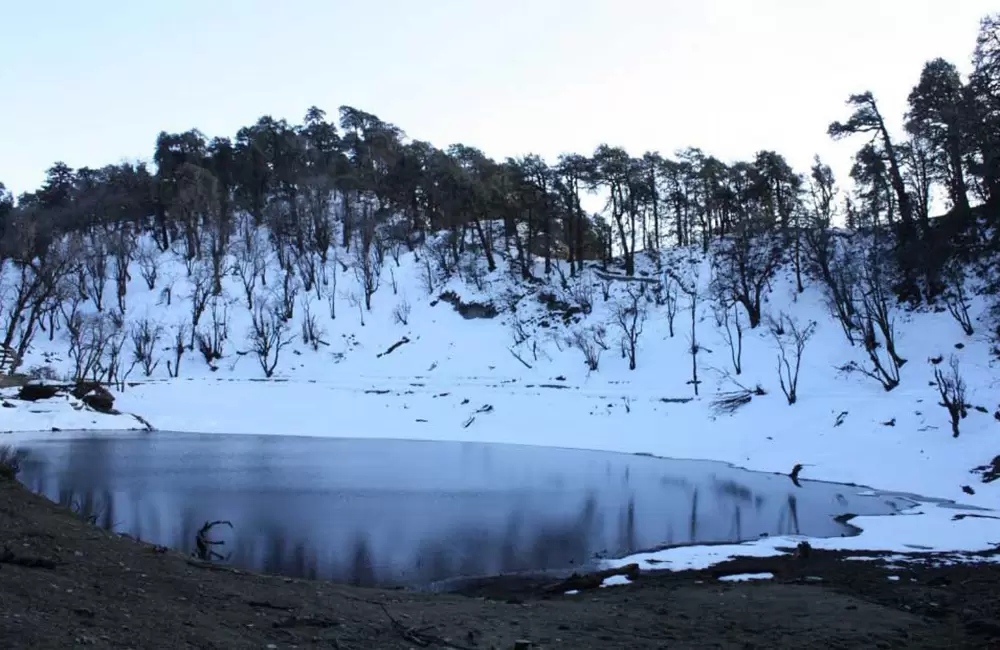
Thamri Kund
A serene high-altitude alpine lake surrounded by rhododendron forests, accessible via a short 3-4 km trek, which freezes completely during winter.
Major Attractions Nearby Munsiyari
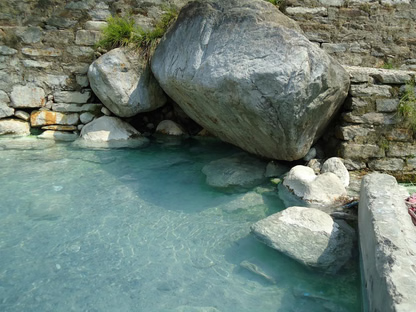
Madkot Hot Springs
Natural sulphur-rich hot springs on the banks of the Gori Ganga River, located about 30 km from Munsiyari and believed to have healing properties.
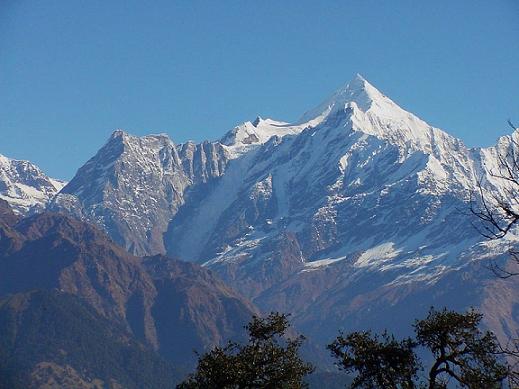
Betulidhar
A high-altitude meadow that transforms into a skiing and snow-play paradise in winter, covered with wildflowers and grazing sheep in summer.
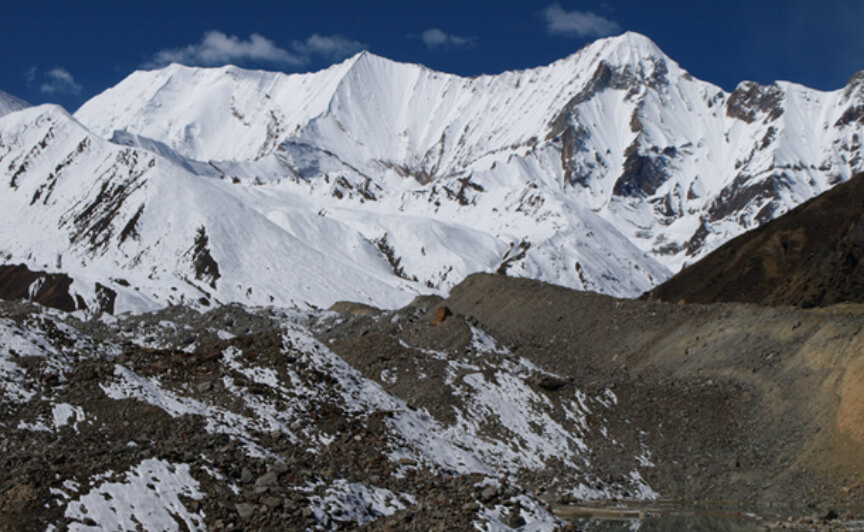
Milam Glacier
A challenging 10-12 day trek (60 km one way) through the historic Johar Valley, passing through ancient trade-route villages like Martoli and Lilam.
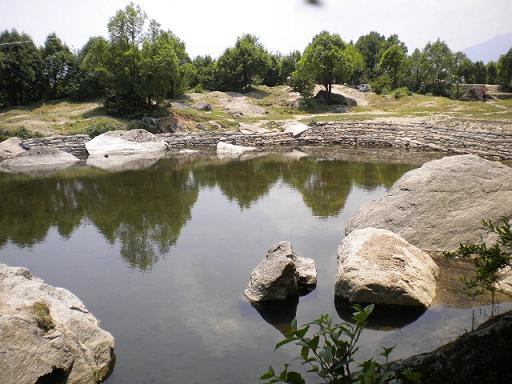
Maheshwari Kund (Mehsar Kund)
A small mythological lake near Munsiyari, believed to be a cursed pond haunted by a Yaksha, now a tranquil retreat with peak reflections.
Things to do in Munsiyari
Experience the raw beauty, cultural richness, and adventurous spirit of this Himalayan hideaway. From trekking to alpine meadows to soaking in natural hot springs, Munsiyari offers an unforgettable journey.
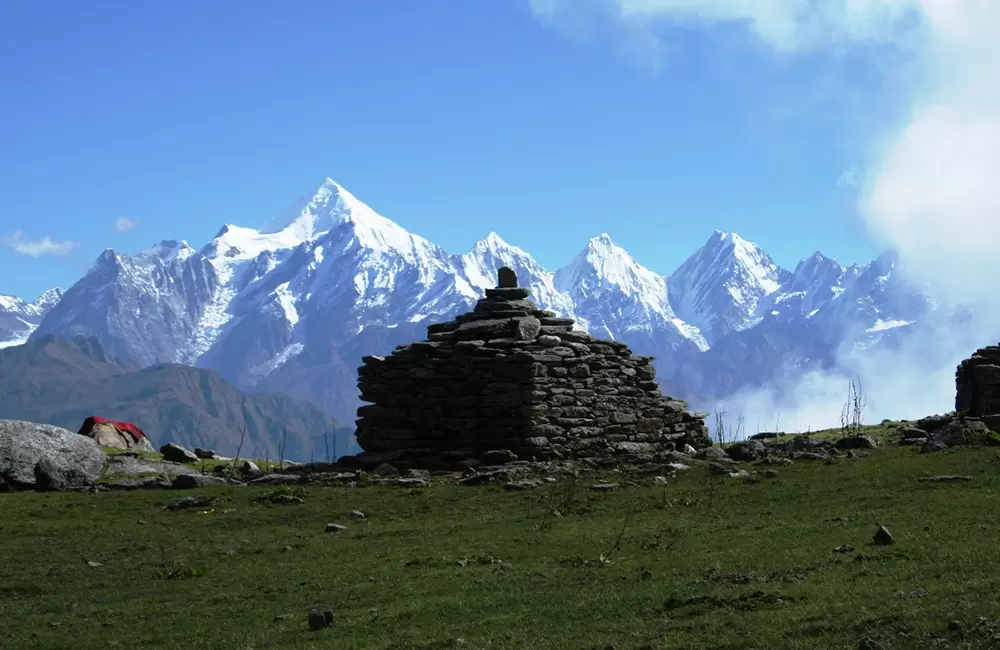
Trek to Khaliya Top
Embark on the region’s most popular trek, a 6-8 km trail through oak and rhododendron forests opening into vast alpine meadows with 360-degree Himalayan views.
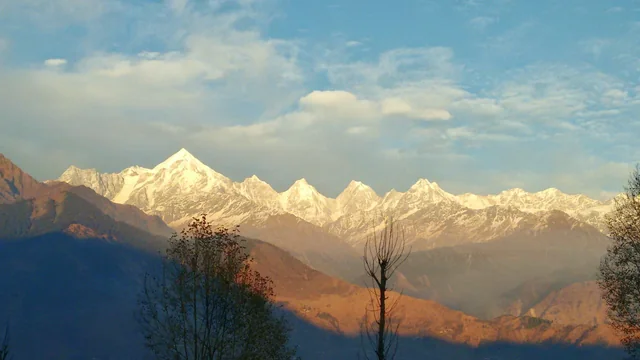
Witness Sunrise Over Panchachuli
Wake up early to watch the first rays of sun turn the five sacred peaks from pink to gold, best viewed from Nanda Devi Temple or Balanti Farm.
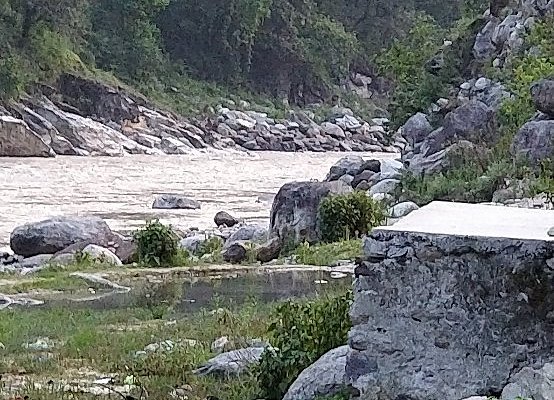
Soak in Madkot Hot Springs
Relax in the natural warm waters of sulphur springs on the banks of the Gori Ganga River, believed to have medicinal properties.
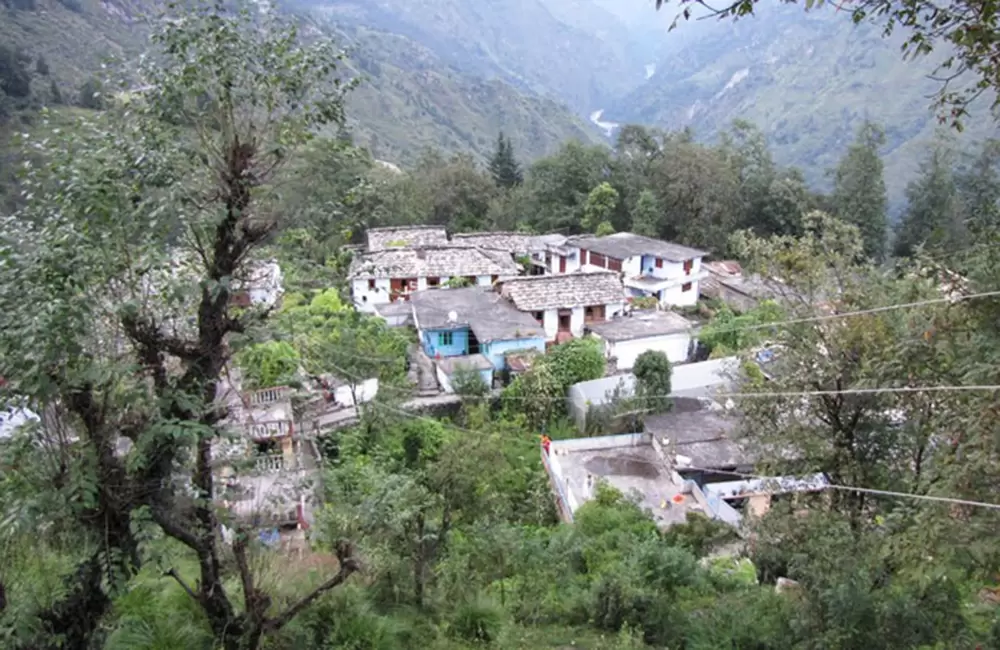
Visit Darkot Village for Authentic Pashmina
Watch local Bhotia women weave traditional shawls on wooden looms and buy authentic hand-woven Pashmina at much better prices than tourist markets.
The Performing Art of Munsiyari
A serene hub for performing arts, deeply rooted in the folk traditions of the Kumaon Himalayas. The region has a rich heritage in folk music, dance, and ritualistic performances, with local artists drawing inspiration from the majestic Panchachuli peaks and the tranquil mountain landscapes. Traditional music forms like Baithki Holi and Khadi Holi, accompanied by the harmonium, tabla, and dhol, are deeply embedded in the region’s cultural identity, celebrating the arrival of spring with soulful melodies. Chholiya and Jhora dance forms also flourish here, often performed during weddings, harvest festivals, and religious gatherings, embodying the joyful spirit and martial traditions of the Kumaoni people. The region’s deep connection with folk music and dance continues to inspire generations, preserving its artistic legacy in the pristine valleys of Munsiyari.
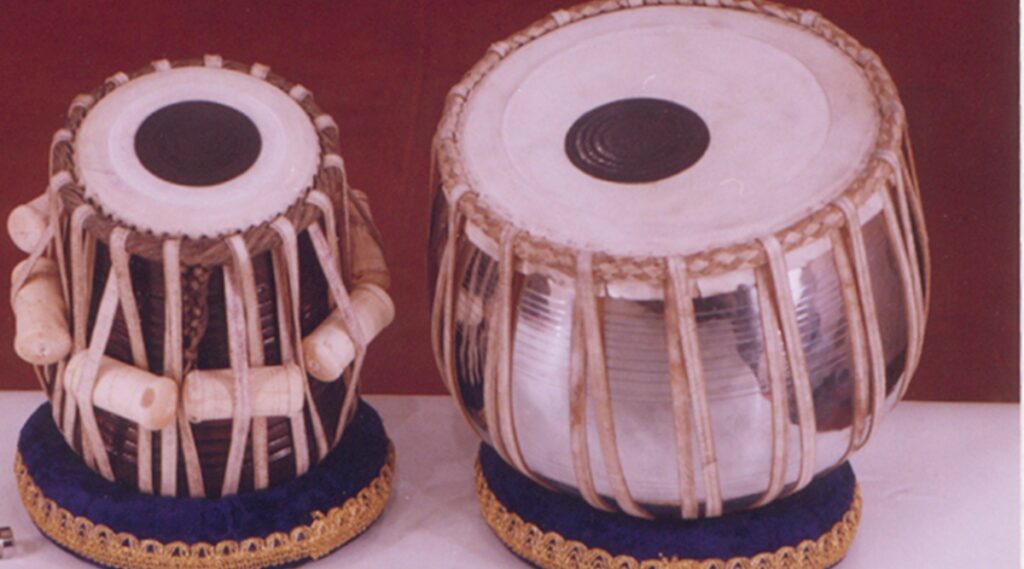
Baithki Holi
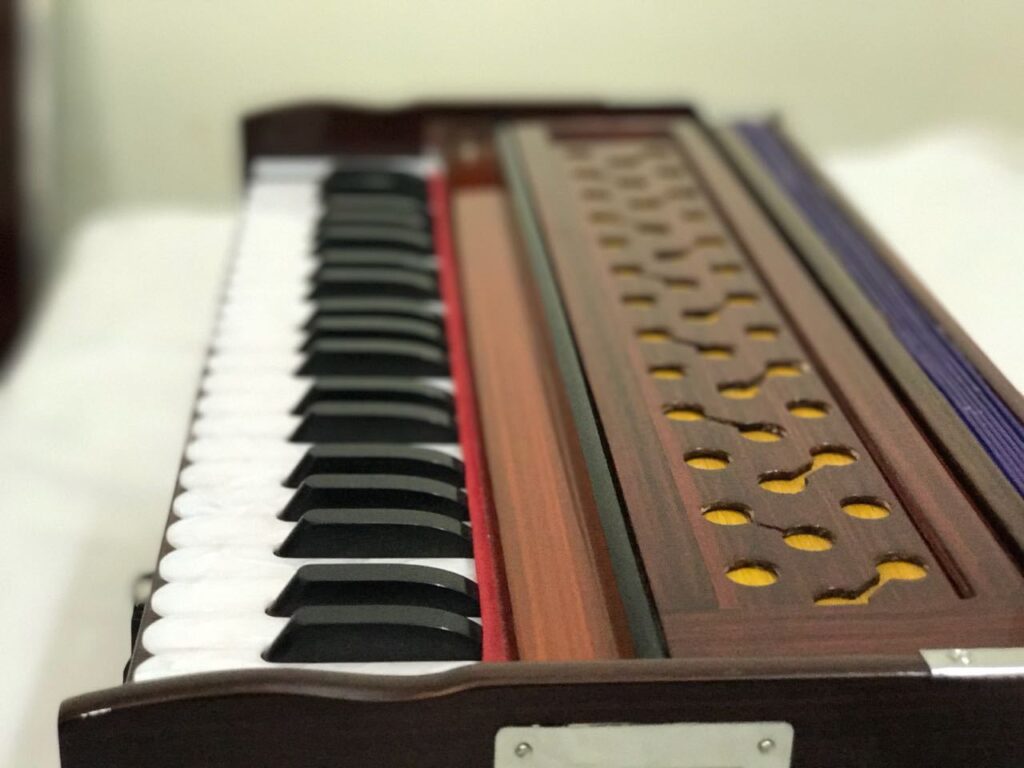
Khadi Holi
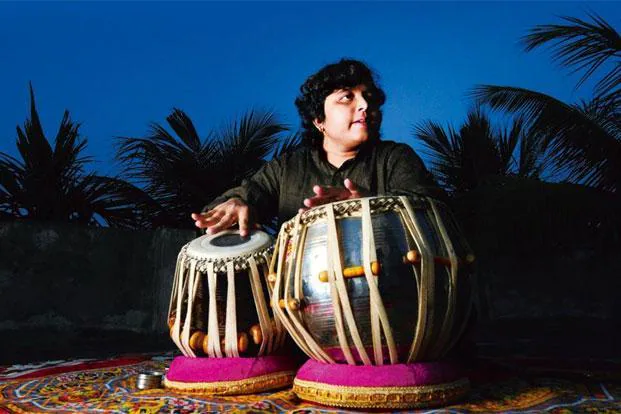
Mahila Holi
The region is a major center for traditional Kumaoni folk music, with iconic styles like Baithki Holi, Khadi Holi, and Jhoori shaping its cultural identity. The soulful melodies of Jhoori, sung by young men and women in the hills, express themes of love, separation, and longing, while the classical Holi songs of Baithki Holi, accompanied by harmonium and tabla, celebrate the arrival of spring with devotional fervor. Folk music, including the energetic Chholiya ballads and the rhythmic Mahila Holi songs, tells tales of martial valor, divine love, and the timeless beauty of the Himalayan landscape.
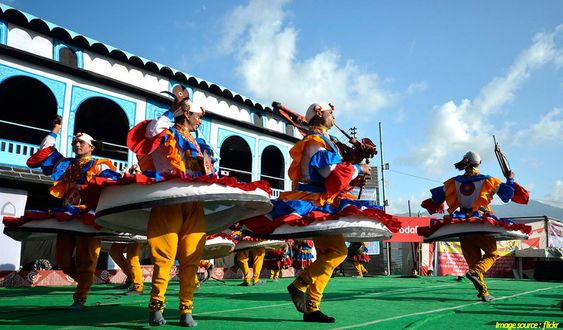
Chholiya Dance
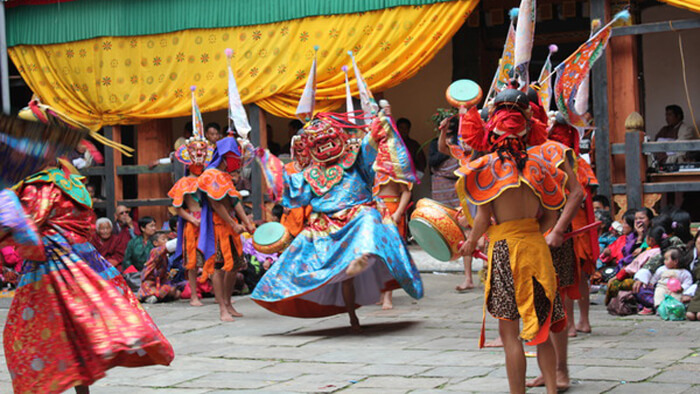
Jhora Dance
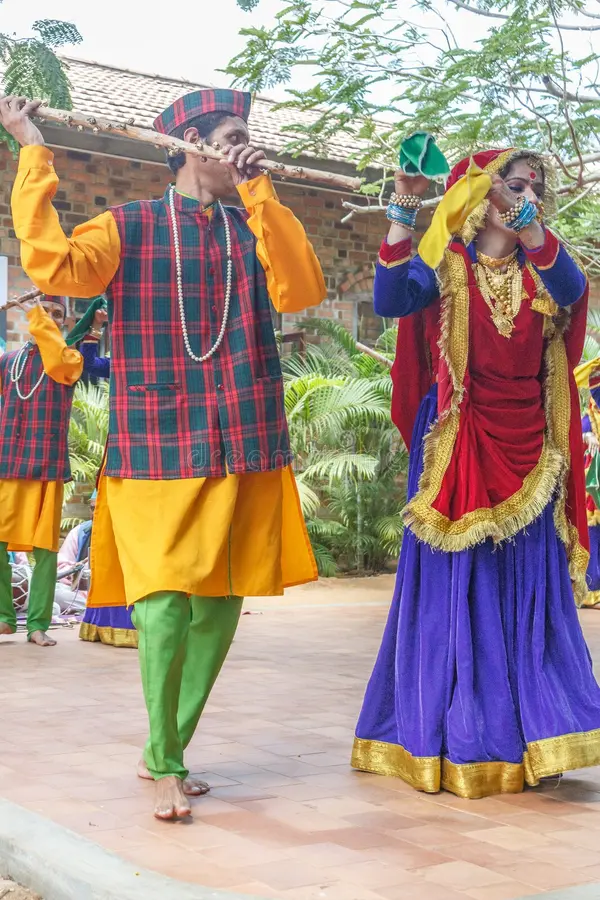
Chhapeli Dance
The region is a major center for traditional Kumaoni folk dance, with iconic forms like Chholiya, Jhora, and Chhapeli shaping its cultural identity. The graceful, circular movements of Jhora, performed by men and women during the autumn harvest festival, are accompanied by the rhythmic beats of the dhol and shehnai, creating a joyful, celebratory atmosphere. Folk dances, including the energetic Chholiya martial dance with swords and shields and the narrative Chhapeli dance depicting romantic tales, tell stories of warrior traditions, village life, and the timeless bond between Radha and Krishna.
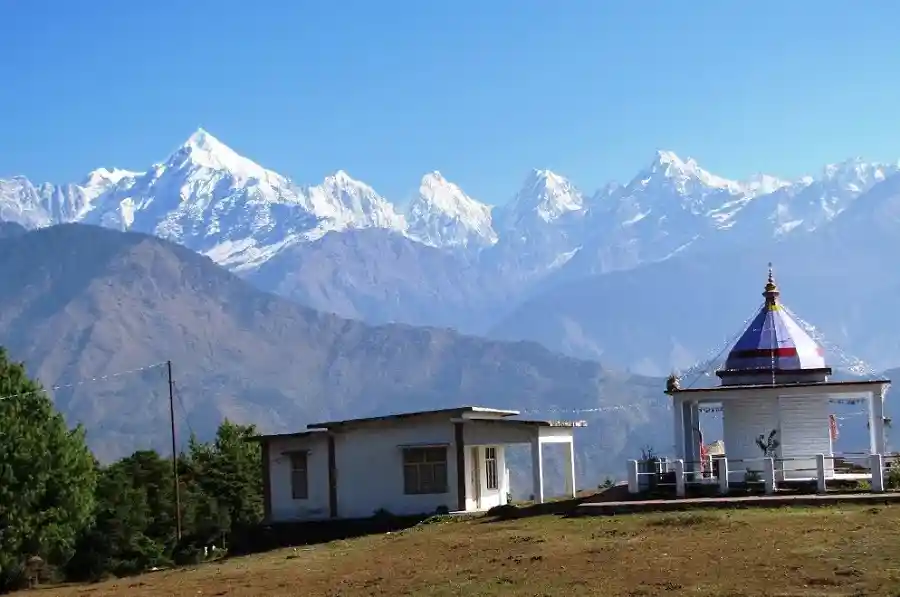
City Vibes - Little Kashmir's Untouched Serenity
Munsiyari exudes a quiet, soulful charm that sets it apart from crowded hill stations like Manali or Shimla. The air is crisp, carrying the scent of pine, deodar, and wood smoke from chimneys. The town is small and unassuming, with tin-roof houses, terraced fields, and the mighty Panchachuli peaks dominating every angle. The silence here is so complete that you can hear birds from kilometers away. Locals, predominantly from the Bhotia and Shauka tribes, are warm and welcoming, living simply amidst stunning natural beauty. It’s a place that teaches you to wait, to slow down, to match the pace of stone and sky—a destination where first-timers plan return trips before they’ve even left.
Heritage of Munsiyari
Munsiyari’s heritage is deeply rooted in Kumaoni and Bhotia tribal culture, mythology, and the legacy of ancient trade routes. The town’s name means “place of snow,” reflecting its high-altitude Himalayan location. According to Hindu mythology, the Panchachuli Peaks are named after the five hearths (chulhas) where the Pandavas cooked their last meal before ascending to heaven. The region was historically part of the Johar Valley trade route, connecting India to Tibet through passes like the Unta Dhura and Lipu Lekh. The Bhotia and Shauka tribes, who inhabited this region, were skilled traders and weavers, traditions that continue today in villages like Darkot, famous for hand-woven Pashmina shawls. The Nanda Devi Mela, celebrated annually in September, showcases traditional music, dance, and cuisine, keeping the region’s cultural heritage alive.
Cuisine of Munsiyari
The cuisine of Munsiyari is traditional Kumaoni food, known for its simplicity, earthy flavors, and generous use of locally sourced millets, lentils, and greens, perfect for the harsh Himalayan winters.
Bhatt ki Churdkani
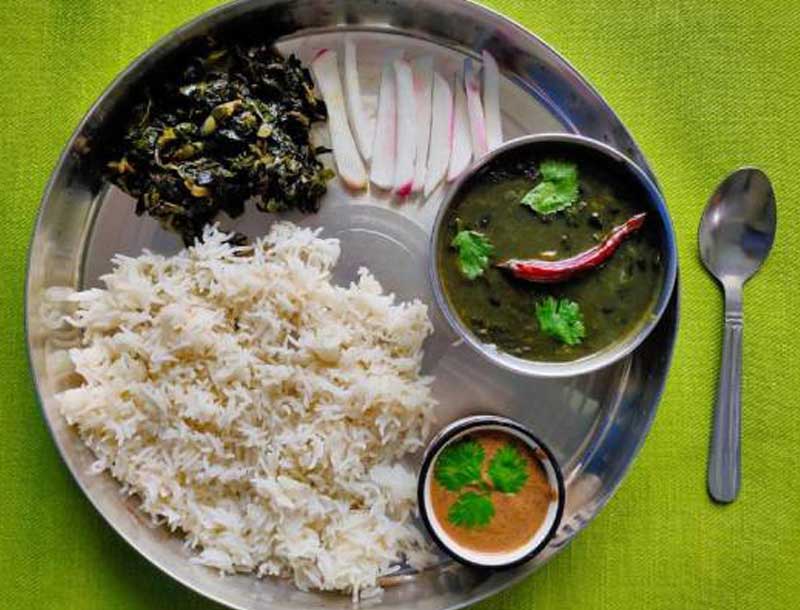
A rich, exotic black soybean dal cooked with aromatic spices and herbs, offering a unique, earthy taste and high protein content.
Kafuli
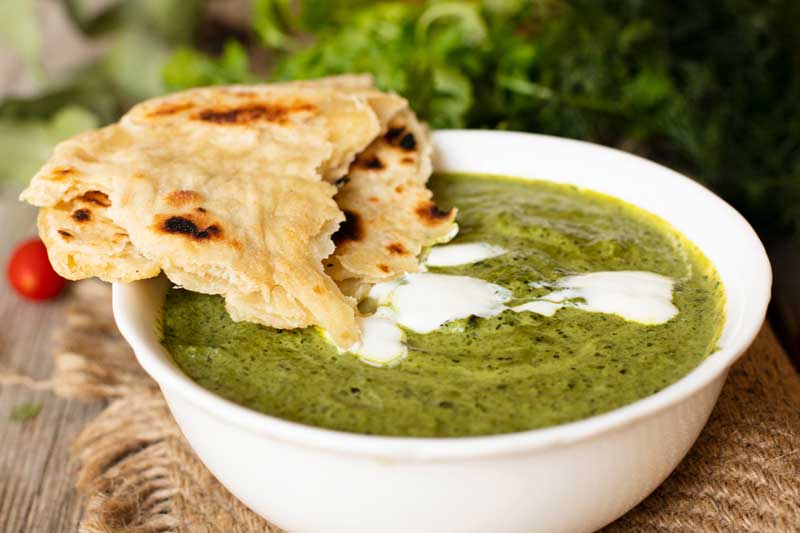
A nutritious, thick gravy dish made from spinach and fenugreek leaves, representing the hearty greens-focused diet of the Kumaon region.
Aloo Ke Gutke
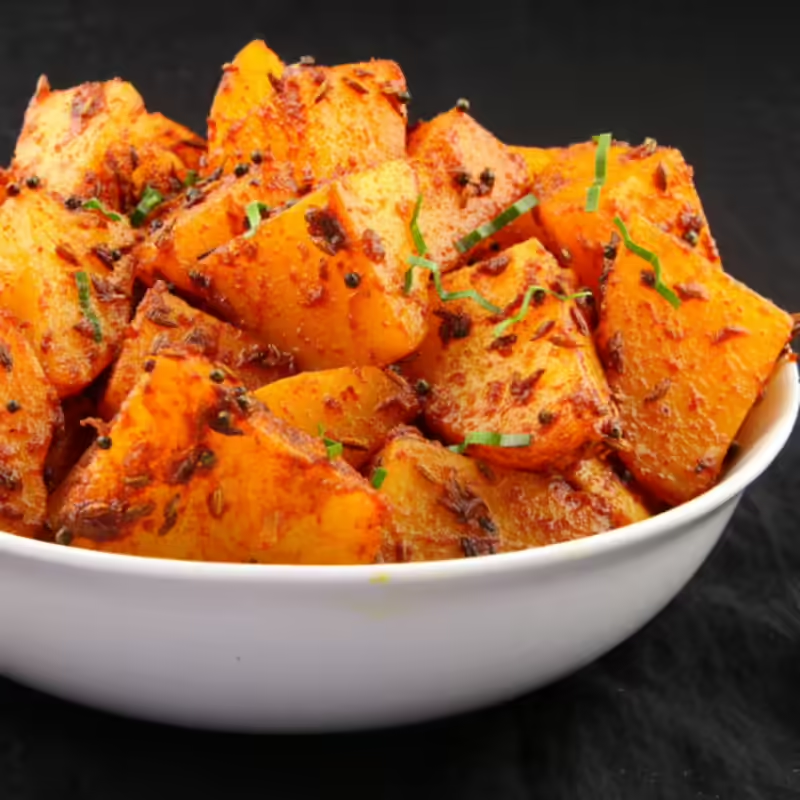
A spicy, tangy snack made from boiled potatoes tempered with local spices, simple yet flavor-packed, often served with roti or as a side dish.
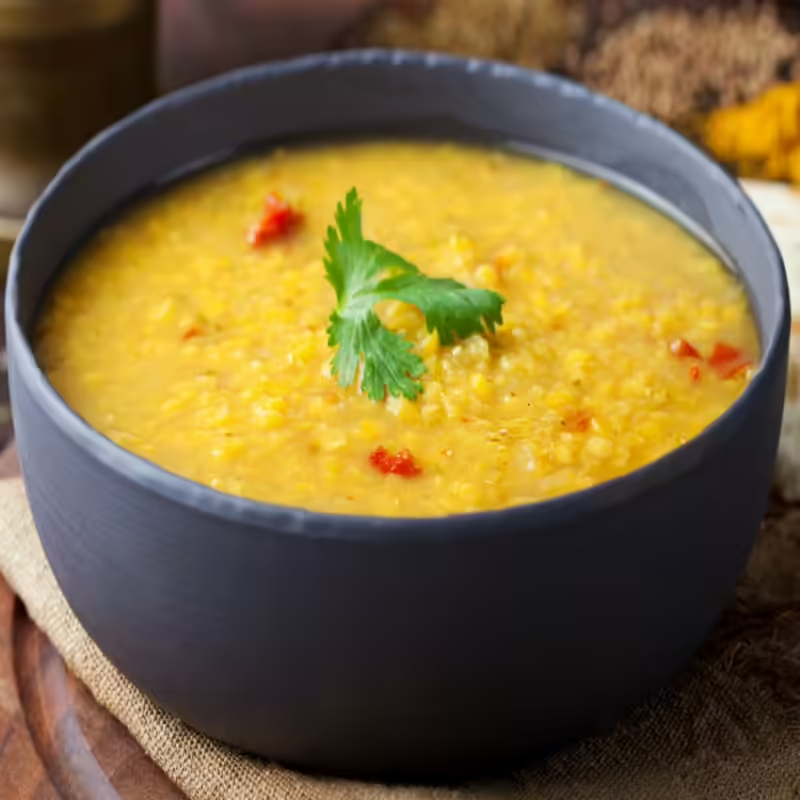
Phanu
A high-protein comfort food made from different varieties of lentils, slow-cooked to perfection, a fan-favorite during cold weather.
Shopping in Munsiyari
Shopping in Munsiyari is centered around authentic local handicrafts, hand-woven woolens, and organic agricultural produce that reflect the region’s culture
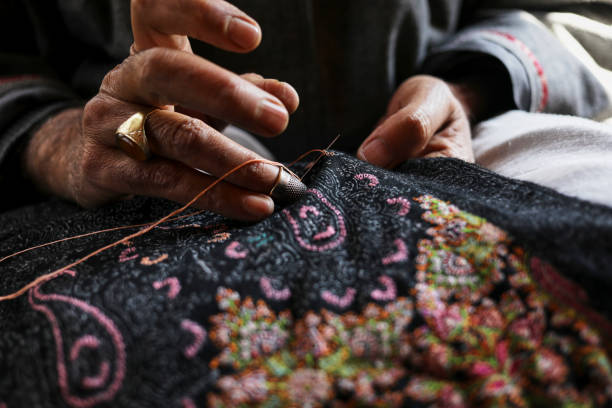
Pashmina Shawls
Hand-woven shawls, stoles, and winter wear made by Bhotia women using sheep’s wool and rabbit’s wool, available at Darkot Village and the main market.
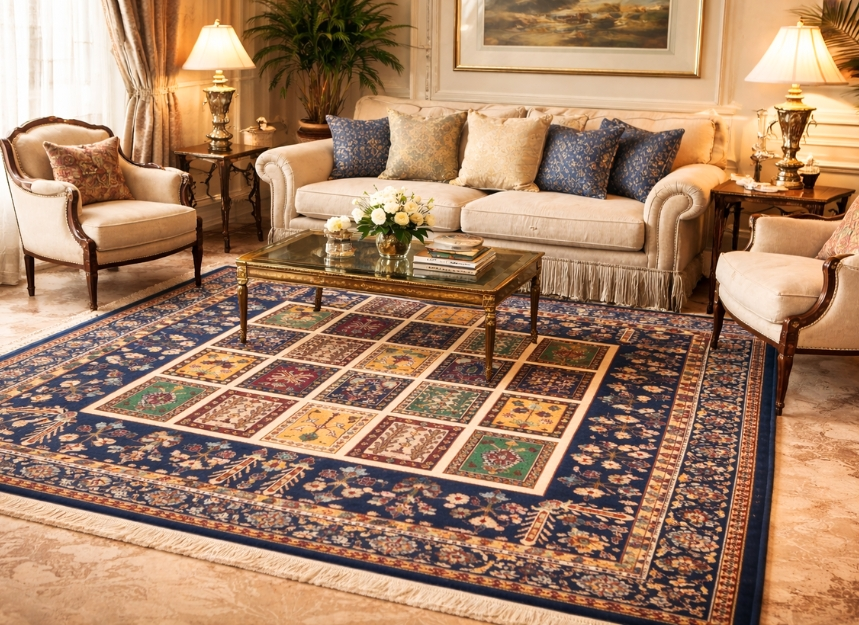
Handwoven Carpets
Beautiful, handwoven woolen carpets made by local artisans, supporting the economic development of local women and families.
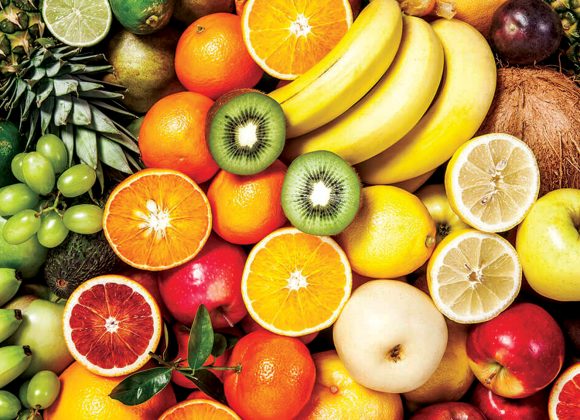
Organic Fruits
Near Sevila, you can buy organic oranges, cucumbers, and other seasonal fruits grown without chemical fertilizers.
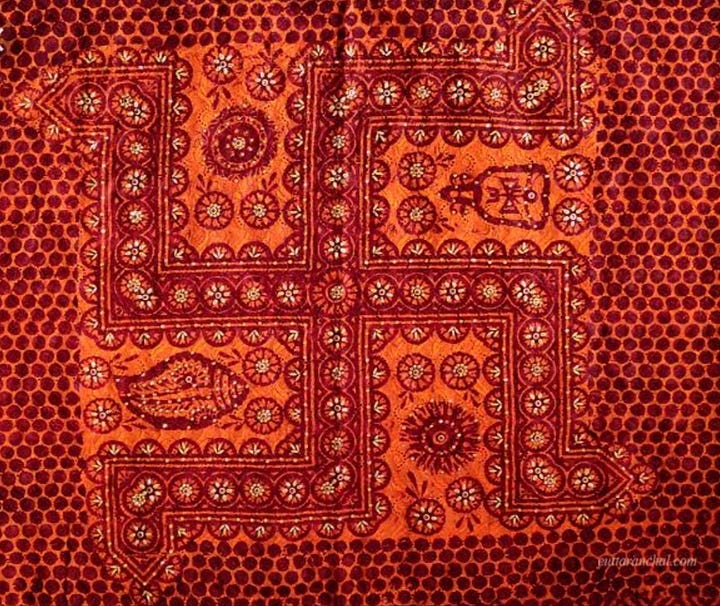
Traditional Kumaoni Handicrafts
Wooden carvings, copper utensils, and local handicrafts available at small shops in the main market.
Tourist's Handbook
The best time to visit Munsiyari is from March to June and September to November. Spring and summer (March-June) offer pleasant temperatures between 10°C and 25°C, blooming rhododendrons, and clear mountain views, making it ideal for trekking and sightseeing. Autumn (September-November) brings crisp, clear air, spectacular peak visibility, and colorful fall foliage, though evenings can be chilly. Winters (December-February) are cold with temperatures dropping below freezing (0°C to 8°C) and heavy snowfall, transforming the region into a white wonderland, but some roads and treks may be closed. The monsoon (July-August) brings heavy rainfall, prone to landslides, making it the least recommended time to visit.
- Dress in Layers for Rapid Weather Changes – Himalayan weather changes quickly; wear layers and carry a waterproof jacket, especially if trekking to Khaliya Top or visiting viewpoints early morning or late evening.
- Wear Sturdy Footwear for Treks and Trails – Trails to Khaliya Top, Thamri Kund, and Nanda Devi Temple can be uneven, steep, or slippery; wear comfortable, non-slip hiking boots with good ankle support.
- Carry Your Own Bottled Water & Snacks – Munsiyari has limited shops and restaurants; pack sufficient sealed bottled water, energy bars, and snacks for day trips and treks.
- Check Weather and Road Conditions Before Traveling – Avoid visiting during monsoon (July-August) as roads become prone to landslides; check road conditions in advance, especially when traveling from Thal or Bageshwar.
- Acclimatize to High Altitude – At 2,298 meters, some visitors may experience mild altitude sickness; rest on the first day, stay hydrated, and avoid strenuous activity immediately upon arrival.
- Hire Local Guides for Treks – For treks like Milam Glacier or Ralam Glacier, hire experienced local guides who know the terrain and can navigate remote trails safely; for Khaliya Top, a guide is recommended but not strictly necessary.
- Keep Emergency Contacts Handy – Save local police, the nearest hospital, and your hotel's phone numbers; mobile signals can be weak in remote areas around Munsiyari.
Munsiyari is a small hill town best explored by foot for short distances within the town center. Local taxis and jeeps are available for short trips to nearby attractions like Darkot Village, Birthi Falls, and Thamri Kund; negotiate fares before starting. For visiting nearby attractions or trek starting points, hiring a private taxi from Munsiyari town for a full-day or half-day trip is the most convenient option. Local buses are infrequent and unreliable; it's best to arrange transport through your hotel. Note that petrol pumps are scarce above Bageshwar, so always fill up before heading to Munsiyari.
Negotiate Taxi Fares Before Departure – Always agree on the total fare before starting any journey; ask your hotel staff for estimated rates to avoid overcharging, especially for trips to Birthi Falls, Madkot, or the road head.
Beware of Fake Pashmina – Some shops may sell synthetic or blended shawls as authentic Pashmina; buy only from Darkot Village directly from weavers or from government-approved handicraft emporiums.
Don't Fall for "Special Trek Guide" Offers – At Khaliya Top trailhead, self-appointed guides may offer to take you for a fee; the trail is relatively straightforward, and official guides are available at registered rates if needed.
Check Homestay Amenities Before Booking – Many accommodations in Munsiyari are basic homestays or guesthouses; confirm hot water availability, heating (winter), and food arrangements before paying.
Compare Prices of Woolens Before Buying – Hand-woven shawls and carpets may be priced higher for tourists; check prices at two or three shops in Darkot Village and the main market before purchasing.
Avoid Unsolicited "Off-Map Viewpoint" Offers – Some locals may offer to take you to a hidden viewpoint for a fee; most spectacular views of Panchachuli are accessible for free from Balanti Farm, Nanda Devi Temple, and town viewpoints.
Use Reputable Cab Services for Long Trips – For trips from Kathgodam or Pantnagar to Munsiyari, book taxis through your hotel or a known travel agency rather than accepting offers from random touts at the railway station.
Explore Munsiyari
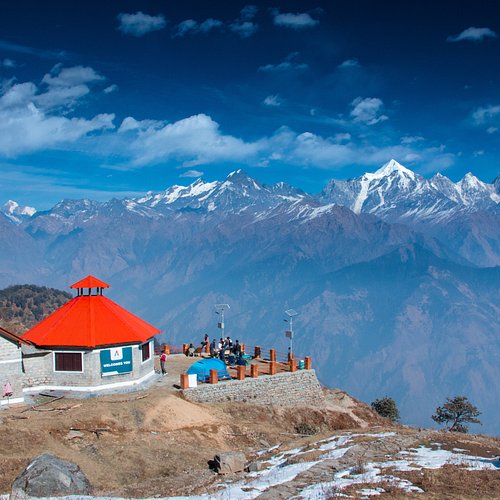
Munsiyari Blogs
- Uttarakhand Cultural Guide – Little Kashmir edition
- Places to visit in Munsiyari
- Places to visit nearby Munsiyari
- India’s best offbeat Himalayan destination
- Uttarakhand’s undiscovered trekking paradise
Recommended articles
- Uttarakhand Cultural Guide – Kumaoni cuisine and Bhotia heritage special
- Places to visit in Pithoragarh
- Places to visit in Milam Glacier
- India’s most scenic sunrise destinations