Trip and Tales

¤ 10+ minutes Read

Pasighat

A complete tourist and cultural guide

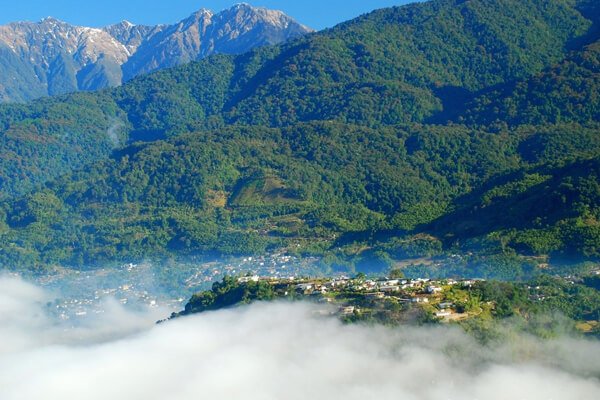
Pasighat, known as the “Gateway to Arunachal Pradesh,” is one of the oldest towns in the state and a serene destination for nature lovers and cultural explorers. Nestled along the banks of the mighty Siang River, the town is blessed with lush greenery, tribal heritage, and breathtaking landscapes. It offers a peaceful escape into nature, combined with the rich traditions of the Adi tribe, making it a unique and refreshing travel experience.

Wiki Link: Pasighat wiki page

Must-Visit Attractions in Pasighat

Daying Ering Wildlife Sanctuary

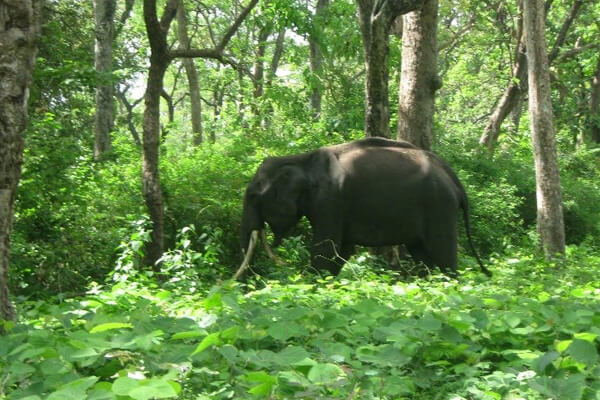
A sprawling sanctuary spread across river islands, famous for migratory birds and rich wildlife.

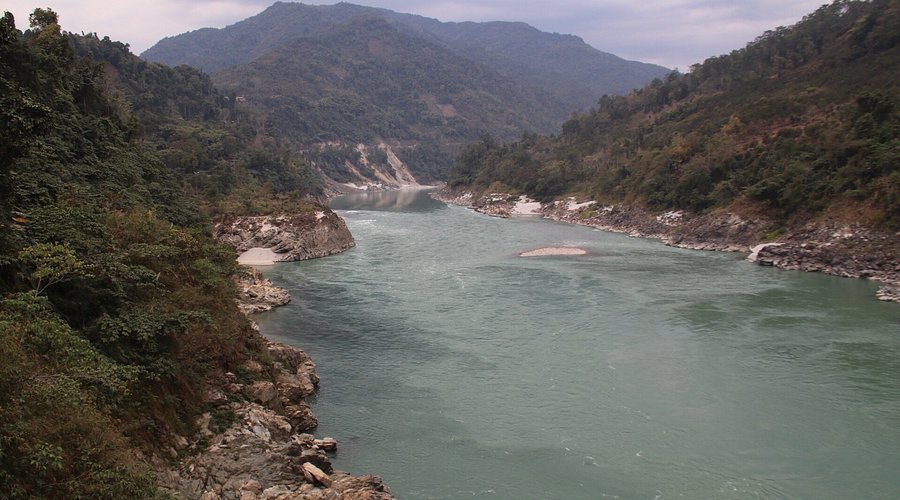
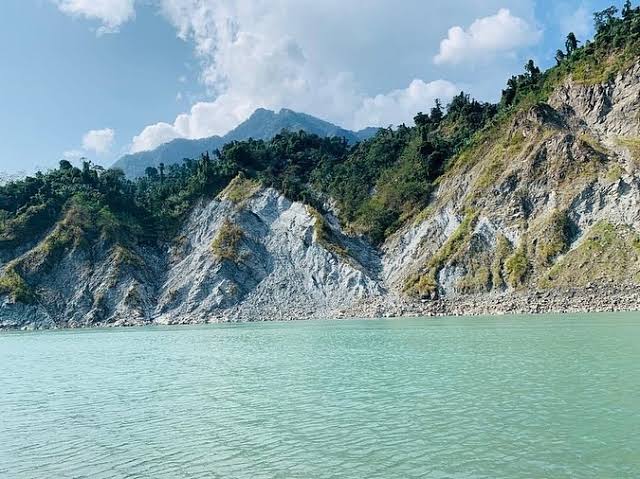
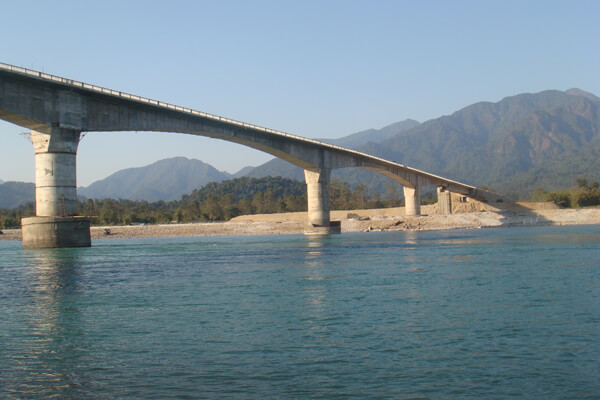
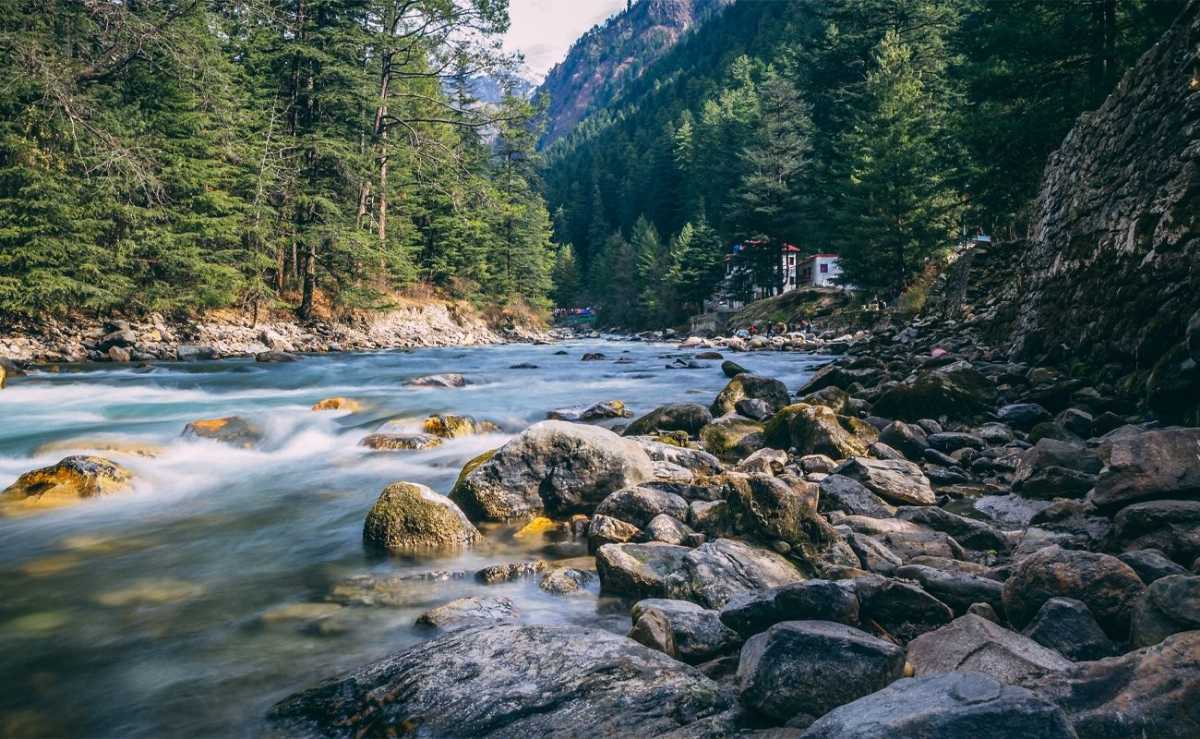
Siang River

A majestic river offering activities like rafting, angling, and scenic riverside views.

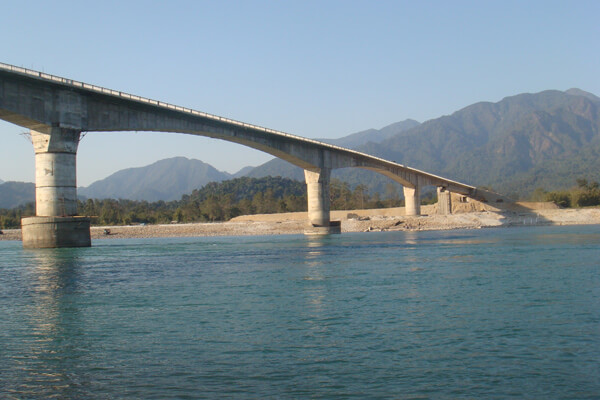
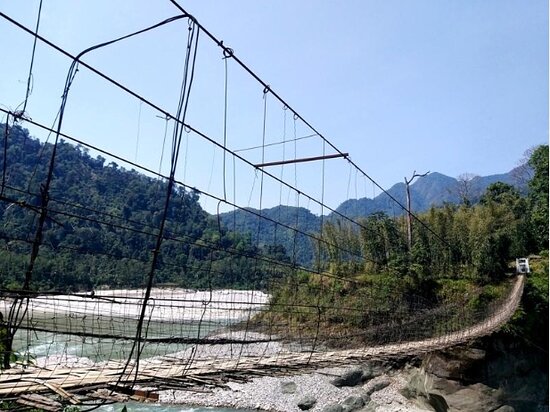
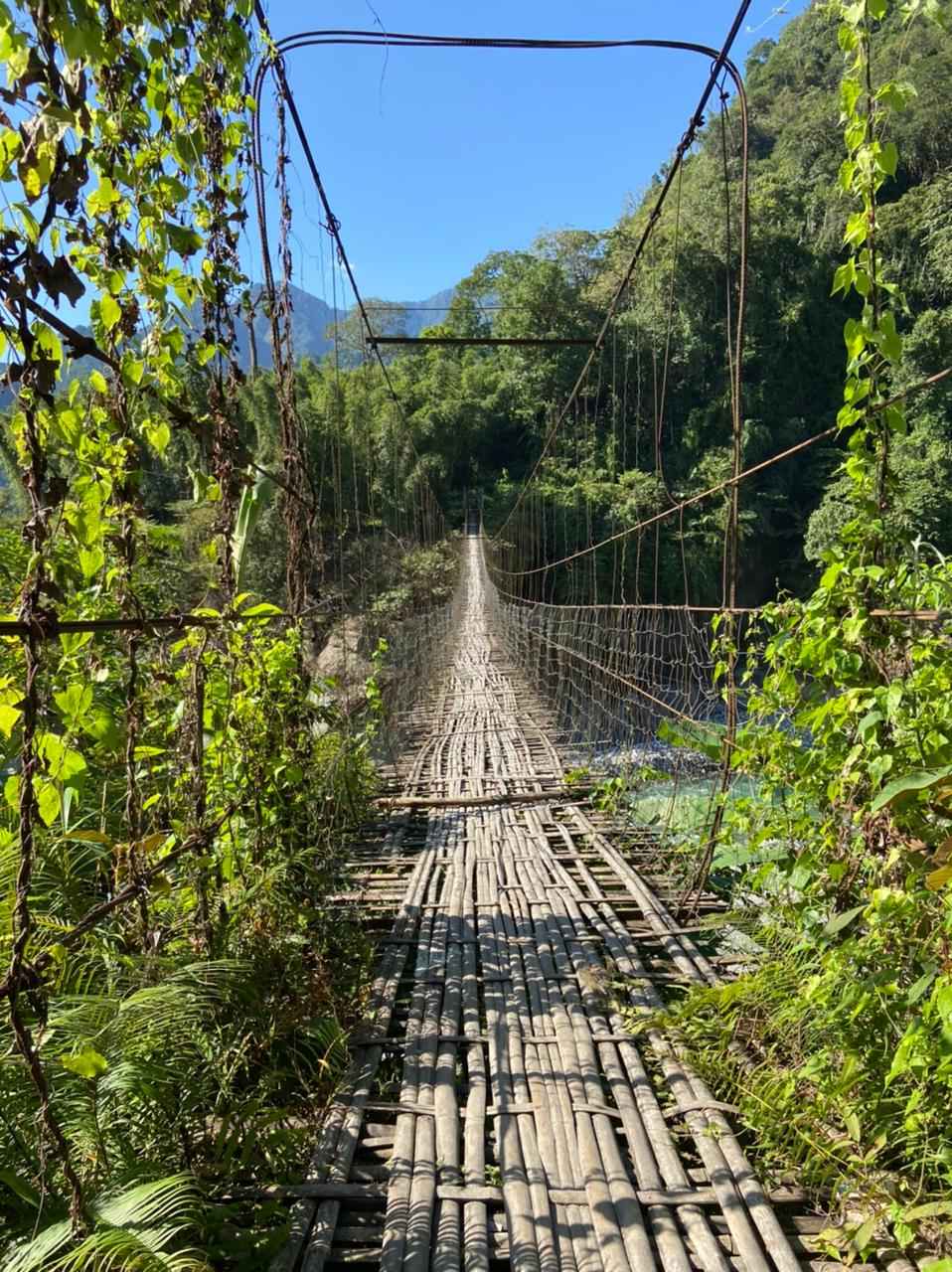
Pasighat Hanging Bridge

 A picturesque suspension bridge providing stunning panoramic views of the river and surroundings.

Bodak

A peaceful riverside picnic spot ideal for relaxation and enjoying natural beauty.

Major Attractions Nearby Pasighat

Yingkiong

A scenic town surrounded by hills and rivers, known for its untouched natural beauty.

Mouling National Park

A dense forest reserve rich in wildlife, trekking trails, and rare Himalayan species.

Sadiya

A historic town near river confluences, offering cultural and scenic experiences.

 Dibrugarh

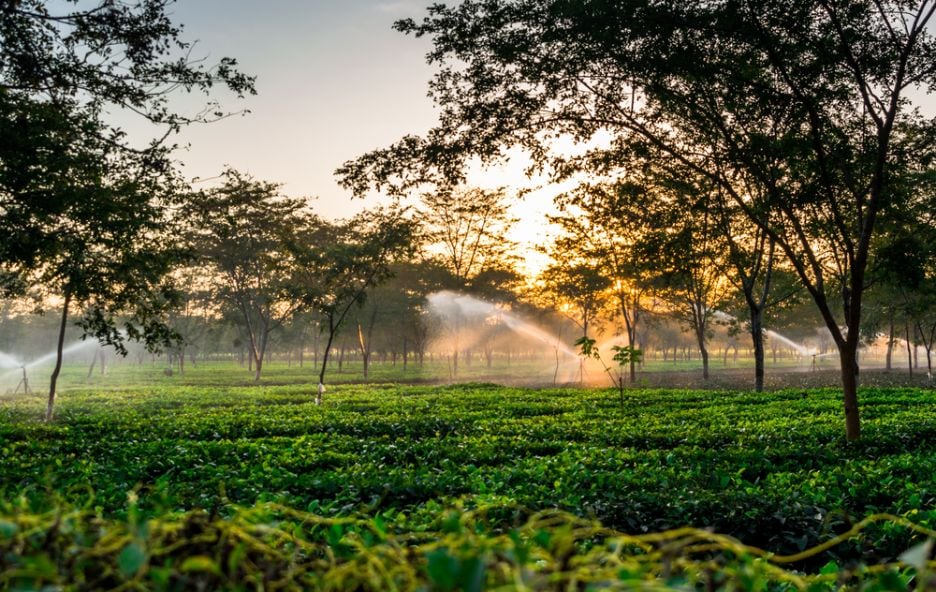
A nearby city famous for tea gardens and views of the Brahmaputra River.

Things to do in Pasighat

Experience the serene beauty, rich tribal culture, and adventure-filled landscapes of Pasighat. From river activities to cultural exploration, the town offers a peaceful yet exciting escape into nature.

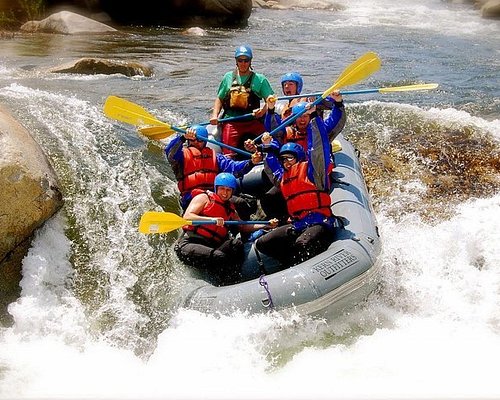
River Rafting

Experience thrilling rafting adventures on the Siang River amidst stunning landscapes.

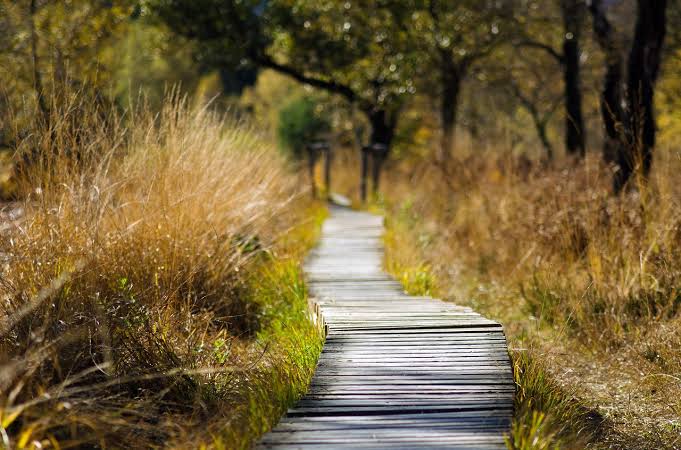
Nature Walks

Explore lush greenery, riverbanks, and peaceful surroundings perfect for relaxation.

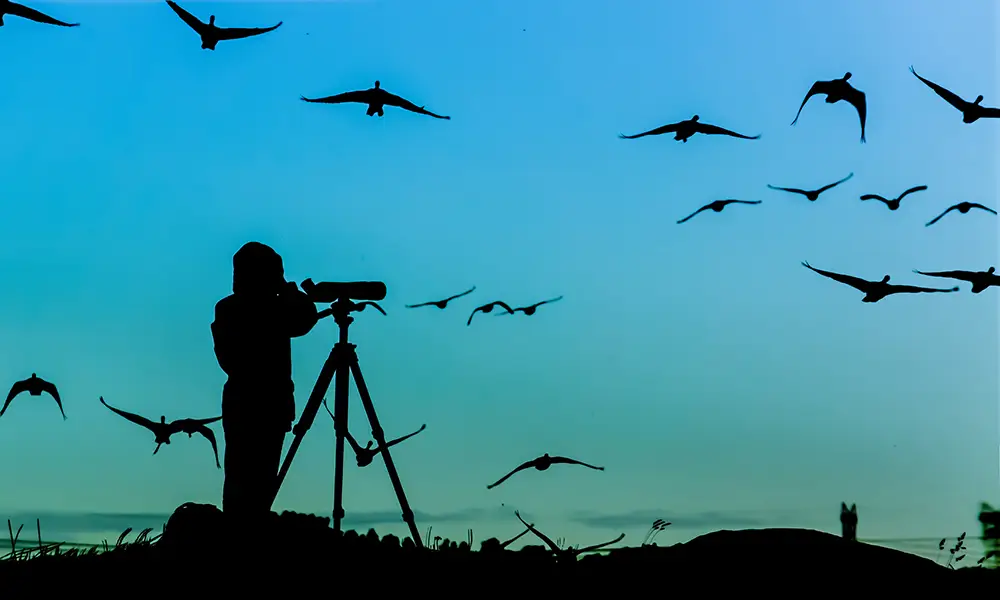
Bird Watching

Spot migratory and native birds at Daying Ering Wildlife Sanctuary.

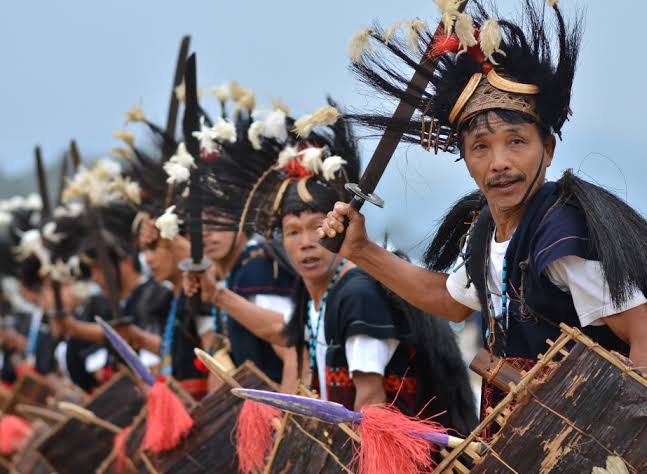
Cultural Exploration

Interact with local Adi tribes and experience their traditions, festivals, and lifestyle.

The Performing Art of Pasighat

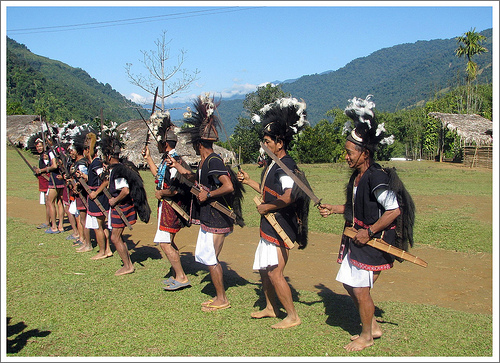
Pasighat reflects the rich traditions of the Adi tribe, one of the prominent indigenous communities of Arunachal Pradesh. Festivals like Solung celebrate agriculture, nature, and community bonding with vibrant rituals, dances, and feasts. Traditional bamboo houses, handwoven textiles, and local craftsmanship showcase the deep cultural roots of the region

Music Forms

Folk Tribal Songs

Ponung Songs 

Baryi Songs

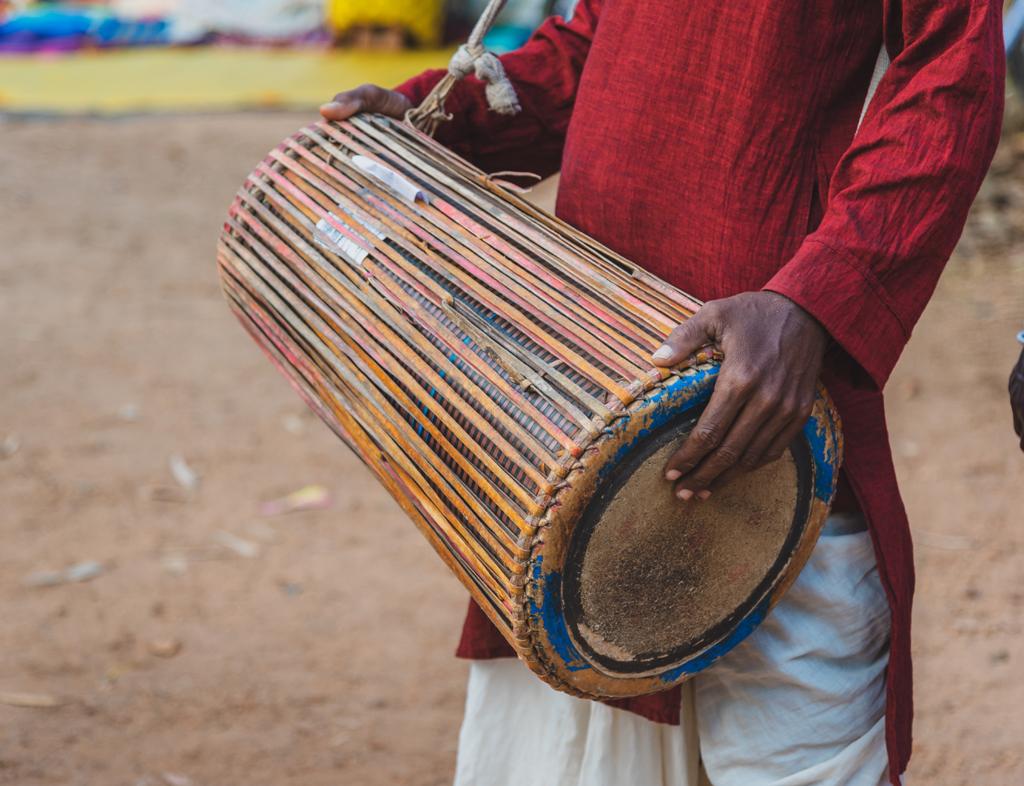
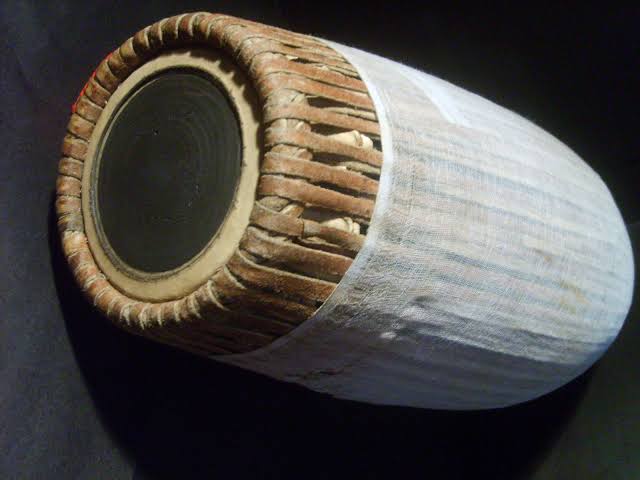
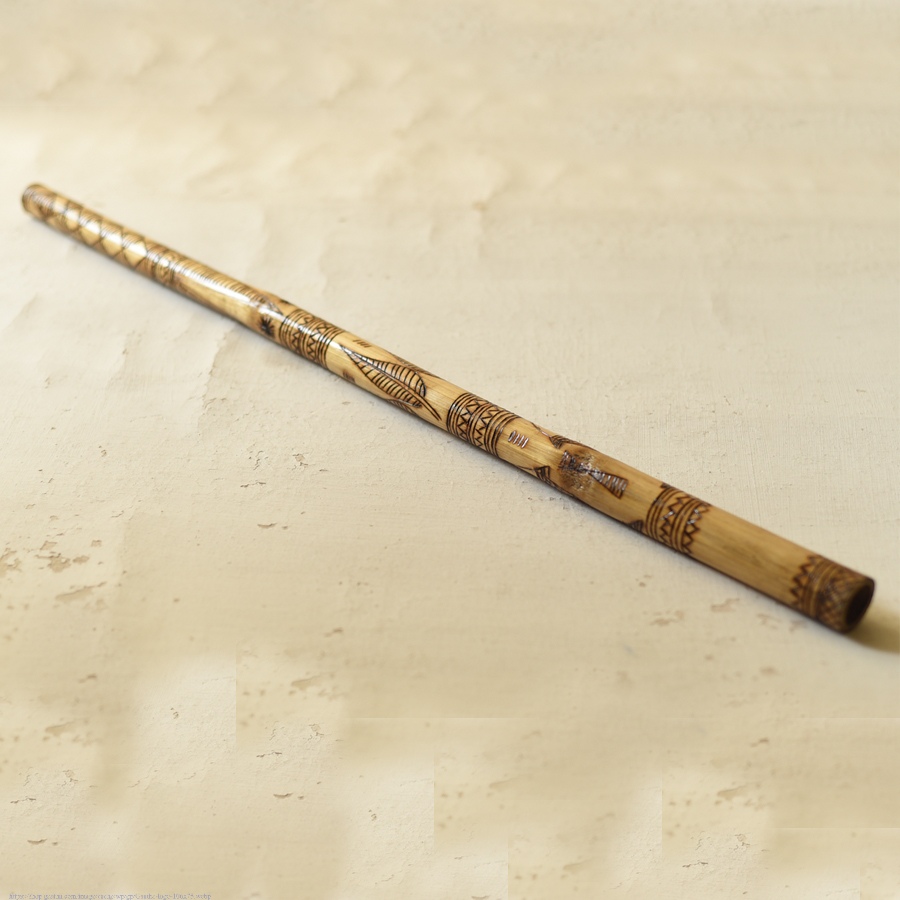
Pasighat’s music reflects the rich traditions of the Adi tribe, deeply connected to nature, rituals, and community life. Folk forms like Ponung and Baryi songs are performed during festivals and ceremonies, expressing devotion, storytelling, and harmony. These musical traditions, accompanied by rhythmic chants and simple instruments, preserve the cultural identity of the region across generations.

Dance Forms

Ponung Dance

Tapu Dance

War Dance

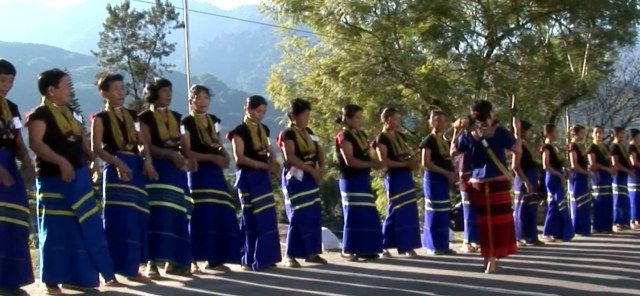
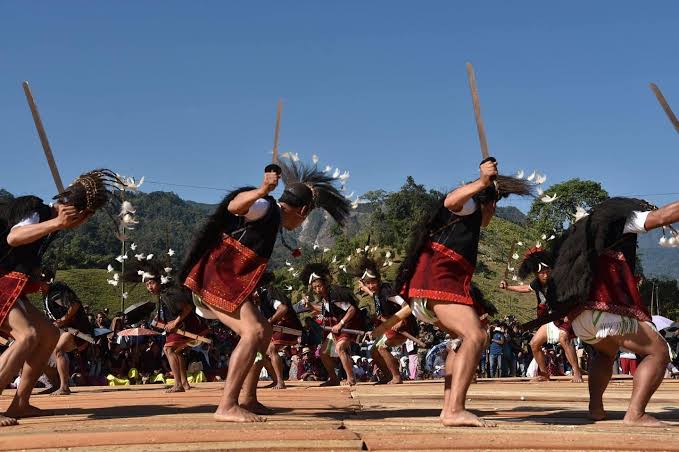
Pasighat’s dance traditions reflect the vibrant culture of the Adi tribe, closely tied to festivals, rituals, and community celebrations. Forms like Ponung, Tapu, and War Dance showcase grace, unity, and strength through rhythmic movements and coordinated group performances. These dances, often accompanied by folk music and chants, play a vital role in preserving the region’s cultural heritage..

City Vibes – Nature’s Calm Retreat

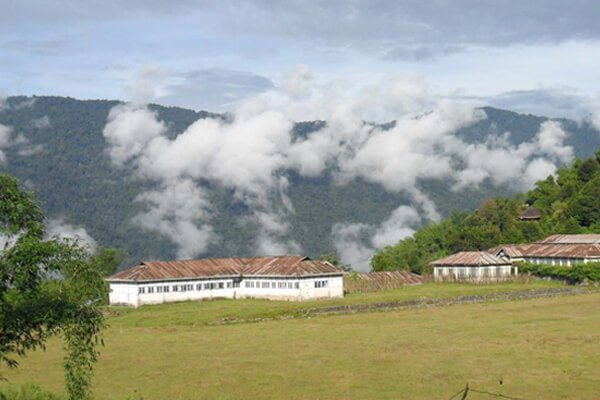
Pasighat offers a tranquil atmosphere where life flows gently along the river. Unlike bustling cities, it is defined by its calm environment, scenic beauty, and strong connection to nature. The rhythmic flow of the Siang River, chirping birds, and green landscapes create a soothing escape for travelers seeking peace.

Heritage of Pasighat

Established during the British era, Pasighat holds historical importance as one of Arunachal Pradesh’s oldest administrative centers. Its heritage lies in its tribal traditions, natural landscapes, and long-standing cultural practices that continue to thrive today.

Siang River in Pasighat

Cuisine of Pasighat

Pasighat’s cuisine reflects the simple and natural lifestyle of the Adi tribe, with a focus on fresh, locally sourced ingredients. Dishes often include rice, meat, fish, and bamboo shoots, prepared with minimal spices to retain authentic flavors.

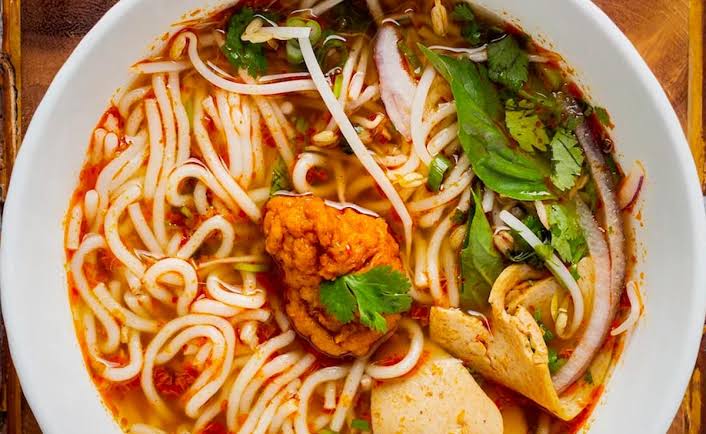
Thukpa

A warm noodle soup filled with vegetables or meat, perfect for the cool climate.

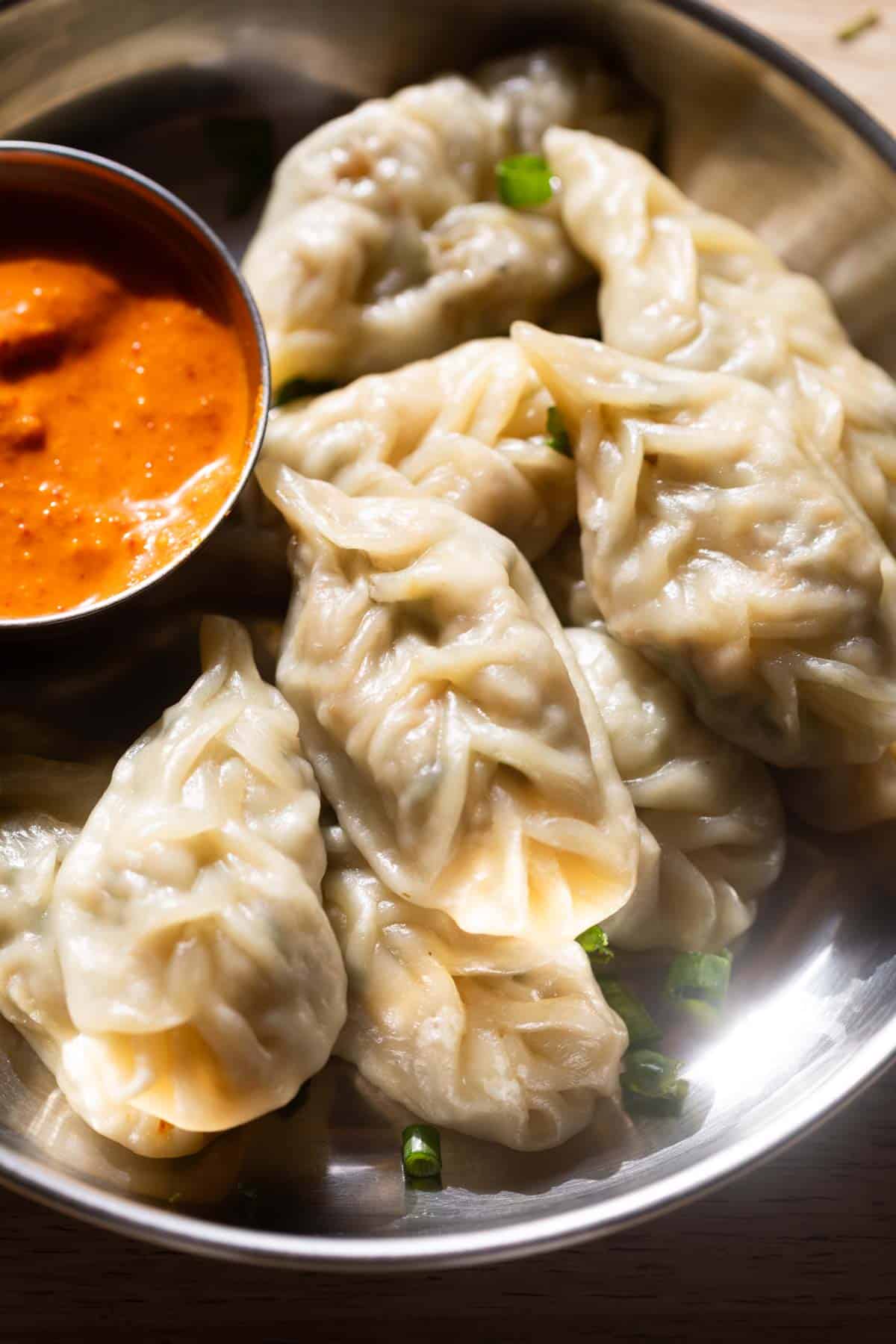
Momos

Steamed dumplings served with spicy chutney, a popular local snack.

Apong

A traditional fermented drink made from rice, widely consumed by local tribes.

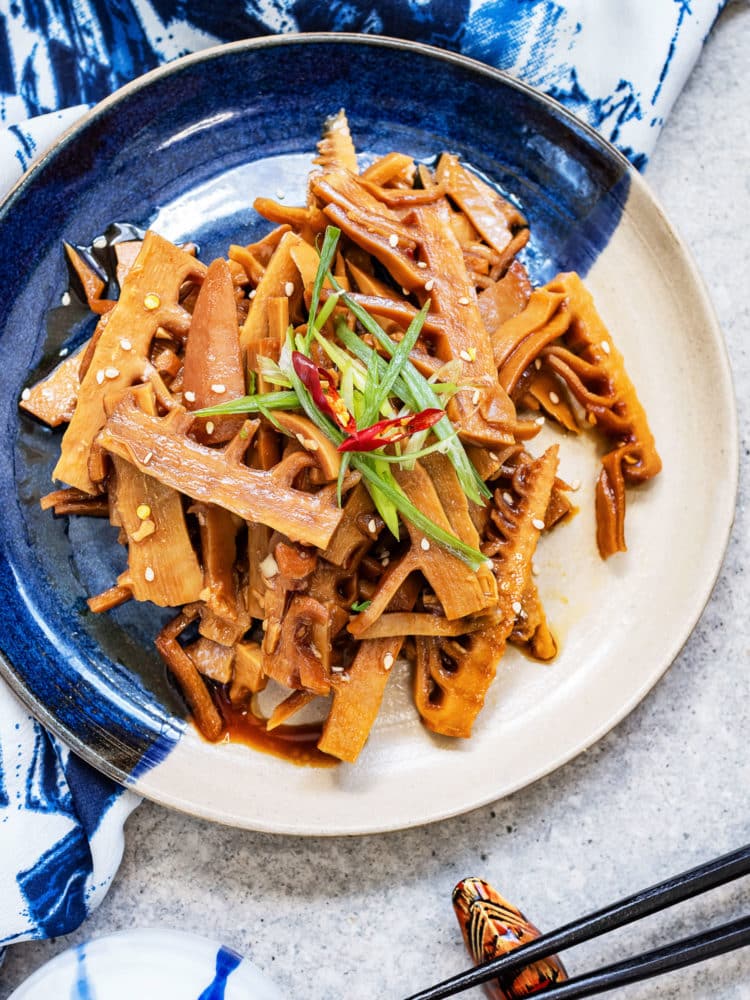
 Bamboo Shoot Dishes

Unique dishes prepared using fermented bamboo shoots, offering distinct flavors.

Shopping in Pasighat

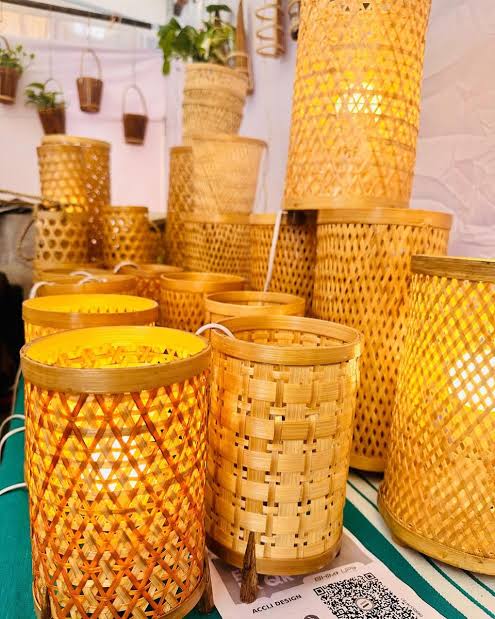
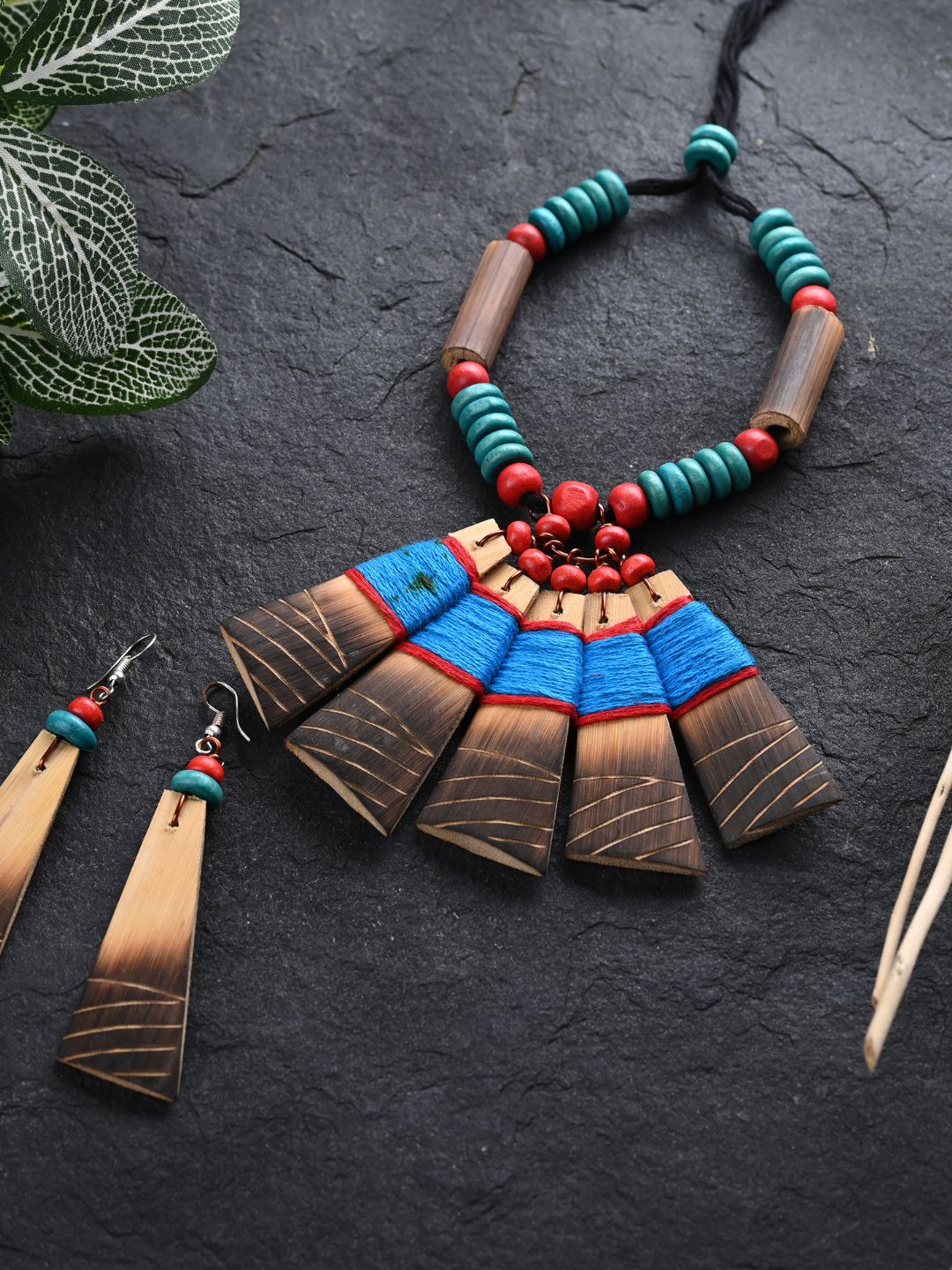
Shopping in Pasighat offers a glimpse into the region’s rich tribal craftsmanship, with handwoven textiles, bamboo, and cane products. Local markets feature traditional jewelry, handicrafts, and organic produce that reflect the culture of the Adi community.

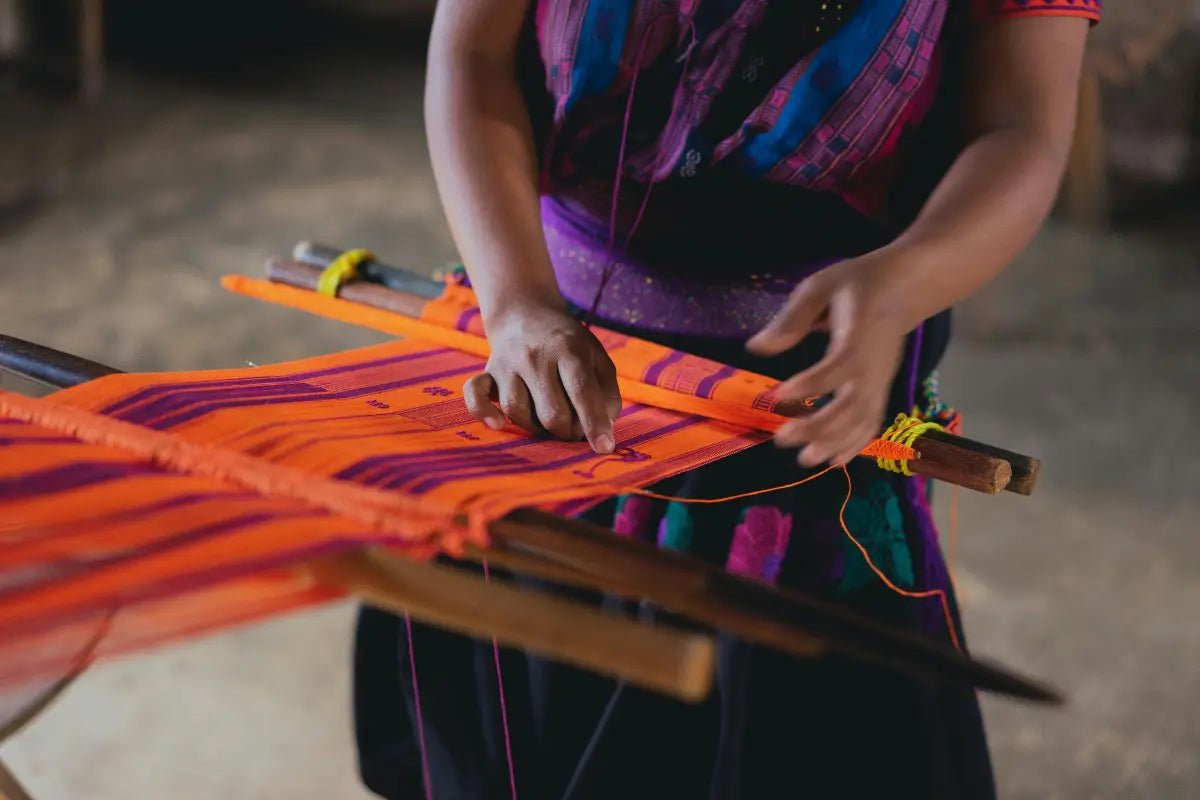
Handwoven Textiles

Traditional Adi shawls and fabrics known for vibrant patterns and craftsmanship.

Bamboo & Cane Crafts

Locally made baskets, mats, and decorative items reflecting tribal artistry.

Tribal Jewelry

Unique handmade ornaments showcasing local culture and traditions.

Local Produce

Organic spices, herbs, and forest products sourced from nearby regions.

Tourist's Handbook

The best time to visit Pasighat is from October to April, when the weather remains cool, pleasant, and comfortable for travel. During these months, the skies are clear, offering stunning views of the surrounding hills and the Siang River. It is the perfect season for outdoor activities like sightseeing, river rafting, and nature walks. The climate also enhances the beauty of the region, making landscapes greener and more vibrant. Additionally, local festivals during this time provide a great opportunity to experience the rich tribal culture.

  • Stay Aware of Terrain – Some areas near the Siang River can be uneven or slippery, especially during monsoon; wear sturdy footwear and be cautious.
  • Travel with Trusted Transport – Use known taxi services or hotel-arranged vehicles for longer trips, particularly when visiting remote places around Pasighat.
  • Avoid Isolated Areas at Night – Stick to well-lit and populated places after dark, as certain regions can be quiet and less accessible.
  • Respect Local Customs – Be mindful of tribal traditions, dress modestly, and always ask permission before taking photos of locals or cultural practices.
  • Carry Essentials – Keep bottled water, basic medicines, and cash, as ATMs and medical facilities may be limited in remote areas.

Navigating Pasighat is relatively simple, with a mix of local transport and scenic travel routes. Shared taxis and auto-rickshaws are commonly used for short distances within the town. For exploring nearby areas, private cabs or sumo vehicles are the most convenient option due to hilly terrains. Two-wheelers are also popular for flexible and quick travel around the town. Walking along the riverside and local areas is one of the best ways to enjoy the peaceful charm and natural beauty of Pasighat.

Beware of Overpriced Transport – Some local drivers may quote higher fares for tourists; always confirm prices in advance or use trusted services in Pasighat.

Avoid Unofficial Guides – Politely decline unknown individuals offering guiding services; rely on verified guides or hotel recommendations.

Check Permits Carefully – Arunachal Pradesh requires Inner Line Permits (ILP); ensure you obtain them only through official portals or authorized agents.

Be Cautious with Tour Packages – Avoid deals that seem too cheap or unclear; verify inclusions, routes, and accommodation details before booking.

Limit Cash Transactions – While cash is commonly used, avoid carrying large amounts and double-check payments to prevent misunderstandings or overcharging.

Explore Arunachal Pradesh

Pasighat Blogs

  • Arunachal Pradesh Cultural guide
  • Places to visit in Pasighat
  • Places to visit nearby Pasighat

Recommended articles

  • India’s most scenic destination
  • India’s hidden gems
  • India’s most popular destination