
¤ 13 minutes Read
Delhi’s History - From Ancient Settlements to Modern New Delhi
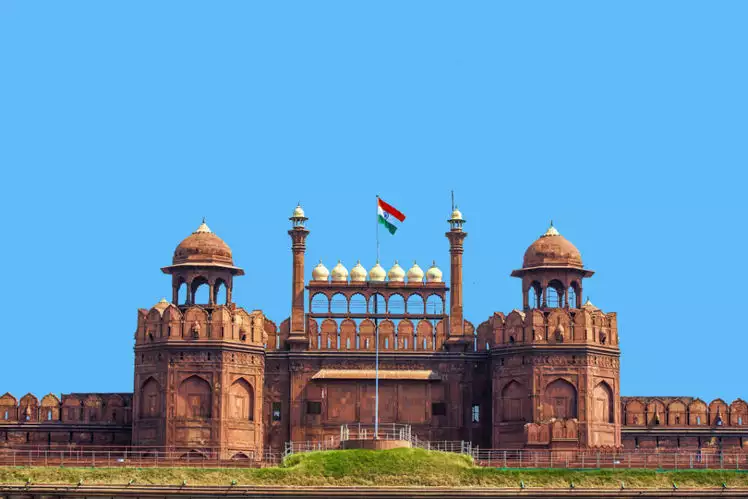
Over centuries, rulers built new forts, capitals and settlements, often beside older ones rather than replacing them completely. Some cities disappeared, some became ruins, and some evolved into busy neighbourhoods that still exist today. This is what makes Delhi special. Its history is not kept in one area or a single building. It is spread over the city – in old walls at Mehrauli, old forts in South Delhi old streets, in Shahjahanabad and the wide roads of New Delhi. People often describe Delhi as the “city of cities” because every period added something new while leaving traces of the past behind. Walking through Delhi is not like moving through one city; it is like travelling through different chapters of history at the same time. That layered character is what gives Delhi its unique identity and makes its story unlike that of any other Indian city.
Where Did Delhi Begin?
Delhi’s remembered name is Indraprastha, the city linked to the Pandavas in the Mahabharata. According to tradition it was located in the area around today’s Purana Qila. The name Indrapat stayed connected, to this place for a time even into more recent history. Delhi Tourism also says that the Purana Qila site is where ancient Indraprastha once stood.
History and tradition are not exactly the same thing. Digging at Purana Qila has found layers from different times including a time before the Mauryan dynasty and pottery, with painted grey patterns. These discoveries show that the place was lived in a time ago but they do not by themselves show that the settlement was the Indraprastha mentioned in the story. Experts keep looking at the evidence. The timing of the findings.
What tradition says
Indraprastha was the ancient capital of the Pandavas and stood in the area of present-day Delhi.
What archaeology tells us
The Purana Qila area has evidence of ancient habitation, but connecting those remains directly to the Indraprastha of the Mahabharata remains a matter of interpretation.
The First Delhi We Can Trace
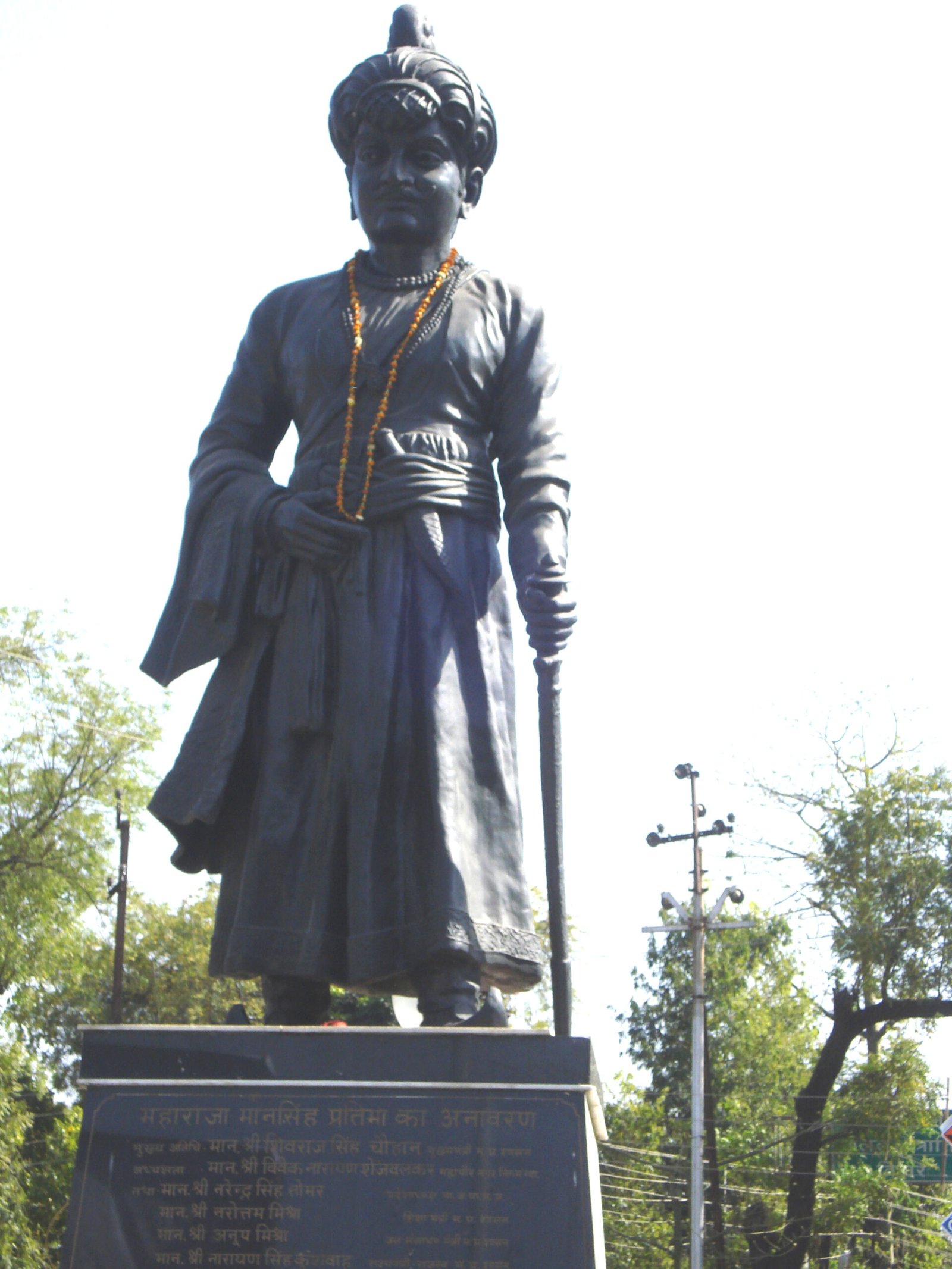
Tomara Rajputs
Tomara Rajputs built a stronghold near Mehrauli. Lal Kot, which is linked to Anangpal Tomar dates back to the century. Stone walls of Tomara Rajputs are, among the fortified places of medieval Delhi and some of those walls still exist around Mehrauli and the Qutub complex.
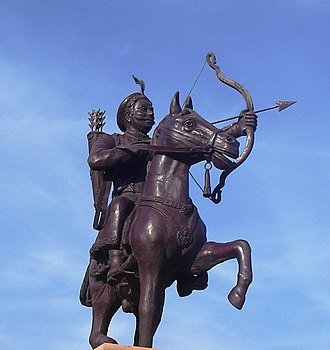
Chauhans of Ajmer
Later the Chauhans of Ajmer took control of Lal Kot. Under Prithviraj Chauhan the fortification was. The larger settlement became associated with the name Qila Rai Pithora. What survives today is a fraction of this old fortified landscape, with traces spread across parts of South Delhi.

When Delhi Became a Sultanate Capital
1192 – A change of rulers
The defeat of Prithviraj Chauhan brought Delhi under Ghurid control.
1206 – The Sultanate begins
Qutb-ud-din Aibak established independent rule, marking the beginning of the Delhi Sultanate.
The Qutb complex – A new architectural language
The Qutb Minar and surrounding monuments grew from this early period and became lasting symbols of Sultanate power in Delhi. The complex is now a UNESCO World Heritage Site.
Five Dynasties, Three Centuries of Change
The Delhi Sultanate was not a unchanging kingdom. Between 1206 and 1526 the Delhi Sultanate saw five dynasties rule from Delhi each leaving a mark, on the city and the surrounding region.
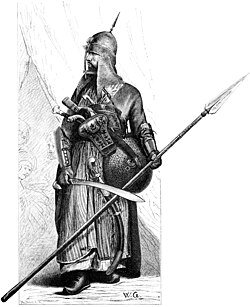
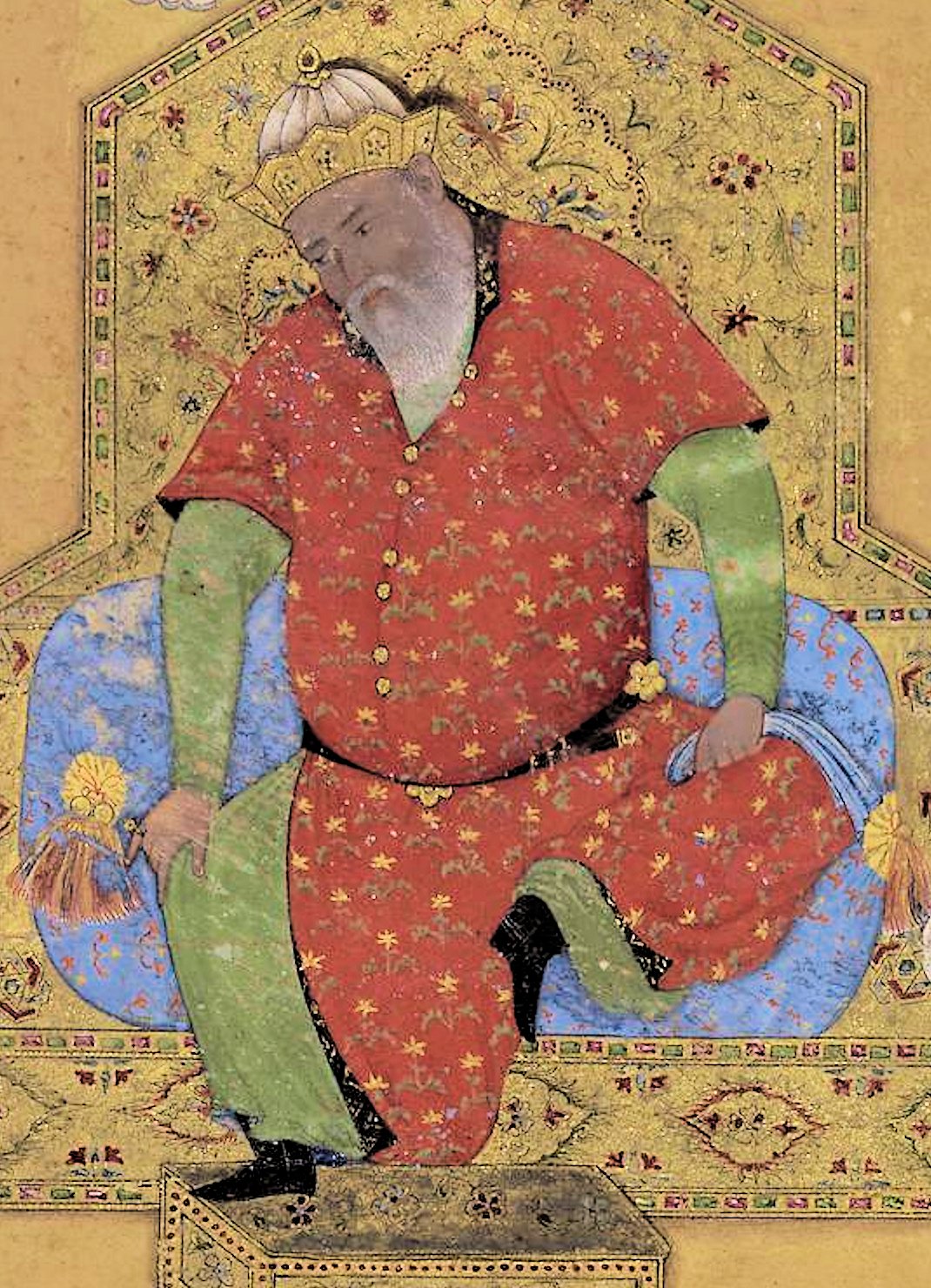
1206-1290 | Mamluks
The first Sultanate dynasty consolidated Delhi as a centre of power. Qutb-ud-din Aibak began the Qutb complex, while rulers such as Iltutmish strengthened the Sultanate and expanded its influence.
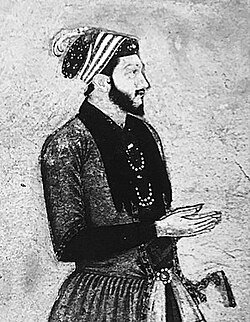
1290-1320 | Khiljis
The Khaljis pushed the Sultanate’s power much further across northern and central India. Under Alauddin Khalji, Delhi also saw major building activity, including additions to the Qutb complex.
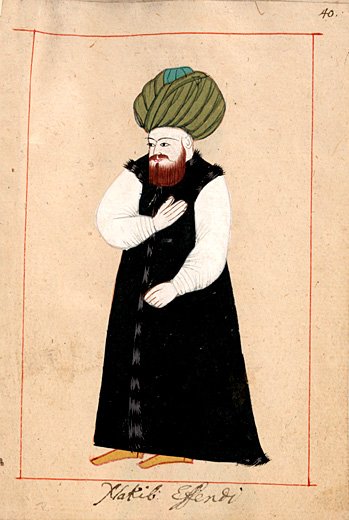
1320-1413 | Tughlaqs
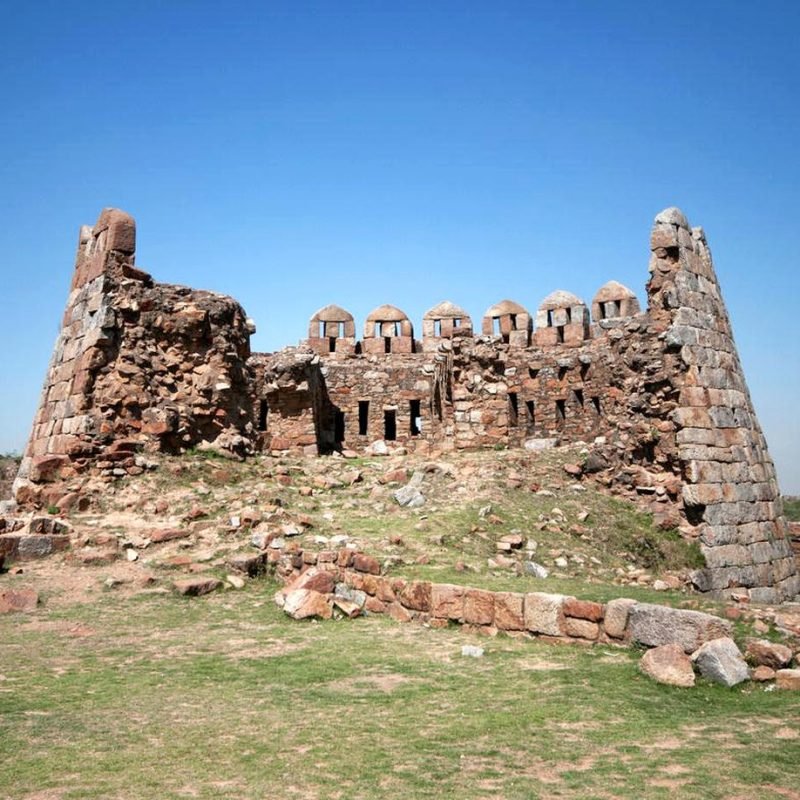
The Tughlaq period left behind some of Delhis impressive fortifications. Tughlaqabad, built under Ghiyasuddin Tughlaq stands as a reminder of the dynastys plans, for construction and defence.
1414-1451 | Sayyids
The first Sultanate dynasty consolidated Delhi as a centre of power. Qutb-ud-din Aibak began the Qutb complex, while rulers such as Iltutmish strengthened the Sultanate and expanded its influence.
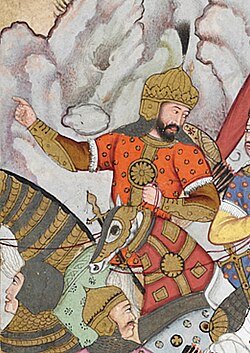
1451-1526 | Lodis
The Lodis were the final Sultanate dynasty. Their period is particularly visible in Delhi through surviving tombs and garden landscapes, many of which can still be found around the city’s southern and central areas.
What changed during these three centuries?
Delhi grew from a fortified medieval settlement into the seat of a powerful empire. New fortifications, mosques, tombs, markets and neighbourhoods appeared, while successive rulers repeatedly reshaped the city’s political and physical boundaries.
The Sultanate ended in 1526, when Babur defeated Ibrahim Lodi at the First Battle of Panipat. Delhi was about to enter another chapter.
Delhi Wasn’t Always One City
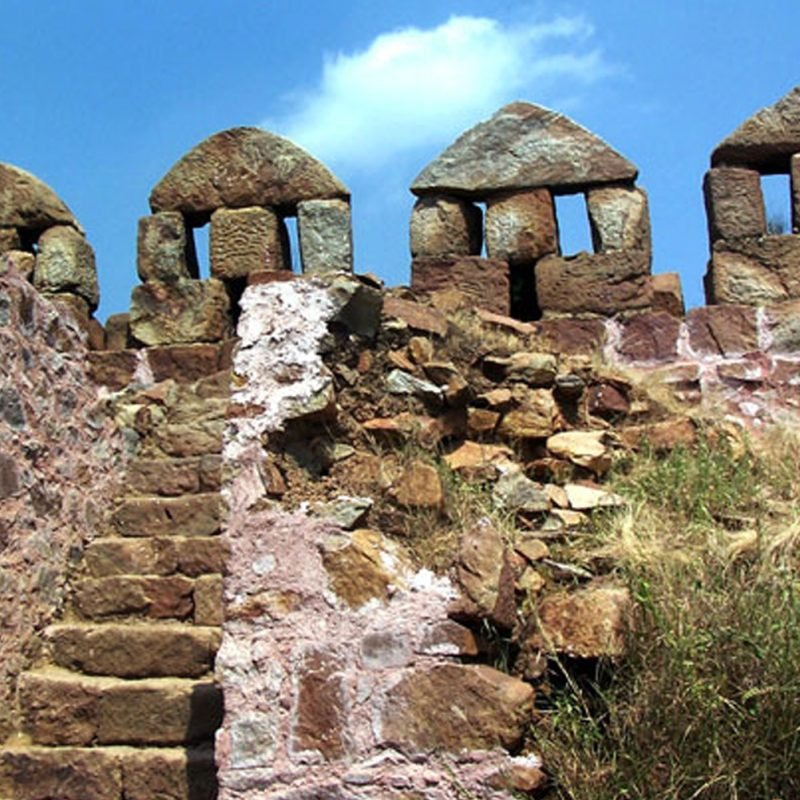
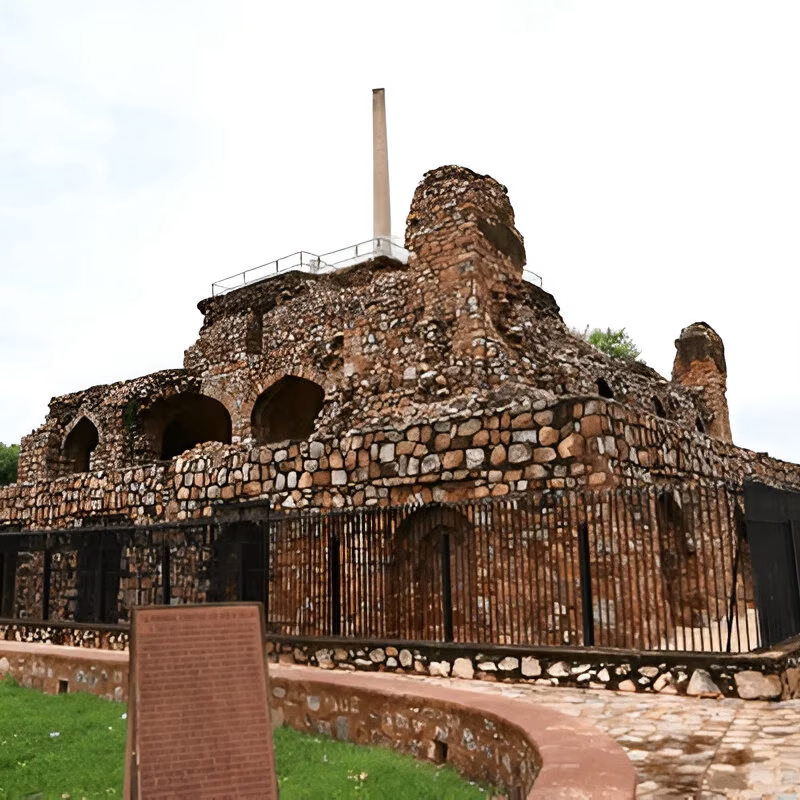
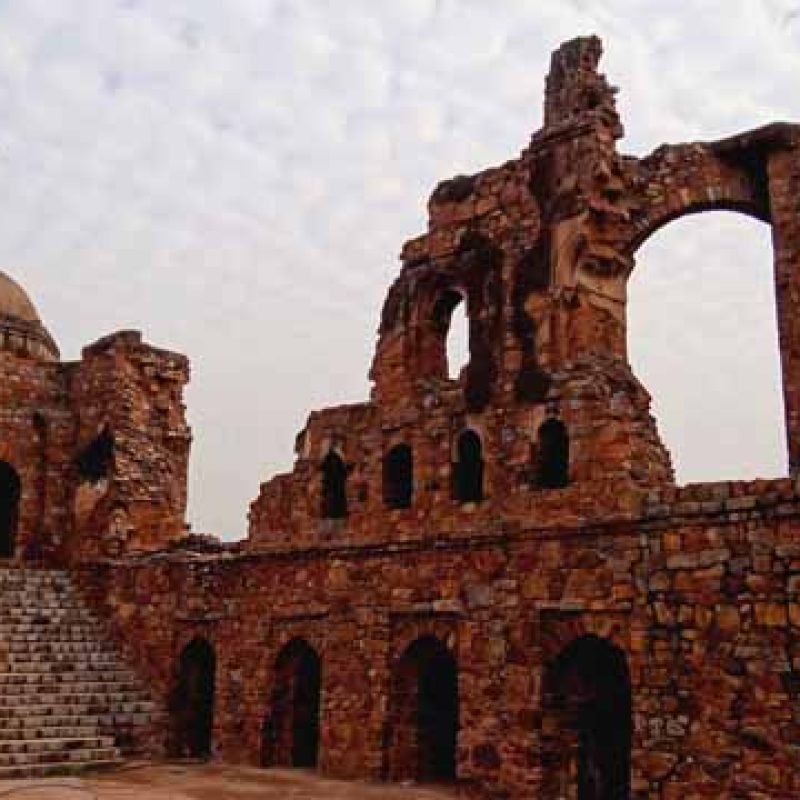
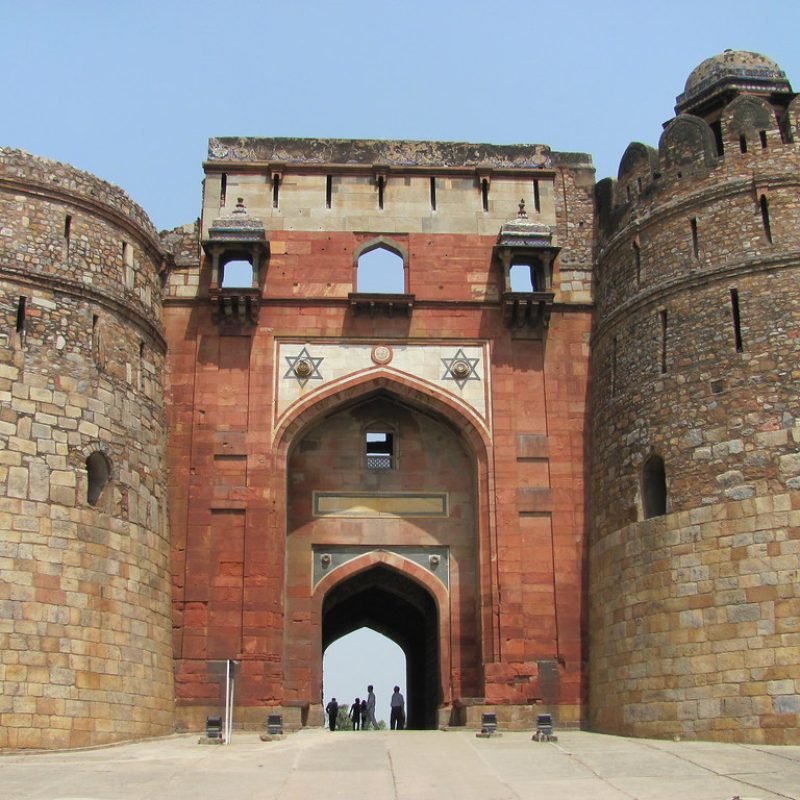
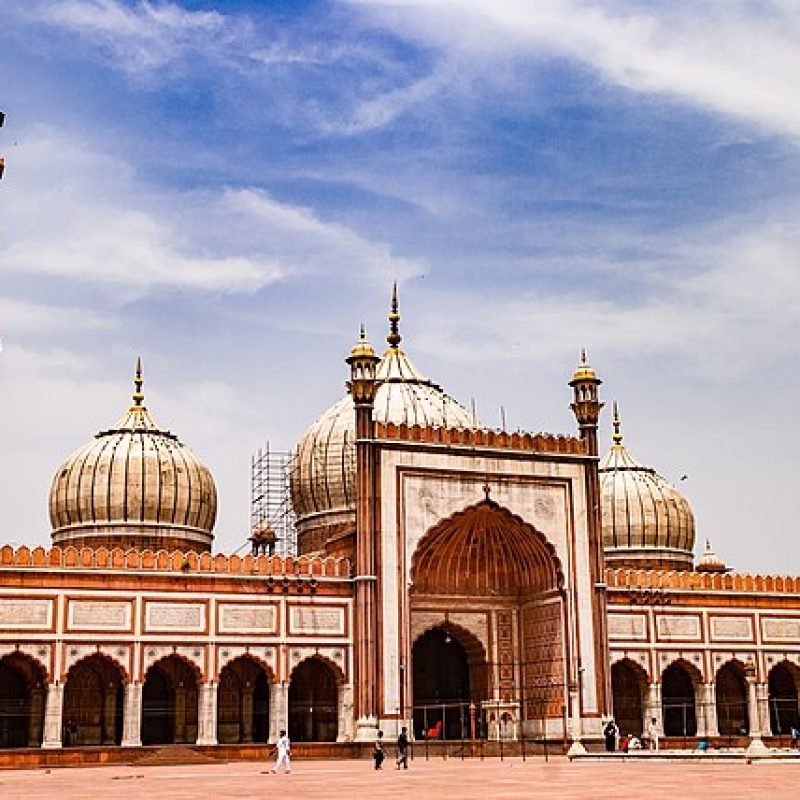
There is a reason Delhi is often described as a city of cities. Its political centre shifted several times, with new settlements appearing around older ones as rulers looked for stronger defences, more space or a new seat of power.
Delhi Under British Rule
British influence, in Delhi started to become more direct in 1803 when the East India Company took control of the city. The Mughal emperor stayed in the Red Fort. Real power had moved elsewhere. Delhi was then governed as part of territories and later became part of Punjab.
The biggest break happened in 1857. Delhi became a centre of the revolt, against British rule with the Mughal emperor Bahadur Shah Zafar becoming Delhi’s symbolic leader. After the British took Delhi back the Mughal dynasty. Delhi’s political nature changed forever.
For several decades, Delhi remained an important historic city but was no longer the seat of imperial government. That changed in 1911, when the British announced that the capital of India would move from Calcutta to Delhi. A completely new chapter was about to begin.
Independence and Partition: 1947
Delhi entered the year 1947 with two different stories happening at the same time. On one side it was the capital of a country that was about to become independent. On the side it was a city that was about to go through one of the most difficult and disruptive times, in its modern history.
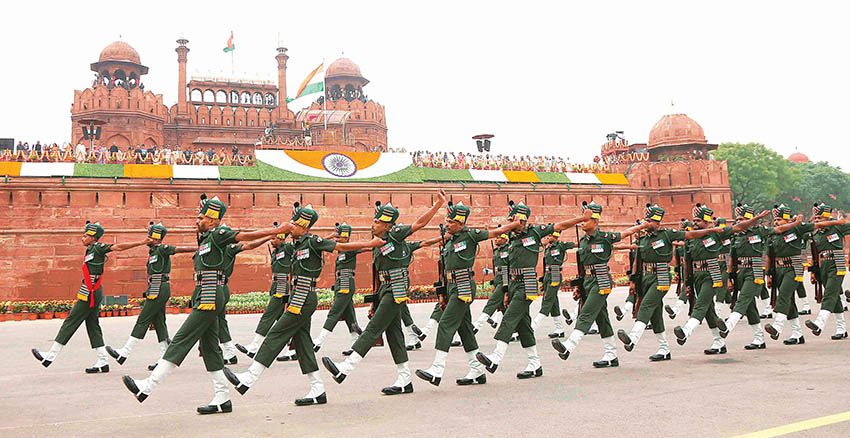
On August 15 1947 India became free. The Red Fort started a new national job. Jawaharlal Nehru flew the flag there starting a custom that still happens every Independence Day.
Independence also brought Partition. Delhi receive an influx of people displaced by the division of British India. Communal violence along with the departure of many long-established residents transform neighbourhoods across the city. Delhis population rise sharply in the years, around Partition and saw this rise change Delhis physical character.
The Delhi that came into being after 1947 was not the old imperial capital with a different government. It was a city changed by movement of people by sadness, by homes being built and by the coming of a fresh group of people living there.
Delhi After Independence
Independence changed Delhis role. It did not stop the city from changing. The new republic had to take in a growing population and build schools and other places that fit an independent nation.
Delhi was changed times after 1947. Delhi became a State in 1952 and a Union Territory, in 1956. In 1957 Delhi Municipal Corporation was set up to handle the needs of a city that was growing.
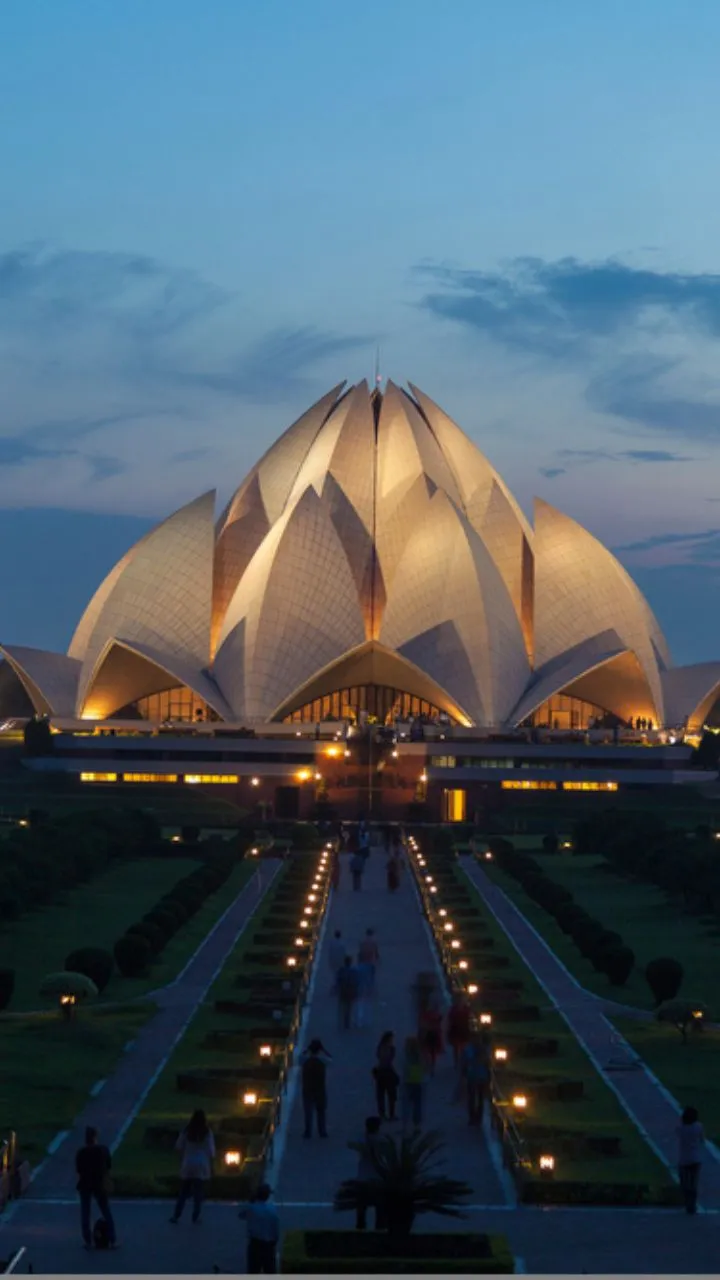
Lotus Temple
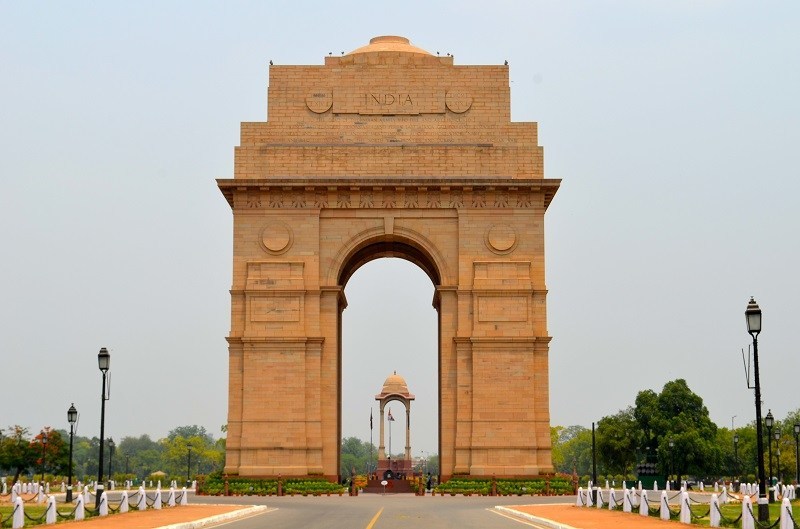
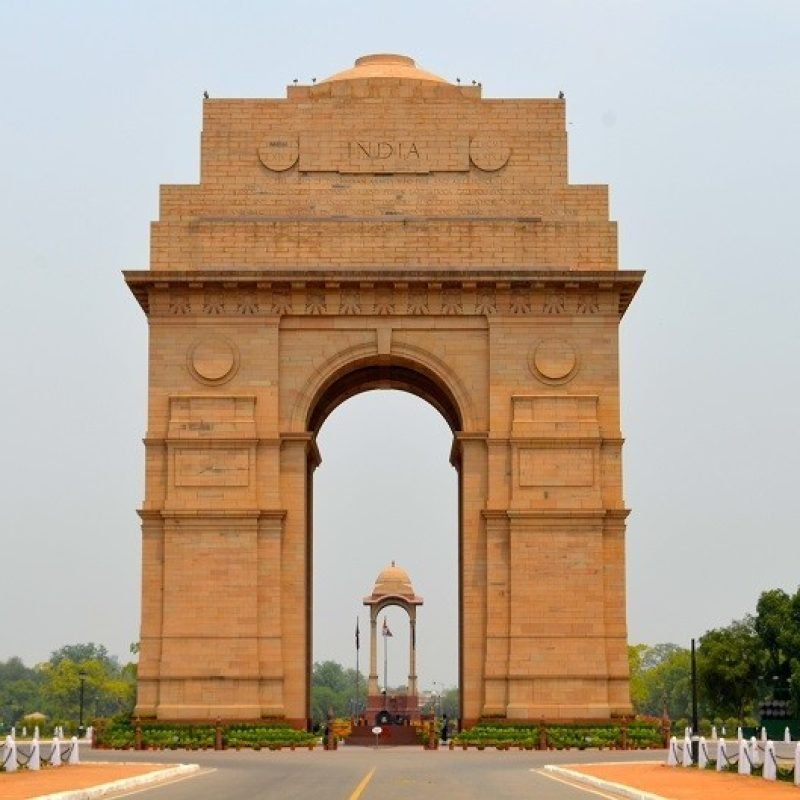
India Gate
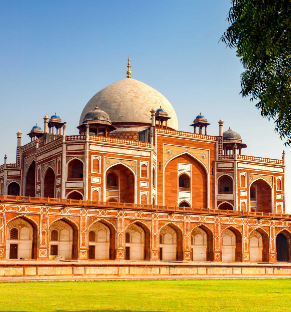
Humayun’s Tomb
The city kept growing stretching beyond the old walls of Shahjahanabad. New homes, markets, roads, offices and factories slowly linked up the neighborhoods turning the whole area into one huge city.
In 1991 the 69th Constitutional Amendment gave Delhi its framework, as the National Capital Territory of Delhi and Delhi gained a Legislative Assembly and a Council of Ministers.
Delhi Today: A Past That Still Lives
Delhi’s history is not something that ends at a museum door. It remains part of the city’s everyday landscape.
The lanes of Old Delhi started from Shahjahanabad. Mehrauli has signs of Delhis medieval forts and the time of the Sultanate. The buildings spread out across the southern ridge bring back memories of changing capitals. The wide roads of New Delhi are part of a more recent idea of the city built during the last years of British rule.

A modern road can pass a centuries-old tomb. A crowded market can occupy a street that once belonged to a Mughal capital. Government buildings stand within a landscape that contains ruins from kingdoms that disappeared long before India became a republic.
Conclusion - A City That Never Stopped Changing
Delhi’s history cannot be reduced to a list of rulers or a fixed number of historic cities. Its story is about change – political power moving from one settlement to another, old neighbourhoods surviving beside new capitals, and generations of people reshaping the city around them. From the traditions of Indraprastha and the walls of Lal Kot to the grandeur of Shahjahanabad, the planning of New Delhi and the enormous metropolis that exists today, each period has left something behind. Delhi’s greatest historical feature is the city itself. Its past is still part of the present, not preserved in isolation but woven into the streets, buildings and communities of everyday life.
Explore Delhi
Varanasi Blogs
- Uttar Pradesh Cultural guide
- Places to visit in Varanasi
- Places to visit nearby Varanasi
- India’s most popular destination
- India’s archaeological marvels
Recommended articles
- Uttar Pradesh Cultural guide
- Places to visit in Varanasi
- Places to visit nearby Varanasi
- India’s most popular destination