Jama Masjid – History, Architecture & Travel Guide
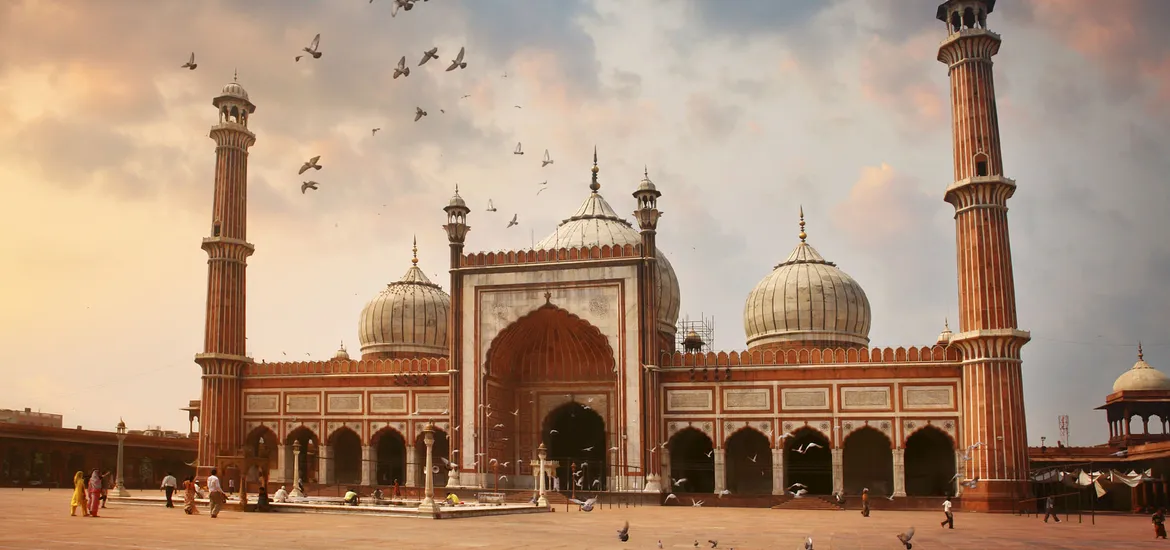
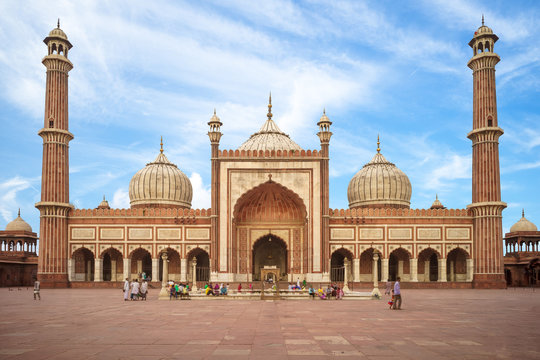
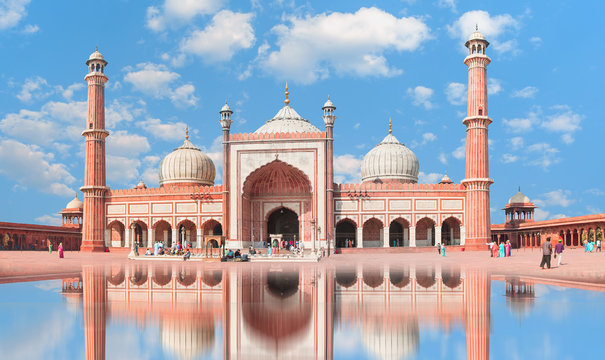
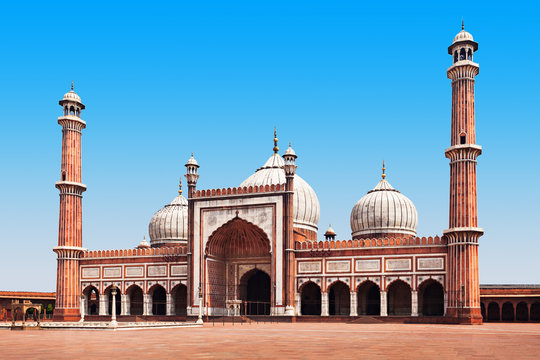
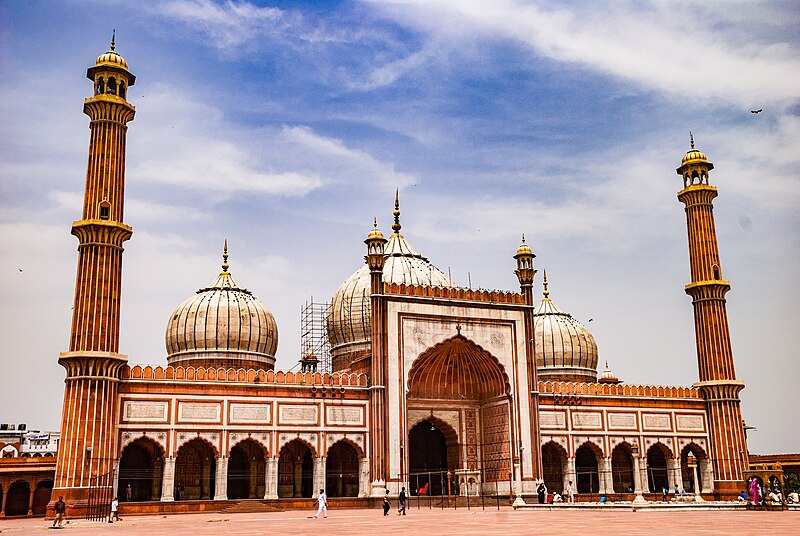
Jama Masjid is one of the largest and most famous mosques in India, located in the heart of Old Delhi. Built by Mughal Emperor Shah Jahan, the mosque is known for its grand Mughal architecture, massive courtyard, towering minarets, and beautiful marble and sandstone work. In addition, Jama Masjid remains an important place of worship and attracts thousands of visitors and devotees every day. The mosque also offers stunning views of Old Delhi from its minarets. Today, Jama Masjid stands as a symbol of Delhi’s rich cultural, spiritual, and architectural heritage.
History of Jama Masjid
1656 – Mosque Completed
The construction of the mosque was completed in 1656 after several years of work. Built using red sandstone and white marble, Jama Masjid quickly became one of the largest mosques in India. In addition, the mosque served as an important religious center during the Mughal era.
Religious & Cultural Importance
For centuries, Jama Masjid has remained one of the most important places of worship for Muslims in Delhi. The mosque hosts thousands of devotees during daily prayers, Fridays, and Islamic festivals such as Eid. In addition, it continues to play a major role in the cultural and spiritual life of Old Delhi.
1650 – Construction Begins
Mughal Emperor Shah Jahan began the construction of Jama Masjid in 1650 after building the Red Fort and Shahjahanabad in Old Delhi. Thousands of workers and craftsmen participated in the construction of the grand mosque.
Built by Shah Jahan
Shah Jahan built Jama Masjid as the principal mosque of his new capital city, Shahjahanabad. The emperor wanted the mosque to reflect the grandeur of Mughal architecture and Islamic art. Therefore, the monument features massive gateways, large domes, and elegant minarets.
Built By
Shah Jahan
Construction Period
1650–1656
Architectural Style
Mughal Architecture
Famous For
India’s Largest Mosque Courtyard
Historical Era
Mughal Empire
Architecture of Jama Masjid
Mughal Architectural Style Jama Masjid is one of the finest examples of Mughal architecture in India. The mosque combines red sandstone and white marble beautifully to create a grand and elegant appearance. In addition, its symmetrical layout reflects the artistic style of the Mughal Empire.
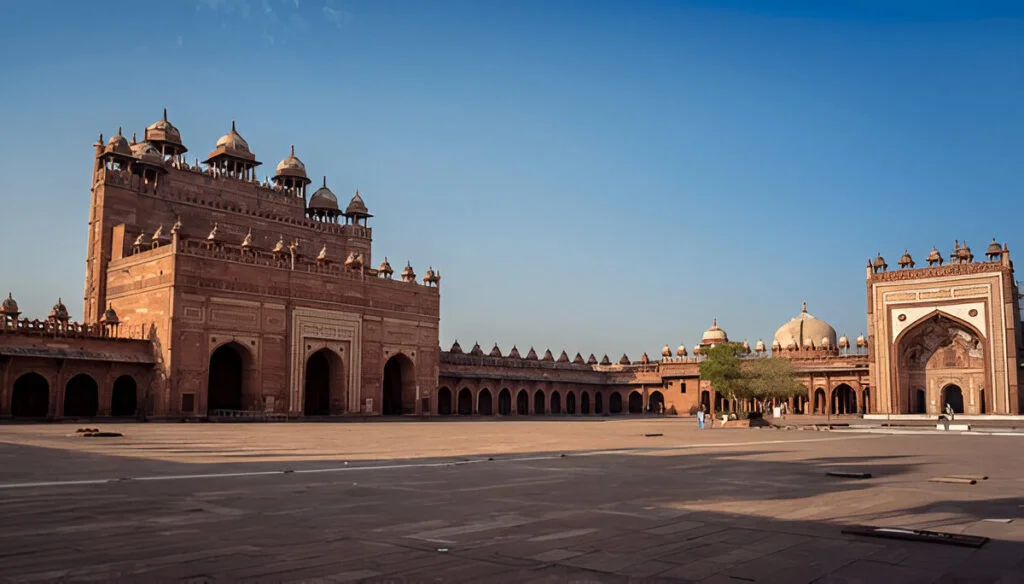
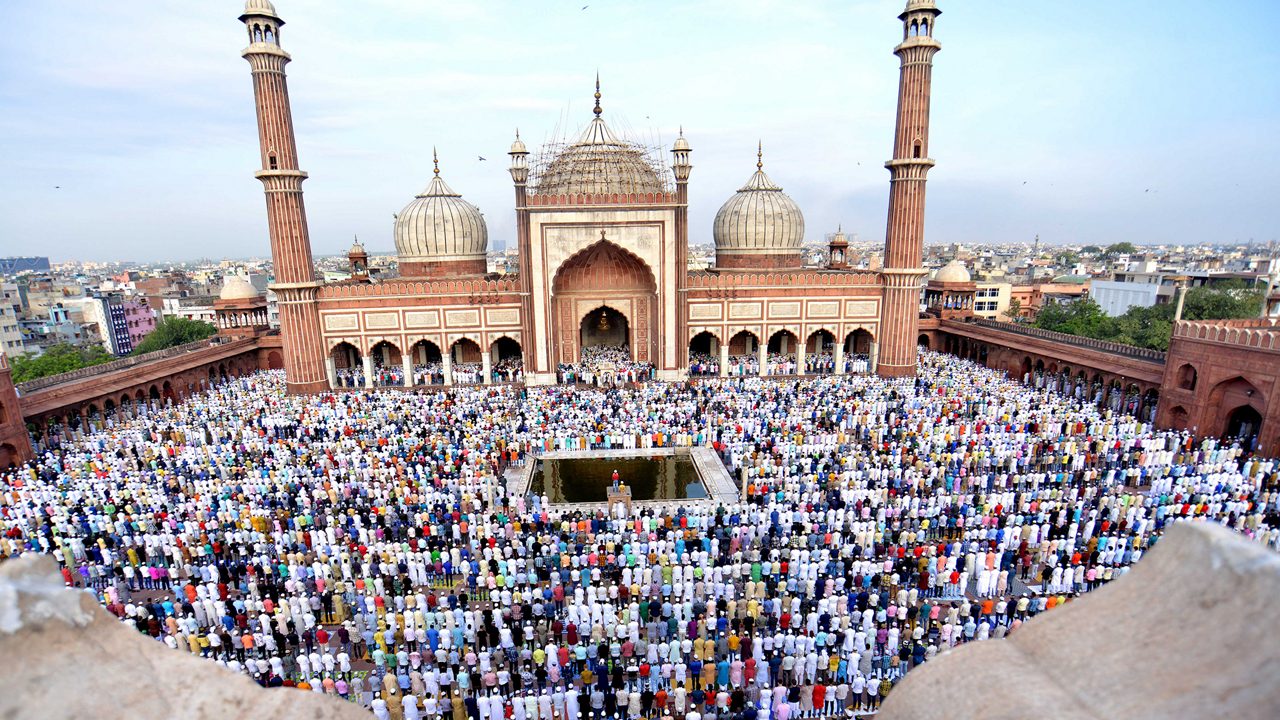
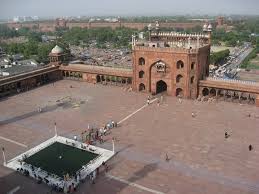
Massive Prayer Courtyard The mosque features one of the largest prayer courtyards in India. Thousands of devotees can gather here during Friday prayers and major Islamic festivals. Therefore, the open courtyard creates a powerful spiritual and architectural atmosphere.
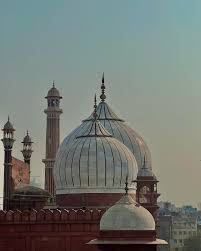
Three Marble Domes Jama Masjid is famous for its three large white marble domes decorated with black stripes. The domes stand above the main prayer hall and add balance to the structure. In addition, they create a striking contrast against the red sandstone walls.
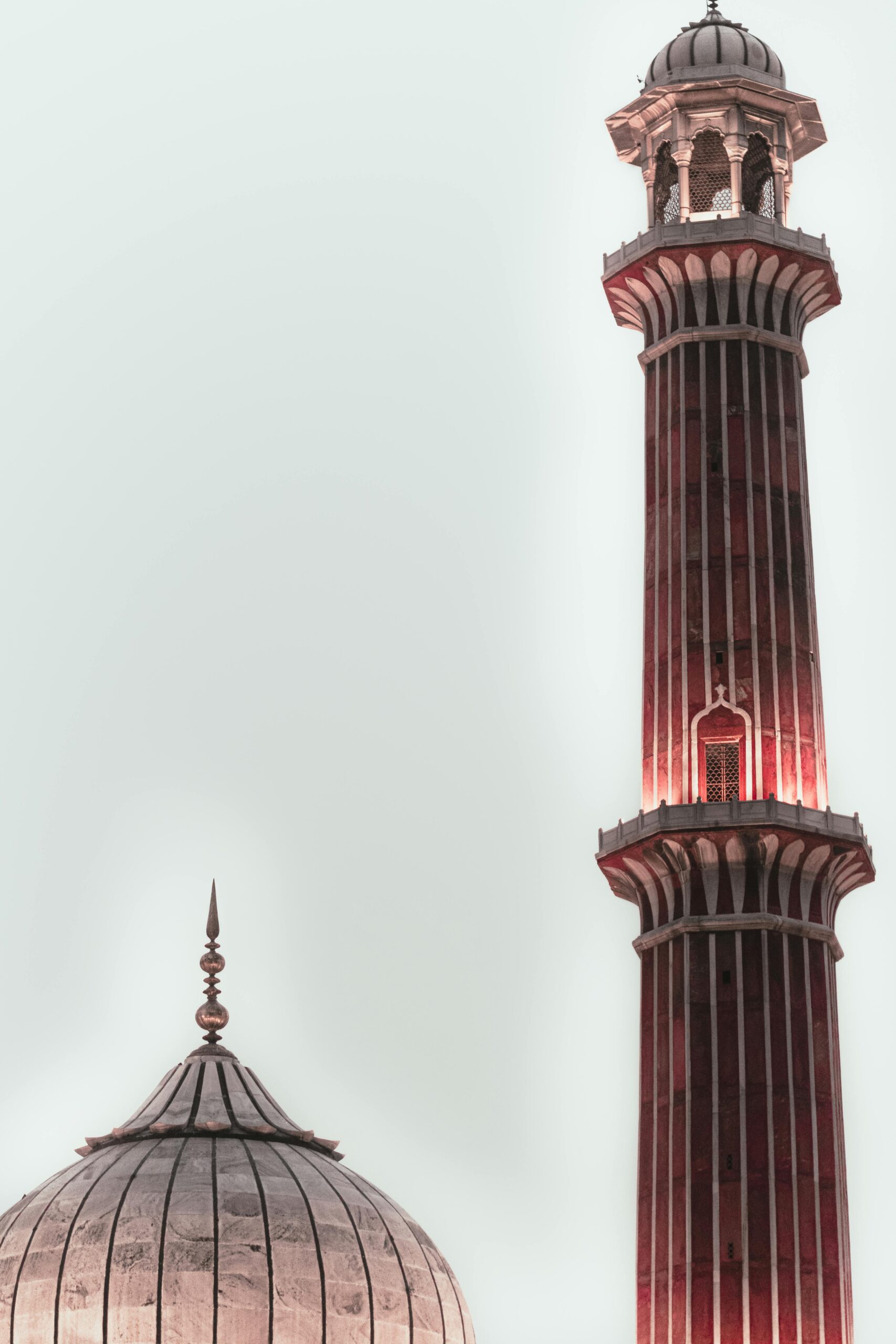
Tall Minarets The mosque includes two towering minarets built using red sandstone and white marble. Visitors can climb one of the minarets to enjoy panoramic views of Old Delhi. As a result, the minarets remain one of the main attractions of the mosque complex.
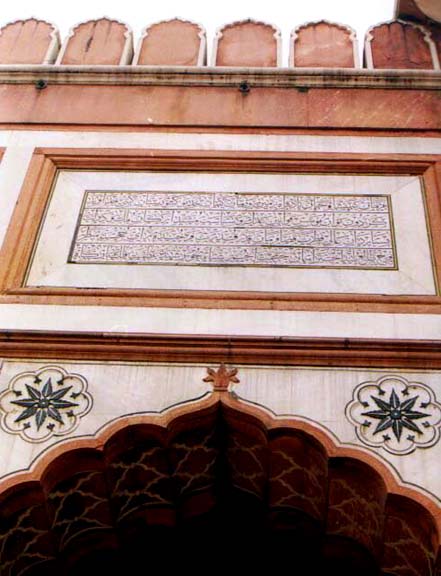
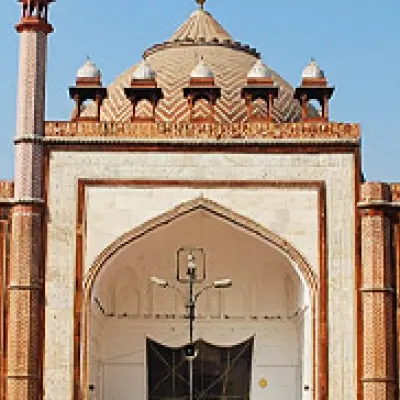
Arches & Calligraphy Beautiful arches, Quranic inscriptions, and decorative carvings enhance the interior and exterior of the mosque. Craftsmen used intricate Islamic calligraphy and geometric patterns throughout the structure. Therefore, the monument displays exceptional Mughal craftsmanship.
Elevated Platform Design Jama Masjid stands on a raised platform above the busy streets of Old Delhi. Wide staircases lead visitors to the mosque from different directions. In addition, the elevated design gives the monument a grand and commanding appearance.
Architecture Gallery
Main courtyard of Jama Masjid
White marble domes of Jama Masjid
Tall minaret of Jama Masjid
Islamic arches and calligraphy
Aerial view of Jama Masjid and its large courtyard
Interesting Facts About Jama Masjid
Jama Masjid is not only a major religious site but also one of the most fascinating Mughal monuments in India. The mosque reflects centuries of history, architecture, and cultural heritage. In addition, several unique facts about the monument continue to attract travelers, historians, and photographers from around the world.
One of India’s Largest Mosques
Construction Took Six Years
Features Three Massive Domes
Important Religious Center
Tall Minarets Offer City Views
Located in the Heart of Old Delhi
Massive Courtyard Capacity
Things to See Inside Jama Masjid
Jama Masjid features several beautiful architectural and spiritual attractions within its massive complex. From the grand prayer hall and marble domes to the peaceful courtyard and towering minarets, every part of the mosque reflects Mughal craftsmanship and Islamic heritage. In addition, visitors can explore historical elements, religious spaces, and scenic viewpoints throughout the monument.
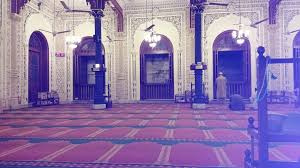
Main prayer hall inside Jama Masjid
Large courtyard of Jama Masjid
Three marble domes of Jama Masjid
Grand entrance gateway of Jama Masjid
Conclusion
Jama Masjid stands as one of the most magnificent examples of Mughal architecture and Islamic heritage in India. From its massive courtyard and towering minarets to its peaceful prayer halls and detailed carvings, the mosque offers a memorable cultural and spiritual experience for visitors. In addition, the lively atmosphere of Old Delhi surrounding the monument adds to its unique charm. Whether you are interested in history, architecture, photography, or spirituality, Jama Masjid remains one of the most iconic places to visit in Delhi.