
¤ 7 minutes Read
Lotus Temple – History, Architecture & Travel Guide

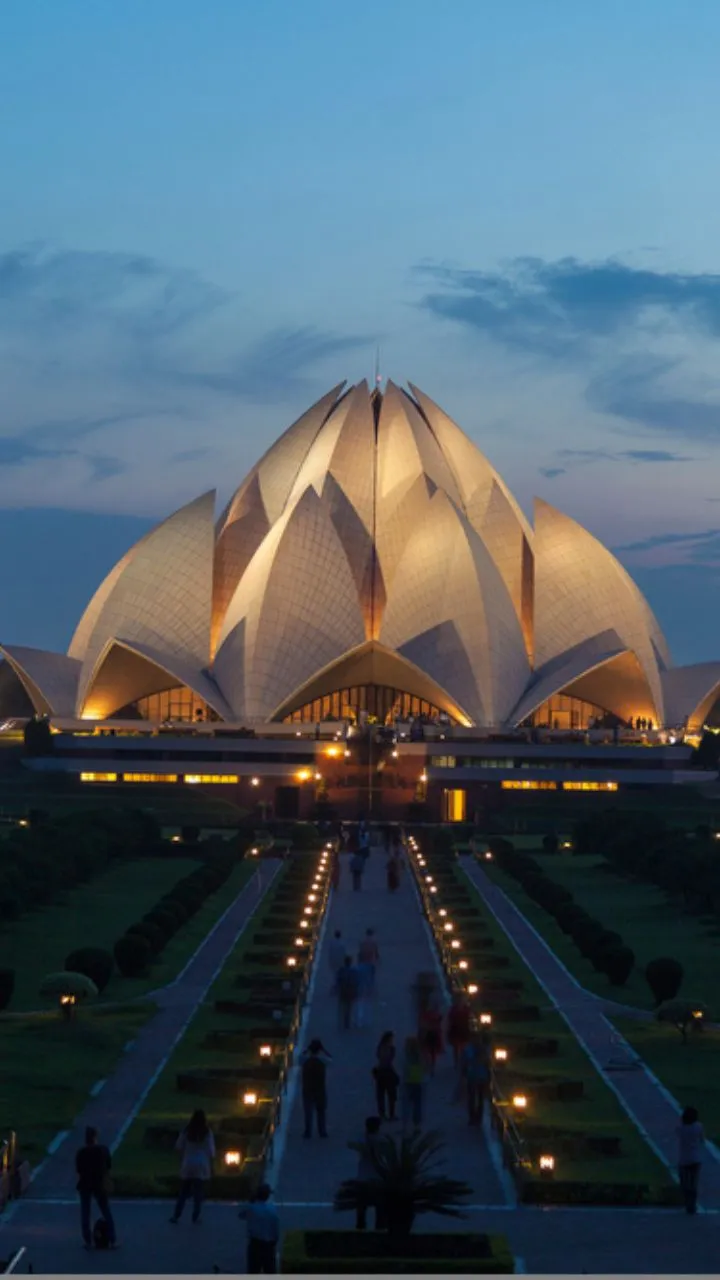
Lotus Temple is one of the most recognizable landmarks in Delhi and a symbol of peace, unity, and spiritual harmony. Completed in 1986, this stunning Baháʼí House of Worship is famous for its distinctive lotus-shaped design, which has earned it international acclaim. Surrounded by landscaped gardens and tranquil pools, the temple welcomes people of all religions and backgrounds for prayer, meditation, and reflection. Its striking architecture and serene atmosphere attract millions of visitors every year, making it one of the most visited attractions in India and a must-see destination in Delhi.
History of Lotus Temple
The Baháʼí Faith in India
The Lotus Temple was built as a Baháʼí House of Worship, reflecting the Baháʼí principle of unity among all religions and humanity. The temple welcomes people from every faith and background.
Vision for a House of Worship
The Baháʼí community envisioned a place where individuals could gather for prayer, meditation, and spiritual reflection without distinctions based on religion, nationality, or culture.
Design by Fariborz Sahba
Fariborz Sahba was chosen to design the temple. He created the iconic lotus-inspired structure, which later became one of the most celebrated examples of modern architecture in India.
Construction and Completion
Construction of the temple began in the early 1980s and was completed in 1986. The project involved extensive engineering and architectural innovation to achieve its unique floral form.
International Recognition
Soon after its inauguration, the Lotus Temple gained worldwide recognition for its design and spiritual significance. It has since received numerous architectural awards and accolades.
A Global Symbol Today
Today, Lotus Temple is one of the most visited religious buildings in the world and stands as a symbol of peace, inclusivity, and unity.
Completed
1986
Architect
Fariborz Sahba
Religion
Baháʼí Faith
Monument Type
House of Worship
Famous For
Lotus-Shaped Design
Core Message
Unity of Humanity
Visitor Access
Open to All Faiths
Global Recognition
Award-Winning Architecture
Architecture of Lotus Temple
The central prayer hall can accommodate thousands of visitors and is free from idols, altars, or religious symbols, reflecting the inclusive philosophy of the Baháʼí Faith.
Iconic Lotus-Shaped Design
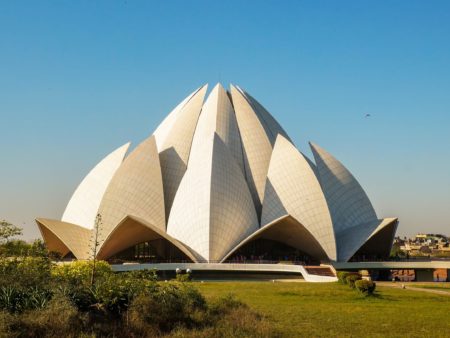
The temple is designed in the form of a blooming lotus flower, symbolizing harmony, purity, and spiritual enlightenment. Its distinctive shape has made it one of the most recognizable buildings in the country.
White Marble Construction
The exterior is covered with high-quality white marble, giving the monument its elegant appearance and enhancing its visual appeal against the surrounding landscape.
Surrounding Reflection Pools
Nine tranquil pools surround the temple, enhancing its beauty while helping create a peaceful atmosphere for visitors.
27 Marble Petals
The structure consists of 27 free-standing marble-clad petals arranged in clusters to create the appearance of a lotus in bloom. These petals form the temple’s unique architectural identity.
Nine-Sided Structure
Following Baháʼí architectural principles, the temple features a nine-sided design. The number nine symbolizes unity and completeness in the Baháʼí Faith.
Spacious Prayer Hall
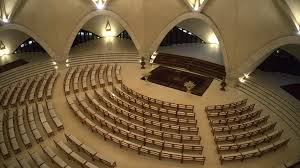
The central prayer hall can accommodate thousands of visitors and is free from idols, altars, or religious symbols, reflecting the inclusive philosophy of the Baháʼí Faith.
Things to See at Lotus Temple
Lotus Temple is renowned not only for its stunning architecture but also for its serene environment and spiritual ambiance. Visitors can explore several attractions within the temple complex that contribute to its unique appeal.
Ganga Aarti
Central Prayer Hall

Reflection Pools
Landscaped Gardens
Spiritual Significance of Lotus Temple
Lotus Temple is not only an architectural marvel but also a place dedicated to peace, meditation, and spiritual reflection. As a Baháʼí House of Worship, it welcomes people from all religions and encourages unity, harmony, and mutual respect.
Open to People of All Faiths
One of the most unique aspects of the Lotus Temple is that visitors from every religion, nationality, and background are welcome to enter and pray or meditate.
No Religious Barriers
The temple does not promote any single religion over another. Instead, it emphasizes the idea that all faiths share common spiritual values.
A Place for Silent Prayer
Visitors are encouraged to maintain silence inside the prayer hall, creating a calm environment for reflection and personal contemplation.
No Idols or Rituals
Unlike many traditional places of worship, the Lotus Temple does not contain idols, altars, or ritualistic ceremonies. The focus remains on individual prayer and spiritual connection.
Symbol of Unity
The temple reflects the Baháʼí belief in the unity of humanity and the harmony of all religions, making it a powerful symbol of inclusiveness and peace.

Interesting Facts About Lotus Temple
Lotus Temple is one of the most famous modern landmarks in India. Its unique design, spiritual philosophy, and global popularity have made it a remarkable attraction for visitors from around the world.
- One of the Most Visited Buildings in the World
- Inspired by India’s National Flower
- Open to Every Religion
- No Idols or Religious Images
- Built with White Marble
- Winner of Multiple Architectural Awards
- Features 27 Marble Petals
- A Symbol of Unity
Nearby Attractions Around Lotus Temple
Lotus Temple is located in South Delhi and is surrounded by several popular historical, cultural, and spiritual attractions. Visitors can easily combine these destinations with their temple visit to enjoy a diverse sightseeing experience.

ISKCON Temple Delhi
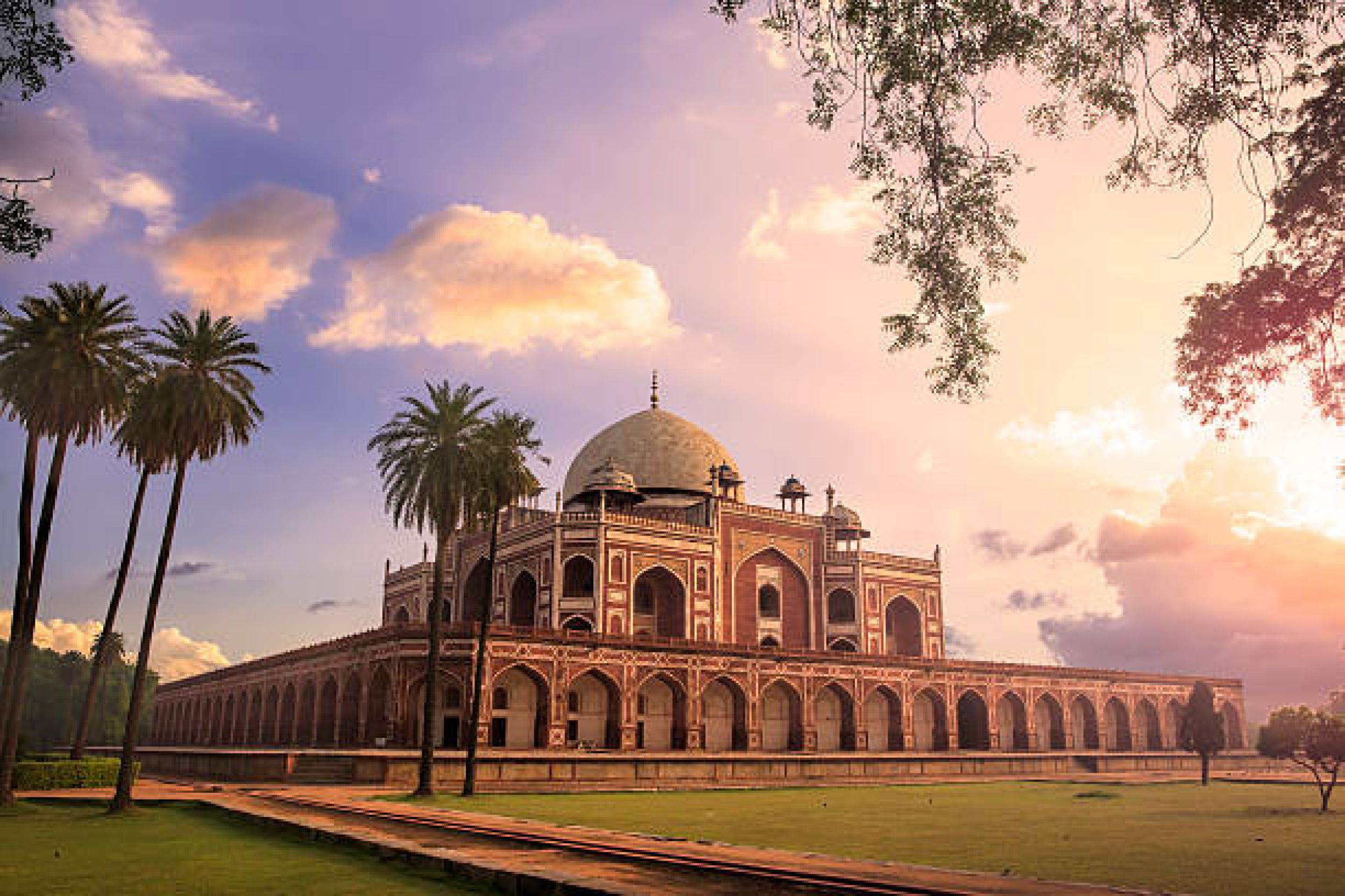
Humayun's Tomb
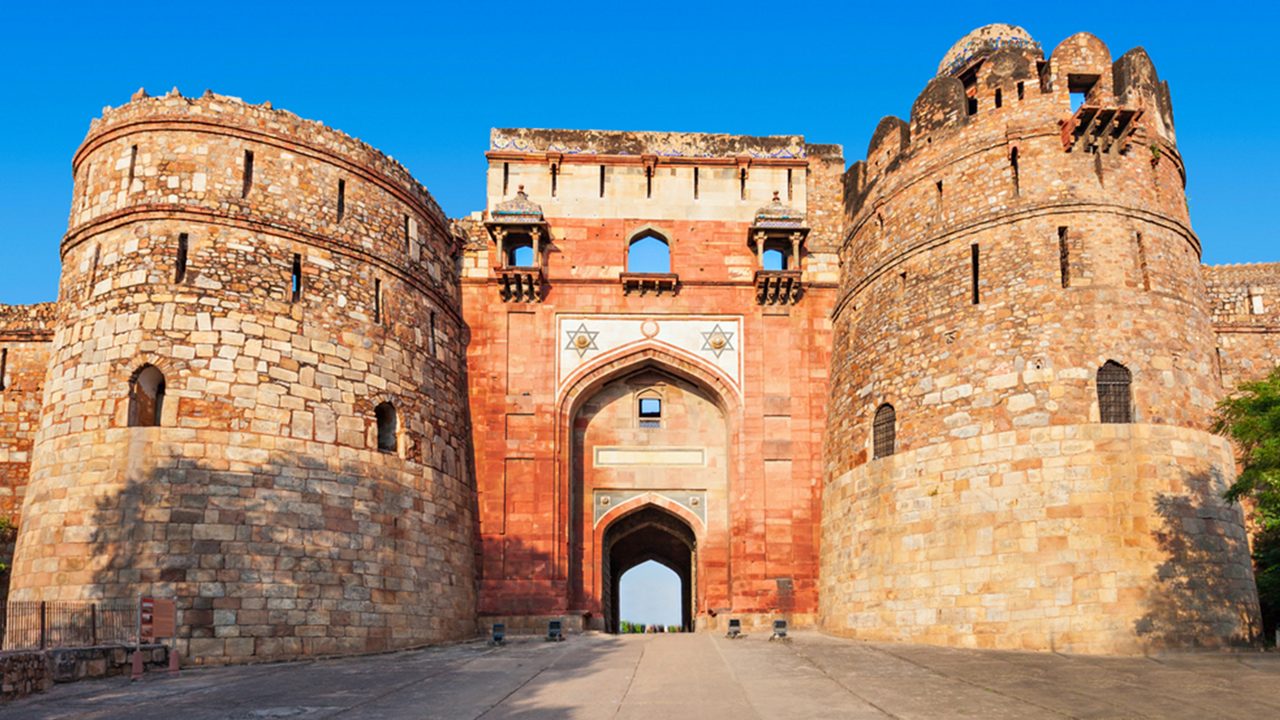
Purana Qila
Lodhi Garden
Conclusion
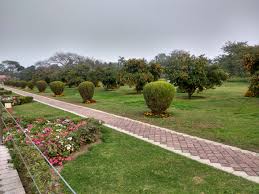
Lotus Temple is one of Delhi’s most remarkable landmarks, admired for its breathtaking lotus-shaped architecture and message of peace and unity. As a Baháʼí House of Worship open to people of all faiths, it offers a unique space for prayer, meditation, and reflection. Surrounded by tranquil gardens and reflection pools, the temple provides a peaceful escape from the city’s fast-paced environment. Whether you are drawn by its architectural beauty, spiritual significance, or serene atmosphere, the Lotus Temple promises a memorable and inspiring experience, making it a must-visit attraction in Delhi.
Explore Delhi
Varanasi Blogs
- Uttar Pradesh Cultural guide
- Places to visit in Varanasi
- Places to visit nearby Varanasi
- India’s most popular destination
- India’s archaeological marvels
Recommended articles
- Uttar Pradesh Cultural guide
- Places to visit in Varanasi
- Places to visit nearby Varanasi
- India’s most popular destination