
¤ 7 minutes Read
National Museum Delhi – History, Art, Archaeology & Travel Guide

The National Museum in New Delhi is one of India’s largest and most prestigious museums, showcasing the country’s rich history, art, and cultural heritage. Located on Janpath, the museum houses an extensive collection of artifacts spanning over 5,000 years, including sculptures, paintings, manuscripts, coins, textiles, jewelry, and archaeological treasures from ancient civilizations. Established in 1949, the National Museum offers visitors a fascinating journey through India’s past, from the Indus Valley Civilization to the Mughal period and beyond. Its well-curated galleries, educational exhibits, and rare collections make it a popular destination for history enthusiasts, students, researchers, and tourists.
History of the National Museum
The National Museum was established to preserve and showcase India’s rich cultural, artistic, and archaeological heritage. It originated from an exhibition of Indian art and artifacts held in London and was formally inaugurated in New Delhi in 1949. Today, it stands as one of the country’s most important museums, housing priceless collections that span thousands of years of Indian history.
Origins of the Museum
The museum’s foundation can be traced to an exhibition of Indian art held in London during 1947–48. The success of the exhibition led to the creation of a permanent national museum in New Delhi.
Growth of the Collection
Over the decades, the museum has expanded its collections through archaeological excavations, donations, and acquisitions, making it one of India’s richest repositories of history and art.
Preserving India’s Heritage
The National Museum plays a vital role in conserving rare manuscripts, sculptures, paintings, textiles, coins, and archaeological artifacts for future generations.
A Center for Research and Education
Today, the museum serves as an important institution for education, research, and cultural awareness, attracting students, historians, researchers, and visitors from around the world.
Galleries and Collections
The National Museum houses an extensive collection of artifacts that showcase India’s rich history, art, and cultural heritage. Its galleries feature objects from prehistoric times to the modern era, offering visitors a comprehensive journey through thousands of years of civilization.
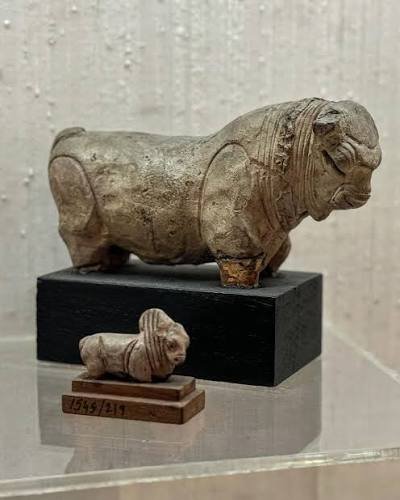
Indus Valley Civilization Gallery
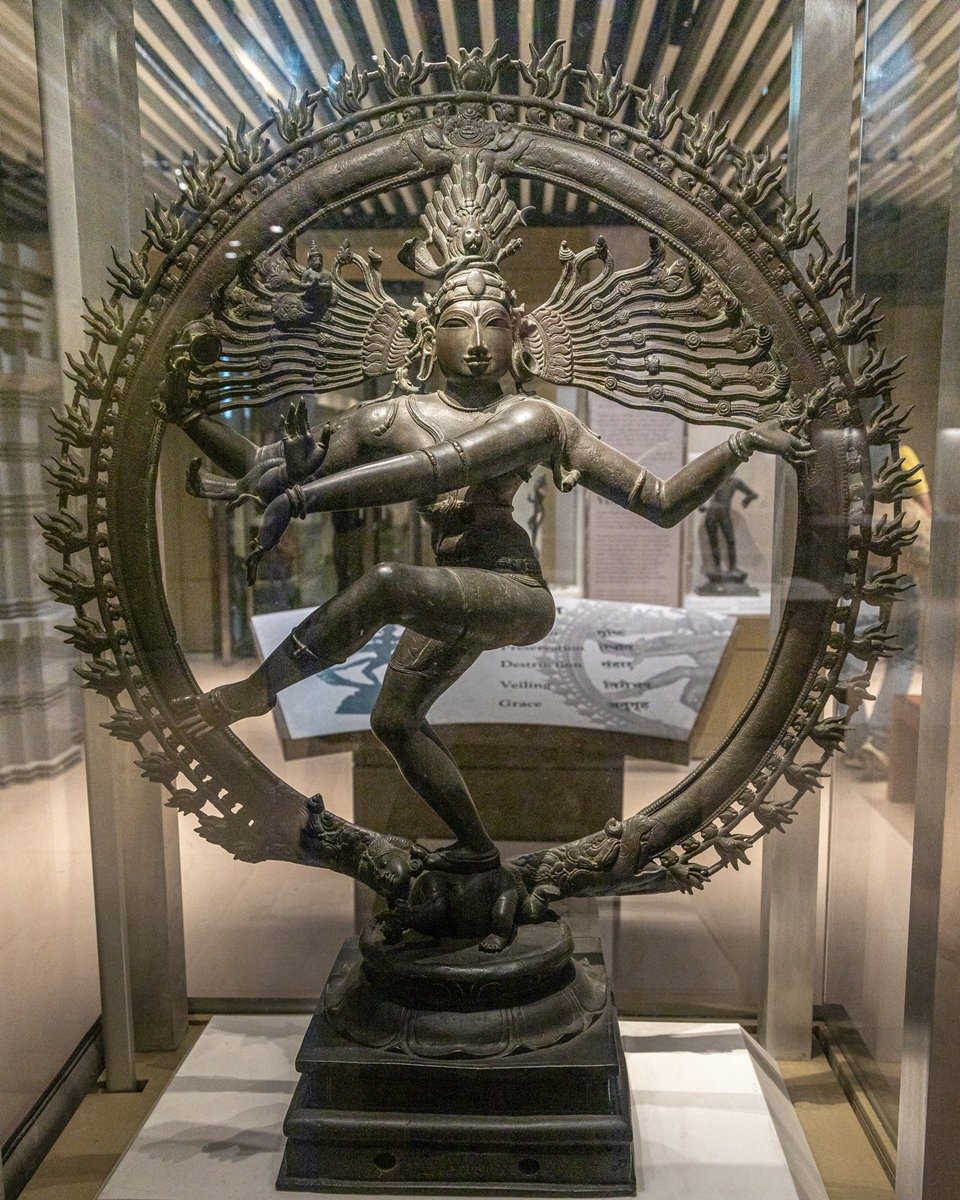
Sculpture Gallery
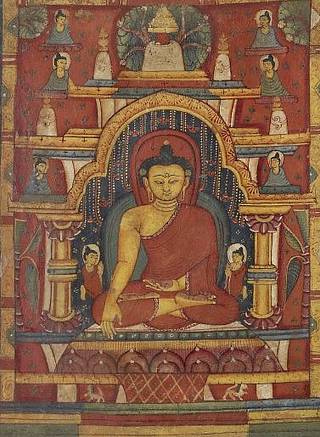
Painting Gallery
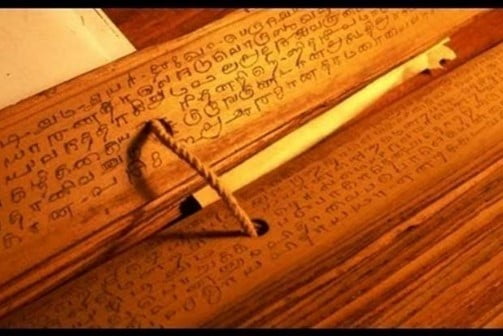
Manuscripts and Coins
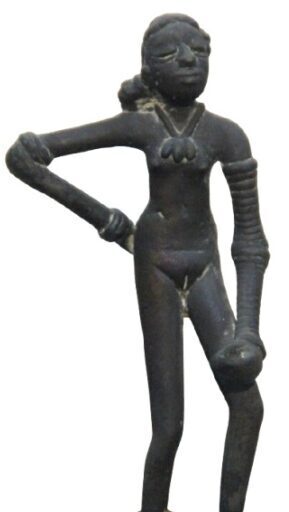
Interesting Facts About the National Museum
The National Museum is one of India’s largest and most prestigious museums, preserving thousands of years of the country’s history, art, and cultural heritage through its vast collections.
- Established in 1949 in New Delhi
- Houses over 2 lakh artifacts
- Collections span more than 5,000 years of history
- Features treasures from the Indus Valley Civilization
- Showcases art, sculptures, manuscripts, textiles, and coins
- A leading center for research, education, and heritage conservation
Nearby Attractions
Several iconic attractions are located close to the National Museum, making it easy to explore Delhi’s rich history, culture, and architecture in a single trip.
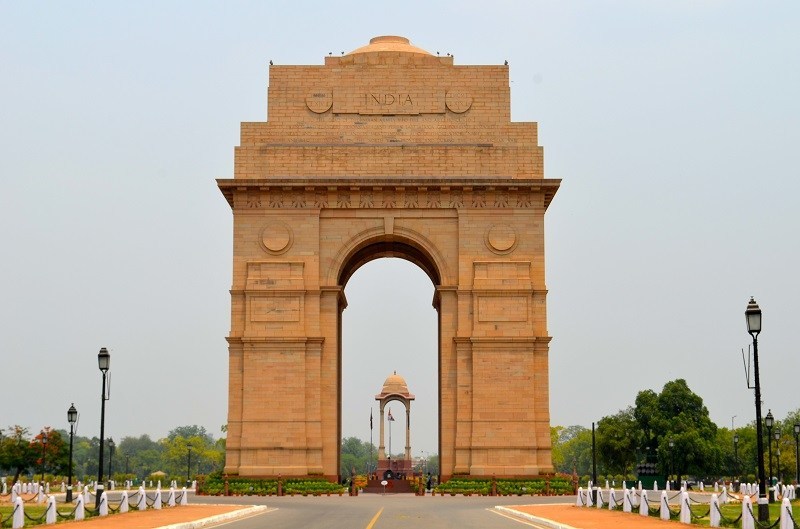
India Gate
One of Delhi’s most iconic landmarks, India Gate is a war memorial surrounded by expansive lawns and a popular destination for sightseeing.
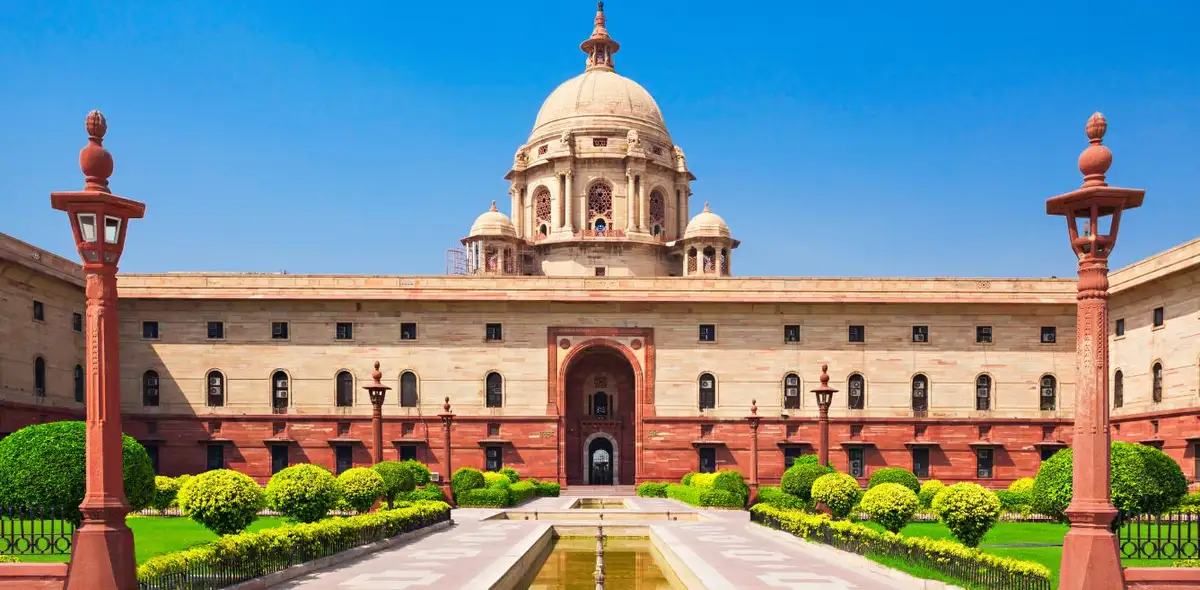
Rashtrapati Bhavan
The official residence of the President of India, Rashtrapati Bhavan is admired for its magnificent architecture and beautifully landscaped gardens.
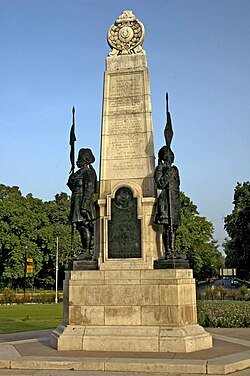
Teen Murti Bhavan
The former residence of Jawaharlal Nehru, Teen Murti Bhavan now serves as a museum dedicated to his life and legacy.
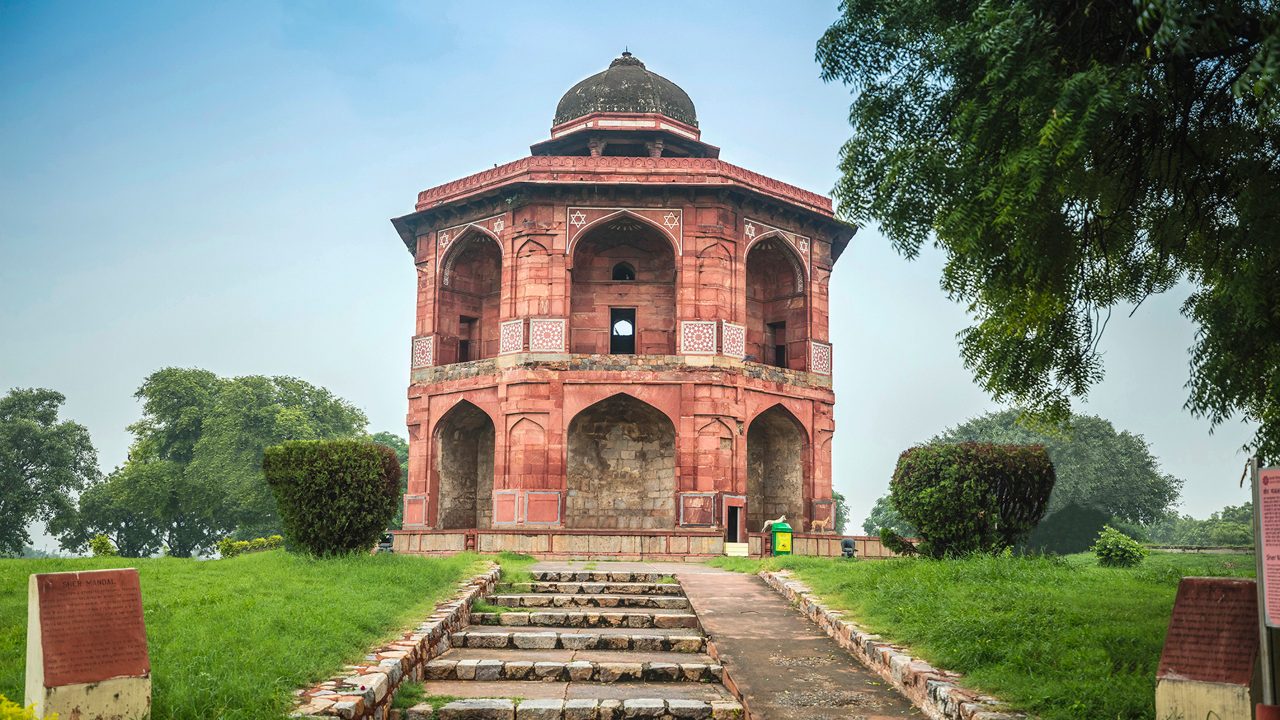
Purana Qila
One of Delhi’s oldest forts, Purana Qila is known for its impressive architecture, historical significance, and scenic surroundings.
Conclusion
The National Museum is one of India’s most important cultural institutions, offering a fascinating journey through over 5,000 years of history, art, and civilization. Its extensive collection of ancient artifacts, sculptures, paintings, manuscripts, textiles, and archaeological treasures provides visitors with a deeper understanding of India’s rich and diverse heritage. Whether you are a history enthusiast, student, researcher, or traveler, the museum offers an educational and enriching experience for all. Combining world-class exhibitions with invaluable historical collections, the National Museum remains a must-visit destination for anyone exploring the cultural legacy of New Delhi.
Explore Delhi
Varanasi Blogs
- Uttar Pradesh Cultural guide
- Places to visit in Varanasi
- Places to visit nearby Varanasi
- India’s most popular destination
- India’s archaeological marvels
Recommended articles
- Uttar Pradesh Cultural guide
- Places to visit in Varanasi
- Places to visit nearby Varanasi
- India’s most popular destination