Tughlaqabad Fort – History, Architecture & Travel Guide
Tughlaqabad Fort is one of the most impressive medieval forts in Delhi, known for its massive stone walls, towering bastions, and grand defensive design. Built in the 14th century by Sultan Ghiyas-ud-Din Tughlaq, the fort was once the center of the powerful Tughlaq dynasty and formed part of a fortified city. Spread across a vast area, the monument reflects the military strength and architectural vision of its time. In addition, visitors can explore ancient gateways, ruined palaces, watchtowers, and scenic viewpoints that offer a glimpse into Delhi’s medieval past. Today, Tughlaqabad Fort remains a fascinating destination for history enthusiasts, photographers, and travelers seeking to discover one of the capital’s lesser-known heritage treasures.
History of Tughlaqabad Fort
1321 – Foundation of the Fort
Tughlaqabad Fort was founded in 1321 by Sultan Ghiyas-ud-Din Tughlaq, the founder of the Tughlaq dynasty. He envisioned the fort as a powerful capital city protected by strong defenses and strategic planning.
Construction of a Fortified City
The fort was built on rocky terrain and surrounded by massive stone walls, bastions, and gateways. In addition to serving as a military stronghold, it was designed to function as a complete city with palaces, markets, reservoirs, and residential areas.
The Famous Curse Legend
One of the most well-known stories associated with the fort involves the Sufi saint Nizamuddin Auliya. According to local legend, a conflict between the saint and the Sultan resulted in a curse that contributed to the city’s decline. This tale remains an important part of the fort’s folklore.
Short-Lived Capital
Despite its grand scale and strategic design, Tughlaqabad served as the capital for only a short period. After the death of Ghiyas-ud-Din Tughlaq, the city gradually lost importance and was eventually abandoned.
Centuries of Decline
Over the following centuries, many buildings inside the fort fell into ruin due to neglect, weathering, and changing political conditions. However, the massive fortifications survived and continue to dominate the landscape.
Protected Heritage Monument
Today, Tughlaqabad Fort is protected by the Archaeological Survey of India and stands as one of Delhi’s most significant medieval monuments. Visitors come here to explore its history, architecture, and panoramic views.
Built By
Ghiyas-ud-Din Tughlaq
Construction Begun
1321 CE
Dynasty
Tughlaq Dynasty
Famous For
Massive Fortifications
Historical Role
Fortified Capital City
Architecture of Tughlaqabad Fort
Architecture of Tughlaqabad Fort
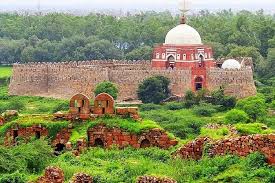
Strategic Hilltop Location
Built on rocky terrain, the fort takes advantage of the natural landscape for defense. The elevated position provided clear views of the surrounding region and strengthened its military importance.
Palace & Residential Ruins
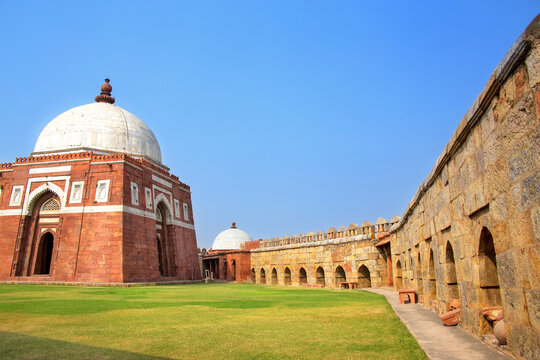
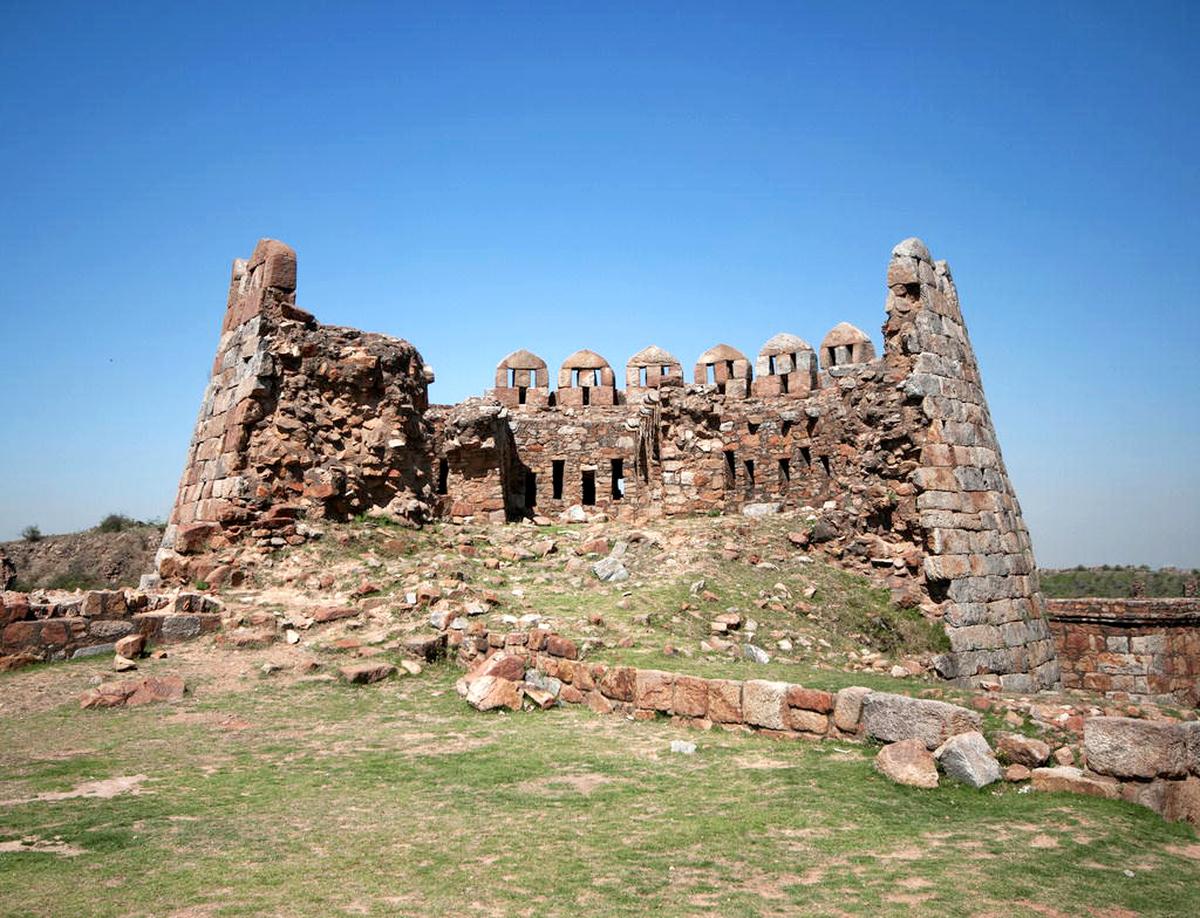
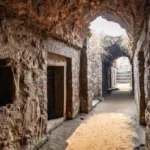
Although much of the interior now lies in ruins, visitors can still see remnants of palaces, halls, courtyards, and residential areas that once formed part of the thriving medieval city.
Functional Yet Imposing Design
Unlike the decorative Mughal monuments that appeared later, Tughlaqabad Fort emphasizes strength, security, and functionality. Therefore, its architecture reflects the practical military priorities of the Tughlaq rulers.
Massive Defensive Walls
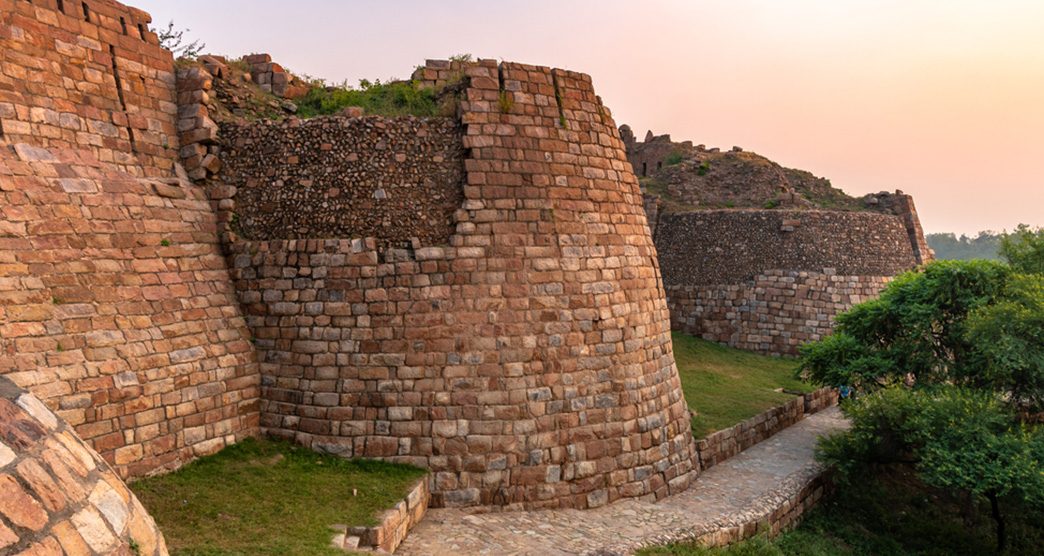
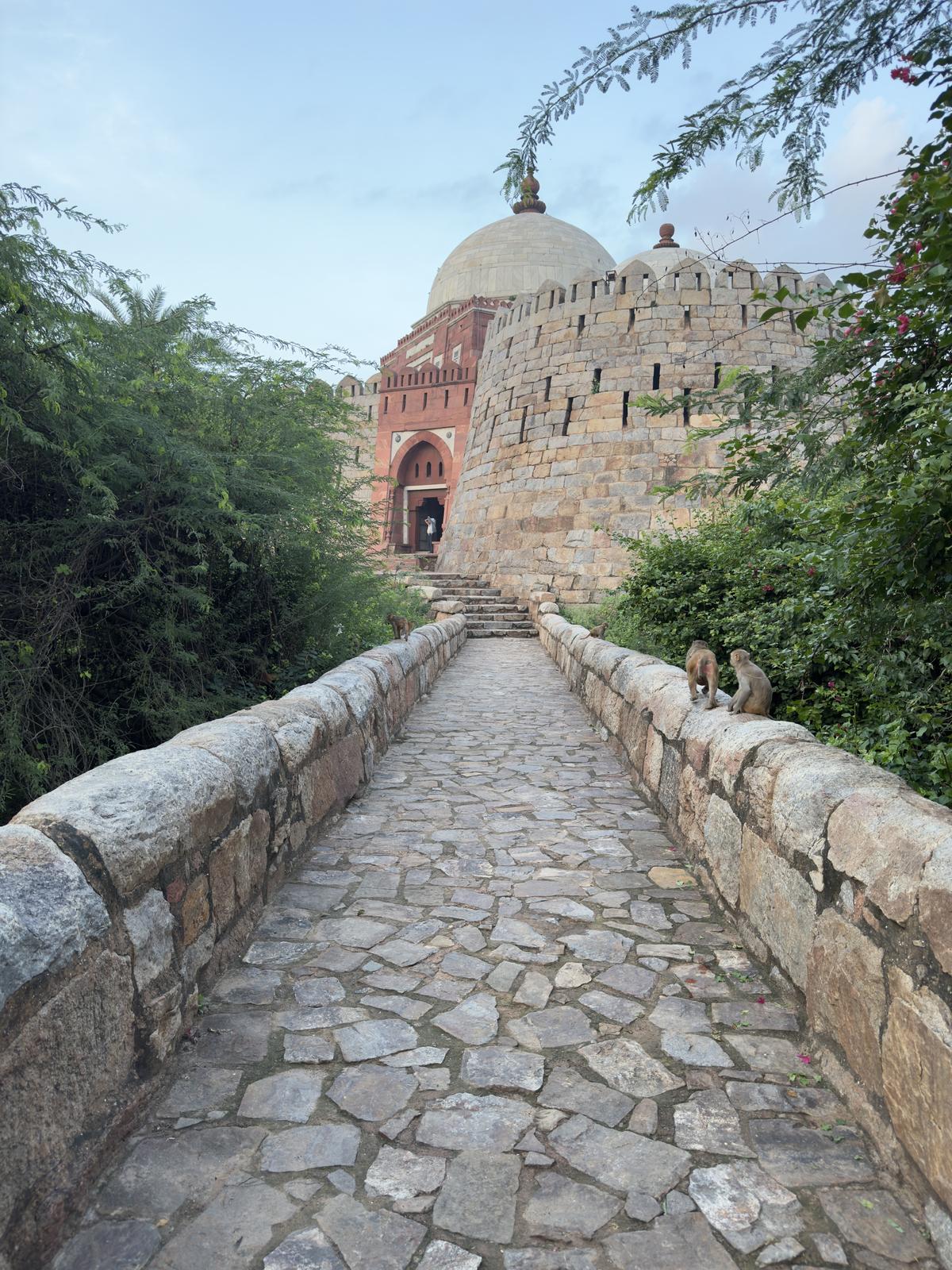
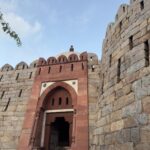
Tughlaqabad Fort is famous for its enormous stone walls, which were built to withstand invasions and attacks. The sloping walls and thick fortifications demonstrate the military-focused architecture of the Tughlaq period.
Strong Bastions & Watchtowers
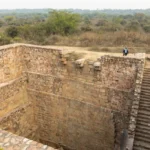
The fort features numerous bastions and watchtowers positioned along its perimeter. These structures allowed soldiers to monitor approaching enemies and defend the city from strategic points.
Grand Gateways
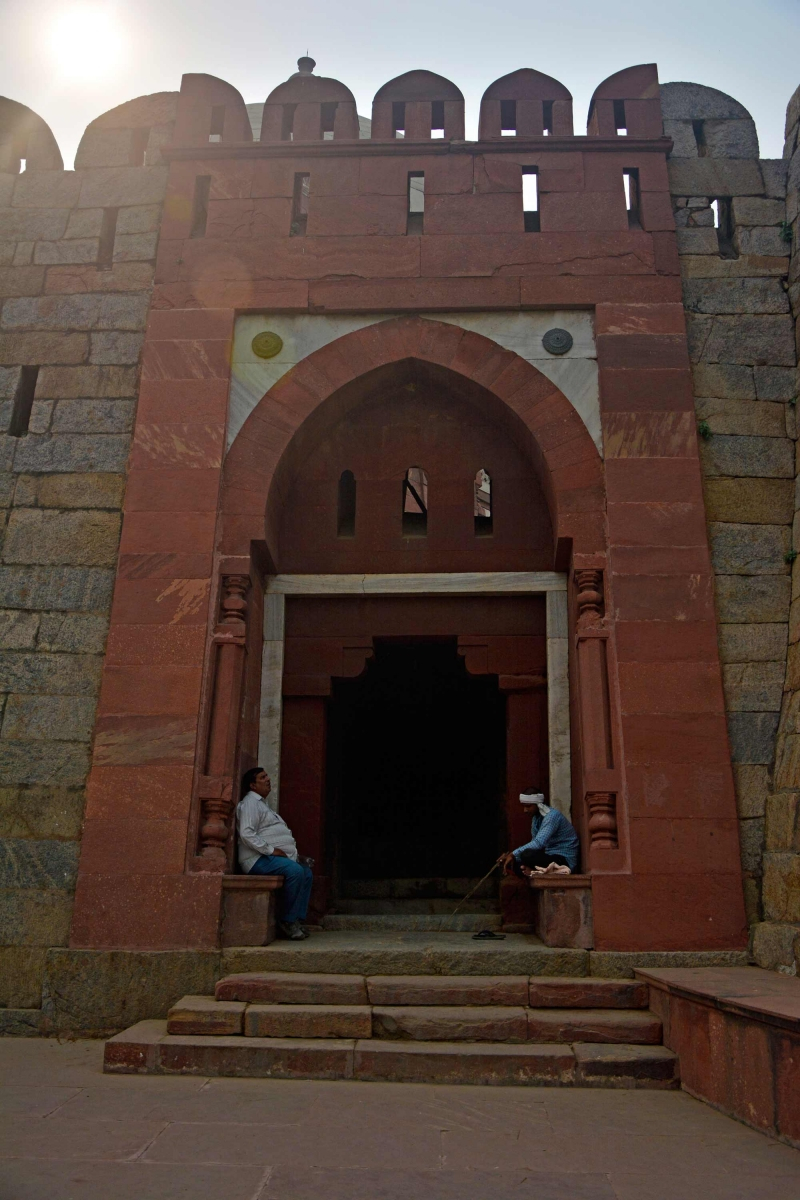
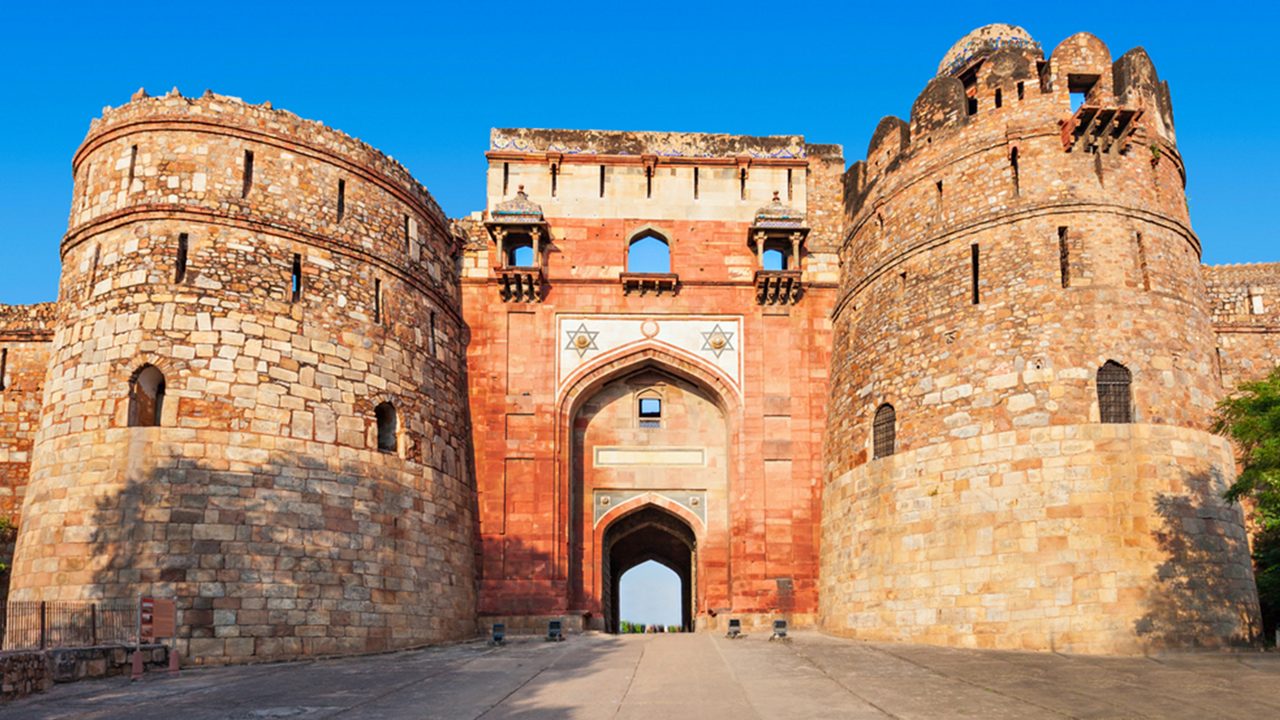
Several gateways once controlled access to the fortified city. These entrances were carefully designed with defensive features that made it difficult for invading forces to enter the complex.
Architecture of Tughlaqabad Fort
Architecture Gallery
Massive stone walls of Tughlaqabad Fort
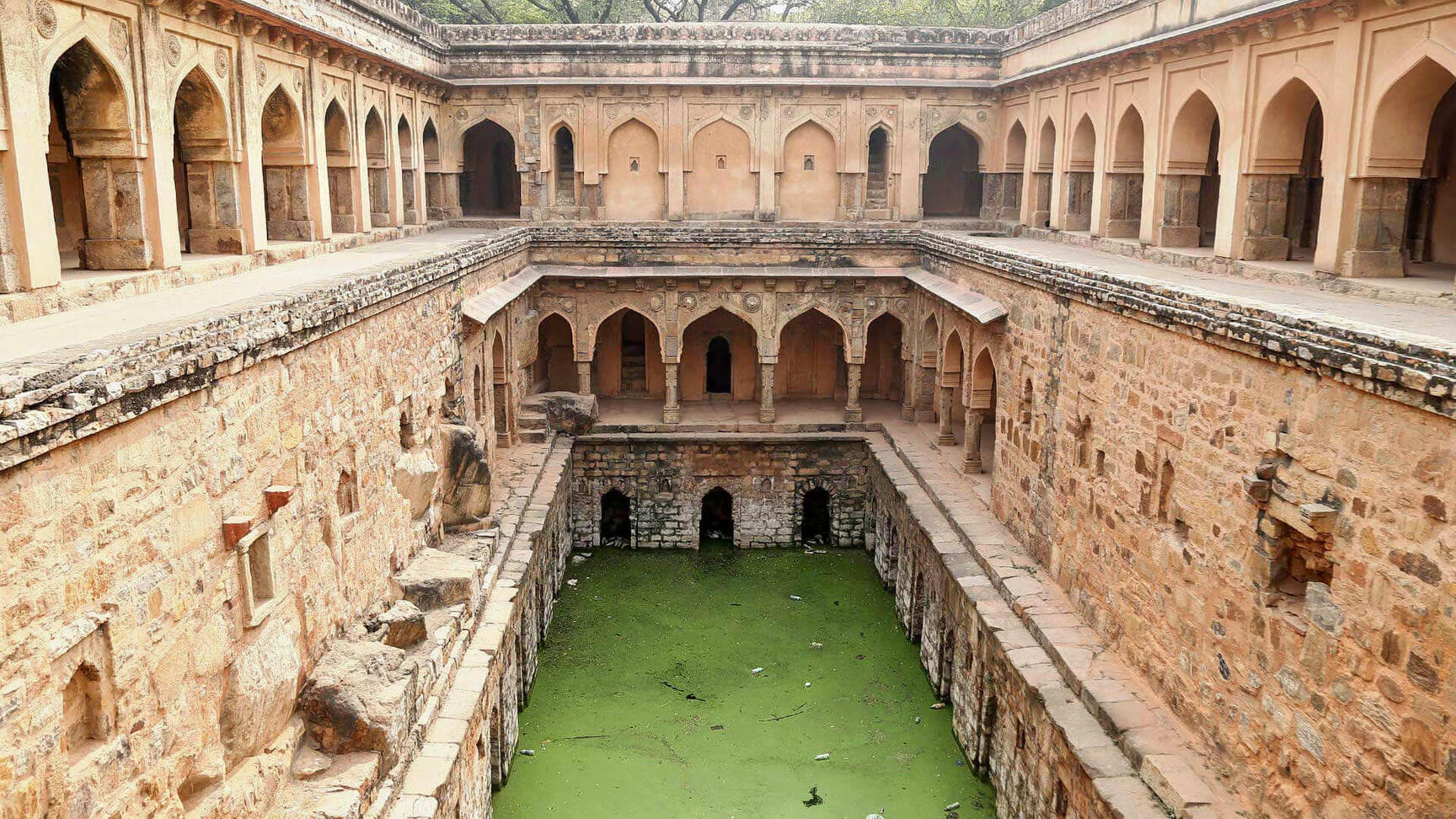
Ancient gateway at Tughlaqabad Fort
Watchtower inside Tughlaqabad Fort
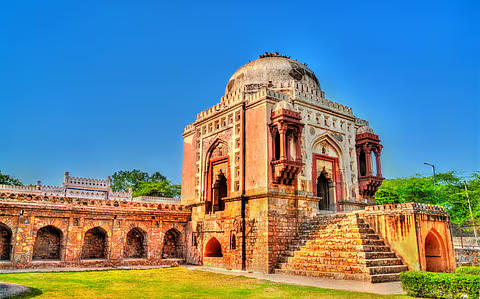
Historic ruins within Tughlaqabad Fort complex
Interesting Facts About Tughlaqabad Fort
Tughlaqabad Fort is one of Delhi’s most intriguing historical sites, known not only for its impressive architecture but also for the legends and mysteries surrounding it. From its massive scale to its short-lived history, the fort continues to fascinate visitors and historians alike.
One of Delhi’s Largest Forts
Built in Record Time
Famous for the Nizamuddin Auliya Legend
Served as Capital for a Short Period
Designed for Defense
Built on Rocky Terrain
Offers Panoramic City Views
Popular Among History & Photography Enthusiasts
Things to See Inside Tughlaqabad Fort
Tughlaqabad Fort covers a vast area filled with historic ruins, defensive structures, gateways, and scenic viewpoints. Although much of the original city has disappeared over time, visitors can still explore several fascinating remains that showcase the fort’s former grandeur. In addition, the elevated landscape offers excellent views of the surrounding area and a unique glimpse into Delhi’s medieval history.
Nearby Attractions Around Tughlaqabad Fort
Tughlaqabad Fort is located in South Delhi and is surrounded by several historical landmarks, cultural attractions, and heritage sites. Visitors can easily combine these destinations with their fort visit to create a full day of sightseeing. In addition, many of these attractions showcase different periods of Delhi’s rich history.
Mehrauli Archaeological Park
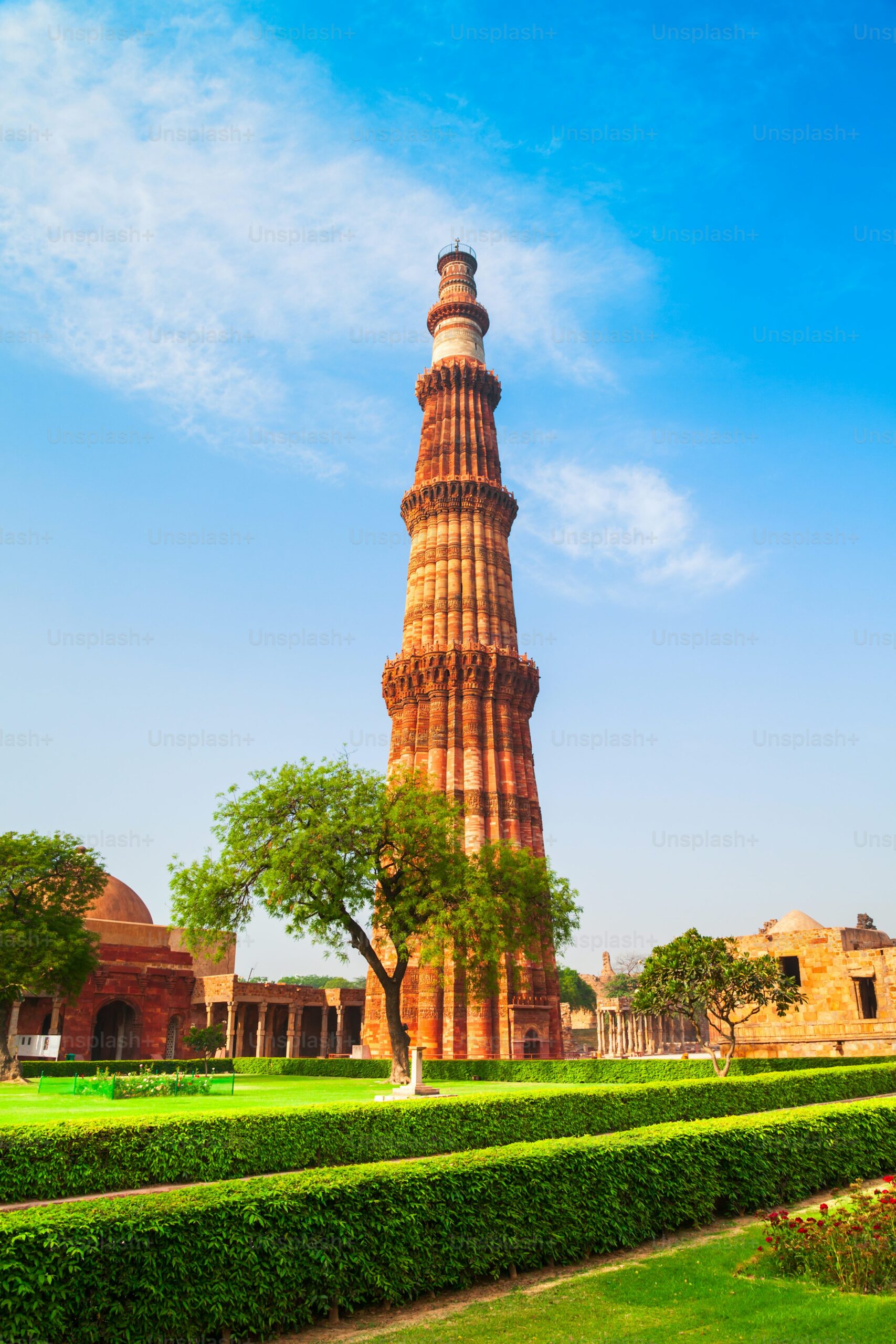
Qutub Minar
Lotus Temple
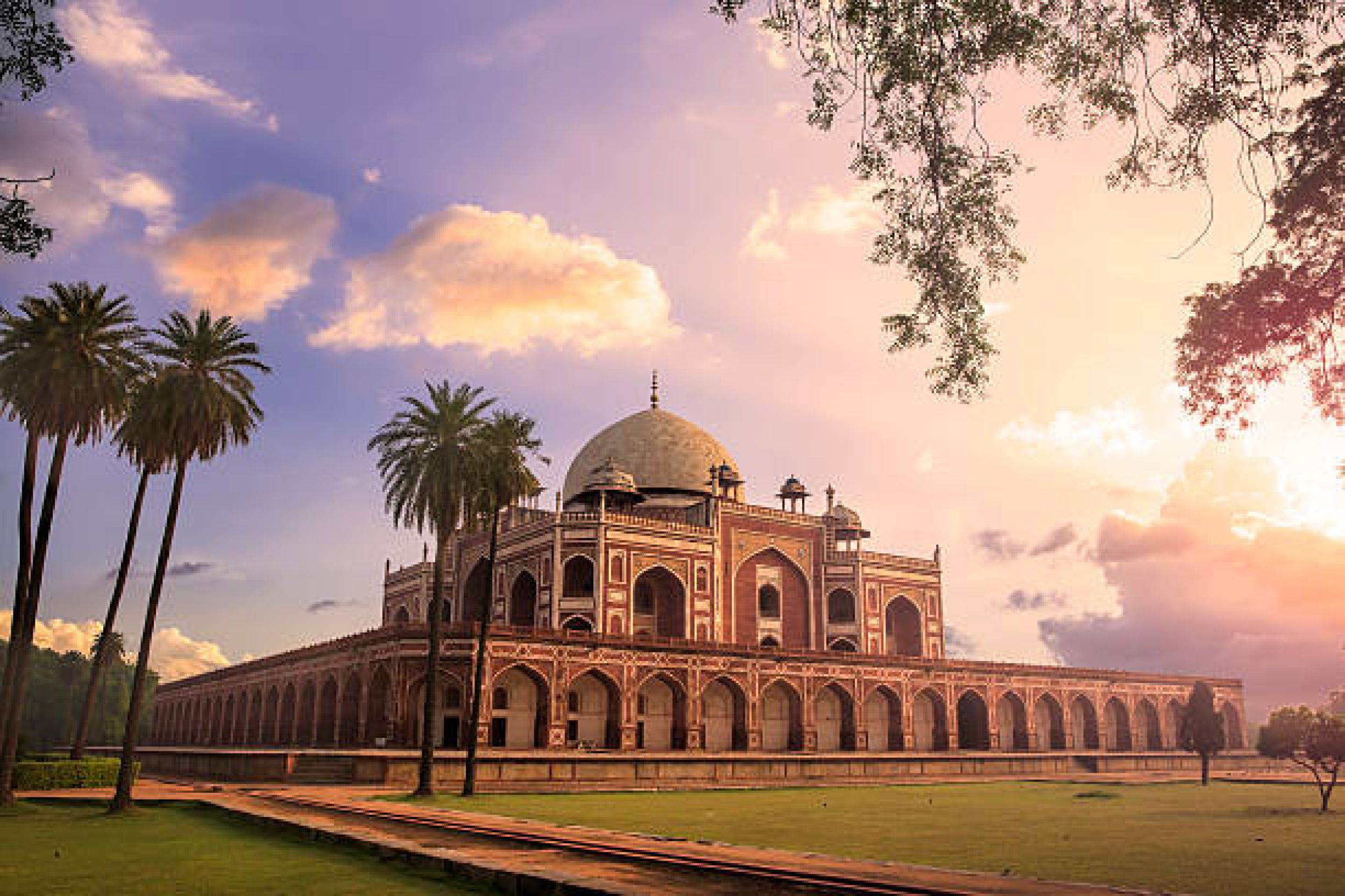
Humayun's Tomb
Conclusion
Tughlaqabad Fort stands as one of the most remarkable examples of medieval military architecture in Delhi. With its massive stone walls, historic gateways, ancient ruins, and fascinating legends, the fort offers visitors a unique glimpse into the power and ambition of the Tughlaq dynasty. In addition, its elevated viewpoints, peaceful surroundings, and rich historical significance make it a rewarding destination for history lovers, photographers, and heritage enthusiasts. Whether you are exploring Delhi’s lesser-known monuments or seeking to discover stories from the city’s medieval past, Tughlaqabad Fort is a must-visit landmark that continues to captivate visitors centuries after its construction.