
¤ 8 minutes Read
Kumarakom Travel Guide – Backwaters, Bird Sanctuary & Village Life
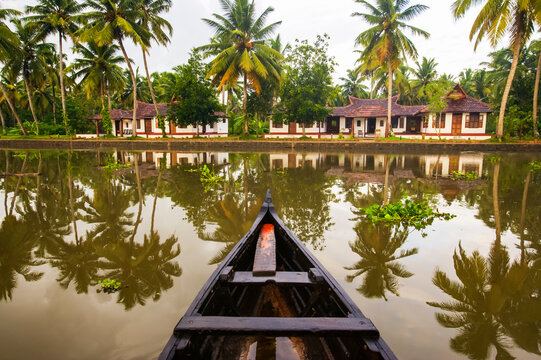
Kumarakom sits along the eastern shore of Vembanad Lake in Kottayam, Kerala, where narrow canals, coconut groves, wetlands and small islands form a landscape quite different from a conventional town. The destination is known for its backwater cruises, but there is more to Kumarakom than travelling across the lake by houseboat. Local fishing, farming, coir making and palm-leaf crafts remain part of the area’s everyday character.
Kumarakom Is More Than a Backwater Cruise
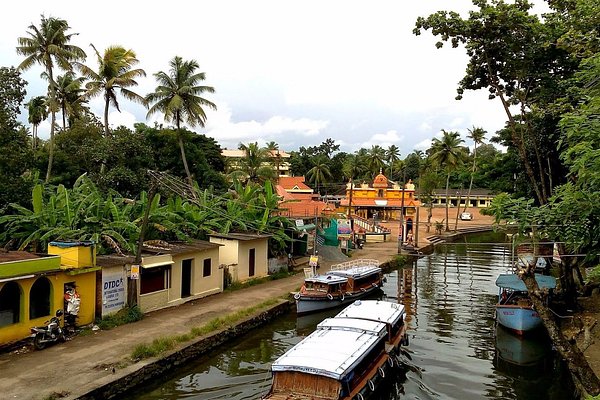
Kumarakom’s geography is deeply connected to Vembanad Lake. The village consists of a group of islands with canals and backwaters weaving through homes, fields and coconut groves. Some of the land was once reclaimed from wetlands so water is not something you see here – it played a big role, in how the area grew and changed over time.
During the century Alfred George Baker turned about five hundred acres of wetland into farmland. He dug canals to carry water across the fields. He used the soil that came out of those canals to build bunds around the areas he grew crops. Paddy and coconut farming then became tightly linked to how the landscape was managed with water.
That relationship is still visible today. A slow canoe ride, through the waterways can reveal scenes that a fast houseboat cruise may pass by: fishing along the banks people working around the fields coconut palms lining the canals and everyday village activity taking place beside the water.
The Bird Sanctuary That Grew From an Untouched Patch of Land
Kumarakom’s bird sanctuary has an unusual connection with the area’s agricultural history. In 1847, Alfred George Baker began developing wetlands around Vembanad Lake for cultivation. While much of the land was altered for farming, he left about 10 acres untouched and planted mangroves there. The undisturbed patch gradually became a habitat for resident and migratory birds.
1847 - Wetlands were developed
Baker received around 500 acres and began preparing parts of the wetland for paddy and coconut cultivation.
Mangroves were preserved
A smaller portion was deliberately left undisturbed, with mangroves helping protect the land from erosion and providing habitat.
Bird habitat → sanctuary
As birdlife gathered in the untouched area, it developed into what is now the 14-acre Kumarakom Bird Sanctuary on the banks of Vembanad Lake.
See Kumarakom at Village Speed
A houseboat gives you the broad view of Kumarakom, but the smaller canals bring you much closer to village life. Kerala Tourism’s village-life experiences use country boats to take visitors through these narrower waterways, where the surroundings include paddy fields, fishing activity and homes along the banks. The local economy is also connected to the materials and resources around the water.

Canal Ride
Country boats move through the narrower waterways.
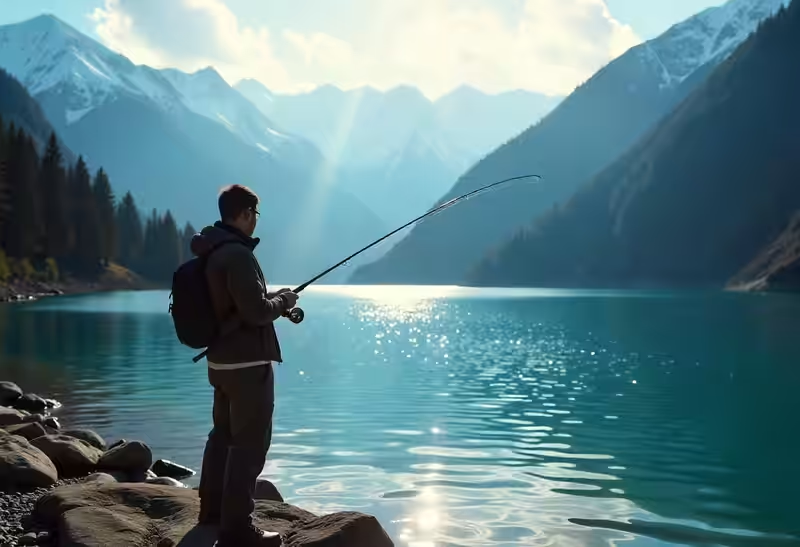
Fishing
Fishing remains part of life around Vembanad.
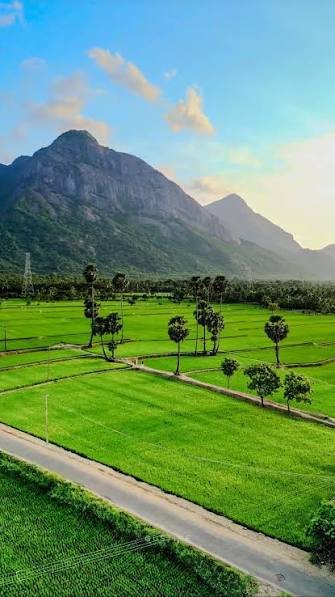
Paddy Fields
Fields sit alongside the backwater network.
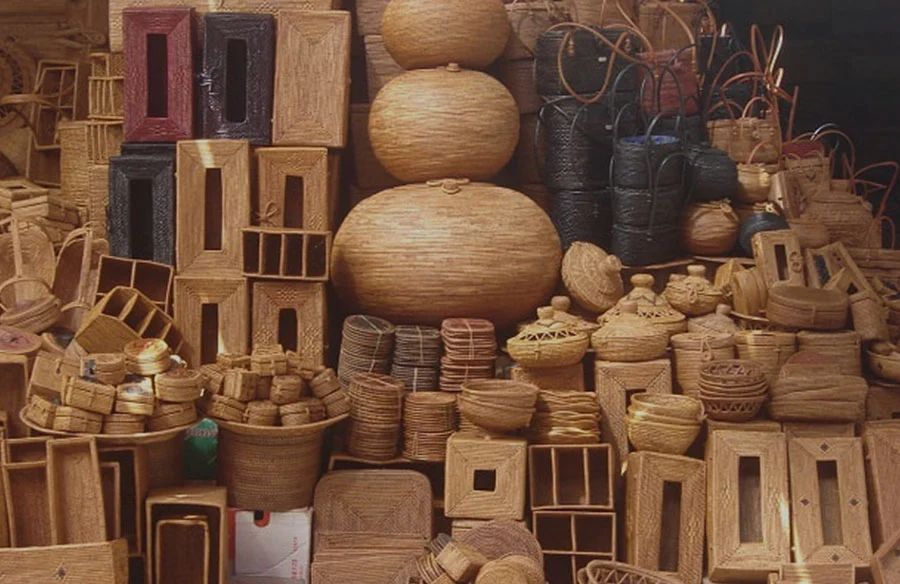
Local Crafts
Coir and palm-based crafts remain part of local livelihoods.
Fishing, coir making, palm-frond weaving and farming are among the traditional activities associated with Kumarakom. Responsible Tourism initiatives in the area have incorporated several of these activities into experiences involving local communities.
What to Look For Around Vembanad Lake
Experience the spiritual, cultural, and historical essence of the city. From attending the Ganga Aarti to exploring ancient lanes, the city offers a soulful journey.

Lake Edge
Vembanad is one of Kerala’s defining water bodies, and Kumarakom occupies a stretch along its eastern shore. Look beyond the open water and notice how coconut palms, narrow channels and settlements meet the lake.
The Narrow Canals
The smaller waterways reveal a much more enclosed landscape than the main lake. Boats pass close to homes, gardens and cultivated areas, making these routes useful for understanding how closely daily life is tied to the water.
The Wetland Boundary
Kumarakom’s landscape changes gradually rather than ending at a clear boundary. Water, paddy fields, mangroves and built-up areas sit alongside one another. This is one reason the destination feels more like a network of interconnected landscapes than a single sightseeing spot.
The Changing Colours of the Water
Early morning often brings calmer water and softer light across the lake, while the late afternoon creates longer reflections along the canals and coconut-lined banks. The changing light is particularly noticeable when travelling by a small boat rather than staying on the larger waterways.
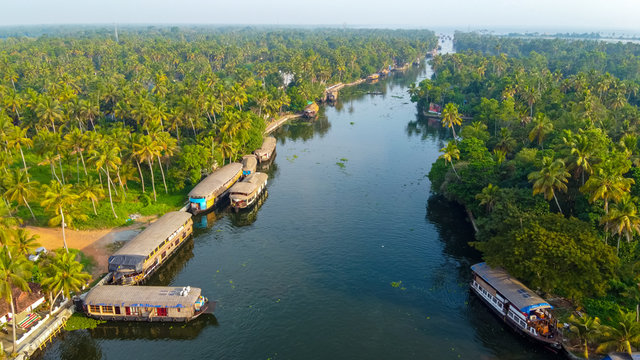
Where the Backwaters Become a Bird Habitat
The Kumarakom Bird Sanctuary covers 14 acres along the edge of Vembanad Lake. The combination of mangroves, canals, coconut groves and wetland plants makes a home for both birds and birds that come from far away. The sanctuary came from the Bakers Estate, where people planted mangroves and some parts of the land were kept untouched, on purpose.
A visit here feels very different from a houseboat cruise. The sanctuary has a walking path that goes through a wooded area and an observation tower gives a view, over the surrounding greenery. Boat rides along waterways can also give visitors another perspective of the bird habitat.
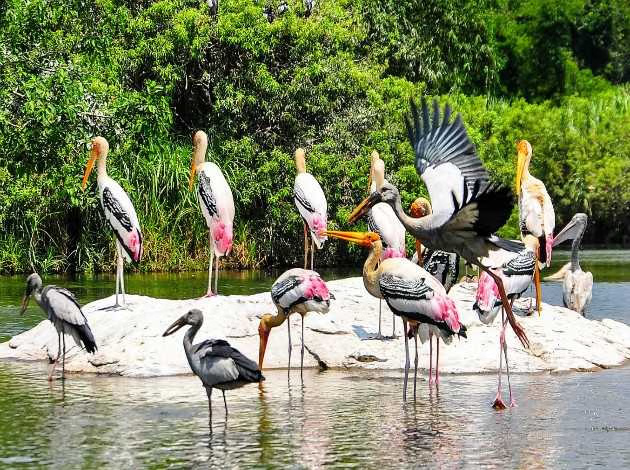
Migratory birds come mostly between November and February. June to August is also considered a time to see birds that stay in the wetlands all year. The sanctuary is home, to types of birds. These include herons, egrets, darters, cormorants, kingfishers and many different waterfowl.
The Wider Kumarakom Experience
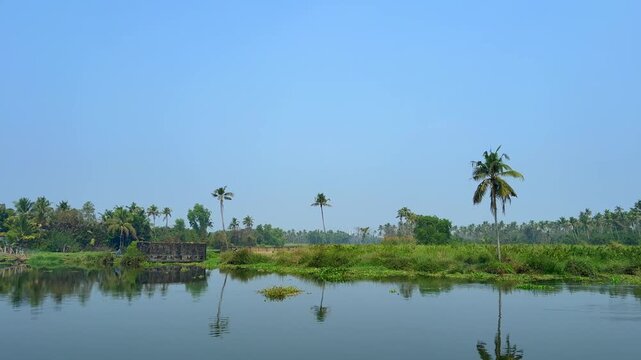
Vembanad Lake
The main setting around Kumarakom, with boating, fishing and backwater routes extending across the lake.
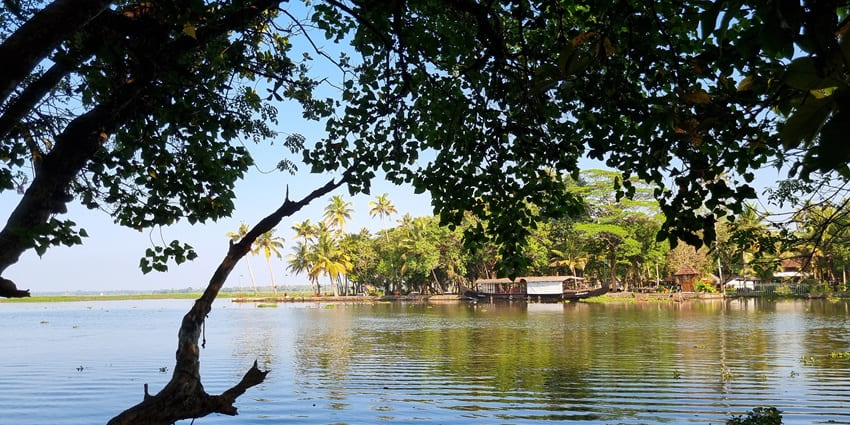
Kumarakom Bird Sanctuary
A 14-acre sanctuary with woodland paths, water channels and opportunities for spotting resident and migratory birds.
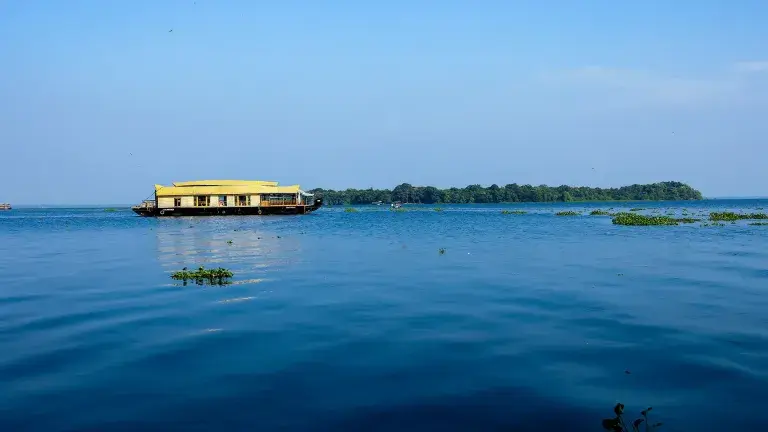
Pathiramanal Island
A small island in Vembanad Lake accessible by boat, known particularly for its birdlife and relatively undisturbed vegetation.
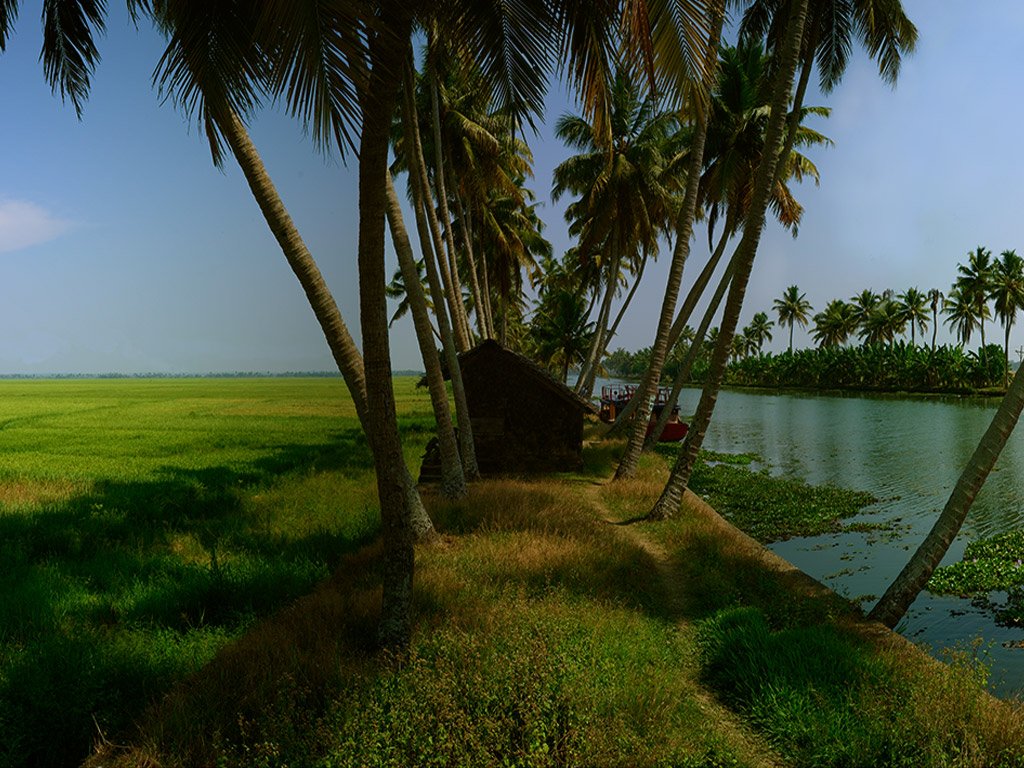
Thazhathangadi
A historic riverside area near Kottayam known for its old settlement character and traditional architecture.
Conclusion
Kumarakom is often introduced through its houseboats, but the destination makes more sense when seen as a landscape shaped by water. Vembanad Lake, narrow canals, wetlands, bird habitats and village settlements are all connected, and each reveals a different side of the backwaters. Some visitors come for a quiet boat ride, others for birdwatching or simply to slow down for a few days. Kumarakom does not depend on one landmark or a single attraction. Its appeal lies in the way the lake, waterways and everyday life fit together to create a setting that changes with the seasons and the rhythm of the water.
Explore Kerala
Varanasi Blogs
- Uttar Pradesh Cultural guide
- Places to visit in Varanasi
- Places to visit nearby Varanasi
- India’s most popular destination
- India’s archaeological marvels
Recommended articles
- Uttar Pradesh Cultural guide
- Places to visit in Varanasi
- Places to visit nearby Varanasi
- India’s most popular destination