
¤ 12 minutes Read
Thrissur - Kerala’s Cultural Capital, Temple Town & Festival City
Thrissur is a city that grows around a temple, a road and a big open ground that becomes the centre of Kerala’s most famous festival each year. At its heart stands Vadakkumnathan Temple, surrounded by Thekkinkadu Maidanam while the Swaraj Round and radial roads show the city planning that comes from Shakthan Thampuran, the ruler of the Cochin state.
The city’s character stretches beyond just the Thrissur Pooram. I see that the city’s history runs through the kingdoms and trading networks of central Kerala. The city’s institutions that focus on literature, music, theatre and art have helped give Thrissur its reputation as a centre. Festivals such, as Pulikkali add another layer to that identity turning the city’s streets into performance spaces during Onam.
Must-Visit Attractions in Thrissur
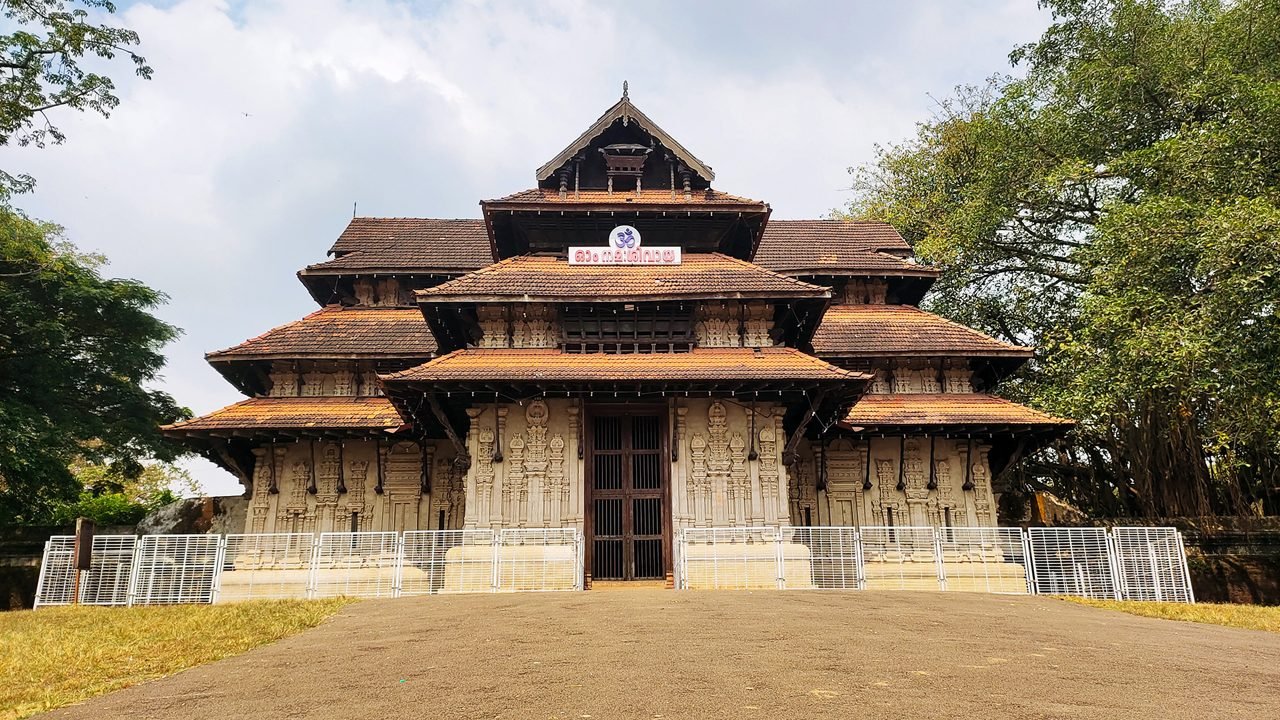
Vadakkumnathan Temple
At the centre of Thrissur, this ancient Shiva temple is known for its traditional Kerala architecture, murals and wooden detailing.
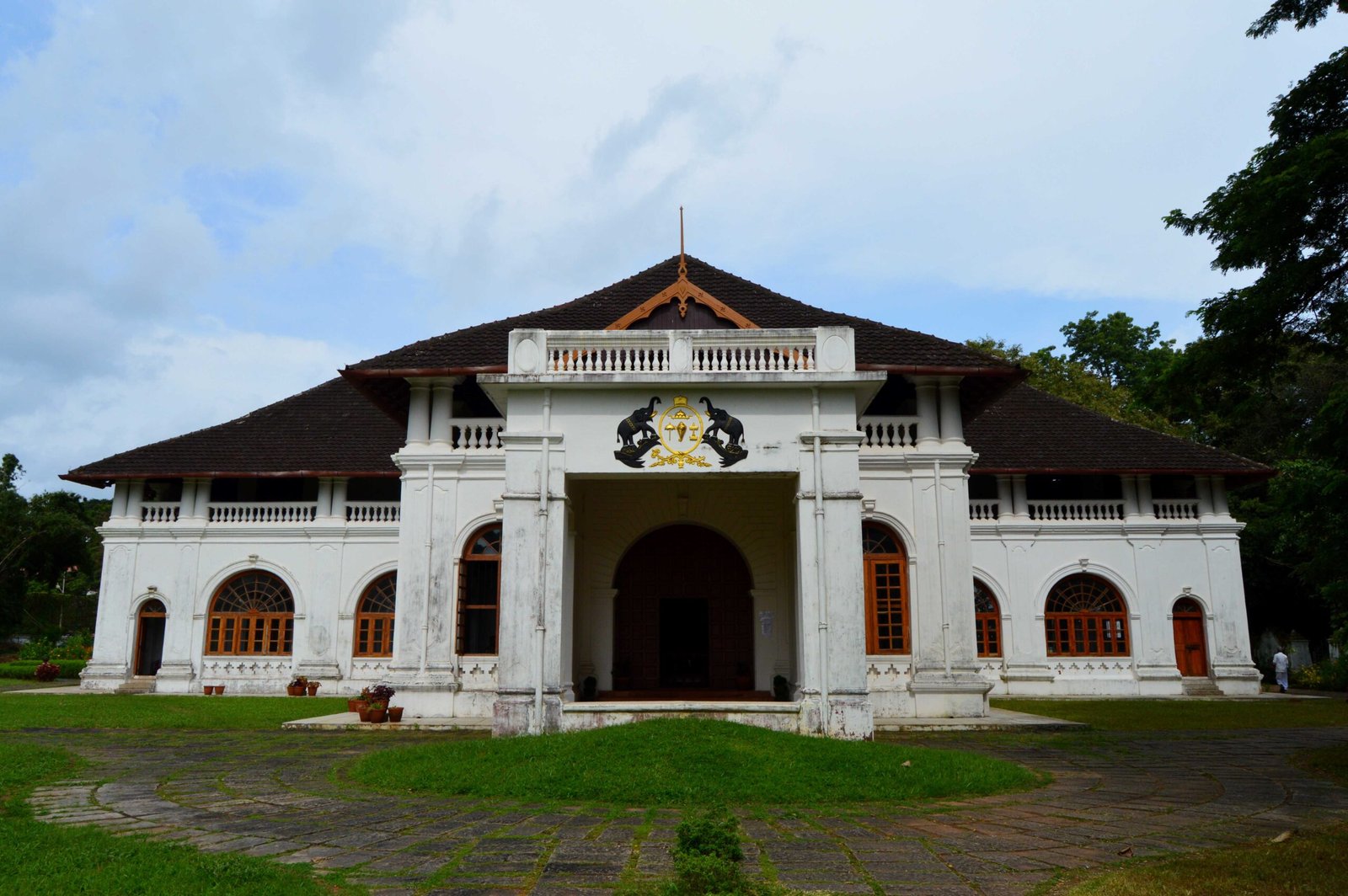
Shakthan Thampuran Palace
Royal residence, which mixes Kerala & Dutch architectural elements is now a museum. The museum displays bronze works, sculptures and epigraphy collections.
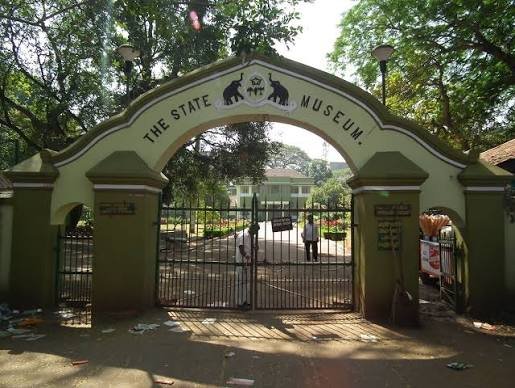
Thrissur Zoo & State Museum
The museum complex has long been one of the city’s cultural attractions, with collections covering archaeology, art and natural history.
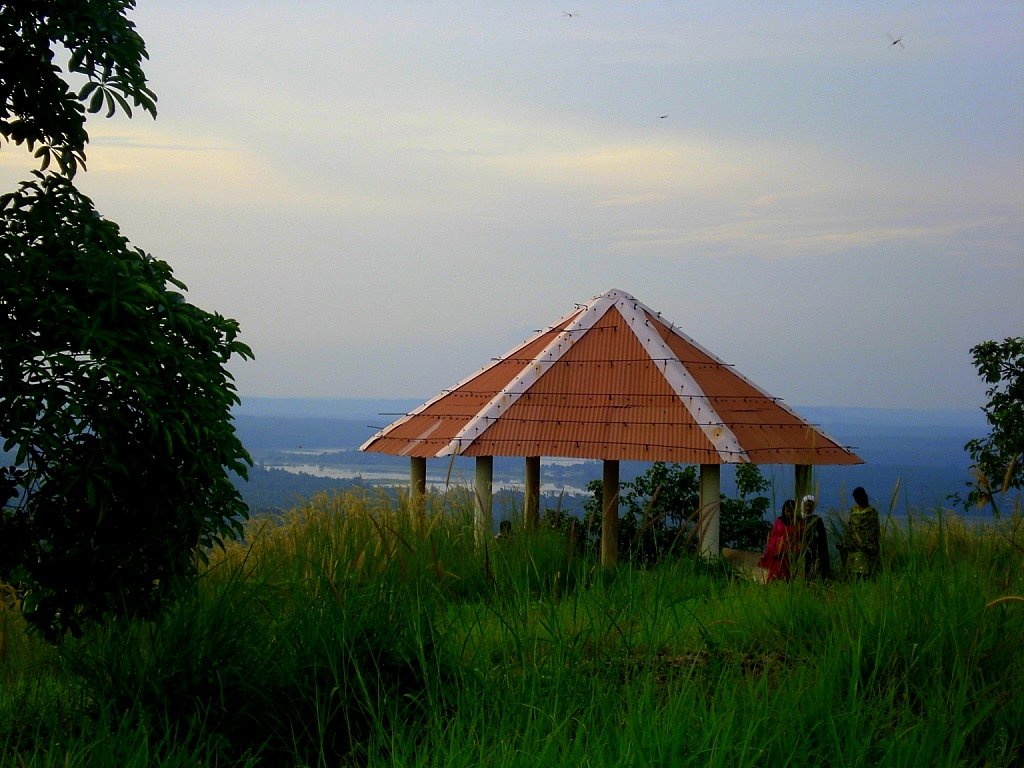
Vilangan Hills
Located on the outskirts of the city, Vilangan Hills is a popular viewpoint with broad views across Thrissur and the surrounding countryside.
Must-Visit Attractions Nearby Thrissur
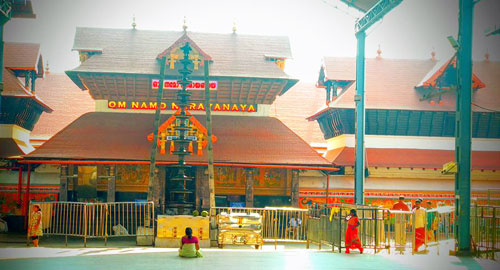
Guruvayur Temple
One of Kerala’s most important pilgrimage centres, Guruvayur is dedicated to Lord Krishna and is known for its distinctive temple traditions.

Athirappilly Waterfalls
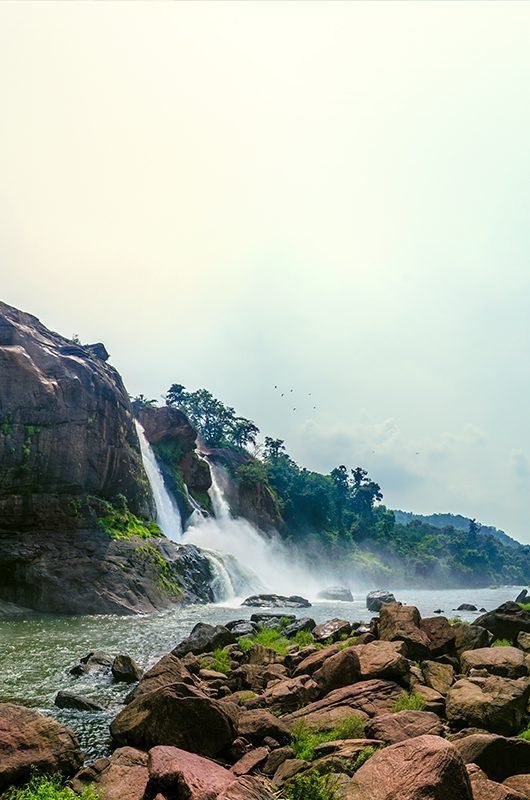
One of Kerala’s best-known waterfalls, Athirappilly drops from the Chalakudy River amid a forested landscape. It makes a popular nature excursion from Thrissur.
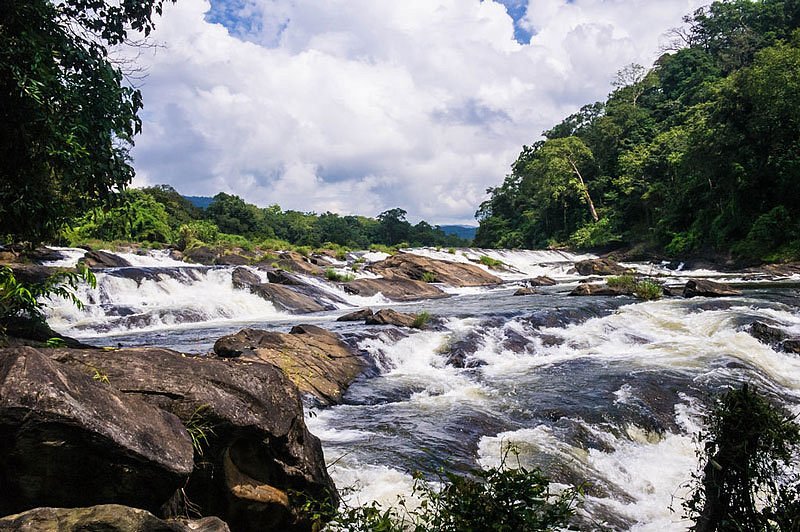
Vazhachal Waterfalls
Located further along the Chalakudy River from Athirappilly, Vazhachal is surrounded by dense forest and is often visited as part of the same trip.
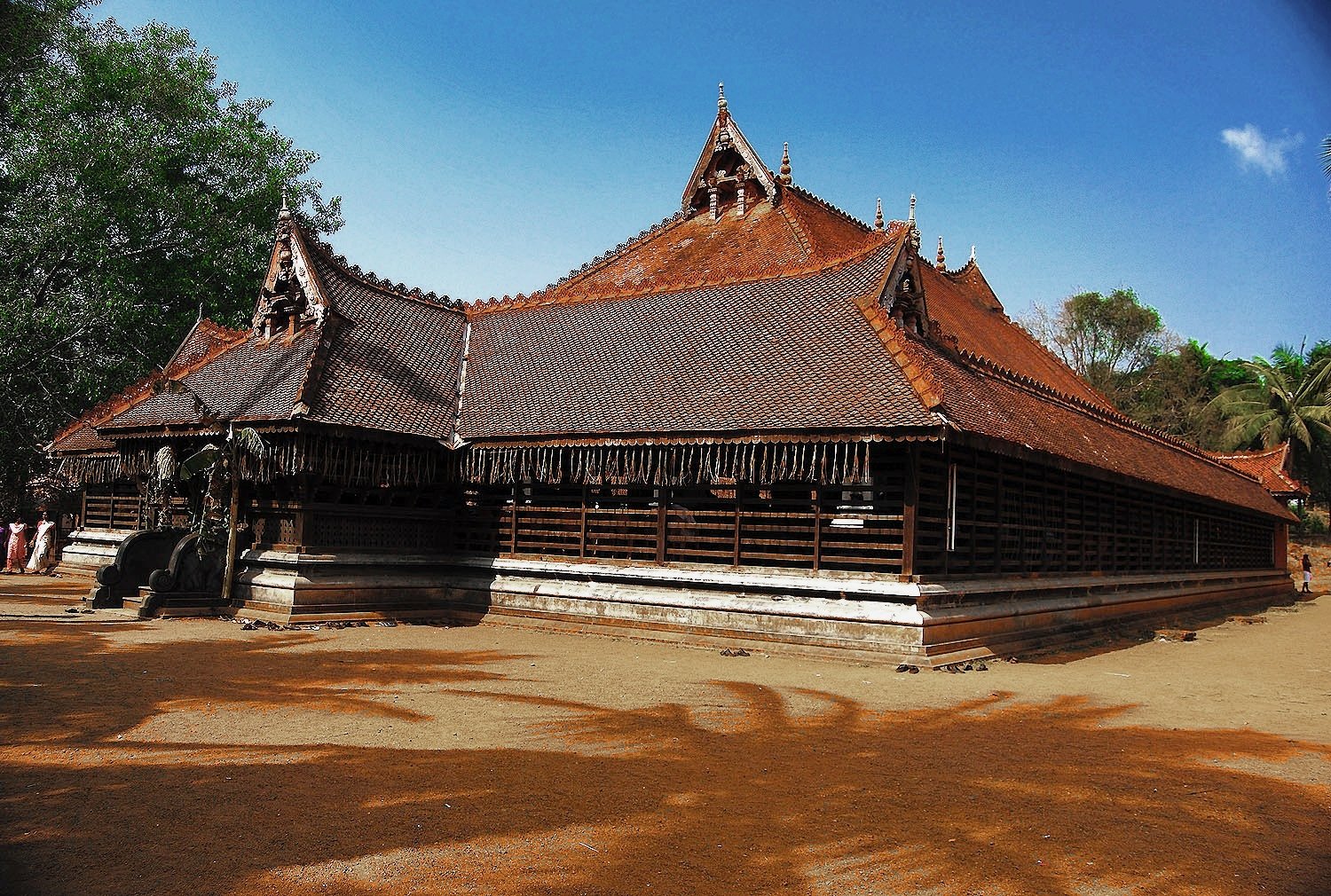
Kerala Kalamandalam
At Cheruthuruthy, this renowned institution focuses on Kerala’s classical performing arts, including Kathakali and traditional dance and theatre forms.
Things to do in Thrissur
Thrissur is best experienced through its temples, festivals, cultural institutions and everyday city life. These activities give you a feel for the city beyond simply visiting individual landmarks.
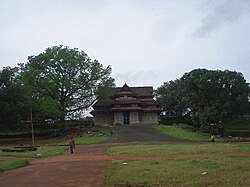
Walk Around Thekkinkadu Maidan
Take a relaxed walk around the large green space surrounding Vadakkumnathan Temple .
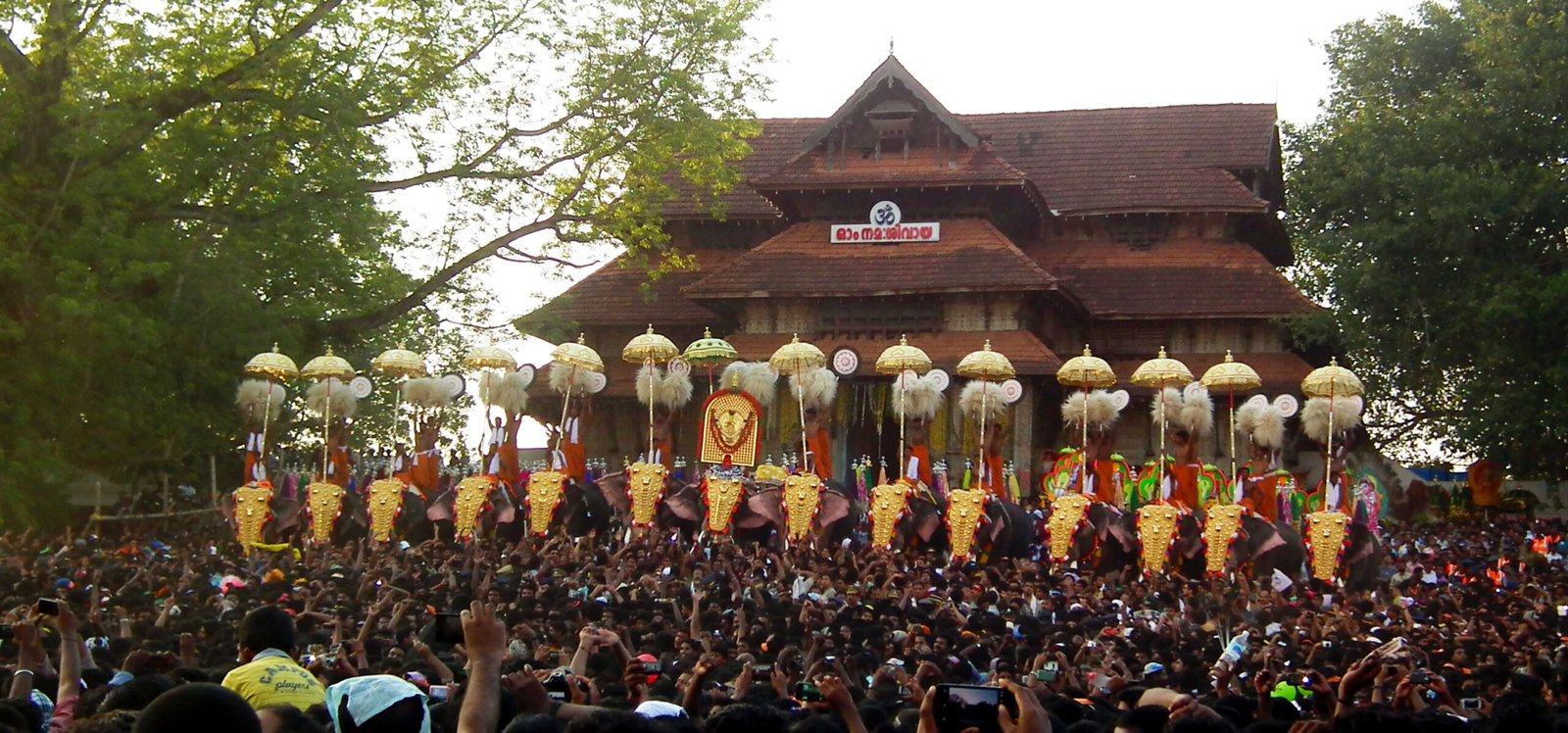
Experience Thrissur Pooram
During the festival, watch the decorated elephants and ceremonial processions around Vadakkumnathan Temple.
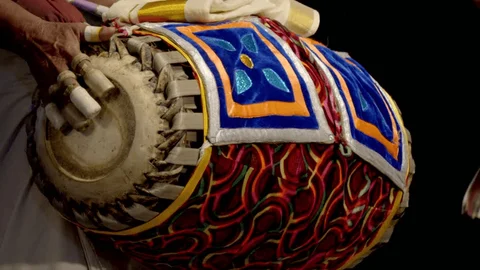
Explore Kerala’s Performing Arts
Attend a traditional performance to see art forms such as Kathakali and Mohiniyattam.

Try Thrissur’s Local Food
Sadya, appam, stew and regional snacks are among the foods worth looking for while exploring the city.
The Performing Art of Thrissur
Thrissur has a link with Keralas traditional performing arts from Kathakali and Mohiniyattam to the drumming traditions heard during temple festivals. Places like Kerala Kalamandalam in Cheruthuruthy have been very important, in keeping and teaching these art forms. In the city itself festival shows and temple events bring music, dance and drumming into areas making the arts a part of daily cultural life instead of something only seen on formal stages.
Music Forms
Sopana Sangeetham
Mappila Paattu
Classical Music
The musical landscape of Kollam is very spiritual and varied. It is anchored by the temple-centered Sopana Sangeetham, a melodic style of ritual chanting. The area also pulses with the lyrical Mappila Paattu also called Oppana. This folk music from the Malabar coast is often played at weddings. In addition the strict classical style of Carnatic Music is alive in venues and, during temple festivals. This rich sound mix blends devotion, happy celebration and classical tradition showing Kollam’s many cultural sides.
Dance Forms
Kathakali
Theyyam
Thiruvathirakali
Kollam’s dance heritage show color, strong drama and deep devotion. The famous part is the elaborate Kathakali theatre, where costumes are intricate and stories are expressed with great emotion. The powerful ritual Theyyam brings archetypes to life. It uses costumes and creates trance-like energy during some temple festivals. The graceful Thiruvathirakali dance is a circular group dance. Women perform it during the harvest festival of Thiruvathira. Together these dance forms create a cultural expression. Mythological drama, divine invocation and community celebration come together powerfully.
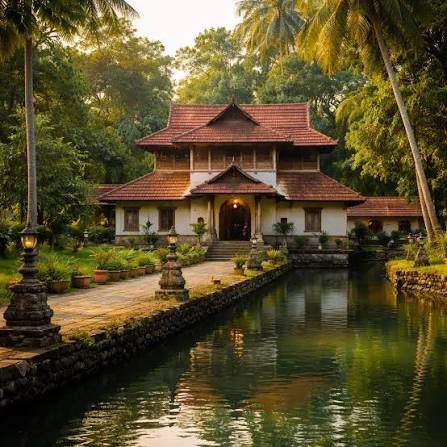
City Vibes - Timeless Spiritual Charm
Thrissur has a temple-focused nature that stands out especially near Vadakkumnathan Temple and Thekkinkadu Maidan. Temple bells, evening prayers, old-style drums and the constant flow of people on the streets add a special beat, to the city. At the time cafes, shops, markets and packed roads make sure the city stays tied to modern city life creating a place where old traditions and daily city life exist together very naturally.
Heritage of Thrissur
Thrissur heritage is shaped by rulers, temples and cultural institutions that grew around Thrissur over centuries. That Shakthan Thampuran rose in the 18th century and was very important because Shakthan Thampuran strengthened Thrissur’s role, within the Kingdom of Cochin and developed Thrissur around Vadakkumnathan Temple and Thekkinkadu Maidan. Today old palace buildings, temples, traditional art forms and annual festivals preserve parts of that history and Thrissur continues to grow as a major cultural centre of Kerala.
Cuisine of Thrissur
Thrissur is a paradise for food lovers, offering a variety of traditional delights.

Thrissur-style Sadya
A traditional vegetarian feast served with rice and several curries, pickles, and side dishes on a banana leaf. It is especially associated with festivals and celebrations.

Porotta & Beef Curry
Soft, layered porotta paired with a spicy Kerala-style beef curry is a popular combination in Thrissur and across central Kerala.

Unnakaya
A sweet snack made from ripe plantains stuffed with coconut, sugar and spices before being shaped and cooked. It is commonly enjoyed as an evening snack.
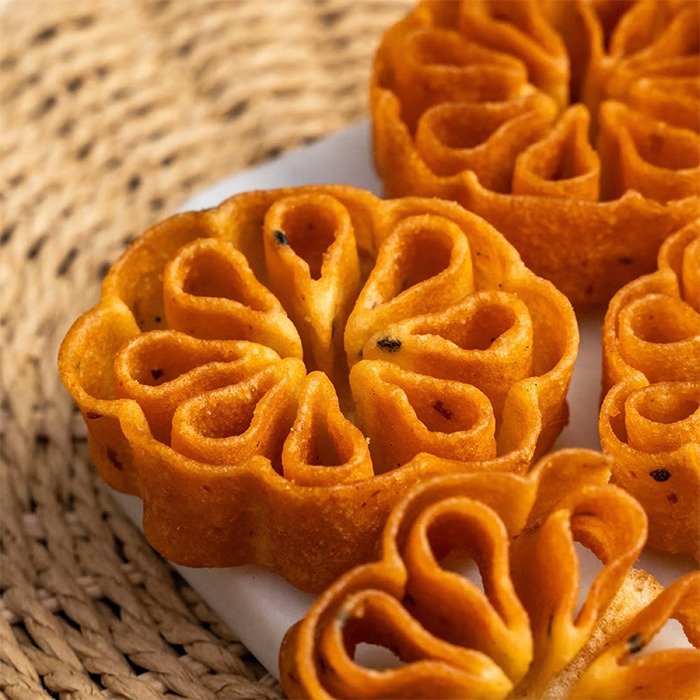
Achappam
These crisp, flower-shaped snacks are made from a lightly sweetened rice-flour batter and fried until crunchy. They are a familiar part of Kerala’s festive and homemade snack tradition.
Shopping in Thrissur
Shopping in Thrissur brings together Kerala’s traditional crafts, textiles, jewellery and everyday local products, with busy markets offering plenty to browse.
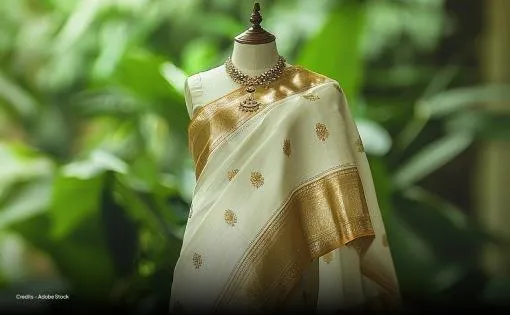
Kerala Kasavu Sarees
Look for traditional cream-and-gold sarees and set mundus, especially around shops selling Kerala handloom textiles.
Gold Jewellery
A strong jewellery-shopping culture, with numerous stores offering traditional Kerala designs alongside contemporary styles.
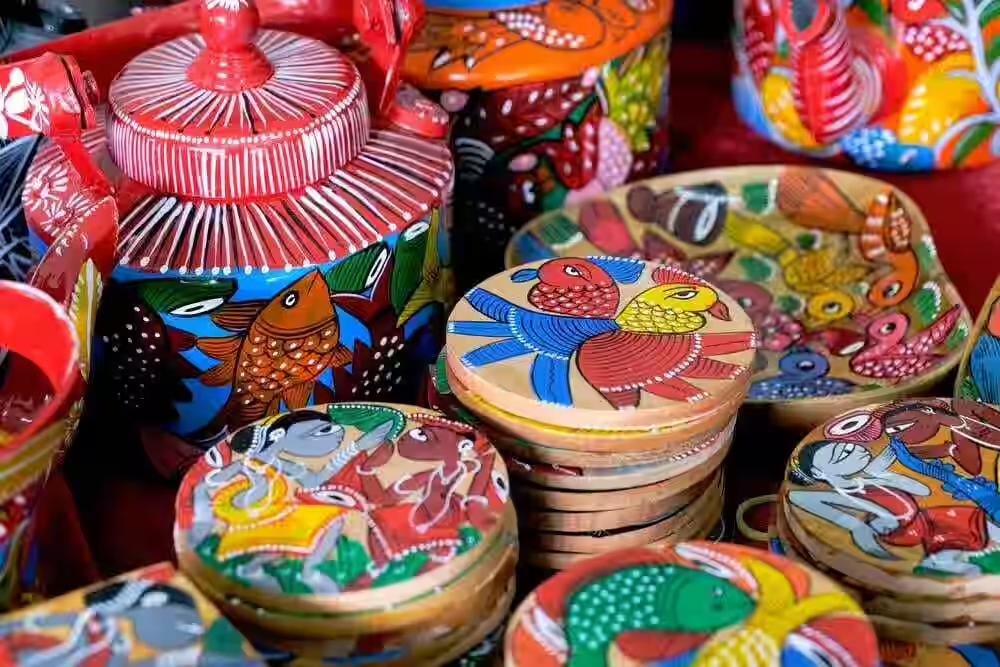
Handicrafts
Wooden carvings, brass lamps and traditional décor make good souvenirs. Local craft shops are worth exploring for pieces with a distinctly regional character.

Banana Chips & Kerala Snacks
Pick up freshly prepared banana chips, jackfruit chips, murukku and savoury snacks from local bakeries and speciality shops.
Tourist's Handbook
November to February is generally the most comfortable period to visit Thrissur, with relatively pleasant temperatures and lower rainfall than the monsoon months. December and January are particularly suitable for exploring temples, markets and outdoor attractions without the heavier heat and humidity of summer.
- Be Careful During Festivals – Thrissur Pooram and other temple festivals can draw large crowds. Keep your belongings secure and follow crowd-control instructions.
- Respect Temple Rules – Dress appropriately and check photography rules before entering temples. Some areas may be restricted to visitors.
- Stay Hydrated – Thrissur can feel hot and humid, especially outside the cooler months. Carry drinking water when exploring outdoor attractions.
- Take Care Around Waterfalls – If visiting Athirappilly or other nearby waterfalls, stay within marked areas and avoid slippery rocks, particularly after rain.
- Keep Valuables Secure – Use a secure bag in crowded markets, festival grounds and transport hubs, and avoid carrying unnecessary valuables.
Getting around Thrissur is fairly easy, with auto-rickshaws, buses and taxis available for most journeys. Auto-rickshaws work well for short trips within the city, while cabs are more convenient for visiting attractions farther away. Local buses connect Thrissur with nearby towns, including Guruvayur and other parts of the district. For central areas around Swaraj Round and Vadakkumnathan Temple, walking can be a pleasant way to explore the streets, shops and older parts of the city.
Overpriced Auto Rides – Confirm the fare before starting your journey, especially when travelling from transport hubs or tourist areas.
Fake Guides – Be cautious of people approaching you with unsolicited guiding services. For guided visits, use recognised operators or recommendations from your accommodation.
Temple Donation Pressure – Do not feel obliged to make a donation or pay for a ritual you did not request. Ask about any official charges beforehand.
Overpriced Souvenirs – Compare prices at different shops before buying handicrafts, jewellery or other tourist-oriented products.
Festival-Related Overcharging – During major events such as Thrissur Pooram, prices for transport and accommodation can rise. Confirm rates before booking or accepting a service.
Explore Uttar Pradesh
Varanasi Blogs
- Uttar Pradesh Cultural guide
- Places to visit in Varanasi
- Places to visit nearby Varanasi
- India’s most popular destination
- India’s archaeological marvels
Recommended articles
- Uttar Pradesh Cultural guide
- Places to visit in Varanasi
- Places to visit nearby Varanasi
- India’s most popular destination