
¤ 11 minutes Read
Wayanad - Misty Hills, Ancient Caves & Forest Trails
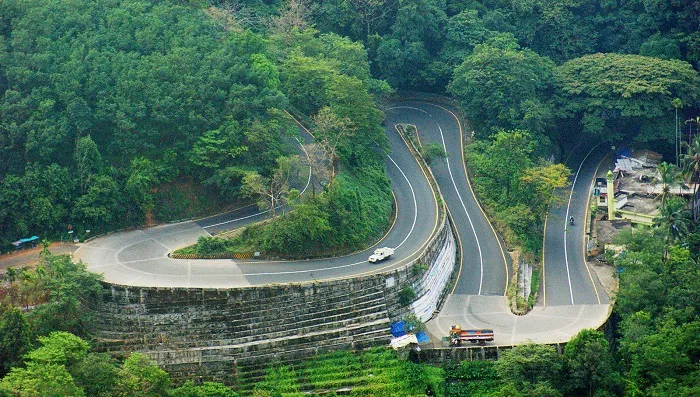
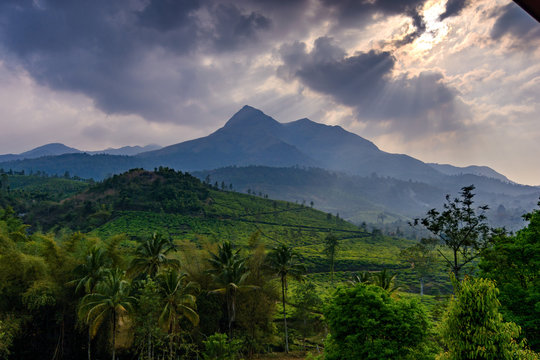
Wayanad feels different from the coastal parts of Kerala. The landscape rises into misty hills, coffee and spice plantations, dense forests and small settlements scattered across the Western Ghats. Its story also goes beyond scenery. Ancient rock carvings, tribal communities, historic trade routes and colonial-era plantations have all shaped the region over time. The district is spread across several hill areas, so travelling between attractions can take longer than the distances on a map suggest. That slower pace is part of what makes Wayanad worth exploring rather than simply passing through.
Must-Visit Attractions in Wayanad
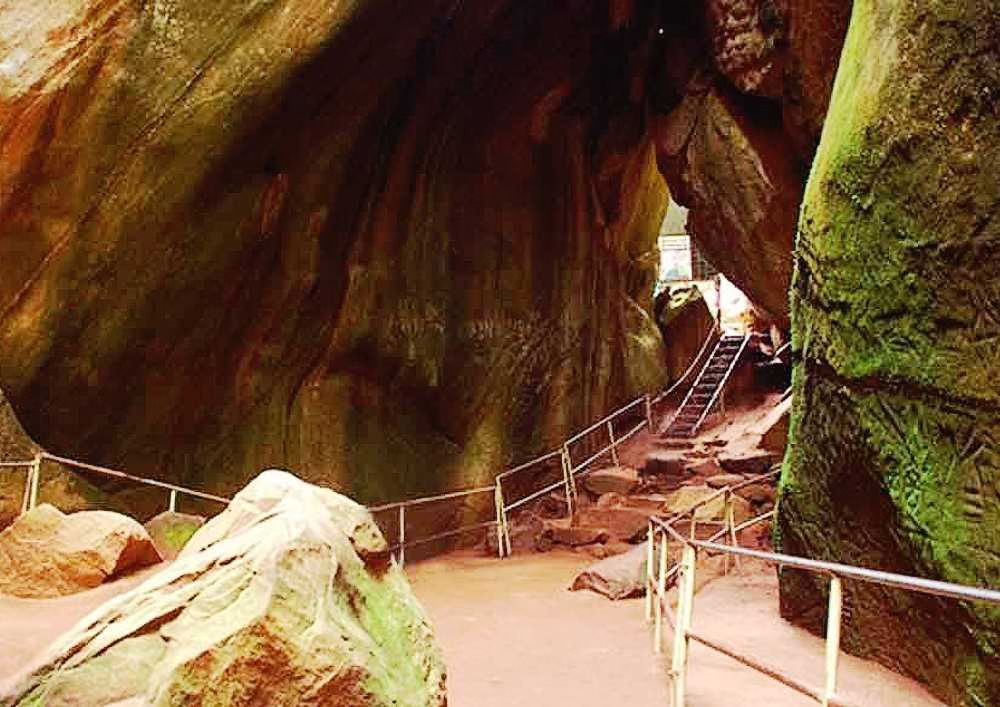
Edakkal Caves
Known for prehistoric rock engravings, Edakkal Caves sit high on Ambukuthi Hills and require a short uphill trek to reach.
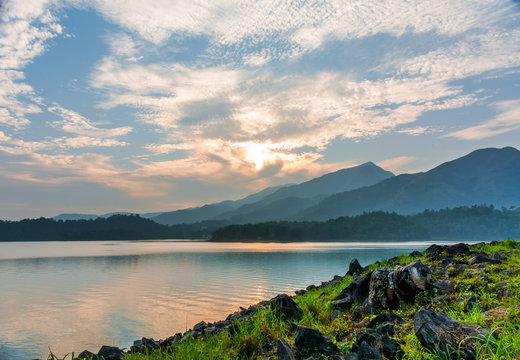
Banasura Sagar Dam
Surrounded by the Banasura Hills, this large reservoir is known for its green landscapes and scattered islands. Boating and views of the Western Ghats make it a popular stop.
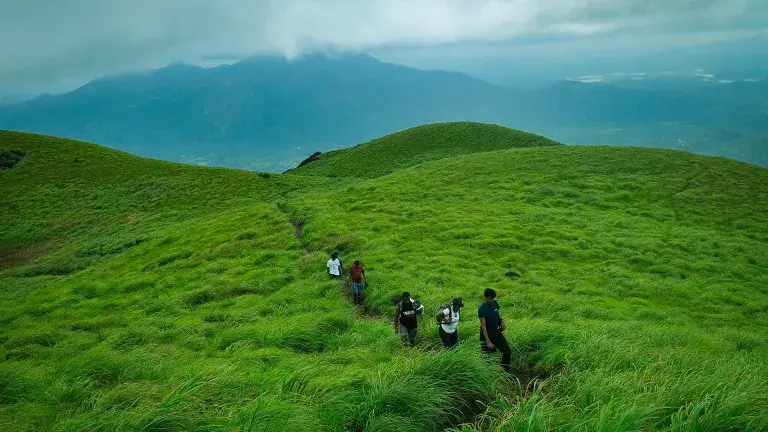
Chembra Peak
The highest peak in Wayanad is a favourite among trekking enthusiasts, with forest trails and mountain views along the route.

Soochipara Waterfalls
Also called Sentinel Rock Waterfalls, Soochipara drops through three tiers amid forested hills. The surrounding landscape makes it one of most scenic waterfall destinations.
Major Attractions Nearby Wayanad
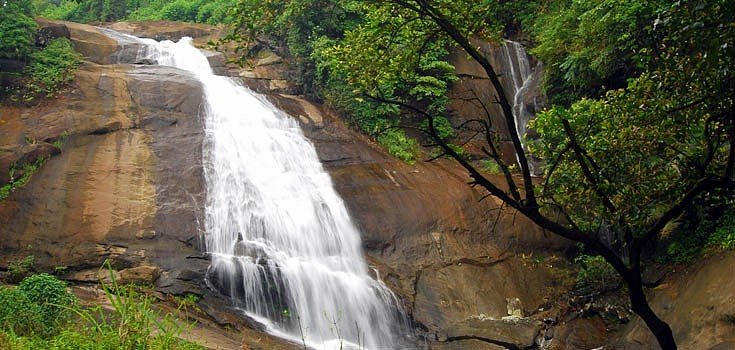
Thusharagiri Waterfalls
Located in Kozhikode district, Thusharagiri has a series of waterfalls surrounded by forested hills and streams.

Kappad Beach
This historic beach near Kozhikode combines a quiet stretch of Malabar coast with an important maritime past.
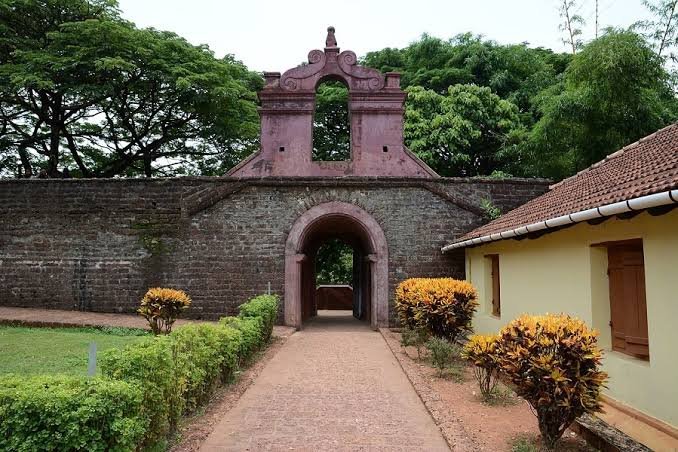
Thalassery Fort
Built by the British East India Company in the 18th century, this coastal fort overlooks the Arabian Sea and reflects Thalassery’s colonial trading history.
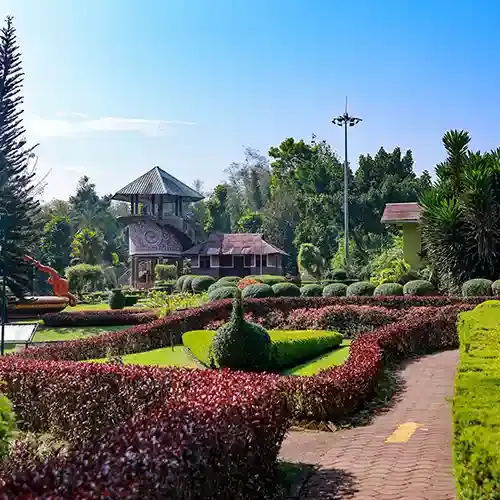
Nilambur Teak Museum
Located in Malappuram district, the museum traces the history and importance of teak, with exhibits on its cultivation, uses and role in the region’s forestry.
Things to do in Wayanad
Experience Wayanad through its forests, plantations, mountain trails and local culture. From trekking through the Western Ghats to exploring spice estates, the district offers plenty to do beyond sightseeing.
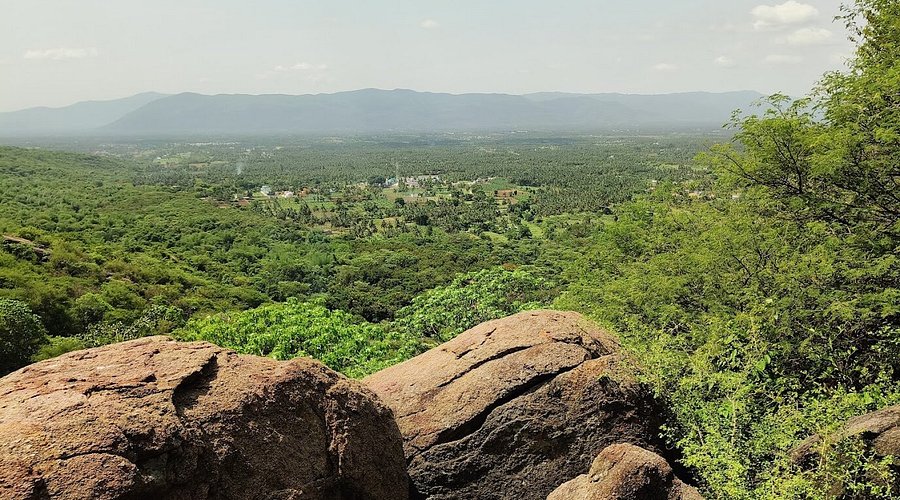
Trek Through the Hills
Take a guided trek through Wayanad’s forested trails and mountain landscapes. Chembra Peak and other hill routes offer different levels of challenge and scenery.

Explore a Spice or Coffee Plantation
Visit a local plantation to learn about coffee, pepper and other crops grown in the region. Some estates also offer guided walks and stays surrounded by greenery.

Go on a Wildlife Safari
Head to Muthanga or Tholpetty for a jeep safari through Wayanad’s forests. Elephants, deer, gaur and numerous bird species can be spotted, although sightings depend on the day.

Discover Wayanad’s Tribal Culture
Learn about the traditions and livelihoods of communities such as the Paniya and Kattunayakan through responsible cultural experiences.
The Performing Art of Wayanad
Wayanad’s performing arts are closely connected with its tribal communities, temple traditions and folk culture. Ritual performances, traditional songs, dances and storytelling forms have been passed down through generations, often appearing during festivals and community ceremonies. Kolkkali, Gothra Kalayil and other indigenous performance traditions reflect the region’s distinct cultural identity, while temple arts such as Theyyam can also be experienced in parts of northern Kerala. These traditions remain an important way of preserving local stories, beliefs and community history.
Music Forms
Sopana Sangeetham
Mappila Paattu
Classical Music
Wayanad’s musical traditions are closely tied to its tribal communities, folk practices and religious ceremonies. Traditional songs often preserve stories of ancestors, nature, farming and community life, while rhythmic music accompanies dances and ritual performances during festivals. Instruments such as drums and other traditional percussion play an important role in these gatherings.
Dance Forms
Kathakali
Theyyam
Thiruvathirakali
Wayanad’s dance traditions are closely linked to its tribal communities, temple rituals and folk culture. Traditional forms such as Gothra Kalayil reflect the customs and stories of indigenous communities, while dances performed during temple festivals bring together music, rhythm and ritual. Kolkali, a group dance performed with wooden sticks, is also seen in parts of Kerala, adding a lively folk element to local celebrations.

City Vibes - Timeless Spiritual Charm
Wayanad has a quieter rhythm shaped by misty hills, forest roads, plantations and small settlements. Life here feels closely connected to nature, while temples, tribal traditions and local festivals add a strong cultural presence. Early mornings often begin with cool mountain air and plantation activity, and evenings bring a slower pace as the hills become calm and misty. The mix of everyday village life, old traditions and surrounding forests gives Wayanad a distinct atmosphere.
Heritage of Wayanad
Wayanad’s heritage reflects centuries of tribal traditions, ancient settlements and changing rulers. The Edakkal Caves preserve prehistoric rock engravings, while communities such as the Paniyas, Kurichiyas and Kattunayakans continue to maintain their own cultural practices. Later, the region became part of the kingdoms of the Wayanad area and eventually came under British rule, which introduced plantations and new trade routes. Temples, traditional customs and historic sites across the hills still reflect these different layers of Wayanad’s past.
Cuisine of Wayanad
Wayanad is a paradise for food lovers, offering a variety of traditional delights.
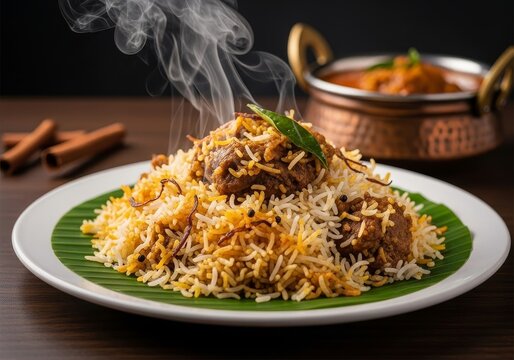
Malabar Biryani
A fragrant rice dish made with spices, meat and fried onions, reflecting Wayanad’s connection with the wider Malabar food culture.
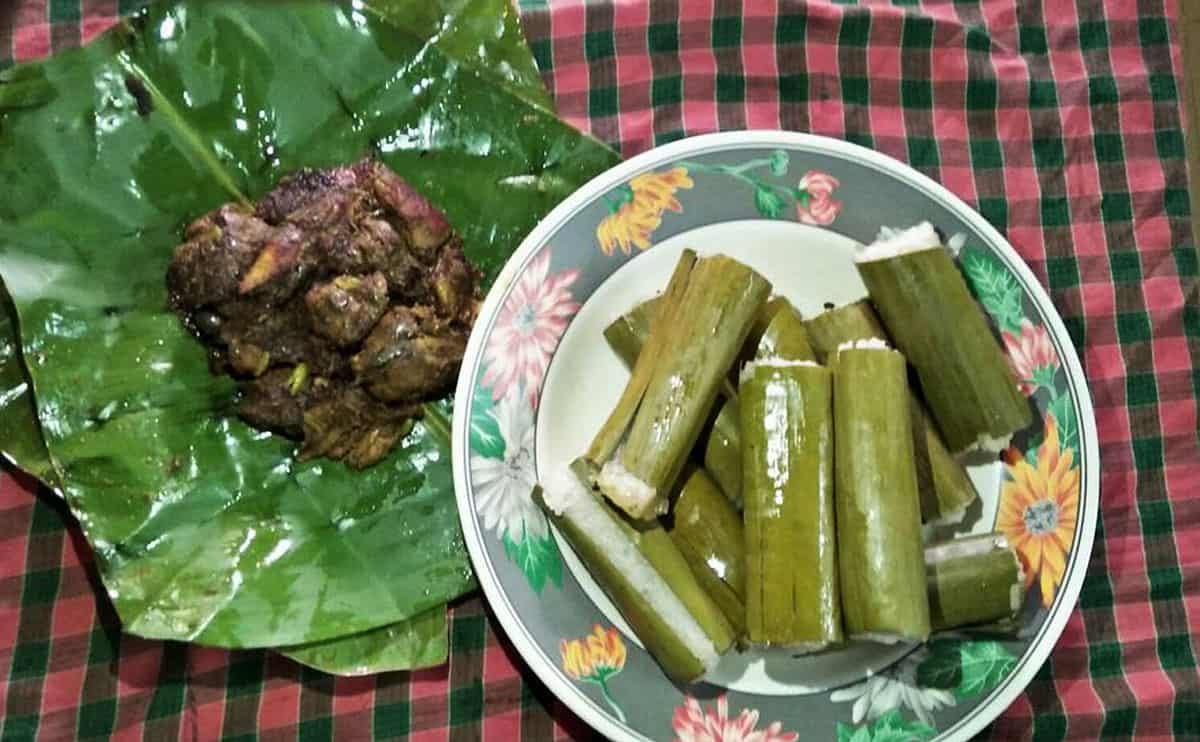
Bamboo Rice Dishes
Bamboo rice, locally known as mulayari, is used in traditional preparations and is valued for its distinctive flavour and texture.

Pathiri & Chicken Curry
Soft, thin rice pancakes are commonly paired with spicy chicken curry, making this a popular combination in northern Kerala.

Puttu & Kadala Curry
Steamed rice cakes layered with coconut are served with a mildly spiced black chickpea curry, making this a familiar Kerala breakfast.
Shopping in Wayanad
Shopping in Wayanad brings together local produce, tribal crafts and Kerala’s traditional products. From fragrant spices and coffee to handmade items, the markets offer useful and distinctive souvenirs from the hills.

Coffee & Spices
Wayanad is known for coffee, pepper, cardamom and other spices. Packaged local produce makes an easy souvenir to take home.
Bamboo Handicrafts
Bamboo and cane are used to make baskets, decorative pieces and everyday items, reflecting the region’s traditional craftsmanship.

Honey
Locally produced honey is sold in several shops and markets around Wayanad. It is a popular choice for visitors looking for a simple regional product.

Local Handicraft
Handmade products created by local tribal communities include, ornaments and other craft items, offering a connection to Wayanad’s indigenous traditions.
Tourist's Handbook
The best time to visit Wayanad is generally October to February, when the weather is cooler and more comfortable for sightseeing, trekking and outdoor activities. December and January are especially pleasant, with cool mornings and less humid days.
Be Careful on Hill Roads: Drive slowly on winding roads, especially during fog or rain.
Follow Trekking Rules: Use marked trails and follow local guides when visiting peaks, caves or forest areas.
Stay Away from Wildlife: Do not approach or feed animals during safaris or forest visits.
Take Care Near Waterfalls: Avoid slippery rocks and follow safety signs around waterfalls and streams.
Carry Essentials: Keep water, basic medicines, a charged phone and some cash with you, especially when visiting remote areas.
Getting around Wayanad is easiest by car, taxi or rental vehicle, as attractions are spread across the hilly district. Local buses connect major towns and villages, while auto-rickshaws are useful for shorter trips. For places such as waterfalls, viewpoints and trekking areas, having a private vehicle or booking a taxi is more convenient, especially when travelling between multiple attractions in a day.
Overpriced Taxi or Auto Rides: Confirm the fare before starting a trip, especially for longer journeys.
Fake Guides: Use authorised guides for trekking, wildlife areas and other activities instead of accepting unsolicited offers.
Overpriced Local Products: Check prices at a few shops before buying spices, handicrafts or other local products.
Activity Overcharging: Confirm the official ticket price before paying for boating, trekking or other activities.
Fake Accommodation Offers: Book stays through reliable platforms or verify the property directly before making a payment.
Explore Kerala
Varanasi Blogs
- Uttar Pradesh Cultural guide
- Places to visit in Varanasi
- Places to visit nearby Varanasi
- India’s most popular destination
- India’s archaeological marvels
Recommended articles
- Uttar Pradesh Cultural guide
- Places to visit in Varanasi
- Places to visit nearby Varanasi
- India’s most popular destination