
¤ 7 minutes Read
Padmanabhaswamy Temple, Thiruvananthapuram
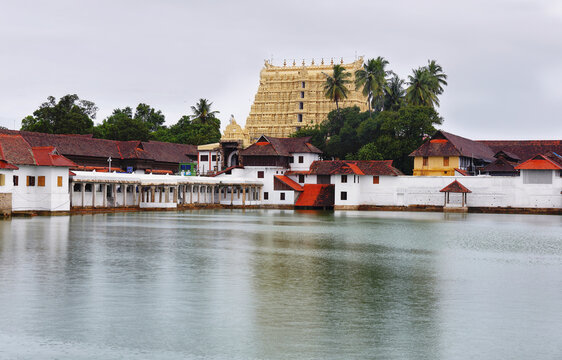
At the heart of Thiruvananthapuram’s East Fort stands the Padmanabhaswamy Temple, one of Kerala’s most significant Vishnu temples. The shrine is dedicated to Lord Vishnu, shown reclining on the serpent Anantha, and is counted among the 108 Divya Desams associated with Vaishnavite tradition. The temple is also closely tied to the history of Travancore. Its present form took shape through major renovations under Maharaja Marthanda Varma in the 18th century. In 1750, he dedicated the kingdom of Travancore to Lord Padmanabha and adopted the title Padmanabha Dasa, meaning servant of Padmanabha.
The Travancore Connection
The temple’s story is closely tied to the former Travancore royal family. This connection is more than a historical association: the temple became central to the way Travancore’s rulers understood their position and duties.
After dedicating the kingdom to Lord Padmanabha in 1750, Marthanda Varma adopted the title Padmanabha Dasa, or servant of Padmanabha. Later rulers continued this tradition. In this arrangement, the monarch was regarded as governing the state on behalf of the deity.
This relationship also influenced royal ceremonies and the administration of the temple. As a result, the history of the shrine and the history of Travancore developed closely alongside each other.
Kerala and Dravidian Styles in One Complex
One of the most interesting aspects of the Padmanabhaswamy Temple is that its architecture does not fit neatly into a single regional style. The complex brings together features associated with Kerala temple architecture and the Dravidian tradition of southern India.
The contrast is easy to notice as you move around the temple. The inner structures follow forms familiar in Kerala, while the towering gopuram at the eastern entrance has the stepped appearance associated with Dravidian temples.
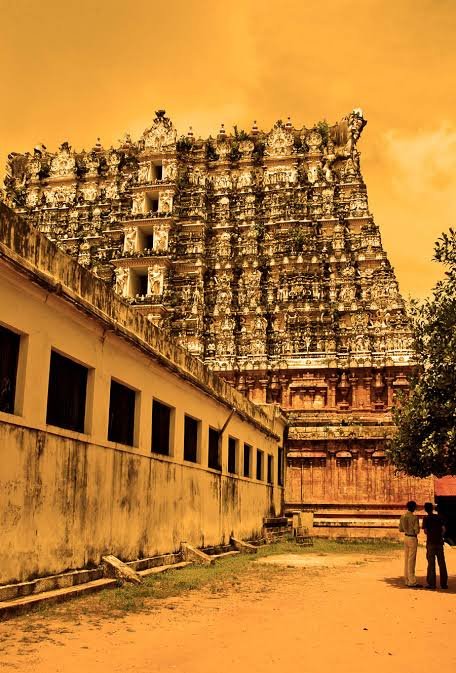
Kerala influence
Roof forms · Timber work · Inner temple structures
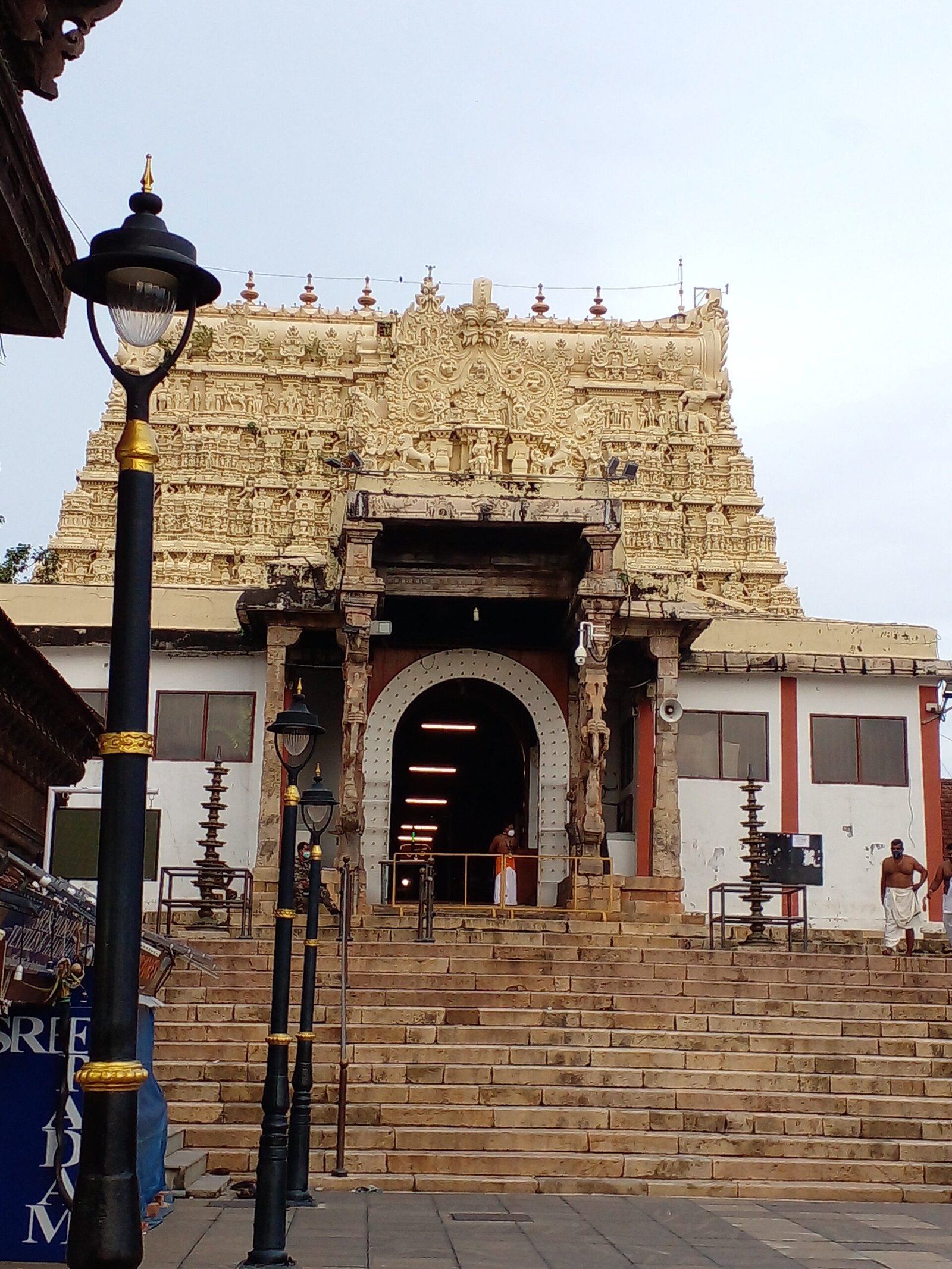
Dravidian influence
Gopuram · Tiered design · Sculptural exterior
One temple, two architectural traditions – shaped by Kerala’s local building practices and southern India’s larger temple vocabulary.
The Temple’s Eastern Gateway
The gopuram is one of the most recognisable parts of the Padmanabhaswamy Temple complex. Rising above the eastern entrance, the multi-storeyed gateway has the tall, tapering form associated with South Indian temple architecture.
Its pale exterior is covered with rows of sculptural details, giving the otherwise strongly geometric structure a more intricate appearance. From the streets around East Fort, the gateway also helps identify the temple within the historic core of Thiruvananthapuram.
- Tall gateway
Multi-level structure with a tapering profile. - Sculptural surface
Rows of decorative figures and architectural details cover the exterior. - Eastern entrance
The gateway forms the principal visual approach to the temple complex.
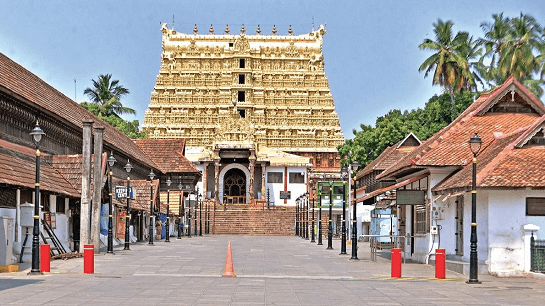
A Temple Shaped by Travancore
The history of the Padmanabhaswamy Temple reaches far beyond the present-day structure. The shrine was already an important centre of worship before the 18th century, but its history changed significantly during the reign of Marthanda Varma, who consolidated the Travancore kingdom.
In 1750, Marthanda Varma formally dedicated Travancore to Lord Padmanabha. From then on, the king regarded himself not as the ruler of the kingdom in his own right, but as the deity’s servant. This relationship shaped the administration and identity of Travancore for generations.
A Timeline of Key Moments
Period
What happened
Early period
The shrine existed as an important centre of Vishnu worship in the region.
18th century
Maharaja Marthanda Varma undertook major changes to the temple and its surroundings.
1750
Travancore was dedicated to Lord Padmanabha, establishing the tradition of the ruler as Padmanabha Dasa.
Later Travancore period
Successive rulers continued to maintain the temple and its religious traditions.
Modern era
The temple remains an important pilgrimage centre in Thiruvananthapuram.
The Deity Inside the Sanctum
The central image gives the temple its name and much of its character. Lord Vishnu is shown reclining on Anantha, the serpent, in a form known as Anantha Shayana. The deity faces east and rests inside the main sanctum.
What makes the arrangement particularly distinctive is how the idol is viewed. The image is so large that devotees see different parts of Vishnu through three separate openings in the sanctum. One reveals the face and upper body, another the middle portion, and the third the feet.
Anantha
Brahma
Three-door view
The serpent forms the base on which Vishnu reclines, with its many hoods rising behind him.
A lotus emerges from Vishnu’s navel, with Brahma traditionally depicted seated upon it.
Rather than seeing the entire image from a single opening, the three-door arrangement gives the darshan its distinctive character.
Details Worth Noticing Inside the Complex
The temple becomes more interesting when you look beyond the main shrine. Several smaller architectural and artistic details add character to the complex and reflect the traditions followed here over centuries.
Stone corridors
Long passageways and pillared areas create a strong sense of depth within the complex. Their columns carry details that are easy to miss when the temple is busy.
Mural paintings
Traditional paintings form an important part of the temple’s artistic heritage. Religious themes and figures appear in the decorative programme of the complex.
Carved pillars
Pillars around the temple display detailed stonework rather than relying only on large sculptures. Look closely at their surfaces as you move through the permitted areas.
Temple tank
The Padmatheertham tank lies beside the temple and has long been associated with its religious traditions. Its presence also forms part of the visual character of the historic temple precinct.
Nearby Places
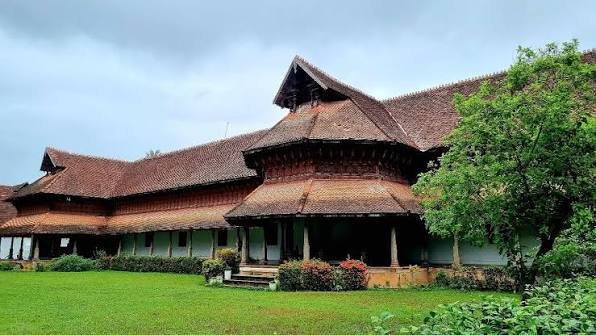
Maharaja Swathi Thirunal Palace
Just beside the temple complex, this former royal residence is known for its carved wooden horses and collections connected with Travancore’s royal and artistic traditions.
Pazhavangadi Ganapathy Temple
A popular Ganesha shrine just a short walk from the temple, recognised for its distinctive rituals and busy setting near East Fort.
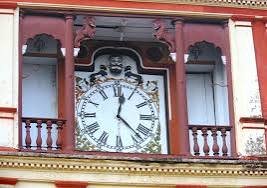
Methan Mani
This historic clock tower stands close to the temple and is known for its unusual mechanical figures that move when the clock strikes
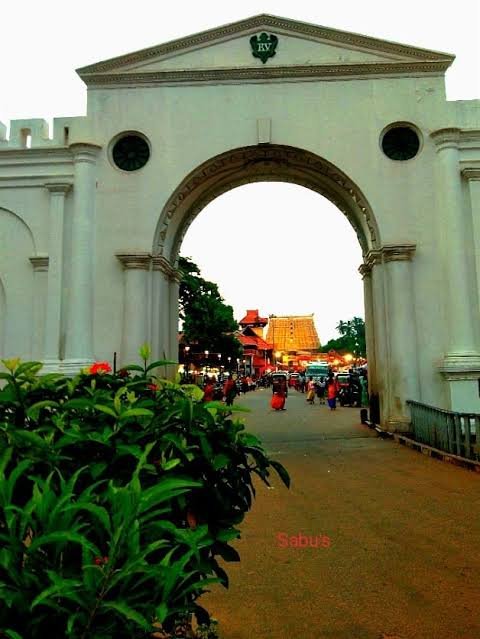
East Fort
The historic fortified entrance and surrounding quarter provide a glimpse into the old Travancore-era centre of Thiruvananthapuram.
Conclusion
The Padmanabhaswamy Temple brings together several layers of Thiruvananthapuram’s history in one place. Its reclining Vishnu image, Kerala and Dravidian architectural influences, and close connection with the Travancore royal family give the temple a character that goes beyond its imposing entrance. The surrounding East Fort area adds to the experience, with historic buildings and smaller shrines within easy reach. For visitors interested in Kerala’s religious traditions and Travancore’s past, the temple provides a chance to see both through a single historic complex.
Explore Kerala
Varanasi Blogs
- Uttar Pradesh Cultural guide
- Places to visit in Varanasi
- Places to visit nearby Varanasi
- India’s most popular destination
- India’s archaeological marvels
Recommended articles
- Uttar Pradesh Cultural guide
- Places to visit in Varanasi
- Places to visit nearby Varanasi
- India’s most popular destination