
¤ 7 minutes Read
Amber Fort
A complete tourist and cultural guide
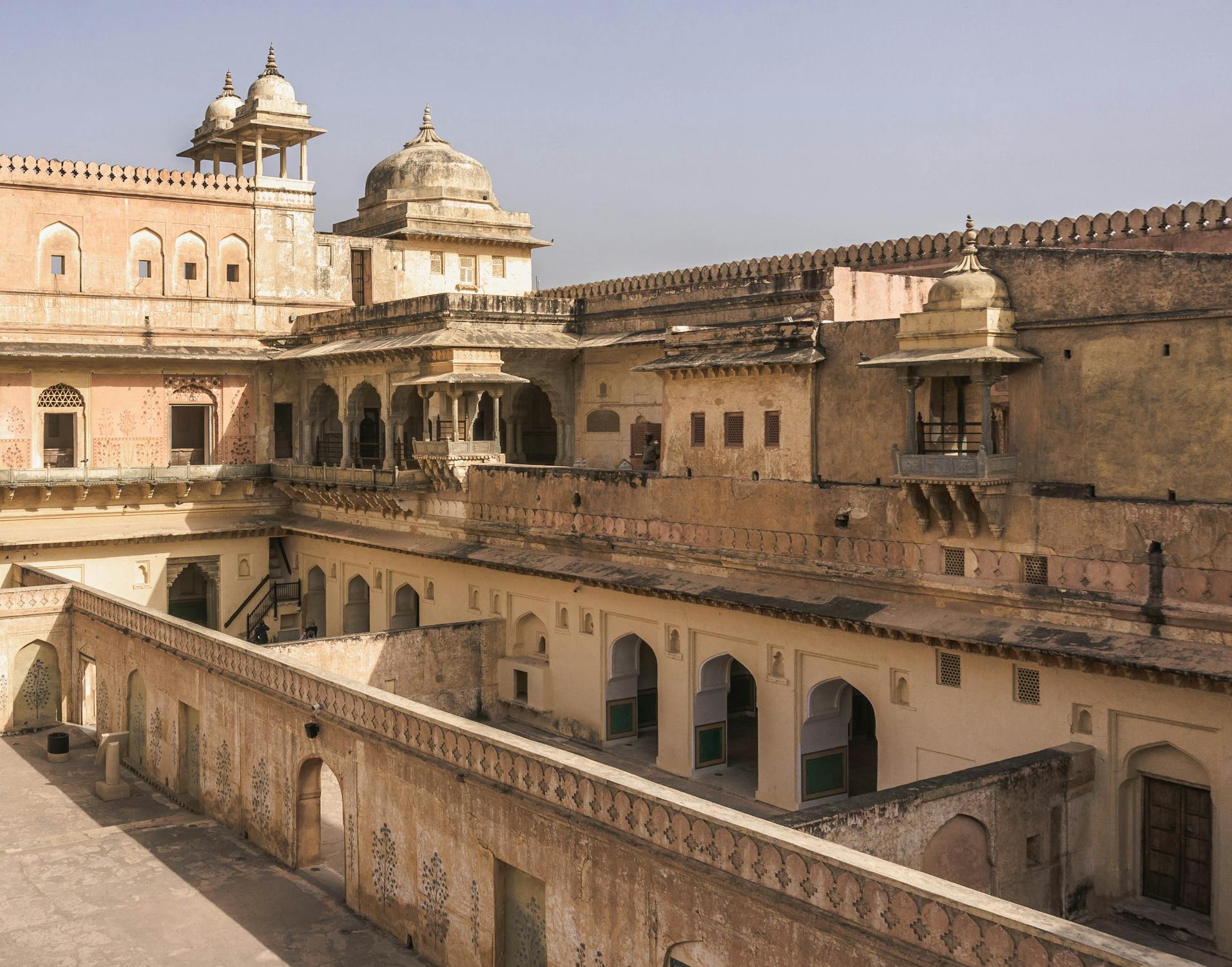
Amber Fort, also known as Amer Fort, is one of Jaipur’s most iconic landmarks and a UNESCO World Heritage Site. Perched atop a hill overlooking Maota Lake, the fort is celebrated for its magnificent Rajput architecture, intricate carvings, grand courtyards, and breathtaking views. Built with red sandstone and white marble, it stands as a remarkable symbol of Rajasthan’s royal heritage. Constructed in the late 16th century by Raja Man Singh I and later expanded by successive rulers, Amber Fort served as the principal residence of the Kachwaha Rajput rulers before Jaipur became the capital. The fort is home to magnificent attractions such as the Sheesh Mahal (Mirror Palace), Diwan-e-Aam, Diwan-e-Khas, Ganesh Pol, and beautifully landscaped gardens.
Construction Began
1592
Built By
Raja Man Singh I
Expanded By
Mirza Raja Jai Singh I and Sawai Jai Singh II
Location
Amer, Jaipur, Rajasthan
Recognition
Part of the UNESCO World Heritage-listed Hill Forts of Rajasthan
Architectural Style
Rajput and Mughal Architecture
Architecture of Amber Fort
Amber Fort is a masterpiece of Rajput architecture with strong Mughal influences, showcasing exquisite craftsmanship, grand courtyards, ornate gateways, and beautifully decorated palaces. Built using red sandstone and white marble, the fort reflects the luxury and artistic excellence of Rajasthan’s royal era.
Grand Entrance Gates
Amber Fort features impressive gateways, including the beautifully decorated Ganesh Pol, which serves as the entrance to the royal palaces and is renowned for its intricate frescoes and artistic details.
Sheesh Mahal (Mirror Palace)
One of the fort’s most famous attractions, Sheesh Mahal is adorned with thousands of tiny mirrors and colorful glasswork that create a dazzling visual effect when illuminated.
Diwan-e-Aam and Diwan-e-Khas
The Diwan-e-Aam (Hall of Public Audience) was used for public gatherings, while the Diwan-e-Khas (Hall of Private Audience) hosted important royal meetings and distinguished guests.
Royal Courtyards and Palaces
The fort is divided into several spacious courtyards surrounded by magnificent palaces, royal chambers, balconies, and intricately carved windows that reflect the lifestyle of the Rajput rulers.
Scenic Setting
Perched on a hill overlooking Maota Lake, Amber Fort offers breathtaking views of the Aravalli Hills, fortified walls, and the surrounding landscape, making it one of Rajasthan’s most picturesque monuments.
Things to See at Amber Fort
Amber Fort is home to magnificent palaces, ornate gateways, royal halls, and breathtaking viewpoints. Every corner of the fort reflects the grandeur of the Rajput rulers and offers visitors a glimpse into Rajasthan’s royal heritage.
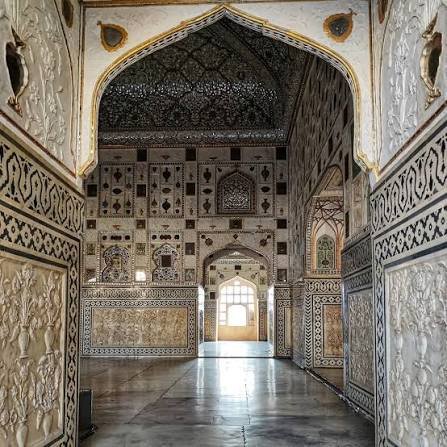
Sheesh Mahal (Mirror Palace)
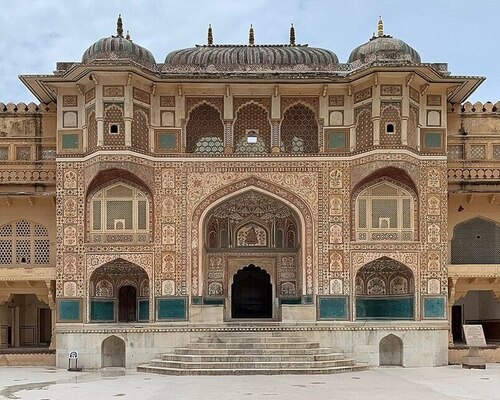
Ganesh Pol
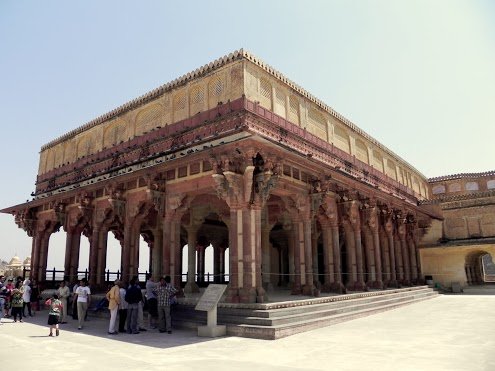
Diwan-e-Aam
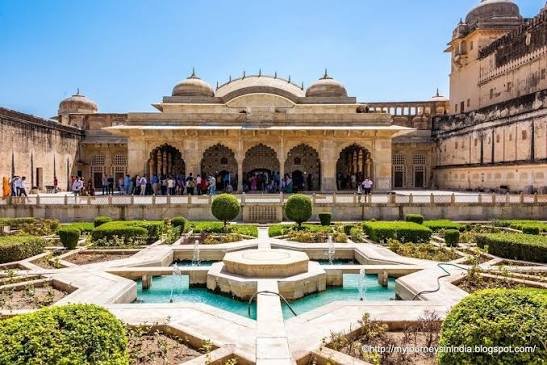
Sukh Niwas
History of Amber Fort
Amber Fort is one of Rajasthan’s most magnificent forts and a symbol of Rajput valor, architecture, and royal heritage. Built by Raja Man Singh I in 1592, the fort served as the capital of the Kachwaha Rajput rulers before Jaipur was established. Over the centuries, successive rulers expanded the fort, transforming it into a grand palace complex known for its artistic beauty and strategic importance.
Foundation of the Fort
Raja Man Singh I commissioned Amber Fort as the royal residence of the Kachwaha dynasty, replacing the earlier fortifications at Amer with a magnificent palace-fort.
Expansion by Successive Rulers
The fort was enlarged by Mirza Raja Jai Singh I and Sawai Jai Singh II, who added elegant palaces, gateways, gardens, and audience halls, enhancing its architectural grandeur.
Capital of the Kachwaha Kingdom
For many years, Amber Fort served as the political and administrative center of the Kachwaha rulers until Sawai Jai Singh II founded Jaipur in 1727 and shifted the capital.
A UNESCO World Heritage Site
Today, Amber Fort is recognized as part of the Hill Forts of Rajasthan, a UNESCO World Heritage Site. It remains one of India’s most visited historical monuments, admired for its rich history, architectural brilliance, and panoramic views of the Aravalli Hills.
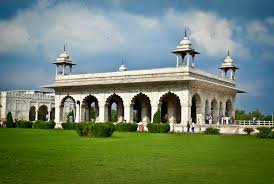
Interesting Facts About Amber Fort
Amber Fort is one of Rajasthan’s most iconic landmarks, celebrated for its magnificent architecture, royal history, and breathtaking hilltop location. It attracts millions of visitors each year from around the world.
- Built in 1592 by Raja Man Singh I
- Part of the UNESCO World Heritage-listed Hill Forts of Rajasthan
- Constructed using red sandstone and white marble
- Home to the famous Sheesh Mahal (Mirror Palace)
- Overlooks the scenic Maota Lake and Aravalli Hills
- One of the most visited forts in India
Nearby Attractions
Several popular attractions are located close to Amber Fort, making it easy to explore Jaipur’s rich royal heritage and architectural wonders in a single trip.
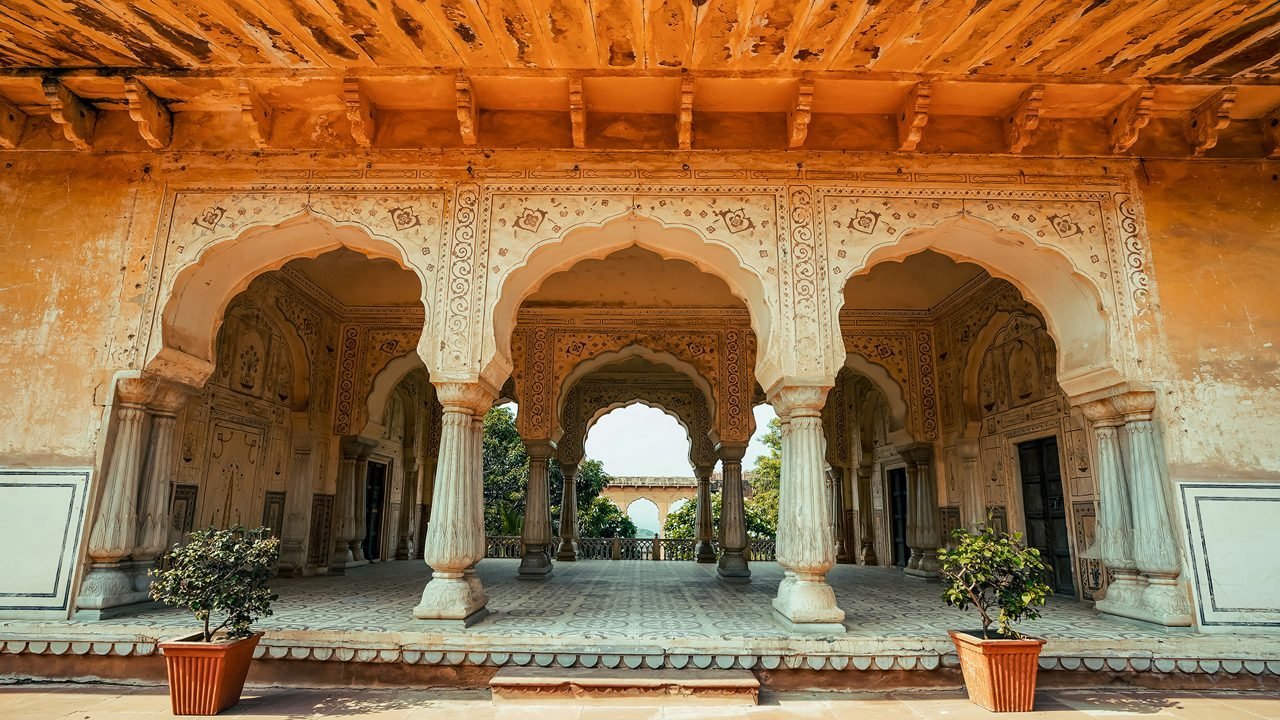
Jaigarh Fort
Perched on a nearby hill, Jaigarh Fort is famous for its massive fortifications, underground passages, and Jaivana Cannon, one of the world’s largest wheeled cannons.
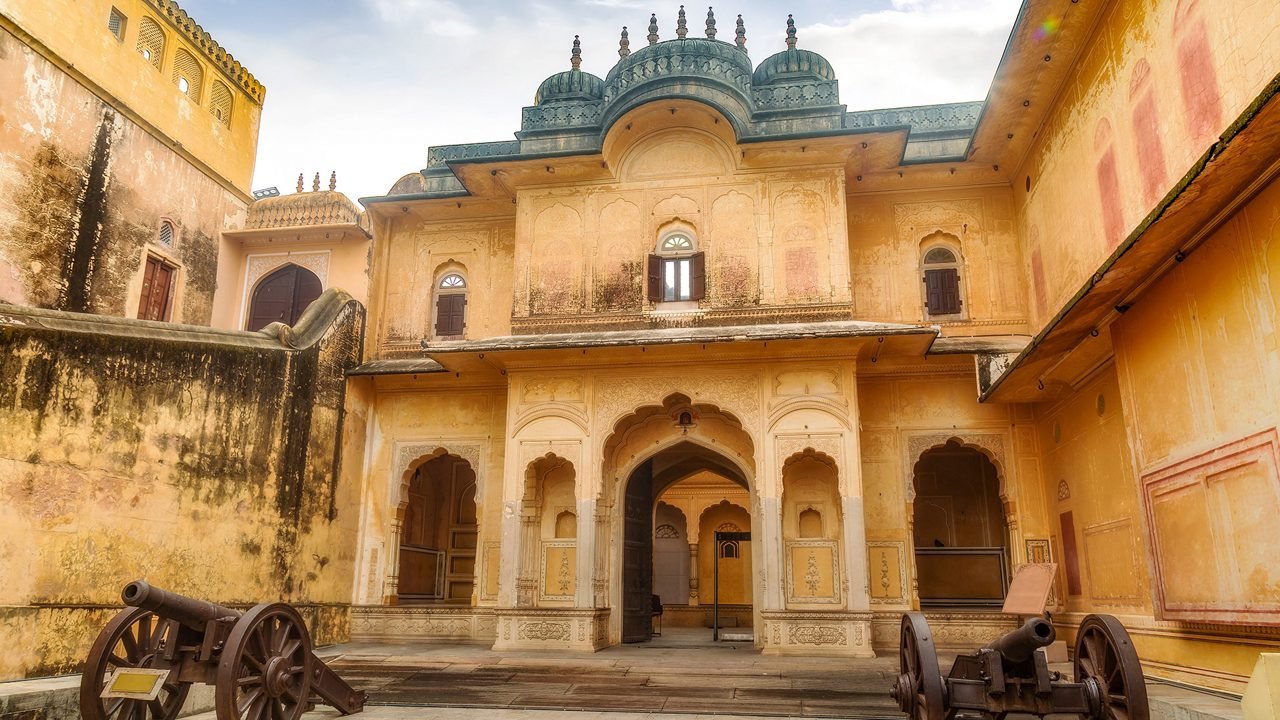
Nahargarh Fort
Overlooking Jaipur, Nahargarh Fort offers breathtaking panoramic views of the Pink City and is a popular destination for sunset visits.
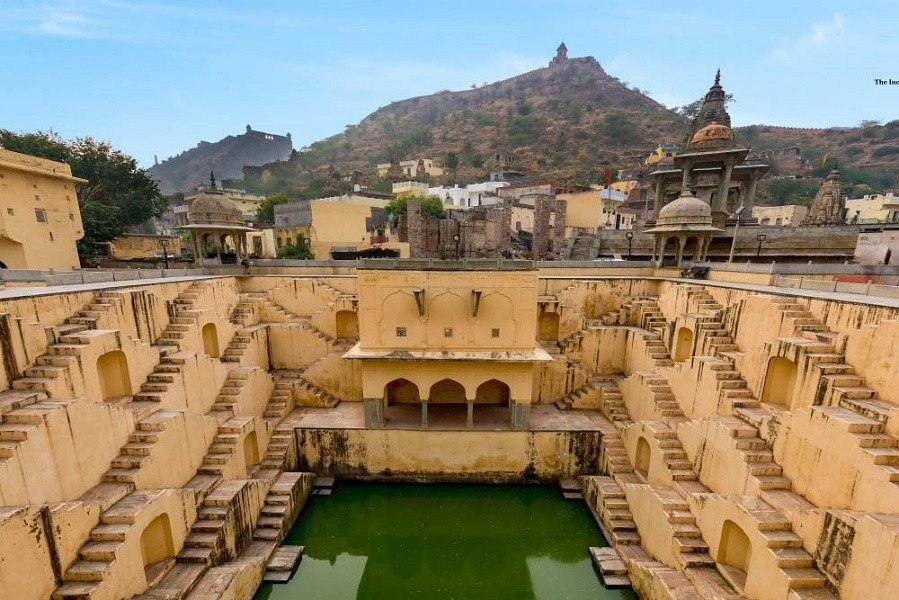
Panna Meena ka Kund
A beautifully restored 16th-century stepwell, Panna Meena ka Kund is known for its symmetrical staircases and unique geometric design.

Jal Mahal
Situated in the middle of Man Sagar Lake, Jal Mahal is one of Jaipur’s most photographed landmarks, admired for its stunning Rajput architecture.
Conclusion
Amber Fort is one of Rajasthan’s most magnificent historical landmarks, showcasing the grandeur of Rajput architecture and royal heritage. From the dazzling Sheesh Mahal and majestic Ganesh Pol to its scenic hilltop setting overlooking Maota Lake, every part of the fort reflects centuries of history, artistry, and craftsmanship. As a UNESCO World Heritage Site, Amber Fort continues to captivate visitors with its breathtaking architecture, cultural significance, and panoramic views of the Aravalli Hills. Whether you are a history enthusiast, architecture lover, or traveler exploring Jaipur, a visit to Amber Fort promises an unforgettable journey into Rajasthan’s glorious past.
Explore Jaipur
Varanasi Blogs
- Uttar Pradesh Cultural guide
- Places to visit in Varanasi
- Places to visit nearby Varanasi
- India’s most popular destination
- India’s archaeological marvels
Recommended articles
- Uttar Pradesh Cultural guide
- Places to visit in Varanasi
- Places to visit nearby Varanasi
- India’s most popular destination