
¤ 7 minutes Read
Gatore Ki Chhatriyan Jaipur – A Royal Heritage Landmark
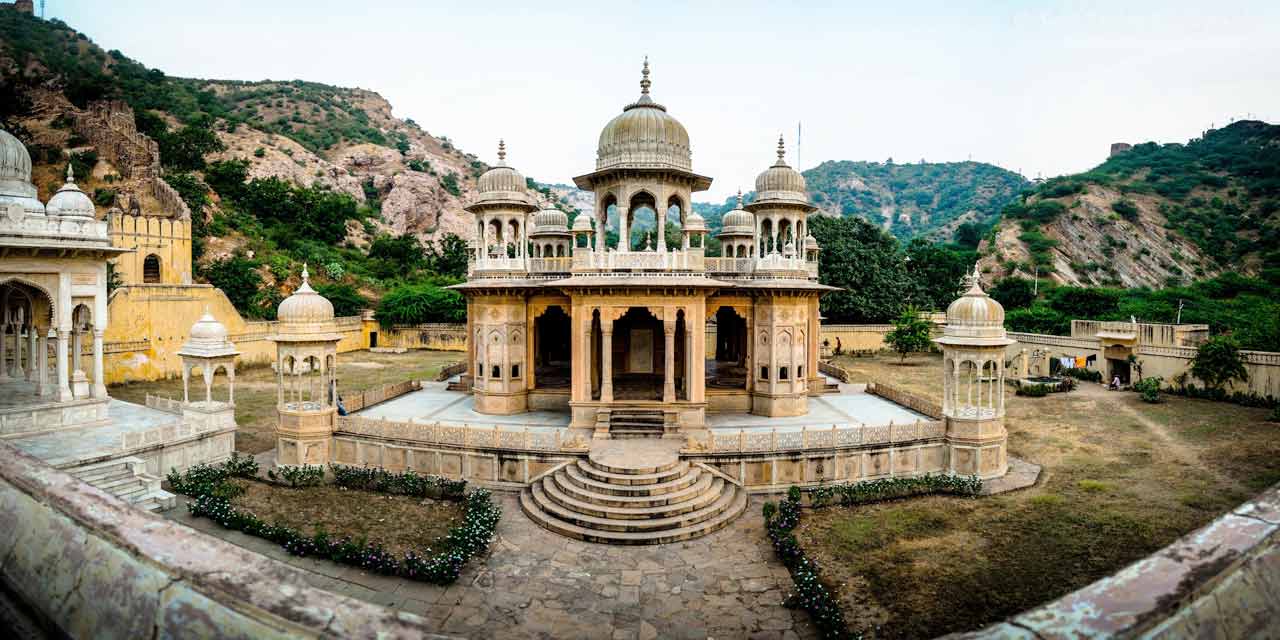
Gatore Ki Chhatriyan is a magnificent royal cenotaph complex tucked away in the foothills of the Aravalli Hills in Jaipur. Known for its intricately carved marble and sandstone structures, the site offers a peaceful glimpse into the city’s royal heritage and traditional Rajput architecture. The name Gatore is believed to come from the phrase “Gatte ka Tir”, meaning the final resting place. The complex houses beautifully designed chhatris (cenotaphs) dedicated to the former rulers of Jaipur. With ornate domes, carved pillars, delicate latticework, and detailed sculptures, Gatore Ki Chhatriyan is a fascinating destination for visitors interested in history, architecture, and Rajasthan’s royal legacy.
Architecture of Gatore Ki Chhatriyan Jaipur
Gatore Ki Chhatriyan showcases the elegance of traditional Rajput architecture through beautifully carved cenotaphs built from marble and sandstone. Set against the Aravalli Hills, the complex combines intricate craftsmanship with a peaceful natural setting.
Ornate Chhatris
The complex features elegant domed cenotaphs supported by intricately carved pillars, each designed as a memorial to a member of Jaipur’s royal family.
Intricate Stone Carvings
Fine floral patterns, traditional motifs, sculptures, and detailed stonework decorate the pillars and ceilings, showcasing the craftsmanship of Rajasthan’s artisans.
Marble and Sandstone
Different cenotaphs use marble and sandstone, with the materials and decorative details varying according to the ruler being commemorated.
Beautiful Aravalli Setting
The cenotaphs are surrounded by rocky hills and greenery, creating a striking contrast between the elaborate architecture and the natural landscape.
Peaceful Heritage Atmosphere
Unlike Jaipur’s busier monuments, Gatore Ki Chhatriyan offers a quiet setting where visitors can appreciate its architecture and royal history at a relaxed pace.
Things to See at Gatore Ki Chhatriyan Jaipur
Gatore Ki Chhatriyan offers visitors an opportunity to admire the detailed craftsmanship and royal memorials spread across its peaceful complex.
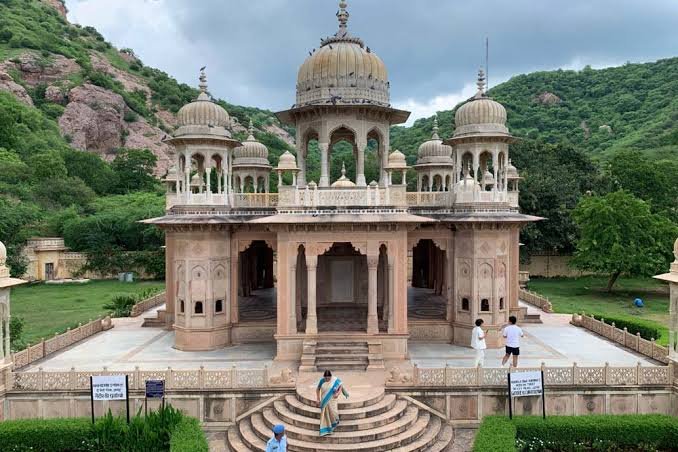
Royal Cenotaphs
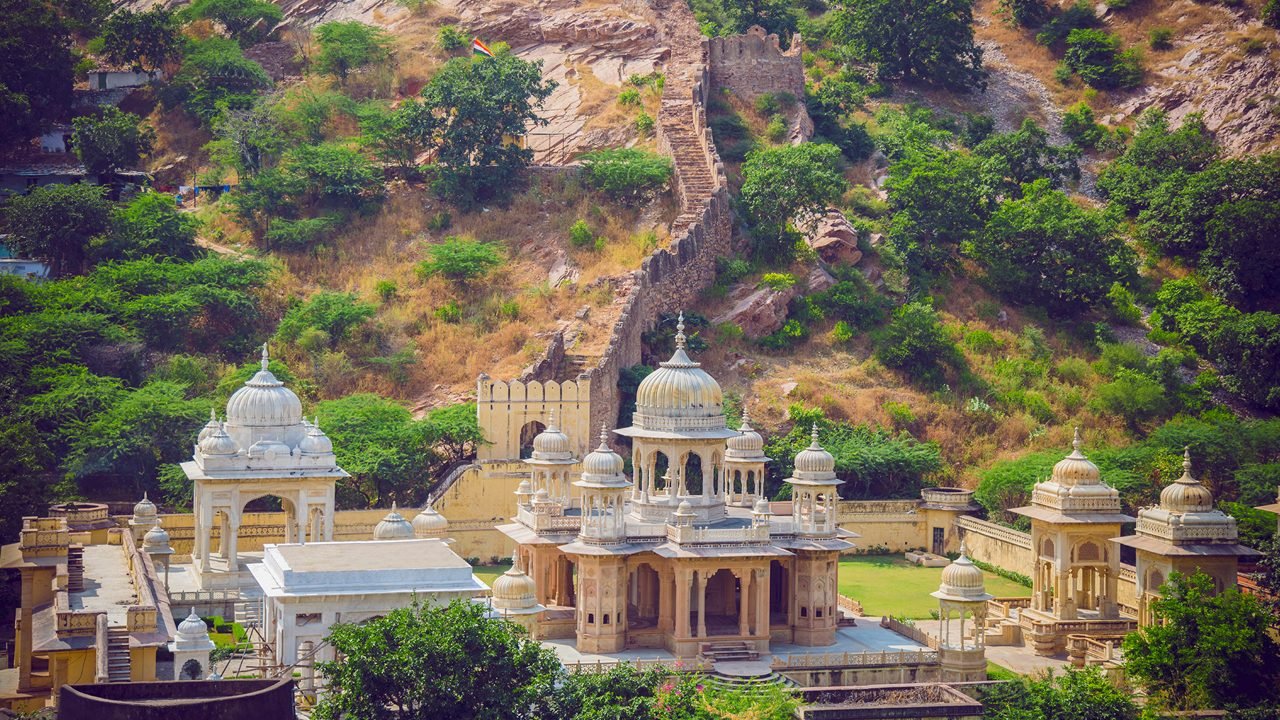
Maharaja Sawai Jai Singh II's Cenotaph
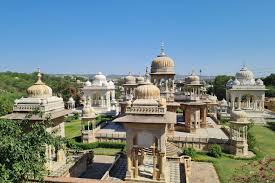
Intricate Jali Work
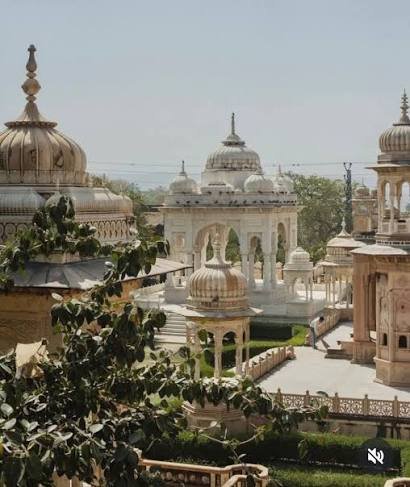
Ornate Domes and Pillars
History of Gatore Ki Chhatriyan Jaipur
Gatore Ki Chhatriyan has served as the traditional royal cremation ground of Jaipur’s Kachwaha rulers. The complex preserves the memory of Jaipur’s former kings through beautifully crafted cenotaphs that reflect their status, achievements, and architectural traditions.
Royal Cremation Site
Gatore became the designated cremation ground for Jaipur’s Kachwaha rulers after the founding of Jaipur by Maharaja Sawai Jai Singh II. Their memorials were later built at the site as lasting tributes.
Cenotaphs of Jaipur’s Rulers
The complex contains several chhatris dedicated to Jaipur’s former rulers. Each structure reflects the personality, reign, and artistic traditions associated with the ruler it commemorates.
A Legacy of Rajput Tradition
The cenotaphs follow traditional Rajput memorial architecture, combining domes, pillars, arches, intricate stonework, and decorative motifs.
Preserving Jaipur’s Royal Heritage
Today, Gatore Ki Chhatriyan remains an important heritage site, offering visitors a quieter and more intimate look at Jaipur’s royal history away from the city’s busier tourist attractions.
Established
18th Century
Dynasty
Kachwaha Rajput Dynasty
Location
Brahampuri, Jaipur
Purpose
Royal Cremation Ground and Memorials
Interesting Facts About Gatore Ki Chhatriyan Jaipur
Gatore Ki Chhatriyan is not just a collection of royal memorials but also an important example of Jaipur’s traditional craftsmanship and Rajput heritage.
- Traditional cremation ground of Jaipur’s Kachwaha rulers
- Features beautifully carved royal cenotaphs
- Built using marble and sandstone
- Located at the foothills of the Aravalli Hills
- Known for its intricate architecture and peaceful setting
Nearby Attractions
Gatore Ki Chhatriyan is located near several of Jaipur’s famous forts, temples, palaces, and heritage landmarks, making it easy to include in a day of sightseeing.
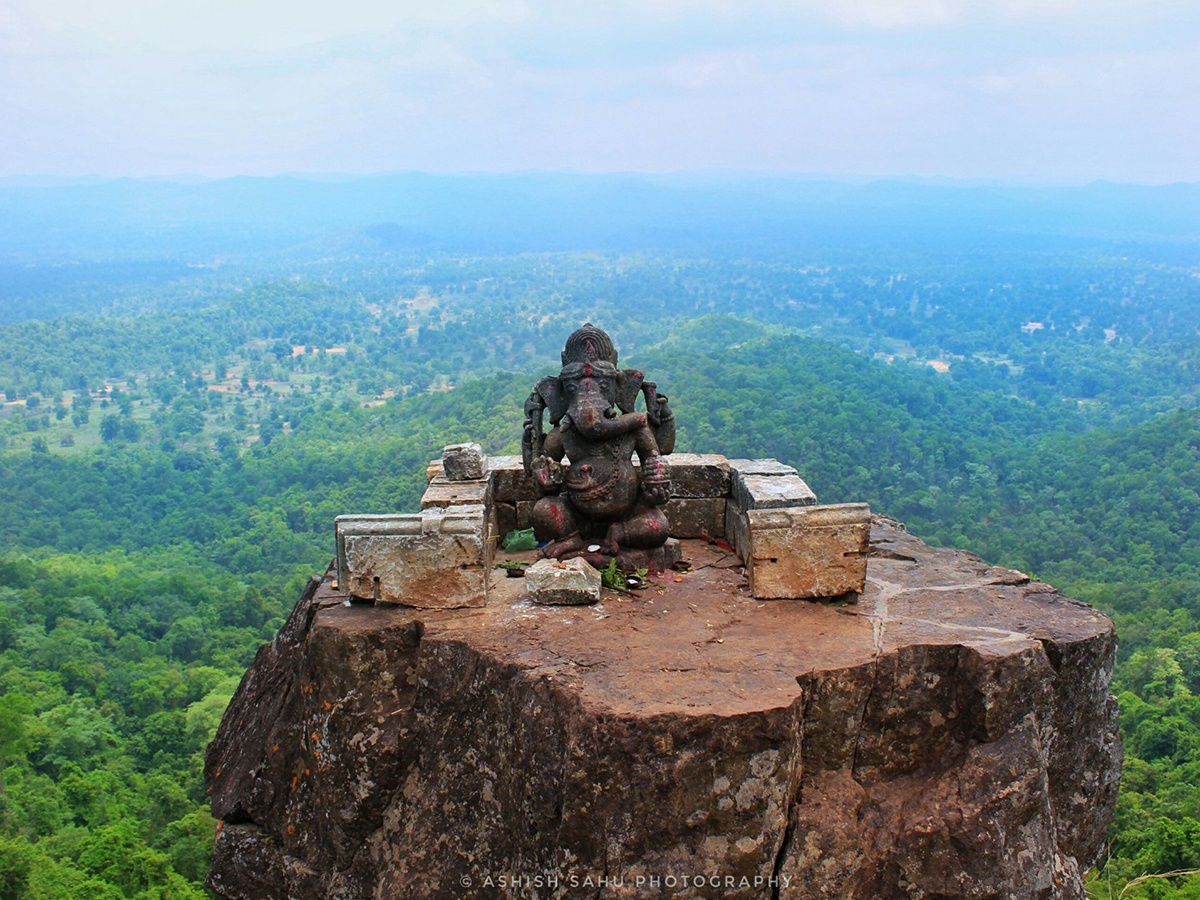
Garh Ganesh Temple
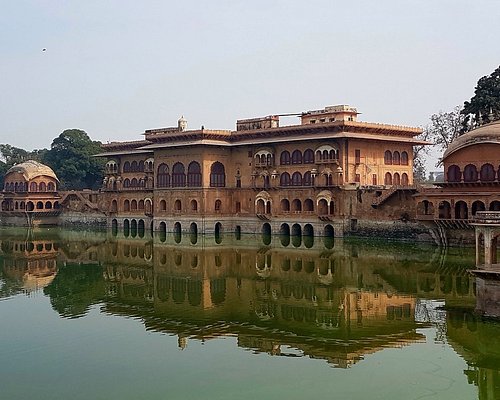
Jal Mahal
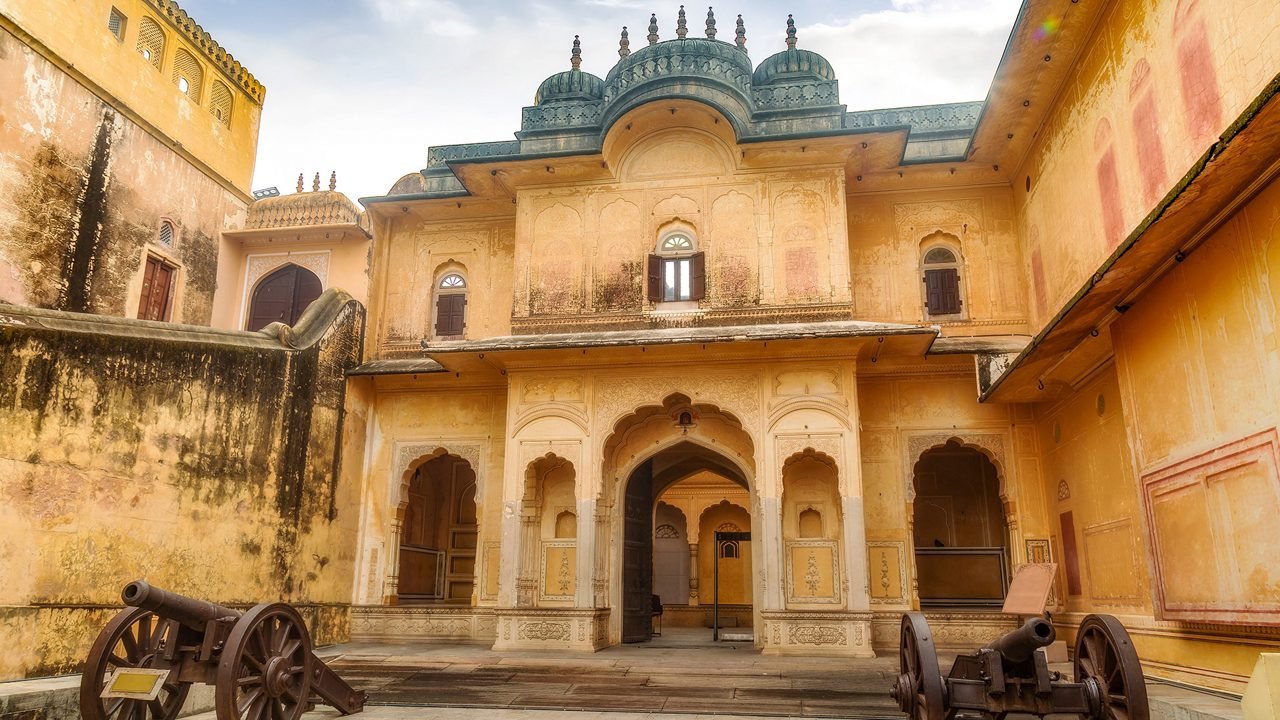
Nahargarh Fort

City Palace Jaipur
Conclusion
Gatore Ki Chhatriyan Jaipur is a beautiful yet peaceful heritage destination that offers a glimpse into the city’s royal past and traditional Rajput craftsmanship. Its intricately carved cenotaphs, elegant domes, detailed stonework, and scenic Aravalli backdrop make it a rewarding destination for history and architecture enthusiasts. Away from Jaipur’s crowded tourist attractions, Gatore provides a tranquil setting to appreciate the legacy of the Kachwaha rulers and the artistic traditions that shaped the Pink City.
Explore Rajasthan
Varanasi Blogs
- Uttar Pradesh Cultural guide
- Places to visit in Varanasi
- Places to visit nearby Varanasi
- India’s most popular destination
- India’s archaeological marvels
Recommended articles
- Uttar Pradesh Cultural guide
- Places to visit in Varanasi
- Places to visit nearby Varanasi
- India’s most popular destination