
¤ 7 minutes Read
Hawa Mahal
A complete tourist and cultural guide

Hawa Mahal, popularly known as the Palace of Winds, is one of Jaipur’s most iconic landmarks and a masterpiece of Rajput architecture. Located in the heart of the Pink City, the five-storeyed palace is renowned for its distinctive honeycomb-shaped façade featuring 953 intricately designed windows, or jharokhas. Built from red and pink sandstone, Hawa Mahal is a symbol of Jaipur’s rich royal heritage and architectural brilliance.
Constructed in 1799 by Maharaja Sawai Pratap Singh and designed by architect Lal Chand Ustad, the palace allowed royal women to observe street festivals and daily life without being seen, in keeping with the tradition of purdah. The unique lattice windows also allowed cool air to circulate throughout the structure, giving the palace its name. Today, Hawa Mahal is one of Rajasthan’s most visited attractions, offering visitors a fascinating glimpse into Jaipur’s history, culture, and architectural excellence.
Architecture of Hawa Mahal
Hawa Mahal is a remarkable example of Rajput architecture with subtle Mughal influences. Built from red and pink sandstone, the five-storeyed palace is admired for its distinctive honeycomb-shaped façade, intricate latticework, and beautifully designed jharokhas. Its elegant design combines aesthetic beauty with practical features, making it one of Jaipur’s most iconic architectural masterpieces.
Iconic Honeycomb Façade
The palace’s striking façade features 953 beautifully crafted jharokhas (small windows), giving Hawa Mahal its distinctive honeycomb appearance.
Intricate Jharokhas
The finely carved lattice windows allowed royal women to observe city life while maintaining privacy, in accordance with the purdah tradition.
Natural Cooling System
The unique arrangement of the jharokhas allows cool air to flow through the palace, creating a natural ventilation system that inspired the name “Palace of Winds.”
Elegant Interiors
The use of polished white marble enhances the temple’s beauty, creating a peaceful and spiritually uplifting atmosphere.
Stunning City Views
The upper floors offer spectacular views of Jaipur’s bustling streets, the City Palace, Jantar Mantar, and the surrounding Aravalli Hills, making them a favorite spot for visitors and photographers.
Things to See at Hawa Mahal
Hawa Mahal is filled with fascinating architectural features and scenic viewpoints that offer visitors a glimpse into Jaipur’s royal past. From its iconic façade to its panoramic terraces, every corner reflects the elegance of Rajput craftsmanship.
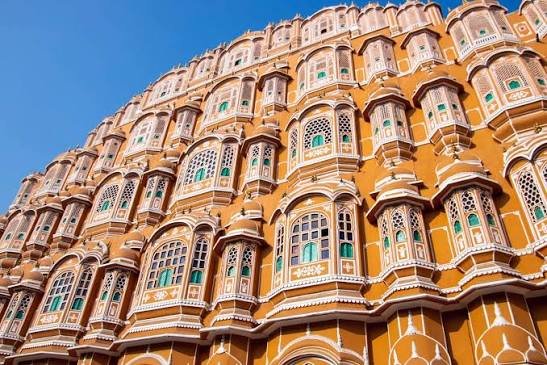
Iconic Honeycomb Façade
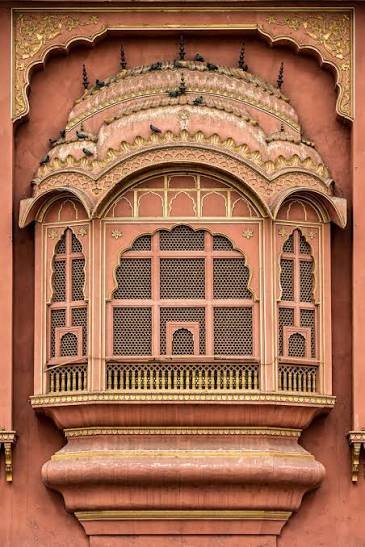
Jharokhas (Lattice Windows)

Panoramic Viewpoints
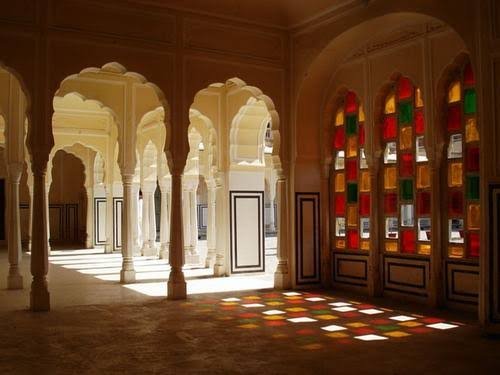
Royal Chambers
History of Hawa Mahal
Hawa Mahal is one of Jaipur’s most celebrated architectural landmarks and a symbol of the city’s royal heritage. Built in 1799 by Maharaja Sawai Pratap Singh, the palace was designed to allow the royal women of the court to observe street processions and festivals without being seen, following the tradition of purdah. Today, it stands as one of Rajasthan’s most iconic monuments.
Construction of the Palace
Inspired by the crown of Lord Krishna, Maharaja Sawai Pratap Singh commissioned Hawa Mahal as an extension of the City Palace, combining beauty with practical design.
Designed for Royal Women
The palace’s numerous jharokhas (latticed windows) enabled royal women to watch public celebrations, markets, and religious processions while remaining unseen from the outside.
An Architectural Innovation
The carefully designed lattice windows allowed cool air to circulate throughout the palace, providing natural ventilation even during Jaipur’s hot summers.
An Enduring Symbol of Jaipur
Today, Hawa Mahal remains one of India’s most photographed monuments and a timeless symbol of Jaipur’s architectural brilliance, cultural heritage, and royal history.

Interesting Facts About Hawa Mahal
Hawa Mahal is one of Jaipur’s most recognizable landmarks and an enduring symbol of Rajasthan’s royal heritage. Its unique design, historical significance, and architectural brilliance continue to captivate visitors from around the world.
- Built in 1799 by Maharaja Sawai Pratap Singh
- Designed by architect Lal Chand Ustad
- Features 953 intricately carved jharokhas (windows)
- Known as the “Palace of Winds” for its natural ventilation
- Constructed using red and pink sandstone
- One of India’s most photographed monuments
History of Hawa Mahal
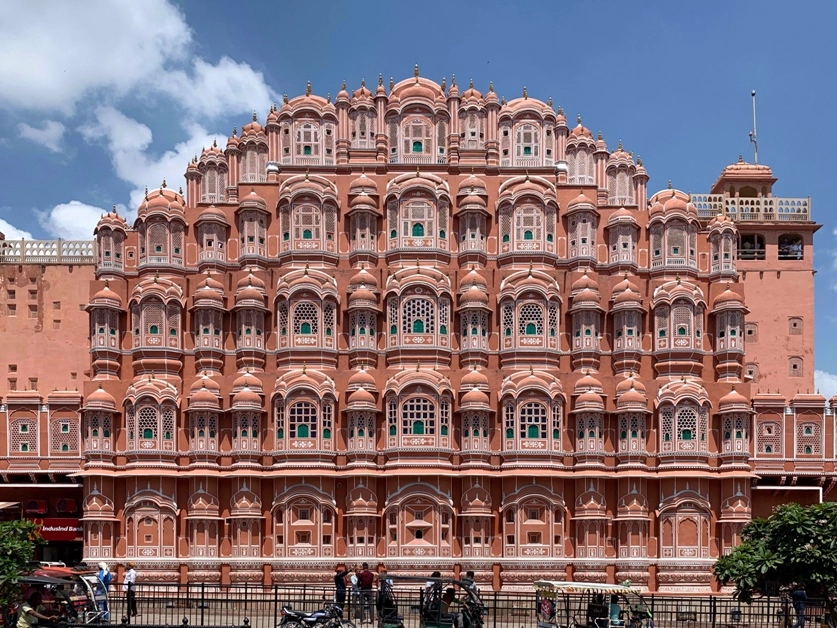
Hawa Mahal is one of Jaipur’s most celebrated architectural landmarks and a symbol of the city’s royal heritage. Built in 1799 by Maharaja Sawai Pratap Singh, the palace was designed to allow the royal women of the court to observe street processions and festivals without being seen, following the tradition of purdah. Today, it stands as one of Rajasthan’s most iconic monuments.
Construction of the Palace
Inspired by the crown of Lord Krishna, Maharaja Sawai Pratap Singh commissioned Hawa Mahal as an extension of the City Palace, combining beauty with practical design.
Designed for Royal Women
The palace’s numerous jharokhas (latticed windows) enabled royal women to watch public celebrations, markets, and religious processions while remaining unseen from the outside.
An Architectural Innovation
The carefully designed lattice windows allowed cool air to circulate throughout the palace, providing natural ventilation even during Jaipur’s hot summers.
An Enduring Symbol of Jaipur
Today, Hawa Mahal remains one of India’s most photographed monuments and a timeless symbol of Jaipur’s architectural brilliance, cultural heritage, and royal history.
Nearby Attractions
Several popular attractions are located close to Hawa Mahal, making it easy to explore Jaipur’s royal palaces, historic monuments, and vibrant markets in a single trip.
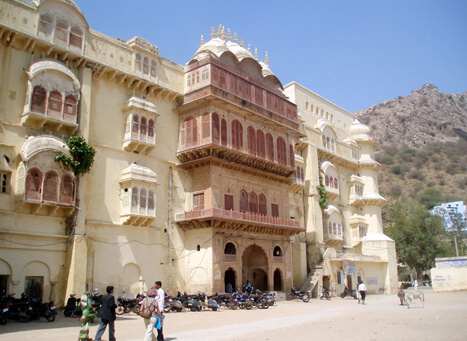
City Palace

Johari Bazaar

Albert Hall Museum
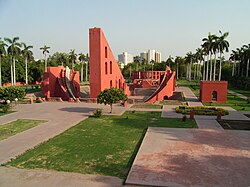
Jantar Mantar
Conclusion
Hawa Mahal is one of Jaipur’s most iconic landmarks, celebrated for its distinctive honeycomb façade, intricate jharokhas, and remarkable Rajput architecture. Built as a royal viewing gallery, the Palace of Winds reflects the ingenuity, elegance, and cultural heritage of Rajasthan’s royal era. From its panoramic views of the Pink City to its fascinating history and architectural brilliance, every corner of Hawa Mahal offers a memorable experience. Whether you are a history enthusiast, architecture admirer, or traveler exploring Jaipur, a visit to Hawa Mahal is an essential part of discovering the city’s timeless charm and royal legacy.
Explore Jaipur
Varanasi Blogs
- Uttar Pradesh Cultural guide
- Places to visit in Varanasi
- Places to visit nearby Varanasi
- India’s most popular destination
- India’s archaeological marvels
Recommended articles
- Uttar Pradesh Cultural guide
- Places to visit in Varanasi
- Places to visit nearby Varanasi
- India’s most popular destination