
¤ 7 minutes Read
Jaigarh Fort Travel Guide - Explore Jaipur's Majestic Fort of Victory
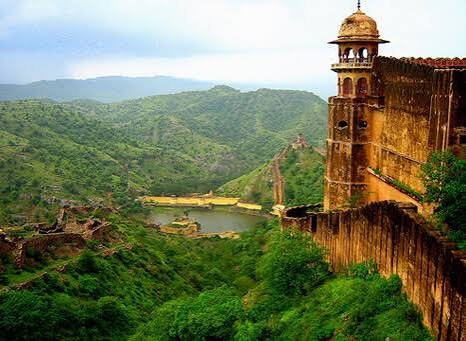
Jaigarh Fort is one of Jaipur’s most impressive hill forts, renowned for its massive fortifications, military architecture, and rich royal history. Perched atop the Aravalli Hills overlooking Amber Fort and Maota Lake, the fort was built to protect the royal complex and safeguard the treasures of the Kachwaha dynasty. Its strategic location offers breathtaking panoramic views of Jaipur and the surrounding landscape. Constructed in 1726 by Maharaja Sawai Jai Singh II, Jaigarh Fort is celebrated for housing the legendary Jaivana Cannon, one of the world’s largest wheeled cannons. The fort also features grand gateways, watchtowers, underground passages, palaces, temples, water reservoirs, and an impressive armory.
Architecture of Jaigarh Fort
Jaigarh Fort is a remarkable example of Rajput military architecture, designed with strength, functionality, and strategic defense in mind. Built using red sandstone, the fort features massive fortified walls, watchtowers, grand gateways, underground passages, and well-planned water storage systems. Its commanding hilltop location and impressive engineering make it one of Rajasthan’s finest military forts.
Massive Fortifications
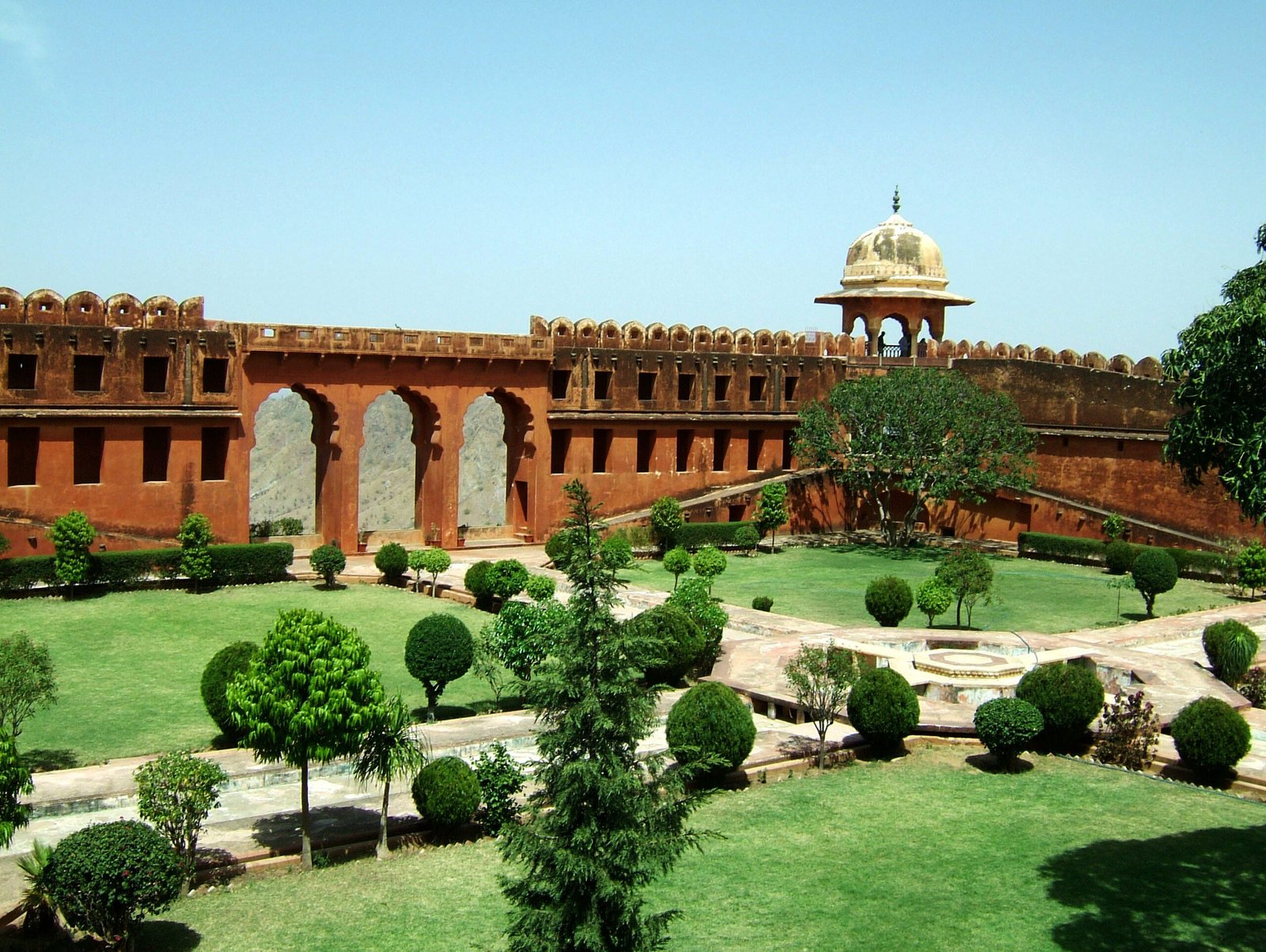
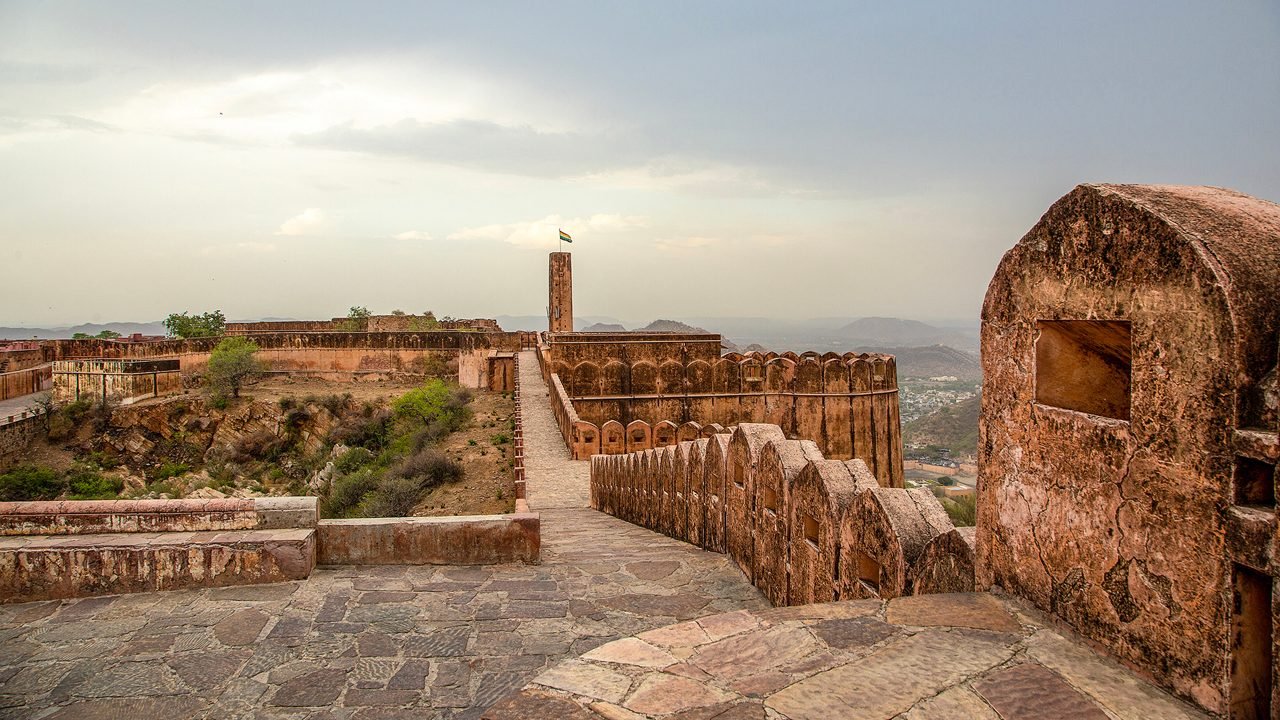
Jaigarh Fort is protected by thick defensive walls, bastions, and watchtowers that stretch across the Aravalli Hills, providing excellent surveillance of the surrounding region.
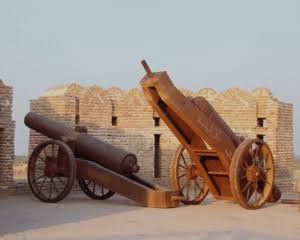
Jaivana Cannon
The fort is home to the legendary Jaivana Cannon, one of the world’s largest wheeled cannons, showcasing the advanced military engineering of the Rajput era.
Royal Palace Complex
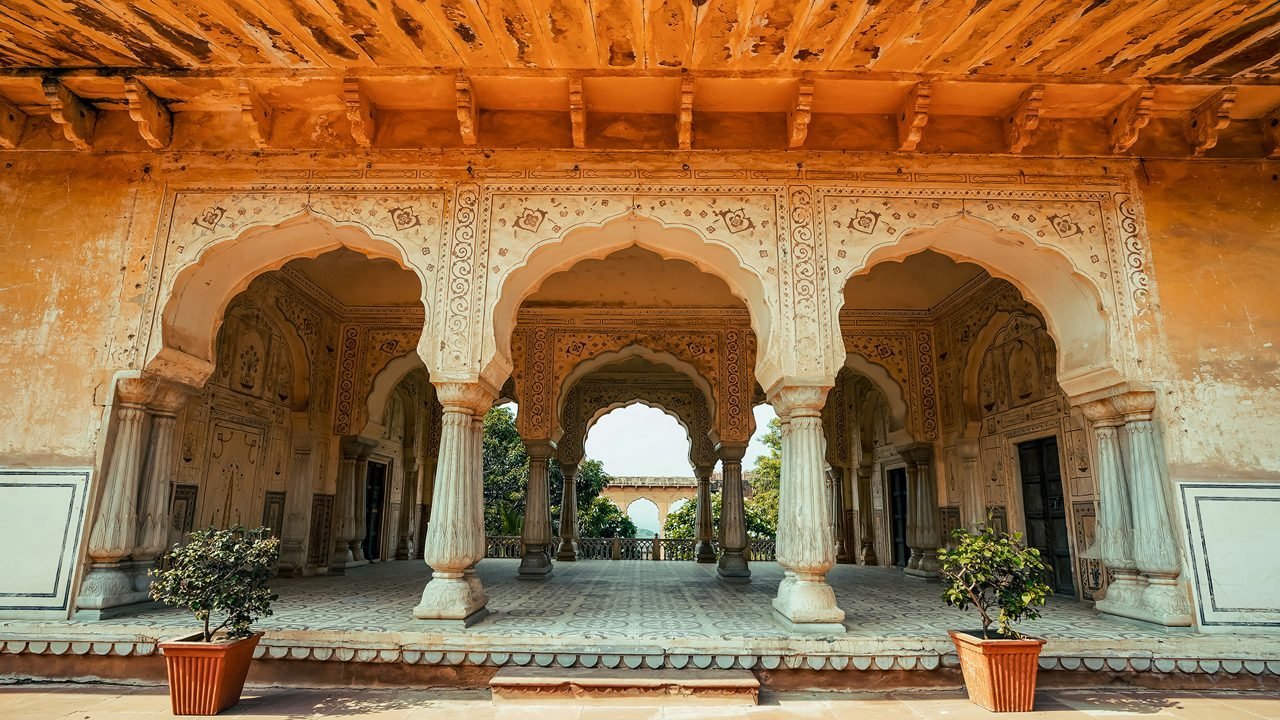
Within the fort are elegant palaces, audience halls, and residential quarters that once accommodated the royal family and military officials.
Underground Passages
A network of underground passages, including one believed to connect Jaigarh Fort with Amber Fort, was designed for strategic movement and emergency escape.
Water Harvesting System
The fort features an advanced rainwater harvesting and storage system with large reservoirs and underground tanks, demonstrating the engineering ingenuity of the Rajput rulers.
Things to See at Jaigarh Fort
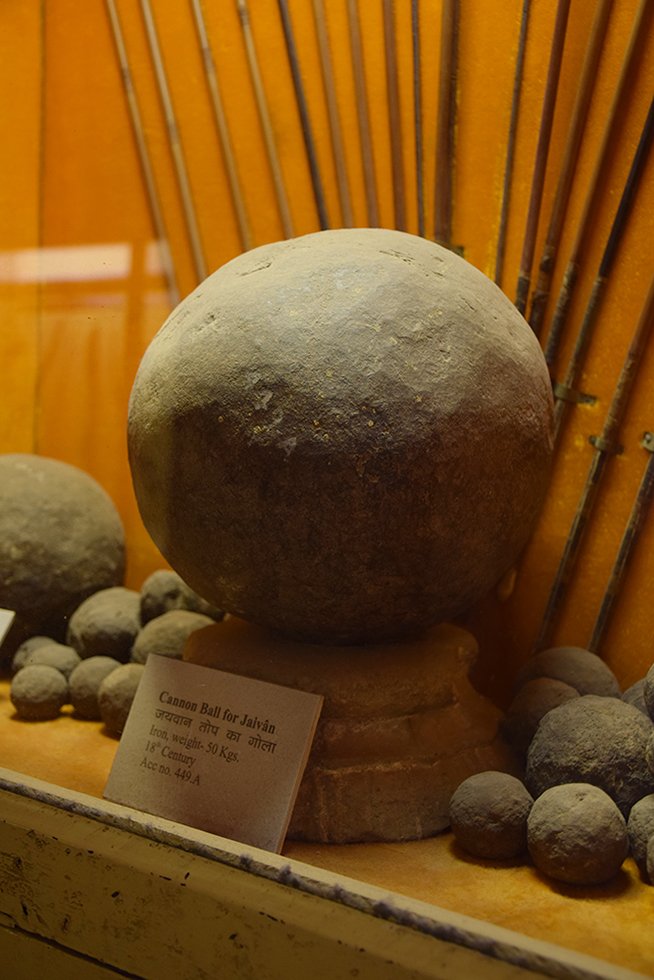
Jaigarh Fort is home to impressive military structures, royal buildings, and panoramic viewpoints that showcase Rajasthan’s rich history and architectural brilliance. From the world’s largest wheeled cannon to grand gateways and historic armories, the fort offers visitors a fascinating glimpse into the military legacy of the Kachwaha dynasty.
Jaivana Cannon
Armory Museum
Watchtowers and Fort Walls
Laxmi Vilas Palace
History of Jaigarh Fort
Jaigarh Fort is one of Rajasthan’s most formidable military forts, built to protect Amber Fort and the royal treasures of the Kachwaha dynasty. Constructed in 1726 by Maharaja Sawai Jai Singh II, the fort served as a strategic defense stronghold overlooking the Aravalli Hills. Known for its robust fortifications and military significance, Jaigarh Fort played a vital role in safeguarding the kingdom while serving as a center for weapon manufacturing and storage.
Construction of the Fort
Maharaja Sawai Jai Singh II commissioned Jaigarh Fort to strengthen the defenses of Amber Fort and secure the kingdom against potential invasions.
Guardian of Royal Treasures
The fort was designed to protect the royal treasury and valuable possessions of the Kachwaha rulers. Legends surrounding hidden treasures have added to Jaigarh Fort’s enduring fascination.
Center of Military Excellence
Jaigarh Fort housed foundries for manufacturing cannons and weapons, making it an important military center during the reign of the Rajput rulers.
A Symbol of Rajput Strength
Today, Jaigarh Fort stands as a remarkable example of Rajasthan’s military architecture. Its massive walls, historic armory, and commanding hilltop location continue to attract visitors seeking to explore Jaipur’s royal and military heritage.
Built
1726
Built By
Maharaja Sawai Jai Singh II
Dynasty
Kachwaha Rajputs
Purpose
Military Fort and Protection of Amber Fort
Interesting Facts About Jaigarh Fort
Jaigarh Fort is one of Rajasthan’s most remarkable military forts, renowned for its massive fortifications, strategic hilltop location, and rich royal history. It stands as a symbol of the military strength and engineering excellence of the Kachwaha dynasty.
- Built in 1726 by Maharaja Sawai Jai Singh II
- Constructed to protect Amber Fort and the royal treasury
- Home to the famous Jaivana Cannon, one of the world’s largest wheeled cannons
- Offers panoramic views of Amber Fort, Maota Lake, and the Aravalli Hills
- Features an advanced rainwater harvesting system.
- One of Jaipur’s most visited hill forts
Nearby Attractions
Jaigarh Fort is located close to several of Jaipur’s most iconic landmarks, making it easy to explore the city’s royal forts, palaces, and scenic attractions in a single trip.
Amber Fort
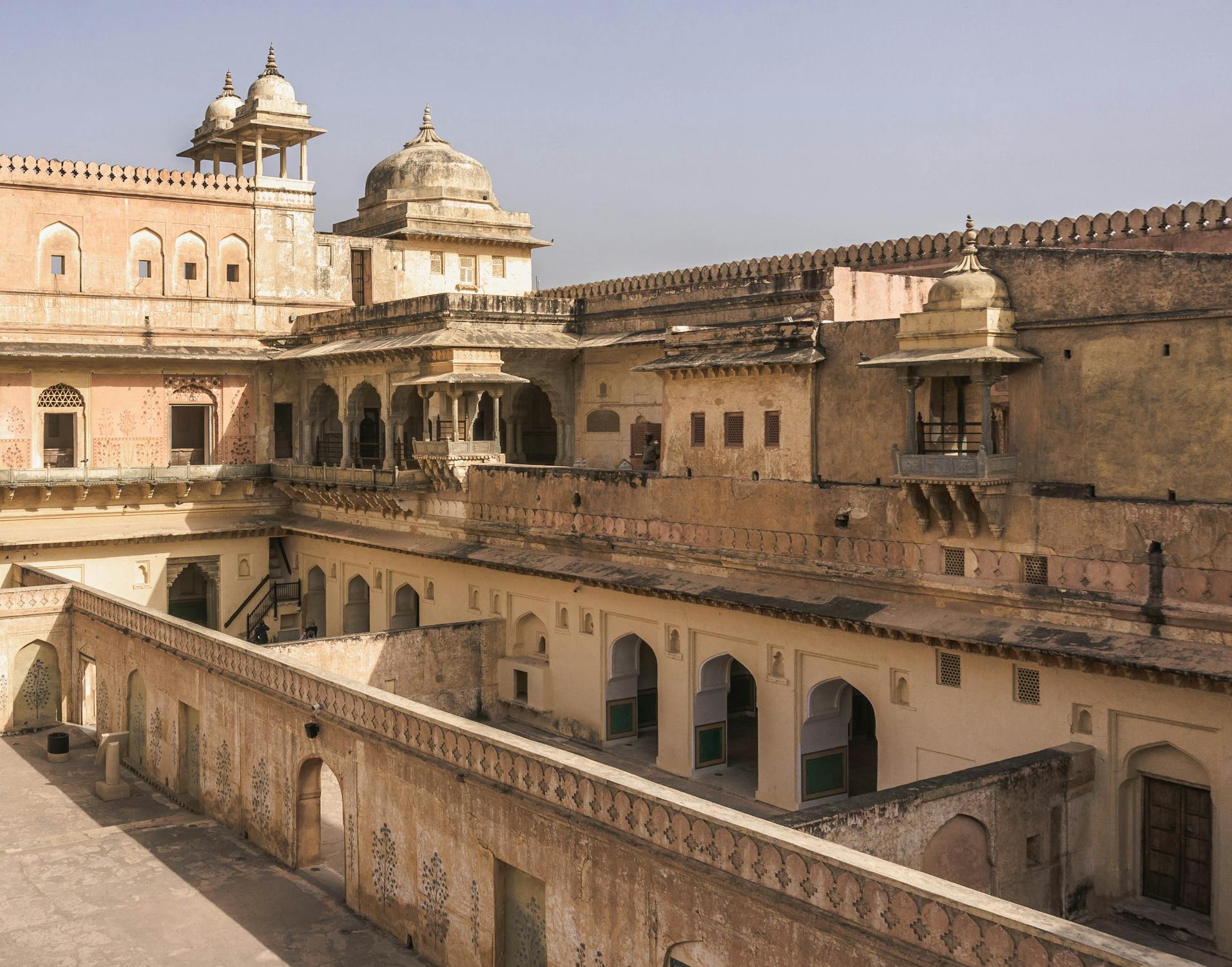
A UNESCO World Heritage Site, Amber Fort is renowned for its magnificent palaces, Sheesh Mahal, Ganesh Pol, and stunning Rajput architecture.
Nahargarh Fort
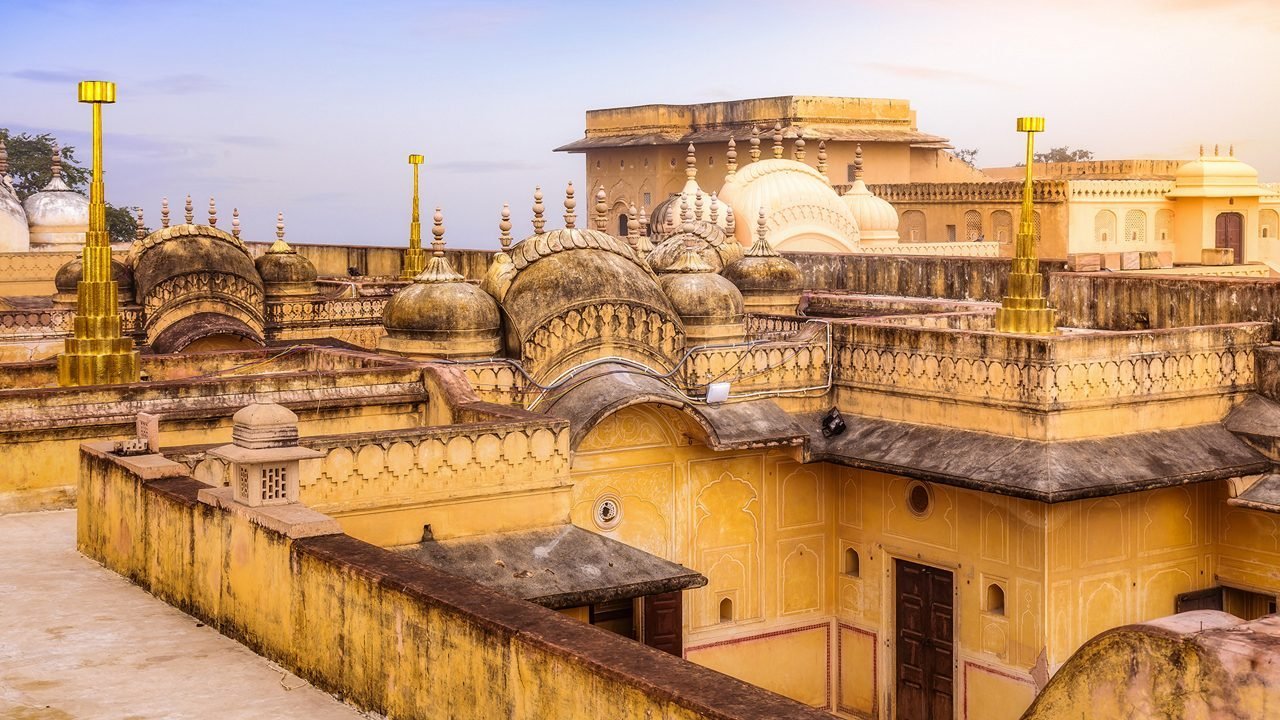
Perched on the Aravalli Hills, Nahargarh Fort offers breathtaking panoramic views of Jaipur and is a popular destination for history enthusiasts and sunset lovers.

Jal Mahal
Situated in the middle of Man Sagar Lake, Jal Mahal is one of Jaipur’s most photographed landmarks, admired for its unique Water Palace architecture.
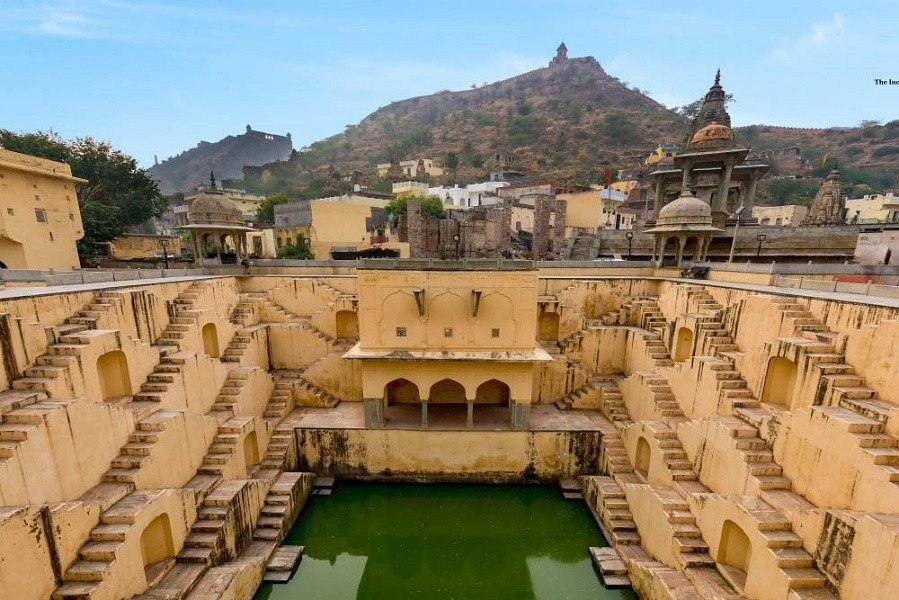
Panna Meena ka Kund
A beautifully restored 16th-century stepwell, Panna Meena ka Kund is known for its symmetrical staircases and remarkable geometric design.
Conclusion
Jaigarh Fort stands as a magnificent symbol of Rajasthan’s military strength, architectural brilliance, and royal heritage. From its massive fortifications and the legendary Jaivana Cannon to its panoramic views of Amber Fort and the Aravalli Hills, every part of the fort reflects the strategic vision and engineering excellence of the Kachwaha dynasty. Whether you are fascinated by history, military architecture, or scenic landscapes, Jaigarh Fort offers an unforgettable journey into Jaipur’s glorious past. A visit to this iconic hill fort is an essential experience for anyone exploring the rich cultural and historical heritage of the Pink City.
Explore Jaipur
Varanasi Blogs
- Uttar Pradesh Cultural guide
- Places to visit in Varanasi
- Places to visit nearby Varanasi
- India’s most popular destination
- India’s archaeological marvels
Recommended articles
- Uttar Pradesh Cultural guide
- Places to visit in Varanasi
- Places to visit nearby Varanasi
- India’s most popular destination